Coto de Quevedo Origen


Michelin Plate · Macarfi 7.7 Food Rating
Our verdict
Coto de Quevedo Origen earns consecutive Michelin Plates (2024 and 2025) for its commitment to the everyday cooking of La Mancha: candeal wheat bread from the town's communal oven, partridge pâté made in-house, and game-centred dishes rooted in the hunting traditions of rural Ciudad Real. Set within a rural hotel in Torre de Juan Abad, it positions itself as the tradition-focused counterpart to its progressive sibling, Coto de Quevedo Evolución.

Pearl is the En Primeur Club membership app — saves, bookings, and concierge access live there. Same editors, same standards.
- Address
- Paraje Las Tejeras Viejas, 13344 Torre de Juan Abad, Ciudad Real, Spain
- Phone
- +34 649 84 29 01
- Website
- cotodequevedo.com
- Directions
- Get directions
The menu
What to order
- Partridge pâté
- Chickpea and bean stews
Where the Countryside Comes to the Table
Approach Torre de Juan Abad on the back roads of southern Castilla-La Mancha and the land tells you something before any menu does. The plains around Ciudad Real have fed partridge hunters, shepherds, and farming families for centuries, and the cooking that developed here was never about restraint as an aesthetic choice — it was about using what the land gave you, fully and without waste. At Paraje Las Tejeras Viejas, the rural setting of Coto de Quevedo Origen, that relationship between landscape and larder is not decorative. It is structural.
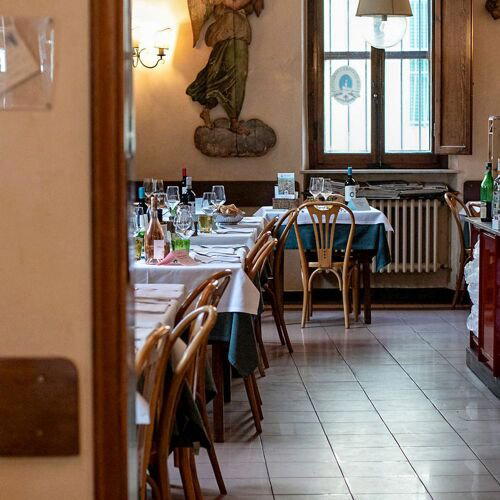
The restaurant occupies a rural hotel property, and the dining experience is shaped by that setting in ways that urban restaurants cannot replicate. Guests eating here are, in most cases, staying on the estate, and the service reflects that context — unhurried, warm, and oriented toward the rhythms of the countryside rather than the efficient turnover of a city dining room.
The Logic of Everyday Cooking
Spain's most-discussed restaurant tables in recent years, DiverXO in Madrid, Arzak in San Sebastián, El Celler de Can Roca in Girona, Azurmendi in Larrabetzu, Mugaritz in Errenteria, Aponiente in El Puerto de Santa María, Cocina Hermanos Torres in Barcelona, Martin Berasategui in Lasarte - Oria, Quique Dacosta in Dénia, Ricard Camarena in València, operate in a register defined by transformation, technique, and narrative. Origen sits at the opposite end of that spectrum deliberately. The cooking here belongs to a tradition where the goal is not to surprise but to restore: chickpea stews cooked until the legumes have absorbed everything around them, bean preparations that take hours rather than minutes, and soups that draw on the kind of slow accumulation of flavour that defines Manchegan home kitchens.
That is not a lesser ambition. Across Europe, a small category of restaurants has built serious reputations around this kind of fidelity to regional home cooking. Auberge Grand'Maison in Mûr-de-Bretagne and Auga in Gijón operate in similarly grounded registers, places where the cultural weight of a regional ingredient or preparation method carries the plate rather than technical novelty.
Game as the Central Argument
The plains and scrubland of Ciudad Real are among the most productive game territories in Europe, and partridge in particular has been central to the diet and economy of this part of La Mancha for generations. Chef José Antonio Medina's focus on game at Origen is not a contemporary positioning choice, it is a continuation of what this land has always produced and what local cooks have always known how to do with it. The partridge pâté made in-house connects directly to that tradition: preservation techniques developed before refrigeration, flavours built through curing and fat rather than heat and reduction.
Game cooking in this part of Spain operates on a seasonal and ecological logic that urban tasting menus rarely capture. Hunting season, the condition of the local population, the time of year, these variables shape what appears on a menu at Origen in ways that no centralised kitchen can replicate. For visitors arriving from cities where game means a neatly portioned breast on a composed plate, the earthier, more complete preparations here can recalibrate expectations usefully.
Bread, Stew, and the Communal Oven
One detail in the Origen record is worth holding onto: the loaves served here are baked using candeal wheat flour in the town's communal oven. Candeal is a hard, low-moisture wheat variety historically grown across Castilla and used in dense, long-keeping breads that sustained agricultural communities through working days. The communal oven itself is an institution that most Spanish towns have lost; Torre de Juan Abad retains one, and Origen uses it. That single fact does more to locate this restaurant within its cultural context than any amount of menu description.
The chickpea and bean stews that form part of the restaurant's repertoire belong to the same logic, preparations that predate any concept of restaurant cuisine, rooted in the need to feed people doing physical work in a harsh climate. That Origen serves these dishes in a hotel dining room, at a €€ price point, to guests who have come specifically for this kind of experience, represents a particular kind of cultural transaction: heritage preserved not in a museum but in a working kitchen.
The Relationship with Evolución
Origen and its sibling restaurant, Coto de Quevedo Evolución, are housed within the same rural property but occupy different positions in the spectrum of contemporary Spanish cooking. Evolución operates as the more progressive table, with awards that reflect a different level of ambition and technique. Origen is explicitly the traditional counterpart, not a fallback option, but a distinct editorial statement about what cooking in this part of Spain can mean when it stops trying to modernise and simply commits to the source material.
For guests staying at the hotel, this creates a genuine choice rather than a default. The two restaurants represent two legitimate and coherent approaches to the same ingredients and culinary territory. Choosing Origen is a choice for the food that local families actually eat rather than the food that reflects their landscape through a contemporary technical lens.
Planning Your Visit
Coto de Quevedo Origen sits at Paraje Las Tejeras Viejas in Torre de Juan Abad, a small municipality in the south of Ciudad Real province, approximately equidistant between Madrid and the Andalusian border. The rural location means that the restaurant is most naturally visited as part of a stay at the hotel rather than as a standalone dining destination; driving is the practical mode of arrival given the absence of rail connections to the town. The €€ price point places Origen clearly in the accessible bracket for a Michelin Plate restaurant, a combination that is increasingly rare as recognition tends to push prices upward. For a broader picture of what Torre de Juan Abad offers across categories, see [our full Torre de Juan Abad restaurants guide](), [our full Torre de Juan Abad hotels guide](), [our full Torre de Juan Abad bars guide](), [our full Torre de Juan Abad wineries guide](), and our full Torre de Juan Abad experiences guide.
Frequently asked questions
at Coto de Quevedo Origen?
The dishes most closely tied to the restaurant's identity are those rooted in the game traditions of Ciudad Real and the home cooking of Castilla-La Mancha. The in-house partridge pâté connects directly to the estate's game heritage and the preservation traditions of the region, while the chickpea and bean stews represent the slow-cooked, ingredient-led approach that defines the kitchen's character. The candeal wheat bread baked in the town's communal oven is worth attention as a cultural object in its own right. Chef José Antonio Medina's focus on game means that seasonal availability shapes what is offered, so the specifics will vary by visit, but the through-line across all of it is fidelity to Manchegan culinary tradition rather than technical showmanship. The consecutive Michelin Plates in 2024 and 2025 suggest that this approach is being executed at a level of consistency that rewards the journey.
Price Lens
| Venue | Cuisine | Price | Awards |
|---|---|---|---|
| Coto de Quevedo OrigenThis venue — the venue you are viewing | Traditional Spanish Game Cuisine | $30–50 | Michelin Plate · Macarfi 7.7 Food Rating |
| Aponiente | Progressive - Seafood, Creative | Not listed | Michelin 3 Star |
| Arzak | Modern Basque, Creative | Not listed | Michelin 3 Star |
| DiverXO | Progressive - Asian, Creative | Not listed | Michelin 3 Star |
| El Celler de Can Roca | Progressive Spanish, Creative | Not listed | Michelin 3 Star |
| Quique Dacosta | Creative | Not listed | Michelin 3 Star |
Recognition history
Dated appearances from independent guides and award organizations, with the underlying list record or original source where available.
Michelin Plate
Michelin
Macarfi 7.7 Food Rating
Macarfi
Full recognition history (4 entries)
Michelin Plate
Michelin
Michelin Plate
Michelin
Continue exploring
More in Torre de Juan Abad
Restaurants in Torre de Juan Abad
Browse all →
Hotels in Torre de Juan Abad
Browse all →

Details
- Rustic
- Cozy
- Classic
- Family
- Casual Hangout
- Special Occasion
- Hotel Restaurant
- Historic Building
- Local Sourcing
- A La Carte
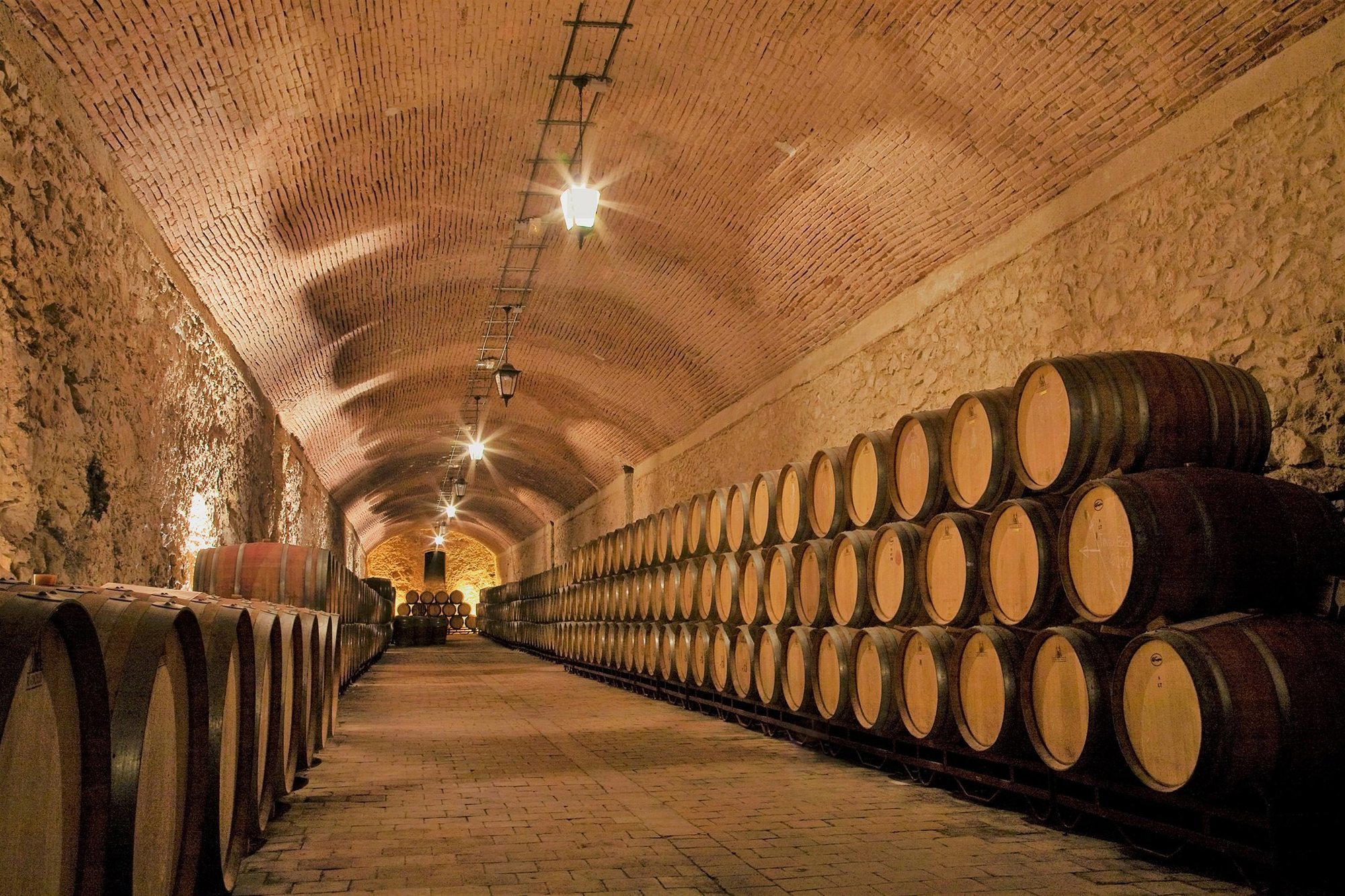
Comforting countryside atmosphere with friendly service, connecting guests to local traditions through hearty home-style dishes.