







El Celler de Can Roca sits at the high-theatre end of Girona dining, where Catalan hospitality, progressive Spanish technique and the Spanish habit of shared anticipation are stretched into a formal tasting-menu language. Its three Michelin stars, 99-point La Liste score for 2026 and long history on The World's 50 Best Restaurants make it a benchmark for travellers comparing Girona with Barcelona, Madrid and the wider Iberian creative circuit.
 Discover on Pearl
Pearl is the En Primeur Club membership app — saves, bookings, and concierge access live there. Same editors, same standards.
- Address
- Carrer de Can Sunyer, 48, 17007 Girona, Spain
- Phone
- +34 972 22 21 57
- Website
- cellercanroca.com
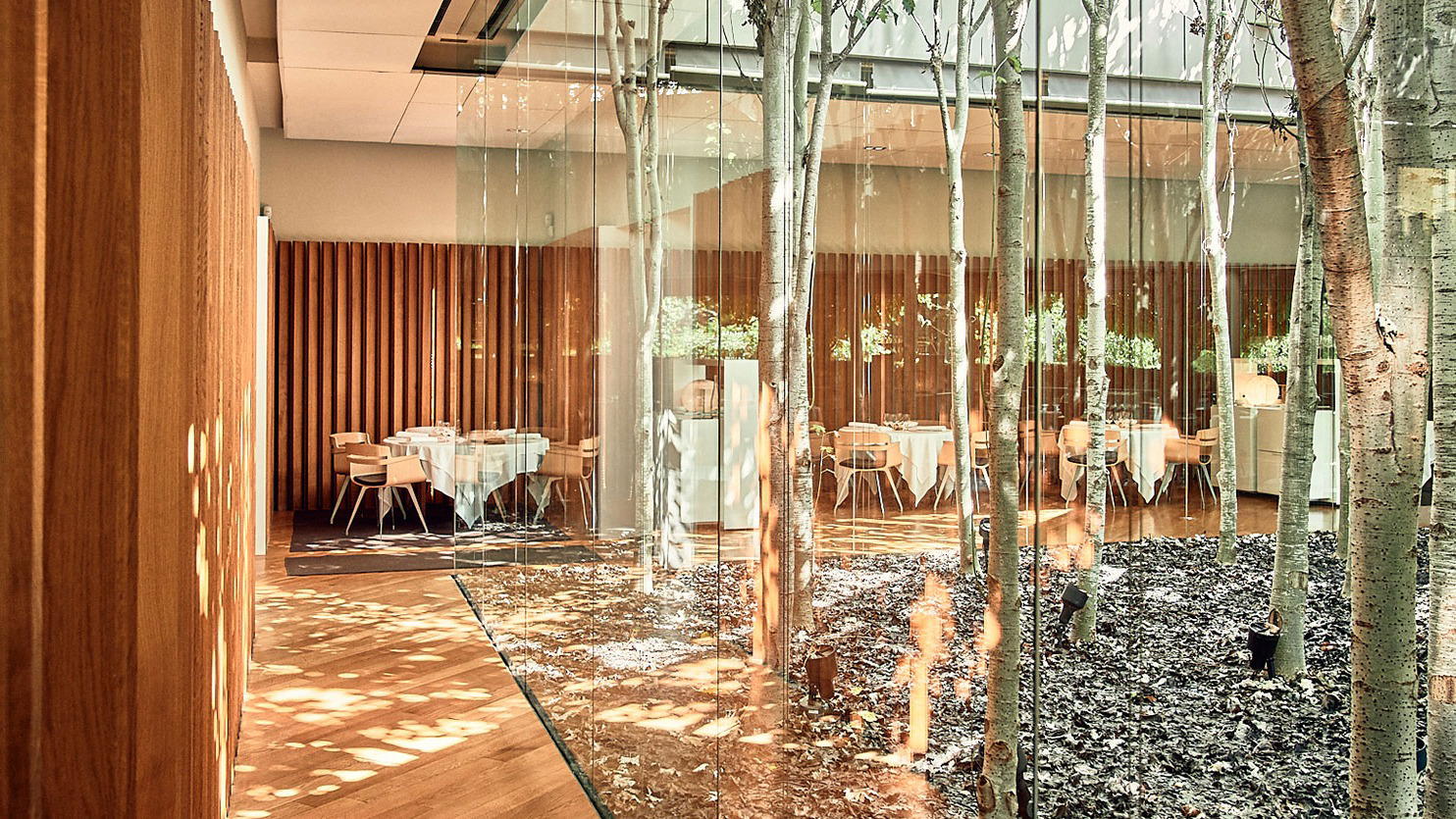
El Celler de Can Roca is a formal, €€€€ restaurant in Girona led by Joan Roca. The verified cuisine description is Progressive Spanish and Creative, which is the safest way to understand the experience: a Spanish restaurant built around a contemporary culinary profile rather than a casual tapas format.
That distinction matters because the restaurant's reputation can invite more detail than the verified record supports. What is confirmed here is the core planning profile: Girona, Joan Roca, Progressive Spanish and Creative cooking, a formal dress code and a €€€€ price level. For travellers comparing it with other serious tables, Massana, Esperit Roca, L'Aliança d'Anglès, Bo.TiC and Lasarte are useful reference points, but El Celler de Can Roca should be judged on its own verified identity rather than on unconfirmed rankings or award claims.
Progressive Spanish cooking in a formal setting
Spanish small-plates culture is often associated with variety, rhythm and contrast. El Celler de Can Roca sits at a much more formal end of the spectrum, so it should not be described as a tapas bar. The more grounded point is that its verified cuisine category, Progressive Spanish and Creative, places it within a contemporary Spanish context.
Joan Roca is the verified chef/owner associated with the restaurant. Beyond that, specific claims about the division of labour, beverage program, pastry leadership, menu format or service choreography are not part of the verified data and should be treated cautiously unless confirmed directly by the restaurant.
The verified recognition data supplied is not strong enough to state specific confirmed awards, star counts, rankings, scores or award years. The editorial case therefore rests on confirmed fundamentals rather than trophy language: El Celler de Can Roca is a formal, €€€€ Progressive Spanish and Creative restaurant in Girona led by Joan Roca.
Girona's creative dining context
Girona is a compact base for a destination meal, and El Celler de Can Roca is one of its clearest high-price dining reference points. Travellers planning around the restaurant can also look at other Girona dining generically, while keeping the focus on what is verified for this restaurant: city, chef, cuisine, price level, dress code and service hours.
That contrast frames El Celler de Can Roca. It is not verified here as an everyday Catalan table or a conventional tapas bar. It is best described, on the confirmed facts, as a formal Progressive Spanish and Creative restaurant in Girona. Massana offers another point of comparison in Girona, while Lasarte provides a broader Spanish restaurant reference in Barcelona.
The wider creative category can also be considered through named peers such as Bo.TiC, Esperit Roca and L'Aliança d'Anglès. Those comparisons are useful only as context. The verified description for El Celler de Can Roca remains narrower and clearer: Progressive Spanish, Creative, formal and €€€€ in Girona.
Who should plan a meal here
This is a serious choice for travellers who want a formal restaurant in Girona and are comfortable with a €€€€ price level. The verified opening pattern includes dinner on Tuesday, lunch and dinner from Wednesday through Saturday, and closure on Sunday and Monday, with additional listed closure periods from December 19 to January 11, April 10 to 18, and August 1.
Girona works as a compact dining base, not just a single-meal stop. Treat El Celler de Can Roca as an anchor for a planned trip, then build the rest of the stay around verified local options and the city itself. For planning, Our full Girona restaurants guide gives the dining map, while Our full Girona hotels guide, Our full Girona bars guide, Our full Girona wineries guide and Our full Girona experiences guide help turn the meal into a fuller city stay.
The editorial case is clear: El Celler de Can Roca is compelling as a formal Progressive Spanish and Creative restaurant in Girona led by Joan Roca. Its appeal should be presented through confirmed facts rather than unverified accolades, scores, service formats or menu details.
At-a-Glance Comparison
Comparable venues by cuisine and price in the same metro.
| Venue | Cuisine | Price |
|---|---|---|
| El Celler de Can RocaThis venue — the venue you are viewing | Progressive Spanish, Creative | €€€€ |
| Massana | Modern Spanish, Modern Cuisine | €€€€ |
| Esperit Roca | Creative | €€€€ |
| L'Aliança d'Anglès | Modern Cuisine | €€€€ |
| Bo.TiC | Modern Catalan, Creative | €€€€ |
| Lasarte | Progressive Spanish, Creative | €€€€ |
Continue exploring
More in Girona
Restaurants in Girona
Browse all →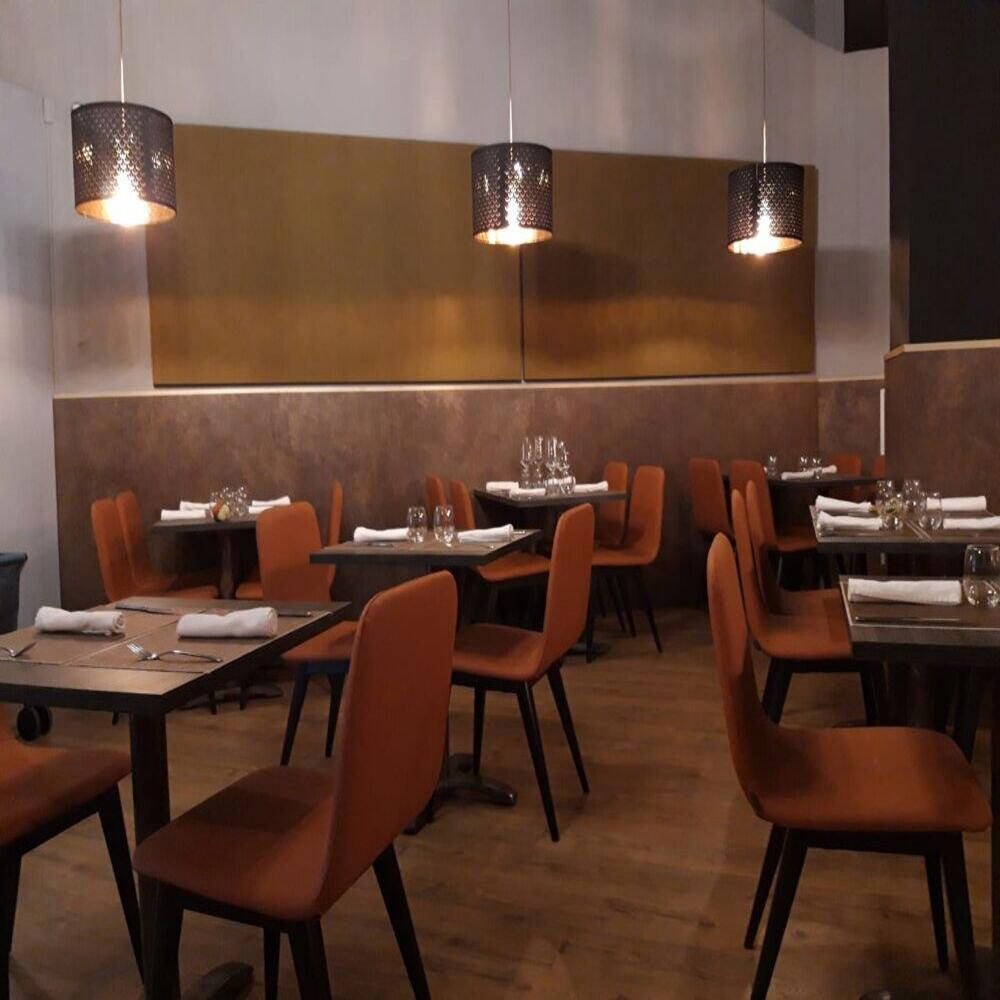
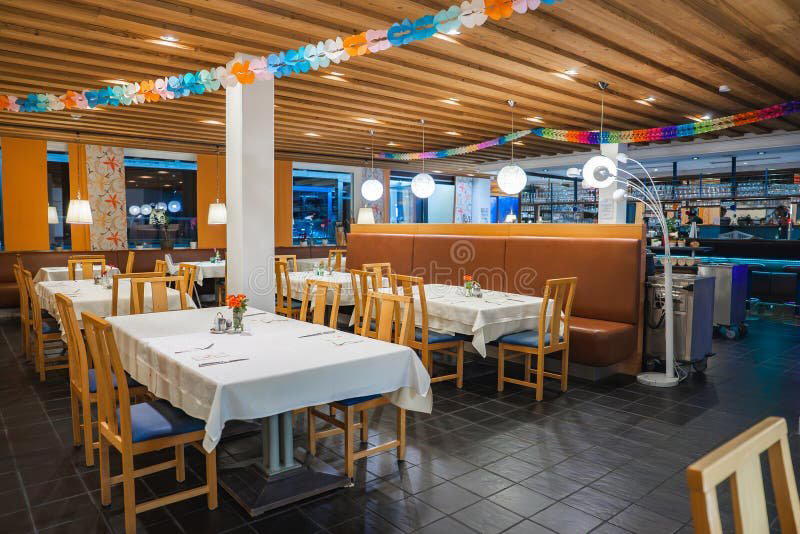
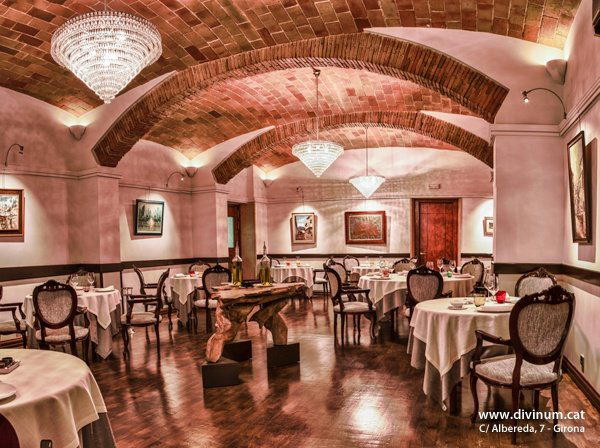
Bars in Girona
Browse all →
Hotels in Girona
Browse all →
Wineries in Girona
Browse all →
At a Glance
- Elegant
- Sophisticated
- Iconic
- Intimate
- Special Occasion
- Celebration
- Open Kitchen
- Private Dining
- Garden
- Extensive Wine List
- Sommelier Led
- Local Sourcing
- Garden
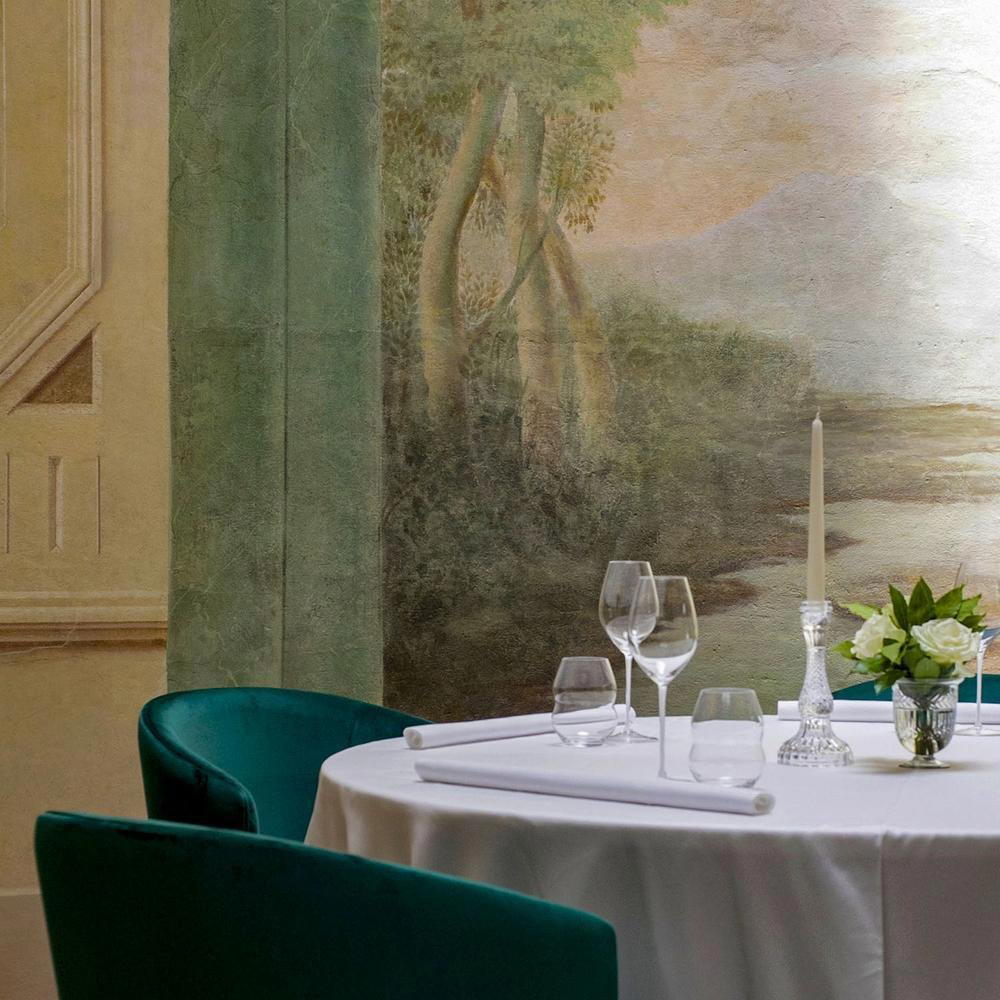
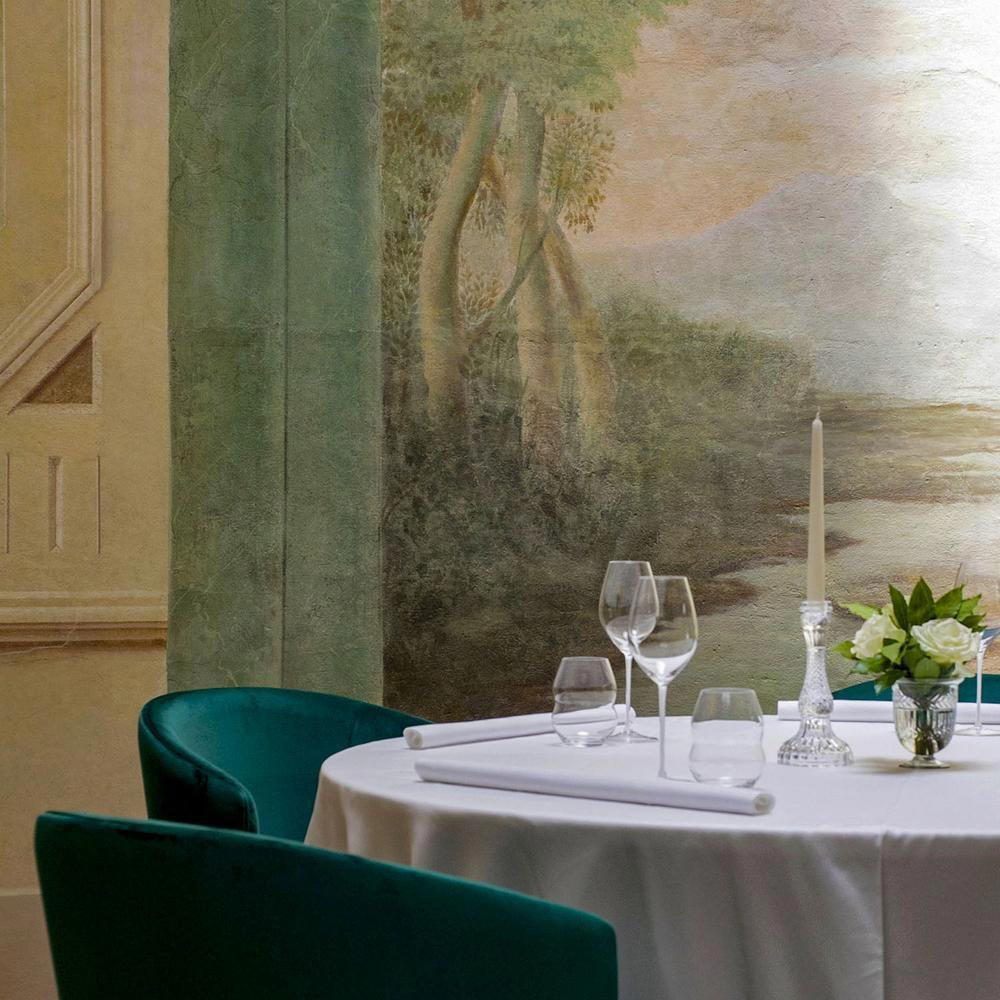
Warmly lit dining room with natural light from large windows overlooking an indoor garden and poplar trees, creating an elegant and welcoming atmosphere.