Our verdict
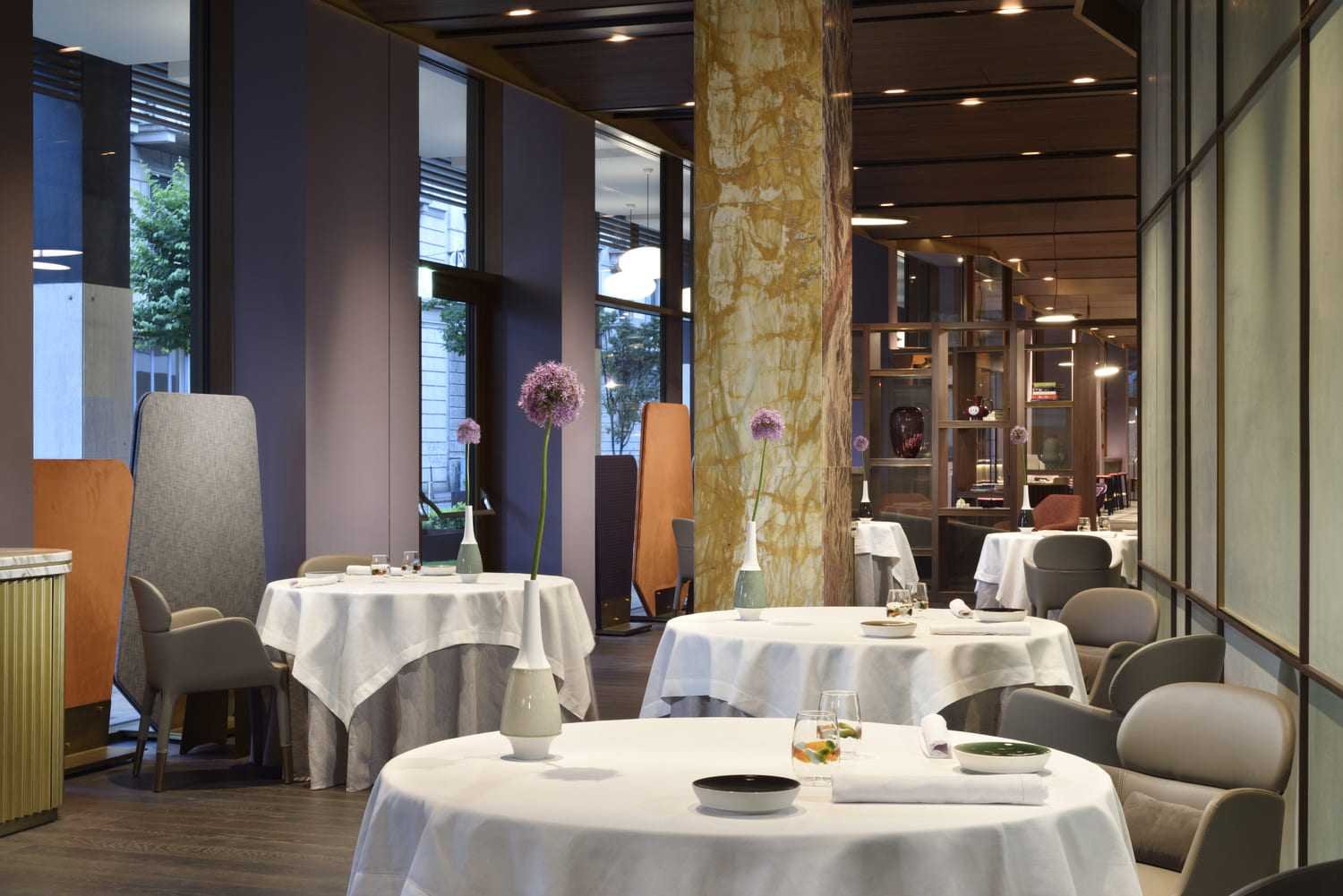
On a quiet residential stretch of Via Sigieri in Milan's Porta Romana district, Costa Sigieri occupies a position that rewards those who look beyond the city's more visible dining circuits. The address places it firmly in neighbourhood Milan rather than showcase Milan, which shapes both the atmosphere and the room's relationship with its regulars. For visitors calibrated to the city's top-tier restaurant scene, it represents a different register of the same ambition.

Pearl is the En Primeur Club membership app, where members save venues, book tables and use the concierge.

The menu
What to order
- Spaghetti ai frutti di mare
- Grigliata di pesce
- Spaghetti vongole
- Branzino
A Neighbourhood Address in a City of Grand Gestures
Milan's dining identity tends to project outward from its most visible coordinates: the Galleria, the Brera grid, the hotel dining rooms along Via Manzoni. The city's most-discussed restaurants occupy spaces that announce themselves, from the glass-and-marble interiors at Cracco in Galleria to the sleek hotel formats anchoring tables at Seta and Andrea Aprea. Costa Sigieri sits at a different angle to all of this. Via Sigieri 10, in the 20135 postcode that covers the Porta Romana and Crocetta quadrant, is residential Milan: lower facades, narrower pavements, the ambient noise of a neighbourhood rather than a commercial district. Approaching the address on foot, the contrast with central Milan's performance dining is immediate and intentional.
That positioning is not incidental. The restaurant category that succeeds in this part of the city tends to operate on earned local loyalty rather than passing foot traffic. Restaurants in Porta Romana and the surrounding grid around Corso Lodi and Viale Bligny have historically served a mix of professional residents, design-world regulars, and the kind of out-of-district diners who seek addresses on recommendation rather than visibility. It is a different audience to the one filling pre-theatre covers near the Duomo, and it shapes the room accordingly.
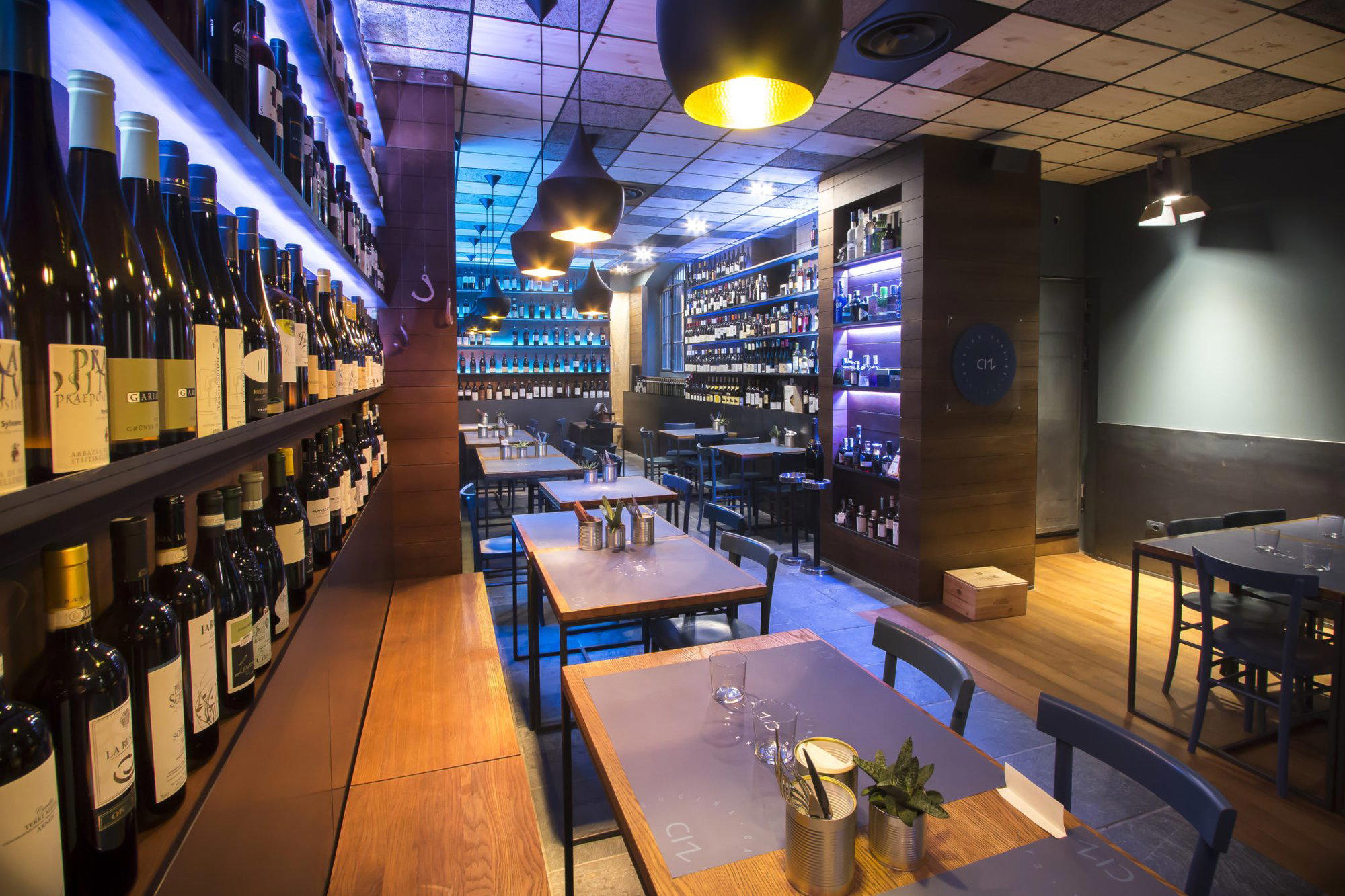
The Wine Angle: How Cellars Define Character in This Part of Italy
Italy's most serious restaurant wine programs rarely replicate the encyclopaedic French model. Instead, they tend to take a position: a cellar built around a region, a winemaking philosophy, or a relationship with specific producers. At the Michelin tier in Lombardy, you find the full range of approaches, from the broad international depth at Enrico Bartolini to the producer-specific focus that smaller rooms can sustain. The reference point for Italian cellar ambition at its most disciplined sits outside Milan entirely: Enoteca Pinchiorri in Florence maintains one of Europe's most documented wine archives, with a list that has been built across decades. That standard defines the upper ceiling of what Italian restaurant cellars can be.
Closer to Milan's own register, the interesting wine question for a neighbourhood address like Costa Sigieri is one of curation over volume. A smaller room on a residential street operates in a different economic frame to a grand hotel dining room. The cellars that work in this context typically reflect tighter, more opinionated selection: Nebbiolo from the Langhe and Valtellina, Franciacorta as a regional sparkling alternative to Champagne, and a Northern Italian white program built around Alto Adige and Friuli rather than defaulting to Soave or Verdicchio.
Nationally, the rooms most cited for wine program depth in the Italian context include Osteria Francescana in Modena and Piazza Duomo in Alba, where the cellar functions as a parallel editorial statement to the kitchen. The sommelier programs at venues like Uliassi in Senigallia and Le Calandre in Rubano have each developed distinct identities through producer relationships built over years. These are the benchmarks against which any serious Italian wine program measures itself.
Where Costa Sigieri Sits in the Milan Dining Circuit
Milan's restaurant market has stratified clearly over the past decade. At the leading sit the Michelin-starred rooms with international name recognition and advance booking windows measured in weeks. Below that, a secondary tier of creative and contemporary Italian restaurants competes on format innovation and producer relationships. Verso Capitaneo represents the kind of creative positioning that this secondary tier has developed.
The broader Italian creative scene offers useful comparison points beyond the city. Reale in Castel di Sangro and Atelier Moessmer Norbert Niederkofler in Brunico have each built reputations that extend well beyond their local contexts, in part because their positioning is clear and their wine and kitchen programs reinforce each other. Dal Pescatore in Runate sustains three Michelin stars in a genuinely rural setting, which suggests that the geography of ambition in Italian dining is not constrained to major urban centres. At the international scale, the discipline applied to wine program development at a room like Le Bernardin in New York City or the structured tasting format at Lazy Bear in San Francisco illustrates how the leading rooms use the cellar and the service program as integrated parts of the same guest experience, not separate departments.
For Lombardy specifically, the seafood-driven model at Quattro Passi in Marina del Cantone and the long-form tasting format at Casa Perbellini 12 Apostoli in Verona show how regional Italian kitchens have developed distinct voices within a broadly shared culinary tradition.
Planning a Visit: What to Know Before You Go
Via Sigieri 10 is accessible from Milano Centrale and the central Zona 1 by tram along Corso Lodi and the connecting streets, with Porta Romana serving as the closest major transit reference. The neighbourhood sits outside the typical tourist itinerary, which means street parking is somewhat easier than in central Milan and the surrounding area is walkable for the post-dinner hour. Given the limited public record on operating hours, booking method, and current seasonal programming, contacting the restaurant directly before planning a visit is advisable. In the broader Milan dining context, weekend evenings at neighbourhood restaurants with local followings tend to fill earlier in the week than comparable tables in more visible districts. For a wider map of where Costa Sigieri fits within the city's dining circuits, the EP Club Milan restaurants guide provides the fuller comparative picture.
Frequently asked questions
Where do I go for Costa Sigieri?
Costa Sigieri is located at Via Sigieri, 10, 20135 Milano MI, Italy, Milan.
Is Costa Sigieri easy to reach by public transport from central Milan?
Via Sigieri 10 sits in postal zone 20135, within the Porta Romana area of Milano. Tram lines along Corso Lodi and connecting streets link the address to Zona 1 and Milano Centrale without requiring a metro change, making it accessible from the central city in under thirty minutes by surface transit.
What should I eat at Costa Sigieri?
What the address on Via Sigieri 10 suggests is a kitchen operating within Milan's mid-tier neighbourhood tradition, where the emphasis tends toward regional Italian cooking rather than international fusion. Check directly with the restaurant for current offerings before visiting.
Do I need a reservation for Costa Sigieri?
Porta Romana is a genuinely local quarter rather than a tourist corridor, which typically means tables are less pressured than in Brera or the Duomo adjacencies, but this varies by season. Contacting the restaurant at Via Sigieri 10, Milano, is advisable before arriving.
What is Costa Sigieri known for?
Costa Sigieri occupies a residential address in Milan's Porta Romana district, placing it among the city's neighbourhood-anchored dining rooms rather than its high-profile Michelin circuit.
Peers Worth Knowing
Comparable venues nearby, for context on price, style, and recognition.
| Venue | Cuisine | Price | Awards | Notes |
|---|---|---|---|---|
| Costa SigieriThis venue (the venue you are viewing) | Sardinian Seafood | $30–50 | Not listed | Not listed |
| Cortile Flora | Italian Seafood | Not listed | Not listed | Brera |
| AI CHIOSTRI MILANO | Contemporary Italian | $50–100 | Not listed | Guastalla |
| Ristorante Erba Brusca | Farm-to-Table Italian | $30–50 | Not listed | Stadera - Chiesa Rossa - Q. Re Torretta - Conca Fallata |
| Garden Loft | Modern Italian Fine Dining | $50–100 | Michelin Plate | Bovisa |
| Cantina Piemontese | Traditional Piedmontese and Italian | $50–100 | Star Wine List | Duomo |