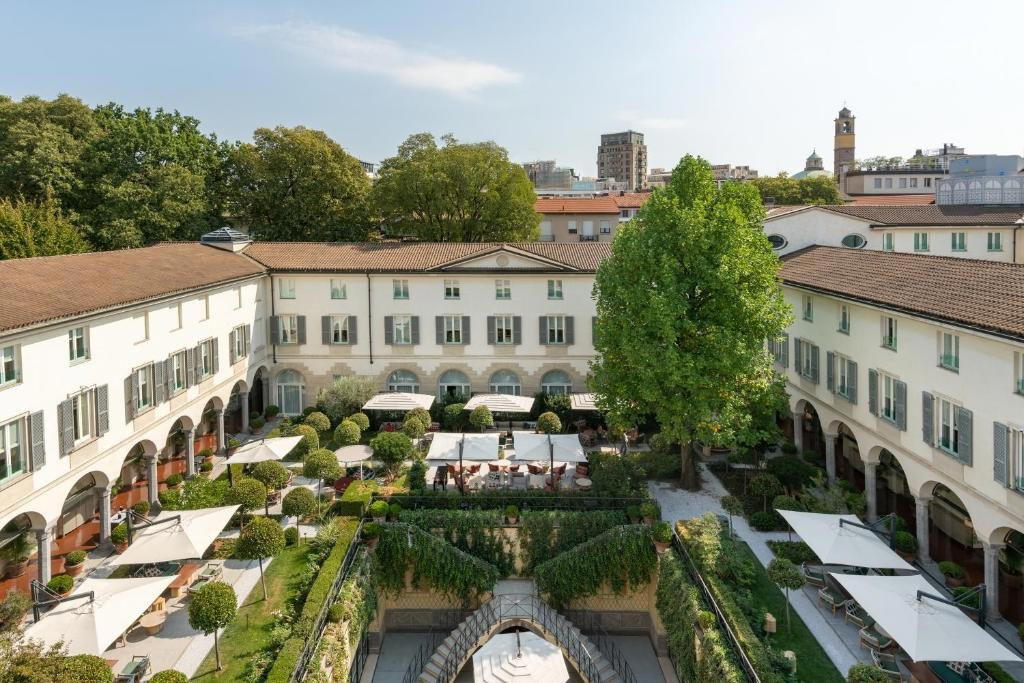
Set within the historic cloisters of Via San Barnaba in Milan's Porta Romana district, Ai Chiostri Milano occupies a setting that few dining rooms in the city can match for architectural gravity. The kitchen draws on seasonal, ethically sourced ingredients in a format that sits closer to the sustainability-conscious end of Milan's fine dining spectrum than its more overtly theatrical peers.
Pearl is the En Primeur Club membership app — saves, bookings, and concierge access live there. Same editors, same standards.
- Address
- Via S. Barnaba, 48, 20122 Milano MI, Italy
- Phone
- +393513613716
- Website
- url
- Directions
- Get directions
 Saves & bookings on Pearl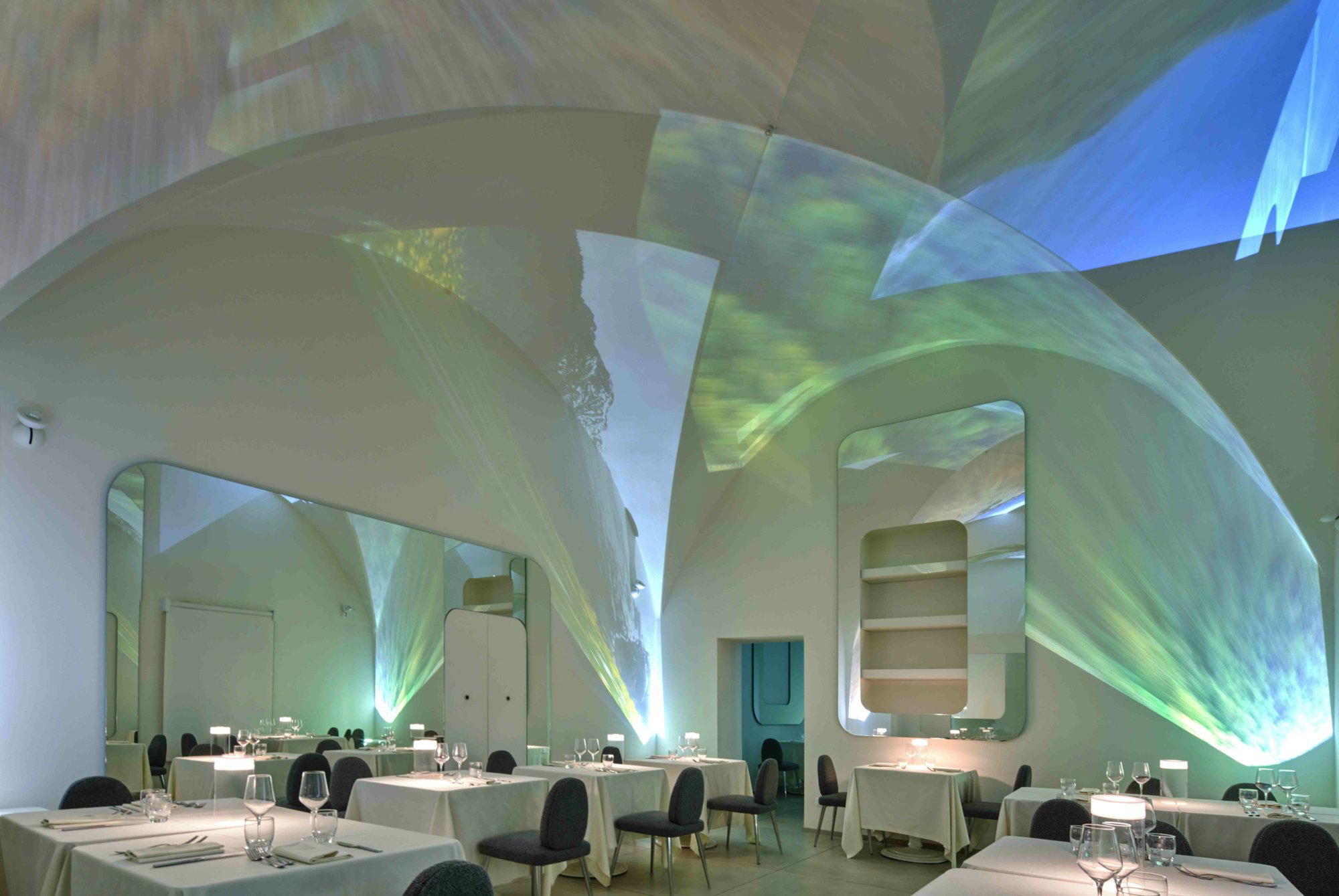
Stone Arches and Considered Cooking in Porta Romana
Milan's fine dining scene has spent the last decade consolidating around a handful of recognizable formats: the Michelin-chasing modern Italian tasting menu, the chef-as-auteur counter, and the grand hotel dining room with a legacy cellar. Ai Chiostri Milano is a restaurant serving Traditional Milanese Italian cuisine in Milan, with a price tier of about $50 per person. The address alone, Via San Barnaba, 48, in the Porta Romana neighbourhood southeast of the Duomo, signals a deliberate step away from the tourist-facing concentrations of the Galleria and Brera. The building is a former convent complex, and the cloister architecture introduces a specific quality of silence and spatial calm that is rare in a city as kinetic as Milan. Entering through the stone portico, the shift in atmosphere is immediate: the ambient noise of Via San Barnaba drops away, and the geometry of the arcaded courtyard does most of the sensory work before a dish has been placed on the table.
Where Ai Chiostri Sits in Milan's Dining Order
To understand Ai Chiostri's position, it helps to map the surrounding competitive field. The upper tier of Milan dining currently clusters around a group of kitchens with explicit Michelin validation and international chef profiles: Enrico Bartolini operates at the creative end of that bracket, while Seta and Andrea Aprea anchor the modern Italian contemporary category. Cracco in Galleria holds a different kind of position: central, theatrical, and priced to reflect its real estate as much as its cooking. Ai Chiostri occupies a quieter register than any of those. It competes on setting, concept coherence, and neighbourhood loyalty.
The Sustainability Frame: Ethical Sourcing in an Italian Context
Italy's relationship with ingredient provenance is structural rather than ideological: the DOP and IGP systems, the long tradition of regional supply chains, and the seasonal rigidity of classical Italian cooking all predispose serious kitchens toward sourcing discipline. What has changed in the last five years is the explicitness of that commitment. Kitchens that previously sourced well without advertising it now frame that practice as a core part of their identity, partly in response to a guest profile that increasingly reads menus the way it reads product labels. Ai Chiostri operates within this shift. The cloister setting reinforces the narrative: a former religious complex, historically associated with self-sufficiency and cultivation, lends a degree of architectural credibility to a kitchen that emphasizes local and seasonal supply. That alignment of space and concept is not accidental, and it gives the venue a coherence that more conventionally decorated dining rooms struggle to achieve.
Across Italy, the kitchens that have pushed sustainability practice furthest tend to operate outside the major cities, where proximity to agricultural land makes direct producer relationships easier to maintain. Atelier Moessmer Norbert Niederkofler in Brunico has built one of Europe's most discussed zero-waste, hyper-regional programs in the Dolomites. Uliassi in Senigallia works the Adriatic supply chain with a similar discipline. In a metropolitan context, the constraints are different: urban kitchens cannot rely on garden-to-table supply the way a rural destination can, which makes sourcing relationships and seasonal menu rotation more operationally demanding, not less. Ai Chiostri's position in Porta Romana, a neighbourhood with a more residential and less tourist-saturated character than central Milan, at least places it within a local community dynamic that supports the slower, producer-connected approach.
The Cloister Setting as Editorial Argument
In a city where hospitality increasingly competes on design spectacle, the mirrored ceilings, the chef's-table theatre, the dining rooms commissioned from architects with international reputations, a medieval cloister makes a different kind of argument. The stone columns, the proportioned arches, and the central courtyard create a framework that no interior designer can reproduce from scratch. Historical fabric carries weight that new construction cannot approximate, and Milan has relatively few dining rooms that sit inside genuinely old buildings. The ones that do tend to be either museum-adjacent institutions with fixed identities or spaces that have been renovated to the point where the original architecture reads as backdrop rather than structure. The cloister at Via San Barnaba functions as structure. Whether the kitchen fully inhabits that architectural premise is a question each visit answers differently, but the premise itself is materially stronger than most of what Milan's newer openings can offer.
For reference points, the broader Italian fine dining tradition includes venues where architectural setting and culinary ambition have been aligned over decades: Dal Pescatore in Runate and Reale in Castel di Sangro both demonstrate how a distinctive physical environment, maintained over time, becomes part of the restaurant's culinary identity rather than merely its backdrop. Piazza Duomo in Alba and Le Calandre in Rubano show what happens when architectural setting and a generational commitment to a place produce something that cannot be relocated without loss. Ai Chiostri's cloister positions it within that tradition of place-rooted dining, even if its public profile has not yet reached the same altitude. Internationally, the format of a restaurant that derives meaning from its specific physical and community context has parallels at venues like Lazy Bear in San Francisco, where concept coherence and setting work together to define the experience.
Planning a Visit: What to Know Before You Go
Ai Chiostri Milano is located at Via San Barnaba, 48, in the Porta Romana district, roughly a fifteen-minute walk from the Duomo or a short ride on the M3 line to Crocetta. The neighbourhood is quieter and more residential than the areas around the central train stations, which means arrival by foot from the south end of the city centre is a reasonable option in good weather. Reservations are recommended. The price tier is about $50 per person. For travellers building a broader Italian itinerary around serious dining, Enoteca Pinchiorri in Florence, Osteria Francescana in Modena, and Casa Perbellini 12 Apostoli in Verona represent the wider range of what the northern Italian dining circuit offers at the higher end of the market. Within Milan itself, Verso Capitaneo offers another reference point at the creative end of the city's mid-to-upper tier. For comparative context outside Italy, Le Bernardin in New York City and Quattro Passi in Marina del Cantone illustrate how different physical and conceptual contexts shape what a serious restaurant can be.
The Essentials
Comparable venues nearby, for context on price, style, and recognition.
| Venue | Cuisine | Price | Notes |
|---|---|---|---|
| AI CHIOSTRI MILANOThis venue — the venue you are viewing | Guastalla, Traditional Milanese Italian | $$$ | Not listed |
| Maio Restaurant | Duomo, Modern Italian with Duomo Views | $$$ | Not listed |
| MARTINI | Not listed | $$$ | Duomo, Modern Sicilian with Mediterranean influences |
| Hostaria Borromei | Duomo, Traditional Milanese Trattoria | $$$ | Not listed |
| Le Terrazze Restaurant | Not listed | $$$ | Buenos Aires - Porta Venezia - Porta Monforte, Traditional Italian with Lombard specialties |
| Lievità | Xxii Marzo, Gourmet Neapolitan Pizza | $$$ | Not listed |
Continue exploring
More in Milan
Restaurants in Milan
Browse all →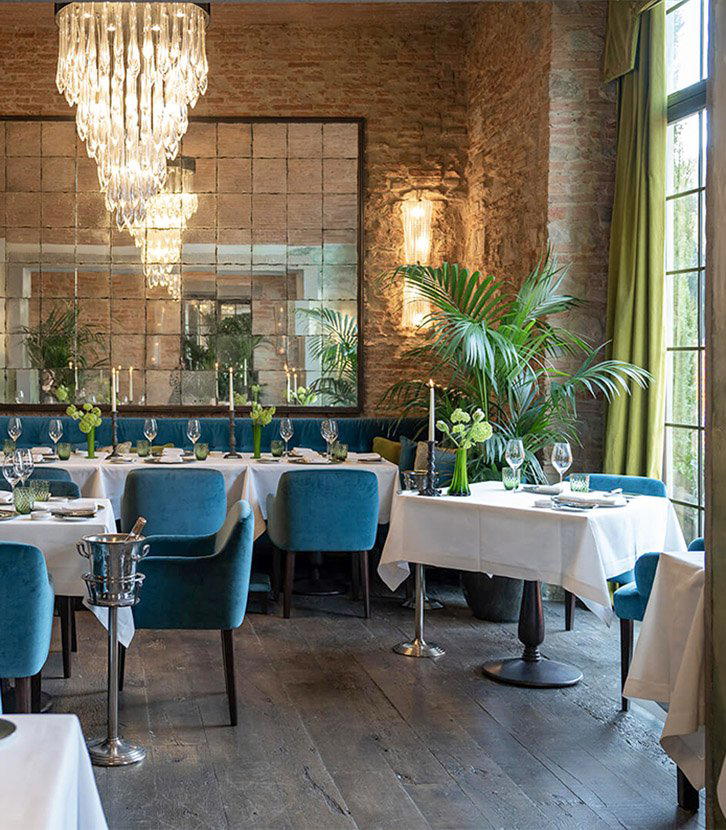
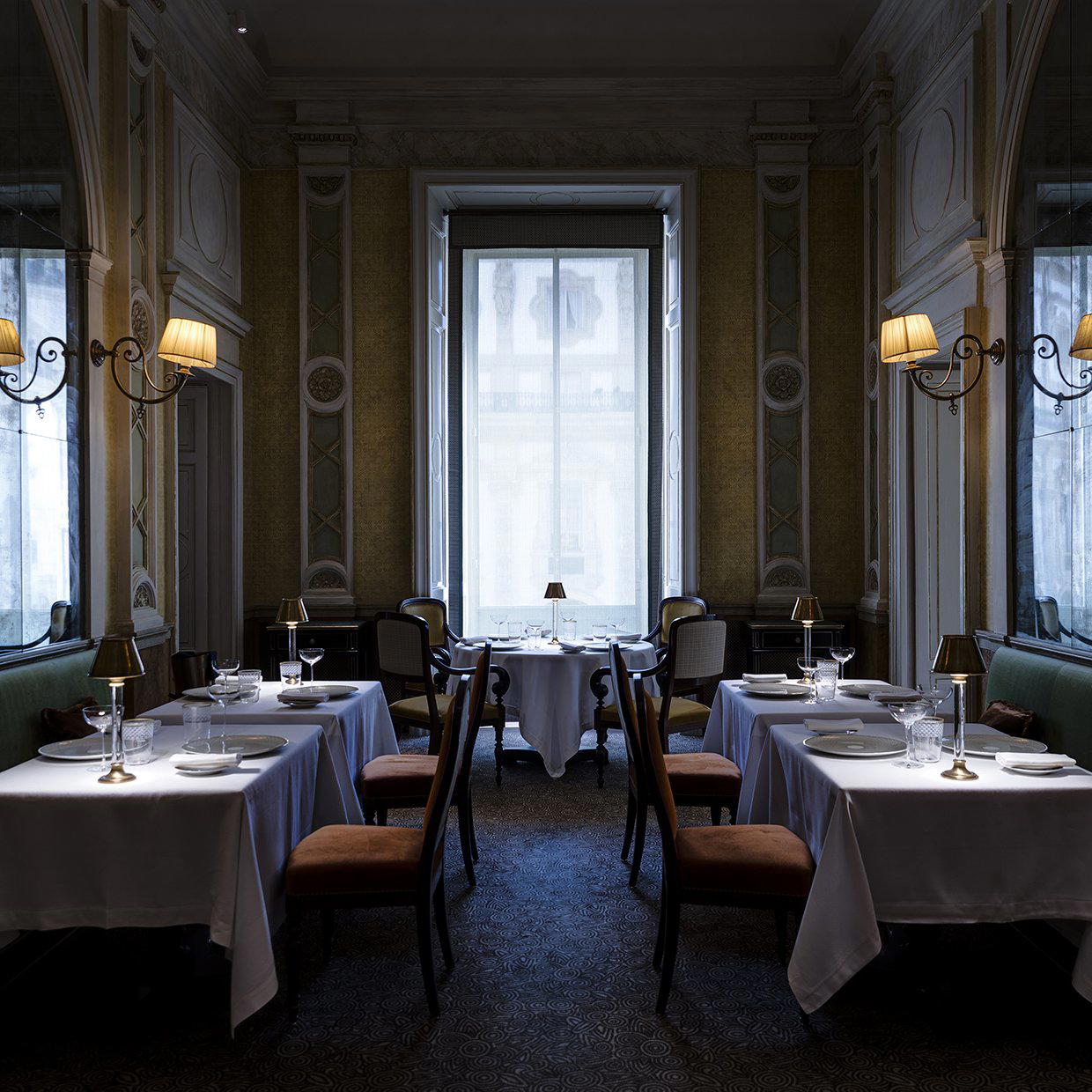
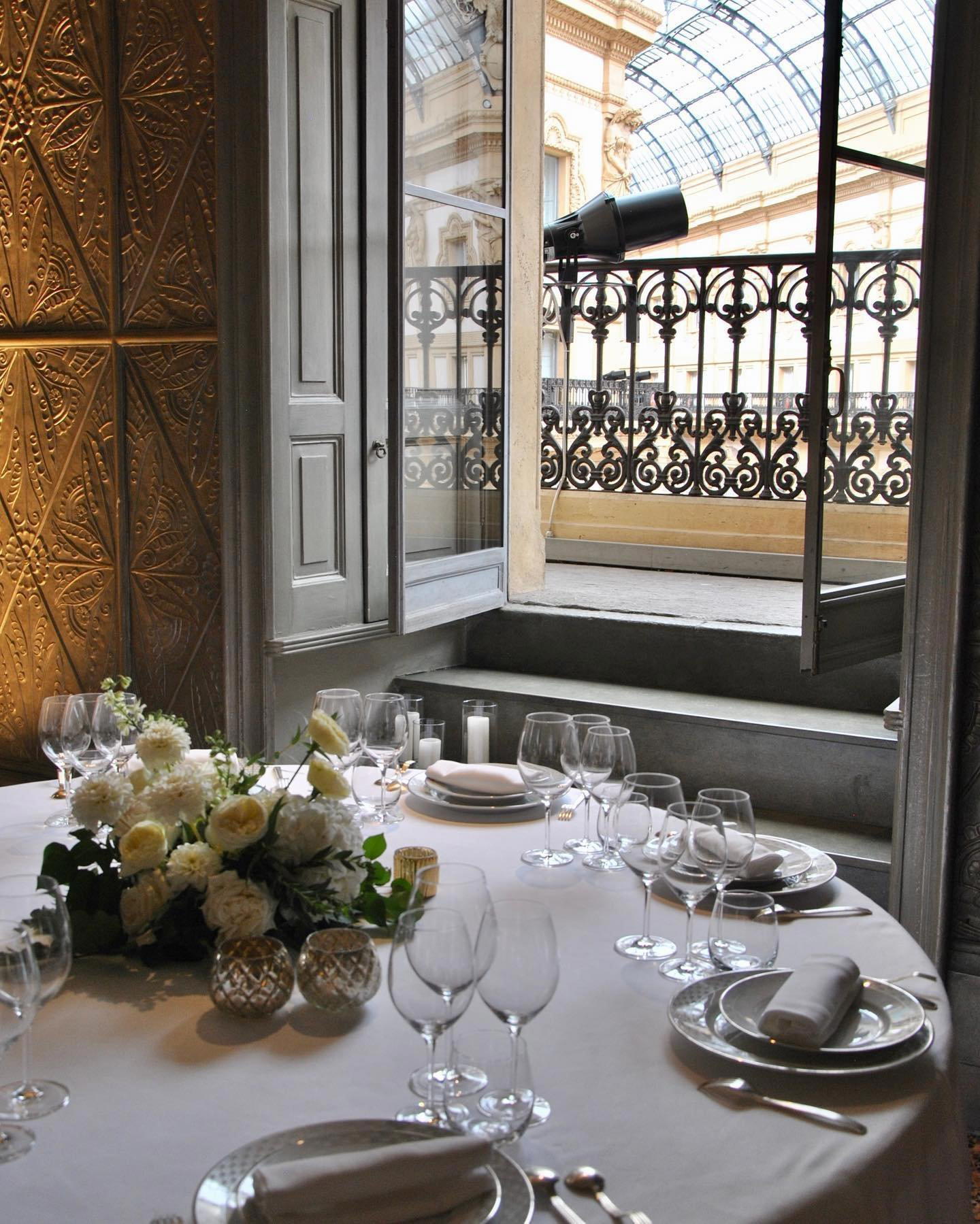
Bars in Milan
Browse all →
Hotels in Milan
Browse all →


At a Glance
- Elegant
- Sophisticated
- Business Dinner
- Group Dining
- Celebration
- Casual Hangout
- Date Night
- Garden
- Historic Building
- Design Destination
- Standalone
- Craft Cocktails
- Extensive Wine List
- Local Sourcing
- Garden
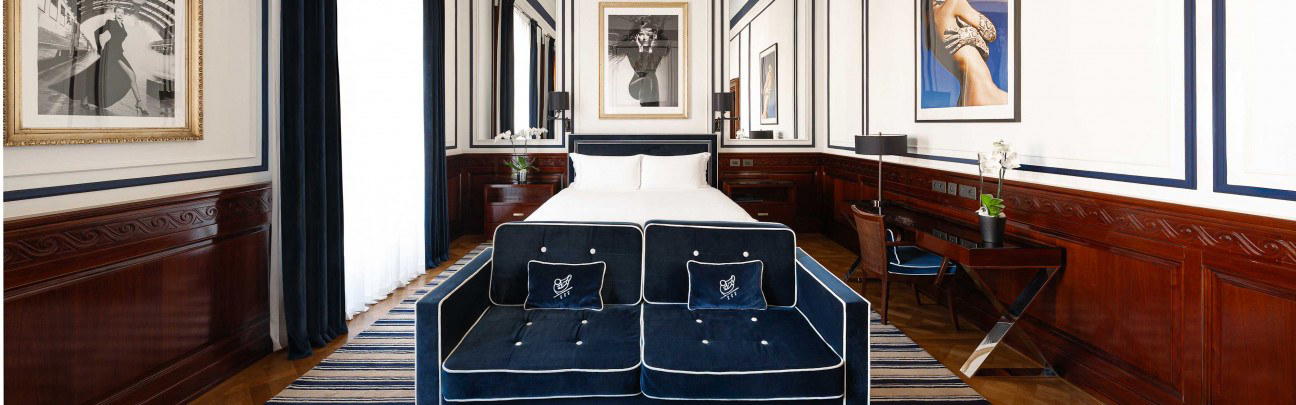
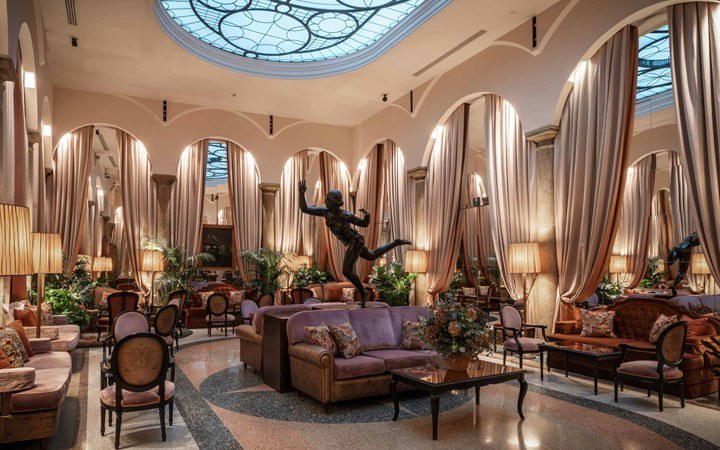
A hidden, design-forward venue inside a 15th-century former convent, with cloisters and gardens that create a calm, historic atmosphere; press describes it as a place where history and modernity meet.