Garden Loft occupies a distinctive address on Via Giuseppe Candiani in Milan's Porta Volta district, a neighbourhood that has quietly absorbed a wave of creative studios and independent food projects over the past decade. The venue sits at an interesting remove from the city's flagship dining corridor, placing it in a tier defined more by atmosphere and culinary curiosity than by star count or ceremony.
Pearl is the En Primeur Club membership app — saves, bookings, and concierge access live there. Same editors, same standards.
- Address
- Via Giuseppe Candiani, 66, 20158 Milano MI, Italy
- Phone
- +39 02 3300 1882
- Website
- innocentievasioni.com
- Directions
- Get directions
 Saves & bookings on Pearl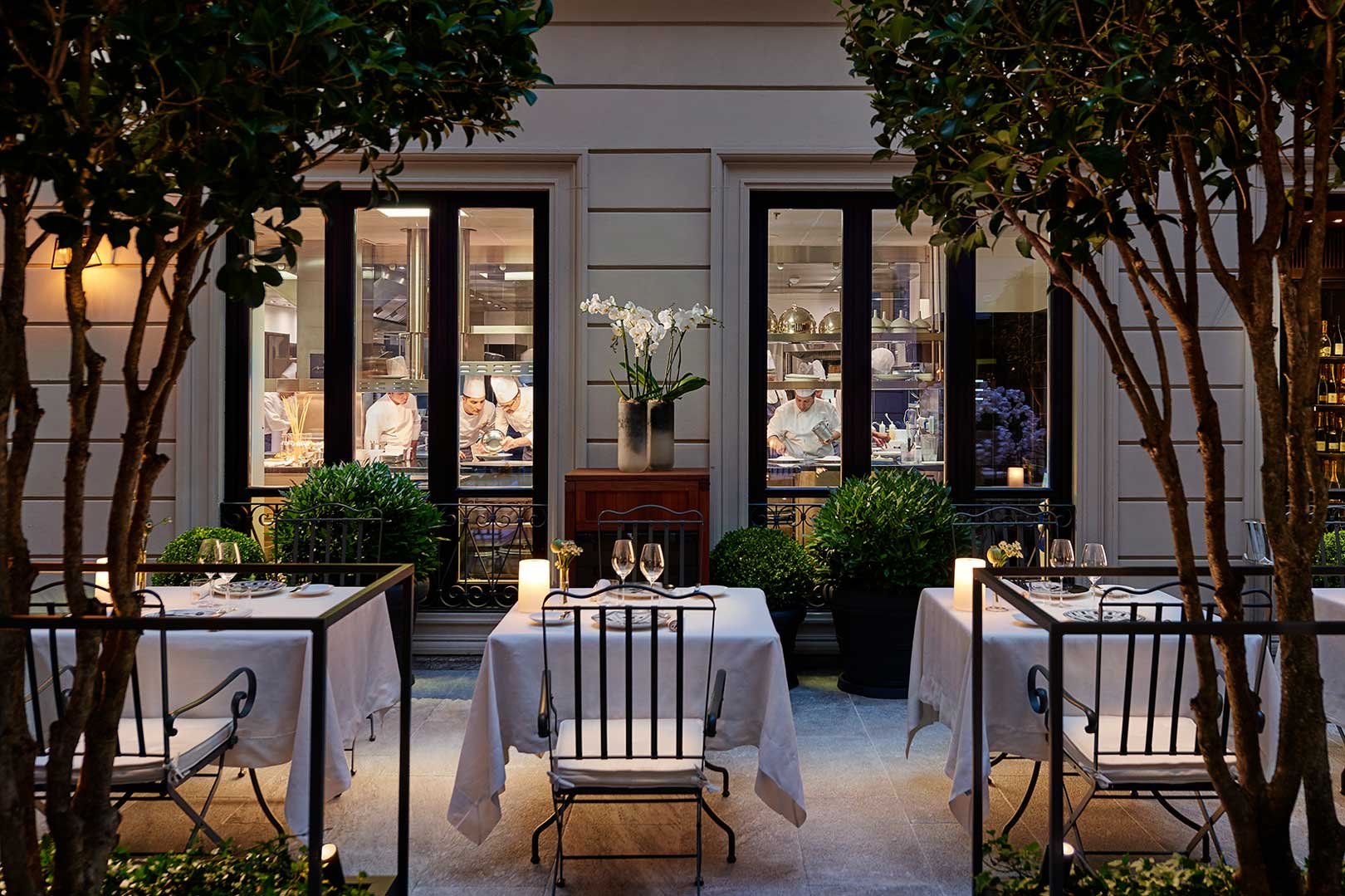
A Different Axis of Milan Dining
Milan's most discussed restaurants tend to cluster along a familiar arc: the historic centre, Brera, and the Corso Venezia corridor, where addresses like Enrico Bartolini and Cracco in Galleria operate at the city's highest price tier. The northwest quadrant around Porta Volta and Via Candiani has developed along a different logic: lower rents have allowed smaller, less institutional projects to take root, and the result is a dining sub-scene defined by directness rather than grandeur. Garden Loft, at Via Giuseppe Candiani 66, sits inside that shift. The address is neither a trophy location nor an afterthought, it reflects a deliberate move away from the performative density of central Milan.
That physical context matters when reading what a venue like Garden Loft is trying to do. In a city where Seta and Andrea Aprea anchor the formal end of the spectrum with multi-course tasting formats, ceremony-heavy service, and price points that push well above €150 per head, the off-centre address implies something more calibrated to the neighbourhood it serves. The comparison is instructive: the Porta Volta district has absorbed a generation of Milanese who work in design, fashion production, and independent media, and the food culture that serves them tends to value craft over credential.
Approaching the Space
Via Candiani runs through what was historically a light-industrial belt, textile workshops, small manufacturers, the kind of fabric that the city has slowly repurposed without fully erasing. Arriving at number 66, the sense is of a converted space made habitable rather than a room built from scratch for dining. That distinction carries through in how the environment reads: the loft idiom favours volume over ornament, natural light where available, and a material palette that acknowledges rather than conceals the building's industrial past. This is a well-established design logic in Milan, where the transformation of former factory space into cultural and hospitality use has been ongoing since the 1980s, accelerating sharply with the Salone del Mobile crowd that now defines global expectations of what Milanese interiors should feel like.
The atmospheric register here is closer to Verso Capitaneo's considered informality than to the white-tablecloth discipline of the city's starred rooms. That calibration is a choice with implications for how the meal unfolds, pacing, noise level, the weight of expectation that arrives with the first course.
The Arc of the Meal
In Milan's current dining culture, the loft-style address combined with a neighbourhood position outside the trophy corridor tends to correlate with a certain kind of menu construction: fewer courses than the eight-to-twelve-course architectures at the city's leading tasting counters, more flexibility in how a meal is built, and a kitchen language that engages with Italian seasonal logic without the formality of a rigidly sequenced omakase-style progression.
Where restaurants like Osteria Francescana in Modena or Le Calandre in Rubano operate as complete theatrical experiences, entrance, amuse, long middle act, elaborate dessert sequence, the works, the neighbourhood format typically compresses that arc without abandoning it. The opening courses set a tone rather than a declaration. The middle of the meal carries the actual weight of the kitchen's argument. The close is quieter. That rhythm, when it works, produces dinners that feel proportionate rather than exhausting.
For reference, Italy's strongest regional formats, Uliassi in Senigallia, Dal Pescatore in Runate, Piazza Duomo in Alba, all demonstrate that the tasting progression model travels well outside fine-dining's formal tier. The arc of the meal, when handled with intelligence, is a structural tool available to kitchens at every price point.
Garden Loft in the City's Broader Dining Map
Milan produces more serious eating options per square kilometre than almost any other European city its size, and the range now extends well beyond the Michelin-weighted establishments that defined it internationally for decades. The city's creative tier, which includes projects like Verso Capitaneo, has been absorbing talent and attention as younger diners and visitors look for specificity over spectacle. Internationally, the same pattern is visible at formats like Lazy Bear in San Francisco, where the community-table model stripped away formality to focus energy on what arrives on the plate.
Garden Loft's positioning on Via Candiani places it inside a sub-tier that benefits from neighbourhood loyalty and lower discovery friction, guests who find it tend to return, because the alternative is recrossing the city to join the queue for the same three or four central addresses everyone already knows.
Italy's larger fine-dining map provides useful calibration: Reale in Castel di Sangro, Quattro Passi in Marina del Cantone, and Atelier Moessmer Norbert Niederkofler in Brunico all demonstrate how destination-level cooking can operate outside the major urban centres, and that precedent has given smaller city venues permission to be more ambitious than their neighbourhood position might suggest. Enoteca Pinchiorri in Florence and Casa Perbellini 12 Apostoli in Verona represent the older model of formal urban dining that many newer projects, including Milan's off-centre venues, are consciously departing from. Even internationally, the comparison with Le Bernardin in New York City is instructive: a venue's relationship to its neighbourhood and its format expectations shapes the meal as much as the kitchen does.
Planning a Visit
Garden Loft is located at Via Giuseppe Candiani 66 in the 20158 postal district of Milan, a fifteen-minute tram ride from Piazza della Repubblica along lines that serve the northwest residential belt. The address has no published phone number or website in current circulation, which places it in a category of Milan venues that operate through direct social contact or reservation platforms rather than a maintained web presence, a pattern common among smaller independent projects that rely on repeat local custom. Given the neighbourhood's position relative to central Milan,
Standing Among Peers
Comparable venues nearby, for context on price, style, and recognition.
| Venue | Cuisine | Price | Notes |
|---|---|---|---|
| Garden LoftThis venue — the venue you are viewing | Modern Lombardy Regional Italian | $$$ | Not listed |
| Bianca | Modern Italian Seafood | $$$ | Porta Magenta |
| Ristorante Caruso | Modern Neapolitan-Milanese Bistrot | $$$ | Brera |
| Belle Donne Bistrot | Modern Italian Mediterranean Bistro | $$$ | Porta Genova |
| Barzac • Tradizione Piacentina | Traditional Piacenza-Emilian | $$$ | Porta Garibaldi - Porta Nuova |
| Le Terrazze Restaurant | Traditional Italian with Lombard specialties | $$$ | Buenos Aires - Porta Venezia - Porta Monforte |
Continue exploring
More in Milan
Restaurants in Milan
Browse all →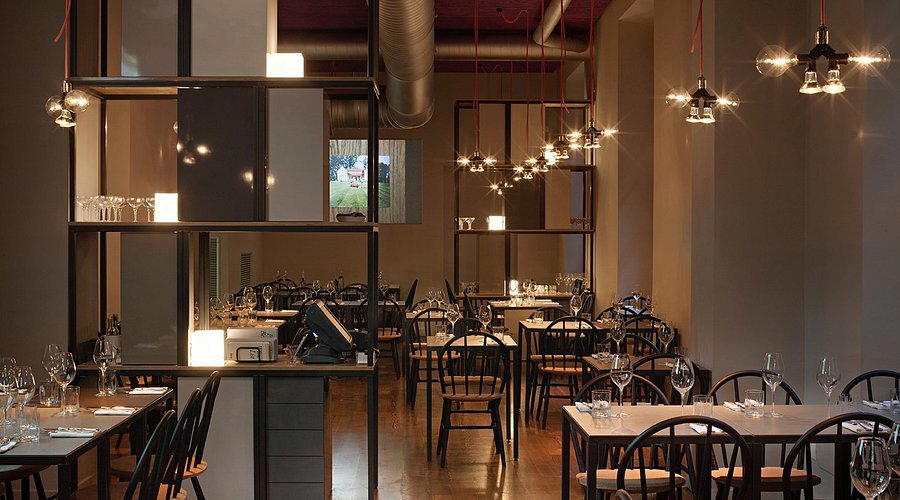
Bars in Milan
Browse all →
Hotels in Milan
Browse all →



At a Glance
- Modern
- Intimate
- Special Occasion
- Garden
- Garden
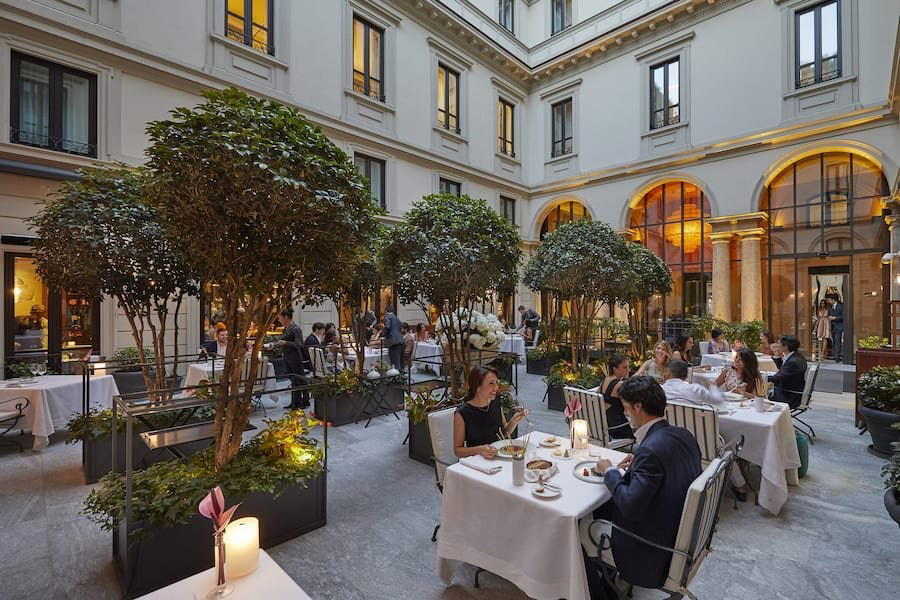
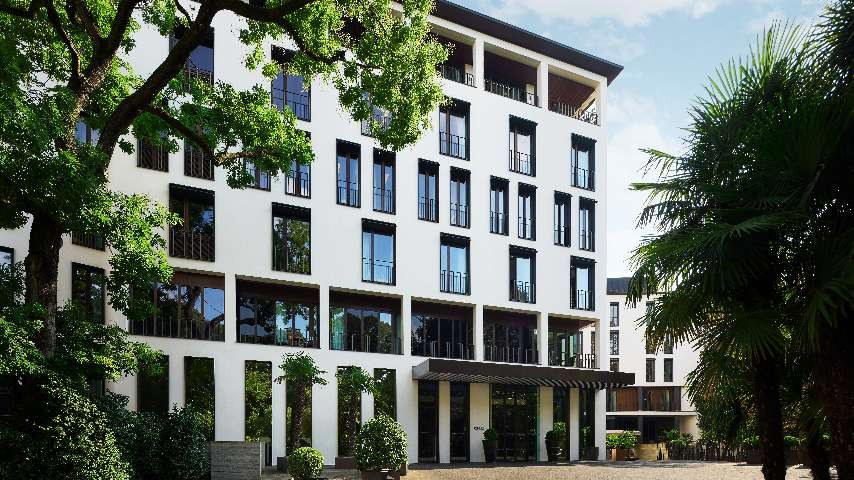
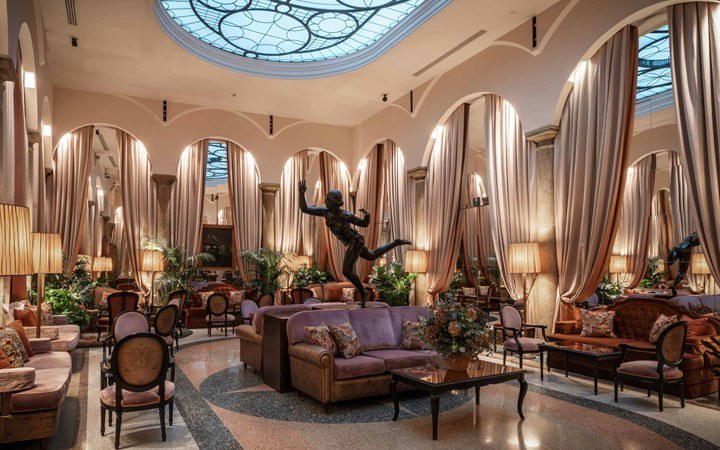
Low-lit intimate atmosphere with views of a lush zen garden creating a tranquil and enchanting setting.