Set on Via Alessandro Volta in Milan's Brera-adjacent corridor, Cortile Flora operates within a city where the conversation between local produce and international technique defines the upper tier of modern Italian dining. The address places it among a neighbourhood cohort that rewards discovery rather than marquee recognition, making it a useful reference point for readers tracking Milan's evolving restaurant scene.
Pearl is the En Primeur Club membership app — saves, bookings, and concierge access live there. Same editors, same standards.
- Address
- Via Alessandro Volta, 7A, 20121 Milano MI, Italy
- Phone
- +393331261877
- Website
- cortileflora.it
- Directions
- Get directions
 Saves & bookings on Pearl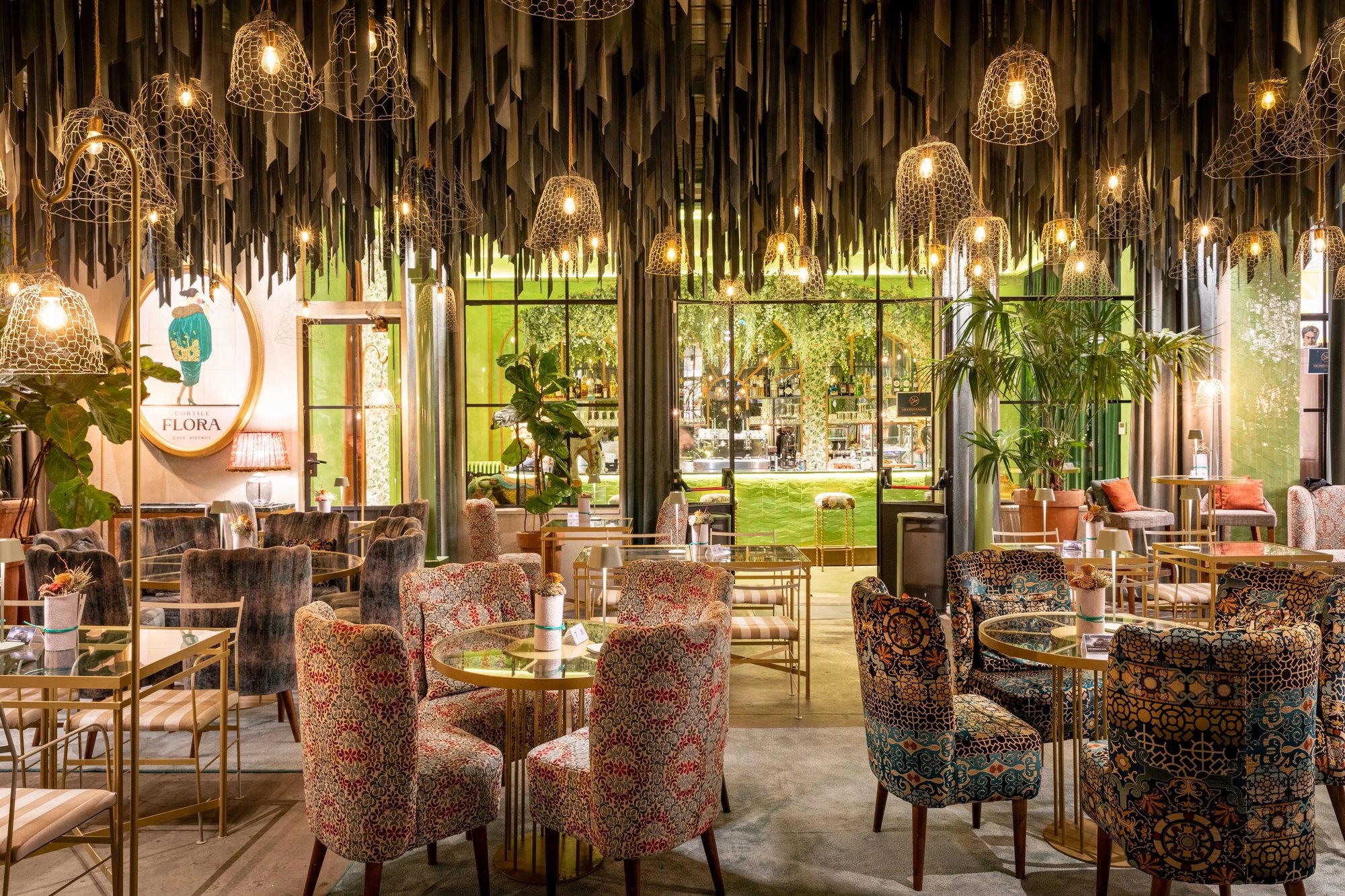
A Courtyard Address in Milan's Most Quietly Serious Dining Quarter
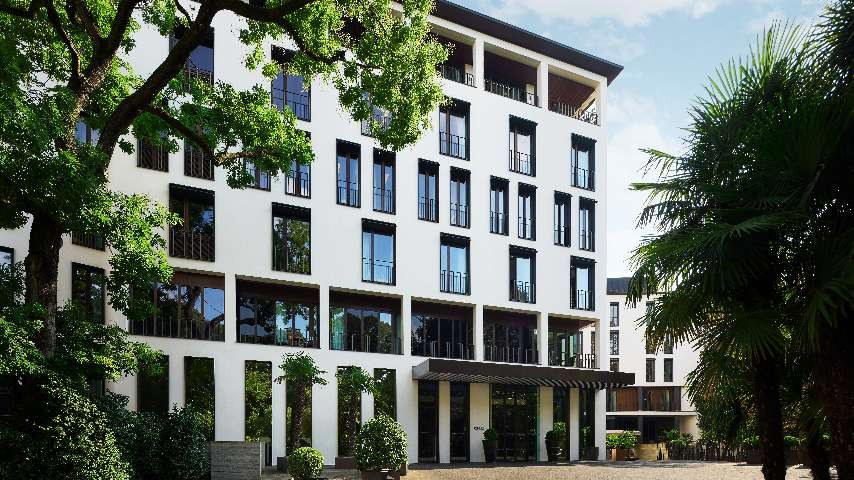
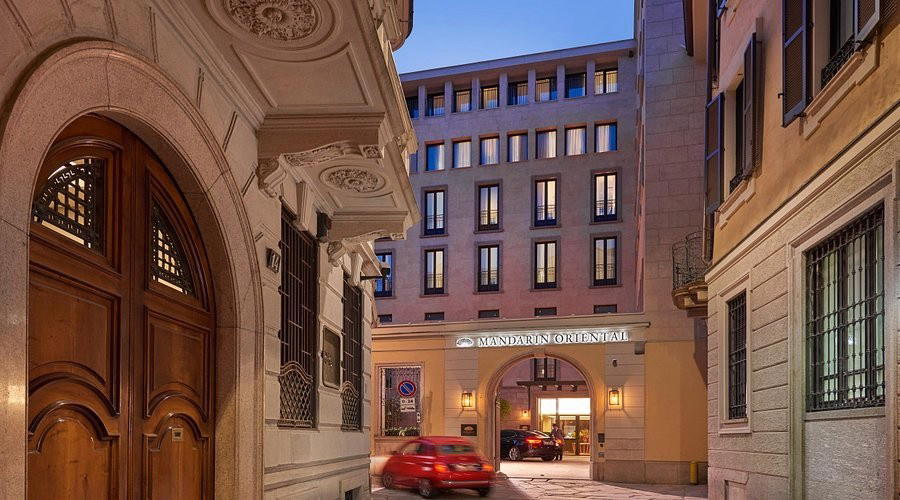
Via Alessandro Volta runs through one of Milan's most instructive neighbourhoods for anyone tracking how the city's restaurant culture actually works. The Brera-adjacent corridor here is not the Milan of grand galleria theatre or hotel-dining spectacle. It operates at a different register: smaller addresses, fewer marquee names, and a built environment of internal courtyards, the cortili that give properties like this one their name and their physical character. Arriving at Cortile Flora on Via Alessandro Volta 7A, you encounter that grammar immediately. The courtyard format is architecturally embedded in Milanese urban life, and a venue that builds its identity around one is positioning itself inside a particular tradition of intimate, closed-from-the-street hospitality that the city's more visible dining destinations do not attempt.
Milan's restaurant scene in 2024 is heavily stratified. At the upper end, a cluster of multi-Michelin operations, Enrico Bartolini, Cracco in Galleria, Andrea Aprea, and Seta, anchor a recognisable prestige tier. Below that, a second cohort of addresses with serious culinary intent but lower institutional visibility serves a different kind of diner: one less concerned with confirmation by international ranking bodies and more interested in what is actually on the plate. Cortile Flora occupies a position within that second territory, where neighbourhood character and format integrity matter more than column inches. It is a restaurant on Via Alessandro Volta, 7A in Milan, serving Italian seafood with a smart casual dress code and a recommended reservation policy.
Local Produce, Imported Discipline: The Method That Defines Milan's Current Middle Register
The editorial lens through which Cortile Flora reads most clearly is the intersection of rigorous technique with produce that is emphatically, specifically Italian. This is not a new conversation in Italian cooking, the tension between cucina italiana as a closed inheritance and as a permeable, technique-hungry practice has been live for decades, but it has sharpened considerably as a new generation of cooks trained in French, Nordic, and Japanese kitchens returns to Italian ingredients and asks what those methods can do with them.
Across Italy, this approach produces some of the country's most argued-over restaurants. Reale in Castel di Sangro applies laboratory-grade process to Apennine ingredients. Uliassi in Senigallia brings fermentation and marine science to Adriatic seafood. Piazza Duomo in Alba reframes Piedmontese tradition through a conceptual frame that would be at home in Copenhagen. Even outside Italy, the global-local method is the defining tension at places like Le Bernardin in New York City and Lazy Bear in San Francisco, where imported discipline shapes entirely local sourcing decisions. In Milan specifically, the question is whether a smaller, less credentialled address can carry that methodology with the same rigour as its decorated peers, or whether the method requires institutional backing to land properly.
For dining rooms like Cortile Flora's, the argument is that the courtyard format itself supports the discipline. Smaller, more contained operations tend to run tighter supply chains, the kitchen is not feeding two hundred covers a night and cannot absorb the sourcing compromises that scale demands. That structural constraint, when it works, produces more precise ingredient fidelity than a larger operation can sustain. Whether the restaurant executes at that level is best judged in person.
How Cortile Flora Sits Within the Broader Italian Reference Set
Positioning any Milan restaurant within Italian dining as a whole requires honesty about how large the field is. Italy's most compelling dining is not concentrated in its cities. Osteria Francescana in Modena, Dal Pescatore in Runate, Le Calandre in Rubano, Quattro Passi in Marina del Cantone, and Enoteca Pinchiorri in Florence are all outside Milan, and for serious Italian dining tourism, those destinations carry more formal weight. Even within the northern Italian region, Atelier Moessmer Norbert Niederkofler in Brunico represents a different, and in many respects more resolved, version of the local-ingredient, global-technique argument, with a hyper-regional sourcing philosophy that Milan's urban supply chain cannot replicate.
What Milan does offer, and what addresses like Cortile Flora participate in, is density and accessibility. For a visitor building a Milan dining itinerary, the question is whether it suits the neighbourhood and the occasion.
The comparable in-city reference points are addresses like Verso Capitaneo, which operates within a similar register of serious intent without major institutional awards coverage. At this level, the relevant signals are neighbourhood fit, format clarity, and what the kitchen is actually doing with Italian produce rather than what a Michelin inspector has formally confirmed.
Planning a Visit: What to Know Before You Go
The restaurant is at Via Alessandro Volta 7A in the 20121 postal district, which places it in the northern section of Milan's centre, accessible from Moscova or Lanza metro stations on the M2 line. The Brera gallery district and the via della Moscova restaurant corridor are within easy walking range, making the address practical as part of a broader afternoon-into-evening itinerary through the neighbourhood. Booking details, current hours, and menu format are not confirmed in public records at time of writing, direct contact with the venue is necessary before planning. For readers building a broader Milan dining picture, the city's dining options span multiple price tiers and neighbourhoods. Visits during the Salone del Mobile in April and fashion weeks in February and September often require earlier reservations.
Awards and Standing
Comparable venues nearby, for context on price, style, and recognition.
| Venue | Cuisine | Price | Notes |
|---|---|---|---|
| Cortile FloraThis venue — the venue you are viewing | Italian Seafood | $$$ | Not listed |
| Il Marchese Milano | Contemporary Roman Cuisine | $$$ | Brera |
| La Ca' di Tencitt | Italian Speakeasy Bistro | $$$ | Duomo |
| Losko | Modern Italian Grill | $$$ | Buenos Aires - Porta Venezia - Porta Monforte |
| Ristorante Limone | Modern Italian with Seafood and Pizza | $$$ | Stazione Centrale - Ponte Seveso |
| Peck | Traditional Milanese Gastronomy | $$$ | Duomo |
Continue exploring
More in Milan
Restaurants in Milan
Browse all →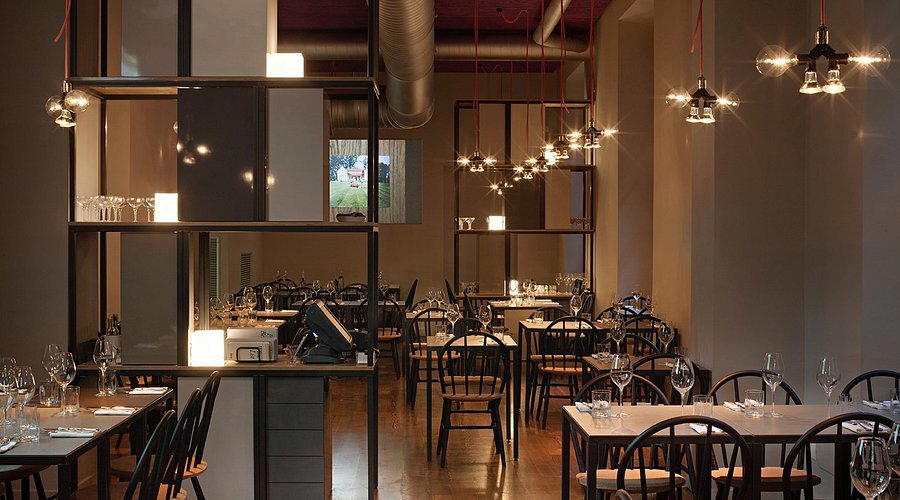
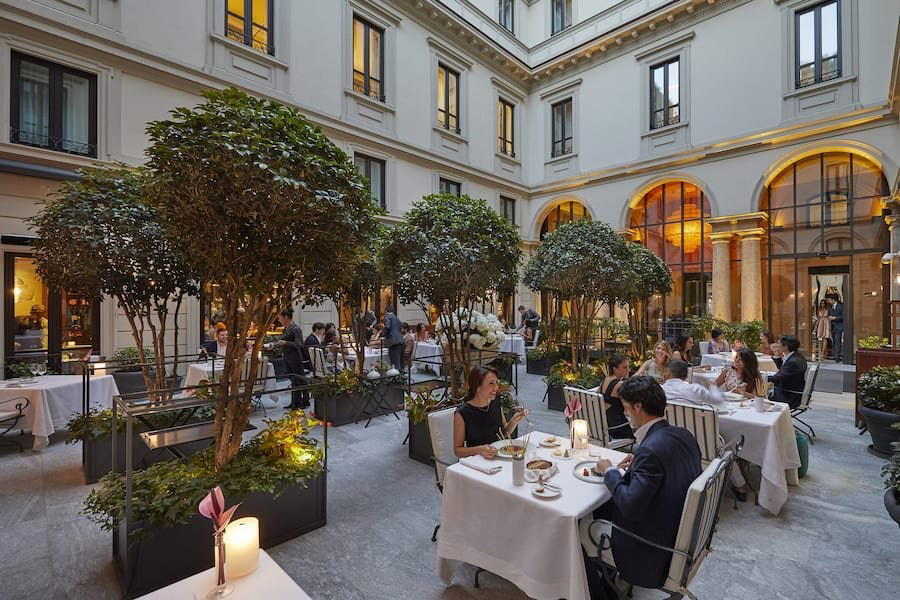
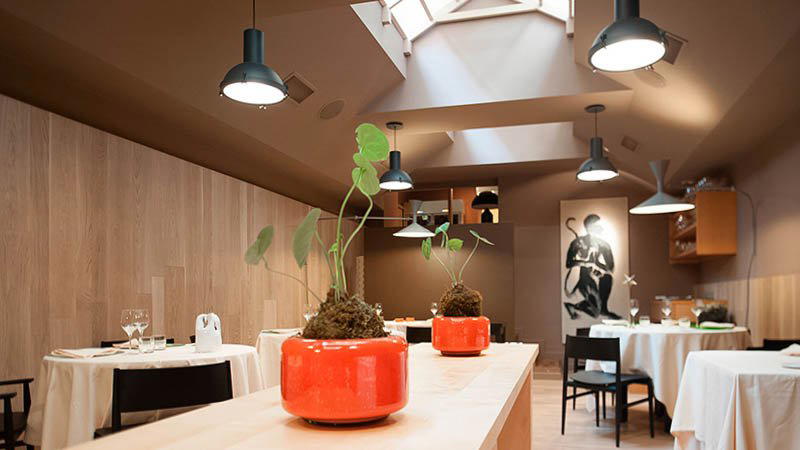
Bars in Milan
Browse all →
Hotels in Milan
Browse all →
At a Glance
- Elegant
- Romantic
- Intimate
- Trendy
- Date Night
- Casual Hangout
- Brunch
- Courtyard
- Craft Cocktails
Current opening hours
- Monday
- Closed
- Tuesday
- 5 PM–12 AM
- Wednesday
- 5 PM–12 AM
- Thursday
- 5 PM–12 AM
- Friday
- 12:30 PM–12 AM
- Saturday
- 11:30 AM–12 AM
- Sunday
- 11:30 AM–12 AM
Hours can change for holidays and private events. Last verified .
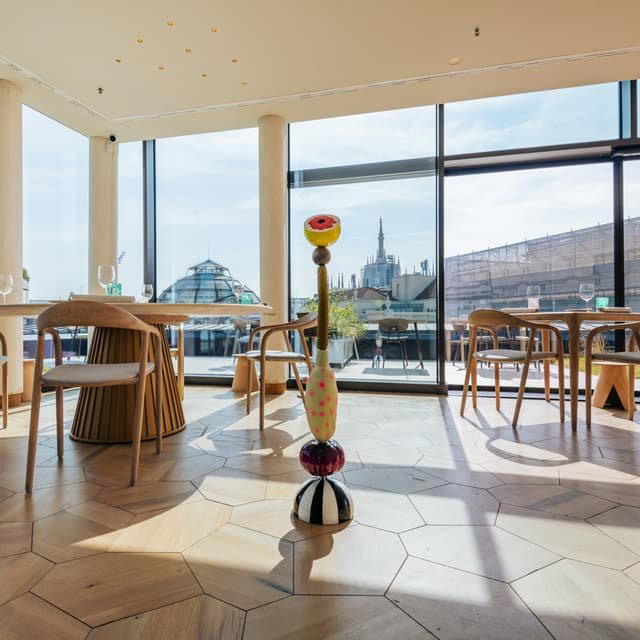
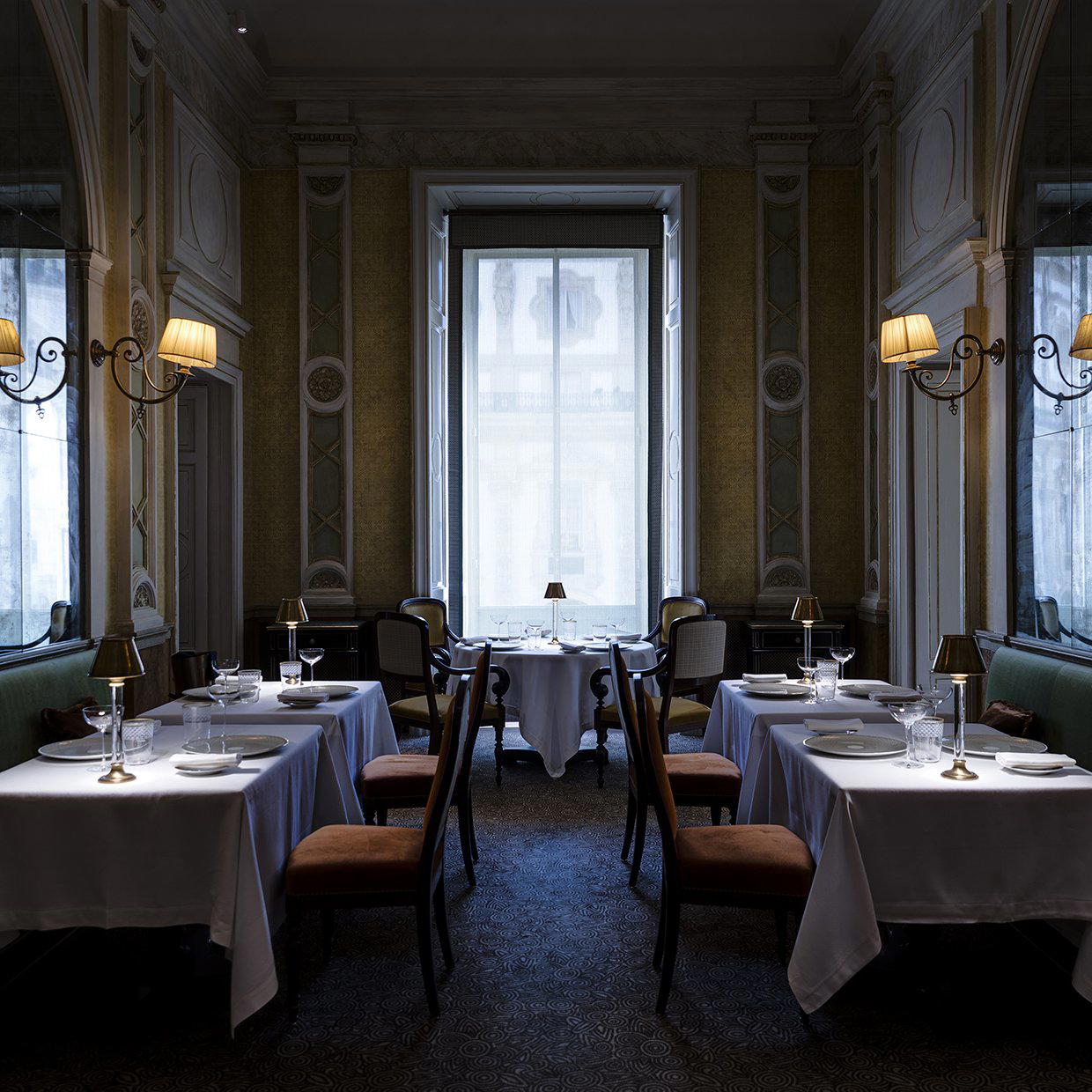
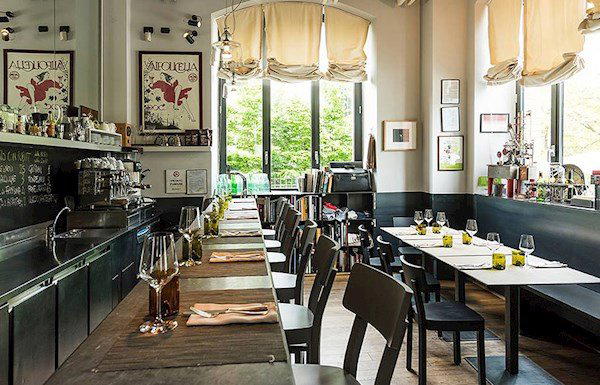
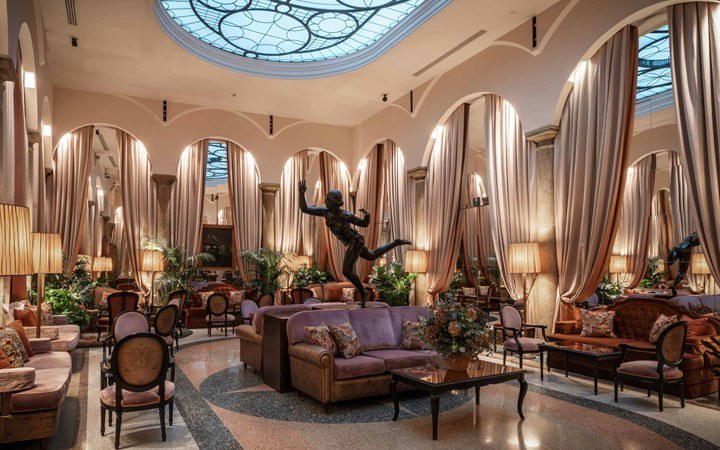
Elegant and welcoming with plants, flowers, attention to detail, bright and quiet during lunch, romantic in the evening.