
A few steps from the Duomo, Cantina Piemontese has held its position as one of Milan's most consistent addresses for Piedmontese cooking, a regional tradition that travels well to a city that otherwise pushes hard toward reinvention. The room reads as a working trattoria rather than a heritage set piece, and the kitchen stays grounded in the ingredient logic that defines cucina piemontese at its most disciplined.
Pearl is the En Primeur Club membership app — saves, bookings, and concierge access live there. Same editors, same standards.
- Address
- Via Laghetto, 2, 20122 Milano MI, Italy
- Phone
- +39 02 784618
- Website
- cantina-piemontese.it
- Directions
- Get directions
 Saves & bookings on Pearl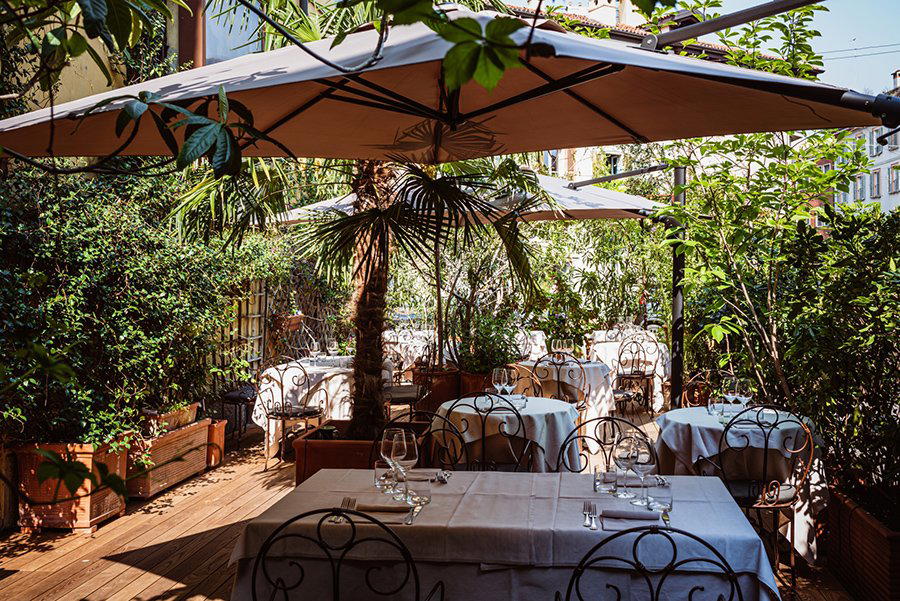
Where Milan Pauses for the North
Via Laghetto sits close enough to the Duomo that the cathedral's shadow reaches it on clear mornings, yet the street operates at a register entirely different from the tourist-facing cafes that cluster around the piazza. Cantina Piemontese is a restaurant in Milan serving traditional Piedmontese and Italian cooking, with an address on Via Laghetto and a price point around $80 per person. A room with softly lit interiors, the kind of worn-in surfaces that accumulate over decades, and a dining culture that leans toward regulars rather than first-timers. Walking in, the visual language is immediately legible: this is a trattoria that has decided, deliberately, not to modernise its shell.
That choice matters more in Milan than it would in most Italian cities. The Milanese dining scene has split sharply over the past decade. On one side sits a cohort of tasting-menu restaurants, Enrico Bartolini, Cracco in Galleria, Andrea Aprea, and Seta, where the kitchen is the explicit subject of the evening and the price point reflects that ambition. On the other sits a smaller, quieter tier of places that frame the meal around a regional tradition rather than a chef's creative signature. Cantina Piemontese belongs to the second group, and in doing so occupies a position that becomes rarer each year in the centre of the city.
Piedmontese Cooking and Its Ingredient Logic
Cucina piemontese is, at its structural core, a cuisine of provenance. More than most Italian regional traditions, it is tied to specific geographic sources: the Langhe and Monferrato hills for truffles and Nebbiolo grapes, the Po Valley lowlands for rice and cattle, the Alpine foothills for fontina and toma cheeses. The cuisine's most recognisable dishes, tajarin pasta, vitello tonnato, bagna cauda, brasato al Barolo, each carry the coordinates of a specific landscape in their ingredient list. What distinguishes the serious Piedmontese tables from the derivative ones is whether those source relationships remain legible on the plate.
In a Milan context, this creates a particular editorial challenge for a restaurant. Sourcing from Piedmont at any meaningful level requires active supplier relationships: truffle brokers who work the Alba market, small-scale dairy producers in the Cuneo province, cattle farms in the Fassone breed network. The alternative, sourcing generically and applying Piedmontese labels, is common enough that diners who know the tradition can usually detect it within two courses. The continued regard that Cantina Piemontese receives from Milanese regulars suggests that the kitchen's sourcing holds up under that kind of scrutiny.
For comparative context, the restaurants in Piedmont itself that have built reputations around this sourcing discipline, Piazza Duomo in Alba, operate with direct access to the region's producers that a Milan-based kitchen must actively work to replicate. That restaurant has maintained its identity in that context, within a city that also contains Verso Capitaneo and other addresses working the creative-regional space, reflects something about operational discipline rather than just culinary ambition.
The Room and the Ritual
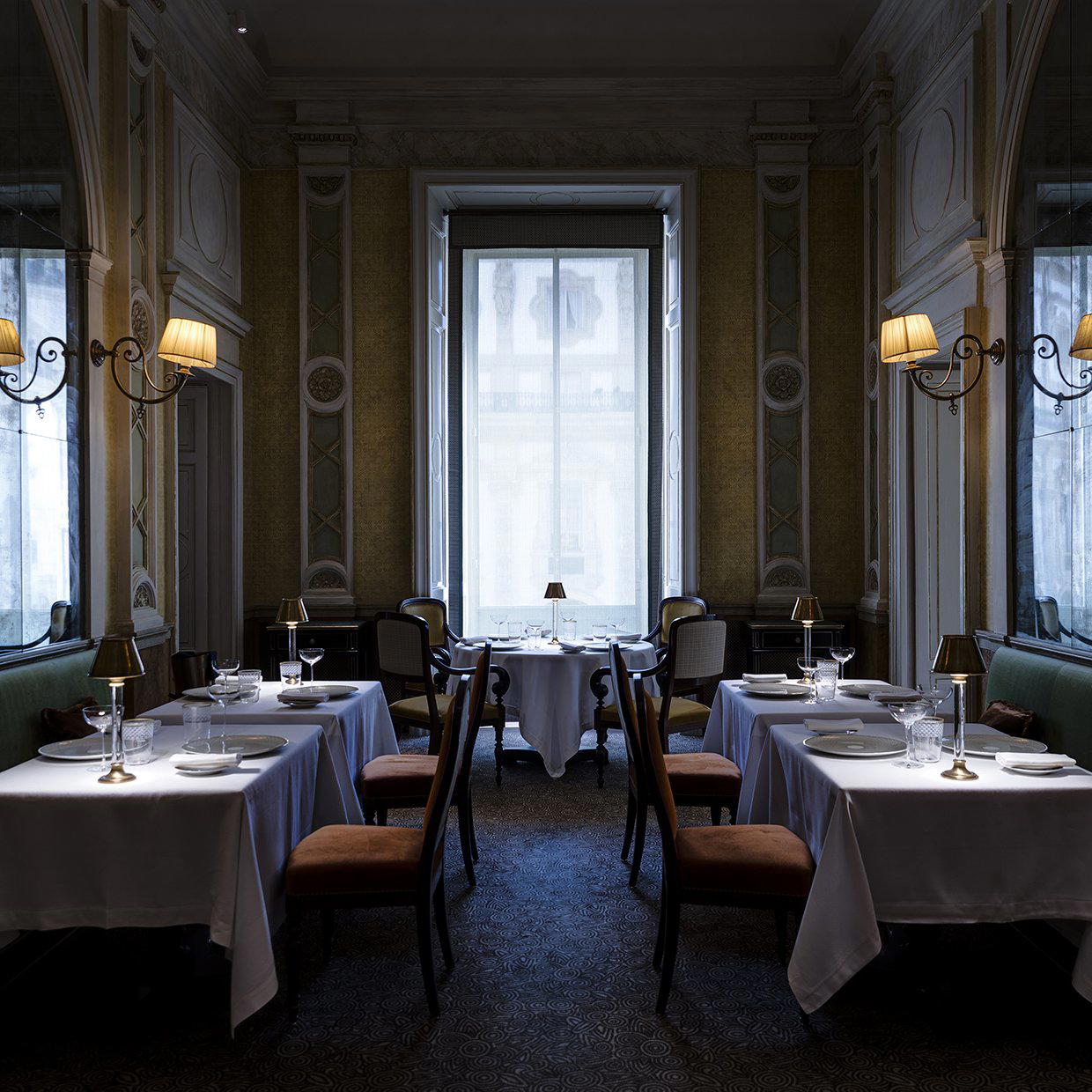
The physical environment at the restaurant signals its character before the menu arrives. In cities where institutional dining rooms are being stripped back and redesigned for a younger aesthetic, rooms that have accumulated their character over time communicate something specific: that the kitchen's energy has gone into the cooking rather than the staging. The softly lit interiors noted in accounts of the restaurant situate it in a tradition of Milanese trattorie that predate the city's current design-consciousness, places where the table arrangement, the sound levels, and the service cadence are calibrated for conversation rather than spectacle.
The restaurant sits apart from the tasting-menu circuit. The comparison point is not Osteria Francescana in Modena or Enoteca Pinchiorri in Florence, both operating in the register of modernist fine dining rooted in Italian tradition. Nor is it the technically ambitious format of Le Calandre in Rubano. The relevant comparison is with the trattorie tradition: places where the cooking is the point, the room supports it without dominating it, and the measure of success is whether a regular would return weekly without the visit feeling like an occasion.
Planning the Visit
The restaurant sits at Via Laghetto, 2, in Milan's 20122 postal district, a short walk from the Duomo. The location places it inside a zone that draws business lunches, museum visitors, and evening diners in roughly equal measure, which means the service rhythm shifts between meal periods. Reservations are recommended. Reservations are recommended.
Cantina Piemontese in the Wider Italian Context
Restaurants that maintain regional specificity without tipping into stasis are rarer than the marketing around Italian food suggests. The operations that have genuinely held that line over time, Dal Pescatore in Runate, Atelier Moessmer Norbert Niederkofler in Brunico, tend to share a common characteristic: the sourcing discipline is not decorative. It shapes what appears on the menu and, more importantly, what does not. The restaurant operates at a different scale and with a different format from those addresses, but the underlying logic, that a regional kitchen's credibility lives or dies at the supplier relationship level, applies equally.
For international diners calibrating expectations, the register here is closer to a serious Parisian bistro or a well-run neighbourhood institution than to the tasting-menu format familiar from Le Bernardin in New York City or the southern American hospitality tradition of Emeril's in New Orleans. What the restaurant offers is something more compressed: a clear regional tradition, served in a room that has earned its worn-in quality, a few minutes from one of Europe's most-visited monuments.
Side-by-Side Snapshot
Comparable venues nearby, for context on price, style, and recognition.
| Venue | Cuisine | Price | Notes |
|---|---|---|---|
| Cantina PiemonteseThis venue — the venue you are viewing | Traditional Piedmontese and Italian | $$$ | Not listed |
| Denis | Modern Mountain Pizza | $$$ | Brera |
| Via Pastrengo | Modern Italian Trattoria | $$$ | Isola |
| Tannico Wine Bar | Modern Italian Wine Bar | $$$ | Porta Genova |
| Linfa | Modern Vegan Italian Fine Dining | $$$ | Porta Genova |
| Il Cestino | Traditional Milanese Trattoria | $$$ | Brera |
Recognition history
Dated appearances from independent guides and award organizations, with the underlying list record or original source where available.
Star Wine List
Star Wine List
Continue exploring
More in Milan
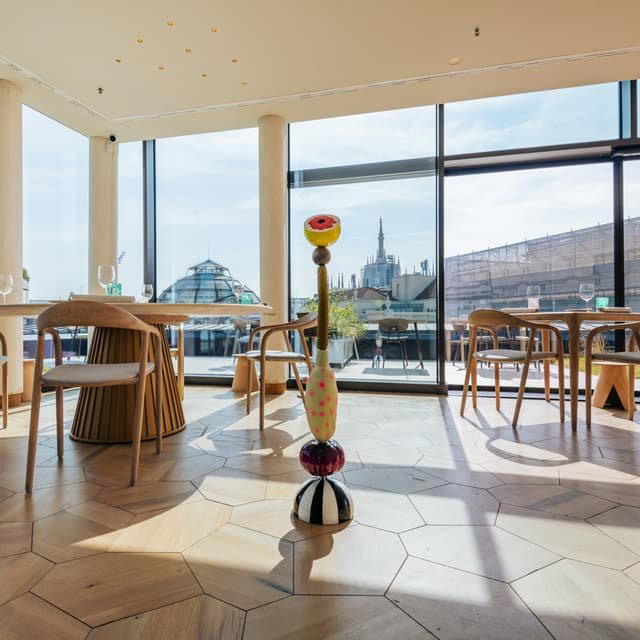
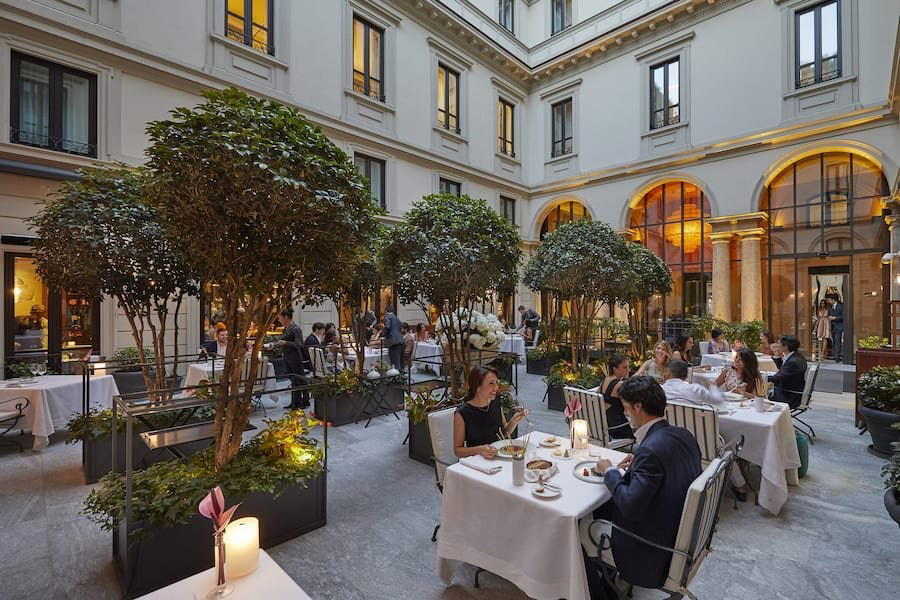
Restaurants in Milan
Browse all →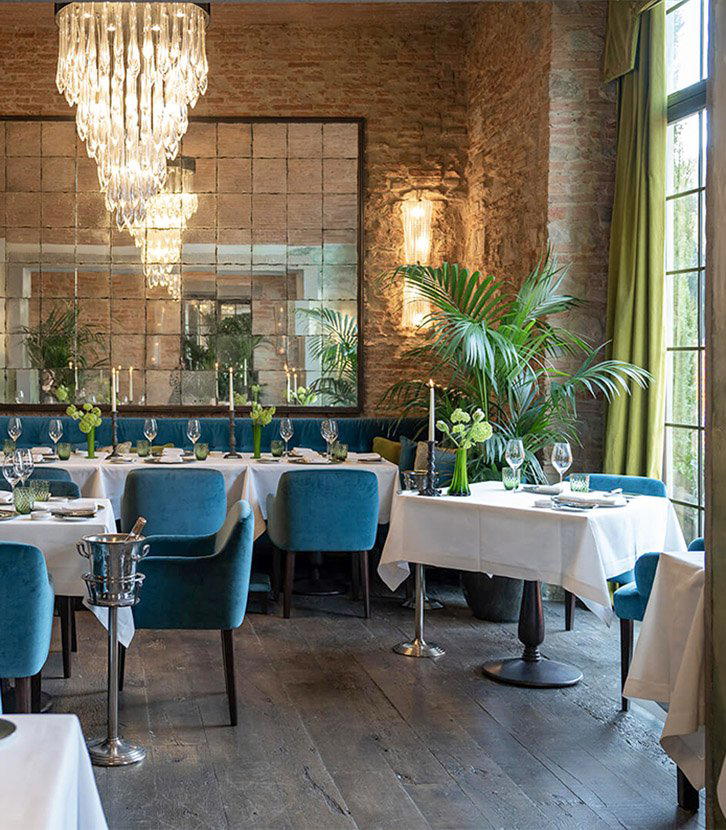
Bars in Milan
Browse all →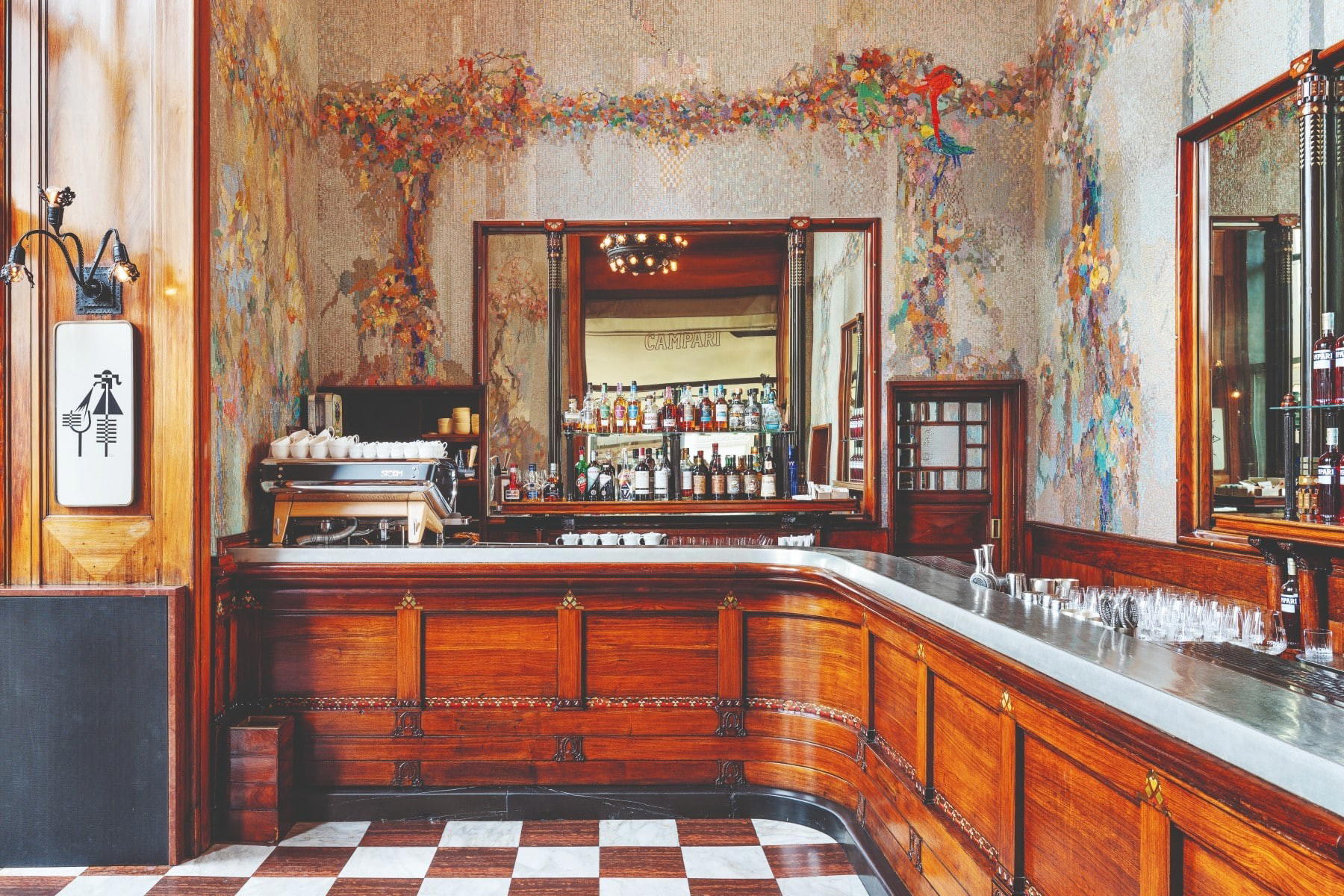
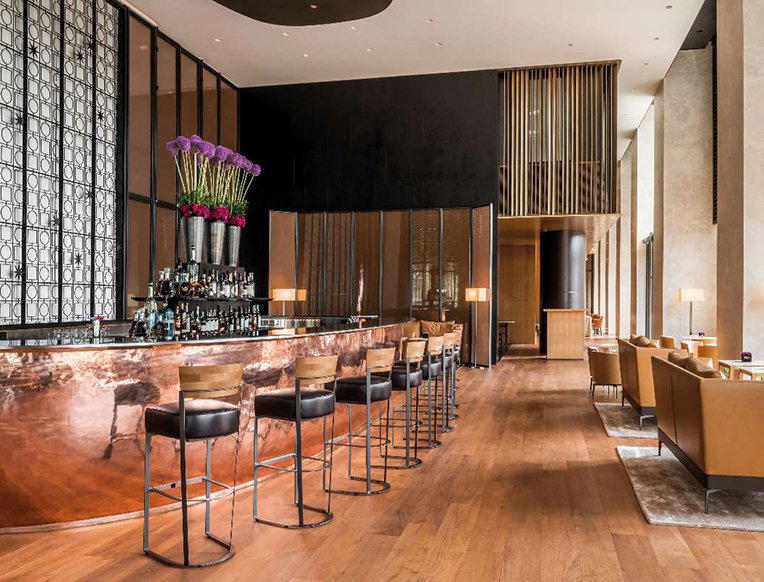
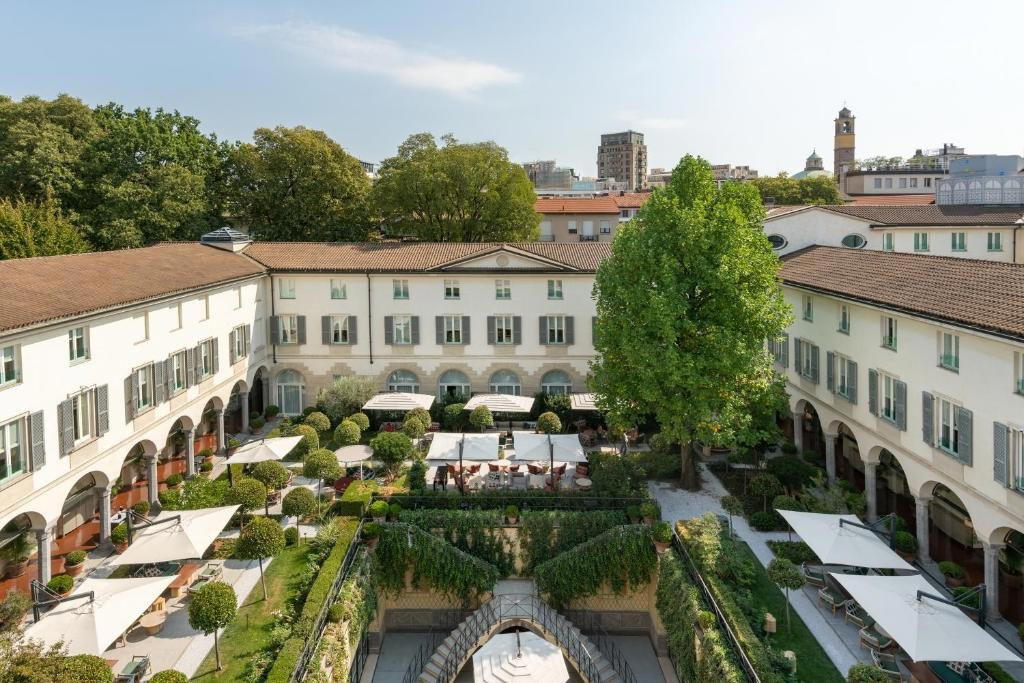
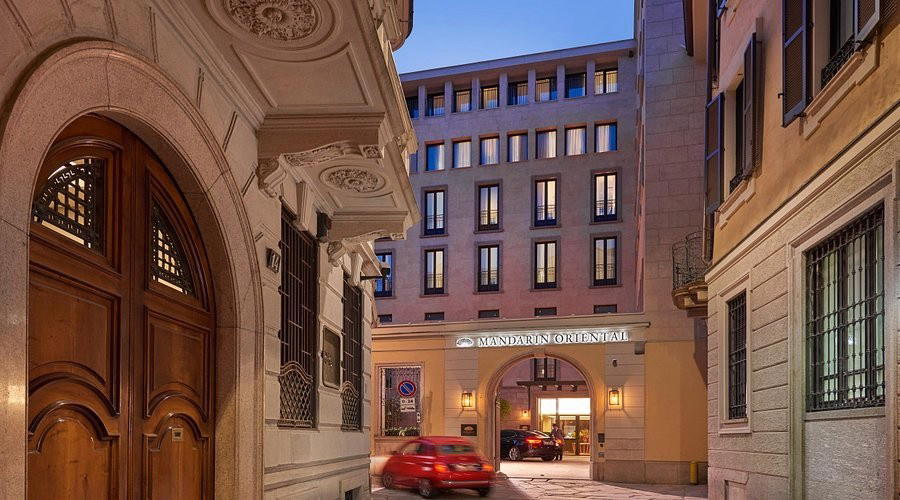
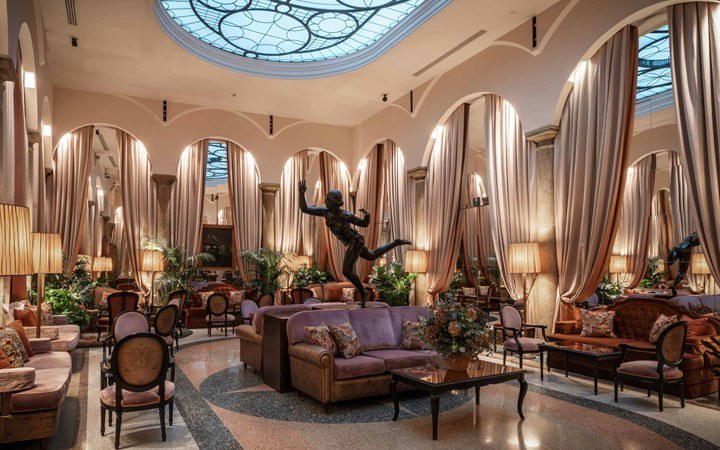
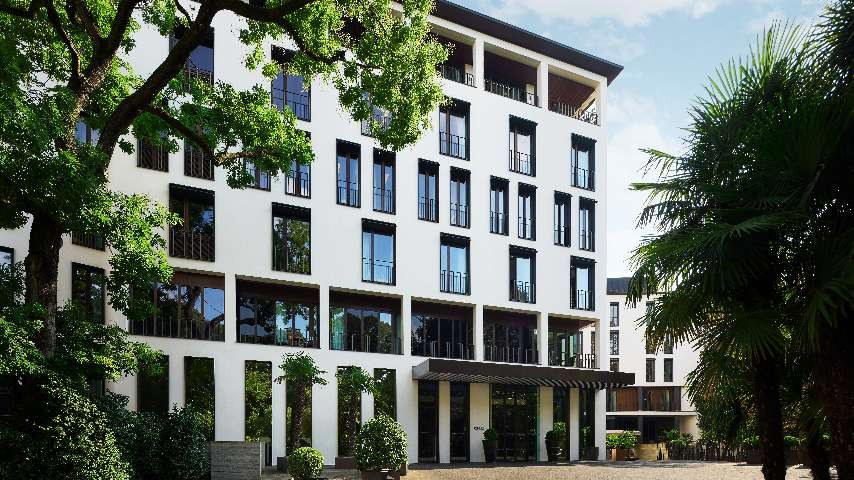
Hotels in Milan
Browse all →
At a Glance
- Classic
- Elegant
- Cozy
- Intimate
- Business Dinner
- Date Night
- Special Occasion
- Garden
- Terrace
- Wine Cellar
- Extensive Wine List
- Garden
Current opening hours
- Monday
- 12–2:30 PM, 7–10:30 PM
- Tuesday
- 12–2:30 PM, 7–10:30 PM
- Wednesday
- 12–2:30 PM, 7–10:30 PM
- Thursday
- 12–2:30 PM, 7–10:30 PM
- Friday
- 12–2:30 PM, 7–10:30 PM
- Saturday
- 12–2:30 PM, 7–10:30 PM
- Sunday
- 12–2:30 PM, 7–10:30 PM
Hours can change for holidays and private events. Last verified .
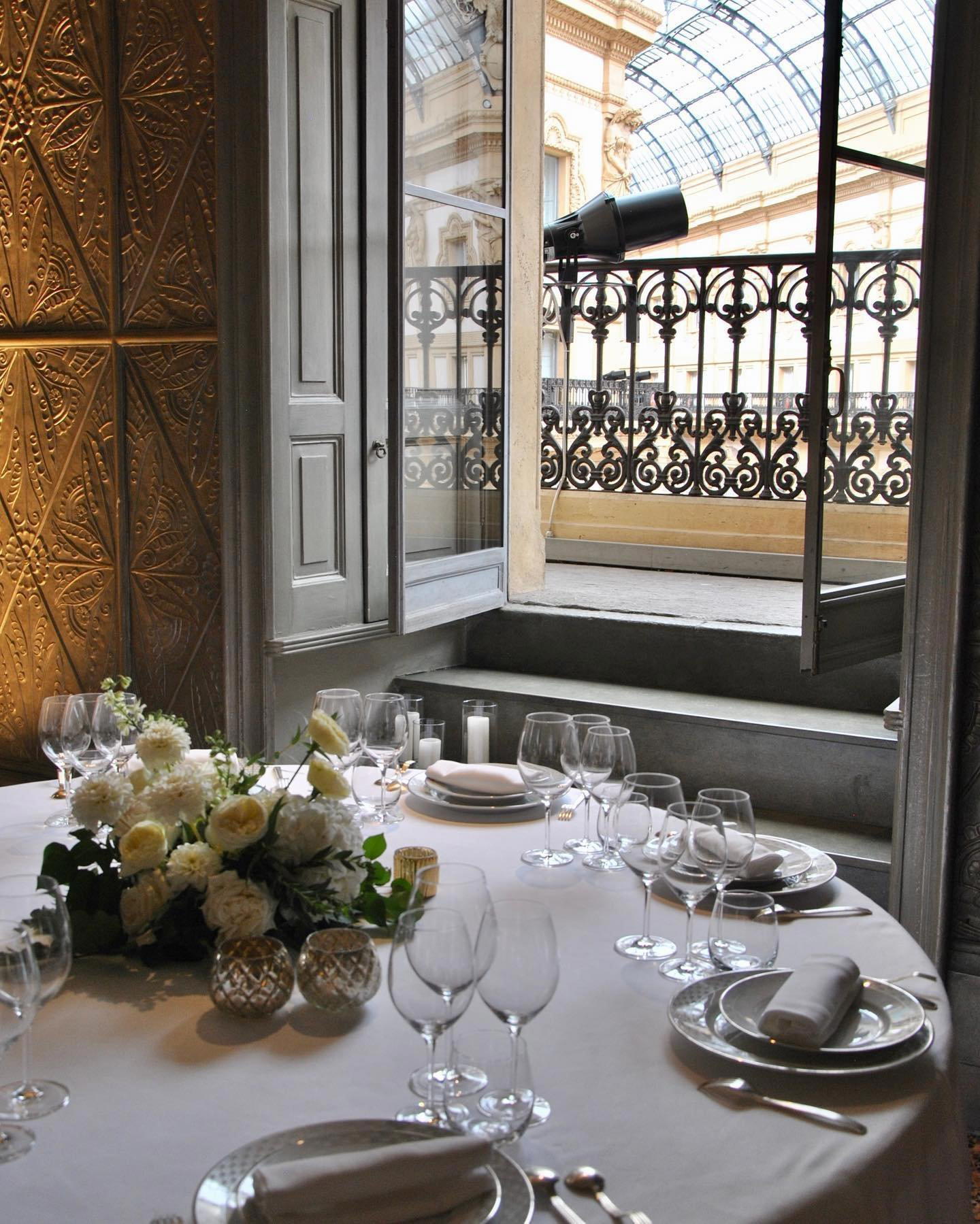
Classic Italian design with soft lighting, cellar-like rooms, and a welcoming garden terrace creating an elegant yet cozy atmosphere.