On the quieter southern stretch of the Naviglio Pavese canal, Ristorante Erba Brusca occupies a register that Milan's central dining rooms rarely attempt: garden-anchored, vegetable-forward, and rooted in the kind of cooking that lets seasonal produce carry the argument. It sits apart from the city's €€€€ tasting-menu circuit and offers a different kind of seriousness, one measured in ingredient provenance and cellar curation rather than Michelin hardware.
Pearl is the En Primeur Club membership app — saves, bookings, and concierge access live there. Same editors, same standards.
- Address
- Alzaia Naviglio Pavese, 286, 20142 Milano MI, Italy
- Phone
- +39 351 516 6021
- Website
- erbabrusca.it
- Directions
- Get directions
 Saves & bookings on Pearl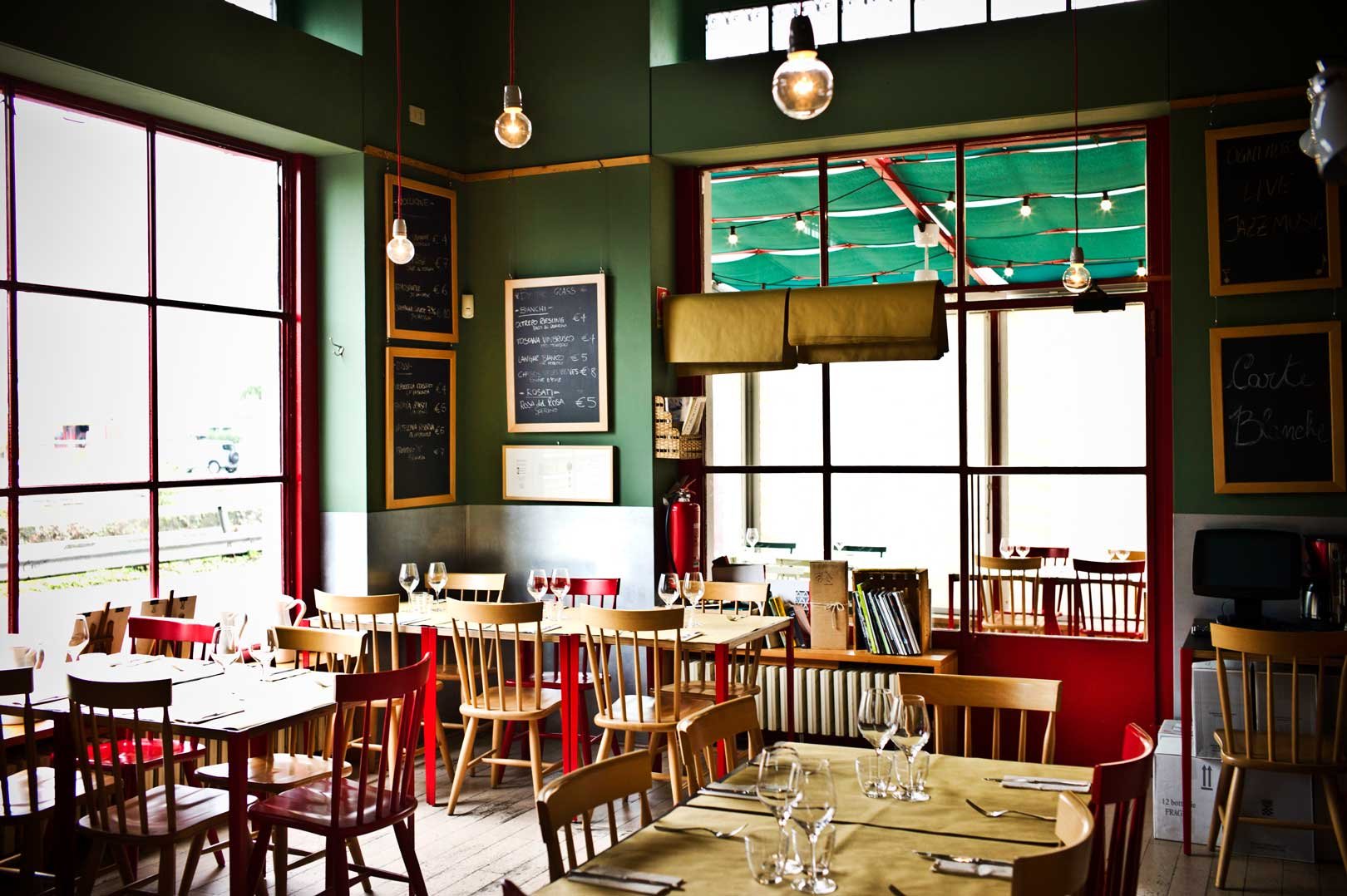
Canal-Side, and Deliberately So
The southern Navigli is a different proposition from the tourist-facing terraces near the Darsena. Along the Alzaia Naviglio Pavese, the pace slows, the restaurants thin out, and the canal feels more like infrastructure than backdrop. Ristorante Erba Brusca sits at number 286 on this stretch, with a garden that operates as the kitchen's larder and the dining room's visual anchor simultaneously. Arriving here on a warm evening, you understand immediately that the geography is not incidental: the address shapes the cooking, and the cooking shapes the wine list that accompanies it.
Milan's restaurant spectrum runs from the formal temples of the centre, Enrico Bartolini, Cracco in Galleria, Seta, Andrea Aprea, to neighbourhood rooms that operate with less ceremony and more specificity. Erba Brusca occupies the latter category without apology. The format is garden restaurant rather than tasting counter, and that distinction carries real implications for how wine is selected, poured, and discussed.
The Garden as Editorial Statement
Vegetable-forward restaurants in Italy occupy an unusual position. The country's culinary tradition is not, by instinct, one of restraint around meat and dairy, yet a generation of producers and cooks has pushed back against that default. The restaurants that do this with most conviction tend to sit outside city centres, where access to growing space is plausible and where the daily harvest can genuinely drive what goes on the plate. Erba Brusca's garden is central to that argument: the kitchen draws on what grows alongside the canal, and the menu shifts accordingly.
This approach places the restaurant in a specific Italian tradition of cucina dell'orto, garden cooking, that connects to older rural practice rather than metropolitan modernism. It is not the same register as Osteria Francescana in Modena or Reale in Castel di Sangro, where technique and conceptual ambition are the primary currency. Erba Brusca's seriousness expresses itself differently: through sourcing discipline, through restraint in the kitchen, and through a wine list that takes the same position on provenance that the garden takes on produce.
The Wine List: Curation Over Ceremony
Canal-side garden restaurants in northern Italy have, over the past decade, developed a recognisable wine personality. Strong examples among them reject the classic Lombard tendency toward heavy, cellar-depth collections and instead curate around natural and low-intervention producers, regional appellations, and the kind of bottles that work with vegetables rather than against them. This is not a niche affectation; it is a coherent response to what the kitchen is doing.
Erba Brusca's list reflects that sensibility. The emphasis falls on Italian producers working at the intersection of tradition and minimal intervention, the Lombard, Piedmontese, and Alto Adige appellations that read most fluently alongside herb-driven, garden-led plates. For context on how this approach plays out at a different scale and price point, the cellar at Enoteca Pinchiorri in Florence represents one extreme of Italian wine curation: enormous in depth, classical in orientation. Erba Brusca operates at the opposite pole, where editorial selection matters more than encyclopaedic range.
What distinguishes this kind of list from a casual bottle selection is specificity of intent. The choices signal a point of view: that wine should extend the conversation the kitchen is having rather than redirect it. Restaurants elsewhere in Italy that share this alignment between garden provenance and cellar philosophy include Piazza Duomo in Alba, where Langhe terroir connects kitchen and cellar coherently, and Uliassi in Senigallia, where coastal ingredient logic shapes what gets poured. The comparison is not about prestige tier but about the same underlying discipline: a list that knows what it is for.
Within the broader Italian natural wine conversation, the Navigli has become a credible address. The canal district's relaxed pace and younger clientele have made it receptive to the kind of producers who might feel misaligned with the Quadrilatero della Moda dining rooms. Erba Brusca has operated within that wave without being defined by it, the garden provides a more durable editorial anchor than any trend.
Where It Sits in Milan's Dining Spread
Understanding Erba Brusca requires placing it accurately within Milan's restaurant geography. The city's high-end rooms, Verso Capitaneo among the newer entrants, the established €€€€ tasting counters, compete on technique, chef pedigree, and award recognition. Erba Brusca does not compete in that category. Its comparable set is a smaller, more specific group: canal-side addresses with serious kitchen gardens, a commitment to regional produce, and wine lists that reward curiosity over label recognition.
Internationally, this format has parallels at places like Lazy Bear in San Francisco, where the communal, produce-anchored ethos shapes the entire format, or the farm-adjacent model of Dal Pescatore in Runate, which has sustained its reputation across decades by staying rooted in a specific patch of Lombard countryside. The scale and register differ, but the underlying logic, place before prestige, connects them.
For readers planning a broader Italian itinerary, Erba Brusca pairs well with garden-and-territory focused restaurants elsewhere in the country: Atelier Moessmer Norbert Niederkofler in Brunico operates with similar ingredient-source rigour in the Alto Adige, and Quattro Passi in Marina del Cantone connects coastal Campanian produce to its menu with comparable clarity. Le Calandre in Rubano and Casa Perbellini 12 Apostoli in Verona represent the Veneto's own version of ingredient-anchored seriousness, useful reference points for calibrating what regional Italian cooking looks like across its range of registers. For a broader view of where Erba Brusca fits within the city's dining options, see our full Milan restaurants guide.
Planning a Visit
The Alzaia Naviglio Pavese address places Erba Brusca at the quieter southern end of the canal system, a fifteen-minute tram ride from the centre that most visitors to the Navigli area do not make. This is, practically, useful information: the restaurant operates in a neighbourhood that still functions as a neighbourhood, and the atmosphere reflects that. Tables in the garden are the obvious draw in warmer months, and booking ahead, particularly for outdoor seating, is the sensible approach. The restaurant operates within the broadly casual register of the Navigli, which means the dress code is smart casual and the tempo is unhurried, though the kitchen and cellar are approached with care.
Comparable Spots, Quickly
Comparable venues nearby, for context on price, style, and recognition.
| Venue | Cuisine | Price | Notes |
|---|---|---|---|
| Ristorante Erba BruscaThis venue — the venue you are viewing | Farm-to-Table Italian | $$$ | Not listed |
| Cormorano Sempione | Italian Seafood Trattoria | $$$ | Sarpi |
| La Dogana del Buongusto | Traditional Milanese | $$$ | Duomo |
| AI CHIOSTRI MILANO | Traditional Milanese Italian | $$$ | Guastalla |
| Il Cestino | Traditional Milanese Trattoria | $$$ | Brera |
| Osteria della Darsena | Traditional Lombard Trattoria | $$$ | Porta Ticinese - Conchetta |
At a Glance
- Rustic
- Cozy
- Bohemian
- Date Night
- Special Occasion
- Garden
- Open Kitchen
- Extensive Wine List
- Farm To Table
- Organic
- Local Sourcing
- Garden
Current opening hours
- Monday
- 7:30–11 PM
- Tuesday
- 7:30–11 PM
- Wednesday
- 7:30–11 PM
- Thursday
- 7:30–11 PM
- Friday
- 7:30–11 PM
- Saturday
- 12:30–3 PM, 7:30–11 PM
- Sunday
- 12–3:30 PM, 7:30–11 PM
Hours can change for holidays and private events. Last verified .
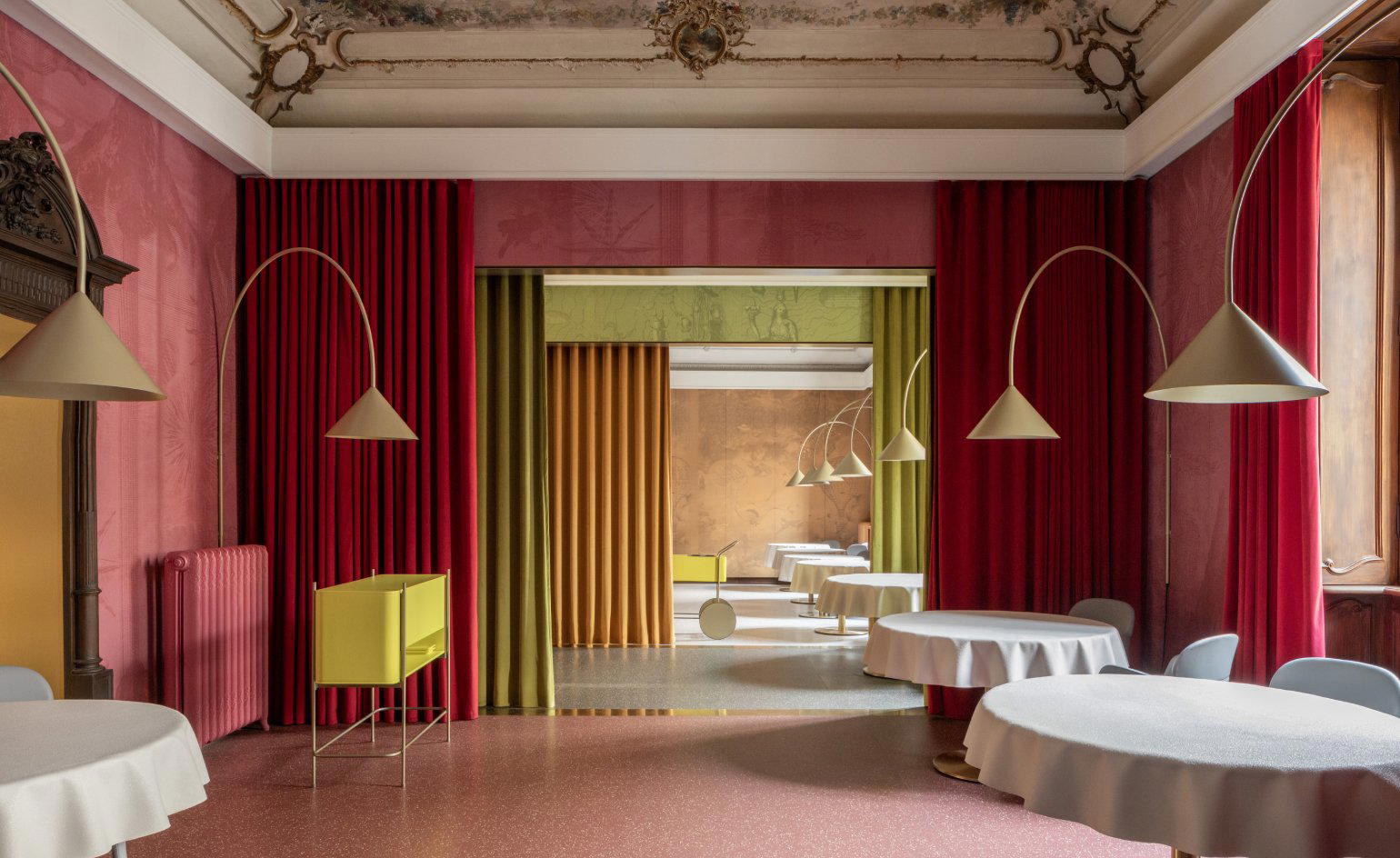
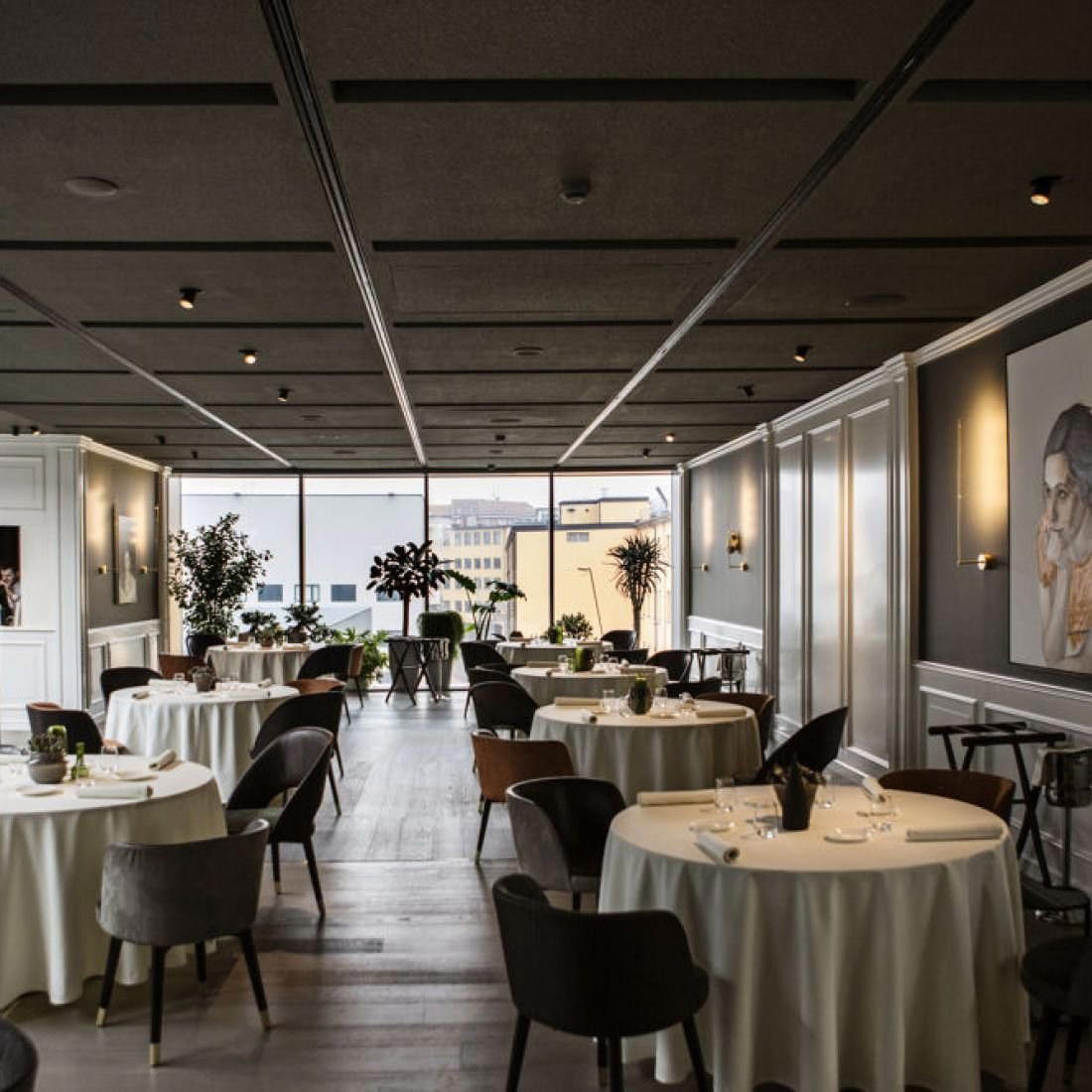
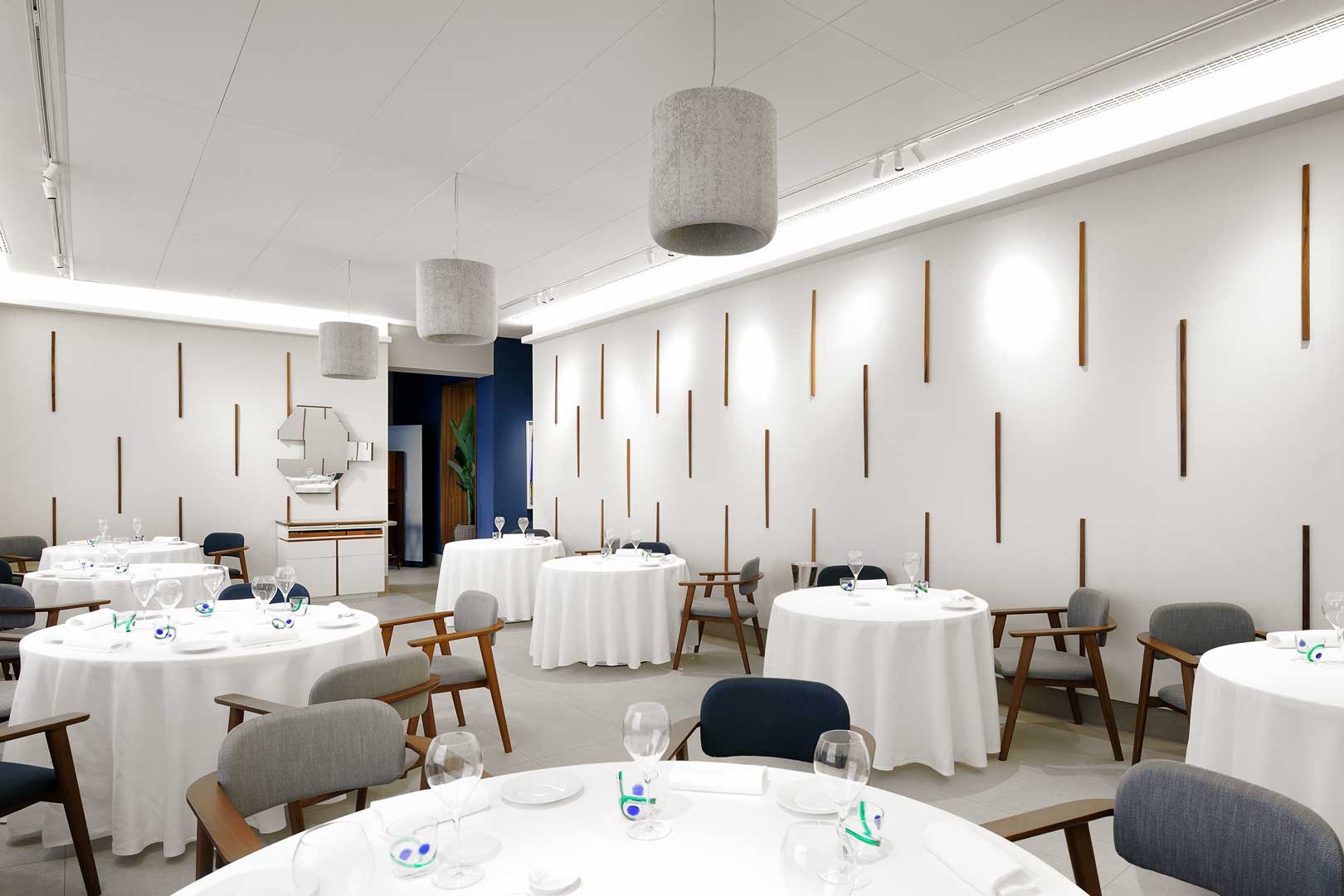
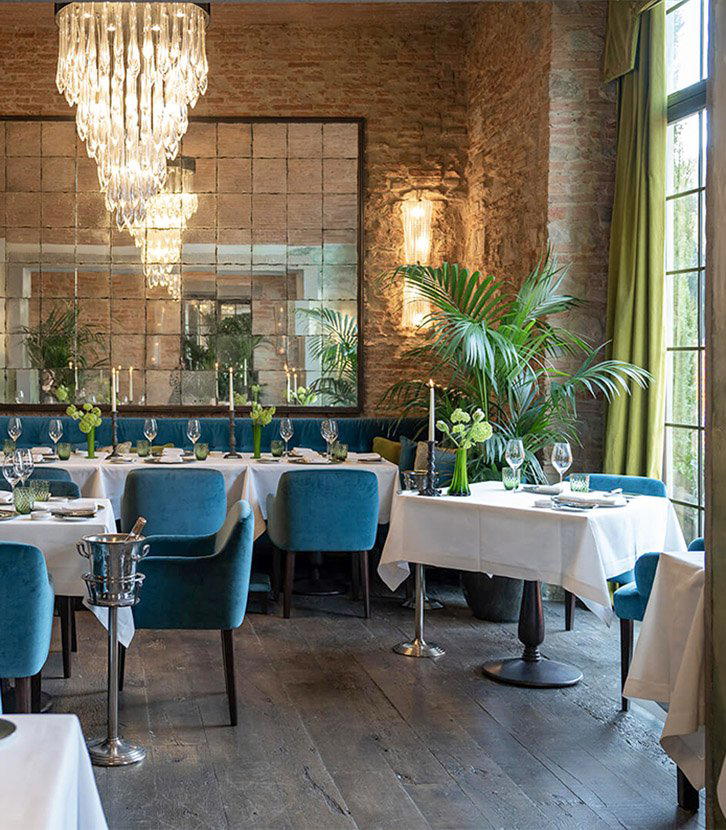
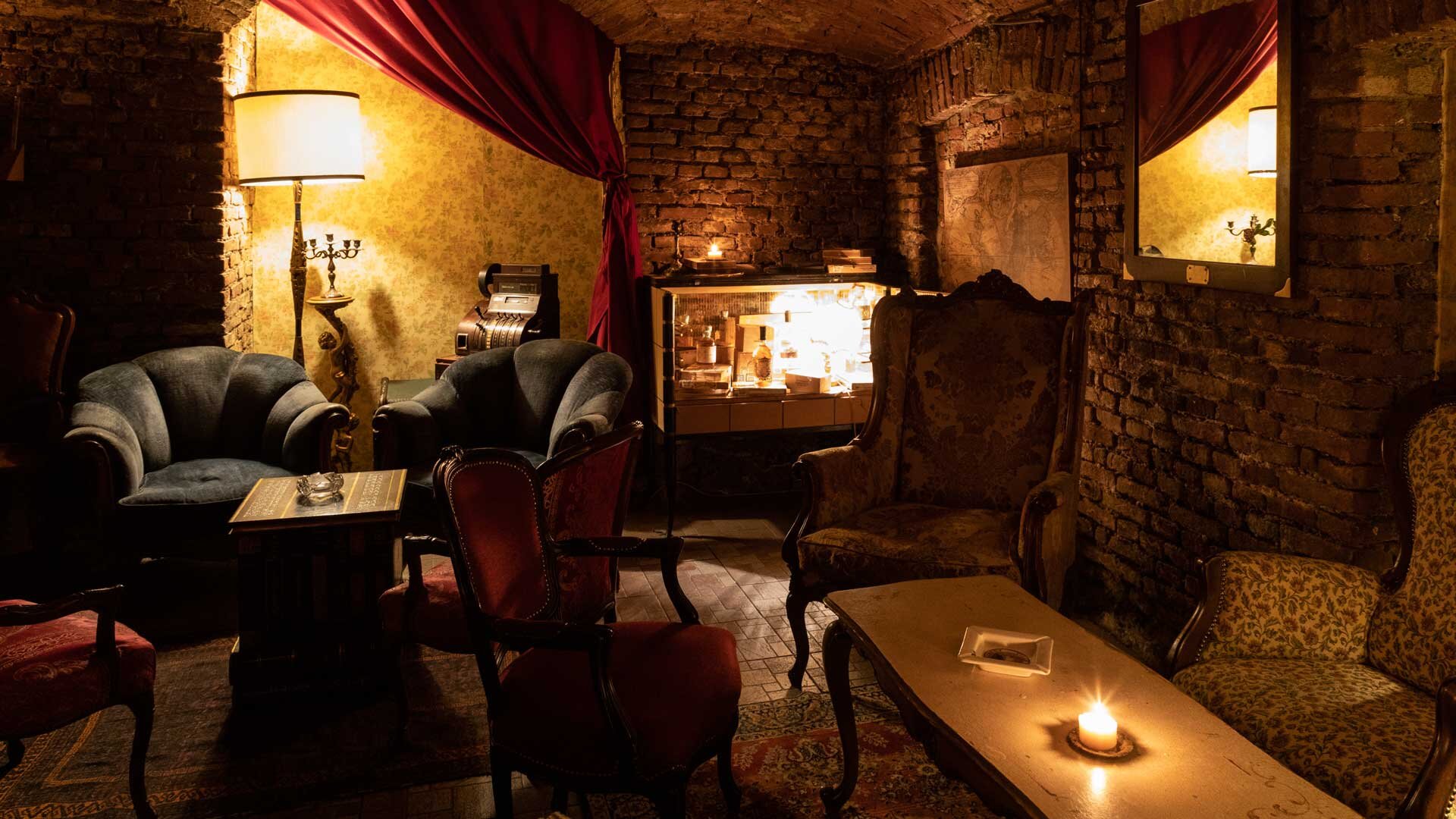
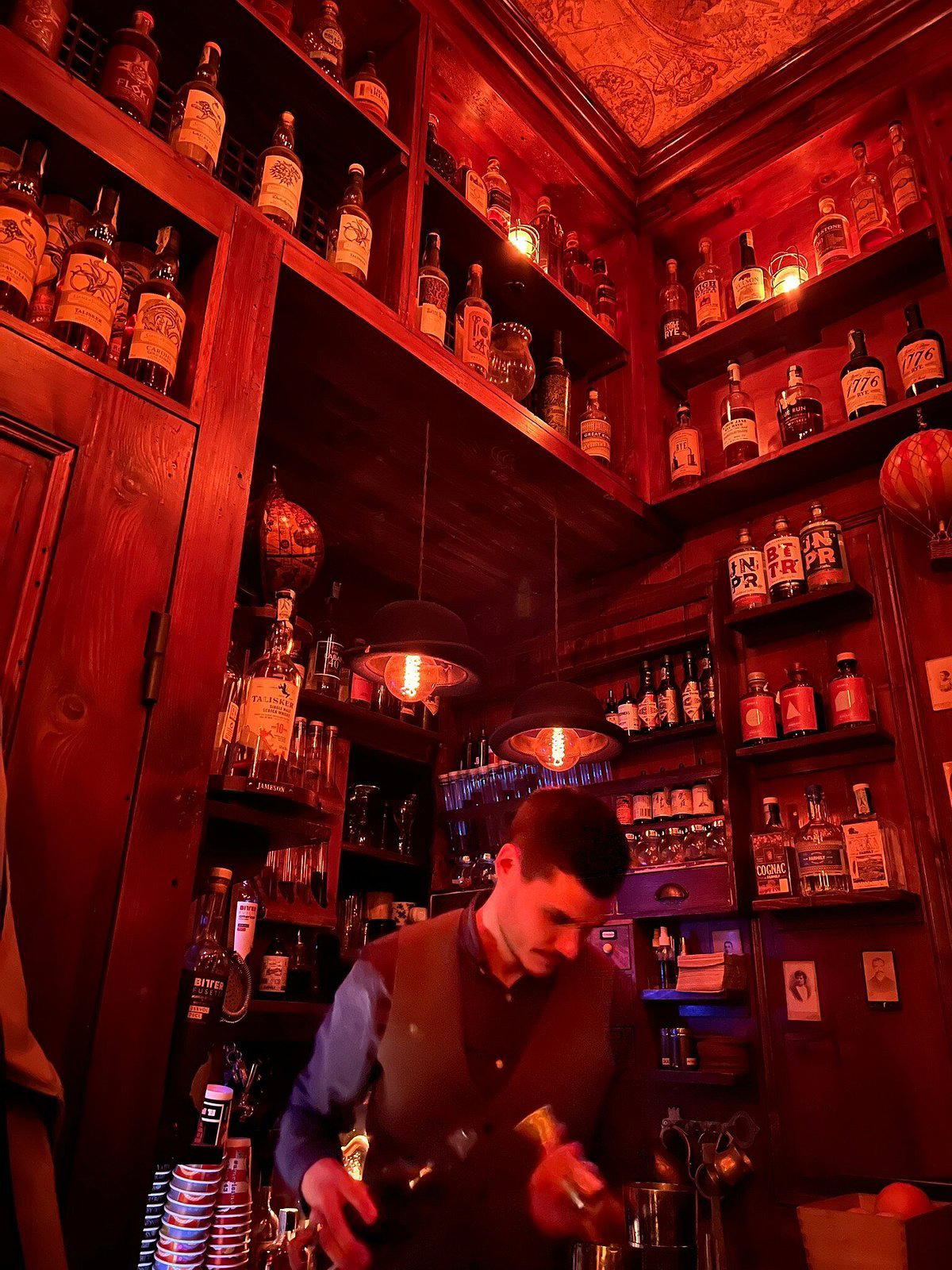
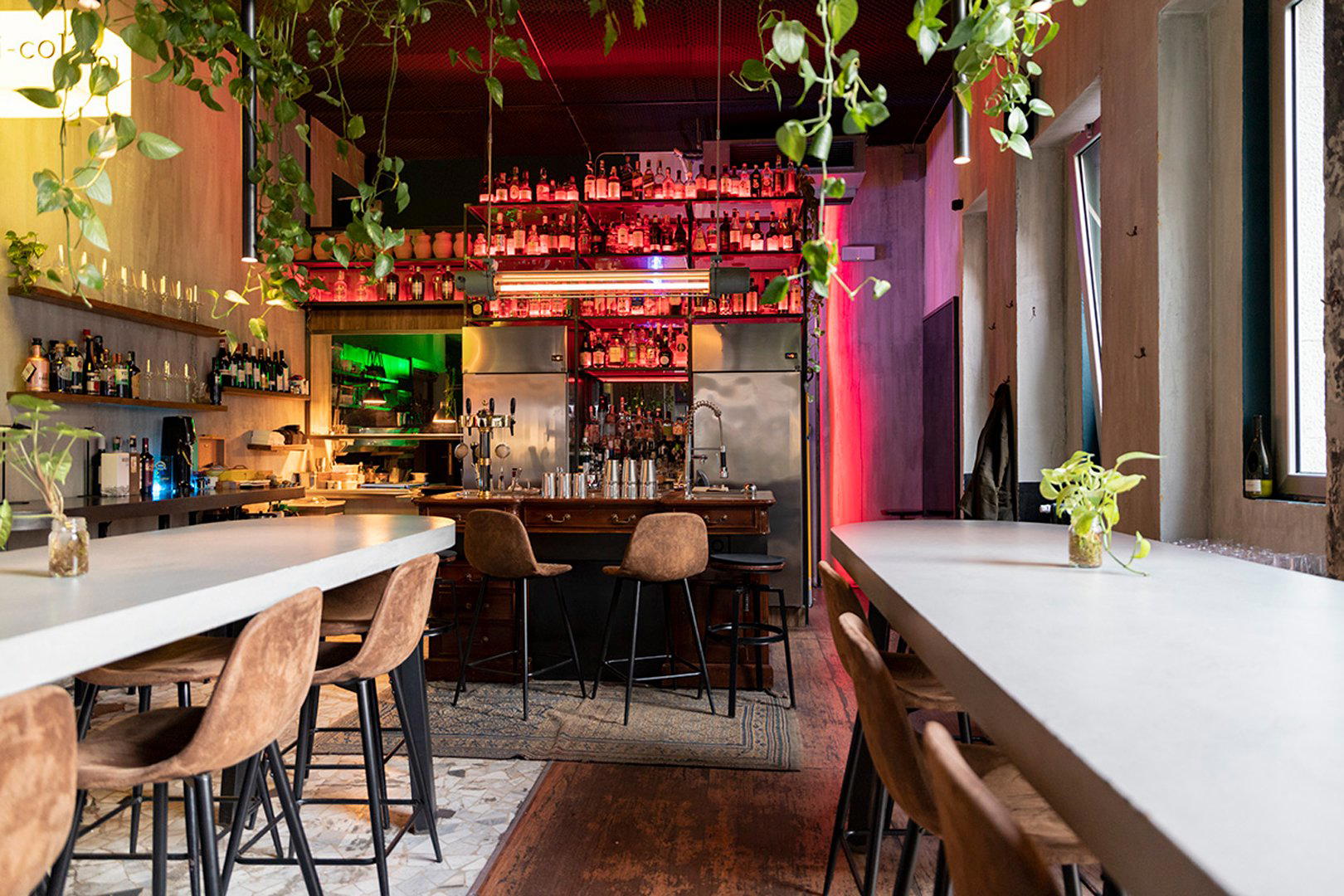
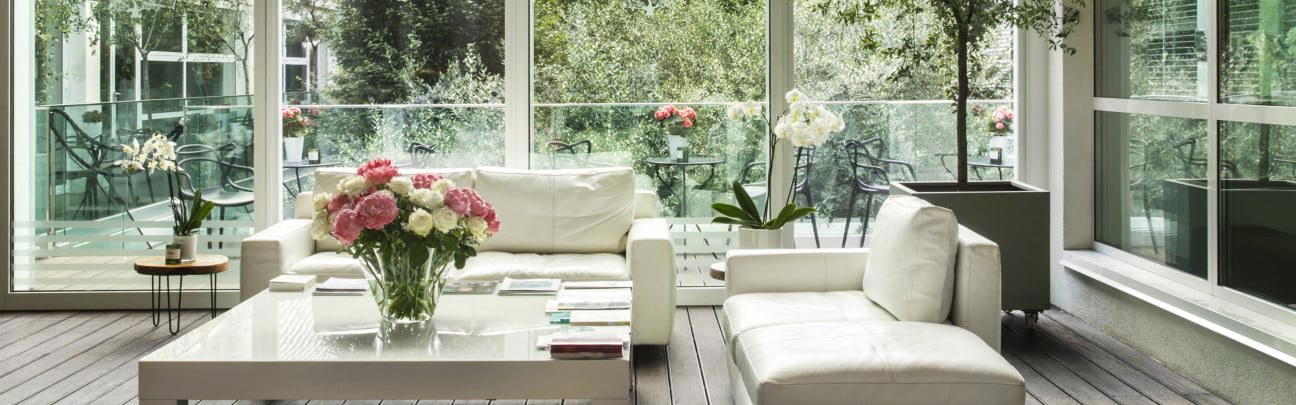
Simple, rustic atmosphere with a bucolic garden setting that evokes a cozy trattoria vibe.