On a narrow lane inside Diocletian's Palace, Corto Maltese occupies a position that Split's dining scene has been quietly building toward: a kitchen that reads local Dalmatian ingredients through a lens sharpened by broader European technique. The address alone places it inside among the more historically loaded dining districts on the Adriatic coast, where stone walls and centuries of trade routes form the backdrop for a menu anchored in the sea and the hinterland alike.
Pearl is the En Primeur Club membership app — saves, bookings, and concierge access live there. Same editors, same standards.
- Address
- Obrov ul. 7, 21000, Split, Croatia
- Phone
- +38521587201
- Directions
- Get directions
 Saves & bookings on Pearl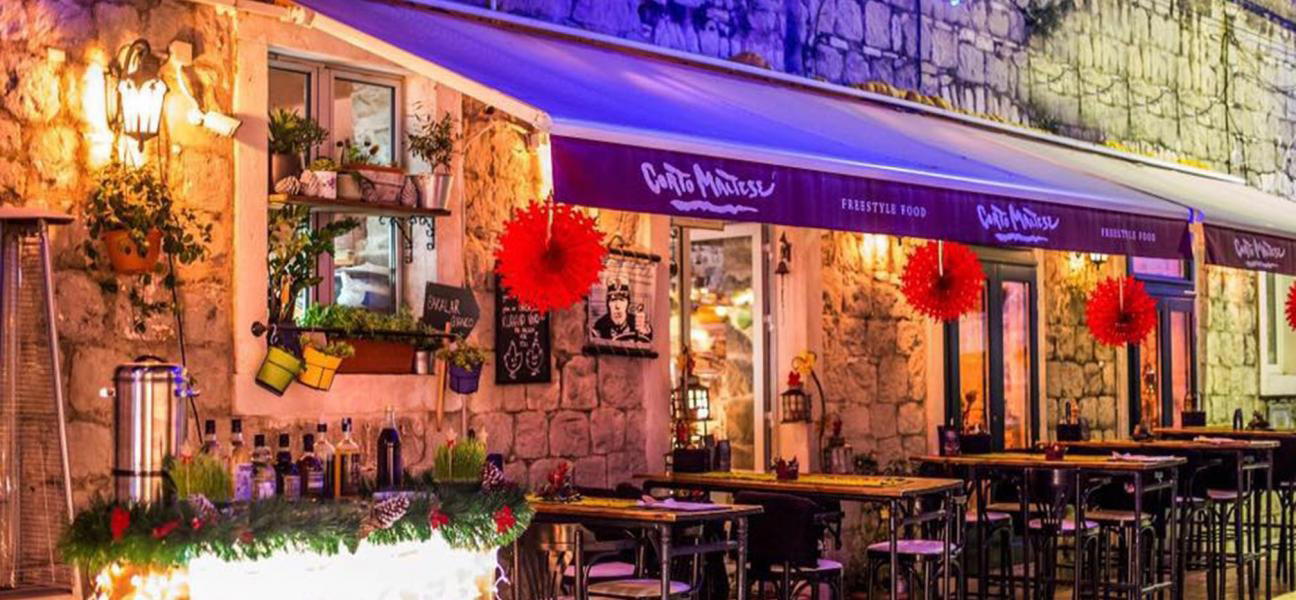
Dining Inside the Walls: What Diocletian's Palace Does to a Restaurant
There is a particular pressure that comes with operating a kitchen inside Diocletian's Palace in Split. The Roman emperor's retirement complex, built around 305 AD and continuously inhabited ever since, has absorbed centuries of Venetian merchants, Ottoman-era traders, and now a concentrated corridor of restaurants competing for the same finite stretch of foot traffic. In that context, Corto Maltese, on Obrov ul. 7, is not trading on novelty. The address is dense with history, and the dining rooms that have survived here long enough to matter tend to do so by grounding themselves in something specific rather than chasing the seasonal tourist wave.
The broader pattern across Croatia's Adriatic coast is instructive. In cities like Sibenik, where Pelegrini has built a reputation around Dalmatian produce treated with contemporary European precision, or in Korčula, where LD Restaurant operates within a similarly loaded historic setting, the kitchens that hold attention are those threading local ingredient logic through technique imported from outside the region. Rovinj's Agli Amici and Rijeka's Nebo by Deni Srdoč operate in the same register further north. Corto Maltese sits within that national conversation rather than apart from it.
The Dalmatian Ingredient Argument
Dalmatia's ingredient credentials are not difficult to make. The region produces olive oil from groves that predate the Roman walls surrounding this restaurant. Its seafood supply runs from Adriatic bream and sea bass caught in relatively clean waters to the cephalopods and shellfish that define local konoba menus from Zadar to Dubrovnik. Inland, the Dalmatian hinterland adds lamb, game, and a range of dried meats that function as the region's answer to charcuterie traditions found across the western Mediterranean. What distinguishes the more technically ambitious kitchens in Split from a traditional konoba is how they position those materials, whether the kitchen absorbs them into a framework of classical European method or simply presents them as they have always been presented.
The tension between those two modes is where the more interesting restaurants in this city operate. Krug at the Mediterranean end, Bistro Noir leaning toward French bistro register, and Adriatic working a broader seafood format, each addresses the local-versus-technique question from a slightly different position. Corto Maltese's placement on a lane inside the palace walls suggests a kitchen aware of both the tourist trade and the expectations of a visitor who has already found their way past the main Peristyle promenade.
Technique as the Editorial Argument
The broader pattern here is what happens when European technique migrates into coastal Mediterranean towns with serious local produce. At Le Bernardin in New York, the argument has always been that French rigour amplifies rather than obscures a fish's essential character. Applied to Dalmatian seafood, Adriatic dentex, locally sourced prawns, and summer bluefin, it produces a different result than it does with Atlantic protein. The sea here is shallower, warmer, and in parts more ecologically pressured than the North Atlantic, which means portion sizes, seasonality windows, and sourcing decisions carry real weight. A kitchen that understands its supply chain at that level operates differently from one importing the visual grammar of fine dining without the underlying material logic.
That kind of depth is what separates the more credible end of the Croatian coastal scene from the decorative end. Boskinac on Pag Island has made that argument through its integration of island wine and cheese production into a hospitality model. Alfred Keller in Mali Lošinj operates from a similar premise of environmental specificity. In the Istrian interior, Korak and San Rocco in Brtonigla extend the argument toward truffle and wine country. The common thread is a kitchen that knows why its local ingredients matter rather than simply marketing their provenance.
The Split Restaurant Scene in Summer and Beyond
Split's restaurant calendar splits sharply between June through August, when the city absorbs a volume of visitors that strains every booking system within the palace walls, and the shoulder months of May and September when the pace drops and the dynamic between restaurants and guests shifts. Late spring and early autumn remain particularly rewarding windows for anyone with genuine interest in the food rather than the spectacle of dining in a Roman ruin. Temperatures are manageable, the local seafood calendar is at a productive point, and the kitchens are not running at crisis capacity.
Within the palace walls, the competition is dense. Bajamonti POP and Bokamorra occupy different register points in the same geography. For visitors arriving with a broader Croatian itinerary, the progression from Split south toward Restaurant 360 in Dubrovnik or north toward Zagreb's Dubravkin Put provides useful calibration for where each city's dining sits in the national picture. Our full Split restaurants guide maps the city's options across price tiers and formats for readers planning a longer stay.
Finding and Planning Your Visit
The restaurant is on Obrov ul. 7, inside Diocletian's Palace, in Split's historic core. The palace district is pedestrianised and the address is most easily reached on foot from the Riva promenade, taking roughly five minutes through the eastern gate network. For visitors arriving in the July and August peak, securing a reservation well in advance is standard practice for any restaurant operating inside the walls; the physical constraints of historic buildings limit covers, and demand concentrates sharply in those two months. The shoulder season, May, early June, September, offers more flexibility and a different quality of service when the kitchen is not managing full summer load. Phone and booking platform details are best confirmed directly with the venue before travel, as operational arrangements in smaller Dalmatian restaurants can shift between seasons. The palace district has no practical parking; arrival by foot from Split's central bus and ferry terminal is the standard approach for most visitors.
Peers You’d Cross-Shop
Comparable venues nearby, for context on price, style, and recognition.
| Venue | Cuisine | Price | Notes |
|---|---|---|---|
| Corto MalteseThis venue — the venue you are viewing | Modern Mediterranean Freestyle | $$$ | Not listed |
| Villa Spiza | Dalmatian Home Cooking | $$ | Old Town |
| Štorija | Modern Dalmatian Fine Dining | $$$ | Old Town |
| Restoran PERIVOJ | Modern Mediterranean | $$$ | near Diocletian Palace |
| Brasserie on 7 | Mediterranean Brasserie | $$$ | Riva |
| Oš Kolač - Artisan Cakes and Pastries | Artisan Pastries & Modern Desserts | $$ | Old Town Split |
Continue exploring
More in Split
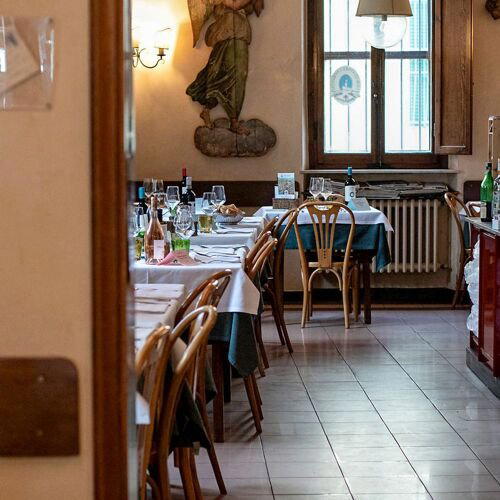
Restaurants in Split
Browse all →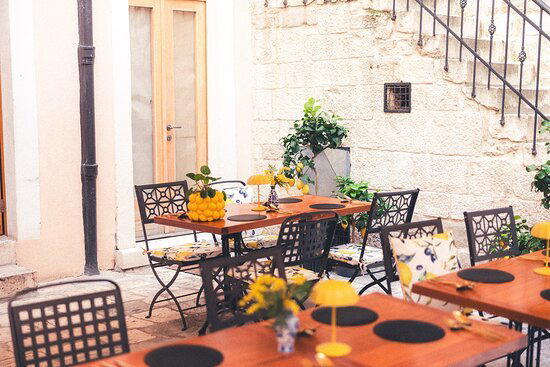
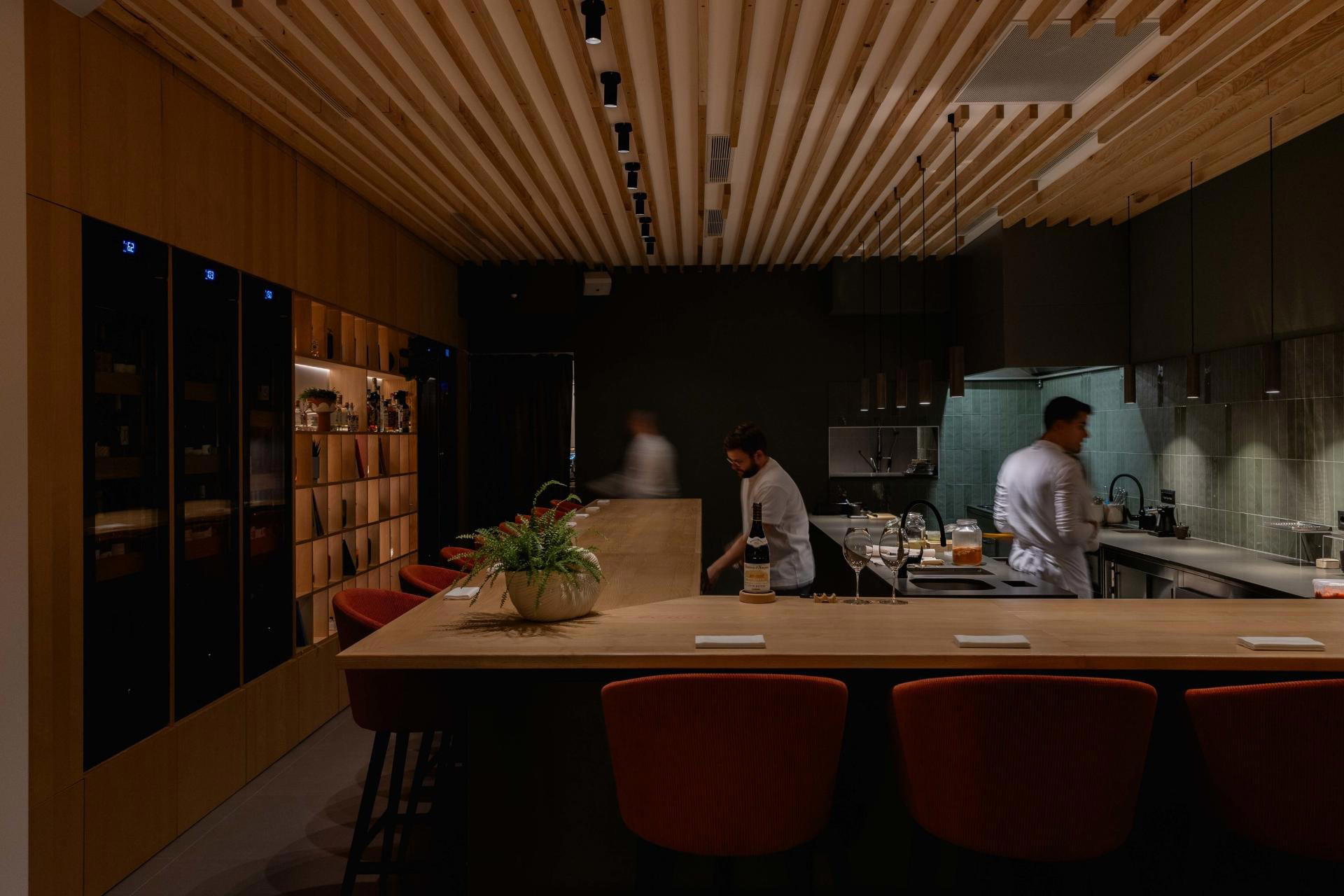
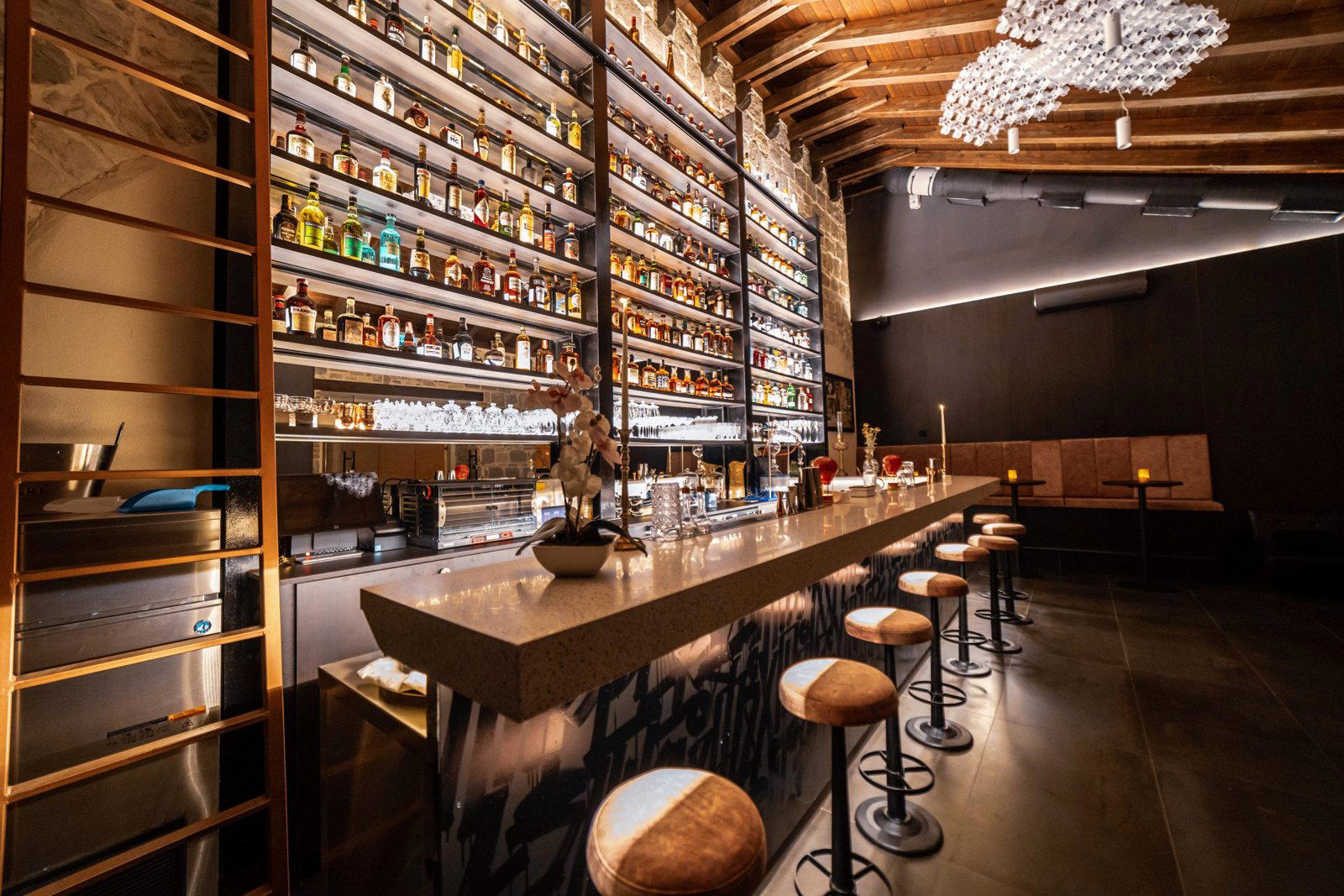
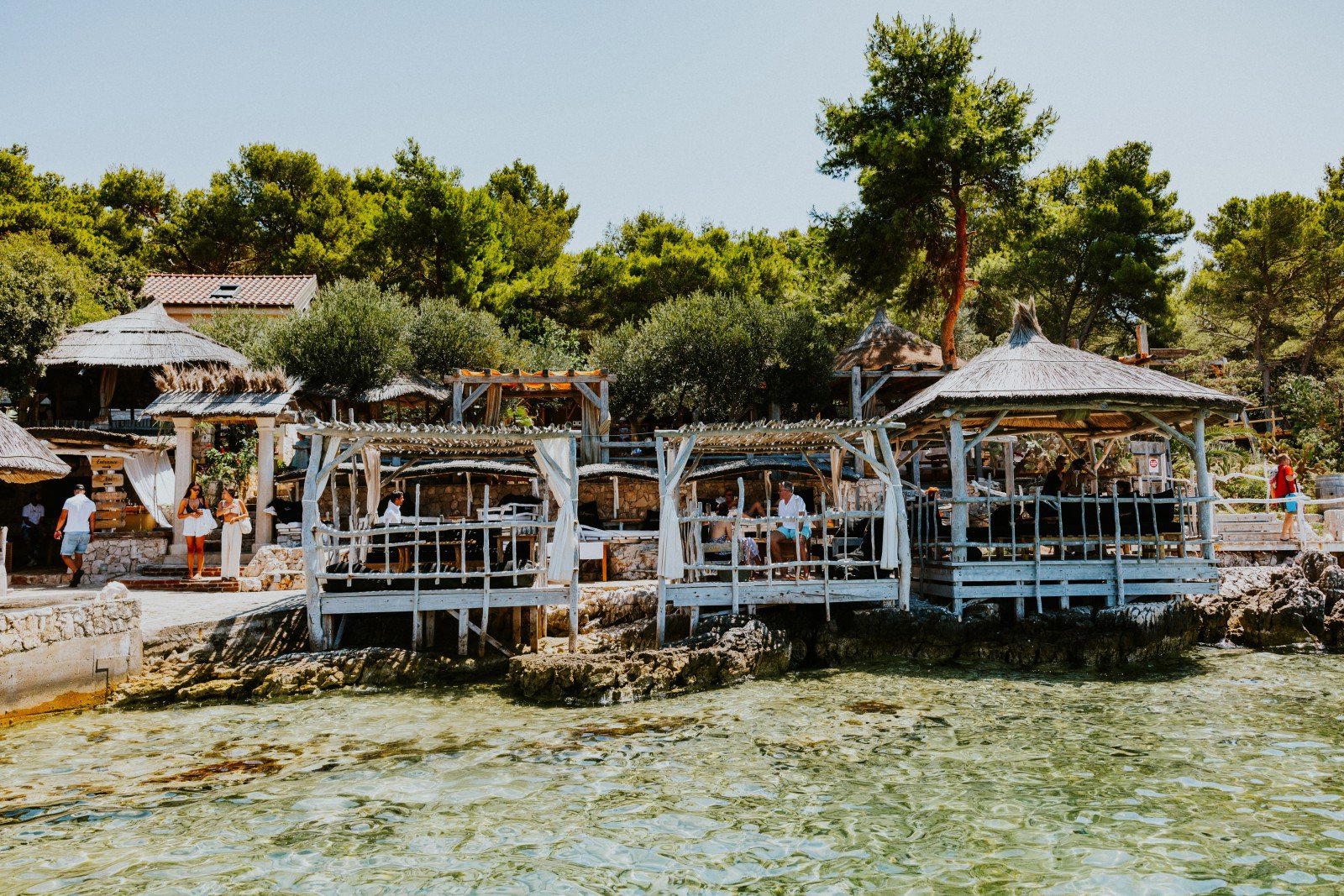
Bars in Split
Browse all →
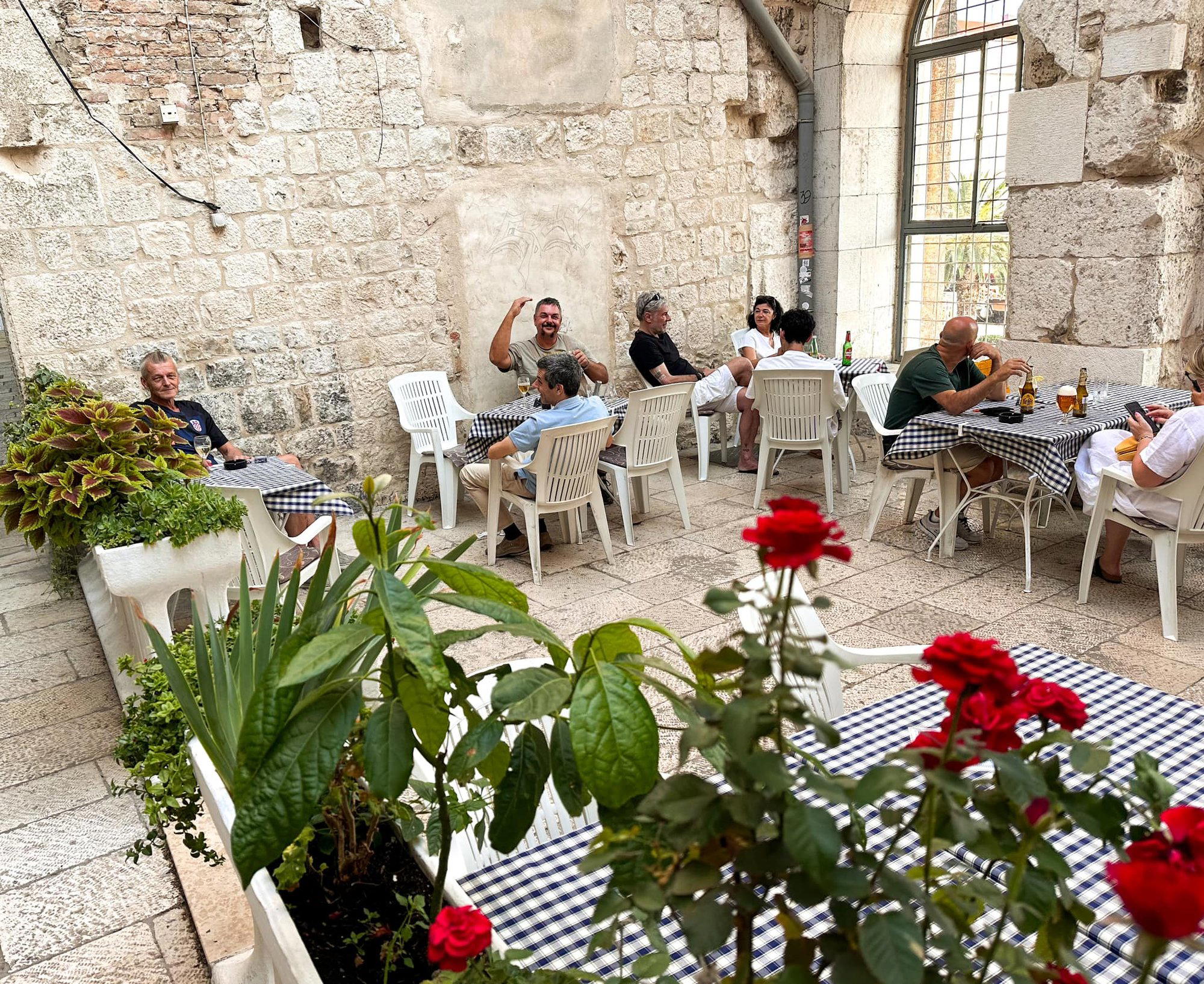
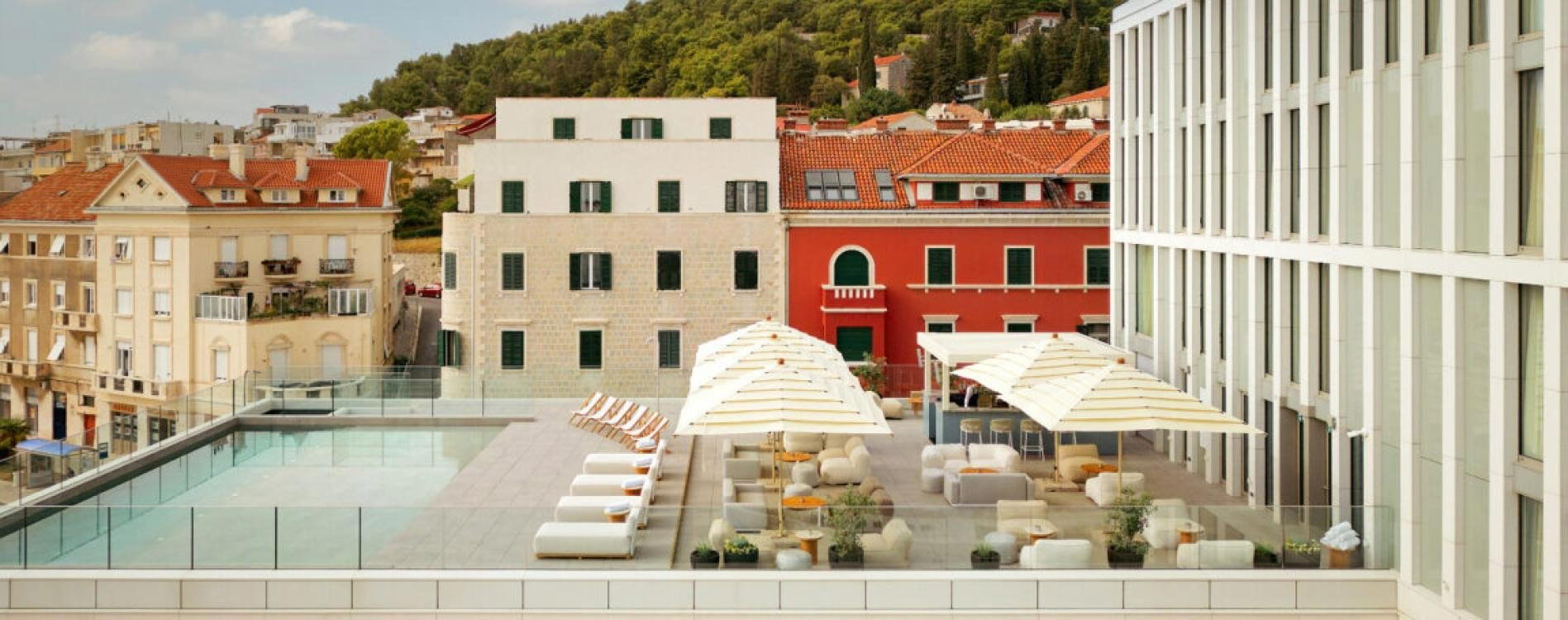
Hotels in Split
Browse all →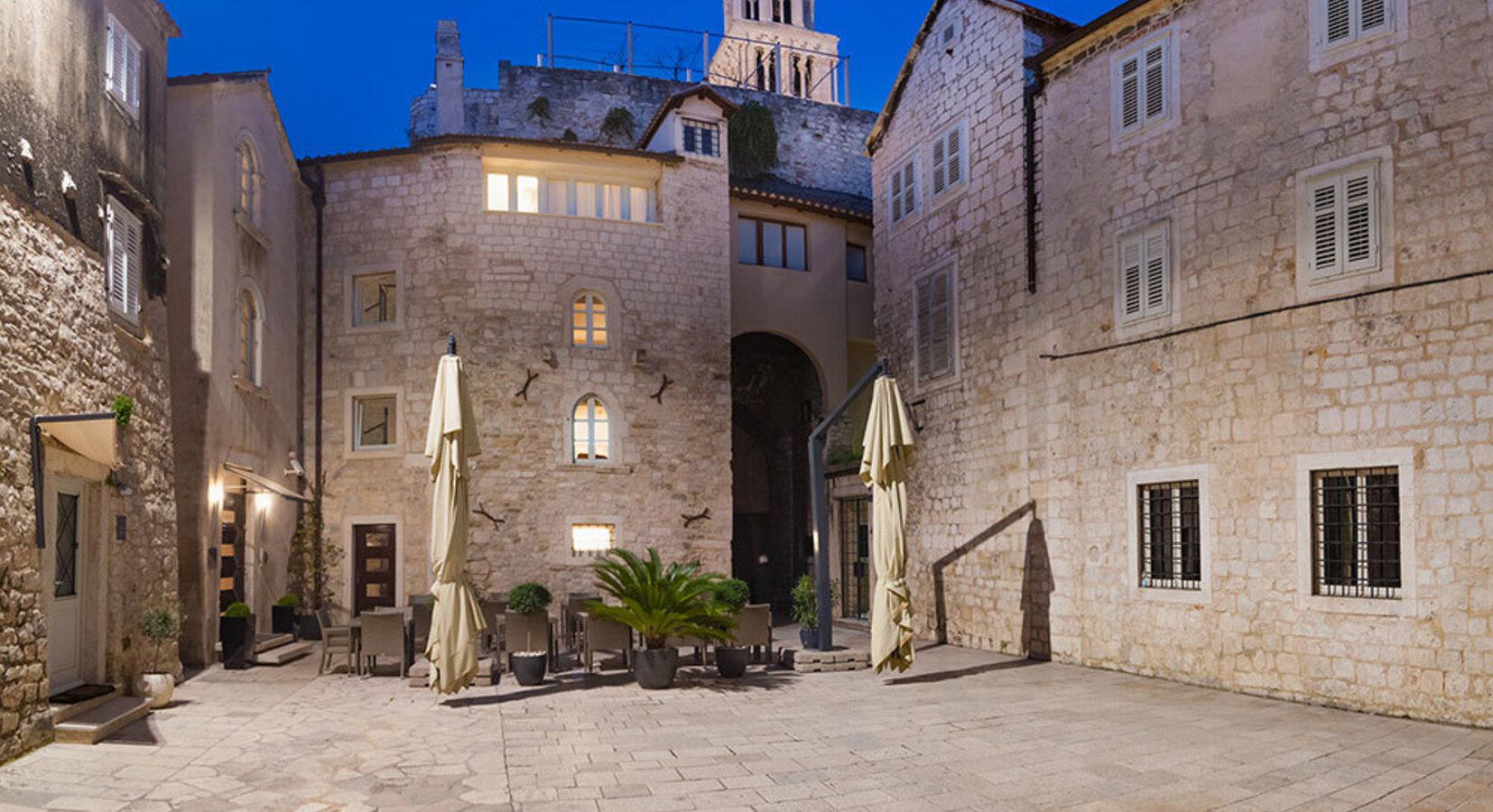

At a Glance
- Cozy
- Trendy
- Intimate
- Date Night
- Casual Hangout
- Live Music
- Craft Cocktails
Current opening hours
- Monday
- 9 AM–11:30 PM
- Tuesday
- 9 AM–11:30 PM
- Wednesday
- 9 AM–11:30 PM
- Thursday
- 9 AM–11:30 PM
- Friday
- 9 AM–11:30 PM
- Saturday
- 9 AM–11:30 PM
- Sunday
- 9 AM–11:30 PM
Hours can change for holidays and private events. Last verified .
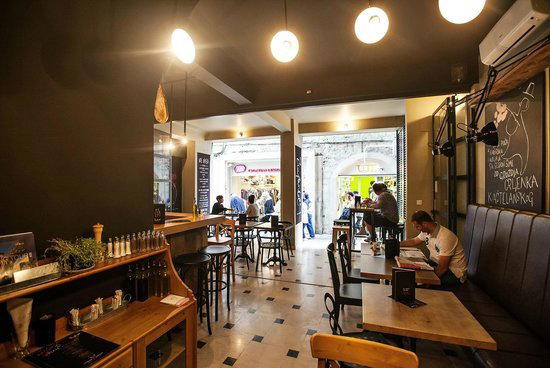
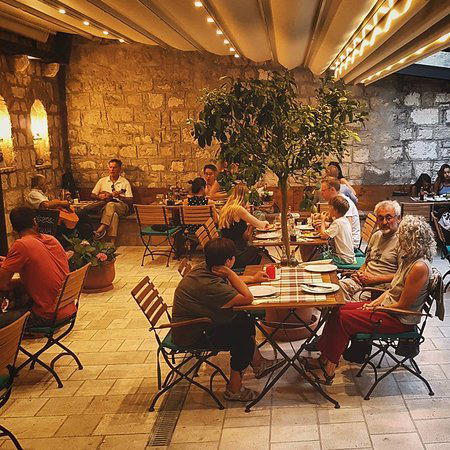
Refined yet warm atmosphere with brick walls, wooden bar, fun quirky decor, good music playlist, and lively collected vibe.