Restoran PERIVOJ sits on Slavićeva Ulica in Split, operating within a city whose dining scene increasingly draws on Dalmatian produce, coastal catches, and inland growing traditions. The address places it away from the heavy tourist circuits of the Old Town waterfront, positioning it alongside a more local-facing tier of the Split restaurant offer. For visitors working through the city's restaurants, PERIVOJ belongs on the itinerary alongside the broader conversation about where Dalmatian cooking is heading.
Pearl is the En Primeur Club membership app — saves, bookings, and concierge access live there. Same editors, same standards.
- Address
- Slavićeva Ul. 44, 21000, Split, Croatia
- Phone
- +385 21 244 776
- Website
- mokosh.hr
- Directions
- Get directions
 Saves & bookings on Pearl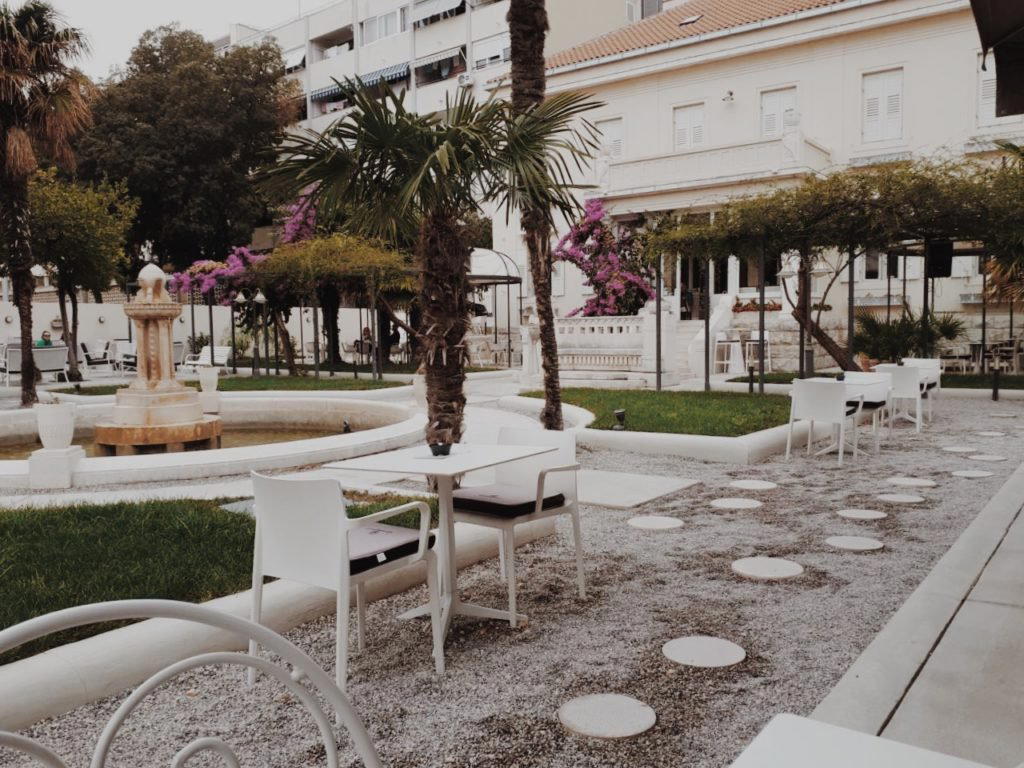
Where Split Eats When It Isn't Performing for the Waterfront
Split's restaurant geography has a clear fault line. On one side: the Riva promenade and the lanes threading through Diocletian's Palace, where terraces are set for visibility and menus are calibrated for the summer tourist wave. On the other: addresses like Slavićeva Ulica, which run through residential and semi-local neighbourhoods where the audience is less transient and the kitchen has less reason to play to the crowd. Restoran PERIVOJ sits on the latter side of that divide, at Slavićeva Ul. 44, in Split, Croatia, positioned in a part of the city where the dining proposition has to earn return visits rather than rely on foot traffic from cruise passengers.
That geographic reality shapes what you can reasonably expect. Restaurants in this tier of Split tend to be more settled in format, less reactive to seasonal tourist pressures, and more likely to maintain a consistent kitchen identity across the year. It's a pattern visible across Dalmatian cities: the addresses that sit a few streets back from the harbour often carry more culinary seriousness precisely because their business model demands it. For comparison, Krug (Mediterranean Cuisine) operates in the Mediterranean fine-dining register at the summit of Split's price tier, while Bajamonti POP and Bistro Noir represent the city's more casual, neighbourhood-facing output. PERIVOJ's address logic places it somewhere in that broader local-serving conversation.
The Dalmatian Ingredient Story Behind the Address
To understand any restaurant in this part of Croatia, you have to understand what the region puts on the table before a kitchen makes a single decision. Dalmatia's produce geography is unusually concentrated. The coastal strip yields sea bass, bream, and the small oily fish, sardines, anchovies, mackerel, that define the older, working fishing-town diet. The Dalmatian hinterland, just a short drive inland from Split, produces lamb grazed on aromatic scrubland, and the Zagora region's agriculture contributes vegetables, pulses, and the sheep's milk cheeses that appear across the interior's tables. The islands, Brač, Hvar, Vis, add their own thread: Brač lamb has a distinct salinity from coastal pasture, and Vis's position as a long-isolated island preserved food traditions that have only recently attracted mainland attention.
This is the ingredient context that any serious restaurant in Split operates within. Croatia's broader fine-dining tier has built its reputation on exactly this sourcing specificity: Pelegrini in Sibenik and LD Restaurant in Korčula have both made Dalmatian provenance central to their editorial identity, while Boskinac in Novalja extends that sourcing logic to its own wine production on Pag Island. Restaurants at every price point in the region are in dialogue with this tradition, whether they acknowledge it explicitly or not.
What that means practically: in Split, the gap between a kitchen that sources from the market and one that uses centralised catering supply is the gap between food that tastes of where you are and food that tastes like anywhere. Slavićeva Ulica's remove from the high-traffic tourist zones is at least a structural argument that PERIVOJ is cooking for an audience that would notice the difference.
Split's Restaurant Scene in the Context of Croatian Fine Dining
Croatia's dining map has been in genuine motion for the past decade. Agli Amici Rovinj in Rovinj and Alfred Keller in Mali Losinj represent the Istrian and Kvarner ends of the quality spectrum, while Nebo by Deni Srdoč in Rijeka brought a more technically ambitious register to the northern coast. In Dubrovnik, Restaurant 360 has occupied the city's prestige fine-dining position for years. Zagreb's scene, anchored by addresses like Dubravkin Put and Korak in Jastrebarsko, runs on a different seasonal logic, less dependent on the coastal summer surge.
Split sits in the middle of this geography, both literally and in terms of dining ambition. The city's restaurant offer has broadened considerably as Split has grown in international visibility, but it hasn't yet concentrated the Michelin-tracked prestige that Dubrovnik and Rovinj carry. That creates space for mid-range and neighbourhood restaurants to operate with real quality without being overshadowed by a heavy fine-dining tier. For a restaurant like PERIVOJ, positioned by address in the local-serving segment, that competitive environment means the ceiling for quality is accessible without requiring the overhead structures of the waterfront destination restaurants.
Other restaurants in Split's neighbourhood tier are worth tracking for comparison: Adriatic and Bokamorra each occupy distinct positions in the city's off-waterfront dining, while BioMania Bistro Bol in Bol, across on Brač island, demonstrates how the ingredient-first ethos travels across the archipelago.
Planning a Visit: What the Address Tells You
Slavićeva Ul. 44 is a concrete starting point for logistics. The address sits outside the Old Town's pedestrian zone, which means it's reachable on foot from the Palace area in roughly ten to fifteen minutes depending on your starting point, or by a short taxi or rideshare. For visitors staying in the Meje or Firule neighbourhoods, it's closer still. The surrounding streets are residential in character, which tends to translate into easier approach and a lower baseline noise level than the dense Old Town restaurant cluster.
Croatia's summer restaurant season runs hard from June through September, when tables at popular addresses across Split fill quickly and reservations become advisable at any restaurant operating above the casual walk-in tier. Outside that window, the city's dining scene contracts but also relaxes: October visits, in particular, coincide with the end of the Adriatic fishing season's peak productivity, when kitchens are still working with high-quality late-summer and early-autumn produce. Spring visits, from April onwards, catch the beginning of the local vegetable season and the tail of winter fish patterns, a moment when ingredient-focused kitchens often have interesting things on the pass.
Comparable Options
Comparable venues nearby, for context on price, style, and recognition.
| Venue | Cuisine | Price | Notes |
|---|---|---|---|
| Restoran PERIVOJThis venue — the venue you are viewing | Modern Mediterranean | $$$ | Not listed |
| Štorija | Modern Dalmatian Fine Dining | $$$ | Old Town |
| Corto Maltese | Modern Mediterranean Freestyle | $$$ | old town |
| Zona | Mediterranean & Croatian | $$ | Bačvice |
| Bajamonti POP | Dalmatian Coastal | $$$ | Trg Republike |
| Adriatic | Mediterranean Seafood | $$$ | near ACI Marina |
Continue exploring
More in Split
Restaurants in Split
Browse all →
Bars in Split
Browse all →
Hotels in Split
Browse all →


At a Glance
- Romantic
- Elegant
- Cozy
- Scenic
- Date Night
- Special Occasion
- Garden
- Historic Building
- Extensive Wine List
- Local Sourcing
- Garden
Current opening hours
- Monday
- 9 AM–11 PM
- Tuesday
- 9 AM–11 PM
- Wednesday
- 9 AM–11 PM
- Thursday
- 9 AM–11 PM
- Friday
- 9 AM–11 PM
- Saturday
- 9 AM–11 PM
- Sunday
- 9 AM–11 PM
Hours can change for holidays and private events. Last verified .
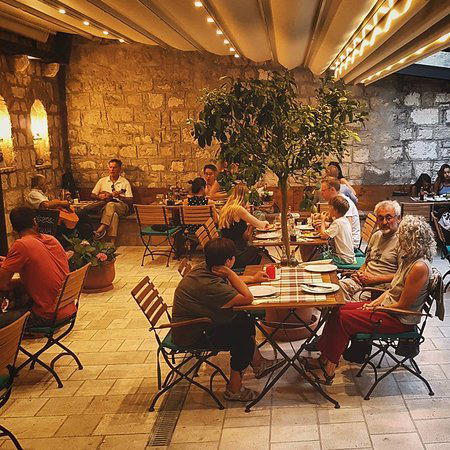
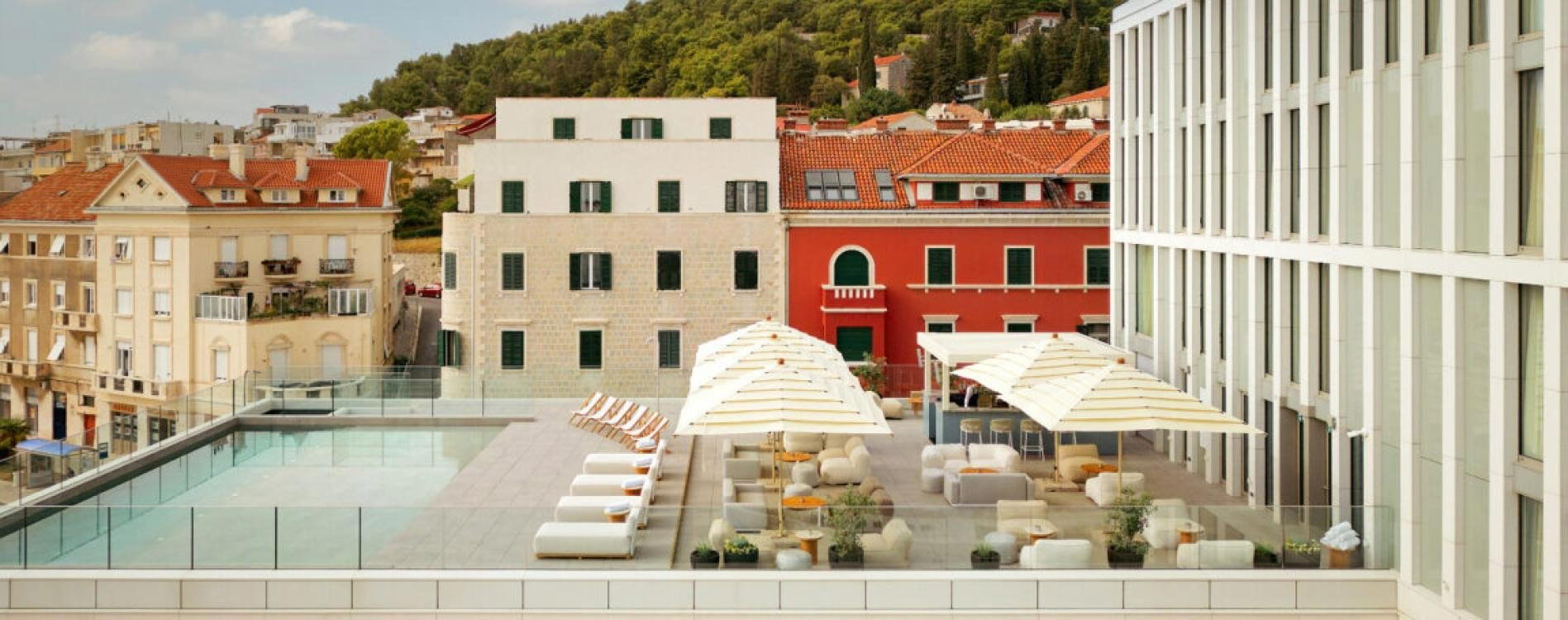
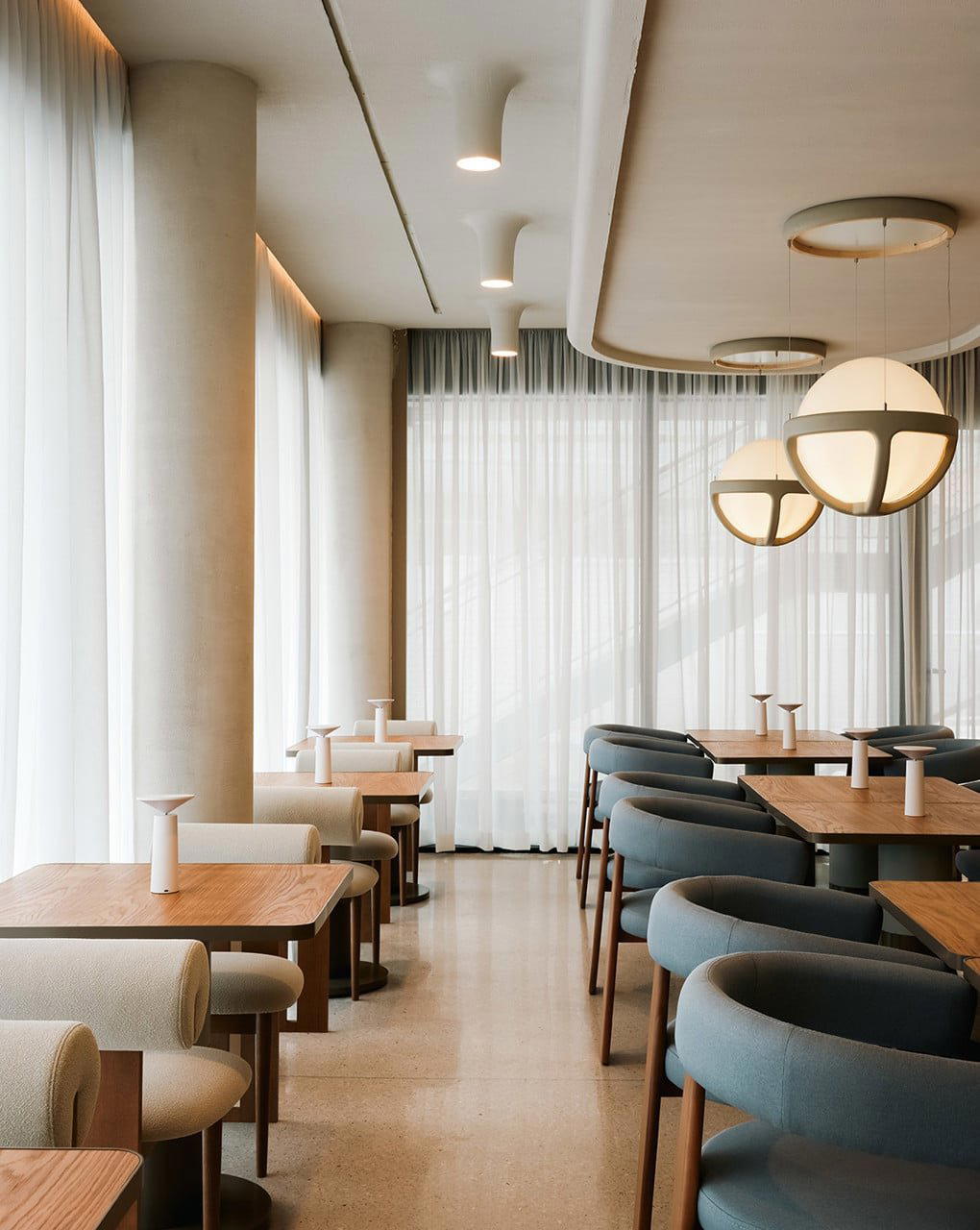
Romantic garden setting with lush greenery and elegant villa interior providing a serene escape from the city bustle.