On Torstraße in Berlin's Mitte district, Coréen Restaurant Berlin brings Korean cooking into a neighbourhood better known for its European fine-dining addresses. The restaurant occupies a stretch of street where the city's more experimental dining scene has taken hold, positioning Korean cuisine alongside Berlin's broader appetite for ingredient-led, non-European traditions. It is a useful reference point for understanding how the city's mid-tier international dining has shifted.
Pearl is the En Primeur Club membership app — saves, bookings, and concierge access live there. Same editors, same standards.
- Address
- Torstraße 179, 10115 Berlin, Germany
- Phone
- +493028883888
- Website
- coreen-restaurant.de
- Directions
- Get directions
 Saves & bookings on Pearl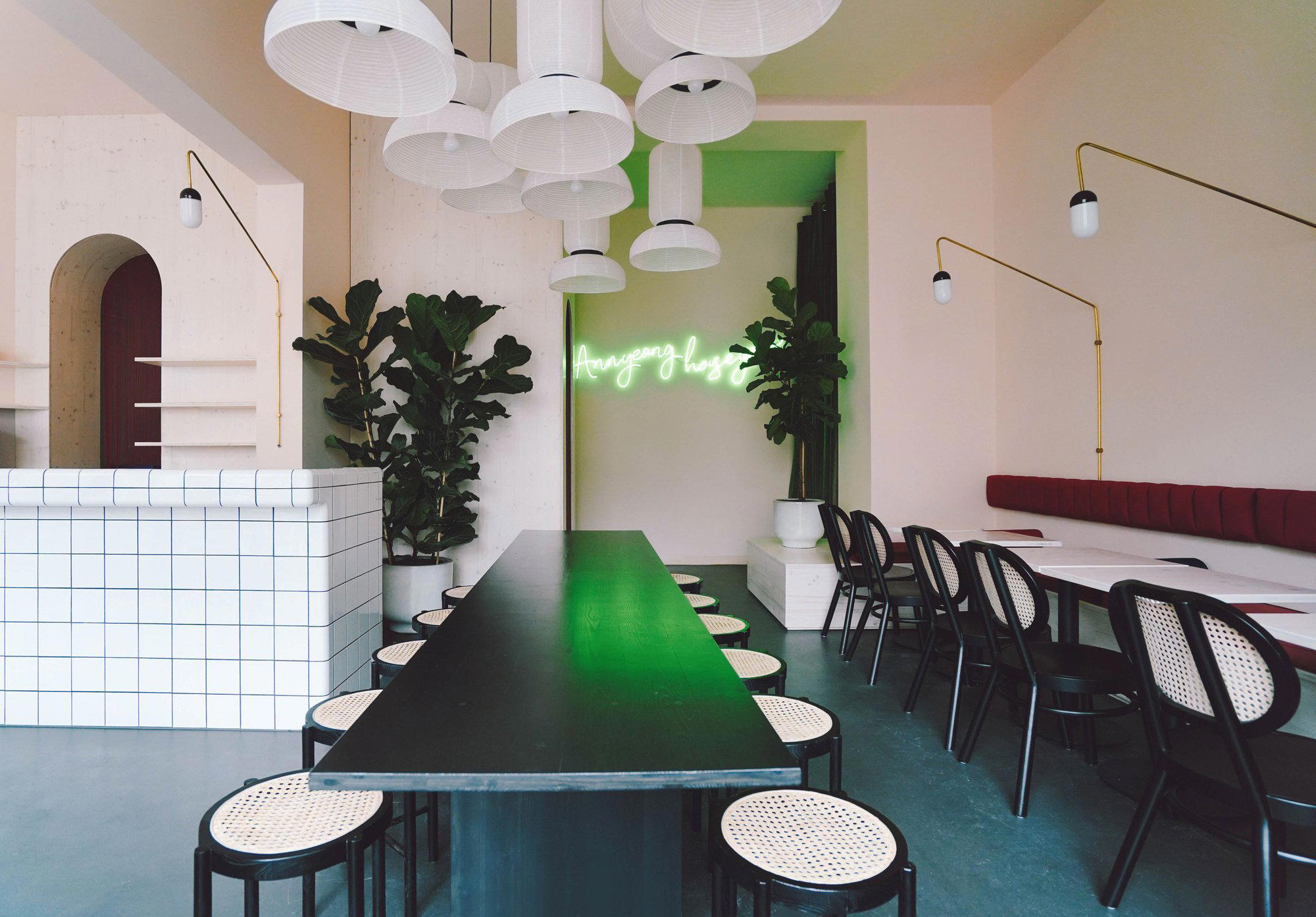
Torstraße and the Shift in Berlin's International Dining
Berlin's relationship with non-European cuisines has changed considerably over the past decade. Where international restaurants once clustered in tourist-facing corridors or ethnic enclaves defined by diaspora economics, a newer generation of addresses has moved into the city's more design-conscious neighbourhoods, operating alongside European fine-dining in a way that invites direct comparison. Torstraße, running through Mitte, is one of those streets. It has attracted a mix of European-trained chefs working in modern idioms, addresses like Nobelhart & Schmutzig, which built its reputation on hyper-local Modern German cooking, sit within the broader corridor, and alongside them, international kitchens that are not operating as casual alternatives but as considered propositions in their own right.
Coréen Restaurant Berlin is a Modern Korean restaurant at Torstraße 179, 10115 Berlin, Germany. The address places it inside a stretch of the city that diners approach with a certain expectation: that the cooking will be deliberate, that the room will have a point of view, and that the experience will not collapse into the generic. Whether Korean cuisine meets those expectations in this particular format is the more interesting question.
Korean Cooking in a European Fine-Dining Context
Korean cuisine has followed a different trajectory into European fine-dining than Japanese food. Where Japanese cooking, particularly sushi and kaiseki traditions, arrived in Europe's upper-tier restaurant circuits with a strong institutional framework, chef lineages, Michelin recognition, a clear grammar of what counted as high-end, Korean cooking has entered more quietly and less categorically. The result is that Korean restaurants in European cities occupy a wider spread of formats and price points, from casual barbecue addresses to more refined, course-based propositions that draw on jeongol and hansik traditions without performing them as pastiche.
Berlin has been a receptive city for this kind of mid-register seriousness. The same appetite that made Restaurant Tim Raue, which built a Michelin-starred reputation on a Chinese-influenced kitchen, a durable address also creates space for Korean cooking to be read on its own terms rather than reduced to a novelty. Coréen fits into that context: a Korean address in a neighbourhood that has trained its diners to engage with non-European food seriously.
The Team Dynamic: How Korean Restaurants Operate at This Level
In Berlin's more considered restaurant tier, the front-of-house and kitchen relationship has become as much a subject of editorial attention as the food itself. At addresses like Rutz, which holds Michelin recognition and is known partly for the depth of its wine program alongside the cooking, the collaboration between kitchen and floor defines the experience as much as any single dish. The same principle applies to Korean restaurants operating at a level above casual.
Korean cooking, when done with intention, creates specific demands on front-of-house. The complexity of banchan service, the parallel small dishes that accompany a main, requires a floor team that can explain sequencing and sourcing without making the meal feel like a lecture. The interplay between fermented flavors, heat registers, and textures across a table means that whoever manages the room needs to understand the food at a granular level, not simply as a relay between kitchen and guest. In European cities where Korean food is still less familiar than Japanese or Chinese traditions, this educational burden on the front of house is higher, and how a restaurant manages it tells you a great deal about its ambitions.
For reference, Berlin's creative fine-dining addresses, including CODA Dessert Dining and FACIL, have built reputations that depend significantly on front-of-house literacy. Guests at those tables expect the team to carry the conceptual weight of the meal. Korean restaurants in the same city, at similar price signals, are measured by the same standard.
Where Coréen Sits in Berlin's Broader Restaurant Map
Berlin's Michelin-recognised addresses are heavily concentrated in European idioms. The starred tier includes Modern German, Contemporary European, and Creative formats, see Nobelhart & Schmutzig and FACIL as representatives of that cluster. Non-European kitchens operating without Michelin recognition exist in a different register, where reputation is built through return custom, word of mouth, and the kind of consistent quality that eventually attracts editorial attention.
Coréen sits in that second category. That is not a disqualification. Some of Berlin's most durable addresses built years of credibility before receiving formal recognition, and the city's dining culture has always had a tolerance for serious kitchens that operate outside the institutional framework. Across Germany more broadly, the Michelin-starred tier is represented by addresses like Schwarzwaldstube in Baiersbronn, Aqua in Wolfsburg, and Vendôme in Bergisch Gladbach, all operating in the European fine-dining tradition. Korean cuisine has not yet produced a comparable institutional landmark in Germany, which makes the category interesting rather than settled.
For diners building a wider itinerary around serious German restaurants, the full picture includes addresses like JAN in Munich, Restaurant Haerlin in Hamburg, Waldhotel Sonnora in Dreis, Schanz in Piesport, ES:SENZ in Grassau, Bagatelle in Trier, and Victor's Fine Dining by Christian Bau in Perl. Coréen occupies a different position in that map, not a destination in the starred sense, but a reference point for how Korean cooking is establishing itself in Germany's capital.
Internationally, the debate about Korean cuisine's place in fine-dining hierarchies is live and unresolved. For comparison, consider how Le Bernardin in New York City defined French seafood cooking as a fine-dining category, or how Lazy Bear in San Francisco reframed the communal dinner format as a serious proposition. Korean cuisine is at an earlier stage of that institutional journey in Europe, and Berlin is one of the cities where the next chapter is being written.
Know Before You Go
Address: Torstraße 179, 10115 Berlin, Germany
Neighbourhood: Mitte, Berlin
Phone: not listed
Website: not listed, search directly or use a reservations platform
Booking: Check current availability via Google Maps or local reservations platforms; walk-in availability varies by day and season
Price range: About $28 per person
Getting there: Torstraße 179, 10115 Berlin, Germany
Cuisine and Recognition
Comparable venues nearby, for context on price, style, and recognition.
| Venue | Cuisine | Price | Notes |
|---|---|---|---|
| Coréen Restaurant BerlinThis venue — the venue you are viewing | Modern Korean | $$$ | Not listed |
| Namsan | Authentic Korean Bibimbap & Japchae | $$ | Kreuzberg |
| Dotori | Korean Anju Bar | $$ | Weissensee |
| Velvet | Hyperseasonal Foraged Cocktails | $$$ | Neukolln |
| Byblos Restaurant Berlin | Authentic Lebanese | $$$ | Wilmersdorf |
| Austernbank | Modern French Seafood | $$$ | Mitte |
Continue exploring
More in Berlin
Restaurants in Berlin
Browse all →
Bars in Berlin
Browse all →
Hotels in Berlin
Browse all →

At a Glance
- Modern
- Trendy
- Casual Hangout
- Family
- Group Dining
- Private Dining
Current opening hours
- Monday
- 12–11 PM
- Tuesday
- 12–11 PM
- Wednesday
- 12–11 PM
- Thursday
- 12–11 PM
- Friday
- 12–11 PM
- Saturday
- 1–11 PM
- Sunday
- 1–10 PM
Hours can change for holidays and private events. Last verified .
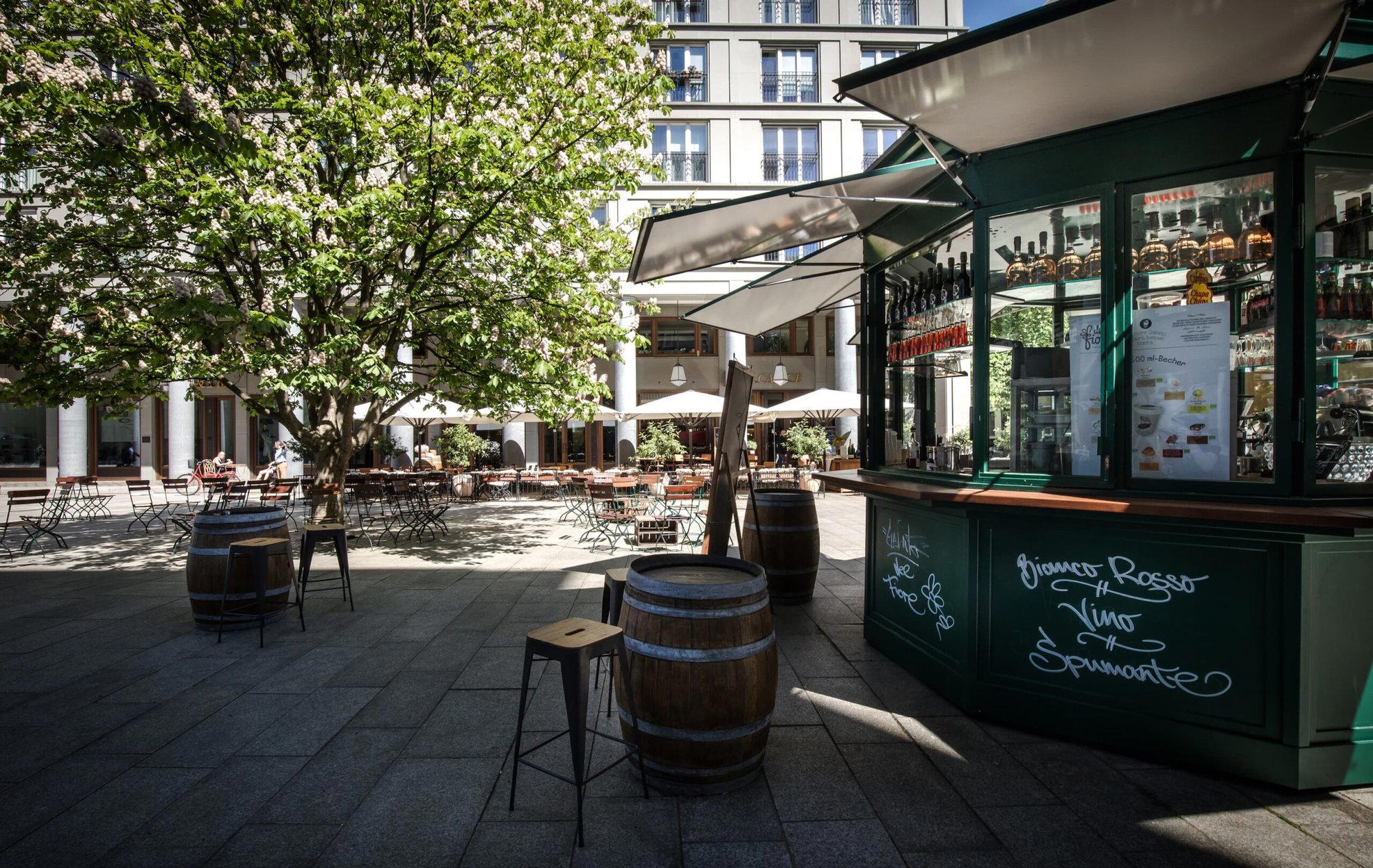
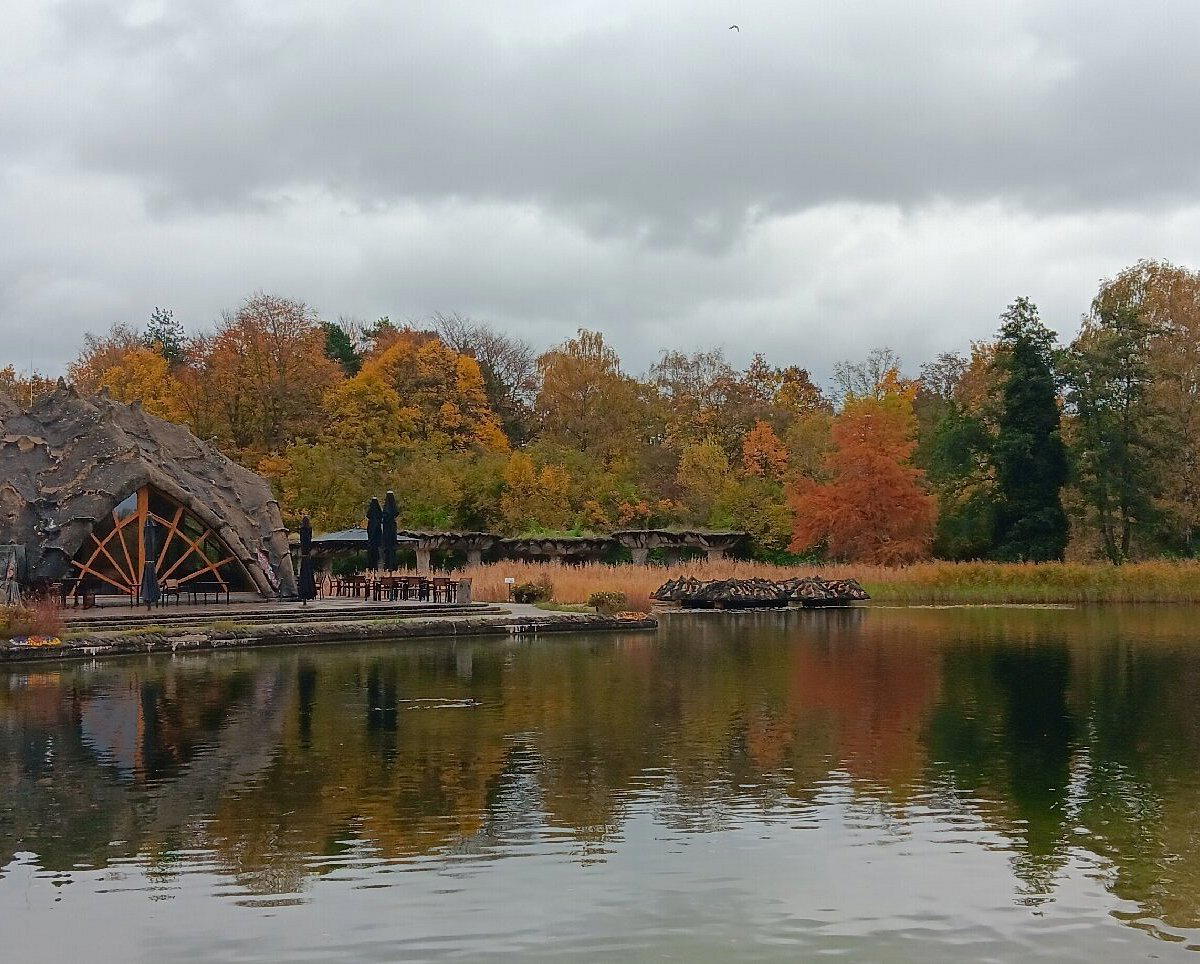
Casual modern atmosphere suitable for families and groups with outdoor seating.