On Behrenstraße in Berlin's Mitte district, Austernbank occupies a corner of the city where oyster culture meets the continental European tradition of raw-bar dining. The address places it within reach of the Unter den Linden corridor, making it a natural stop before or after the city's heavier evening commitments. Berlin's appetite for seafood-led formats has grown steadily, and Austernbank sits in that current.
Pearl is the En Primeur Club membership app — saves, bookings, and concierge access live there. Same editors, same standards.
- Address
- Behrenstraße 42, 10117 Berlin, Germany
- Phone
- +4930767752724
- Website
- austernbank-berlin.de
- Directions
- Get directions
 Saves & bookings on Pearl
Where Berlin Meets the Tide
Austernbank is a restaurant on Behrenstraße 42 in Berlin, serving modern French seafood at a price point of about $60 per person. The street-level approach to Austernbank carries the logic that governs good oyster bars everywhere: the closer you feel to a harbour you cannot see, the more the format is working. Oyster culture in Central Europe has always operated with this slight friction, the sea is never quite close enough, which is precisely why the raw bar as a room, as a ritual, carries such weight when it is executed properly.
Germany is not, by default, an oyster country. That distinction belongs to France, where the Atlantic coast from Cancale to Arcachon has supplied European tables for centuries, and to Belgium, where the tradition of standing at a stall in the cold with a glass of muscadet is practically civic duty. But Berlin, as a city that has repeatedly imported and reframed the dining cultures it admires, has developed a credible oyster scene of its own. The raw bar as a format, counter seating, cold display, a short and precise wine list weighted toward Champagne, Chablis, and Alsatian whites, has found a receptive audience in a city that increasingly prizes restraint and product clarity over architectural complexity on the plate.
The Cultural Logic of the Raw Bar
Understanding Austernbank means understanding what the oyster bar format asks of both kitchen and guest. Unlike the tasting-menu restaurants that define Berlin's upper tier, places like Rutz, Nobelhart & Schmutzig, or FACIL, all of which operate on extended multi-course formats, the raw bar is an exercise in reduction. The product is the point. The shuck, the shell, the liquor, the cold metal of the tray: these are the details that carry the evening.
That format traces its roots through French brasserie culture, where the plateau de fruits de mer, a tiered arrangement of oysters, langoustines, clams, and sea urchin, has functioned as both luxury signal and democratic institution for well over a century. The great oyster houses of Paris's sixth and fourteenth arrondissements have historically priced their raw product below the formal dining rooms around them, making the plateau accessible at a price point that rewarded the informed rather than merely the wealthy. Berlin's version of that culture, still consolidating, positions the oyster bar somewhere between casual counter drinking and occasion dining, a format flexibility that suits the city's allergy to rigid dining codes.
In this regard, Austernbank occupies a distinct space relative to Berlin's Michelin-weighted fine dining tier. The city's decorated restaurants, among them the creative dessert-led format at CODA Dessert Dining and the precision Asian cooking at Restaurant Tim Raue, require advance planning and operate on fixed or semi-fixed formats. An oyster bar runs on different logic: arrival, selection, decision. That immediacy is the product, as much as anything on the plate.
Berlin in the Broader German Fine Dining Picture
Germany's most decorated kitchens are not concentrated in its capital. The Michelin map points repeatedly toward the southwest, Schwarzwaldstube in Baiersbronn, Waldhotel Sonnora in Dreis, Vendôme in Bergisch Gladbach, and toward destination properties in smaller cities like Aqua in Wolfsburg and Victor's Fine Dining by Christian Bau in Perl. Berlin punches below its population size in starred kitchens, partly because the city's dining culture has historically prized accessibility and cultural pluralism over formal hierarchy. Places like JAN in Munich or ES:SENZ in Grassau operate in a more consolidated regional fine dining tradition that Berlin has never fully replicated.
That context matters for understanding where an oyster bar fits into Berlin's offer. In a city without a dominant fine dining monoculture, the specialist format, the raw bar, the wine cave, the counter restaurant, often does the cultural work that a three-star tasting room might do elsewhere. Austernbank's address in Mitte, one of the city's most visited and most restaurant-dense neighbourhoods, places it within a competitive zone but also within reach of the tourist and business audience that sustains higher-margin seafood operations year-round.
For comparison across Germany's seafood-sympathetic dining addresses, Restaurant Haerlin in Hamburg and Bagatelle in Trier represent two different models of European product-led cooking, and the gap between those formats and a focused oyster bar illustrates how varied the upper tier of German dining has become. Internationally, the benchmark for seafood dining at the highest level remains something like Le Bernardin in New York City, where classical French technique and polished sourcing combine inside a formal dining room, or the more communal format of Lazy Bear in San Francisco, which applies a similar produce-first logic to a different cultural context.
Planning a Visit
Behrenstraße 42 sits in central Mitte, accessible from the Brandenburger Tor S-Bahn station and within walking distance of the major cultural institutions along Unter den Linden. The address works naturally as a pre-theatre or pre-concert stop given its proximity to the Staatsoper and the Deutsche Oper Berlin. Visitors arriving from outside the city should note that Mitte's density makes parking impractical; the U-Bahn and S-Bahn connections are the sensible approach. Booking is recommended, and current hours should be checked directly before visiting.
Peers Worth Knowing
Comparable venues nearby, for context on price, style, and recognition.
| Venue | Cuisine | Price | Notes |
|---|---|---|---|
| AusternbankThis venue — the venue you are viewing | Modern French Seafood | $$$ | Not listed |
| Bostich | French-Swiss Bistro | $$$ | Wilmersdorf |
| Restaurant Pastis | Classic French Bistro | $$ | Wilmersdorf |
| TORBAR | French Brasserie | $$$ | Mitte |
| Grand Cafe Saint-Germain | Classic French Brasserie | $$$$ | Charlottenburg |
| Joynes Kitchen | Modern French Bistro | $$$ | Charlottenburg |
Continue exploring
More in Berlin
Restaurants in Berlin
Browse all →
Bars in Berlin
Browse all →
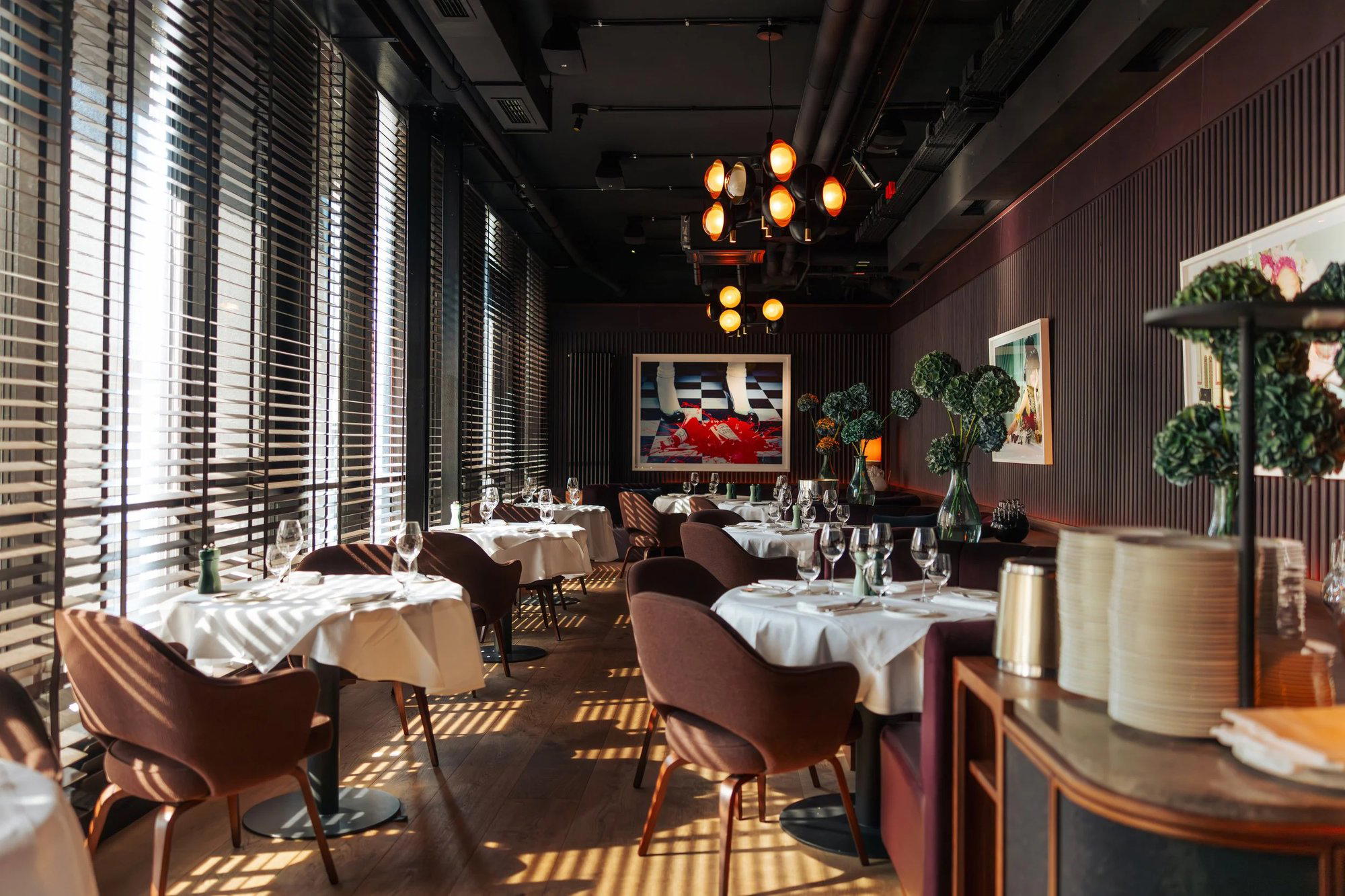
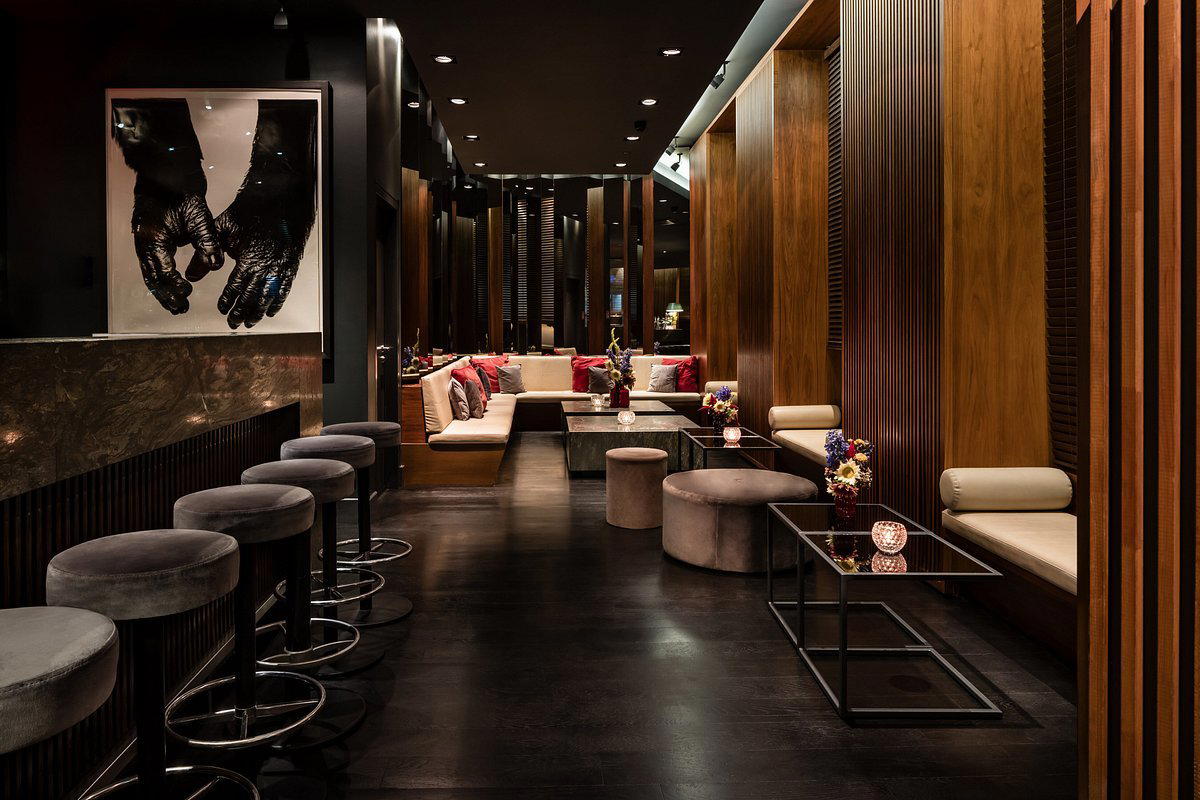
Hotels in Berlin
Browse all →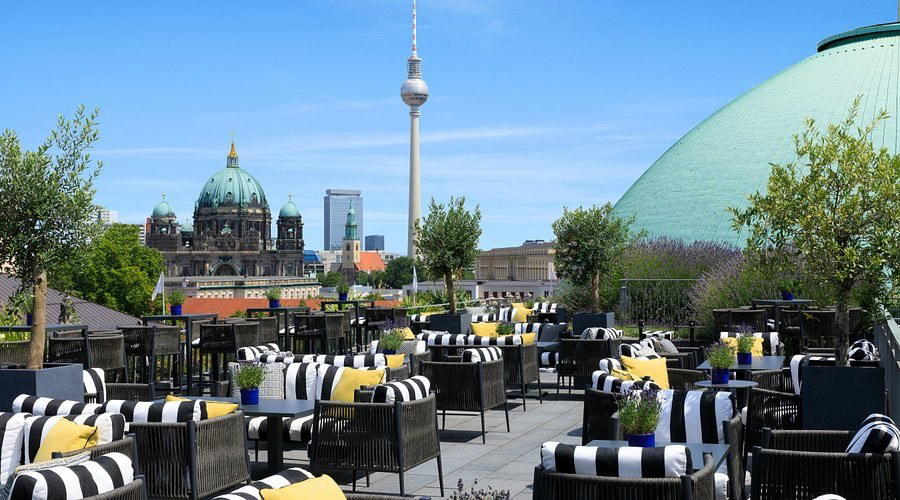
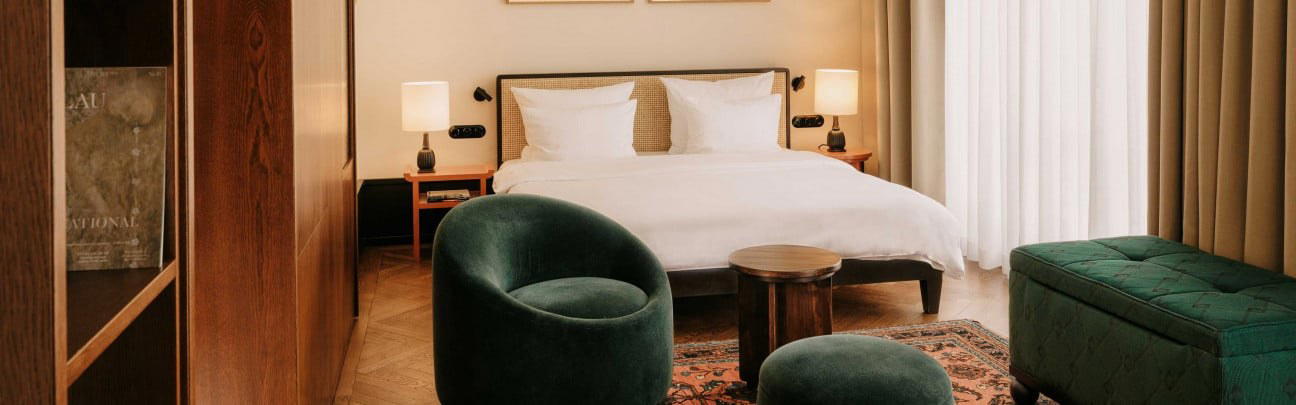


At a Glance
- Elegant
- Sophisticated
- Lively
- Historic
- Date Night
- Special Occasion
- Business Dinner
- Open Kitchen
- Historic Building
- Craft Cocktails
Current opening hours
- Monday
- Closed
- Tuesday
- Closed
- Wednesday
- Closed
- Thursday
- 5 PM–1 AM
- Friday
- 5 PM–1 AM
- Saturday
- 5 PM–12 AM
- Sunday
- Closed
Hours can change for holidays and private events. Last verified .
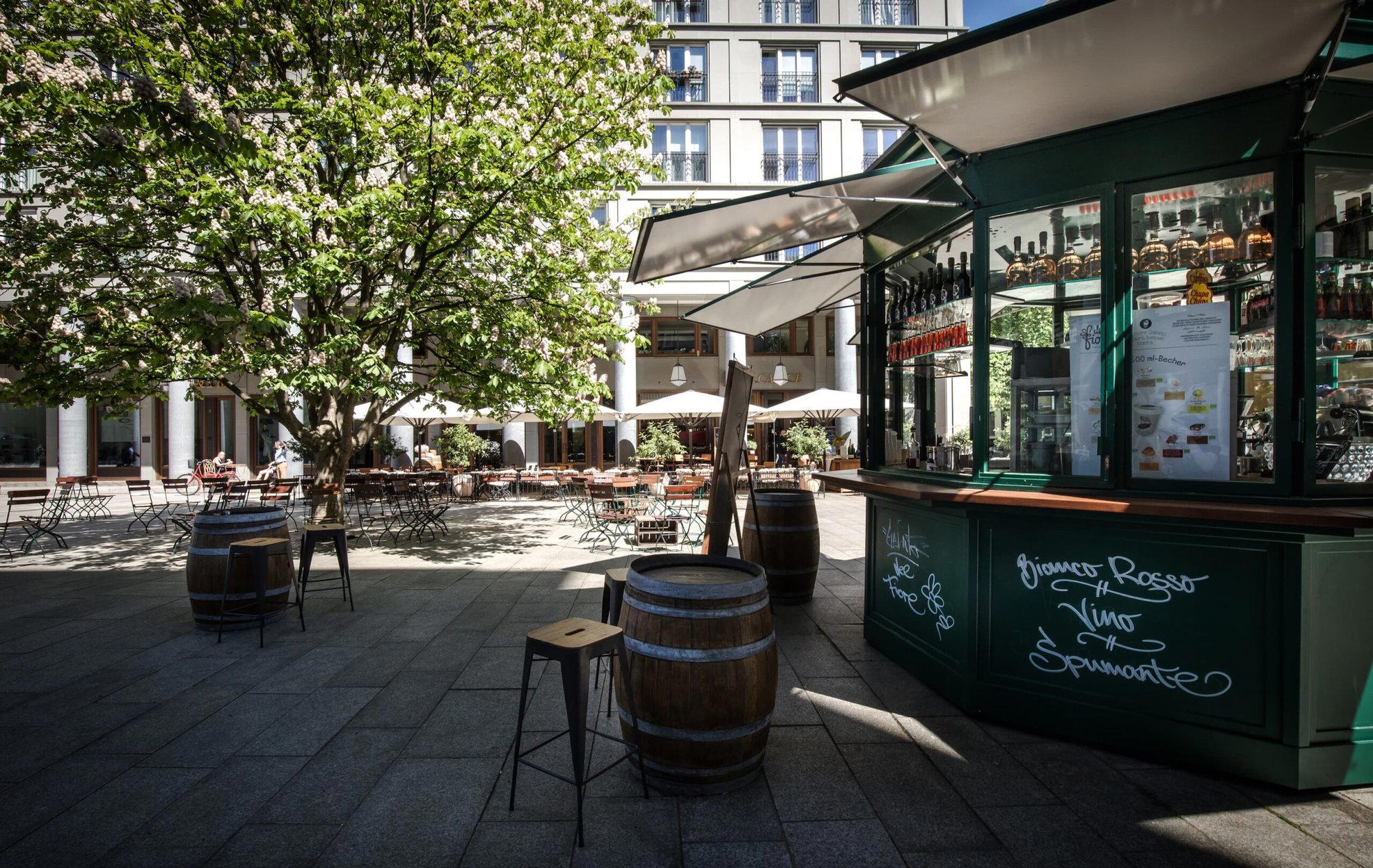
Urban-chic atmosphere with vaulted arches, tiled walls, granite floors, lively yet refined setting.