On a quiet square in Kreuzberg, Namsan occupies a corner of Berlin's Korean dining conversation that sits apart from the city's louder fusion experiments. The address, Chamissoplatz 1, places it in one of the neighbourhood's more residential pockets, which shapes both the pace and the expectation of an evening here. For a city still defining what serious Korean cooking looks like at table, it is a useful reference point.
Pearl is the En Primeur Club membership app — saves, bookings, and concierge access live there. Same editors, same standards.
- Address
- Chamissopl. 1, 10965 Berlin, Germany
- Phone
- +493049907172
- Website
- namsanberlin.de
- Directions
- Get directions
 Saves & bookings on Pearl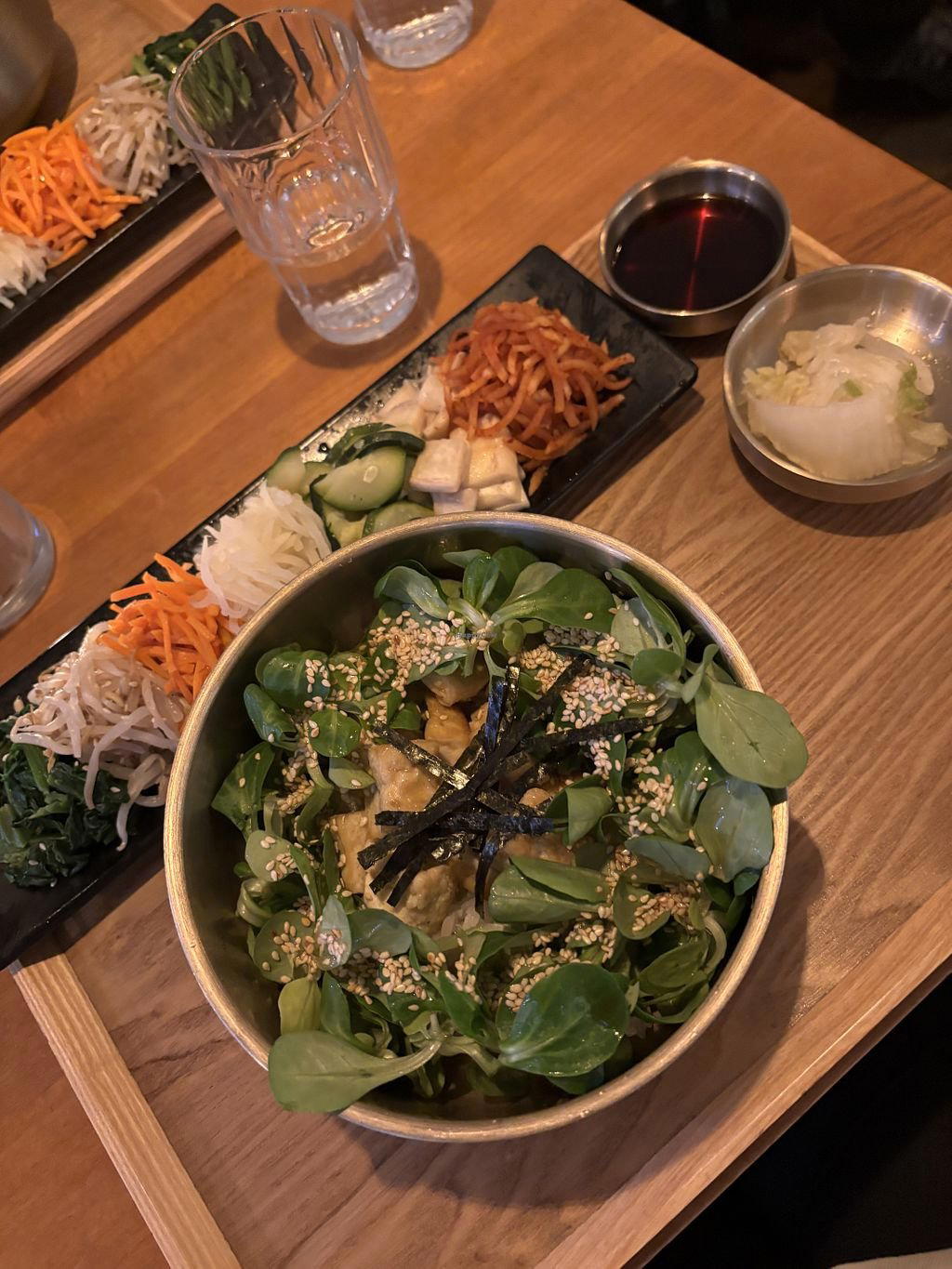
Chamissoplatz and the Slow Corner of Kreuzberg
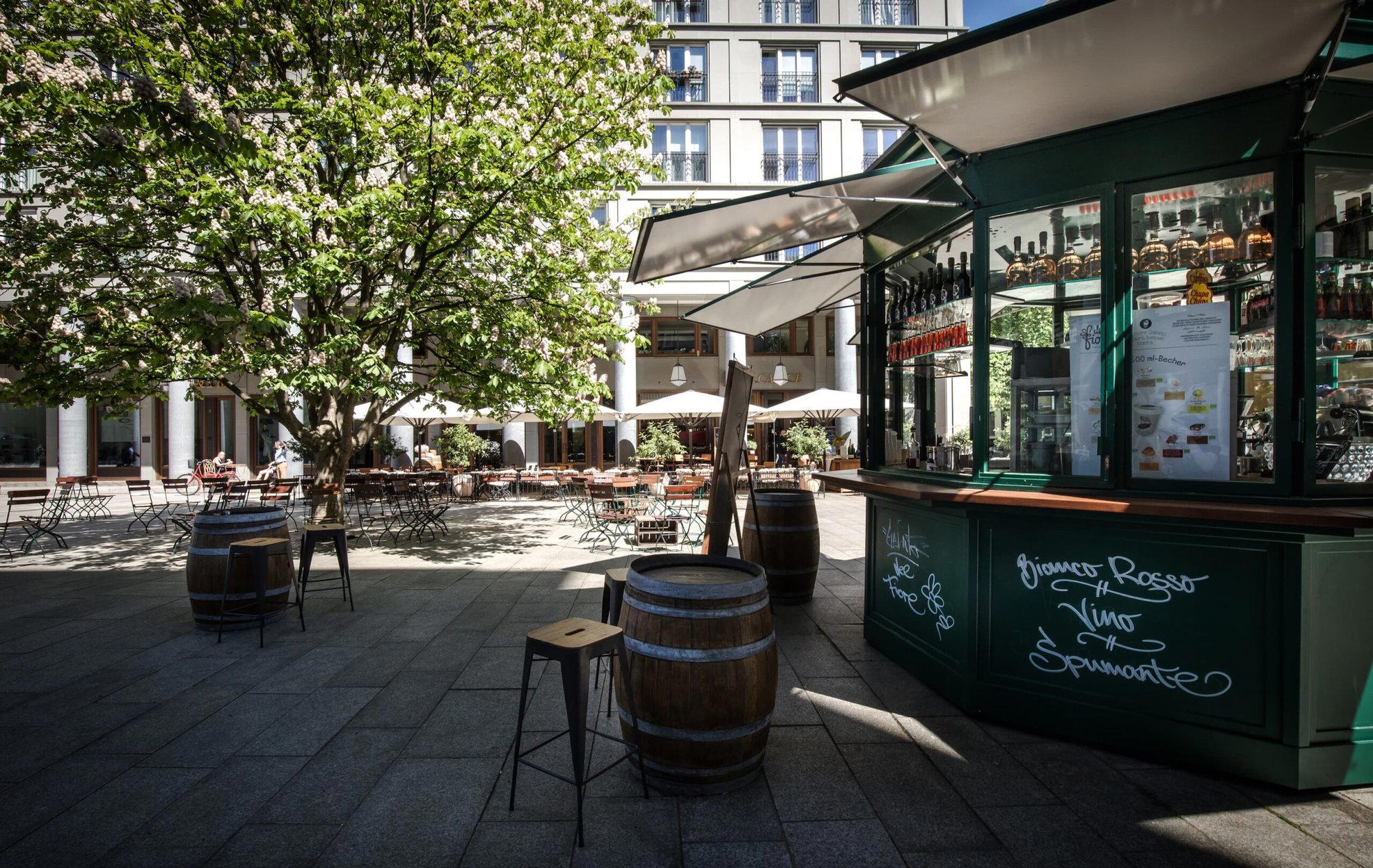
Kreuzberg's dining character has always been shaped by contrast: the loud and the quiet, the experimental and the rooted, the street-level and the formal. Chamissoplatz sits closer to the quiet end of that spectrum, a Wilhelminian square lined with low-traffic residential streets that has attracted a particular kind of operator, places that rely on return visits rather than foot traffic. Namsan is a Korean restaurant in Berlin, serving Authentic Korean Bibimbap & Japchae at around $25 per person. It occupies a corner of that square, and the setting matters before a single dish arrives. The approach is unhurried, the neighbourhood undemonstrative. That context is not incidental; it filters the kind of attention a kitchen here can afford to pay.
Berlin's relationship with Korean cooking has shifted considerably over the past decade. What began as a small cluster of informal spots concentrated around Prenzlauer Berg and Mitte has broadened into a more serious conversation about what the cuisine can look like when it is given the space and budget of a full-service restaurant. Namsan entered that conversation at a moment when the city's diners had developed enough familiarity with Korean flavour structures to want something more considered than bibimbap and banchan in a casual setting.
How the Kreuzberg Korean Register Has Shifted
The evolution of Korean dining in Berlin follows a pattern visible in other European capitals: an early phase of community-oriented restaurants serving the diaspora, followed by a crossover phase where non-Korean diners began to seek the food out, followed by a premium phase where kitchens start making decisions about technique, sourcing, and presentation that place them in dialogue with the city's broader fine-dining tier. That third phase is still forming in Berlin, and Namsan is part of its early architecture.
Berlin's premium tier is anchored by names that have spent years consolidating their position: Rutz on the Modern European side, Nobelhart & Schmutzig with its strict regional sourcing discipline, FACIL operating within the hotel register, and Restaurant Tim Raue working the Asia-inflected end of the spectrum with two Michelin stars and considerable recognition from the 50 Best circuit. Namsan does not yet occupy that same tier of credentialed recognition.
The city's most interesting recent development in the creative register has been the arrival of formats that dismantle conventional meal structure. CODA Dessert Dining has made that move in one direction, reordering the meal around pastry logic with two Michelin stars to validate the experiment. Korean cooking, with its tradition of simultaneous rather than sequential service and its deep vocabulary of fermented and pickled elements, offers a different kind of structural disruption, one that Namsan is positioned to work with,
The Evolution Question: What Kind of Restaurant Is This Becoming?
One useful frame for understanding Namsan is not what it currently is but what it is in the process of becoming. Restaurants at Chamissoplatz 1 earn attention through consistency and word-of-mouth in a city where the dining press pays close attention to Kreuzberg's quieter corners.
Korean cooking's evolution in European fine-dining contexts has typically followed one of two routes: a fusion path that blends Korean flavour architecture with French or Nordic technique (the route Tim Raue has taken with Chinese cuisine, to considerable effect), or a more purist path that argues the cuisine's own traditions, fermentation depth, the balance of gochujang heat against doenjang earthiness, the precision of jeon cookery, are sufficient on their own terms without European mediation. Where Namsan sits on that spectrum is the central critical question, and one that the restaurant's continued presence on Chamissoplatz will answer over time.
Germany's most decorated kitchens, Aqua in Wolfsburg, Schwarzwaldstube in Baiersbronn, Vendôme in Bergisch Gladbach, Victor's Fine Dining by Christian Bau in Perl, have largely built their identities around classical European frameworks. Berlin operates differently, with less deference to classical structure and more tolerance for genre disruption. That makes the city a more hospitable environment for a Korean kitchen that wants to operate on its own terms.
Planning a Visit
Chamissoplatz is reachable from U-Bahn Platz der Luftbrücke (U6), roughly a five-minute walk through the residential streets south of Mehringdamm. The square itself is quiet in a way that distinguishes it from Kreuzberg's busier dining corridors around Bergmannstrasse.
| Venue | Neighbourhood | Register | Price Tier | Booking Lead Time |
|---|---|---|---|---|
| Namsan | Kreuzberg (Chamissoplatz) | Korean | Not published | Not confirmed |
| Restaurant Tim Raue | Kreuzberg | Asia-inflected, 2 Michelin stars | €€€€ | Several weeks |
| Nobelhart & Schmutzig | Mitte | Modern German, 1 Michelin star | €€€€ | Several weeks |
| CODA Dessert Dining | Neukölln | Creative, 2 Michelin stars | €€€€ | Several weeks |
| FACIL | Tiergarten | Contemporary European, 2 Michelin stars | €€€€ | Several weeks |
The Short List
Comparable venues nearby, for context on price, style, and recognition.
| Venue | Cuisine | Price | Notes |
|---|---|---|---|
| NamsanThis venue — the venue you are viewing | Not listed | $$ | Not listed |
| WaWa | Schoneberg, Authentic Korean | $$ | Not listed |
| Ngo Kim Pak | Not listed | $$ | Charlottenburg, Modern Korean Street Food Fusion |
| Dotori | Weissensee, Korean Anju Bar | $$ | Not listed |
| Kreuzberger Himmel | Kreuzberg, Authentic Syrian & Arabic | $$ | Not listed |
| gio´s homemade food | Kreuzberg, Authentic Georgian | $$ | Not listed |
Continue exploring
More in Berlin
Restaurants in Berlin
Browse all →
Bars in Berlin
Browse all →
Hotels in Berlin
Browse all →

At a Glance
- Cozy
- Casual Hangout
- Group Dining
- After Work
- Standalone
- Beer Program
Current opening hours
- Monday
- Closed
- Tuesday
- 5:30–10:30 PM
- Wednesday
- 5:30–10:30 PM
- Thursday
- 5:30–10:30 PM
- Friday
- 5:30–10:30 PM
- Saturday
- 5:30–10:30 PM
- Sunday
- 5–10 PM
Hours can change for holidays and private events. Last verified .
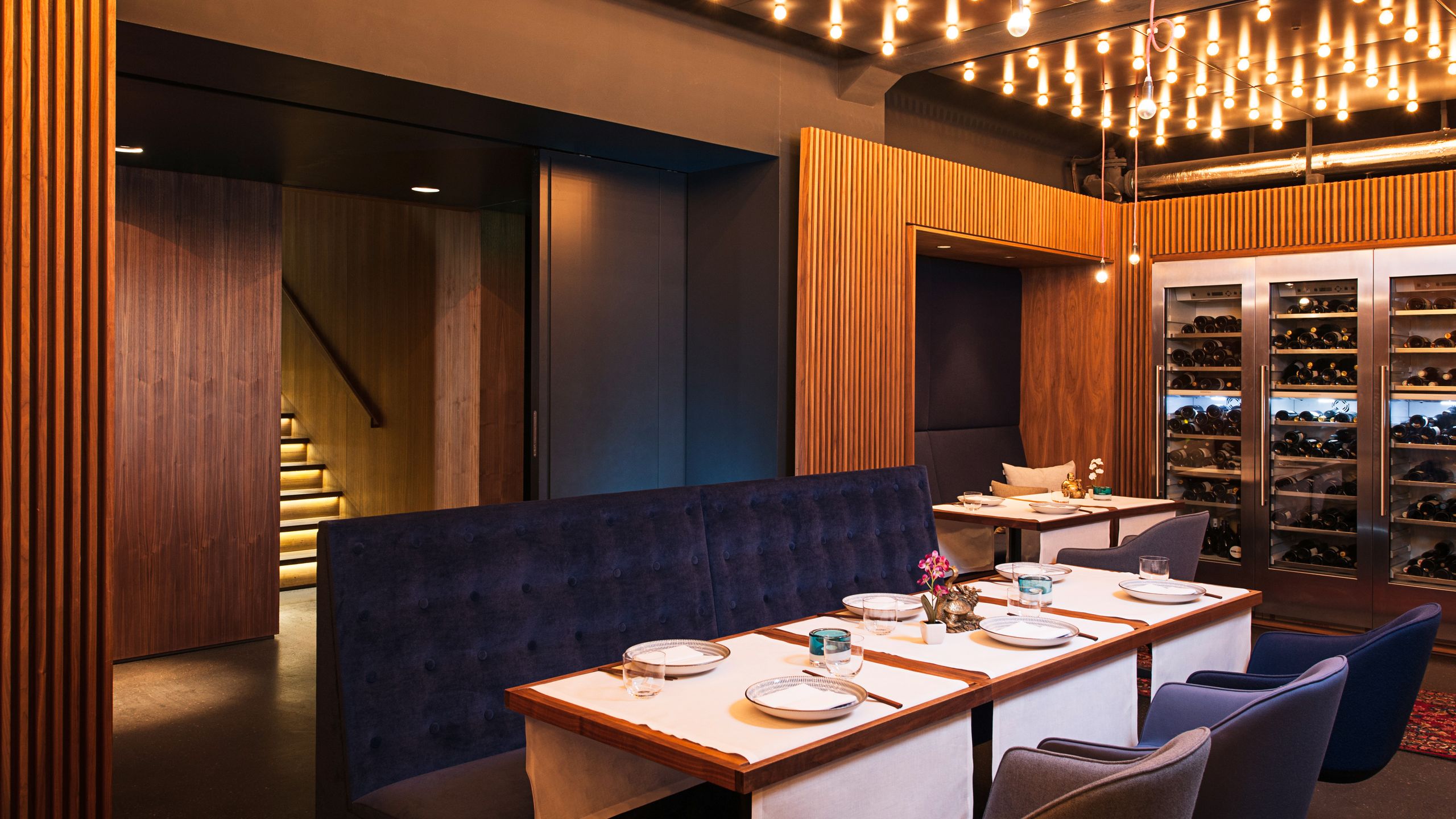
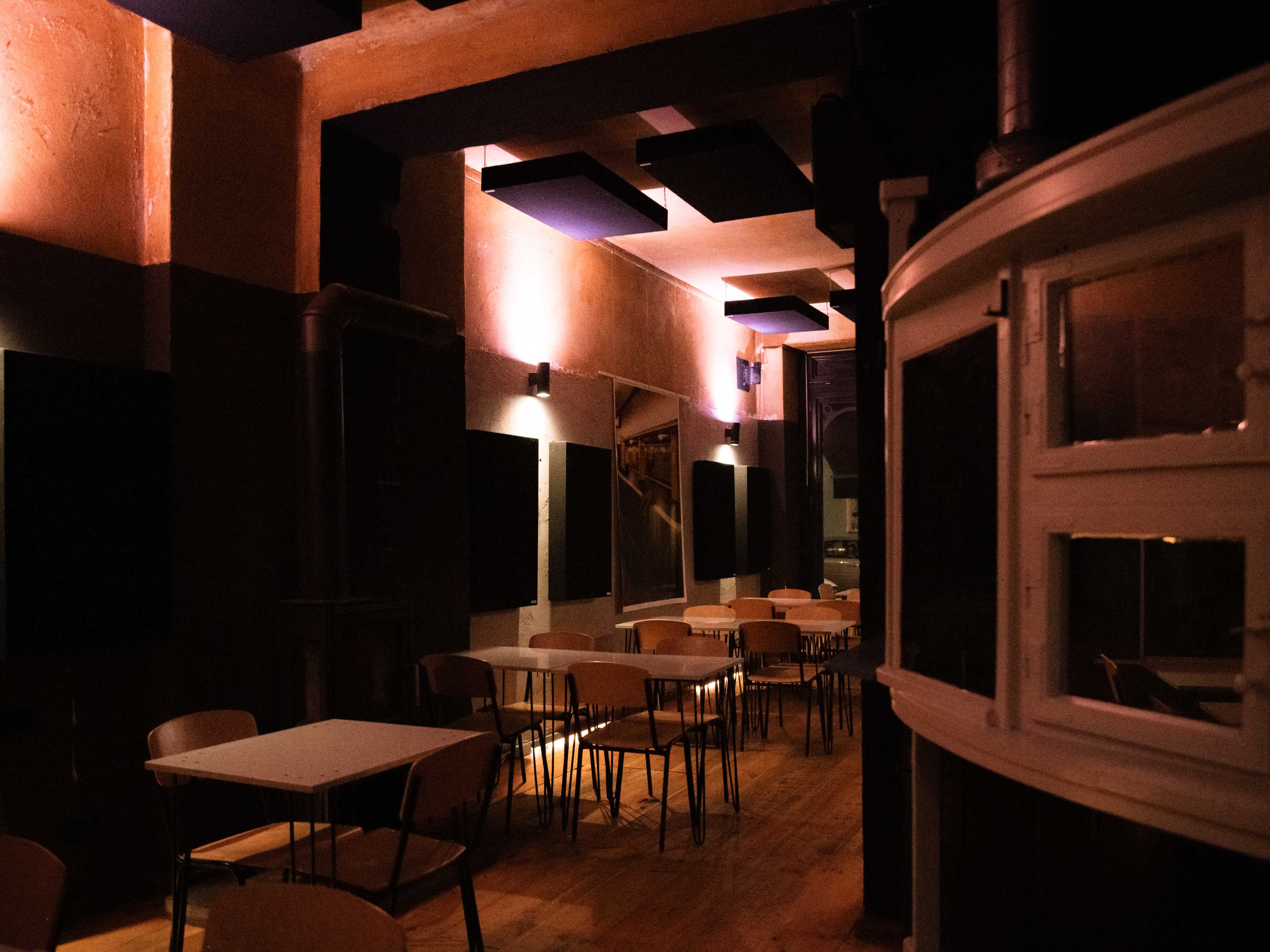
Warm and welcoming with cozy lighting, creating an intimate neighborhood dining experience that reflects the modern spirit of Seoul's Namsan.