
Located on Spichernstraße in Charlottenburg-Wilmersdorf, Byblos Restaurant Berlin brings Lebanese and Eastern Mediterranean cuisine to a neighbourhood better known for its mid-century residential character than its dining scene. The address places it outside Berlin's more conspicuous fine-dining corridors, making it a reference point for Middle Eastern cooking in the western districts. Booking ahead is advisable, particularly on weekend evenings.
Pearl is the En Primeur Club membership app — saves, bookings, and concierge access live there. Same editors, same standards.
- Address
- Spichernstraße 24, 10777 Berlin, Germany
- Phone
- +493056007395
- Website
- byblosrestaurantberlin.de
- Directions
- Get directions
 Saves & bookings on Pearl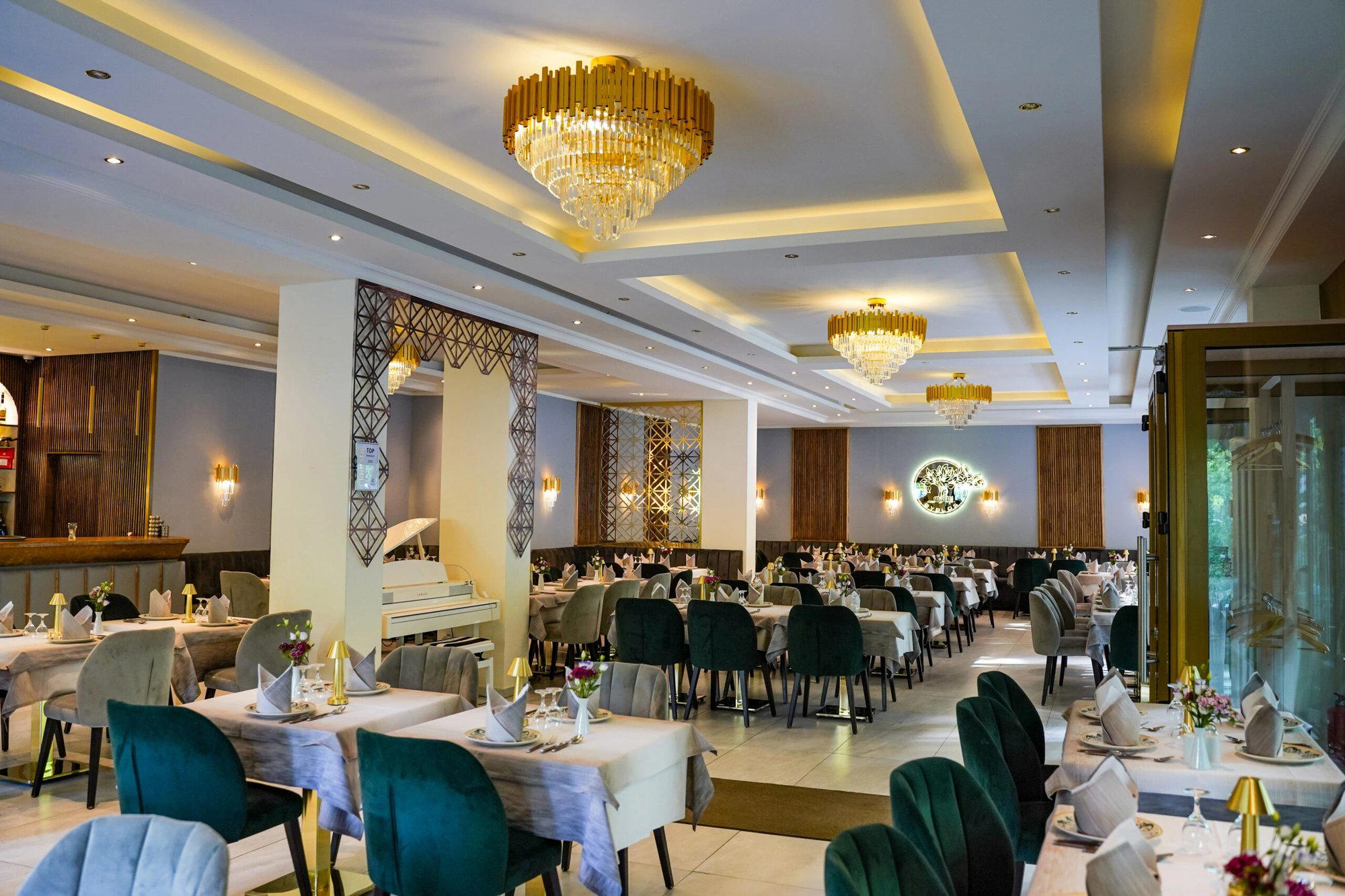
A Different Axis of Berlin Dining
Berlin's fine-dining conversation tends to orient around a familiar cluster: the creative kitchens of Mitte and Kreuzberg, where venues like Nobelhart & Schmutzig, Rutz, and CODA Dessert Dining define what serious eating looks like in the city. The western districts, by contrast, move at a different tempo. Charlottenburg-Wilmersdorf has long carried a quieter, more established residential character, the kind of neighbourhood where restaurants build reputations over years rather than months, and where a loyal local clientele matters more than algorithm-driven discovery. Byblos Restaurant Berlin, at Spichernstraße 24, operates in that context.
The address itself is instructive. Spichernstraße sits in the gap between Nollendorfplatz and Bayerischer Platz, a stretch of Berlin that the city's dining press rarely profiles but that sustains a consistent, often underrated dining scene. For a restaurant serving Lebanese and Eastern Mediterranean food, this western positioning is notable: most of the city's better-regarded Middle Eastern and Levantine kitchens have historically gravitated toward Neukölln or Mitte, where foot traffic and demographic density make the category commercially obvious. Operating in Wilmersdorf requires building an audience rather than inheriting one.
The Levantine Table in a Northern European City
Lebanese cuisine occupies a specific position in European fine-dining history. It arrived in most northern European capitals through diaspora communities long before it attracted critical attention, which means the category has a dual identity: deeply familiar to some diners, largely unknown to others. In Berlin specifically, the representation of serious Levantine cooking at the upper end of the market has historically lagged behind what cities like Paris or London offer, where Lebanese restaurants have earned significant critical recognition for a generation or more.
That gap is slowly closing. The broader European interest in Eastern Mediterranean cuisines, driven partly by the rise of Israeli and Turkish fine dining internationally, and partly by a generational shift in what younger European diners consider worth spending on, has created space for Levantine kitchens to operate with more ambition than the category was previously allowed. Mezze-format dining, which distributes the meal across many small plates rather than concentrating it in a single protein-centred main, has also found increasing favour among diners accustomed to omakase, tasting menus, and the broader movement toward composed, sequential eating. The structural logic is not dissimilar to what FACIL or Restaurant Tim Raue do with their respective formats: control the pace, sequence the flavours, and let the kitchen's point of view accumulate across the table.
How the Format Has Shifted
The editorial angle on any long-running restaurant in a city as trend-sensitive as Berlin is often one of reinvention. The dining environment that existed in the western districts a decade ago bears little resemblance to what the city's food scene demands now. Restaurants that have survived that span have done so either by staying stubbornly consistent, banking on regulars and a clearly defined niche, or by adapting their format, price positioning, and menu language to meet a more internationally literate clientele.
For a Levantine restaurant in Berlin, that evolution has a specific shape. Early iterations of Middle Eastern dining in the city were often positioned as casual, affordable, and abundant: generous portions, low price points, a focus on familiar dishes recognisable to anyone with passing knowledge of the cuisine. The shift toward more considered presentation, curated wine or spirit pairing, and deliberate sourcing reflects a broader maturation in how the category is being taken seriously by both operators and diners. Germany's wider fine-dining circuit, from Schwarzwaldstube in Baiersbronn to Aqua in Wolfsburg and Vendôme in Bergisch Gladbach, has long demonstrated that rigour and ambition are not confined to French or modern European formats. The question for Levantine kitchens is whether they can make the same argument convincingly.
Byblos sits at a point in that argument where the category is still proving itself in Berlin's western districts. Comparable pressure applies across Germany's mid-tier dining cities: JAN in Munich, Restaurant Haerlin in Hamburg, and Bagatelle in Trier each occupy distinct regional contexts but share the same challenge of building serious reputations outside the immediate Berlin conversation.
What the Neighbourhood Tells You
Spichernstraße is not a dining destination in the way that Bergmannstraße or Alte Schönhauser Straße are. It is a residential street with a moderate commercial strip, the kind of address that demands a restaurant earn repeat visits rather than casual passing trade. That constraint tends to sharpen kitchens: there is less tolerance for a mediocre evening when the clientele is largely local and has chosen you over the alternatives within a short radius.
The western Berlin dining scene has also produced some of the city's more durable institutions precisely because it operates without the noise that surrounds Mitte's newer openings. Restaurants here tend to be judged on consistency over time rather than on the strength of a launch. For a cuisine like Lebanese, where hospitality is structural, embedded in the act of feeding guests generously and attentively, that environment is more conducive to the format than a neighbourhood optimised for novelty.
Internationally, the Lebanese restaurant format has demonstrated considerable range. Venues like Le Bernardin in New York City or Lazy Bear in San Francisco show how cuisine-specific restaurants can carry deep critical weight when format discipline and sourcing are taken seriously. The Levantine category has not yet produced that density of recognition in Berlin, but the conditions, a more adventurous dining public, growing interest in Middle Eastern food culture, and a generation of operators with more sophisticated ambitions, are more favourable now than they were a decade ago.
Visiting Byblos: What to Know
Spichernstraße 24 is accessible from both Spichernstraße U-Bahn station (U3) and Nollendorfplatz (U1, U2, U3, U4).
Price Lens
Comparable venues nearby, for context on price, style, and recognition.
| Venue | Cuisine | Price | Notes |
|---|---|---|---|
| Byblos Restaurant BerlinThis venue — the venue you are viewing | Wilmersdorf, Authentic Lebanese | $$$ | Not listed |
| Yafo | Kreuzberg, Modern Israeli | $$$ | Not listed |
| Il Sorriso | Tiergarten, Authentic Italian | $$$ | Not listed |
| The Alchemist | Tiergarten, Fusion Cocktail Bar | $$$ | Not listed |
| Layla | Not listed | $$$ | Kreuzberg, Modern Middle Eastern Mediterranean Fusion |
| TORBAR | Mitte, French Brasserie | $$$ | Not listed |
Recognition history
Dated appearances from independent guides and award organizations, with the underlying list record or original source where available.
Michelin Bib Gourmand
Michelin
Continue exploring
More in Berlin
Restaurants in Berlin
Browse all →
Bars in Berlin
Browse all →
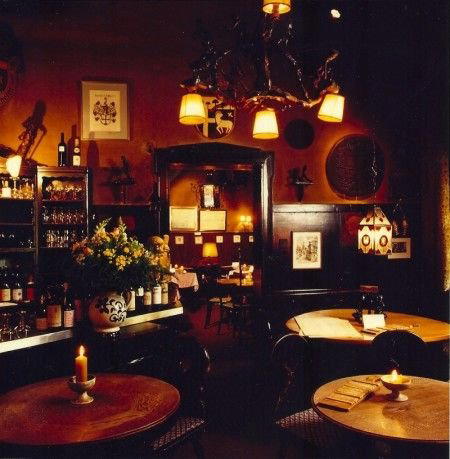
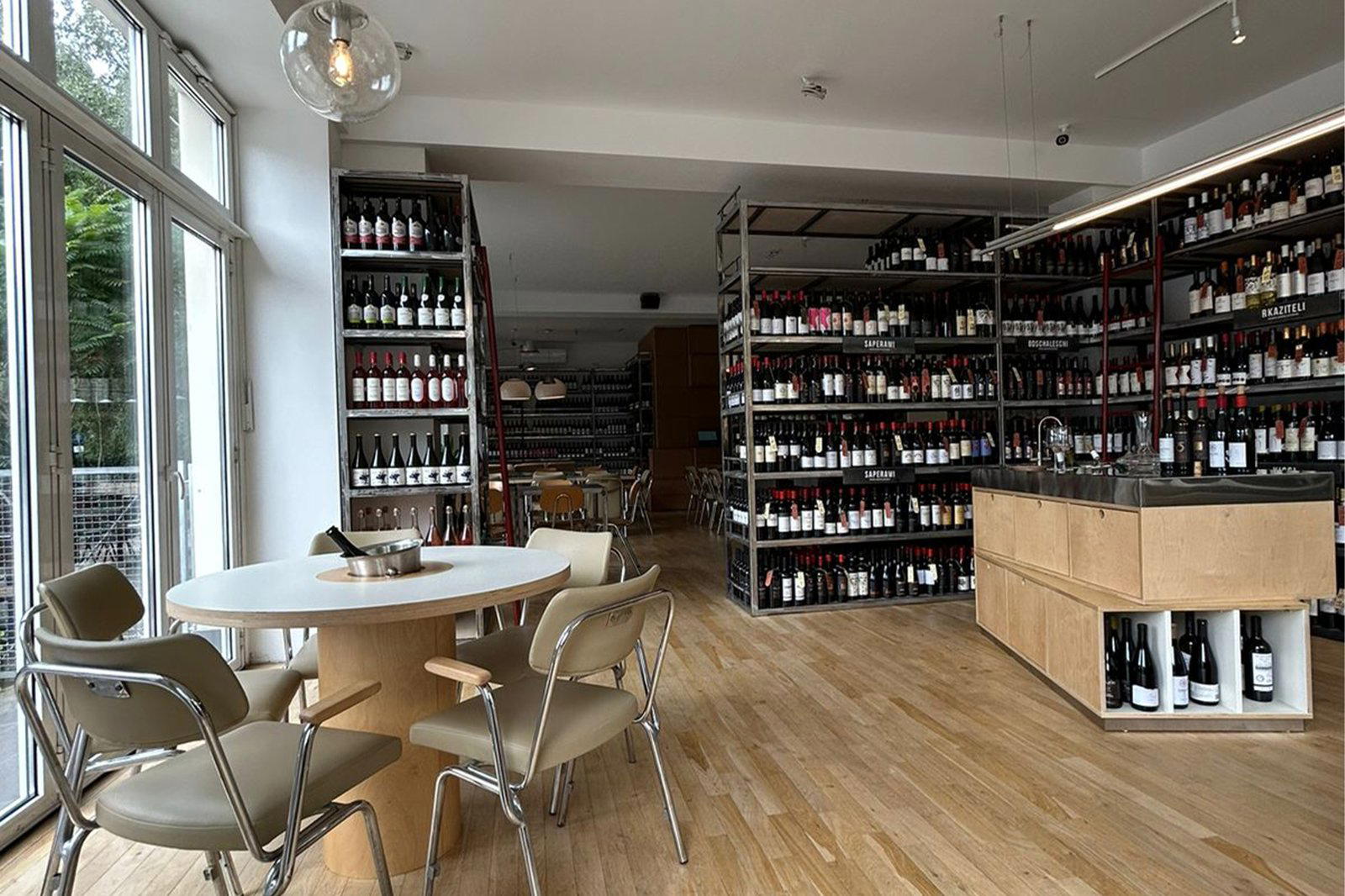
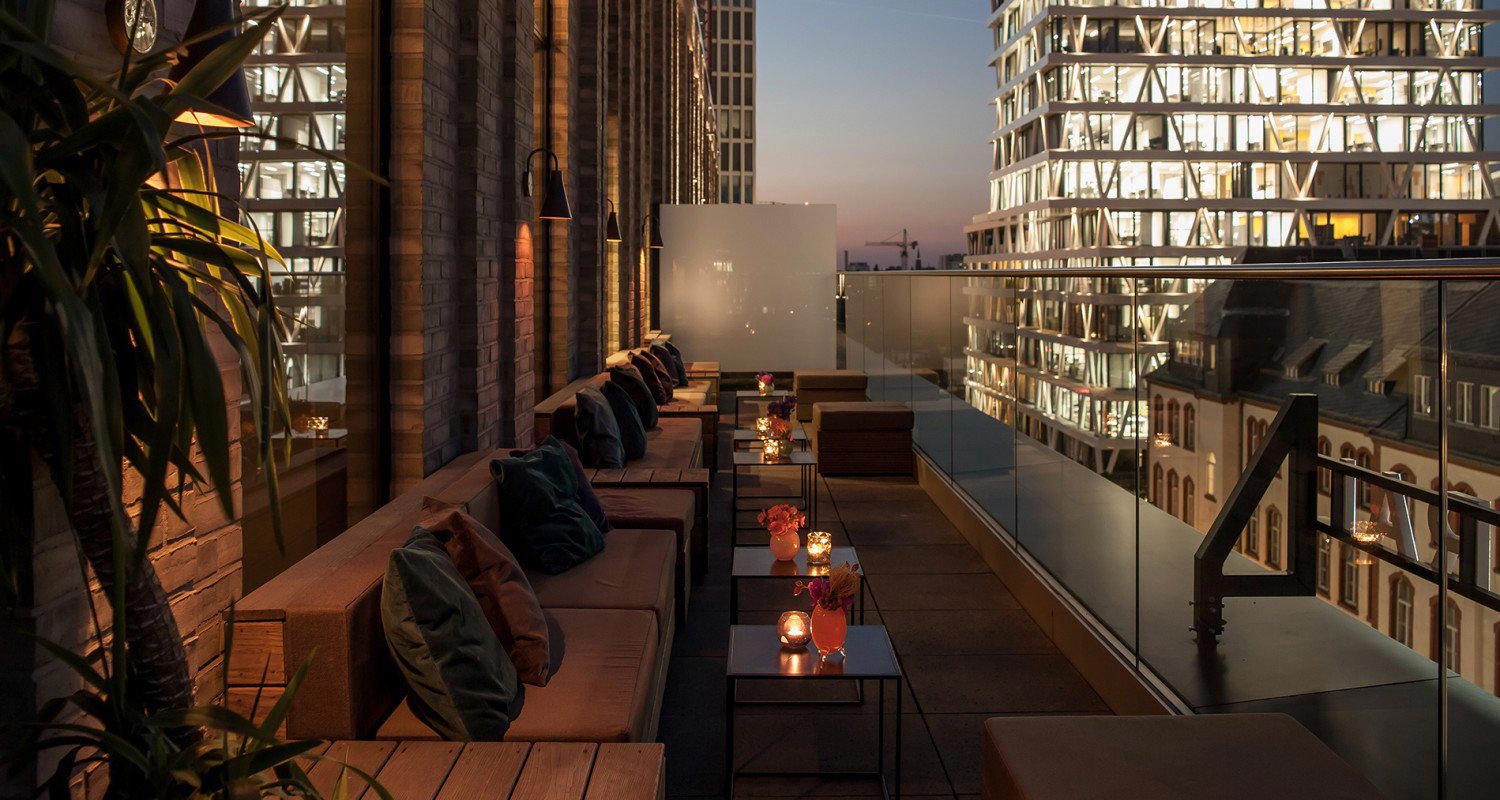
Hotels in Berlin
Browse all →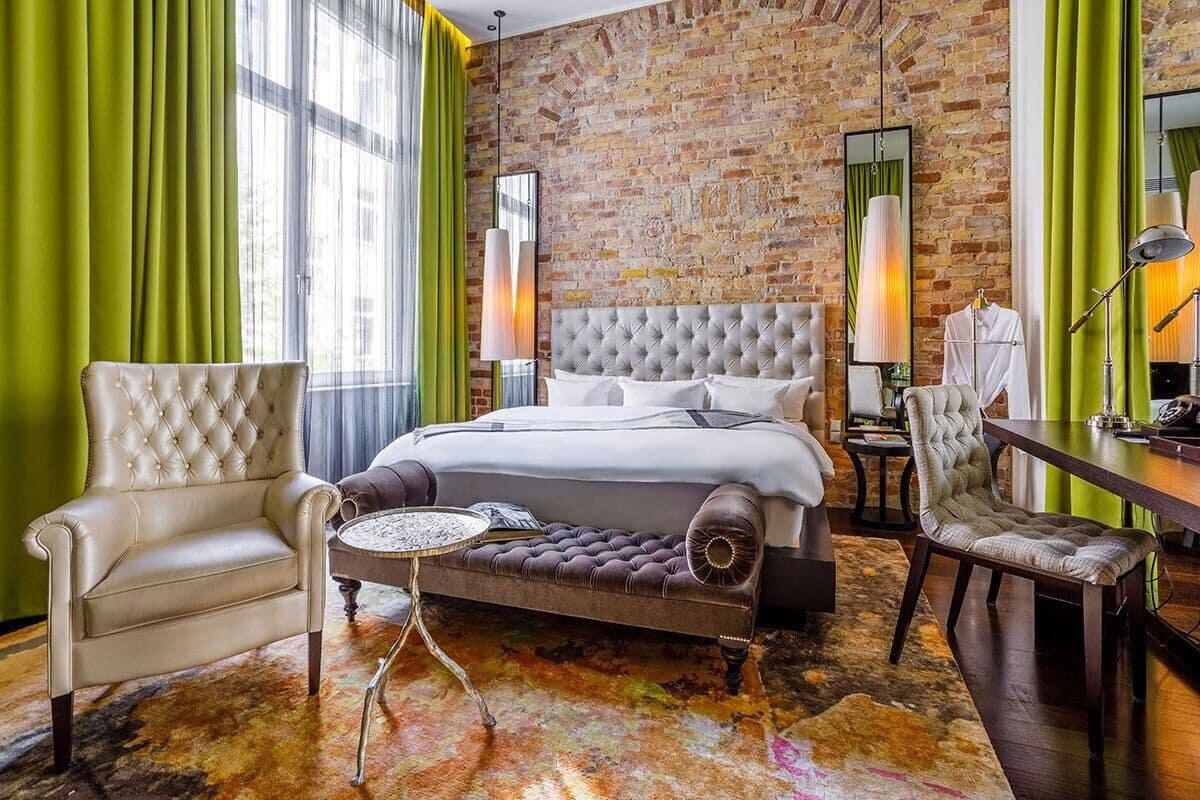

At a Glance
- Elegant
- Sophisticated
- Cozy
- Date Night
- Special Occasion
- Extensive Wine List
Current opening hours
- Monday
- 11 AM–12 AM
- Tuesday
- 11 AM–12 AM
- Wednesday
- 11 AM–12 AM
- Thursday
- 11 AM–12 AM
- Friday
- 11 AM–12 AM
- Saturday
- 11 AM–12 AM
- Sunday
- 11 AM–12 AM
Hours can change for holidays and private events. Last verified .
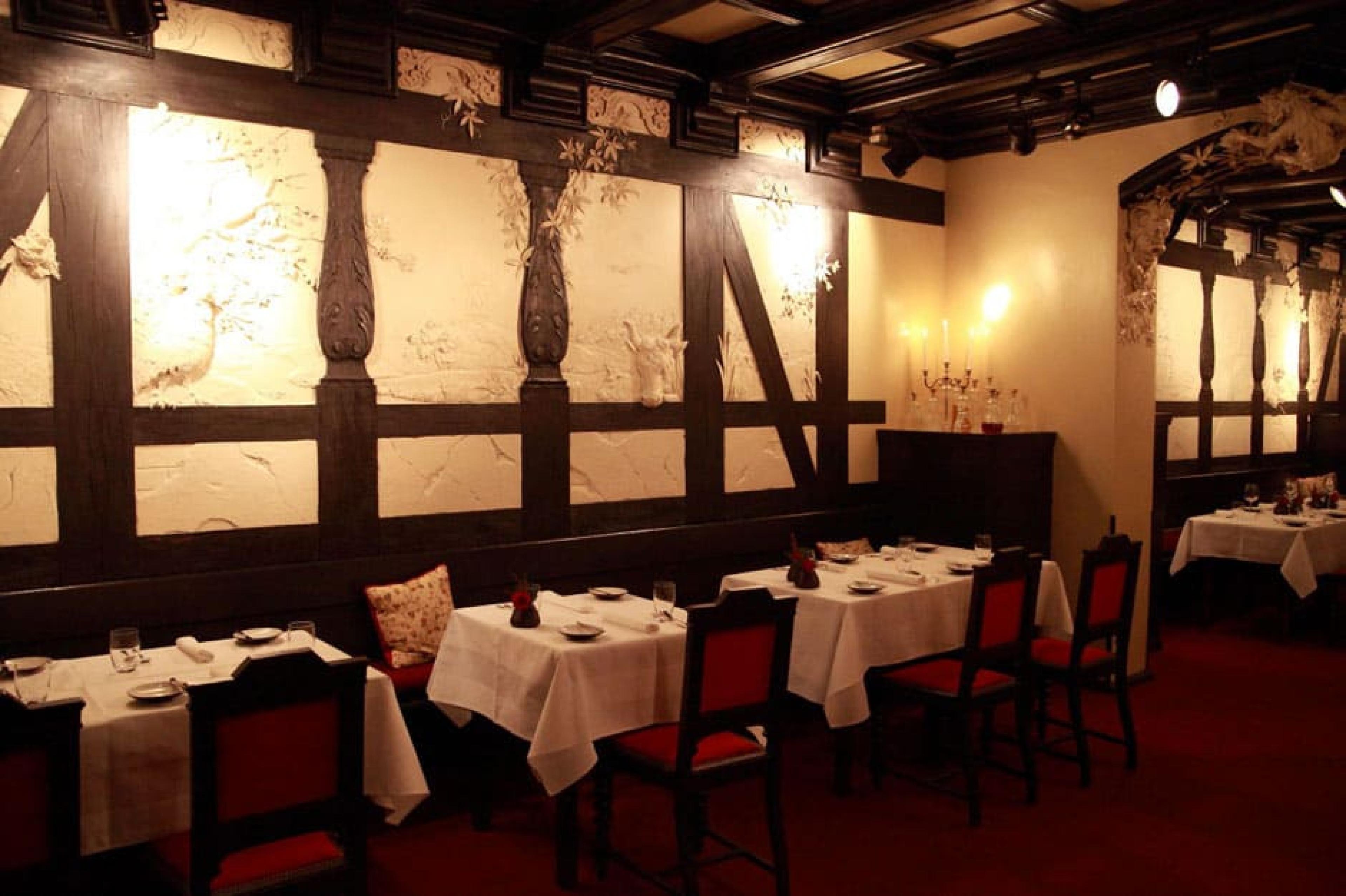
Elegant ambiance adorned with chandeliers, creating a sophisticated and memorable dining atmosphere.