Our verdict
Contra Corriente pairs Modern Colombian cooking with Bandeja Paisa and an extensive wine list, making it a dinner option for conversational, smart-casual plans in Bogotá.

Pearl is the En Primeur Club membership app, where members save venues, book tables and use the concierge.

Against the Current: Dining in Bogotá's La Soledad Quarter
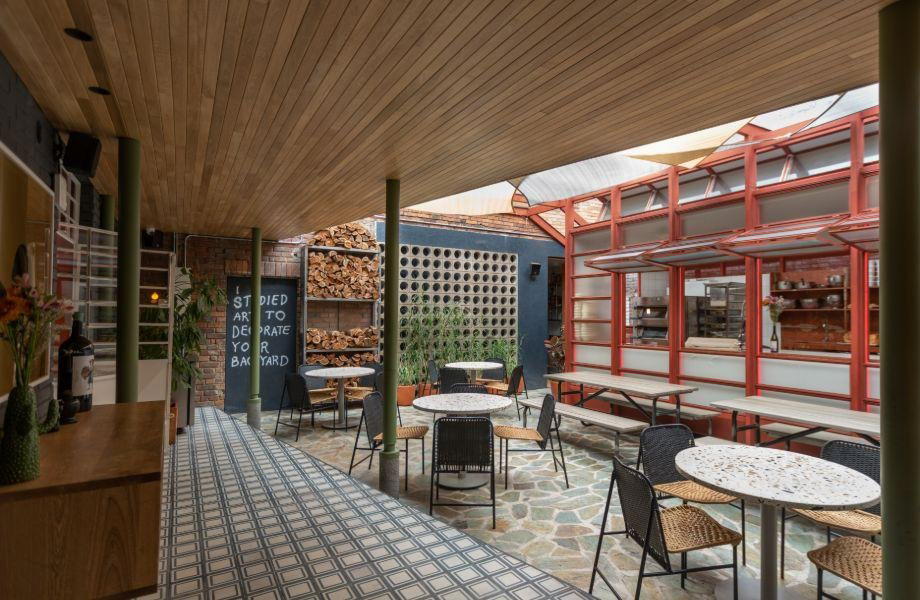
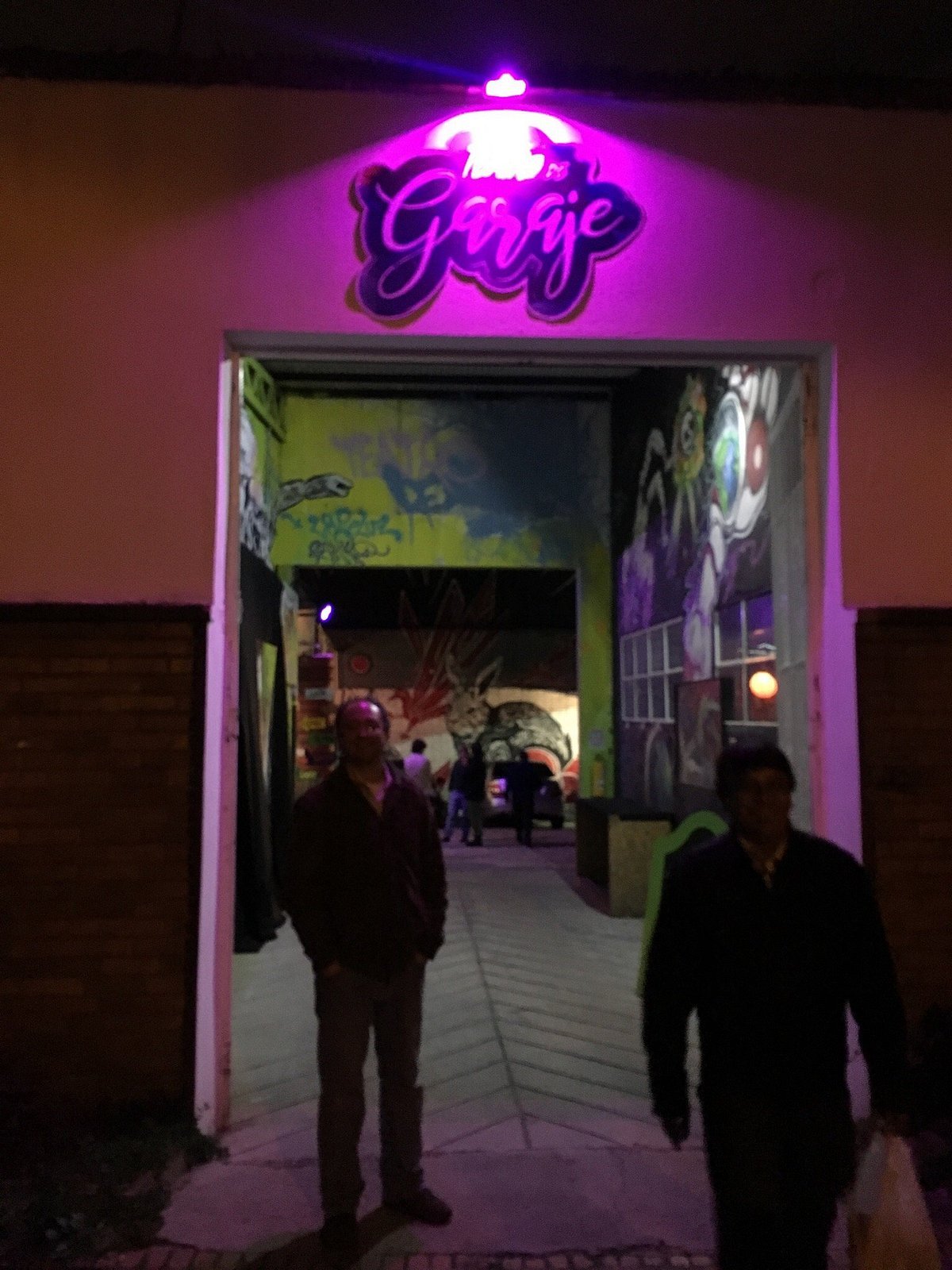
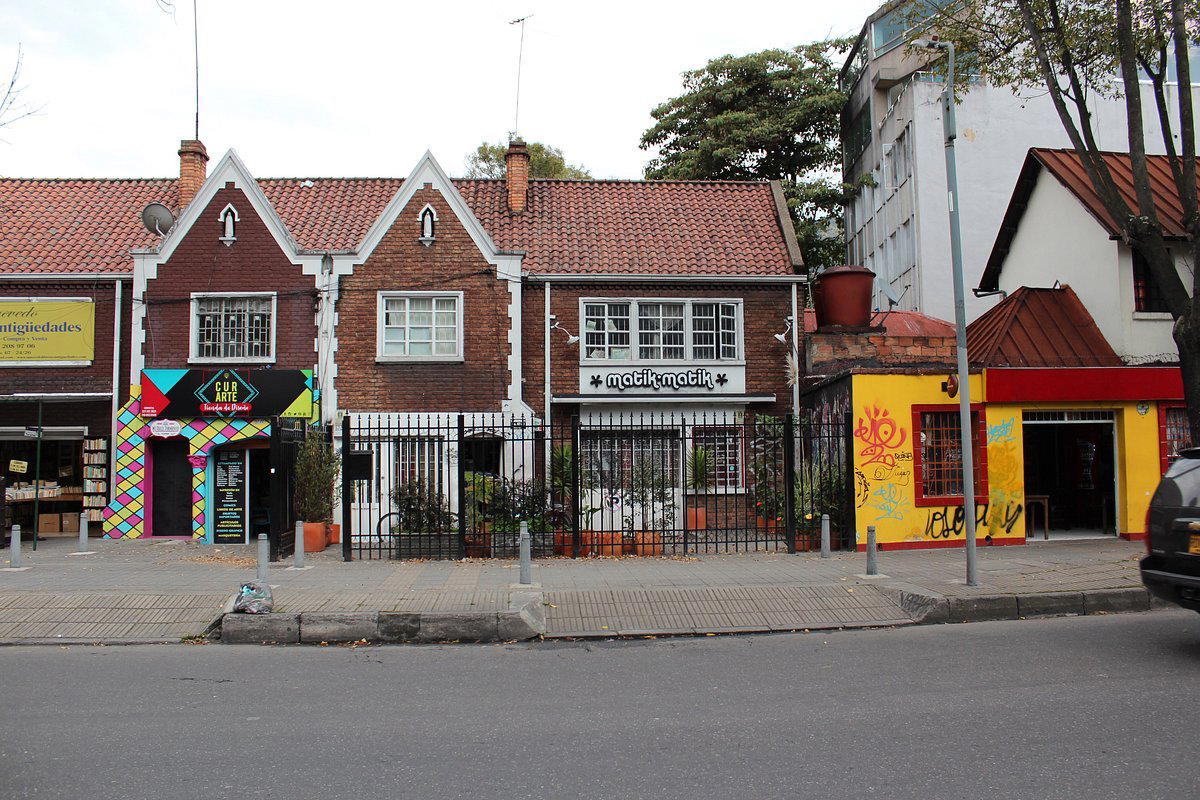
The address on Carrera 34a places Contra Corriente in La Soledad, a mid-city residential neighbourhood that sits west of the Parkway corridor and attracts less tourist foot traffic than Chapinero Alto or the Zona Rosa. Bogotá's dining reputation has been built largely around those more visible districts, which makes venues operating in quieter barrios worth examining on their own terms. Arriving here, the city feels more workaday: apartment blocks, local tiendas, the unhurried pace of a neighbourhood that has not yet been reshaped by the hospitality industry. That friction between context and what you find inside is, in many ways, the defining characteristic of Bogotá's most interesting current wave of restaurants.
The Current Shape of Bogotá Dining
Colombian cuisine has undergone a sustained re-evaluation over the past decade. The shift began with a handful of chefs treating indigenous ingredients and regional traditions as serious culinary material rather than rustic backdrop. That movement now has institutional weight: Leo (Modern Colombian) holds Michelin recognition and has placed Colombia on international lists, while El Chato (Modern Colombian) operates with a forager-driven ethos that has attracted sustained critical attention. Below that top tier, a second generation of restaurants has absorbed those lessons and is working out what comes next: less manifesto, more cooking.
Contra Corriente, the name translates directly as “against the current”, signals a position relative to that dominant flow. In a city where the prestige conversation has settled around a recognisable set of references and formats, a name like this is a deliberate statement of direction. Whether that means working with different ingredients, a different service register, or a different price tier is part of what makes the restaurant worth attention.
For broader orientation on how the city’s restaurant scene is structured across neighbourhoods and price tiers, the EP Club Bogotá restaurants guide maps the full competitive set.
Colombian Cuisine as Cultural Project
Understanding what any Bogotá restaurant does requires some grounding in what Colombian cuisine actually is, because it is not a single thing. The country runs from Caribbean coastline through Andean altitudes to Amazonian lowlands, and each zone produces distinct ingredients, techniques, and culinary logic. Coastal traditions, the ceviche culture visible at El Boliche Ceviche in Cartagena and the Pacific inflections at Sevichería Guapi in Santiago De Cali, operate under entirely different parameters than the Andean highland cooking that defines Bogotá’s culinary baseline.
In the capital, the foundational vocabulary includes tuberous crops like arracacha and various papa criolla varieties, corn preparations from arepas to mazamorra, and proteins ranging from fresh trout from highland rivers to cuts of beef that have long anchored the city’s most substantial meals. Harry Sasson in Bogotá represents one mode of working with that tradition, grand-scale, cosmopolitan, technically assured. The newer generation tends toward smaller rooms and more selective sourcing.
The cultural project now underway across Bogotá’s serious kitchens involves not just cooking Colombian ingredients but restoring culinary memory: finding preparations that fell out of urban circulation during decades of displacement and conflict, and reintroducing them in formats that contemporary diners will actually seek out. Restaurants in this register sit in a different peer group from the large-format, event-driven dining represented by Andrés Carne de Res in Chia, which operates as cultural spectacle at scale.
The Neighbourhood Restaurant Format
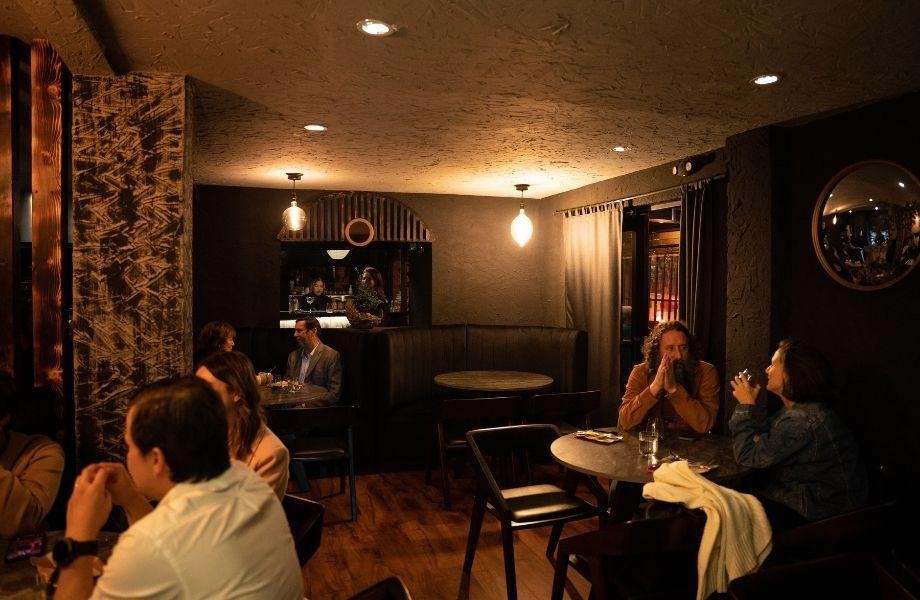
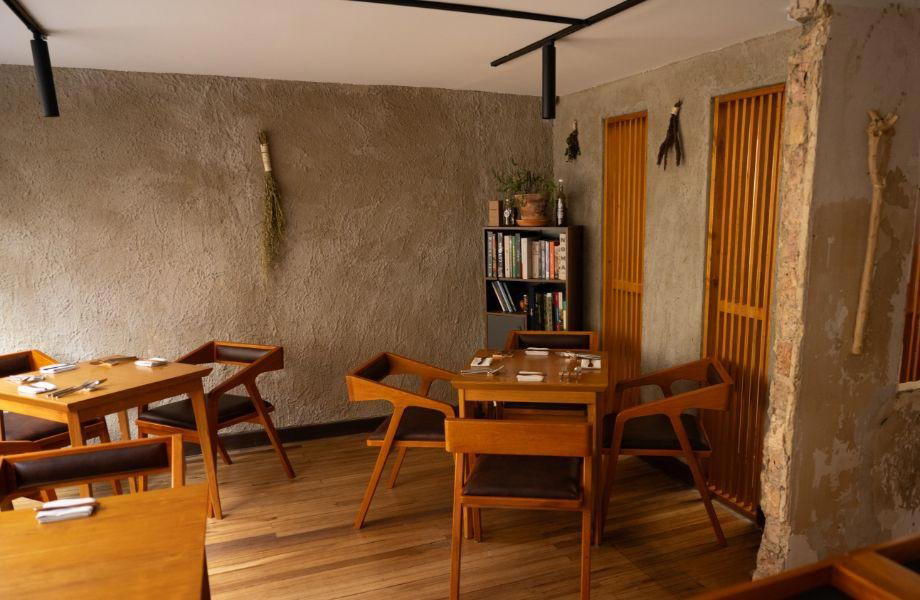
La Soledad sits in a part of Bogotá that has seen incremental rather than dramatic change. The neighbourhood format, a restaurant whose primary relationship is with a local repeat clientele rather than a destination-dining circuit, carries specific implications for how a kitchen develops. The menu tends to evolve more organically, the service register is less performative, and the pricing logic responds to local conditions rather than international visitor expectations.
This is a different operating model than the tasting-menu restaurants that anchor Bogotá’s international profile, and it sits closer in spirit to venues like Abasto Quinta Camacho, which has built a strong local following in Quinta Camacho rather than chasing the destination circuit. Across Colombia, some of the most interesting cooking happens in this register: Donde Mama in Barranquilla and BK - BURUKUKA in Santa Marta both demonstrate that cities outside Bogotá sustain their own neighbourhood-restaurant cultures with deep local roots.
The neighbourhood model also tends to attract a more mixed clientele than the destination tier: professionals from nearby offices, residents who walk over on weeknights, the occasional out-of-neighbourhood visitor who has been pointed here by someone in the know. That mix produces a particular kind of energy, less curated than the high-design restaurant and more grounded in actual local eating patterns.
Placing Contra Corriente in the Competitive Set
Bogotá’s current restaurant market splits roughly into three tiers. The international-profile tier includes venues with Michelin mentions, Latin America’s 50 Best placements, or sustained coverage in global food media. Below that sits a mid-tier that includes Afluente and Debora Restaurante, restaurants with clear culinary ambition and a city-wide following but without the international certification layer. Further out, neighbourhood-anchored restaurants operate with strong local loyalty and less emphasis on the prestige signalling that drives the upper tiers.
Contra Corriente’s address in La Soledad places it in proximity to the third category, though its name suggests a self-conscious relationship with the broader scene rather than simple indifference to it. The restaurants worth watching in Bogotá right now are often those that have absorbed the lessons of the prestige tier without replicating its format, and that’s the space where a venue called “against the current” most plausibly operates.
For comparison across different format types, X.O. in Medellín demonstrates how Colombia’s second city handles the intersection of neighbourhood character and culinary ambition, while Domingo in Cali shows how regional cities are developing their own distinct dining identities rather than mirroring Bogotá. Internationally, the neighbourhood-anchored format has parallels in venues like Lazy Bear in San Francisco, where strong local identity and culinary seriousness coexist without the full apparatus of the fine-dining circuit, and in the technically focused approach of Le Bernardin in New York City, which demonstrates how commitment to a specific culinary tradition can anchor a restaurant’s identity across decades.
Planning Your Visit
Contra Corriente is located at Cra. 34a #29A-52 in La Soledad. The neighbourhood is accessible by TransMilenio from central Bogotá, with the Carrera 30 corridor providing the most direct connection; the walk from the nearest station runs through residential streets rather than commercial ones. Pricing and reservation logistics are best confirmed at the time of booking.
Frequently asked questions
Where is Contra Corriente located?
Contra Corriente is located at Cra. 34a #29A-52, Bogotá, Colombia, Bogota.
Is Contra Corriente a good option for exploring Bogotá's Colombian cuisine movement away from tourist-facing restaurants?
La Soledad sits west of the Parkway corridor, outside the zones where most international visitors concentrate, which positions Contra Corriente inside Bogotá's residential dining circuit rather than its export-facing one. Colombia's sustained culinary re-evaluation over the past decade has produced restaurants at multiple price points and registers, and neighbourhood formats like this one engage that shift without the markup or staging that tourist-area venues apply. The address at Cra. 34a #29A-52 is accessible by TransMilenio from central Bogotá.
What should I eat at Contra Corriente?
The kitchen at Contra Corriente sits within Bogotá's broader wave of restaurants treating Colombian ingredients as primary subjects rather than backdrops. Expect the menu to reflect La Soledad's neighbourhood character: focused, without the performance-for-export quality that marks Bogotá's international-profile tier.
How hard is it to get a table at Contra Corriente?
Contra Corriente occupies a residential address on Cra. 34a #29A-52 in La Soledad, a quarter that draws a local rather than tourist-heavy clientele. Neighbourhood restaurants of this format in Bogotá typically operate without the multi-week reservation queues of the city's destination-dining tier. Current booking lead times are not documented, so contacting the venue directly before travel is advisable.
What do critics highlight about Contra Corriente?
Contra Corriente does not appear in Bogotá's documented awards record based on available data, which places it outside the internationally profiled tier alongside venues with Michelin mentions or Latin America's 50 Best recognition. Within the city's mid-tier conversation, restaurants in La Soledad tend to draw attention for consistency and neighbourhood integration rather than destination spectacle.
A Quick Peer Check
Comparable venues nearby, for context on price, style, and recognition.
| Venue | Cuisine | Price | Notes |
|---|---|---|---|
| Contra CorrienteThis venue (the venue you are viewing) | Modern Colombian | Not listed | Not listed |
| Prudencia | Modern Colombian Fine Dining | $50–100 | La Concordia |
| Salvo Patria | Modern Colombian | $100–150 | Bosque Calderon |
| Takuma Cocina Show | Japanese Teppanyaki & Sushi | $30–50 | Quinta Camacho |
| Koi by Watakushi | Japanese Sushi and Asian Fusion | Not listed | Santa Barbara Oriental |
| La Macarena | Spanish Tapas | $20–30 | La Macarena |