Koi by Watakushi serves Japanese Sushi and Asian Fusion in Bogotá, with Sushi Rolls, Nigiri, and Spicy Octopus in a courtyard setting.
Pearl is the En Primeur Club membership app — saves, bookings, and concierge access live there. Same editors, same standards.
- Address
- Cl. 119 #6a-17, Bogotá, Colombia
- Phone
- +573185316612
- Website
- zonak.com.co
- Directions
- Get directions
 Saves & bookings on Pearl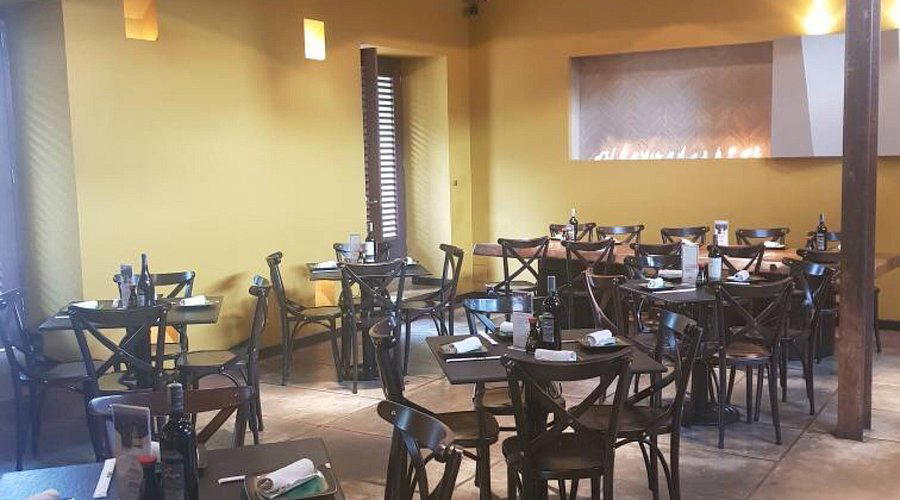
Where Bogota's Northern Dining Strip Meets Japanese Discipline
Calle 119 sits in the denser, more polished stretch of Bogota's Usaquén-adjacent north, where the restaurant stock has shifted over the past decade from neighborhood staples toward destination addresses drawing from across the city. The street itself signals a certain dining register: mid-to-high price points, considered fit-outs, and kitchens that tend to operate with a tighter brief than the casual lunch spots a few blocks south. Koi by Watakushi occupies that register at Cl. 119 #6a-17, Bogotá, Colombia, a Japanese restaurant with.
Bogota's relationship with Japanese cuisine tracks a familiar Latin American arc: early sushi bars aimed at novelty, then a consolidation around higher-craft operators who took the cuisine more seriously, and now a smaller group of addresses where the editorial question is no longer whether the food is Japanese but whether it is precise. Koi by Watakushi belongs to that last group, at least in terms of positioning and address. The name itself layers two references: "koi," the ornamental fish that carries associations of patience and longevity in Japanese culture, and "Watakushi," a formal Japanese first-person pronoun that signals a degree of intentionality in how the concept presents itself.
The Sourcing Question in a City Far From the Pacific
Ingredient sourcing is the central tension of serious Japanese cooking practiced far from Japan. The Tsukiji logic of pre-dawn tuna auctions and same-day delivery does not translate to Bogota, which means kitchens in this category must make explicit choices: source locally and adapt the cuisine to what Colombia's altitude and ecosystems actually produce, import selectively and absorb the cost into pricing, or build menus that sidestep particularly sourcing-sensitive ingredients in favor of preparations where proximity to Japan matters less.
Colombia has a more relevant pantry than it might first appear. Pacific coast fisheries supply firm-fleshed species that can carry the weight of Japanese technique. High-altitude river systems produce freshwater fish with a clean profile. The country's tropical range yields citrus, chiles, and aromatics that, handled carefully, can interact productively with Japanese seasoning logic rather than simply interrupting it. Bogota's altitude of roughly 2,600 meters above sea level also affects fermentation rates, temperature-sensitive preparations, and even rice texture, variables that operators working in this category have to account for if they are serious about the result.
How Koi by Watakushi navigates those variables is the key evaluative question for the address. The wider pattern among Bogota's more considered Japanese operators is to lead with the ingredients that Colombia does well, supplement with targeted imports for high-impact applications, and treat the sourcing tension as an editorial premise rather than a problem to be hidden. Addresses in this city that do this transparently tend to build more credible reputations than those that paper over it with generic luxury signaling.
The North Bogota Context: Competition and Positioning
The northern corridor from Chapinero Alto through Usaquén contains Bogota's densest concentration of destination restaurants, and the competition within any given cuisine category is sharper here than in other parts of the city. Modern Colombian addresses in this zone, including El Chato (Modern Colombian) and Leo (Modern Colombian), have set a relatively high bar for produce-led, technically serious cooking. That bar has raised expectations across categories, including Japanese, where diners who spend time at rigorous Colombian tables carry those standards with them.
Other addresses in the broader northern dining circuit, such as Debora Restaurante, Abasto Quinta Camacho, and Afluente, occupy different cuisine niches but compete for the same Friday-night dinner decision among Bogota's most engaged restaurant-going public. In that environment, a Japanese address at Calle 119 is not competing only against other Japanese restaurants; it is competing against every serious dinner option in the northern strip, which means the quality threshold for consideration is high regardless of category.
Japanese Dining in Latin America: A Broader Frame
Bogota is not the only Latin American city developing a serious Japanese dining tier. In Colombia alone, the conversation spans multiple cities and formats. The range extends from casual Japanese-inflected spots to more structured operations, and the quality gap between the two ends of that range is wide. Internationally, the reference points for technically serious Japanese cooking outside Japan include addresses like Le Bernardin in New York City, which has built a decades-long reputation on seafood precision, and Atomix in New York City, a Korean fine-dining address whose tasting-menu discipline and ingredient sourcing rigor offer a useful parallel for how Asian fine dining operates at high altitude from its source traditions.
Within Colombia, the restaurant spectrum is wide. From the informality of Andrés Carne de Res in Chia to the coastal directness of BK - BURUKUKA Restaurante Bar / Sunset Spot Santa Marta in Santa Marta, the country's dining culture resists reduction to a single register. Japanese fine dining in Bogota occupies a narrow but growing slice of that spectrum, and addresses that establish credibility in this niche early tend to hold it as the category matures. Other Colombian dining references across cities include 37 Park in Medellín, LA BRIOCHE Bocagrande in Cartagena De Indias, Los Tacos Del Gordo in Carthagene Des Indes, Crepes & Waffles Centro in Cartagena, Cardinal Comida Peruana de Autor in Pereira, Le Brunch Express in Envigado, Bulgatta restaurante in Retiro, and La B Hamburgers in Sincelejo.
Planning a Visit
The restaurant is located at Cl. 119 #6a-17 in Bogota's northern zone, accessible by taxi or app-based car services from most parts of the city. The Calle 119 corridor is active on weekend evenings, and the cluster of restaurants in the immediate area means that parking pressure is real if arriving by private vehicle; arriving by rideshare removes that variable. It is open Mon to Thu 12 to 10 PM, Fri and Sat 12 to 11 PM, and Sun 12 to 6 PM, with reservations recommended. The northern Bogota dining strip generally skews toward evening service as its busiest period, with weekday evenings offering somewhat more availability than Friday and Saturday at comparable addresses in the zone.
Comparable Spots, Quickly
Comparable venues nearby, for context on price, style, and recognition.
| Venue | Cuisine | Price | Notes |
|---|---|---|---|
| Koi by WatakushiThis venue — the venue you are viewing | Japanese Sushi and Asian Fusion | $$$ | Not listed |
| Flora | Handmade Italian Pasta with Colombian Influences | $$$ | La Salle |
| Casa Salvaje | Modern Japanese Sushi | $$$ | San Luis |
| Qun | Contemporary Nikkei with Peruvian & Colombian Influences | $$$ | La Cabrera |
| Deraíz | Vegan Colombian Fusion | $$$ | Granada |
| Quinua Y Amaranto | Andean Vegetarian | $$ | Egipto |

At a Glance
- Cozy
- Elegant
- Modern
- Date Night
- Special Occasion
- Courtyard
Current opening hours
- Monday
- 12–10 PM
- Tuesday
- 12–10 PM
- Wednesday
- 12–10 PM
- Thursday
- 12–10 PM
- Friday
- 12–11 PM
- Saturday
- 12–11 PM
- Sunday
- 12–6 PM
Hours can change for holidays and private events. Last verified .
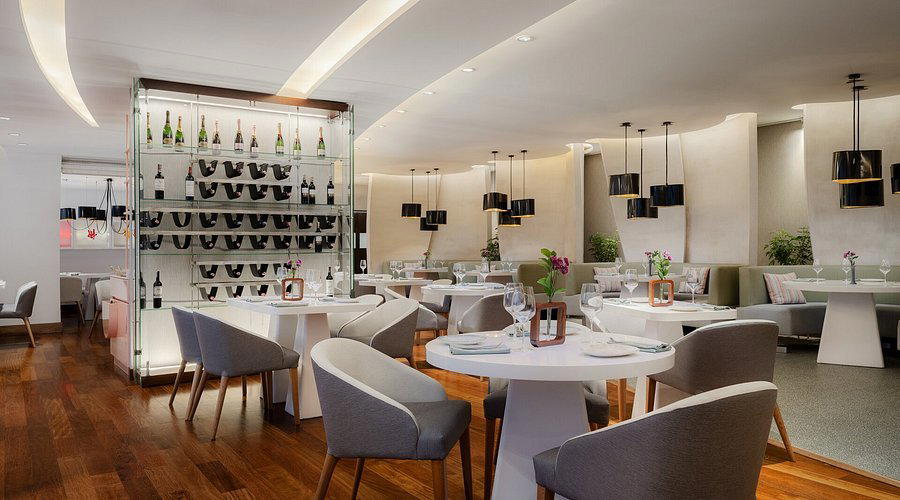
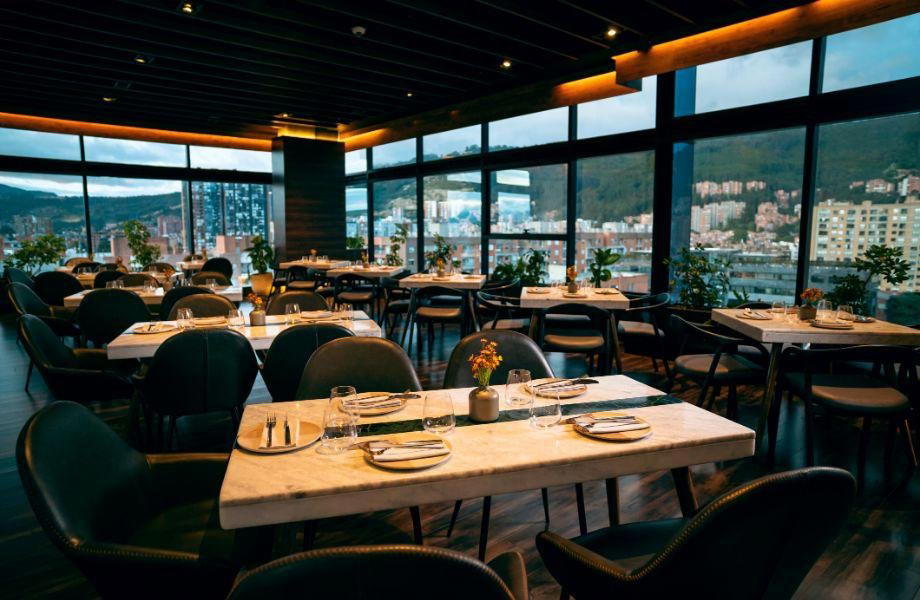
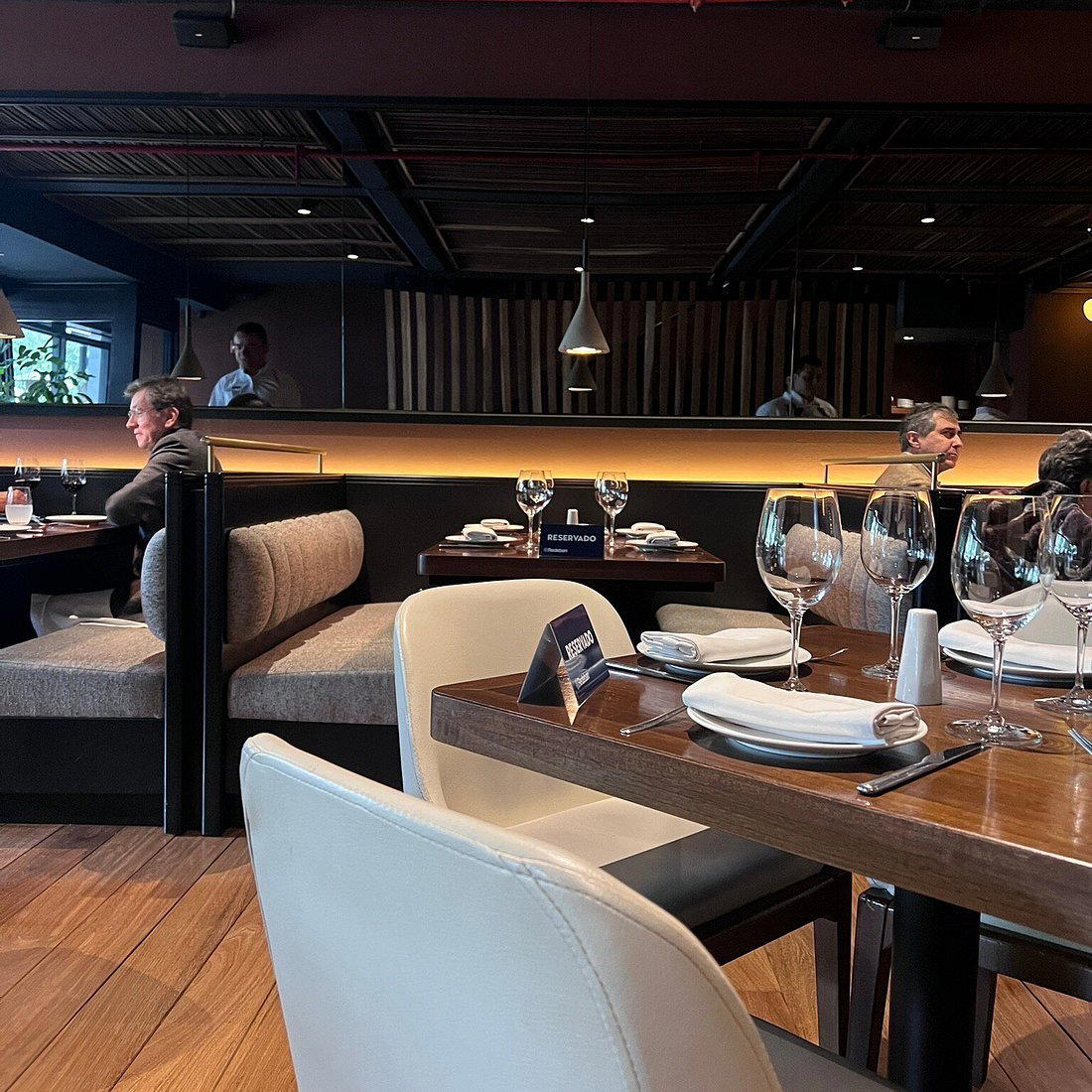
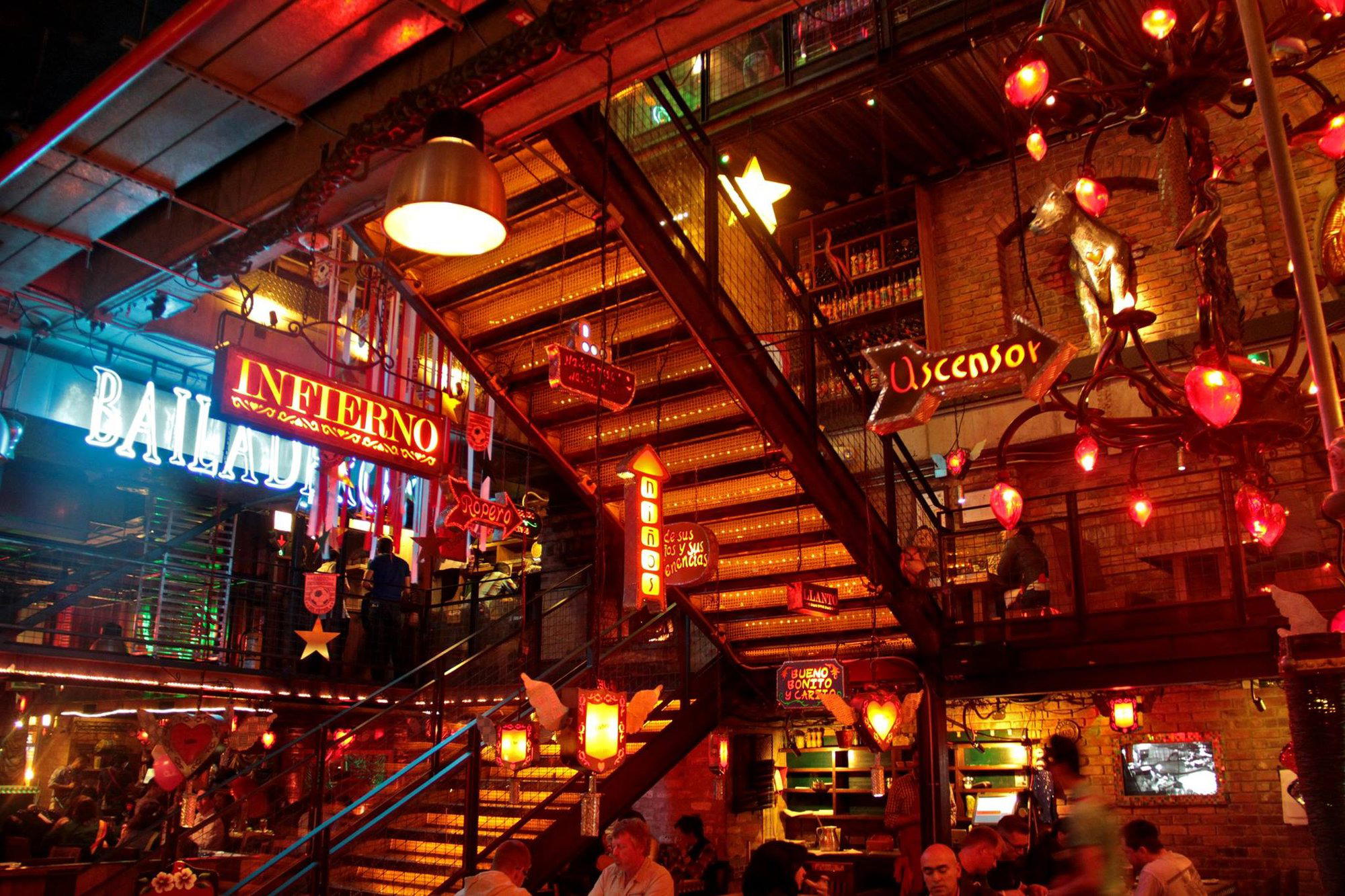
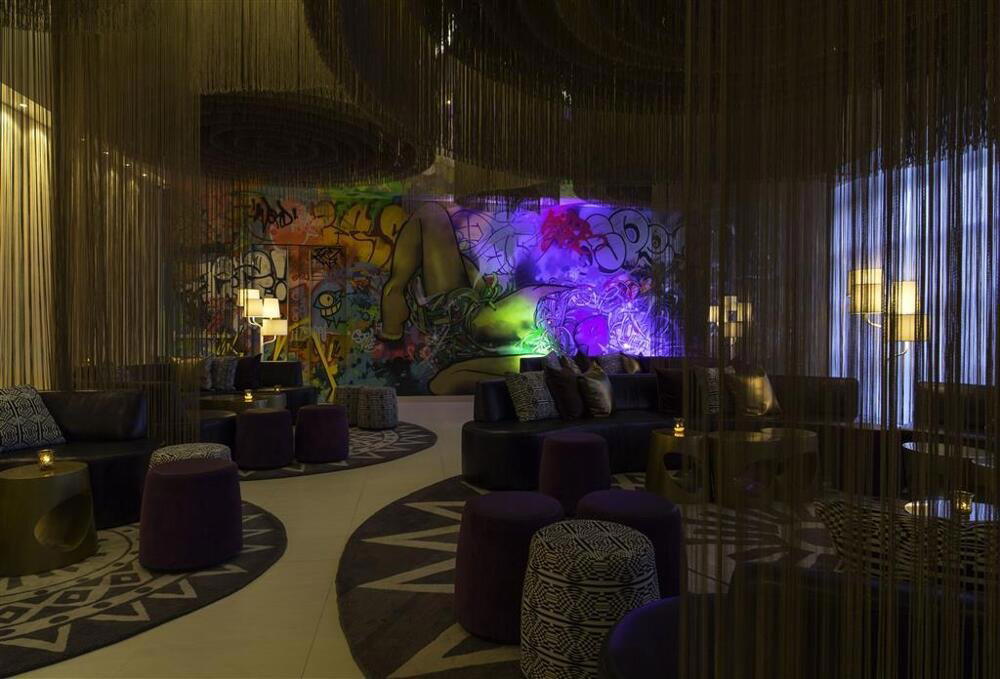
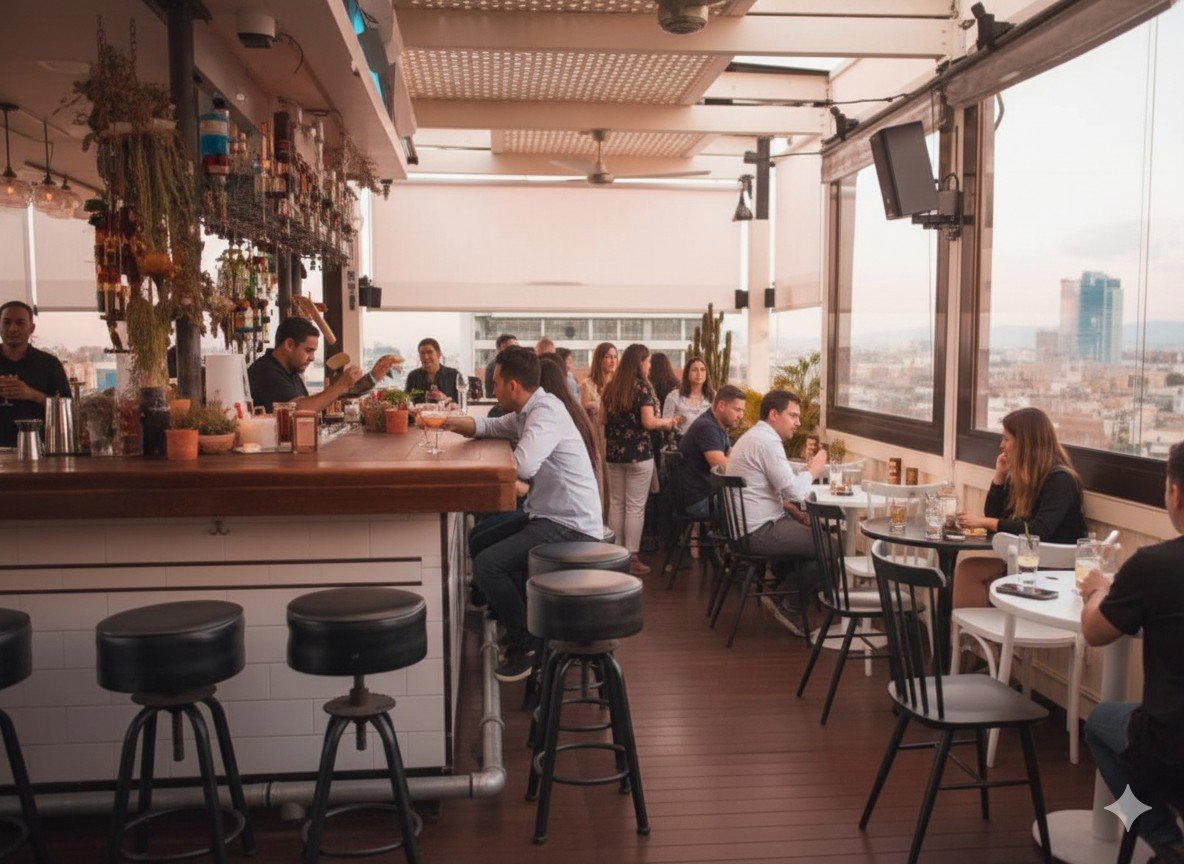
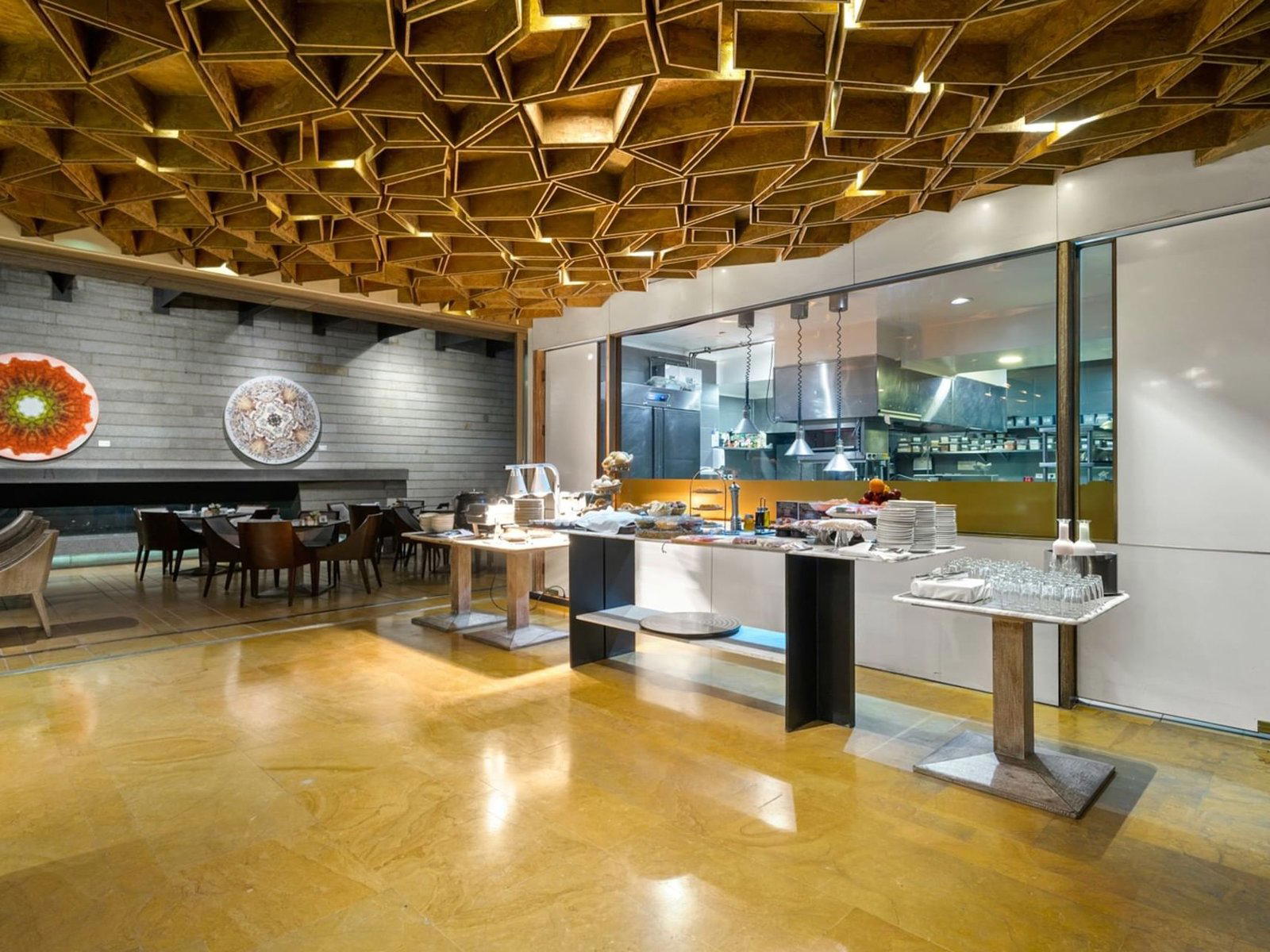
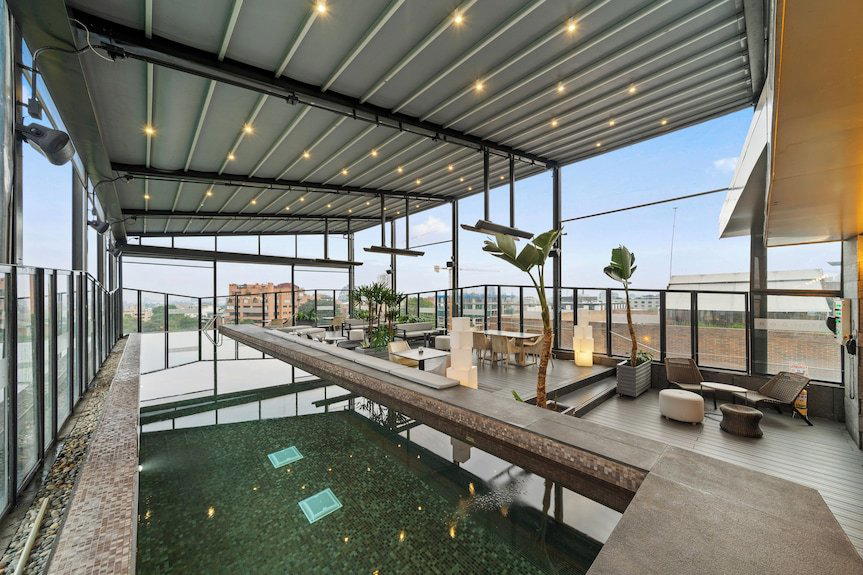
Serene and cozy interior with a lovely outdoor courtyard, well-suited for romantic dinners or gatherings with friends.