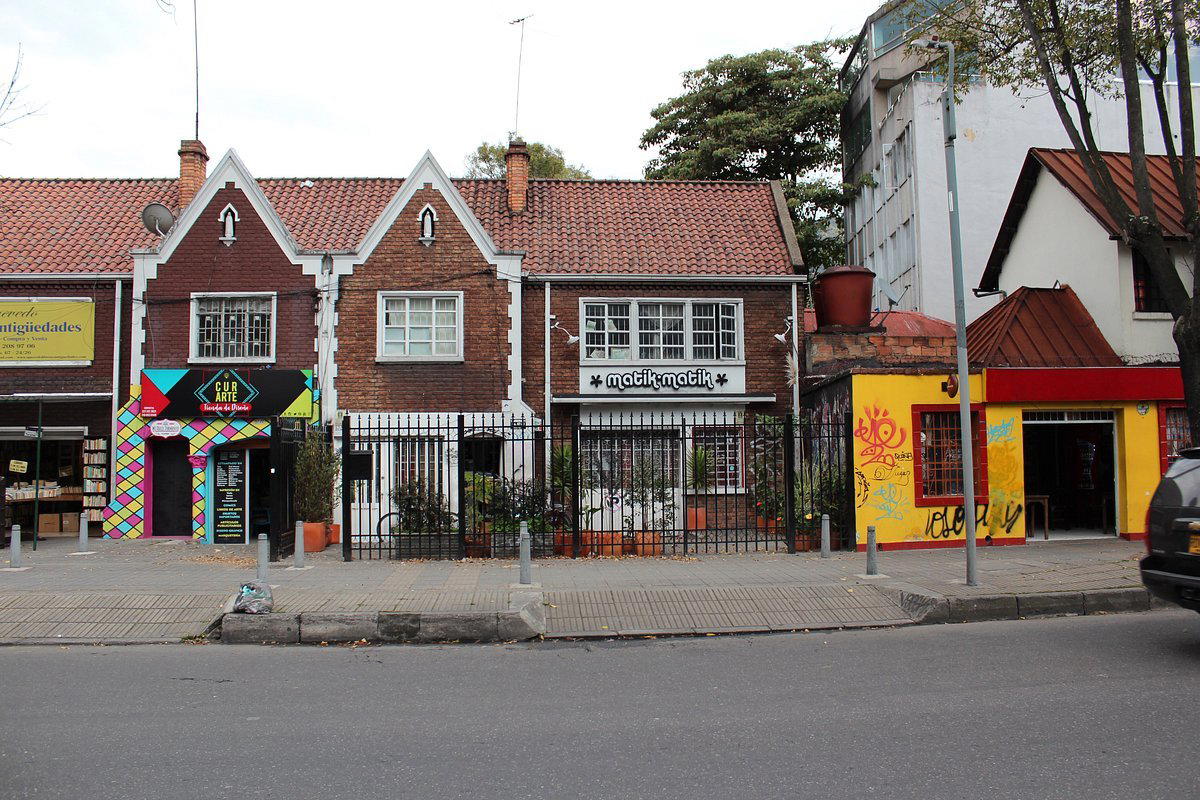
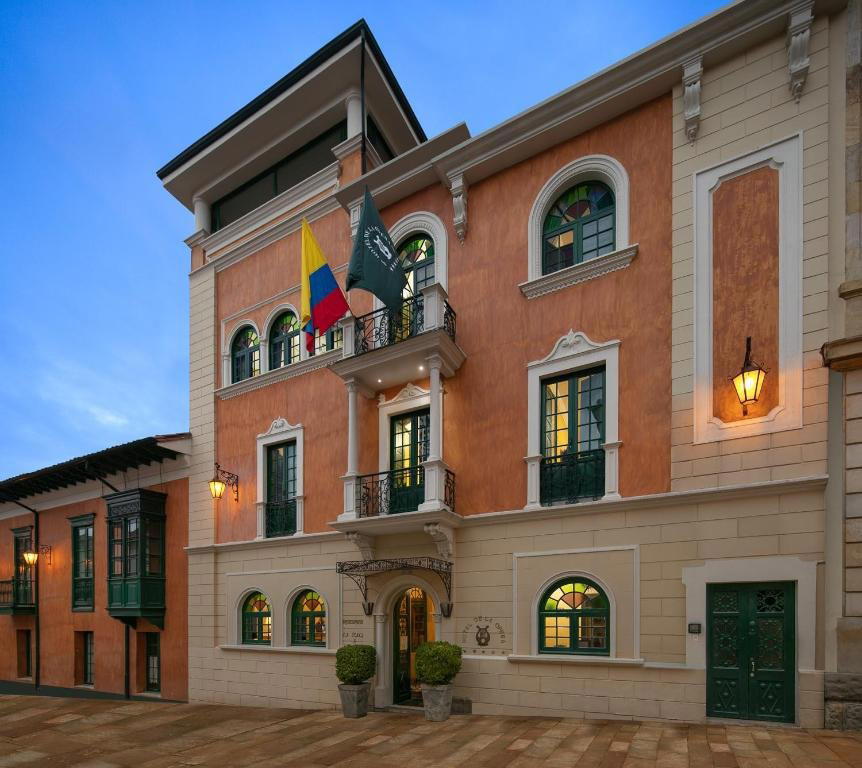
La Macarena is one of Bogotá's most storied dining and cultural neighbourhoods, where the pace of a meal is shaped as much by the streets around it as by what arrives at the table. The Santa Fe district address places it inside a zone where independent restaurants, galleries, and late-evening foot traffic define the rhythm of eating out in the capital.
Pearl is the En Primeur Club membership app — saves, bookings, and concierge access live there. Same editors, same standards.
- Address
- Soacha, Cundinamarca, Colombia
- Directions
- Get directions
 Saves & bookings on Pearl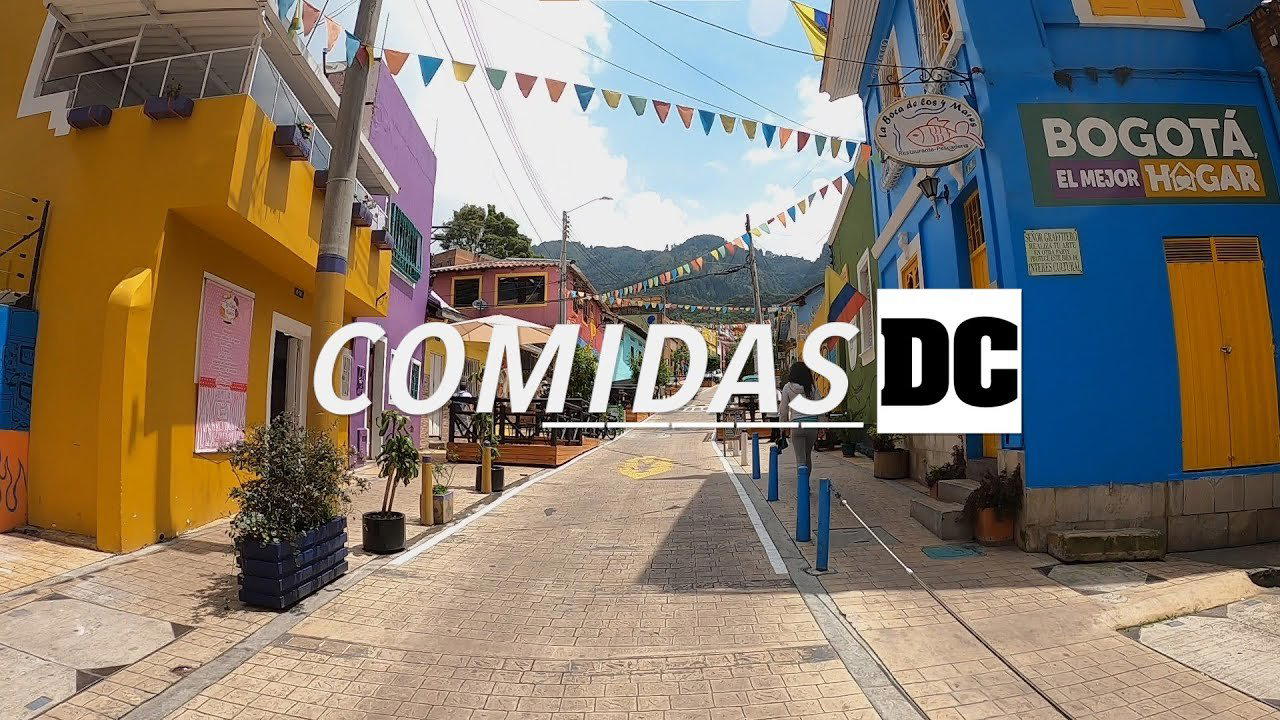
A Neighbourhood That Sets the Tempo
La Macarena is a restaurant in Soacha, Cundinamarca, Colombia, serving Spanish Tapas at about $20 per person. The neighbourhood of La Macarena sits at a particular crossing point in that geography: close enough to the civic centre to draw a mixed crowd, far enough from Zona Rosa's polished corridors to retain the character of a place where the meal is not the only thing happening. Streets here fill in the early evening with a rhythm that is part gallery opening, part aperitivo hour, part neighbourhood promenade. The approach to a table in La Macarena is rarely hurried, because the walk there rarely is.
That atmospheric preamble matters to the dining ritual in a way that is underappreciated in discussions of Bogotá's restaurant scene. The city's premium dining conversation tends to focus on Zona Rosa and the polished addresses around Parque 93, where venues like Harry Sasson operate at a different register of formality. La Macarena runs a parallel circuit, where the informality of the neighbourhood entry gives way to kitchens that are often technically serious and sourcing-conscious.
How the Meal Unfolds Here
The dining customs of the restaurant reflect a broader shift in how Bogotá's more considered restaurants have chosen to pace their service. Across the neighbourhood, the tendency is toward longer tables, unhurried transitions between courses, and a conversational relationship between front-of-house and diner that is more common in independently owned rooms than in large hotel dining. This is not accident. Restaurants in culturally dense urban pockets like this one tend to attract guests who arrive with time built into the evening, because the neighbourhood itself invites it.
That pacing aligns with what has happened to modern Colombian cooking at the serious end. Venues like El Chato and Leo have made the case, internationally, that Colombian cuisine can sustain long-form tasting formats without importing the logic of European fine dining wholesale. The sourcing is local, the references are national, but the ritual of the meal draws from a genuinely evolved Colombian hospitality tradition: warm, particular about ingredients, not hurried toward the next cover.
In the restaurant, that ethos plays out at neighbourhood scale. The guest who understands this arrives knowing that the meal is not a sprint toward a dessert and a bill, but a structured social event with its own internal pace. Ordering decisions tend to happen at the table rather than in advance, which places more weight on the knowledge of the person taking the order. The leading rooms in this part of the city train their staff accordingly.
Bogotá's Independent Restaurant Culture, Located
The restaurant has functioned for years as one of Bogotá's primary zones for independent restaurant investment, partly because of its pedestrian character and partly because its mix of residents and cultural visitors creates a dining public with range. The result is a density of options that rewards exploration rather than a single-destination approach. Restaurants here tend to be owner-operated or chef-led in a direct sense, which shapes the menu decision-making: dishes change seasonally, sourcing decisions are visible in the cooking, and the room reflects individual rather than corporate taste.
That model runs across Colombian cities, but the restaurant is one of its clearest concentrations in Bogotá. Visitors who have eaten at Abasto Quinta Camacho or Afluente elsewhere in the capital will recognise the category: places where the menu is a document of the week's market rather than a fixed brand statement. Debora Restaurante offers a useful counterpoint in terms of format and register, and together these addresses map out the range available to a serious diner spending several evenings in Bogotá.
For a broader orientation, our full Bogotá restaurants guide places the restaurant in the context of the city's wider dining geography, including the contrasts with Chapinero, Usaquén, and the business district.
Colombia Beyond the Capital
Understanding the restaurant also means understanding where Bogotá's dining scene sits within the national picture. Colombian restaurant culture has diversified significantly over the last decade, with strong independent scenes developing in Medellín, Cali, Cartagena, and the coastal cities. X.O. in Medellín and Domingo in Cali represent how that independent energy has spread, while coastal addresses like El Boliche Ceviche in Cartagena, Sevichería Guapi in Santiago de Cali, and Donde Mama in Barranquilla show the regional specificity that national cuisine can sustain when left to its own references. BK - BURUKUKA in Santa Marta extends that picture to the Caribbean north.
The dinner ritual in the restaurant connects to this national arc. Bogotá has historically been the capital in the fine dining sense as much as the political one, but the gap has narrowed. What the restaurant represents at neighbourhood level, other Colombian cities are beginning to replicate at district level: a concentration of independently minded kitchens where the meal is structured around the ingredient rather than the occasion.
For international reference points, the community-informed tasting format that structures dining in places like this has parallels in cities where chef-led independents have shaped a neighbourhood's identity over years. Lazy Bear in San Francisco demonstrated how that model can generate sustained critical attention without institutional backing, and Le Bernardin in New York City shows how a commitment to sourcing precision sustains a reputation across decades. The reference points are different in scale, but the underlying logic of building a dining room around a disciplined point of view translates.
Further afield in Colombia, Andrés Carne de Res in Chia, Adictta pizza in Manizales, and Bulgatta restaurante in Retiro illustrate how eating out in Colombia operates at a range of registers and geographies that extend well beyond the capital's centre.
Planning a Table in La Macarena
The practical approach to eating in the restaurant is to treat the meal as an evening commitment rather than a single-venue stop. The neighbourhood's walkable density means that a useful approach is to arrive before your reservation, spend time in the streets, and allow the transition into the restaurant to happen at the neighbourhood's own pace. Booking ahead is advisable for the more established rooms, particularly on Thursday through Saturday evenings when the cultural foot traffic peaks. Dress codes in this part of Bogotá tend toward casual: the rooms are considered without being formal, and arriving overdressed reads as misunderstanding the register as much as arriving underdressed does. Bogotá's altitude (approximately 2,600 metres above sea level) affects both appetite and alcohol metabolism, so the slow pacing of the meal here is physiologically as well as culturally sensible.
Style and Standing
Comparable venues nearby, for context on price, style, and recognition.
| Venue | Cuisine | Price | Notes |
|---|---|---|---|
| La MacarenaThis venue — the venue you are viewing | Spanish Tapas | $$ | Not listed |
| Gamberro | Spanish-Colombian Fusion | $$$ | El Chico |
| Abasto Quinta Camacho | Farm-to-Table Colombian Bistro | $$ | Quinta Camacho |
| Casa Mamá Luz | Authentic Colombian Caribbean | $$ | Egipto |
| Quinua Y Amaranto | Andean Vegetarian | $$ | Egipto |
| Mesa Franca | Modern Colombian Bistronomy | $$$ | Chapinero Norte |
At a Glance
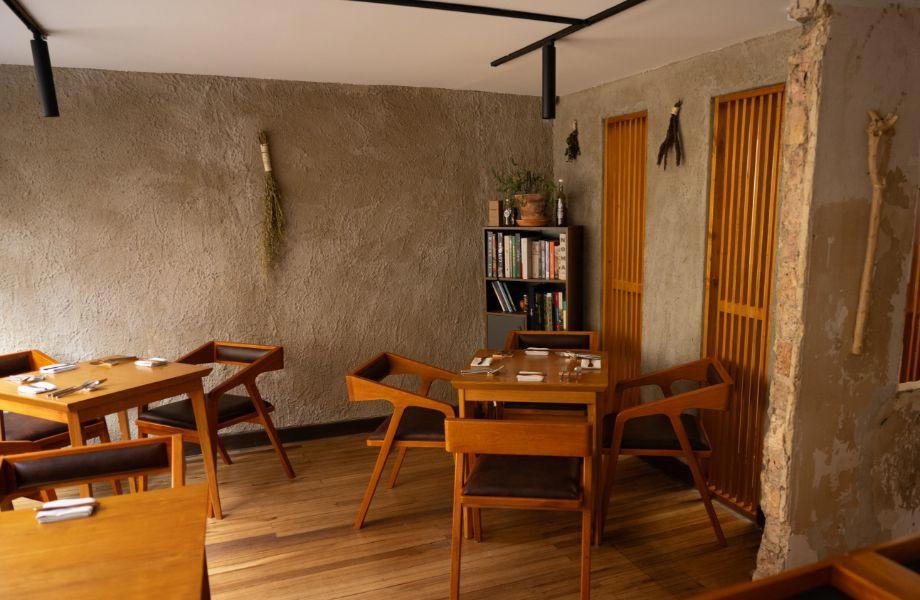
- Cozy
- Intimate
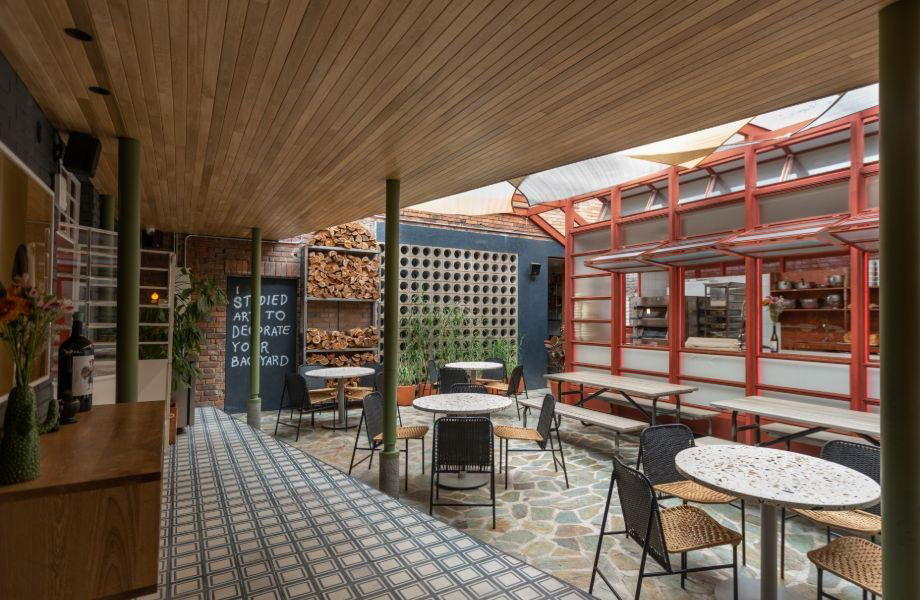
- Bohemian
- Date Night
- Casual Hangout
- Live Music
- Extensive Wine List
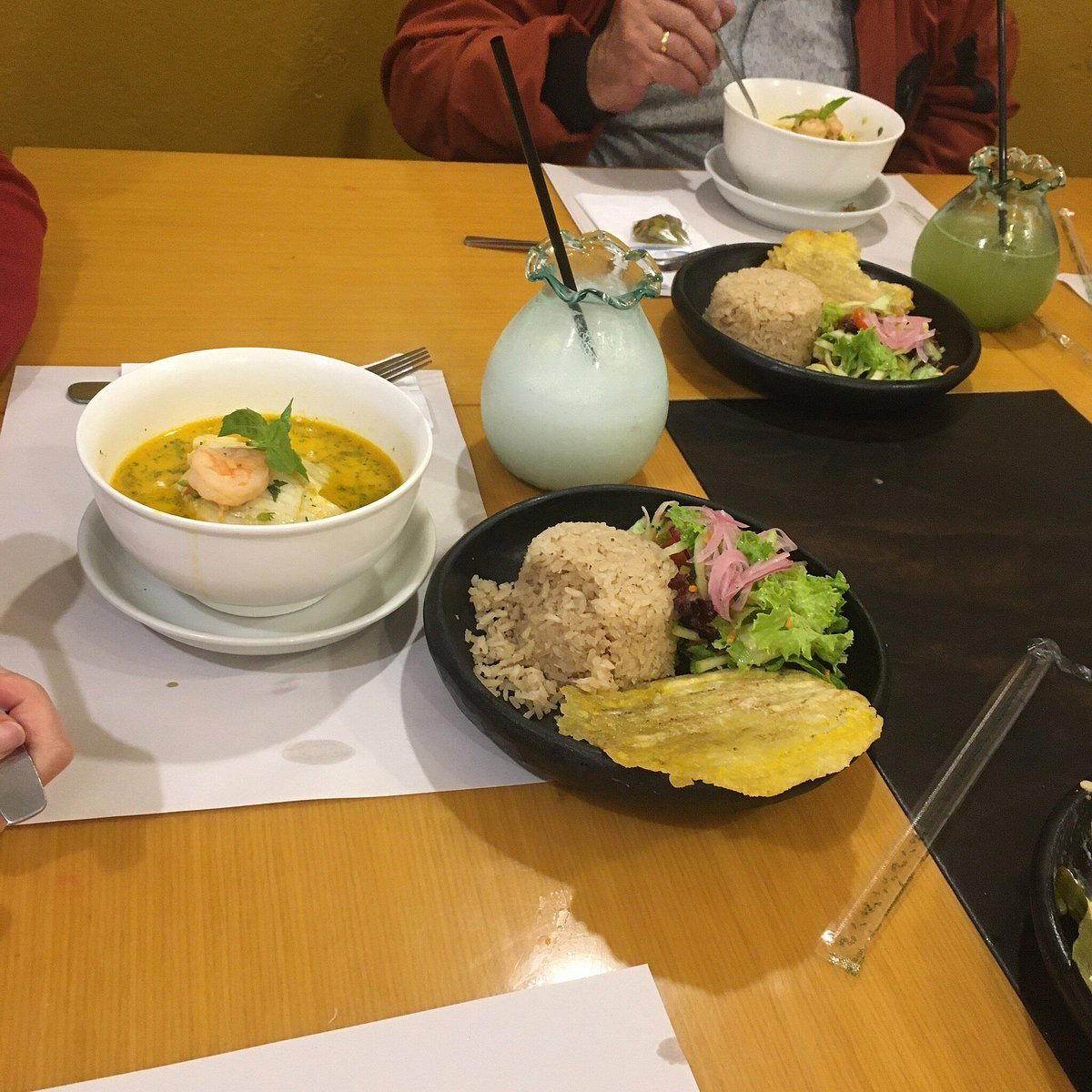
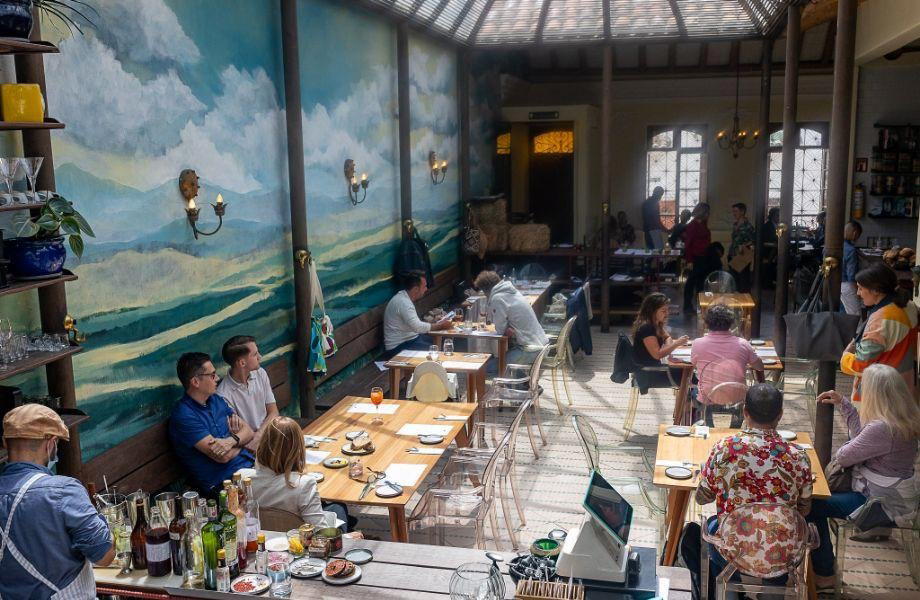
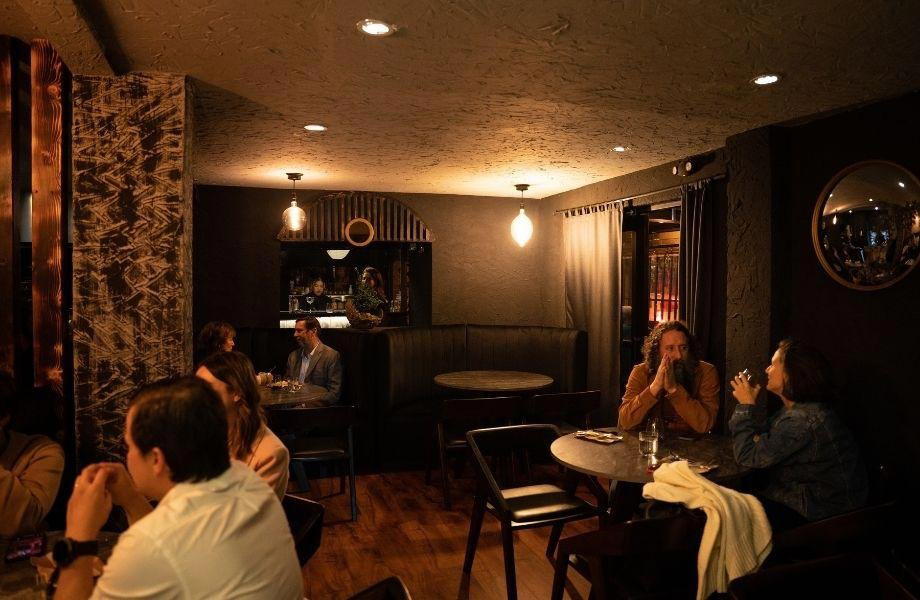
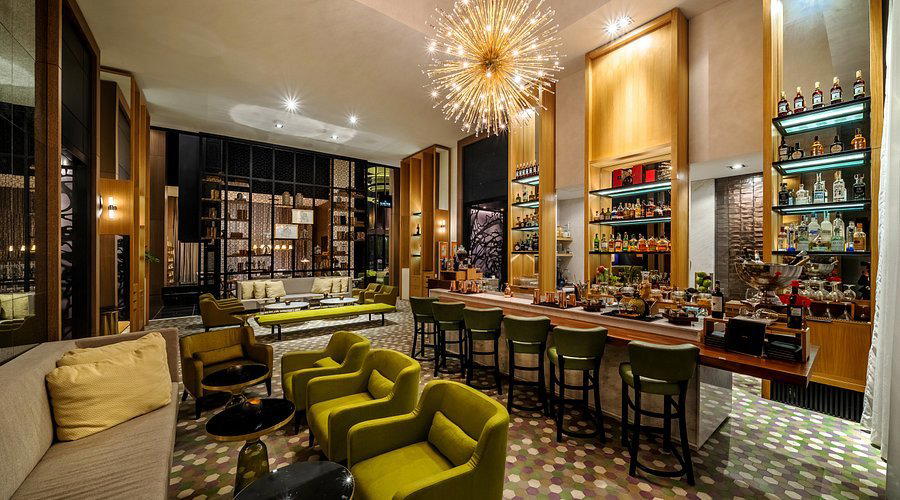
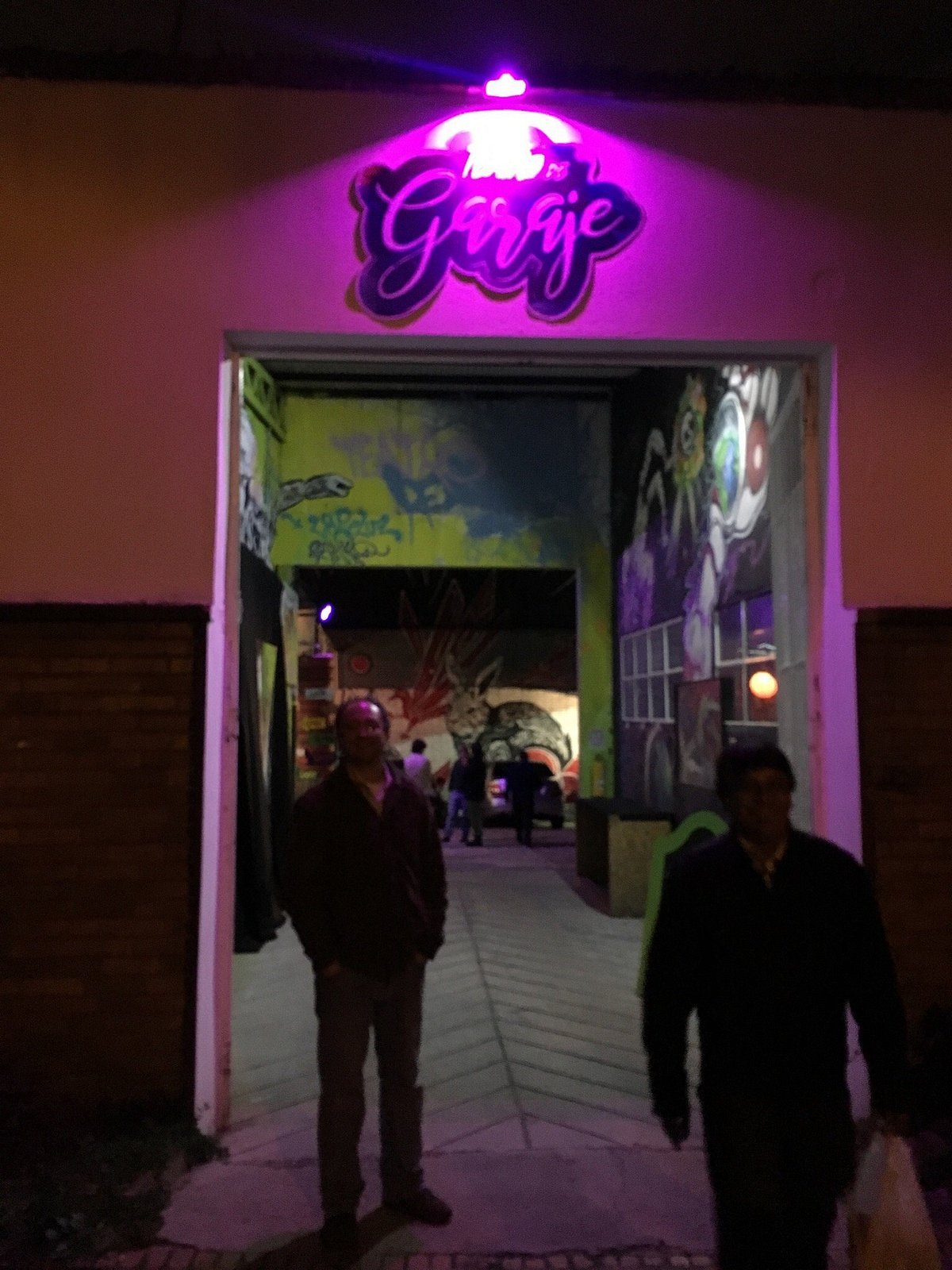
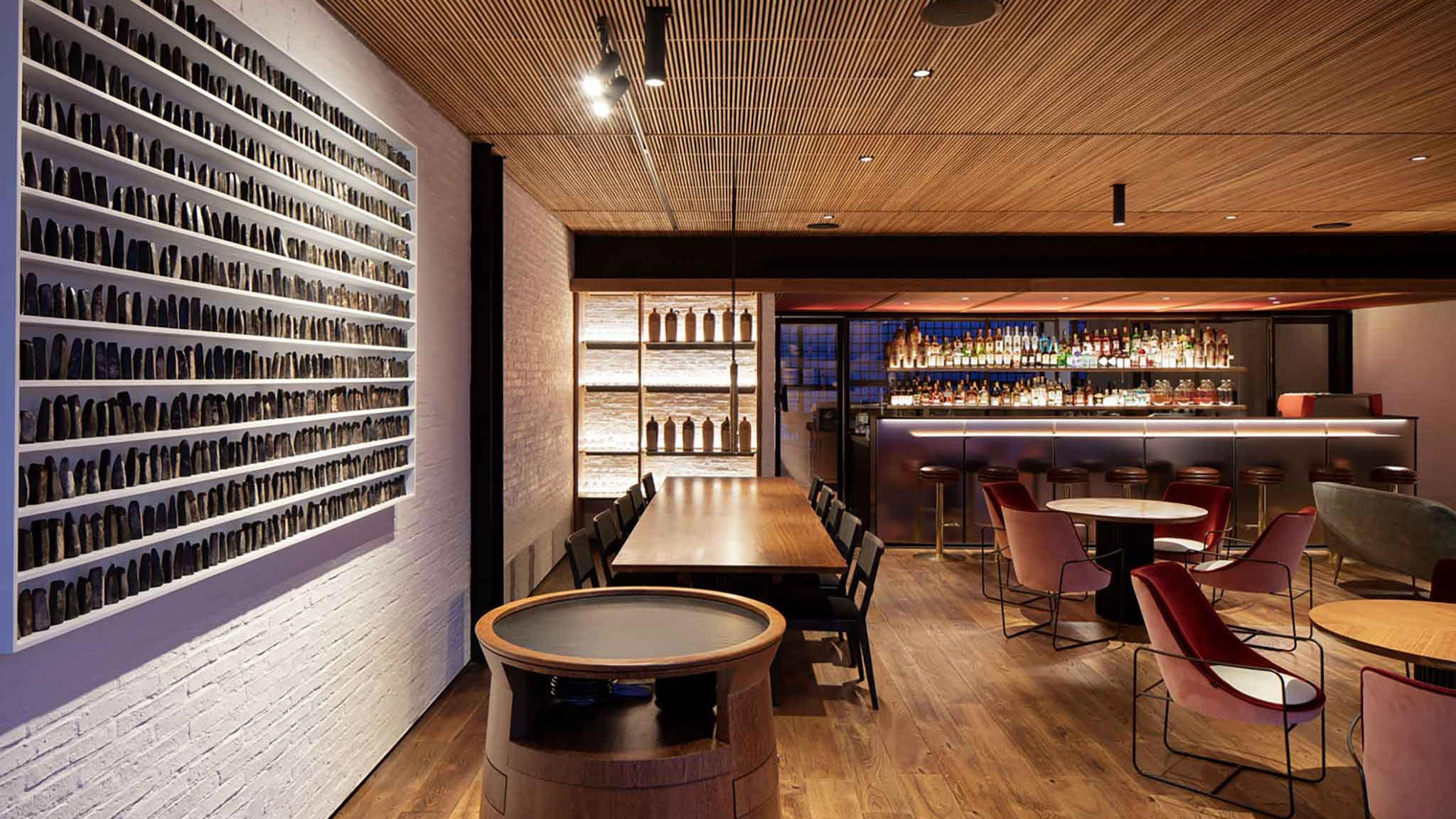
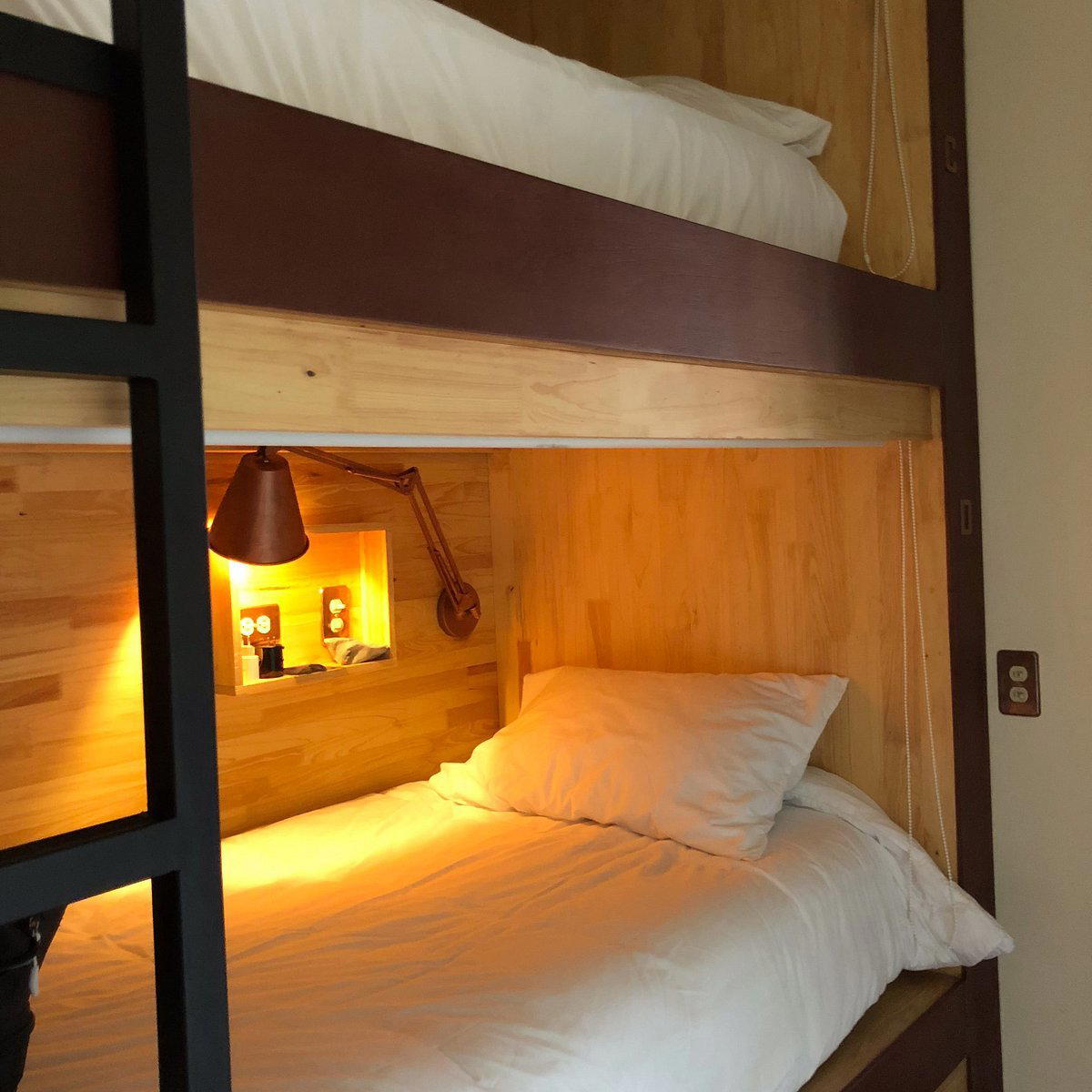
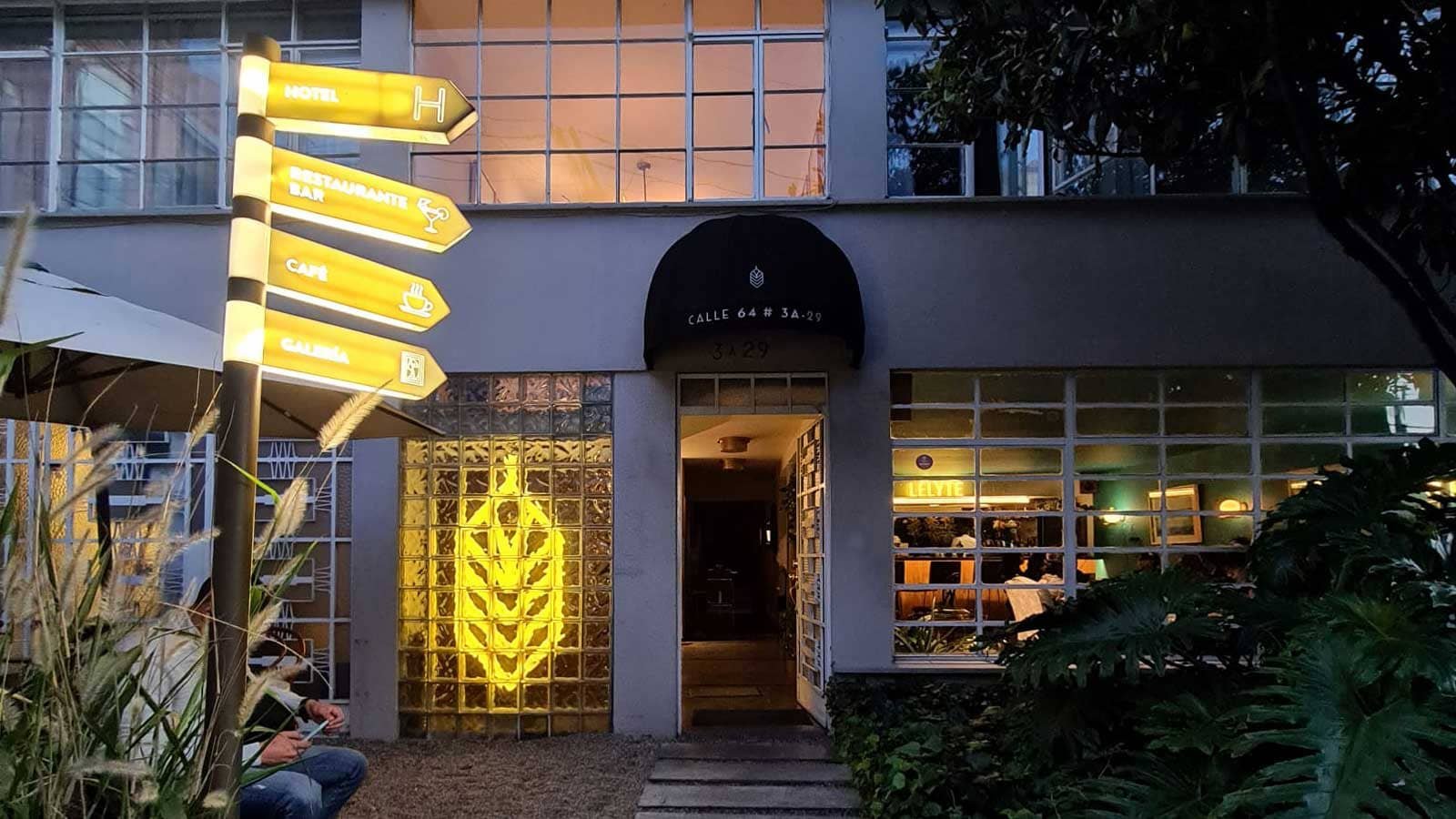
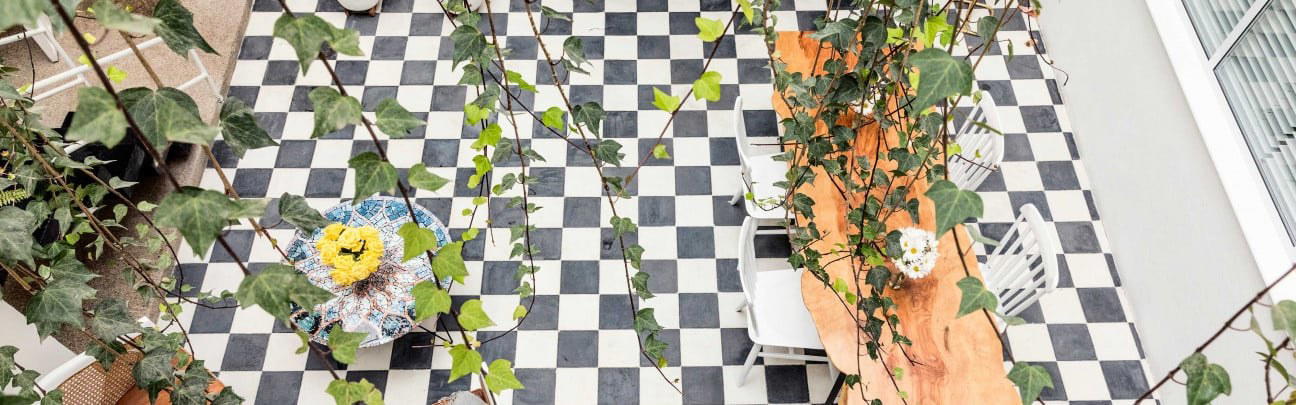
Intimate setting with warm service in a bohemian neighborhood atmosphere.