Takuma Cocina Show occupies a corner of Bogotá's Zona Rosa that rewards attention, presenting a cooking-as-performance format at Cra. 11 #69-76. The kitchen works as both stage and argument for Colombian ingredient sourcing, placing regional produce at the centre of each service. For visitors tracking the city's evolving modern dining scene, it sits in the same conversation as El Chato and Leo without directly replicating either.
Pearl is the En Primeur Club membership app — saves, bookings, and concierge access live there. Same editors, same standards.
- Address
- Cra. 11 #69-76, Bogotá, Colombia
- Phone
- +573142997648
- Website
- takuma.com.co
- Directions
- Get directions
 Saves & bookings on Pearl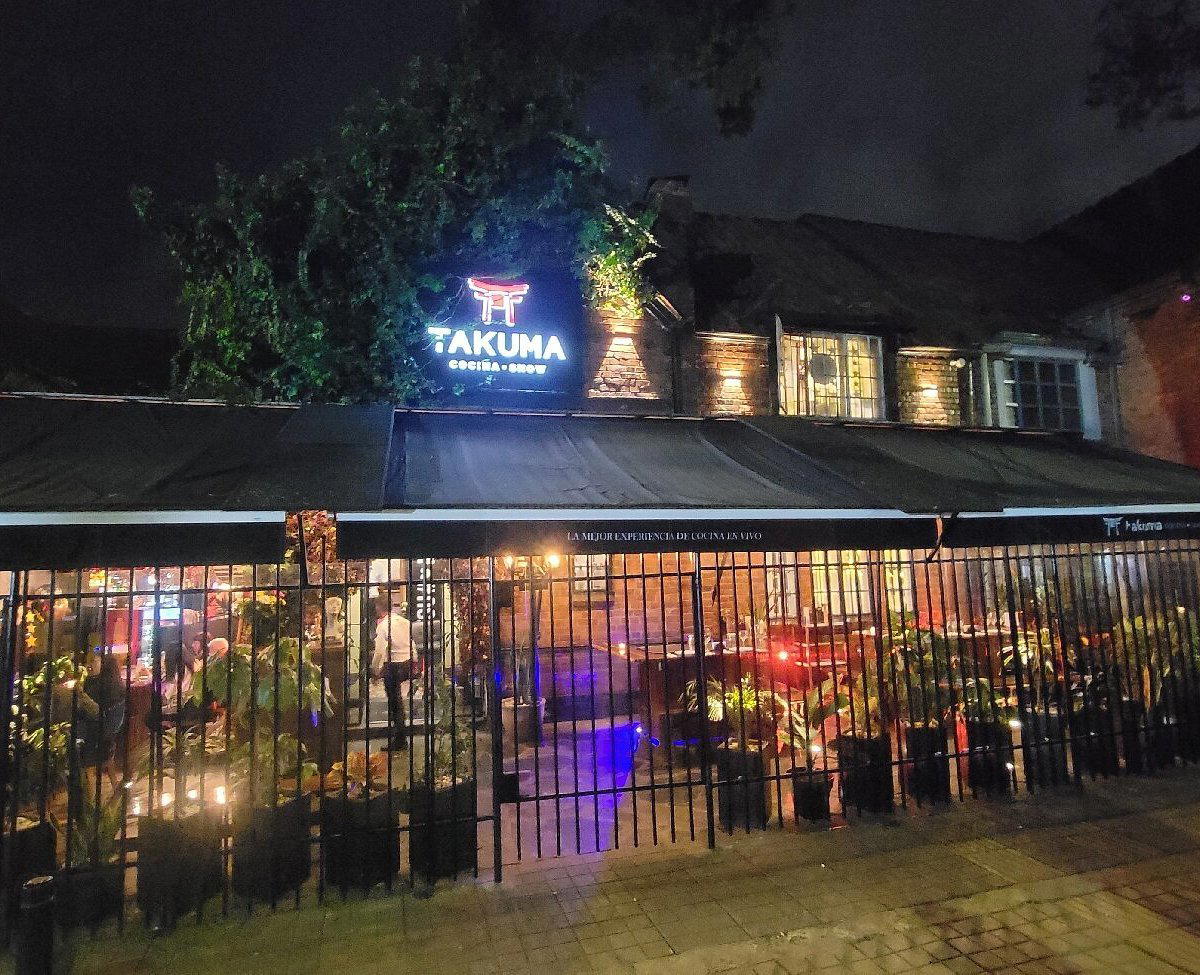
Where the Kitchen Becomes the Room
Bogotá's Zona Rosa has spent the better part of a decade sorting itself into tiers. The neighbourhood around Cra. 11 and Calle 69 carries a particular density of mid-to-upper dining formats, where the physical design of a restaurant is expected to do argumentative work, not just decorative work. Takuma Cocina Show, at Cra. 11 #69-76, operates in that vein: the kitchen is the architectural centrepiece, positioned so that cooking is witnessed rather than concealed. This is a format with real precedent in the city, but Takuma's interpretation places ingredient sourcing inside the performance itself, making the provenance of what arrives on the pass a legible part of what diners are watching.
The show-kitchen format is well-established across Bogotá's serious dining tier. Takuma appears to take the third position, which places it in productive tension with venues like El Chato (Modern Colombian) and Leo (Modern Colombian), both of which have built strong cases for Colombian biodiversity as a serious culinary argument. The city now has enough venues making that argument that diners can begin to compare approaches rather than simply celebrate the category.
The Sourcing Argument
Colombia's ingredient geography is among the more varied in the Americas. Altitude differentials across the Andes produce microclimates at close range: a few hours of road from Bogotá, a grower can move from páramo-altitude tubers to lowland tropical fruit without crossing an international border. That proximity is an advantage that Bogotá's more thoughtful kitchens have been working to articulate for years. The visible-kitchen format at a venue like Takuma is one way of making that argument tangible. When sourcing is part of the show, the question of where something comes from is not relegated to a menu footnote but becomes part of what the diner observes across a meal.
This approach carries obligations. A kitchen that places sourcing at the centre of its presentation is implicitly asking to be judged on ingredient quality, on whether what arrives at the counter reflects a real supply relationship or a marketing narrative. Bogotá diners who have been through the kitchens at Debora Restaurante or Afluente are already calibrated to that standard. The city's dining public has grown more literate about provenance claims over the past several years, and the bar for what counts as substantive sourcing work has risen accordingly.
Comparable venues in other Colombian cities illuminate how Bogotá's model has differentiated itself. 37 Park in Medellín and Cardinal Comida Peruana de Autor in Pereira each work with regional ingredients but within different urban contexts and diner expectations. Bogotá's altitude and its role as a transit point between Colombia's ecological zones gives its kitchens access to a wider pantry on any given week, and venues operating in the Zona Rosa tier are expected to use that access demonstrably.
Reading Takuma Against the Bogotá Field
The modern Colombian dining scene has consolidated around a relatively small number of formats. Takuma's name and format signal the third category. The cocina show framing is a direct announcement of intent: this is not a room where the kitchen disappears behind closed doors.
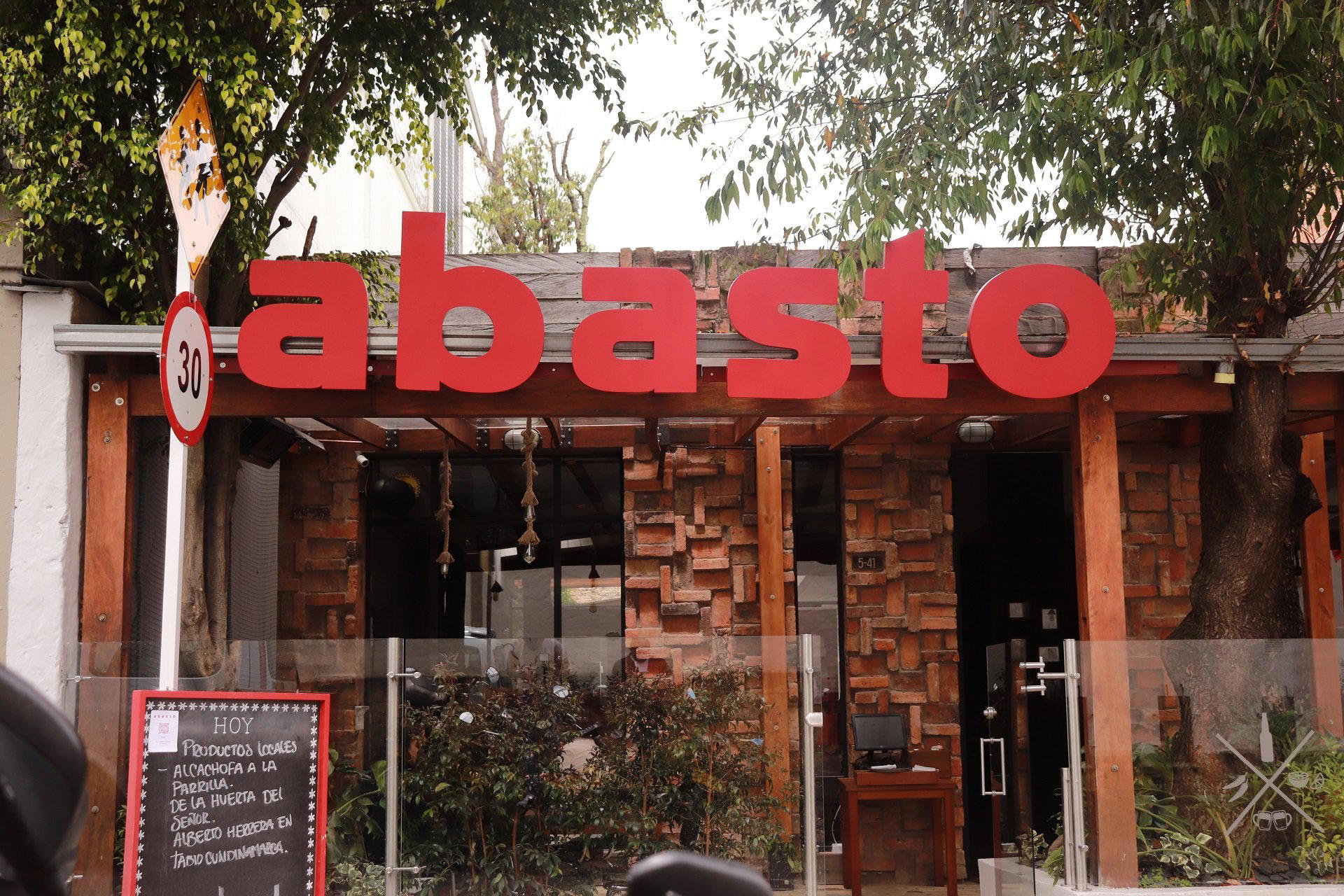
Within Bogotá's Zona Rosa specifically, the address at Cra. 11 #69-76 places Takuma within easy reach of Abasto Quinta Camacho, which operates in a different register but draws from a similar pool of ingredient-conscious diners. The neighbourhood functions as a circuit for diners working through multiple meals across a stay, and Takuma's format is legible within that circuit as the option that foregrounds process most explicitly.
For international visitors arriving with reference points from high-scrutiny markets, the comparison is instructive. Show-kitchen formats at venues like Le Bernardin in New York City or the tasting counter at Atomix in New York City operate in a comparable set defined by decades of critical infrastructure. Bogotá's version of the same format is still being written into a critical framework that is younger and more fluid, which means the leading Bogotá venues in this tier are making the argument for the category at the same time as they're executing within it. That dual burden tends to produce either genuinely distinctive work or noisy positioning. Which side of that line a venue like Takuma lands on is a question the room itself has to answer.
Seasonal Timing and the Bogotá Calendar
Bogotá runs on a compressed seasonal calendar. Colombia's agricultural zones do cycle through periods of abundance for specific products, and kitchens that source directly tend to reflect those cycles in their menus.
Visitors planning around food should treat these periods as variables rather than fixed guides. A kitchen genuinely committed to sourcing will change its output in response to what's available, which means that a meal in November may be substantively different from the same table in March. That variability is a feature of the format, not a limitation. Venues like Andrés Carne de Res in Chia operate at a different scale and register entirely, but across Colombian dining broadly, the relationship between calendar and ingredient availability is a more active variable than it would be in a kitchen working from imported or standardised supply chains.
Planning a Visit
Takuma Cocina Show is at Cra. 11 #69-76 in Bogotá's Zona Rosa, and reservations are recommended.
Comparable Venues
Comparable venues nearby, for context on price, style, and recognition.
| Venue | Cuisine | Price | Notes |
|---|---|---|---|
| Takuma Cocina ShowThis venue — the venue you are viewing | Japanese Teppanyaki & Sushi | $$$ | Not listed |
| Koi by Watakushi | Japanese Sushi and Asian Fusion | $$$ | Santa Barbara Oriental |
| Cacio & Pepe | Authentic Italian Taverna | $$$ | El Chico |
| The Red Room | Cocktail Bar & Lounge | $$$ | Quinta Camacho |
| Bistecca e Vino Da Trattoria de la Plaza | Italian Steakhouse & Wine Bar | $$$ | Emaus |
| Deraíz | Vegan Colombian Fusion | $$$ | Granada |
At a Glance
- Lively
- Energetic
- Trendy
- Group Dining
- Family
- Celebration
- Open Kitchen
- Sake Program
- Craft Cocktails
Current opening hours
- Monday
- 12–9:30 PM
- Tuesday
- 12–9:30 PM
- Wednesday
- 12–9:30 PM
- Thursday
- 12–9:30 PM
- Friday
- 12–10:30 PM
- Saturday
- 12–10:30 PM
- Sunday
- 12–8:30 PM
Hours can change for holidays and private events. Last verified .
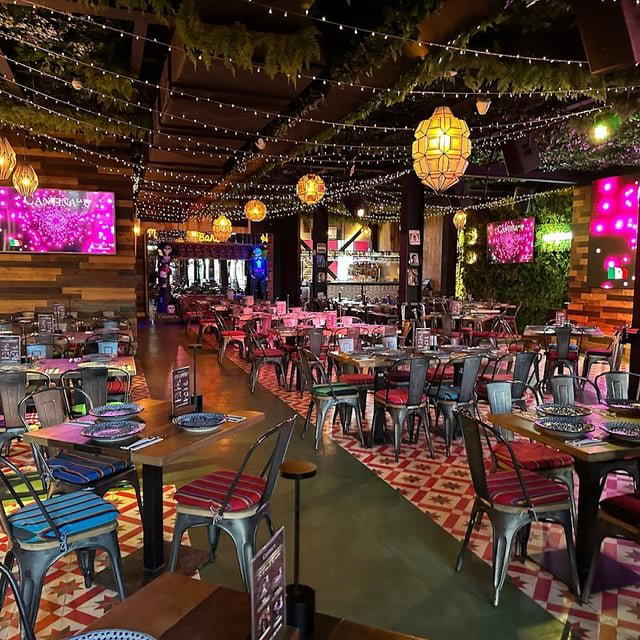
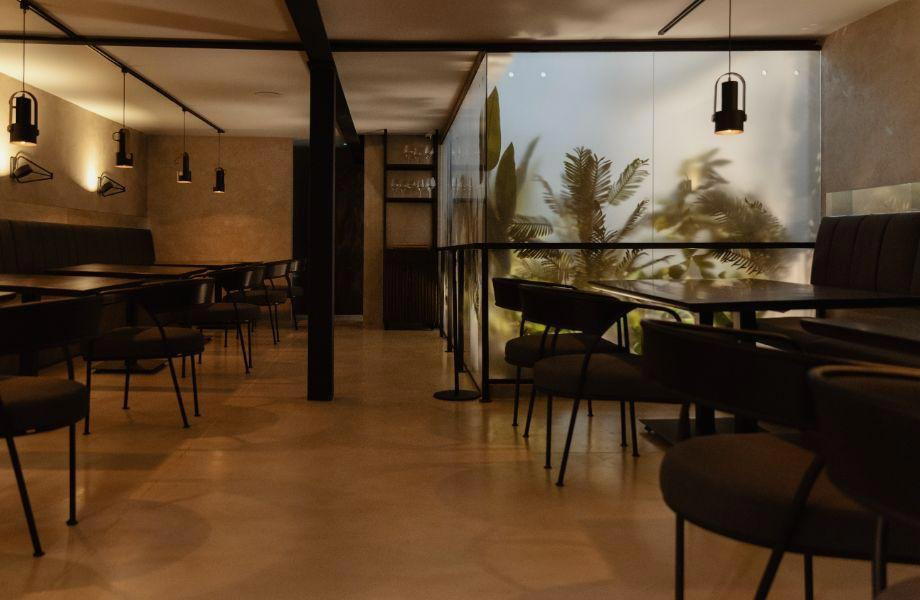
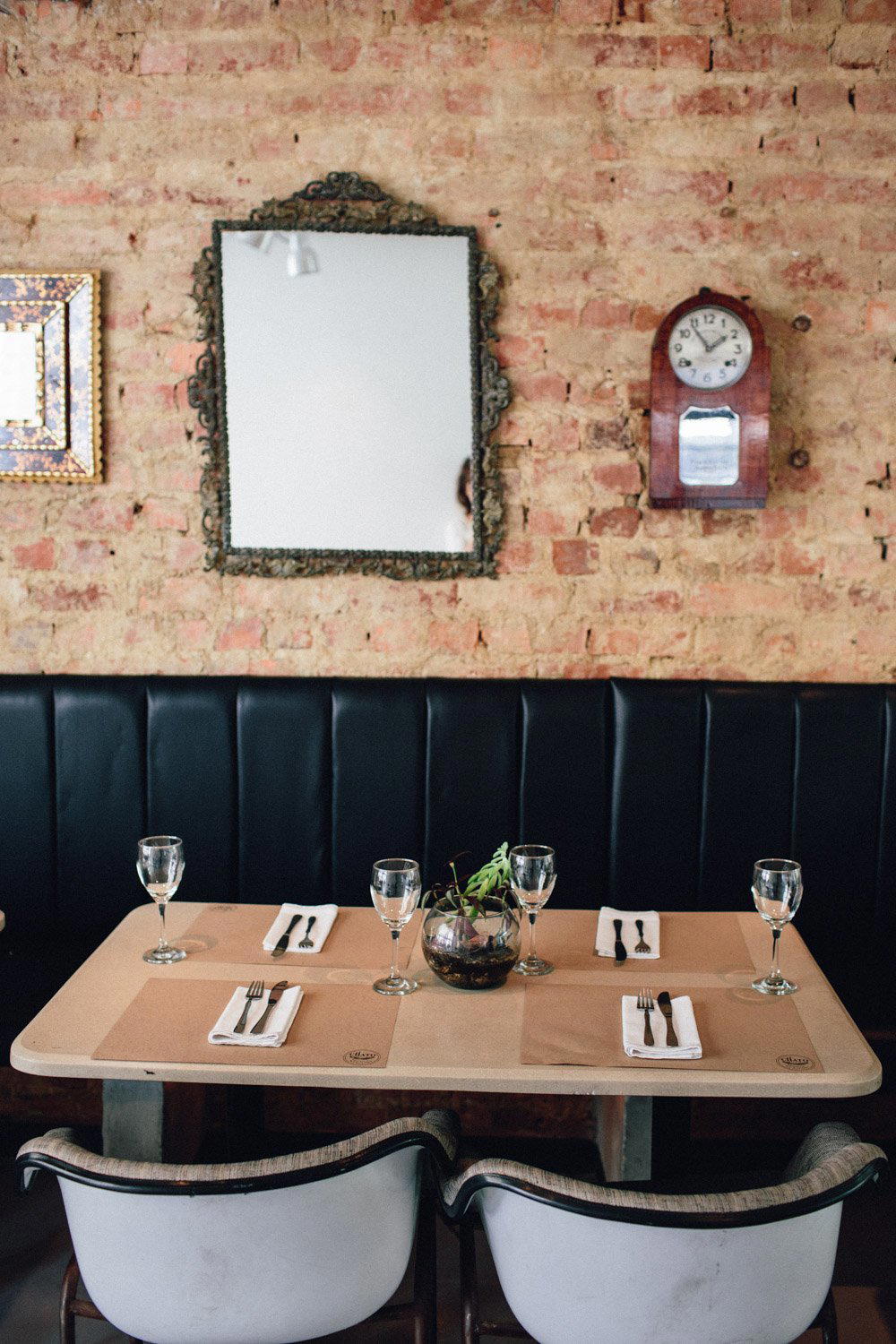
Lively and entertaining chill out atmosphere with engaging chef performances and lively communal dining.