Come eat
Come eat occupies a quiet address on Kerkstraat in Hoogmade, a village in the South Holland polder country that rarely appears on regional dining maps. The surrounding agricultural terrain shapes what ends up on the plate here, placing it within a Dutch tradition of hyper-local, produce-driven cooking that has found an unlikely foothold far from the country's urban restaurant circuits. For a deeper picture of what the area offers, see our full Hoogmade restaurants guide.
 Discover on Pearl
Pearl is the En Primeur Club membership app — saves, bookings, and concierge access live there. Same editors, same standards.
- Address
- Kerkstraat 22, 2355 AE Hoogmade, Netherlands
- Phone
- +31715012220
- Website
- contraste.nl
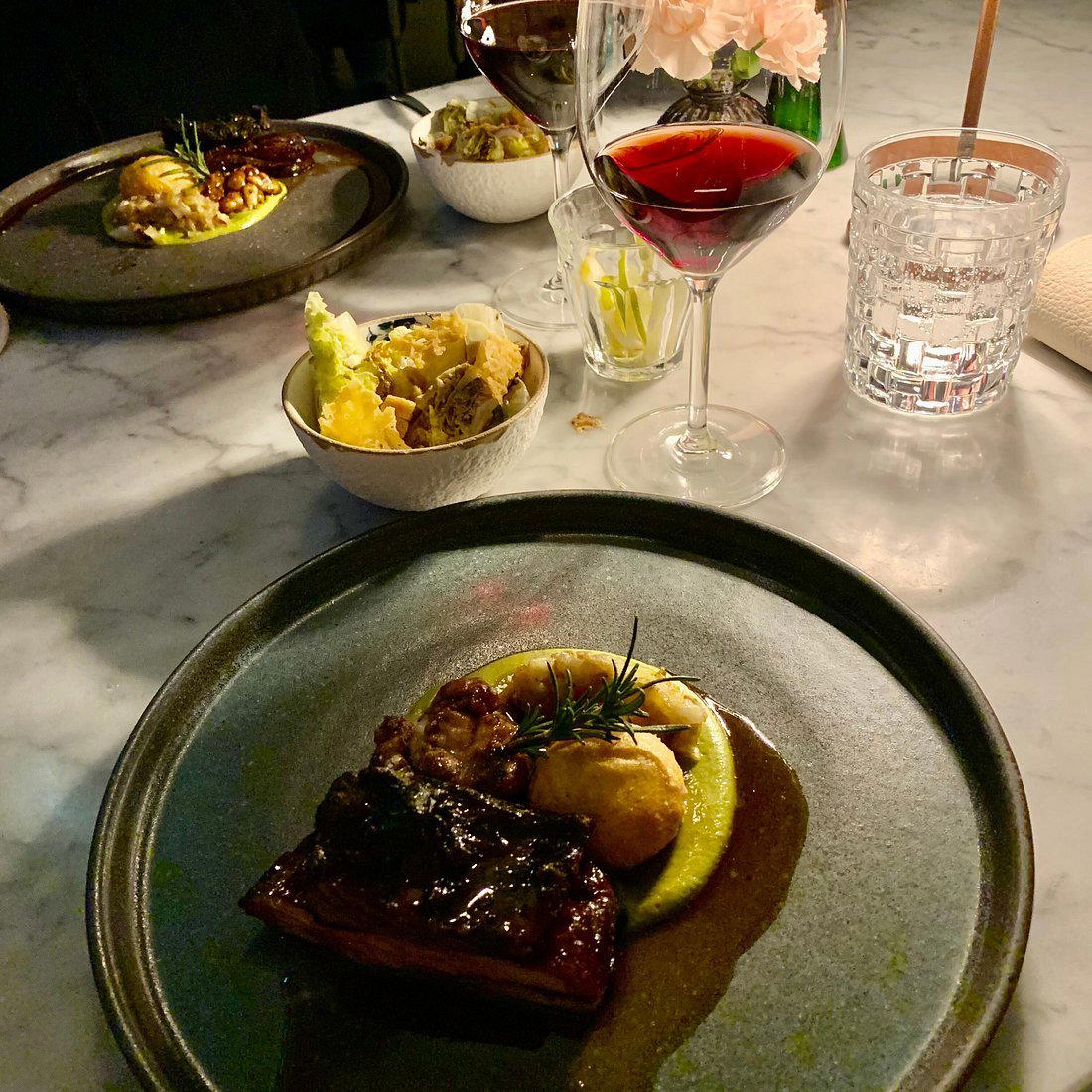
Polder Country, Plate to Field: Dining in Hoogmade
The South Holland polderlands between Leiden and Alphen aan den Rijn are not territory most food travellers think to mark on a map. The villages here, low-lying, separated by water channels and reed beds, have historically been working agricultural communities rather than dining destinations. That context is exactly what makes a place like Come eat, sitting on Kerkstraat in the village of Hoogmade, is a Dutch Seafood restaurant in Hoogmade, Netherlands. In the Netherlands, some of the most interesting eating happens in precisely this kind of rural setting, where proximity to primary producers is measured in metres rather than supply-chain spreadsheets.
The Dutch countryside around the Randstad has a tradition of village-based restaurants that draw on the surrounding land in direct ways. De Groene Lantaarn in Staphorst and Brut172 in Reijmerstok both operate within this rural-kitchen model, where the surrounding geography functions as a working larder. Come eat at Kerkstraat 22 sits within that same tradition, in a country where the distance from field to kitchen is often the operative measure of a restaurant's identity.
What the Landscape Puts on the Table
Polder terrain around Hoogmade produces a specific range of ingredients. Low-lying wet meadows support dairy cattle and waterfowl; the network of ditches and small waterways yields freshwater fish and aquatic plants. Market gardens in this part of South Holland, the same corridor that feeds much of the western Netherlands, grow field vegetables across a long growing season. A kitchen rooted in this geography works with ingredients at the peak of their local cycle rather than sourcing to a fixed menu template.
This approach to ingredient sourcing is not unique to Hoogmade, but it has become increasingly meaningful as a differentiator in the Dutch dining conversation. At the higher end, De Nieuwe Winkel in Nijmegen has made organic, hyper-regional sourcing a cornerstone of its Michelin-recognised programme. De Lindenhof in Giethoorn draws on Overijssel's water-rich terrain in comparable ways. What these places share is an understanding that the sourcing logic is inseparable from the cooking logic, you cannot separate the flavour of the plate from the provenance of the ingredient. A village kitchen in the South Holland polders operates within that same constraint, turned to advantage.
The Village Restaurant Format in Dutch Context
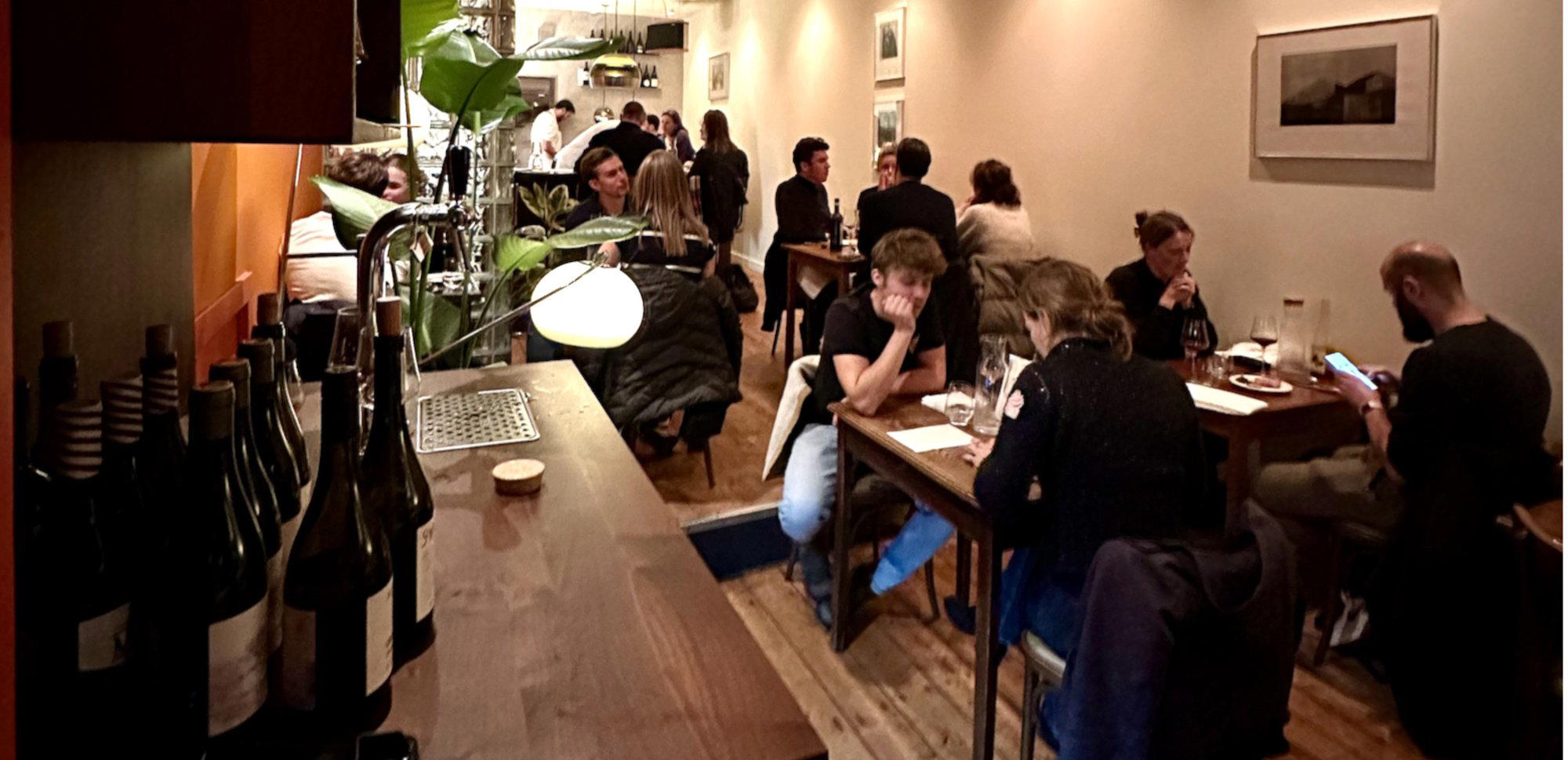
Small Dutch villages have historically supported local eetcafés and family-run restaurants oriented around the community rather than destination dining. The format at Come eat, from a Kerkstraat address in a village of this scale, is likely to reflect that local-restaurant character: a room sized for the community it serves, cooking that responds to what is available rather than what fits a predetermined concept, and a pace shaped by the rural rather than urban calendar.
That format has its own logic. The Dutch dining scene at its upper tier, represented by houses like De Librije in Zwolle, Inter Scaldes in Kruiningen, and Aan de Poel in Amstelveen, operates on a different register entirely, with multi-course tasting formats, extensive wine programmes, and price points that reflect their award standing. Come eat occupies a different position in that hierarchy: closer to the community-table tradition than to the destination-dining circuit, which is a choice with its own integrity.
For travellers accustomed to seeking out city-based restaurants, Ciel Bleu in Amsterdam or FG in Rotterdam, for example, the shift to a village format requires a recalibration of expectations. The value here is not spectacle or technical complexity for its own sake. It is the kind of direct, produce-led cooking that only works when the supply chain is short and the kitchen knows its sources personally.
Getting There and Thinking About the Visit
Hoogmade sits between Leiden and Alphen aan den Rijn in the South Holland polder region, accessible by car from both cities in under twenty minutes. Public transport to the village is limited, which makes it a destination that rewards planning rather than impulse. Given the rural address and village scale, booking is recommended.
The surrounding area offers context worth absorbing before or after eating. The polder landscape between Leiden and the Kaag lakes is flat, water-threaded, and largely unchanged in agricultural character, the kind of Dutch countryside that explains, visually, why ingredient sourcing in this region means something different from what it means in a city kitchen.
For those building a South Holland or broader Dutch restaurant itinerary, Come eat sits in a different register from the higher-end options in the region. Venues like De Bokkedoorns in Overveen, Central Park in Voorburg, and 't Nonnetje in Harderwijk occupy the formal end of the regional dining map. Come eat, by address and format, operates closer to the ground. That positioning is not a limitation, it is the point. The village restaurant, when it is doing its job properly, is where the sourcing story is most legible.
Internationally, the model has parallels at places like Lazy Bear in San Francisco, where community-format dining reframes the relationship between kitchen and guest, or in the produce-centred rigour that defines places like Le Bernardin in New York City at a very different price tier. The principle, that sourcing discipline shapes everything downstream, holds across registers.
In Context: Similar Options
Comparable venues nearby, for context on price, style, and recognition.
| Venue | Cuisine | Price | Awards | Notes |
|---|---|---|---|---|
| Come eatThis venue — the venue you are viewing | Dutch Seafood | $$ | , | |
| Bierhandel de Pijp | Traditional Dutch Bistro | $$ | , | Oude Westen |
| NAP | Dutch Seafood with Local Island Flavors | $$ | , | West-Terschelling |
| De Lepelaar | Dutch Seafood | $$$ | , | Jisp |
| Mathenesserweg 21b | Dutch Stroopwafel Cafe | $$ | , | Spangen |
| Silver | Modern Dutch Seafood | $$$ | , | Zilverpark |
Continue exploring
More in Hoogmade
Restaurants in Hoogmade
Browse all →
Bars in Hoogmade
Browse all →
Hotels in Hoogmade
Browse all →
At a Glance
- Cozy
- Hidden Gem
- Date Night
- Casual Hangout
- Waterfront
- Terrace
- Local Sourcing
- Waterfront
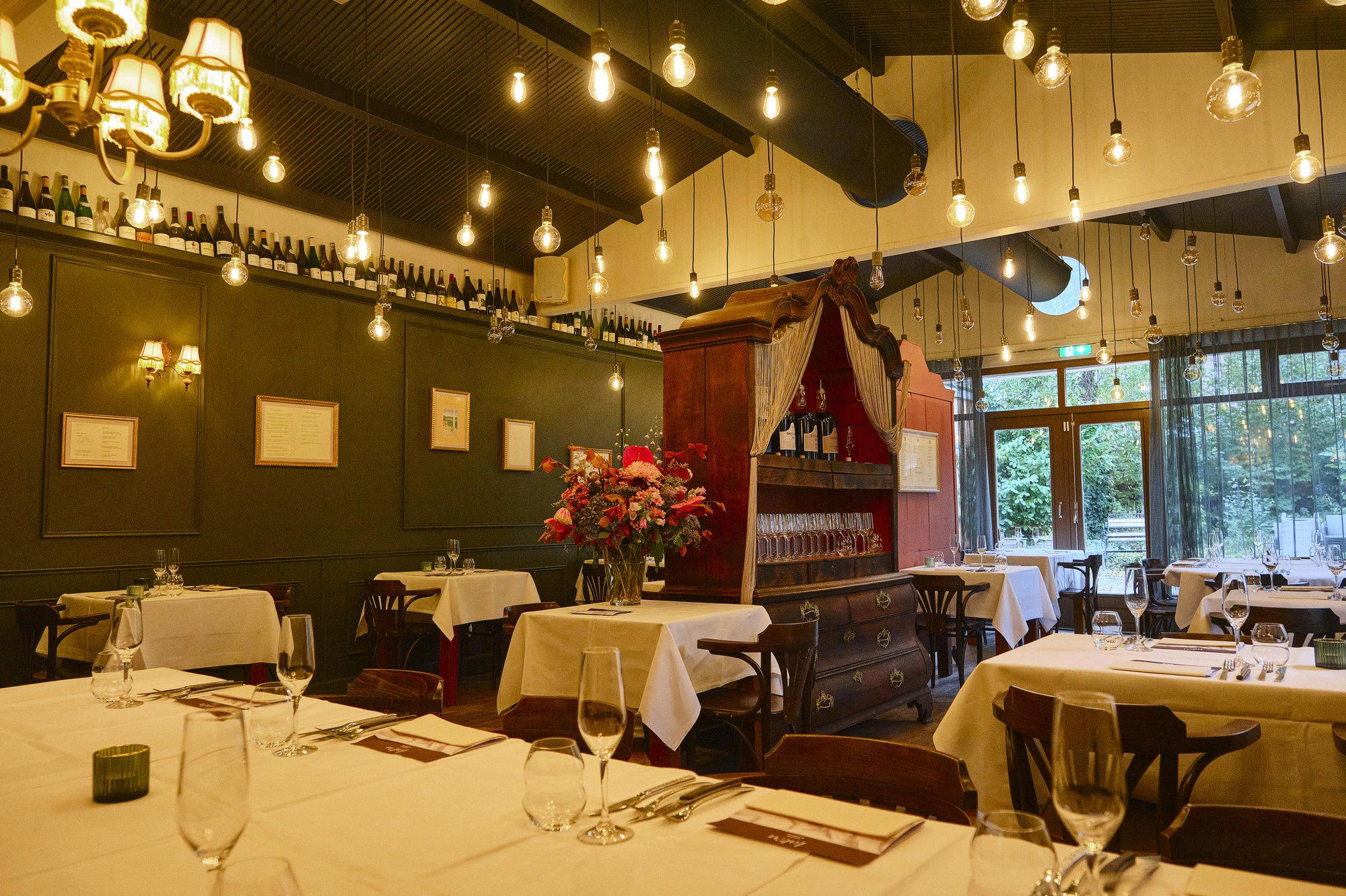
Rustic and home-like with an exotic, relaxed atmosphere by the river.[1][4]