De Lepelaar

Michelin Plate
Our verdict
De Lepelaar sits in Jisp, a compact polder village in the Noord-Holland waterlands north of Amsterdam, where the Dutch countryside asserts itself in the flattest possible terms. The address at Molenpad 2 places it squarely in a setting shaped by water, reeds, and agricultural rhythm — the kind of environment where ingredient provenance writes itself into the surroundings before the kitchen has even opened its doors.

Pearl is the En Primeur Club membership app — saves, bookings, and concierge access live there. Same editors, same standards.
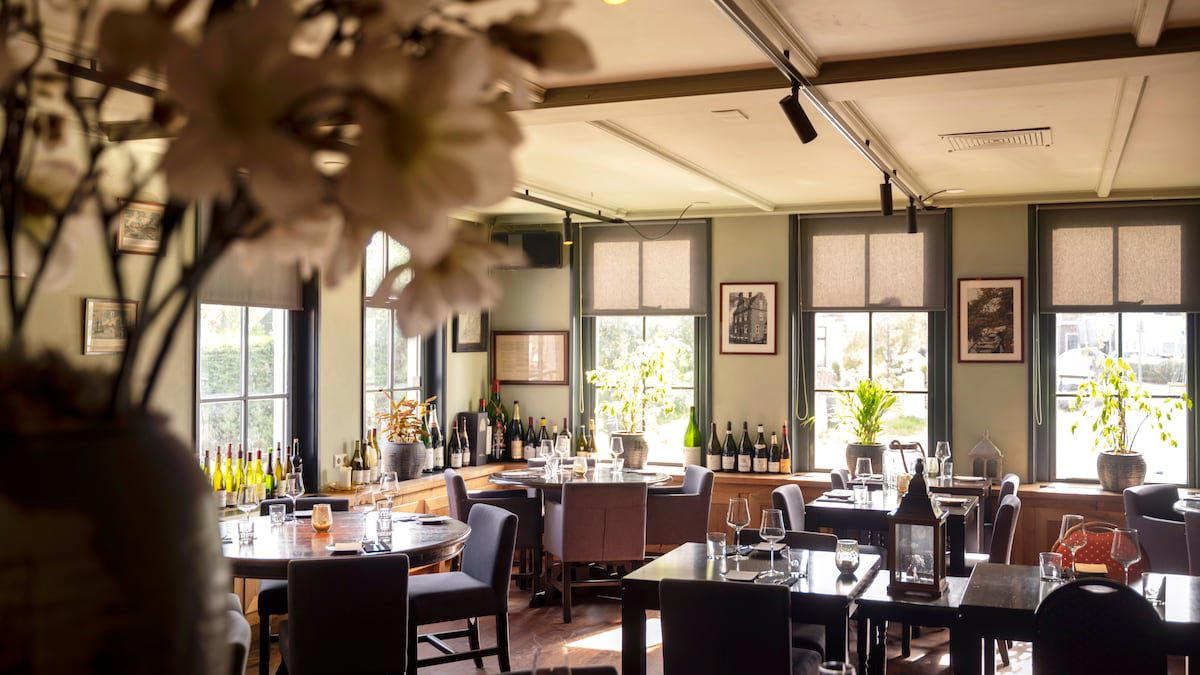
Where Polder Country Meets the Plate
The Noord-Holland waterlands north of Amsterdam operate on a different register from the city's restaurant density. Villages like Jisp — a ribbon of houses along a canal, population counted in the hundreds — sit inside a preserved polder landscape where the land itself has been shaped by centuries of water management. Arriving at Molenpad 2, you read the environment before you read any menu: flat fields, open sky, the smell of damp reed margins. In that context, the sourcing conversation that dominates serious Dutch dining becomes less abstract. The ingredients are, in many cases, visible from the road.
This is the broader story of Dutch fine dining's turn toward hyper-local sourcing, a movement that has gathered pace across the country's rural addresses. Venues such as De Nieuwe Winkel in Nijmegen have built international attention around organic and foraged sourcing; De Lindenhof in Giethoorn operates inside a similarly water-defined northern landscape. De Lepelaar sits in that same geographic and culinary tradition, where the distance between field or waterway and kitchen is a point of discipline rather than marketing copy.
The Jisp Setting and What It Implies
Jisp is not a dining destination in the way Amsterdam's canal belt or Rotterdam's food quarters function. It is a village of the Wormerland municipality, designated as a protected rural area, and its character is defined by what has not been built rather than what has. The canal-side approach along Molenpad places any table here inside a landscape that has changed remarkably little in outline over several centuries. For a kitchen oriented around ingredient sourcing, that environment is less backdrop than raw material: the waterlands support eel, waterfowl, and dairy traditions that have fed Noord-Holland for generations.
That geographic specificity puts De Lepelaar in a category occupied by a number of Dutch rural addresses that have quietly developed serious culinary identities far from the urban restaurant circuit. De Groene Lantaarn in Staphorst, Brut172 in Reijmerstok, and De Treeswijkhoeve in Waalre all operate in villages that require deliberate navigation, and all make the case that destination dining in the Netherlands does not require a Michelin-dense city postcode. The commitment to arriving somewhere specific is, in each case, part of the proposition.
Sourcing in a Landscape That Makes Its Own Argument
The ingredient sourcing conversation in high-end Dutch dining has shifted considerably in the past decade. Where Michelin-starred addresses once leaned heavily on French produce supply chains, the same logic that shaped De Librije in Zwolle's earlier identity before it developed its own northern Dutch voice, the current generation of rural kitchens has moved toward demonstrating that the Netherlands produces enough ingredient diversity to sustain a serious tasting menu without reaching south of the border for credibility.
The Wormerland polder system around Jisp contributes directly to that argument. Noord-Holland dairy, in particular, carries genuine regional character: the grass-fed milk from polder cattle produces butter and cheese with a flavor profile distinct from the industrial dairy that still dominates Dutch export figures. Freshwater fish from the IJmeer and surrounding waters, locally raised poultry, and the region's long market-garden tradition in the Haarlemmermeer corridor all sit within short supply radius. For a kitchen at De Lepelaar to draw on these sources is less a philosophical choice than a geographic convenience that, executed with discipline, becomes a culinary statement.
Internationally, the comparison points for this kind of place-rooted sourcing sit in dining rooms like Lazy Bear in San Francisco, where the specific agricultural context of Northern California is legible on every plate, or in the rigorous fish-first sourcing that defines Le Bernardin in New York City. The method differs, but the underlying logic is the same: ingredient origin as editorial argument, not garnish.
Placing De Lepelaar in the Dutch Rural Dining Tier
The Netherlands has produced a consistent pattern of fine dining addresses in non-urban settings that punch above their postcode in terms of ambition and execution. Inter Scaldes in Kruiningen operates in a Zeeland village that requires a specific journey; Tribeca in Heeze and De Lindehof in Nuenen serve the Brabant countryside rather than its cities. The tier is defined less by Michelin density than by the quality of the commitment: kitchens that have decided their location is an asset to exploit rather than a limitation to overcome.
De Lepelaar at Molenpad 2, Jisp, fits that pattern by address alone. Whether it operates in direct comparison with De Bokkedoorns in Overveen, another Noord-Holland address with a landscape-aware identity, or with the Amsterdam metropolitan orbit venues like Aan de Poel in Amstelveen and Ciel Bleu in Amsterdam, depends on the kitchen's specific choices. Those details, where the venue data does not yet confirm them, are for the diner to verify directly. What the address confirms is the context: polder country, a waterland village, and the sourcing story that geography makes available.
For readers cross-referencing the broader Noord-Holland dining scene, our full Jisp restaurants guide covers the local context in greater depth. Comparison points further afield include FG, François Geurds in Rotterdam, 't Nonnetje in Harderwijk, and Central Park in Voorburg for those building a Netherlands itinerary around rural fine dining addresses.
Planning Your Visit
Jisp is accessible from Amsterdam by car in under 30 minutes via the A10 and N247 corridor, with the Wormerland polder roads providing the final approach. Public transport to the village is limited, making private or hired transport the practical choice for most visitors. Given the village's size and the nature of the address, confirming current opening hours, reservation requirements, and pricing directly with the venue before travelling is strongly advised. The setting rewards those who arrive with time to absorb the landscape before and after the meal rather than treating the drive as purely logistical.
Frequently asked questions
Does De Lepelaar work for a family meal?
Jisp is a quiet village in the Wormerland municipality, and De Lepelaar's setting on Molenpad reflects that register — unhurried and away from urban noise. The rural Noord-Holland location does make the journey itself part of the occasion, particularly for families arriving by car from Amsterdam.
What's the vibe at De Lepelaar?
De Lepelaar occupies a polder-country setting in Jisp, a ribbon village roughly 30 minutes north of Amsterdam along the N247 corridor — which frames the atmosphere before you arrive. The Wormerland waterlands impose a particular quietness that urban Dutch restaurants cannot replicate.
Is De Lepelaar worth the drive from Amsterdam for a special occasion dinner?
De Lepelaar sits at Molenpad 2 in Jisp, reachable from Amsterdam in under 30 minutes via the A10 and N247. The Netherlands has a documented pattern of non-urban dining addresses in Noord-Holland that draw Amsterdam residents for precisely the contrast in setting and pace.
What should I order at De Lepelaar?
What the Noord-Holland polder context does suggest is proximity to regional producers — dairy, waterfowl, and fresh water fish feature prominently in serious Dutch rural kitchens at this latitude. Reaching out to De Lepelaar directly at Molenpad 2, Jisp before your visit will clarify the current menu and any seasonal focus.
What part of town is De Lepelaar in?
De Lepelaar is located at Molenpad 2, 1546 LC Jisp, Netherlands, Jisp.
How It Stacks Up
Comparable venues nearby, for context on price, style, and recognition.
| Venue | Cuisine | Price | Awards | Notes |
|---|---|---|---|---|
| De LepelaarThis venue — the venue you are viewing | Dutch Seafood | Not listed | Michelin Plate | Not listed |
| Onze Kerk | Dutch Regional Shared Dining | Not listed | Not listed | Hooge Zwaluwe |
| Silva Dunes | Modern Dutch Seafood | Not listed | Not listed | Drunen |
| Wijmpje Beukers | Modern Dutch Eetcafé | $30–50 | Not listed | Van der Helstpleinbuurt |
| Herberg In De Valk | Fine Dining | Not listed | Not listed | Middelstum |
| Restaurant Lazuli | Modern Dutch Fine Dining | $100–150 | Not listed | Stadsdeel Centrum |
Recognition history
Dated appearances from independent guides and award organizations, with the underlying list record or original source where available.
Michelin Plate
Michelin · 2026 Michelin Plate
Continue exploring
More in Jisp
Restaurants in Jisp
All restaurants in Jisp →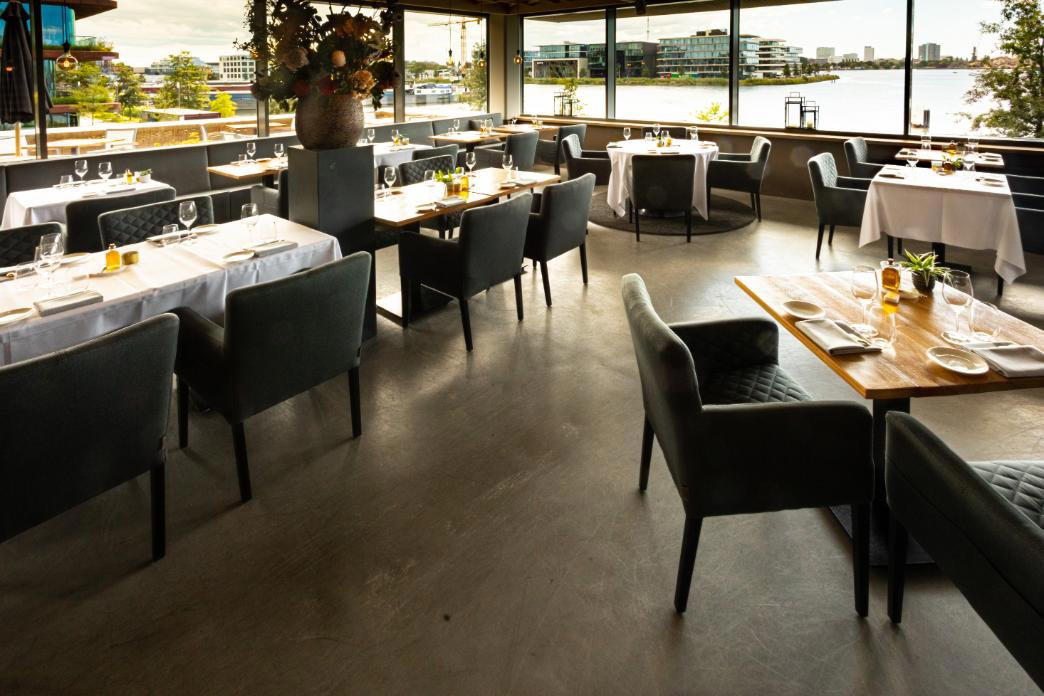
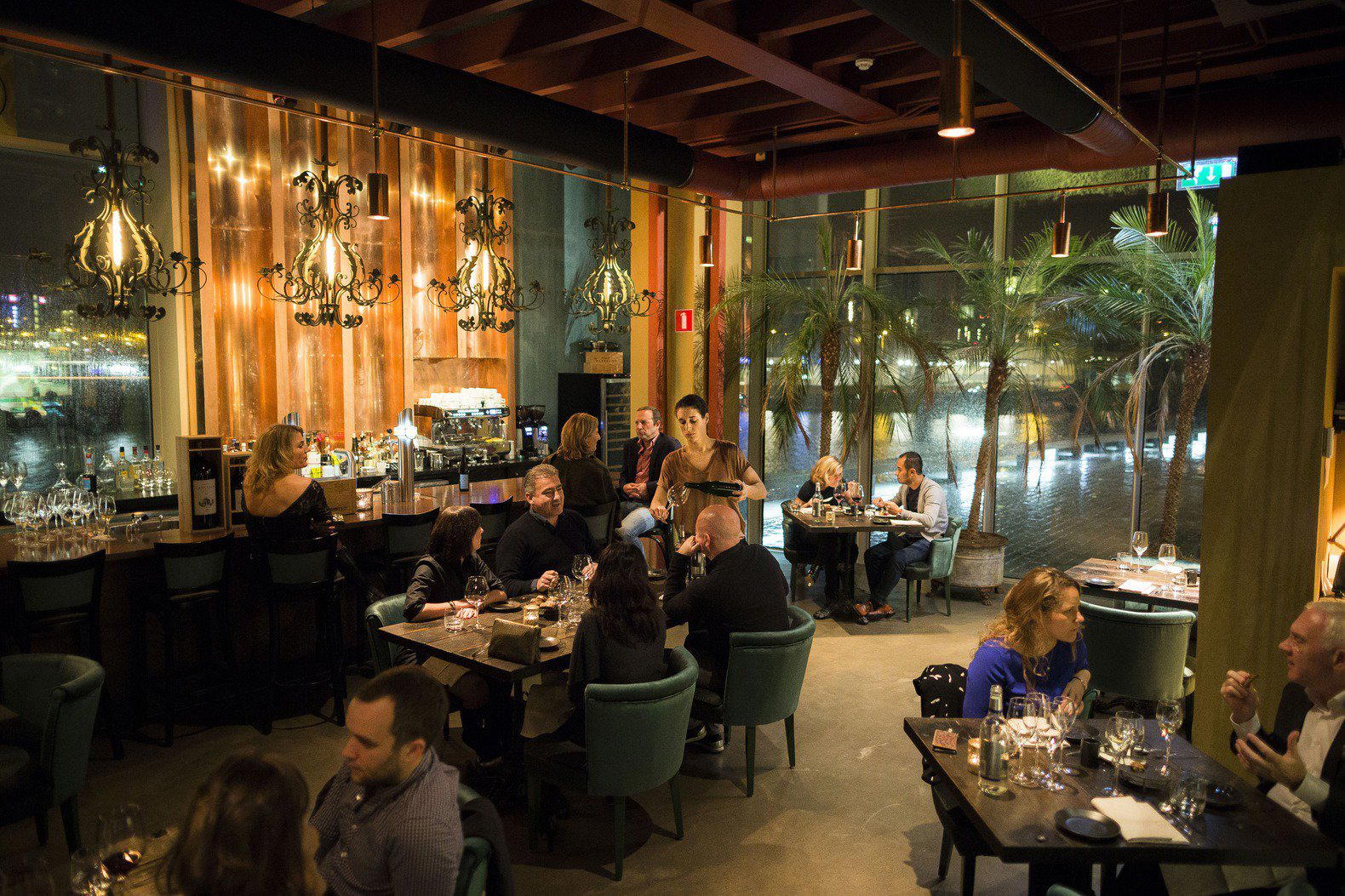
Bars in Jisp
Browse all →
Hotels in Jisp
Browse all →
Wineries in Jisp
Browse all →
Details
- Cozy
- Rustic
- Intimate
- Date Night
- Special Occasion
- Terrace
- Waterfront
- Extensive Wine List
- Waterfront
- A La Carte
- Small Plates
- Vegetarian Friendly
Current opening hours
- Monday
- Closed
- Tuesday
- Closed
- Wednesday
- 12 PM–12 AM
- Thursday
- 12 PM–12 AM
- Friday
- 12 PM–12 AM
- Saturday
- 12 PM–12 AM
- Sunday
- 12 PM–12 AM
Hours can change for holidays and private events. Last verified .
Cozy like a welcoming living room with relaxed, stylish atmosphere and beautiful terrace views.