NAP sits on Torenstraat in the heart of West Terschelling, a village where the North Sea ferry docks and most visitors start their island stay. The address places it within the small cluster of restaurants that serve Terschelling's seasonal visitors and year-round community alike. For context on how NAP fits into the wider island dining scene, see our full West Terschelling restaurants guide.
Pearl is the En Primeur Club membership app — saves, bookings, and concierge access live there. Same editors, same standards.
- Address
- Torenstraat 55, 8881 BH West-Terschelling, Netherlands
- Phone
- +31562443210
- Website
- hotelnap.nl
- Directions
- Get directions
 Saves & bookings on Pearl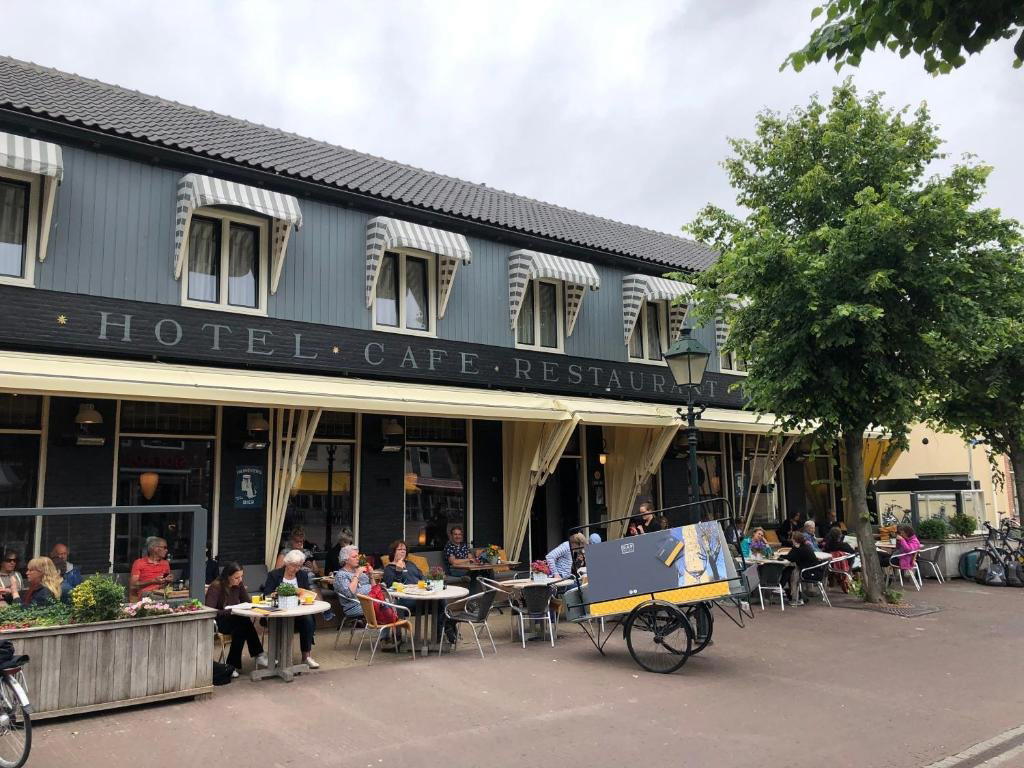
Dining at the Edge of the Wadden Sea
West Terschelling is not a dining destination you stumble into by accident. Reaching it requires a 45-minute ferry crossing from Harlingen on the Frisian mainland, a journey that filters its visitors considerably. The island sits inside the UNESCO-listed Wadden Sea, a tidal ecosystem that shapes not just the scenery but the logic of what gets cooked and eaten here. In places like this, the supply chain is not an abstraction. What arrives on the ferry, what grows in the dunes, what comes out of the tidal flats below the village — these are real constraints that the leading island kitchens work with rather than against.
NAP, addressed at Torenstraat 55 in the centre of West Terschelling, occupies a position in this context. The name itself is a reference point: NAP stands for Normaal Amsterdams Peil, the Dutch standard for sea level measurements, a designation that ties the venue linguistically to the flat, water-defined geography of the Netherlands. On an island where the relationship between land and sea is more immediate than almost anywhere else in the country, that choice of name carries weight.
What Island Sourcing Actually Means
The sourcing conversation in Dutch fine dining has matured considerably over the past decade. At the top of the Dutch table, chefs at places like De Nieuwe Winkel in Nijmegen have built entire reputations around plant-forward, hyper-local sourcing, while kitchens at De Librije in Zwolle and Aan de Poel in Amstelveen draw on Dutch produce as a component of broader creative programs. On an island like Terschelling, the sourcing argument takes on a different character. The question is not philosophical; it is logistical. Produce that grows on the island, fish pulled from the surrounding North Sea, and shellfish from the Wadden tidal flats are not marketing language. They are genuinely closer, fresher, and more integrated with the place than anything that needs to cross water to arrive.
Terschelling is known for its cranberries, a crop grown in the island's interior peat landscape and harvested each autumn. The island also sits within one of Europe's most productive marine environments. North Sea plaice, sole, and shrimp are regional staples, and the Wadden Sea's cockles and mussels are among the most closely monitored and sustainably managed shellfish harvests in Europe. Any kitchen on this island with serious intent has access to a larder that few mainland restaurants can replicate in terms of proximity and provenance.
Where NAP Sits in the West Terschelling Scene
West Terschelling itself is a small town by any measure. The lighthouse, the ferry terminal, and a compact cluster of streets make up the core. Torenstraat, where NAP is located, runs through the centre of that cluster. Dining options on the island range from casual beach cafes and seasonal tourist spots to a smaller number of kitchens with more considered programs. The island's dining scene does not carry the density of a city like Amsterdam or Rotterdam, but that scarcity has its own editorial logic: the restaurants that operate here year-round, or across a long enough season to matter, tend to be more rooted in place than their mainland counterparts.
For comparison, the Michelin-recognised tier of Dutch regional dining includes places operating far from urban centres, such as Inter Scaldes in Kruiningen in Zeeland, another coastal province with strong tidal-produce credentials, and De Bokkedoorns in Overveen near the North Sea coast. These venues demonstrate that distance from a major city does not preclude serious dining; in some cases it sharpens the sense of place. The same argument applies to the Wadden Islands.
NAP's profile does not currently carry published Michelin recognition or documented awards data, which places it in a different tier from the top-flight Dutch table. That is not unusual for island venues operating in a seasonal market with a visitor base that skews toward relaxed rather than celebratory dining.
The Island Dining Calculus
Eating well in a place like West Terschelling requires adjusting expectations in both directions. Mainland fine-dining conventions around elaborate tasting menus and extensive wine programs are less relevant here than the question of whether a kitchen is genuinely engaged with its immediate environment. The reader who crosses the Wadden Sea looking for an experience comparable to 't Nonnetje in Harderwijk or De Lindehof in Nuenen will likely be disappointed by any island restaurant on those terms. The reader who comes looking for a kitchen shaped by tidal geography, seasonal availability, and physical remoteness will find the island rewarding in ways that no urban restaurant can offer.
Timing matters on Terschelling. The island's visitor season peaks in summer, when the beaches draw domestic tourists from across the Netherlands. Autumn brings the cranberry harvest and generally calmer conditions. Winter reduces the ferry schedule and closes a significant portion of the island's hospitality offer. Any visit to a specific venue requires confirming current seasonal operating hours, which can shift year to year based on demand and staffing. Booking ahead, particularly in summer and during Dutch school holiday periods, is the sensible approach for any West Terschelling restaurant with a limited seat count.
Visitors travelling from Amsterdam should factor in the train to Harlingen (approximately two hours from Amsterdam Centraal) and the Doeksen ferry to West Terschelling, which runs multiple times daily in peak season but reduces in frequency in winter. The crossing adds a layer of planning that filters out casual visitors and gives the island its particular character as a place people choose deliberately. For a full picture of dining options across the island, see our full West Terschelling restaurants guide.
Those with a broader Dutch fine dining itinerary in mind might pair a Terschelling stay with visits to De Groene Lantaarn in Staphorst or De Lindenhof in Giethoorn, both within driving range of the Frisian coast and operating at a level of regional seriousness that complements rather than overshadows an island dining experience. For those looking further afield for context on how coastal sourcing translates into elite cooking, the fish-forward programs at Le Bernardin in New York City and the hyper-local Korean approach at Atomix in New York City represent different international expressions of the same sourcing discipline that island kitchens like NAP operate within by necessity rather than design.
Planning a Visit
NAP is located at Torenstraat 55, 8881 BH West-Terschelling. Given the island's seasonal rhythm, confirming current opening hours and reservation availability directly with the venue before travel is strongly advised. The summer high season runs from late June through August; the shoulder months of May, June, and September offer smaller crowds with most venues still operating. For a broader view of where NAP sits relative to other options on the island, the West Terschelling restaurants guide provides current context. Those interested in the wider tier of Dutch regional dining with documented accolades can cross-reference venues including Brut172 in Reijmerstok, De Treeswijkhoeve in Waalre, Tribeca in Heeze, and 't Amsterdammertje in Loenen aan de Vecht.
How NAP West Terschelling compares with similar nearby venues.
| Venue | Cuisine | Price |
|---|---|---|
| 't Golfje | Modern French | €€€ |
Continue exploring
More in West Terschelling
Restaurants in West Terschelling
Browse all →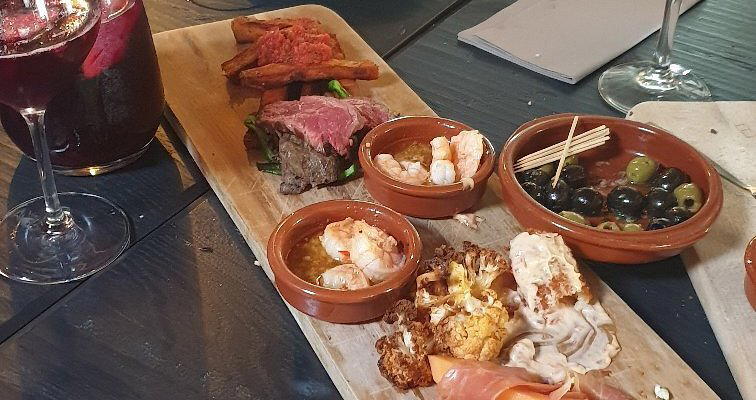
Hotels in West Terschelling
Browse all →
At a Glance
- Cozy
- Modern
- Date Night
- Special Occasion
- Hotel Restaurant
- Extensive Wine List
- Local Sourcing
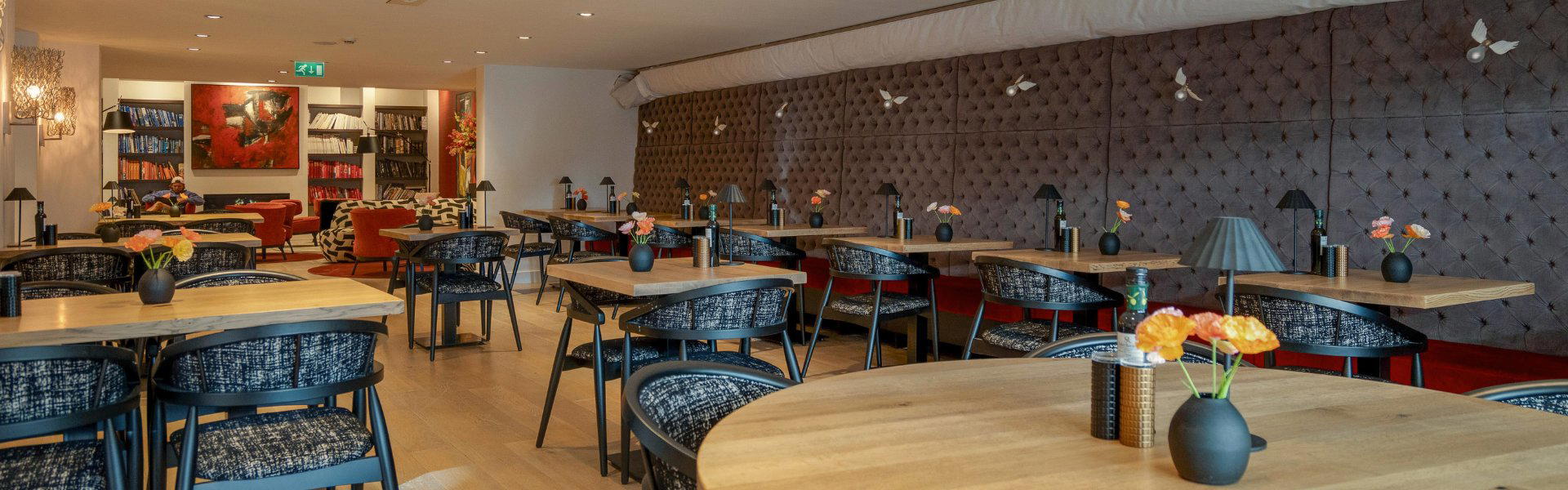
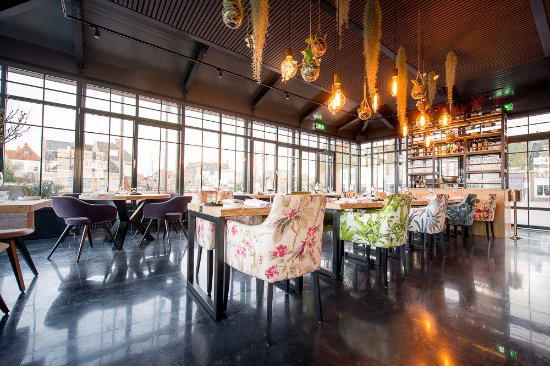
Cozy and pleasant atmosphere with friendly service and creative, beautifully presented dishes.