Bierhandel de Pijp
Bierhandel de Pijp sits on Gaffelstraat in Rotterdam's Delfshaven-adjacent neighbourhoods, operating as a specialist beer retail and tasting address in a city better known for its haute cuisine circuit. The format places craft beer knowledge at the centre rather than at the margin, making it a reference point for Rotterdam drinkers who approach beer with the same seriousness the city's fine dining scene applies to wine.
Pearl is the En Primeur Club membership app — saves, bookings, and concierge access live there. Same editors, same standards.
- Address
- Gaffelstraat 90-A, 3014 RM Rotterdam, Netherlands
- Phone
- +31104366896
- Website
- bierhandeldepijp.nl
- Directions
- Get directions
 Saves & bookings on Pearl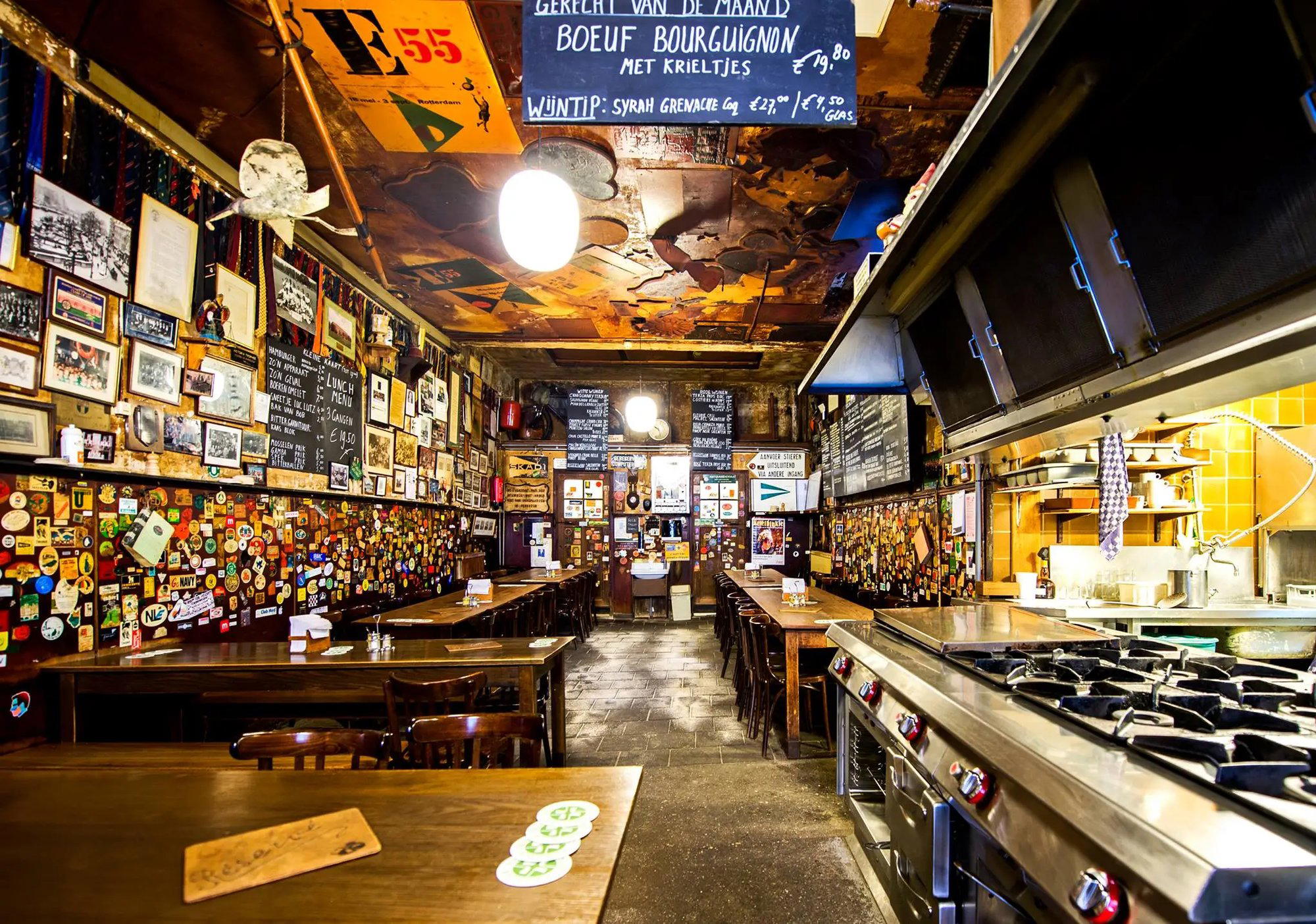
Beer Retail as Serious Practice in Rotterdam
Rotterdam's drinking culture has historically played second fiddle to its dining reputation. The city's fine dining circuit, anchored by addresses like Parkheuvel and FG - François Geurds, commands the critical attention, while the beer and spirits retail tier has developed more quietly. Bierhandel de Pijp, at Gaffelstraat 90-A, occupies a specific position in that quieter tier: a specialist beer operation where the selection logic and the depth of range are the primary offering, not decoration around another format.
Across the Netherlands, specialist beer retail has split into two broad camps. The first operates as expanded supermarket-style volume, stocking domestic and international labels for general convenience. The second, smaller camp treats curation as the central service, with stock decisions driven by brewing tradition, regional provenance, and style depth rather than by shelf velocity. Bierhandel de Pijp belongs to the second category. In a country that has historically exported its largest brewing brands globally while developing a sophisticated domestic craft tier underneath, that curation-led model carries real weight for the drinker who already knows the difference between a Trappist quadrupel and a Flemish red ale.
The Daytime and Evening Divide
The rhythm of a specialist beer shop in a city like Rotterdam shifts considerably between afternoon and early evening visits. Daytime traffic tends to be deliberate: buyers who arrive with a purpose, whether sourcing bottles for a dinner table, completing a style-specific set, or asking the kind of granular questions about conditioning and carbonation that require an informed counterpart behind the counter. The transaction is quieter, the browsing more methodical, and the overall register closer to a wine merchant than to a bar.
Evening visits, particularly later in the working week, shift that dynamic. Rotterdam's after-work drinking culture gravitates toward approachable formats, and a specialist beer shop that also functions as a tasting or browsing space fills a different social role once the professional day ends. The selection becomes less about restocking and more about discovery: picking up something unfamiliar, comparing labels, asking what arrived recently. The mood is less transactional and more conversational, and the distinction between retail and informal hospitality starts to blur in the way it does at the better wine merchants and bottle shops across Northern Europe.
This daytime-to-evening shift is part of what gives specialist beer retail its particular value in a city with Rotterdam's dining density. The haute cuisine addresses, from Fred to Amarone to Fitzgerald, orient their beverage programs almost entirely around wine. Beer at that tier is an afterthought, often a single draught option or a token craft label. The specialist retailer, by contrast, treats beer with the same seriousness those kitchens apply to produce sourcing, and for the drinker who operates in that register, the shop fills a gap the restaurant circuit does not.
Rotterdam in the Dutch Beer Context
The Netherlands produces some of Europe's most structurally interesting beer, though the international conversation about it tends to focus on the export giants rather than the domestic craft tier that has built steadily since the 1990s. Dutch breweries now cover the full style range, from witbier and saison formats that reflect Belgian geographic proximity to more experimental mixed-fermentation and barrel-aged programs that align with developments in Denmark, the United States, and Scandinavia.
Rotterdam's geography adds a further layer. The city is a major port, which historically meant access to imported goods earlier than inland Dutch cities, and that logistics tradition has carried into how the city's specialist retailers think about sourcing. Belgian abbey ales, German lagers, British cask-conditioned styles, and American craft imports all have more established distribution networks through Rotterdam than through most other Dutch cities. For a specialist operation like Bierhandel de Pijp, that geographic positioning is a structural advantage in building a range that extends beyond what inland retailers can access reliably.
Compared to the starred dining circuit visible at venues like De Librije in Zwolle or Inter Scaldes in Kruiningen, and the plant-forward precision of De Nieuwe Winkel in Nijmegen, Bierhandel de Pijp operates in a completely different register. The comparison is not really to fine dining at all. Within Rotterdam specifically, it holds a position those cities' better-known craft beer retailers occupy in their own markets.
Finding It and Planning Around It
Gaffelstraat sits in a residential and mixed-use section of Rotterdam that rewards unhurried navigation on foot rather than direct transit routing. The address, 90-A, places it within easy reach of the broader Delfshaven area, one of Rotterdam's older surviving urban fabrics, where the scale of the streets and the character of the ground-floor retail differ markedly from the city centre's post-war reconstruction grid. Visiting Bierhandel de Pijp pairs naturally with time in that neighbourhood rather than as a standalone destination requiring cross-city travel.
For drinkers planning a broader Rotterdam itinerary that includes dinner at one of the city's fine dining addresses, the shop works as a pre-dinner stop for bottle purchases rather than as an on-site drinking format.
Rotterdam's full dining and drinking circuit is covered in our full Rotterdam restaurants guide, which maps the city's neighbourhoods and the concentration of serious hospitality across price tiers. For those extending to the wider Dutch fine dining circuit, De Lindehof in Nuenen, Tribeca in Heeze, Brut172 in Reijmerstok, De Groene Lantaarn in Staphorst, De Lindenhof in Giethoorn, De Bokkedoorns in Overveen, and De Treeswijkhoeve in Waalre represent the country's broader Michelin-recognised circuit. For international comparison on what serious hospitality looks like at different format scales, Le Bernardin in New York City and Lazy Bear in San Francisco offer useful reference points.
Budget and Context
| Venue | Cuisine | Price | Awards |
|---|---|---|---|
| Bierhandel de PijpThis venue — the venue you are viewing | Not listed | This venue | Not listed |
| FG - François Geurds | Creative | €€€€ | Michelin 2 Star |
| Fred | Creative French | €€€€ | Michelin 2 Star |
| Parkheuvel | Modern Cuisine | €€€€ | Michelin 2 Star |
| Joelia | Not listed | €€€€ | €€€€ · Modern French, €€€€ |
| Tres | Not listed | €€€€ | €€€€ · Country cooking, €€€€ |
Continue exploring
More in Rotterdam
Restaurants in Rotterdam
Browse all →
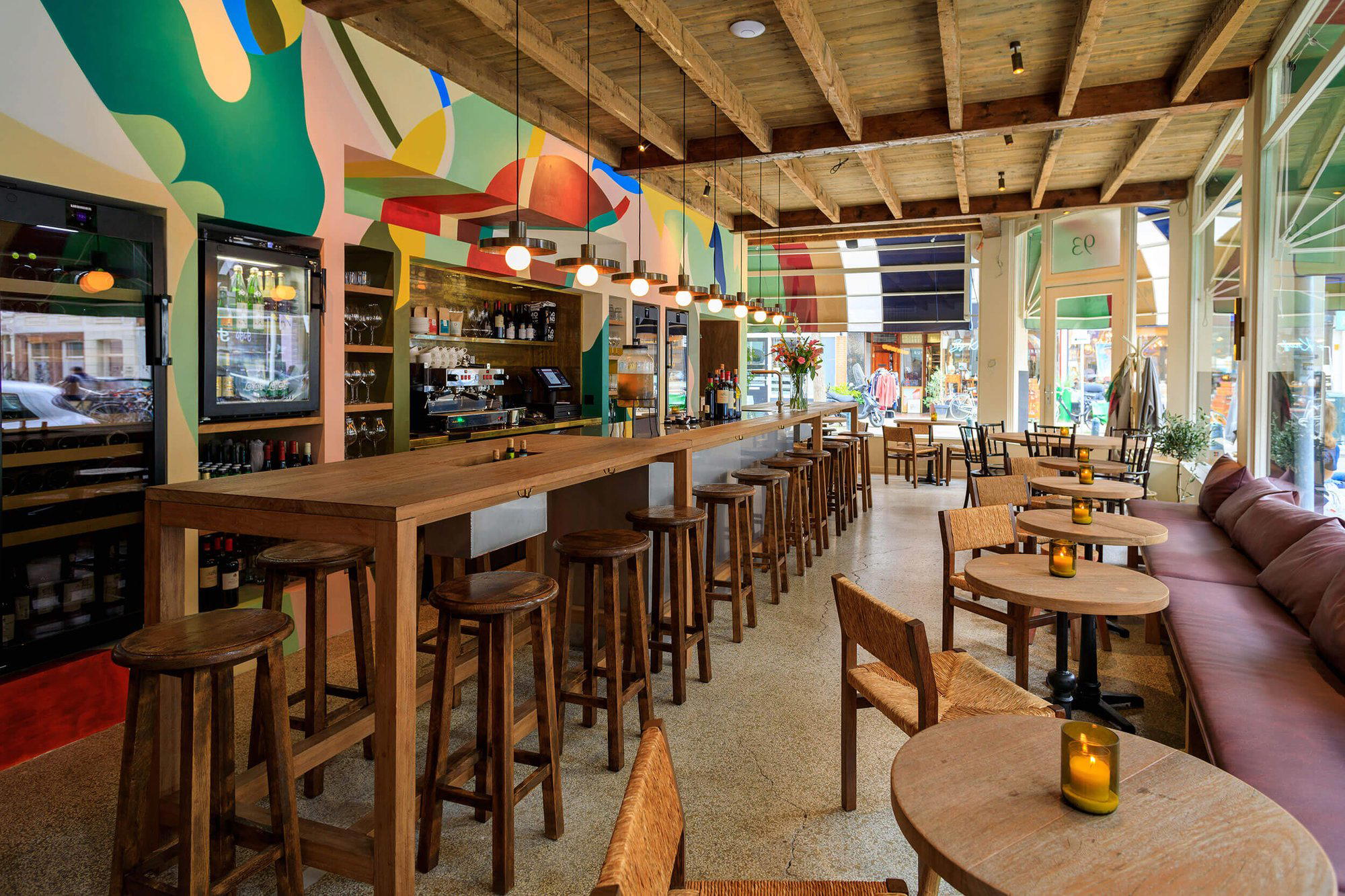
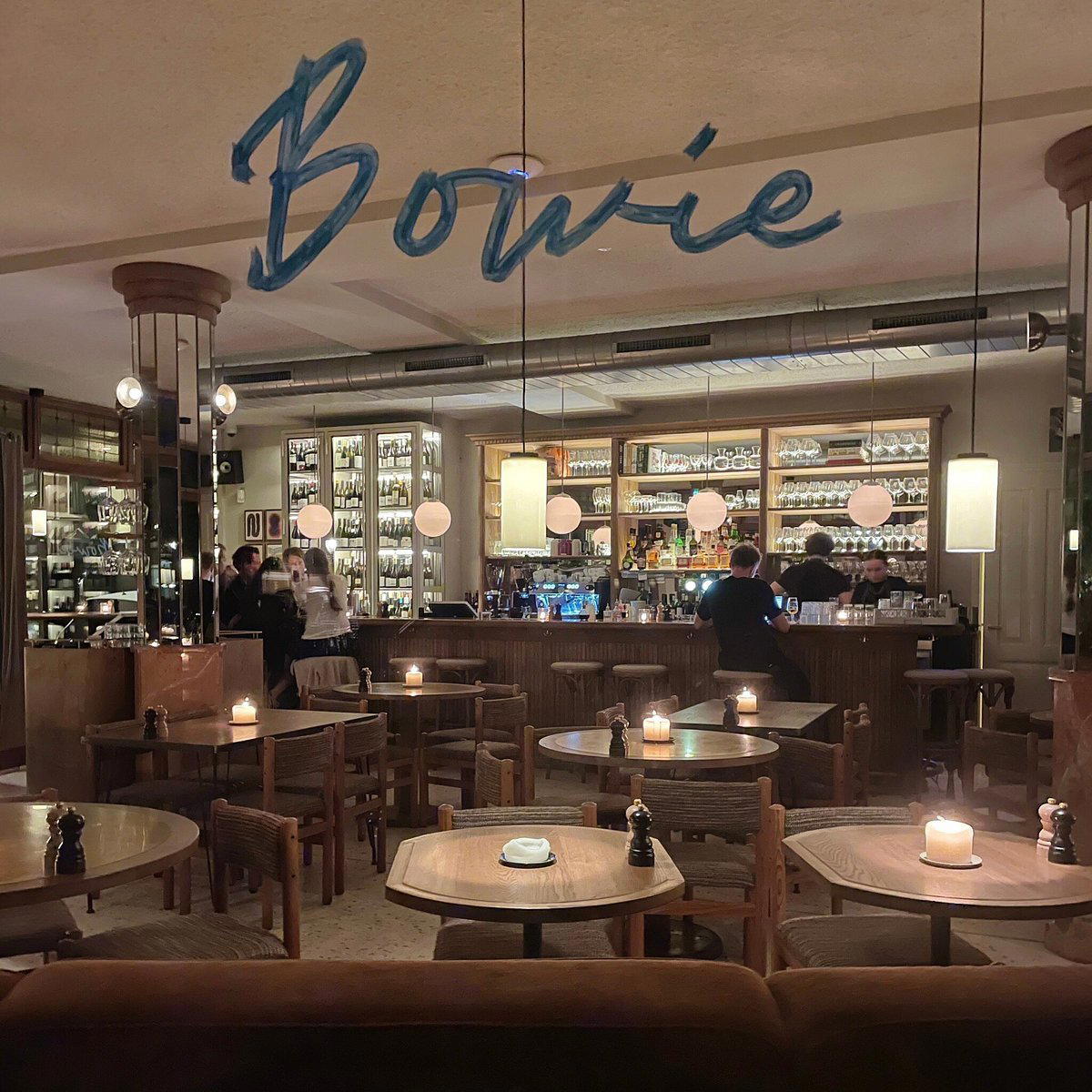
Bars in Rotterdam
Browse all →
Hotels in Rotterdam
Browse all →
Wineries in Rotterdam
Browse all →
At a Glance
- Cozy
- Rustic
- Lively
- Classic
- Casual Hangout
- Group Dining
- After Work
- Open Kitchen
- Beer Program
Current opening hours
- Monday
- 5:30–10 PM
- Tuesday
- 5:30–10 PM
- Wednesday
- 12–2 PM, 5:30–10 PM
- Thursday
- 12–2 PM, 5:30–10 PM
- Friday
- 12–2 PM, 5:30–10 PM
- Saturday
- 5:30–10 PM
- Sunday
- Closed
Hours can change for holidays and private events. Last verified .
Cozy and lively atmosphere with a studentikoze vibe, warm lighting, and walls adorned with stickers and memorabilia.
Know Before You Go
- Getting there
- Gaffelstraat 90-A, 3014 RM Rotterdam, Netherlands