Silver
Our verdict
Silver sits on the Zilverparkkade waterfront in Lelystad, a city built from reclaimed land that has developed a quieter but serious dining culture away from Amsterdam's spotlight. The restaurant's address places it within a planned urban setting where dining options are fewer but ambitions can run high. For context on Silver's position within the wider Lelystad scene, see our full restaurant coverage.

Pearl is the En Primeur Club membership app — saves, bookings, and concierge access live there. Same editors, same standards.
- Address
- Zilverparkkade 1, 8232 WJ Lelystad, Netherlands
- Phone
- +31320417645
- Hours
- Mon–Tue ClosedWed–Thu 6–10 PMFri–Sat 6–11 PMSun Closed
- Website
- restaurantsilver.nl
- Directions
- Get directions
- Booking
- Book on the venue's website
Dining on Reclaimed Ground: Lelystad's Culinary Position
Lelystad occupies a particular place in the Dutch dining imagination — or rather, it largely doesn't, which is part of what makes restaurants here worth examining. The city was built entirely on land reclaimed from the IJsselmeer after the Second World War, a fact that shapes everything from its grid-precise streets to the demographic profile of its residents. Unlike the historic merchant cities of the Netherlands, Lelystad has no centuries-old food culture to fall back on. What exists here has been constructed, consciously, from scratch.
That context matters when assessing a restaurant like Silver, addressed at Zilverparkkade 1 on the waterfront. The Zilverpark district is one of Lelystad's more considered urban environments, where the relationship between water and built form gives dining venues a backdrop that the city's inland commercial strips simply cannot offer. Approaching the address from the lakeside, the geometry of the polder landscape is the dominant sensory fact: wide, flat, and lit with the particular quality of Dutch sky that landscape painters have been chasing for four centuries.
The Wider Dutch Fine Dining Frame
To understand Silver's position, it helps to map the broader Dutch fine dining structure. The Netherlands punches significantly above its geographic weight in Michelin-starred restaurants, with concentration around Amsterdam, The Hague, and provincial strongholds. De Librije in Zwolle and 't Nonnetje in Harderwijk represent the category of acclaimed destination restaurants that draw diners from across the country to mid-sized cities. Ciel Bleu in Amsterdam and Aan de Poel in Amstelveen sit within the metropolitan gravitational pull of the capital. Further afield, venues like Inter Scaldes in Kruiningen and De Bokkedoorns in Overveen have built reputations that make the journey part of the proposition.
Lelystad sits outside these established circuits. Flevoland, the province of which Lelystad is the capital, is the newest province in the Netherlands and lacks the culinary infrastructure of Gelderland or Noord-Brabant, where restaurants like De Nieuwe Winkel in Nijmegen, De Lindehof in Nuenen, and De Treeswijkhoeve in Waalre have accumulated serious critical attention.
Cultural Roots of Dutch Contemporary Cooking
Dutch cuisine as a restaurant proposition has undergone a sustained redefinition over the past two decades. The old caricature, stamppot, herring, functional rather than refined, gave way to a generation of chefs who trained in France, staged in Copenhagen and San Sebastián, and returned with technique but used local produce as their primary argument. The movement toward seasonal, regional, and vegetable-forward cooking has been particularly pronounced, driven partly by the Netherlands' extraordinary horticultural output and partly by the influence of New Nordic thinking on a generation of Dutch cooks.
This context shapes what serious dining in the Netherlands tends to look like now: tasting menus that foreground local growers and seasonal produce, wine programs that range confidently across natural and classical selections, and service that has shed the formality of an earlier fine dining era without becoming careless. Restaurants like Brut172 in Reijmerstok and De Groene Lantaarn in Staphorst illustrate how Dutch chefs are finding distinct regional identities within that broader framework. De Lindenhof in Giethoorn and Tribeca in Heeze demonstrate that this ambition extends well beyond the Randstad.
Against that national picture, a Lelystad restaurant faces specific pressures. The city's population skews younger and more working-class than the provincial capitals where Dutch fine dining has taken root. The dining-out habits of Lelystad residents have historically favored accessible price points over tasting-menu formats. Whether Silver operates as a fine dining destination or a more casual waterfront address, its cultural context is one of building an audience rather than inheriting one.
Silver at Zilverparkkade: What the Location Signals
The Zilverparkkade address positions Silver at the water's edge in one of Lelystad's more architecturally coherent districts. Waterfront dining in the Netherlands carries particular resonance: from the old harbor-facing restaurants of Amsterdam to the Zeeland coast addresses, proximity to water has long served as an organizing principle for Dutch leisure dining. In a city as deliberately planned as Lelystad, that waterfront position is a considered asset rather than a historical accident.
For visitors traveling to Lelystad specifically for a meal, the city is accessible by direct train from Amsterdam Centraal in approximately 45 minutes, which places it within the range of day-trip dining that Dutch food travelers already make for destinations like Zwolle or Harderwijk. The Zilverpark area is a short distance from Lelystad Centrum station, making arrival without a car workable. Compared to driving to remote provincial restaurants, the logistics here are relatively uncomplicated.
The full picture of Silver's format, cuisine type, price point, and team is not currently reflected in publicly available data, which limits specific assessment. What EP Club can confirm is the address, Zilverparkkade 1, 8232 WJ Lelystad, and the waterfront context that shapes the physical experience of the location. For a broader view of where Silver sits within the local dining scene, our full Lelystad restaurants guide provides comparative context, including coverage of Laymous, currently among the more documented dining addresses in the city.
International Reference Points
The ambition range in contemporary Dutch fine dining now extends to comparisons with international programs. Technically driven tasting-menu restaurants like FG in Rotterdam position themselves in the same tier as destination restaurants globally. The influence of New York programs such as Le Bernardin, with its discipline around a single protein category, and Atomix, with its Korean fine dining format and cultural specificity, illustrates how the most compelling contemporary restaurants build from a distinct cultural argument rather than generic tasting-menu convention. That standard is useful to keep in mind when assessing any new or emerging Dutch address.
Planning Your Visit
Lelystad's dining scene is compact enough that Silver at Zilverparkkade 1 warrants direct contact before visiting to confirm current service, pricing, and reservation requirements. The waterfront district is leading visited in the longer daylight hours of spring and summer, when the IJsselmeer light is at its most characteristic. Visitors combining a Lelystad meal with a broader Flevoland or IJsselmeer day trip will find the city functions well as a single-destination stop rather than a multi-venue crawl. For the regional fine dining circuit, the drive to Zwolle or Harderwijk adds meaningful options to either side of a Lelystad visit.
Frequently asked questions
Is Silver child-friendly?
Waterfront restaurants in Lelystad typically vary significantly in their approach to younger diners depending on service format and evening atmosphere. A quick call or email will clarify whether the current setup suits a family group.
What is the atmosphere like at Silver?
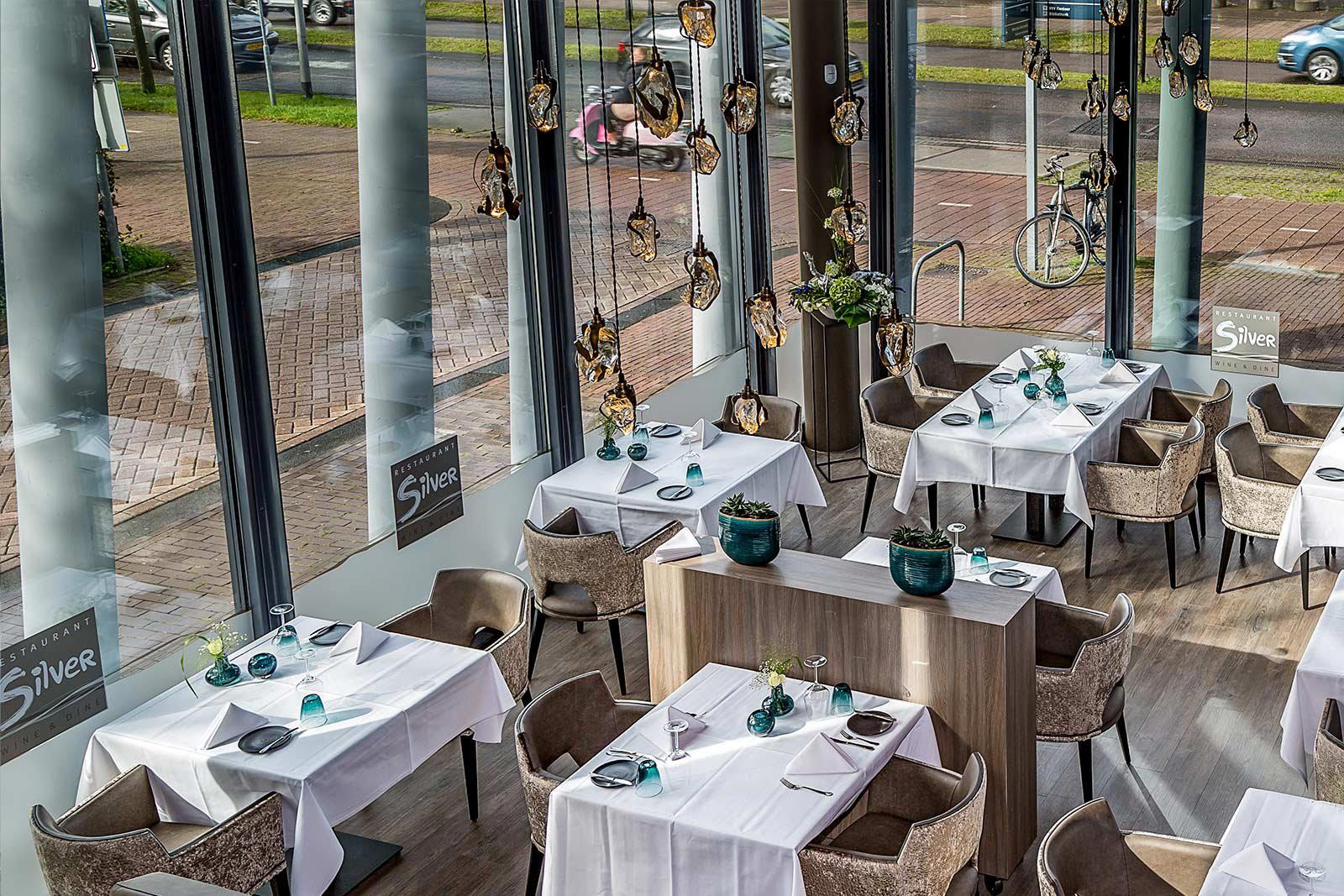
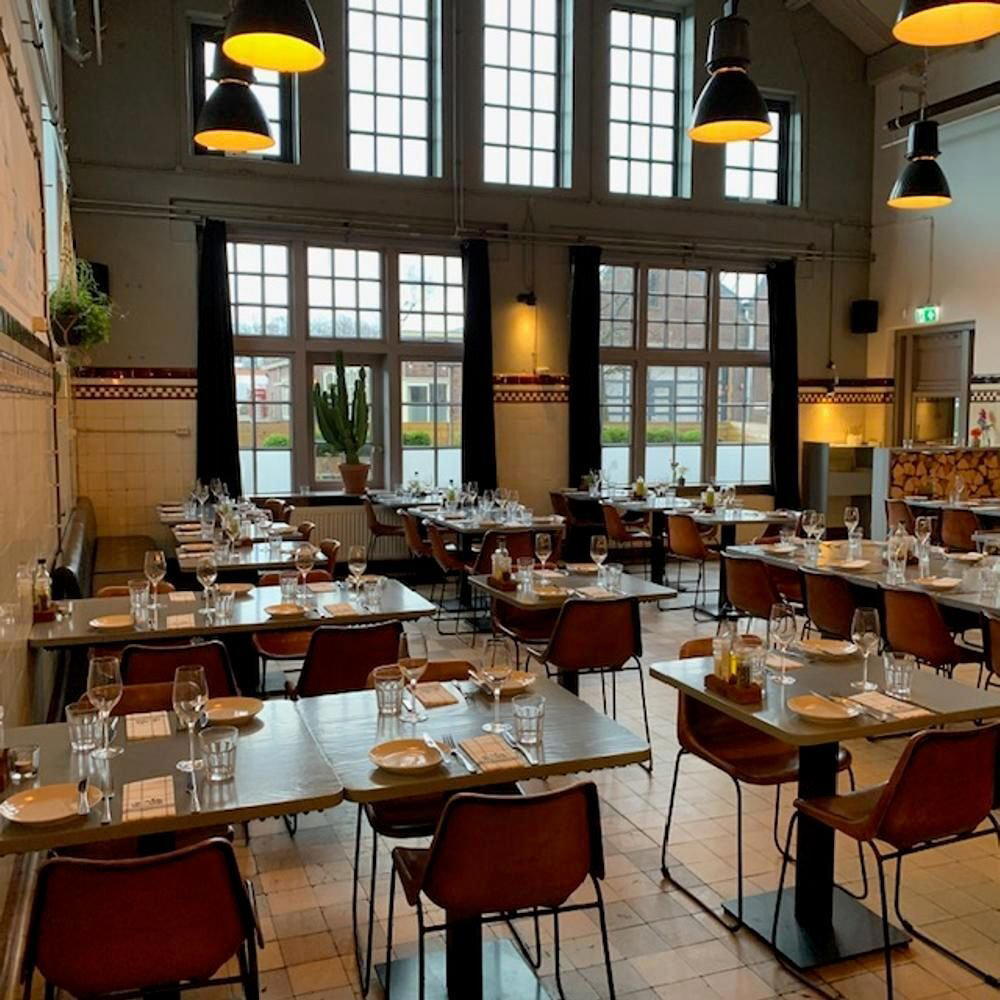
Silver sits at Zilverparkkade 1, positioning it at the water's edge in one of Lelystad's more architecturally coherent districts. That waterfront address tends to shape a venue's tone considerably — open sightlines, natural light during daytime service, and a quieter pace than city-centre dining rooms. Specific interior details are best confirmed on arrival or via direct contact with the venue.
What makes Silver's location in Lelystad significant for a dining visit?
Lelystad is built entirely on land reclaimed from the IJsselmeer, making it one of the youngest cities in the Netherlands, and Silver's Zilverparkkade address places it directly on that engineered waterfront. Few Dutch restaurant destinations carry that degree of geographic specificity — dining here connects to a mid-twentieth-century infrastructural project that reshaped the country's map. For visitors travelling from Amsterdam, Lelystad sits roughly 60 kilometres northeast, making Silver a viable destination rather than an incidental stop.
What's the must-try dish at Silver?
The restaurant's Lelystad waterfront setting and the broader shift in Dutch contemporary cooking toward locally sourced produce suggest a menu worth investigating directly. Contact Silver at Zilverparkkade 1 for current offerings before visiting.
What's Silver's location?
Silver is located at Zilverparkkade 1, 8232 WJ Lelystad, Netherlands, Lelystad.
Do I need a reservation for Silver?
Given that no online booking portal or phone number is currently listed for Silver, reaching out directly to the restaurant at Zilverparkkade 1 in Lelystad is the most reliable approach. Waterfront dining rooms in smaller Dutch cities can fill quickly on weekends, particularly during summer when Lelystad's marina district draws visitors. Booking ahead avoids the risk of a wasted trip.
Price and Positioning
Comparable venues nearby, for context on price, style, and recognition.
| Venue | Cuisine | Price | Awards | Notes |
|---|---|---|---|---|
| SilverThis venue — the venue you are viewing | Modern Dutch Seafood | $50–100 | Not listed | Not listed |
| Laymous | Modern Arab Mediterranean | Not listed | Not listed | Not listed |
| Pelusa | Dutch Gastropub | $30–50 | Not listed | Buiksloterham, Dutch Gastropub |
| Le Clochard | Dutch Bistro Classics | $20–30 | Not listed | near Lepelenburg, Dutch Bistro Classics |
| Weeshuis Gouda | Modern Dutch Fine Dining | $50–100 | Relais Chateaux Award | historic centre, Modern Dutch Fine Dining |
| Bierhandel de Pijp | Traditional Dutch Bistro | $20–30 | Not listed | Oude Westen, Traditional Dutch Bistro |
Details
- Elegant
- Intimate
- Sophisticated
- Date Night
- Special Occasion
- Private Dining
- Extensive Wine List
- Local Sourcing
- Tasting Menu
- Vegetarian Friendly
- Vegan Options
Current opening hours
- Monday
- Closed
- Tuesday
- Closed
- Wednesday
- 6–10 PM
- Thursday
- 6–10 PM
- Friday
- 6–11 PM
- Saturday
- 6–11 PM
- Sunday
- Closed
Hours can change for holidays and private events. Last verified .
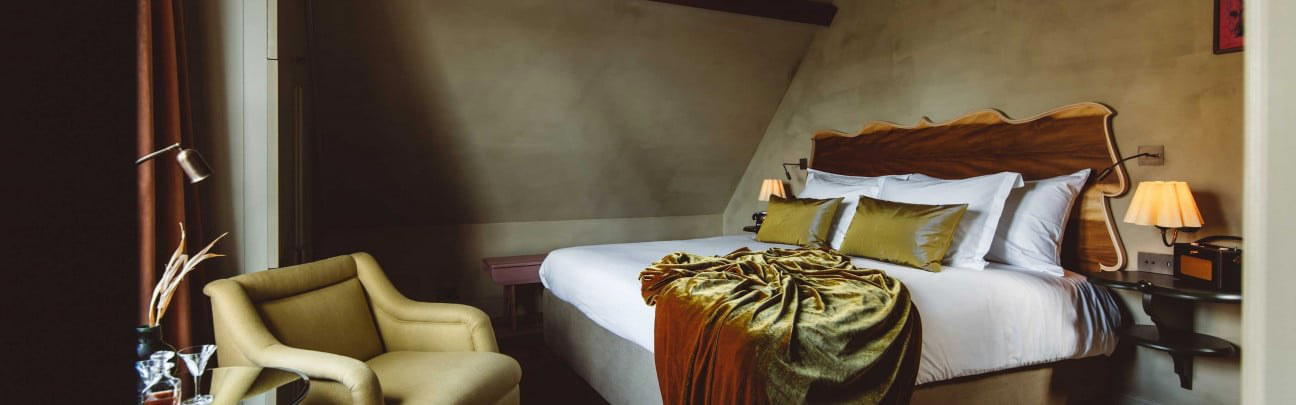
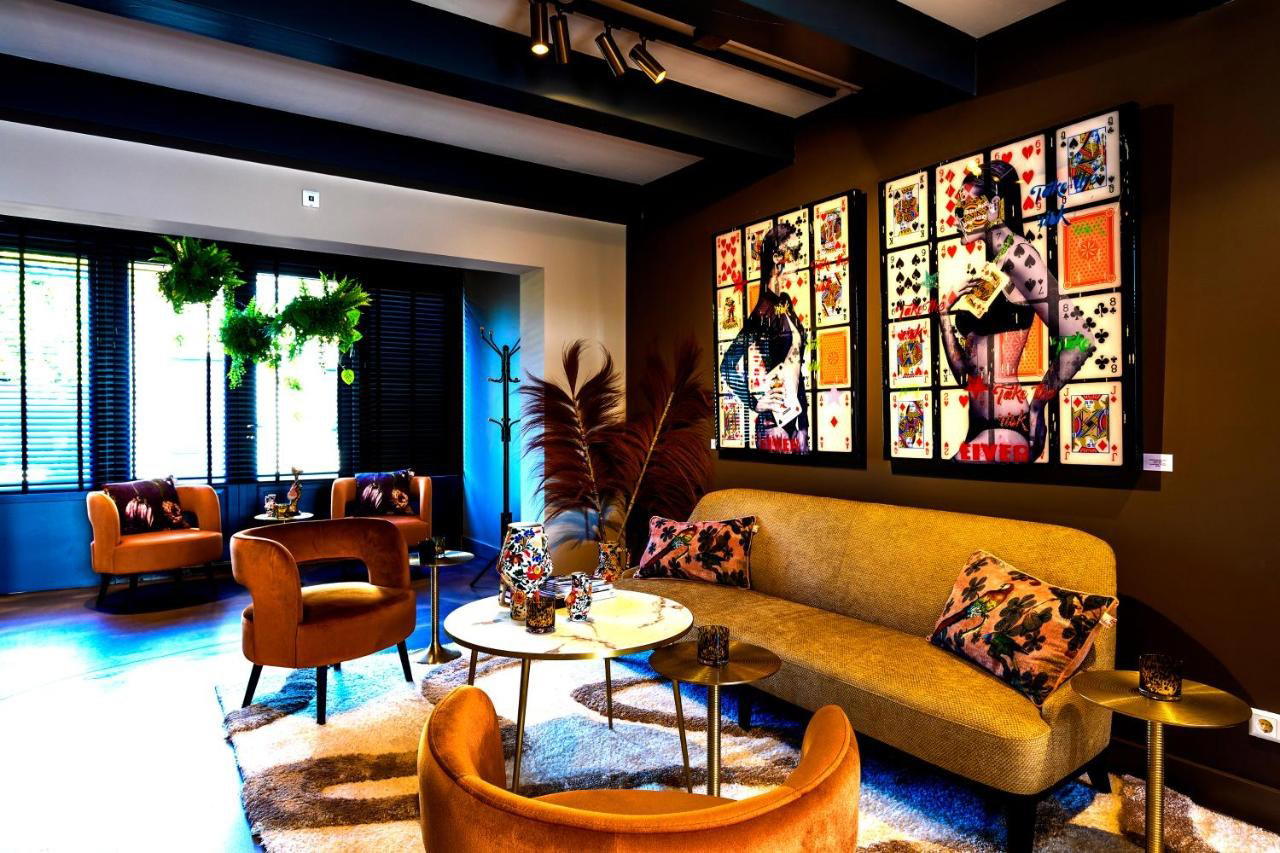
Warm, attractively decorated with stylish interior and peaceful atmosphere.