

Michelin Plate
Our verdict
Cibrèo has anchored Florentine trattoria dining in the Sant'Ambrogio neighbourhood for decades, earning consecutive Michelin Plate recognition in 2024 and 2025 under chef Oscar Severini. The kitchen works from a classically Tuscan framework, without pasta on the menu, a deliberate constraint that defines its identity within the city's broader dining scene.

Pearl is the En Primeur Club membership app — saves, bookings, and concierge access live there. Same editors, same standards.
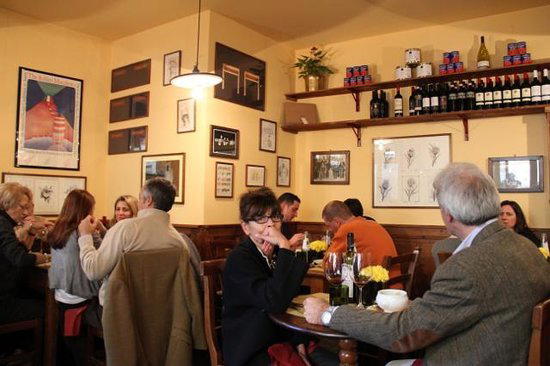
A Tuscan Kitchen and Its Constraints
Florence's fine-dining tier has tilted hard toward the contemporary in recent years. Enoteca Pinchiorri holds three Michelin stars for a French-Italian hybrid that has defined the city's leading table for four decades. Santa Elisabetta, Borgo San Jacopo, Gucci Osteria da Massimo Bottura, and Il Palagio all sit at the €€€€ bracket with starred credentials and modern-cuisine frameworks. Against that cluster, the restaurants operating in the €€€ range with Michelin Plate recognition occupy a different and arguably more instructive position: they are cooking recognisably Tuscan food, for rooms full of people who know what that means, and they are being judged accordingly.
Cibrèo, on Via Andrea del Verrocchio in the Sant'Ambrogio quarter, sits precisely in that position. The Michelin Plate, awarded in both 2024 and 2025, signals that the guide considers the cooking worth attention without placing it in the starred conversation. That distinction matters. The Plate is not a consolation; in a city where the starred properties are almost universally operating at €€€€, a Plate at €€€ indicates a kitchen maintaining a specific standard of craft at a price point that many Florentine diners can return to more than once a year.
What Sant'Ambrogio Means for a Dining Room Like This
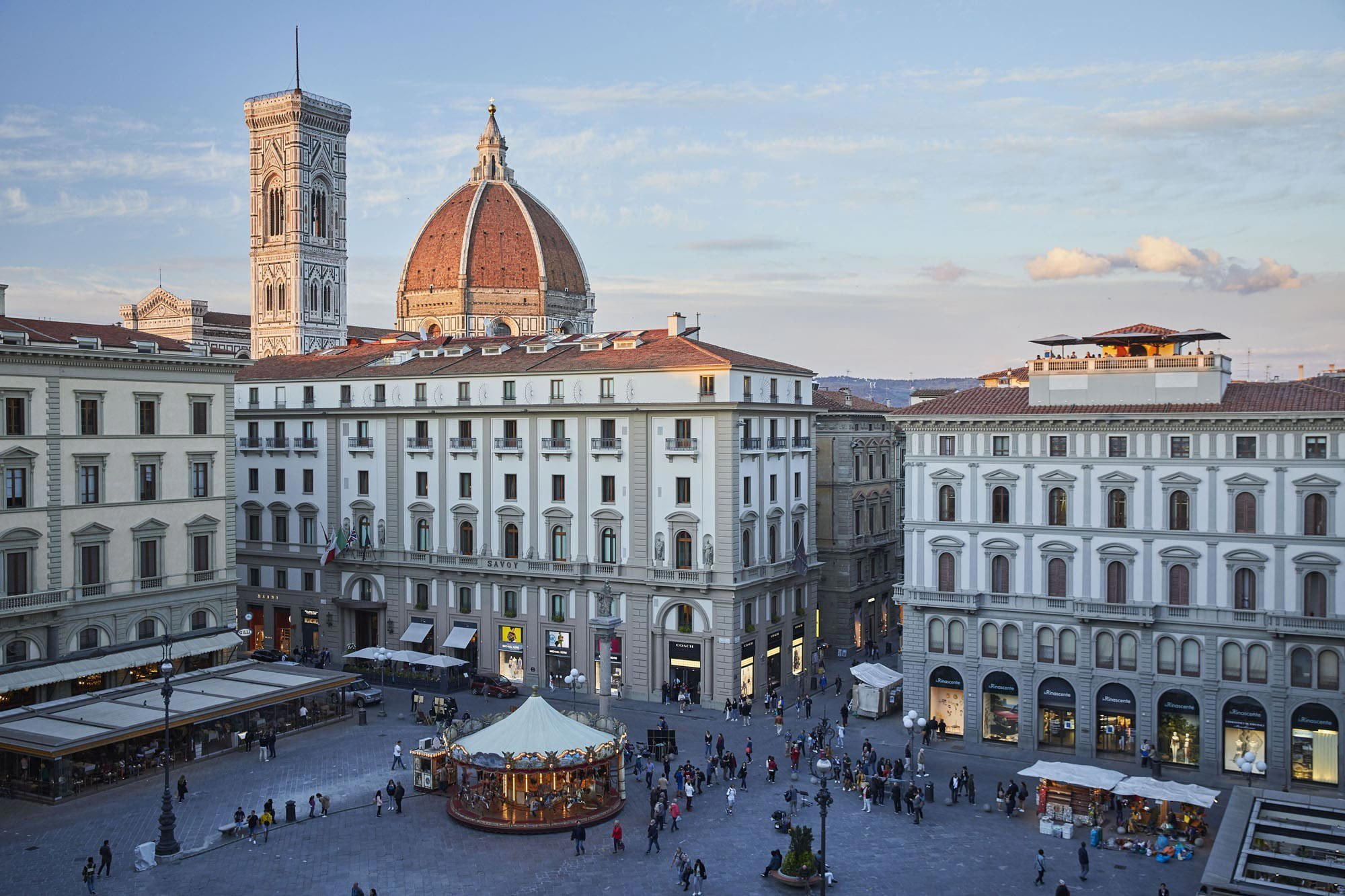
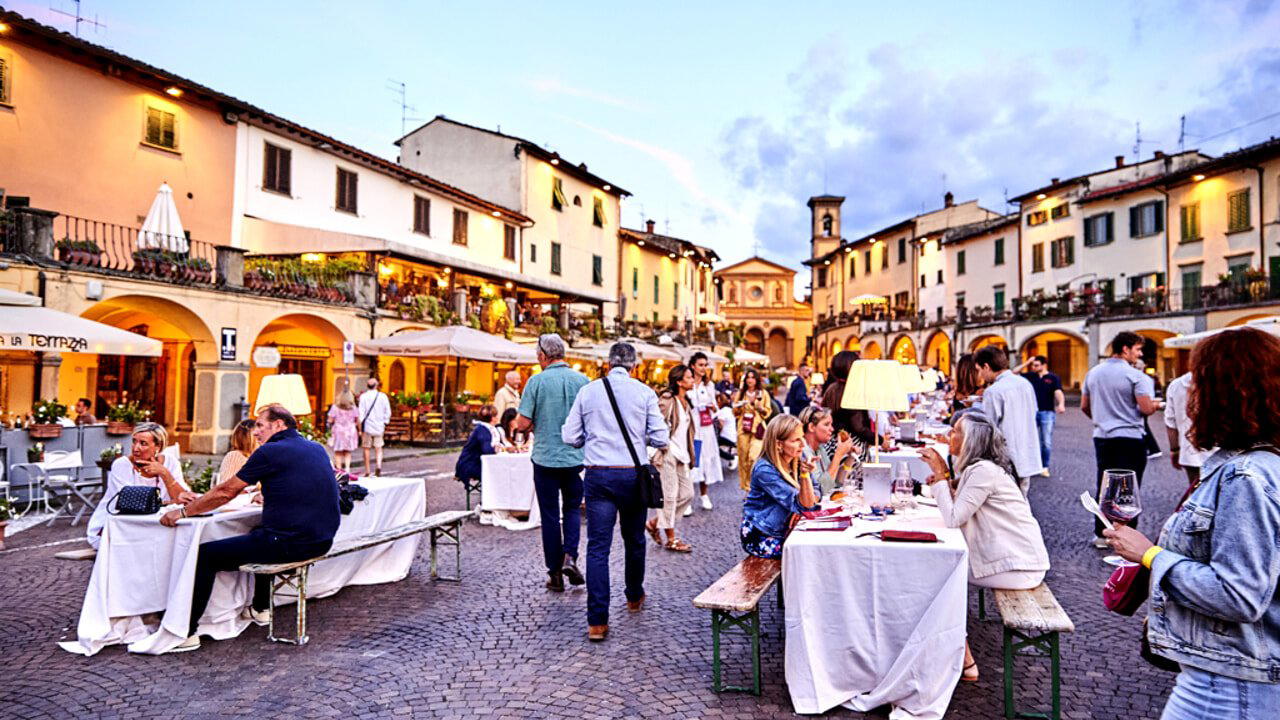
The neighbourhood around the Mercato di Sant'Ambrogio has long functioned as the more grounded counterpart to the tourist-heavy streets around the Duomo or Piazza della Repubblica. It is a market neighbourhood in the working sense: the stalls open early, the rhythm is practical, and the restaurants that have survived there have done so by feeding people who live and work nearby, not just visitors passing through. That context shapes what a kitchen like Cibrèo can and should be. A restaurant anchored here is expected to have a relationship with its ingredients that precedes the menu writing, not follows it.
The address, Via Andrea del Verrocchio 8r, puts it within the cluster of small streets southeast of the market, where the dining density thins out and the rooms tend to be smaller and more considered than the high-volume trattorie closer to the tourist corridors. For visitors arriving from central Florence, it is a short walk east of Santa Croce, easily combined with an afternoon in that quarter before moving to dinner.
The No-Pasta Position
Absence of pasta from Cibrèo's menu is the kitchen's most discussed structural choice, and it has been that way since the restaurant's founding era. In a Tuscan kitchen, that constraint is not austerity for its own sake. It directs attention toward the region's other traditions: soups, offal preparations, vegetable courses, the slow-cooked proteins that define cucina povera at its most considered. The result is a menu that reads differently from almost every other Tuscan restaurant in the city, which is itself an editorial position. When every trattoria in Florence offers pappardelle with wild boar and ribollita, a kitchen that refuses the pasta course is arguing, implicitly, that there is more to Tuscan cooking than its most legible exports.
That argument sits comfortably within a broader Italian conversation about what regional cuisine actually means when applied rigorously. The starred properties pulling the contemporary angle, from Osteria Francescana in Modena to Piazza Duomo in Alba and Atelier Moessmer Norbert Niederkofler in Brunico, are doing it through technique and presentation. Cibrèo makes a different kind of argument: that fidelity to a less visible stratum of regional tradition is its own form of cooking ambition. Peers like Dal Pescatore in Runate and Le Calandre in Rubano occupy comparable positions in their own regional contexts, holding a tradition at one extreme of its range rather than modernising it.
Chef Oscar Severini and the Michelin Plate Signal
Oscar Severini leads the kitchen. Chef biographical detail is sparse in the public record, which is not unusual for a restaurant of this type: the Cibrèo name has its own weight, and the kitchen's identity has always been more institution than individual. What the back-to-back Michelin Plate awards in 2024 and 2025 confirm is that whoever is cooking is cooking consistently, at a level the guide considers worth flagging to readers. In the context of Florence's full restaurant list, that is a meaningful filter.
It is not the score of a venue generating strong emotional reactions in either direction; it is the score of somewhere that delivers what it promises, repeatedly, to a wide range of diners.
Where Cibrèo Sits in the Florence Conversation
Florence's Michelin-recognised restaurants outside the starred tier include a range of operations with different price structures and kitchen philosophies. Cucina and Da Burde operate in overlapping territory, and the city's broader trattoria fabric, represented in the EP Club guide by properties like Osteria delle Tre Panche, Podere 39, and Trattoria 13 Gobbi, shows how competitive the mid-range Tuscan field actually is. Against that field, Cibrèo's consistent Plate recognition and its deliberate menu constraints position it toward the more considered end of the spectrum.
For comparison beyond Florence, Tuscan cooking at a comparable ambition level appears in a handful of properties outside the city. Caino in Montemerano and L'Asinello in Castelnuovo Berardenga both operate within the regional tradition while pushing toward more singular interpretations. Cibrèo's position is different from either: it is an urban institution with a market-neighbourhood address and a long-established identity, rather than a destination restaurant drawing from a distance.
Within Florence itself, the contrast with the city's high-end contemporary tier, from Enrico Bartolini's broader Italian network to the individual ambitions of Borgo San Jacopo, illustrates how wide the gap has become between the starred and the Plate categories. That gap is not a quality gap so much as a concept gap. The starred properties are making arguments about what Italian cooking can become; Cibrèo is making an argument about what Tuscan cooking already was.
Planning a Visit
Cibrèo sits at €€€, which in Florence's current market puts it below the starred properties but above the casual trattoria tier. Booking in advance is advisable, particularly for dinner; the Sant'Ambrogio neighbourhood has enough dining pull to fill the better rooms on most evenings without relying on walk-ins. The restaurant is most naturally approached as a dinner destination, given the neighbourhood's market-day character, though the kitchen's Tuscan framework makes it a reasonable lunch choice for visitors spending the afternoon at Santa Croce or the surrounding streets.
For those building a wider picture of the city's dining and drinking scene, the EP Club guides to Florence restaurants, Florence hotels, Florence bars, Florence wineries, and Florence experiences cover the full range of options across the city.
Frequently asked questions
Does Cibrèo have a Michelin star or similar recognition?
Cibrèo has received recognition including: Michelin Plate (2025); Michelin Plate (2024).
What do regulars order at Cibrèo?
The kitchen's identity centres on Tuscan preparations that bypass the standard pasta course entirely — a structural choice in place since the restaurant's founding. Regulars gravitate toward offal dishes, slow-cooked proteins, and soups rooted in the cucina povera tradition of the region. For a €€€ restaurant with a Michelin Plate (2025), these are not concessions to rusticity but the kitchen's stated point of difference from the contemporary fine-dining tier operating elsewhere in Florence.
What's the price range at Cibrèo?
Pricing at Cibrèo is listed as €€€.
What It’s Closest To
| Venue | Cuisine | Price | Awards | Notes |
|---|---|---|---|---|
| CibrèoThis venue — the venue you are viewing | Traditional Tuscan Trattoria | $50–100 | Michelin Plate | Not listed |
| Enoteca Pinchiorri | Contemporary Italian Fine Dining | $200–300 | 3 Michelin Stars · World's 50 Best #32 | Italian - French, Italian Contemporary |
| Santa Elisabetta | Modern Italian Fine Dining with Seafood Focus | $200–300 | 2 Michelin Stars · La Liste Top Restaurants | Italian, Creative |
| Borgo San Jacopo | Michelin-starred Modern Tuscan & Italian Fine Dining | $150–200 | 1 Michelin Star · Falstaff Restaurant - 94 Falstaff Points | Italian, Modern Cuisine |
| Gucci Osteria da Massimo Bottura | Contemporary Italian with Japanese and Mexican Influences | $200–300 | 1 Michelin Star · Wine Spectator Best of Award of Excellence | Modern Italian, Italian Contemporary |
| Il Palagio | Modern Tuscan Fine Dining | $100–150 | 1 Michelin Star · Star Wine List | Italian Contemporary |
Recognition history
Dated appearances from independent guides and award organizations, with the underlying list record or original source where available.
Michelin Plate
Michelin
Opinionated About Dining Top Restaurants in Europe Recommended
Opinionated About Dining
Full recognition history (3 entries)
Michelin Plate
Michelin
Continue exploring
More in Florence
Restaurants in Florence
All restaurants in Florence →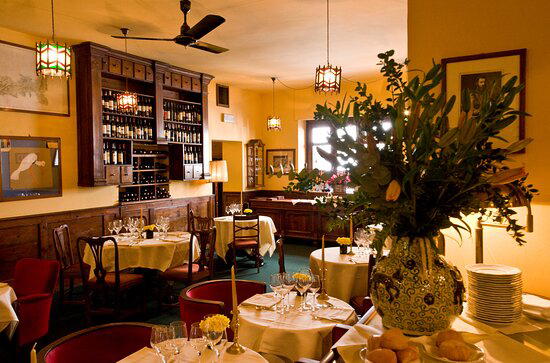
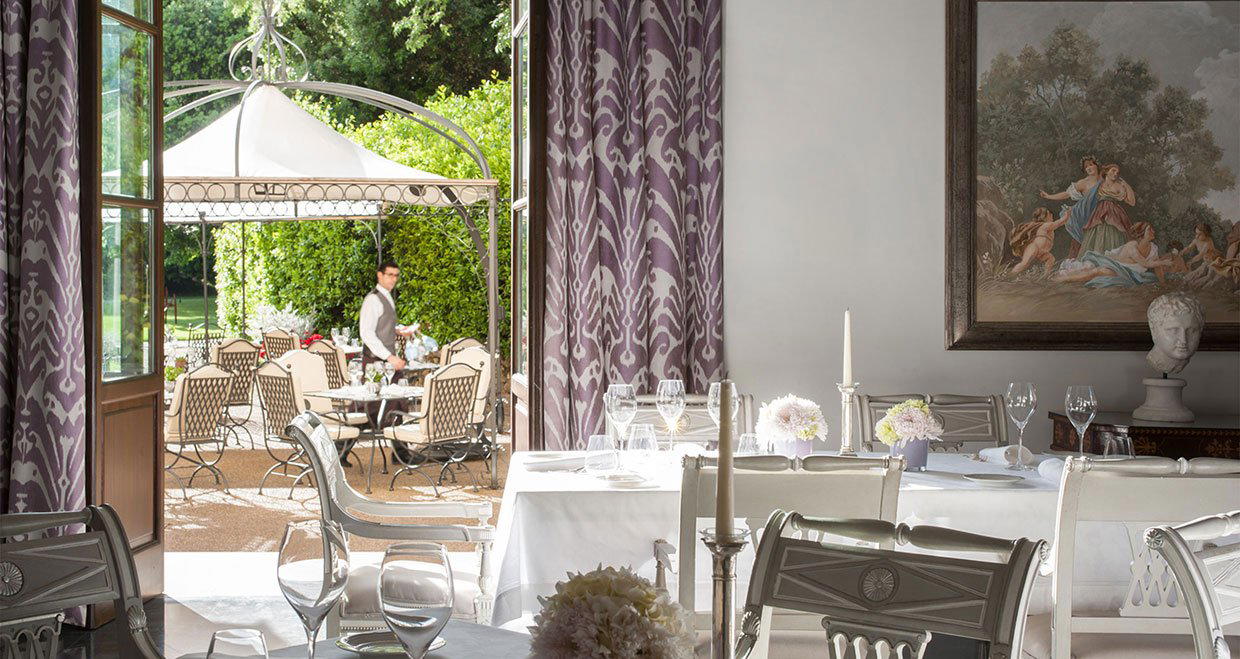
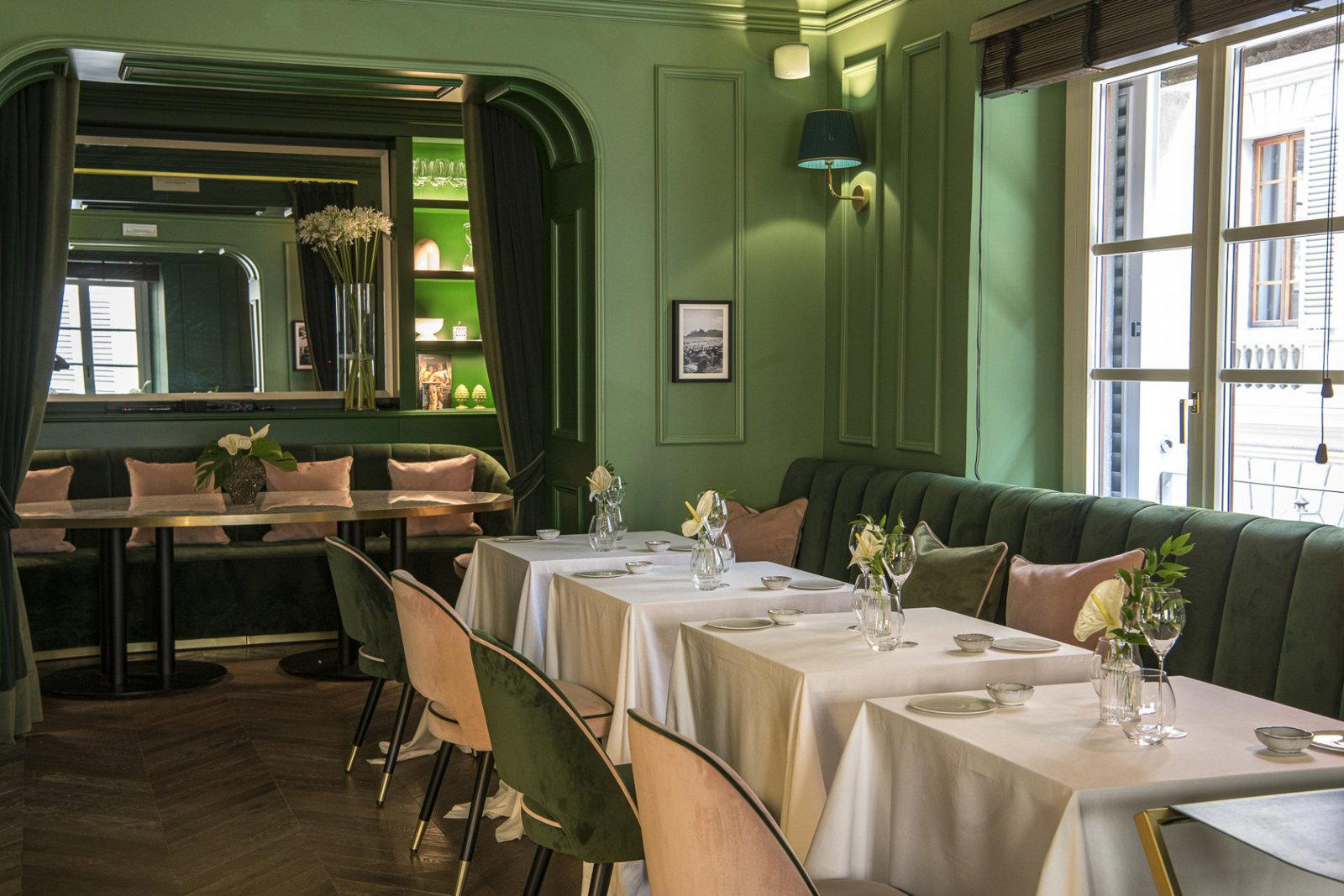
Bars in Florence
All bars in Florence →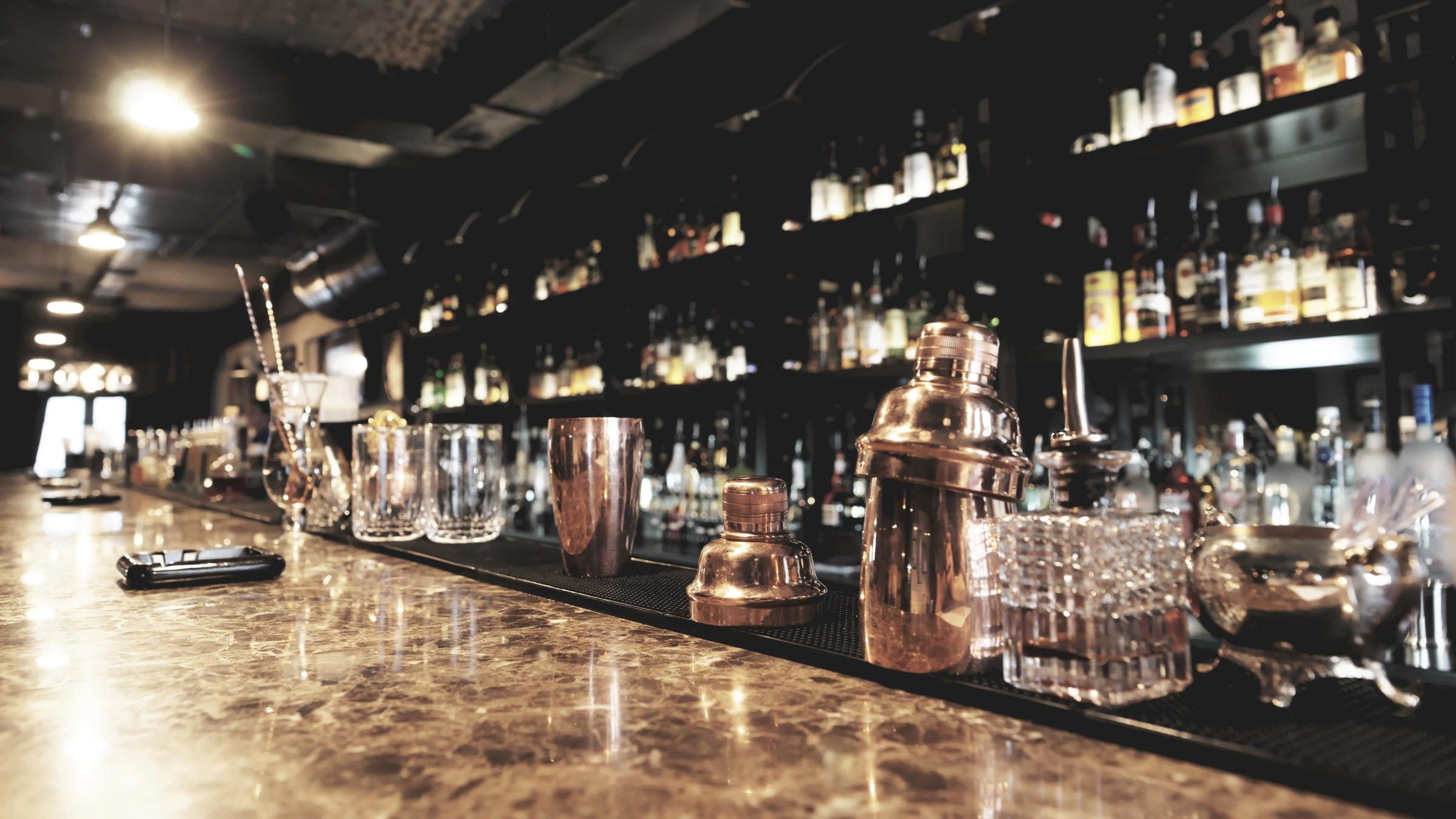
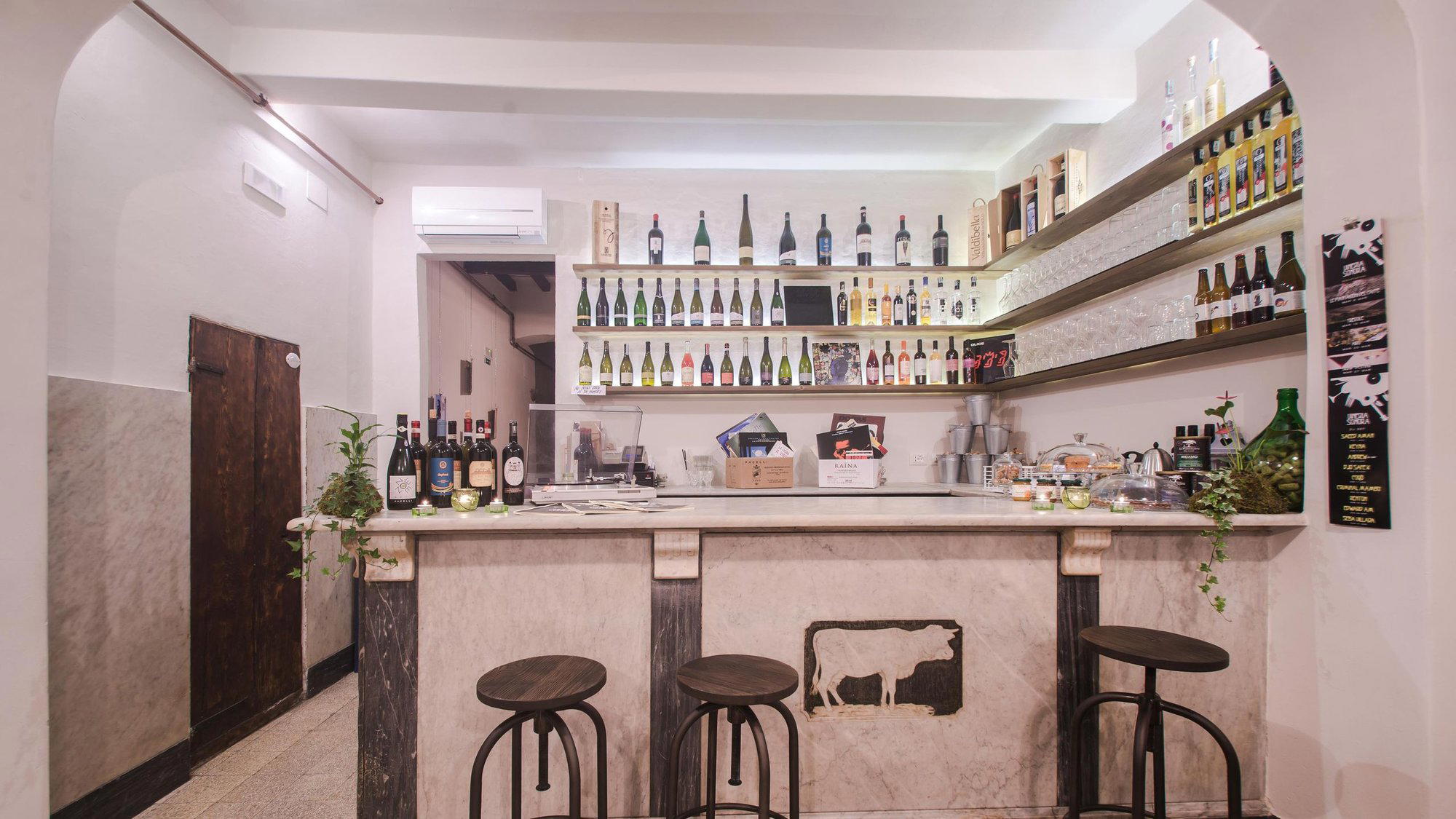
Hotels in Florence
All hotels in Florence →

Cibrèo Ristorante
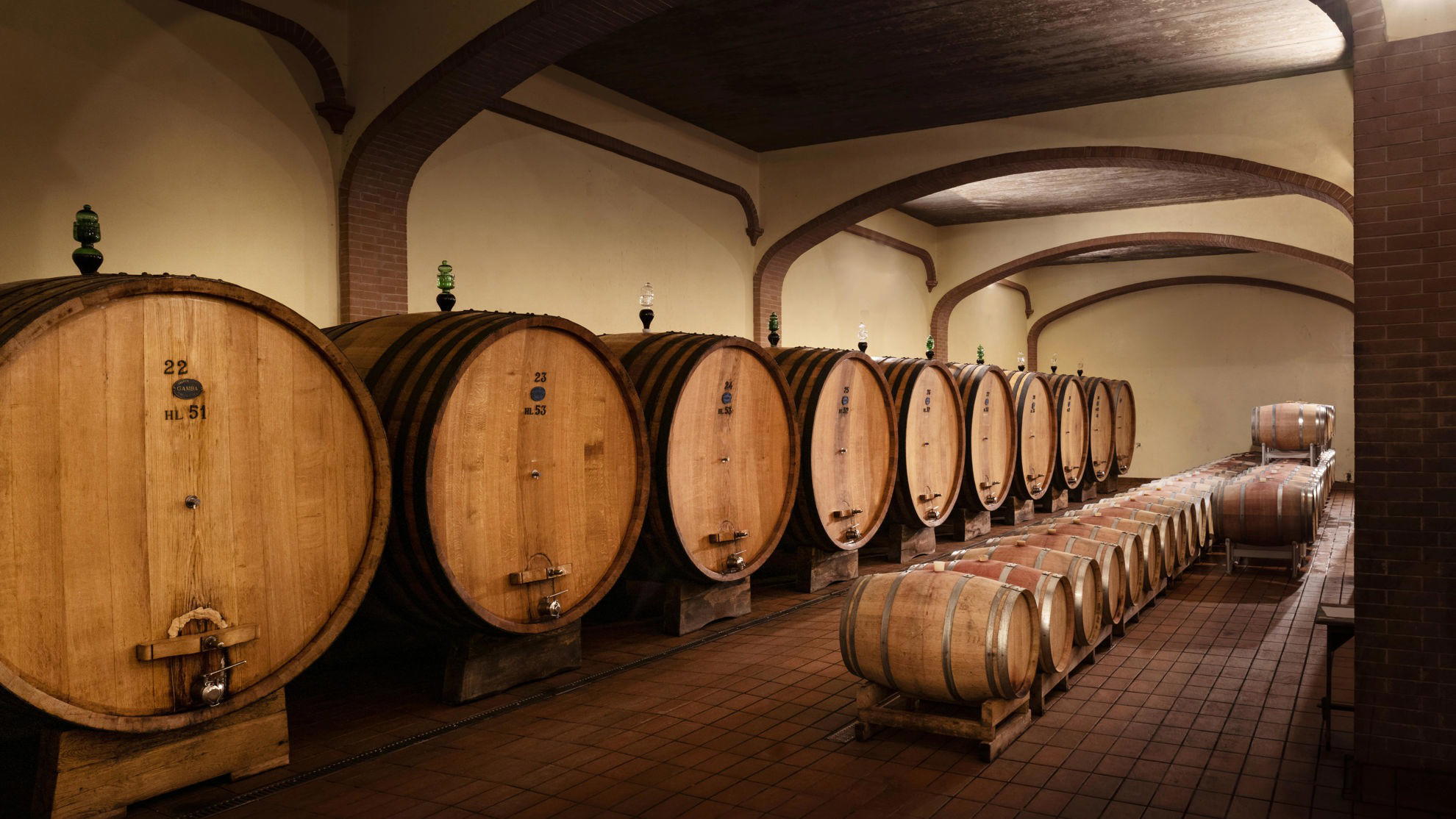
The wine
- Wine program
- Curated wine list
- Extensive wine list
Details
- Classic
- Cozy
- Elegant
- Intimate
- Date Night
- Special Occasion
- Historic Building
- Extensive Wine List
- Local Sourcing
- A La Carte
- Tasting Menu
- Wine
- Vegetarian Friendly
Current opening hours
- Monday
- 7–10:30 PM
- Tuesday
- 7–10:30 PM
- Wednesday
- 7–10:30 PM
- Thursday
- 7–10:30 PM
- Friday
- 7–10:30 PM
- Saturday
- 12:30–2:30 PM, 7–10:30 PM
- Sunday
- 12:30–2:30 PM, 7–10:30 PM
Hours can change for holidays and private events. Last verified .
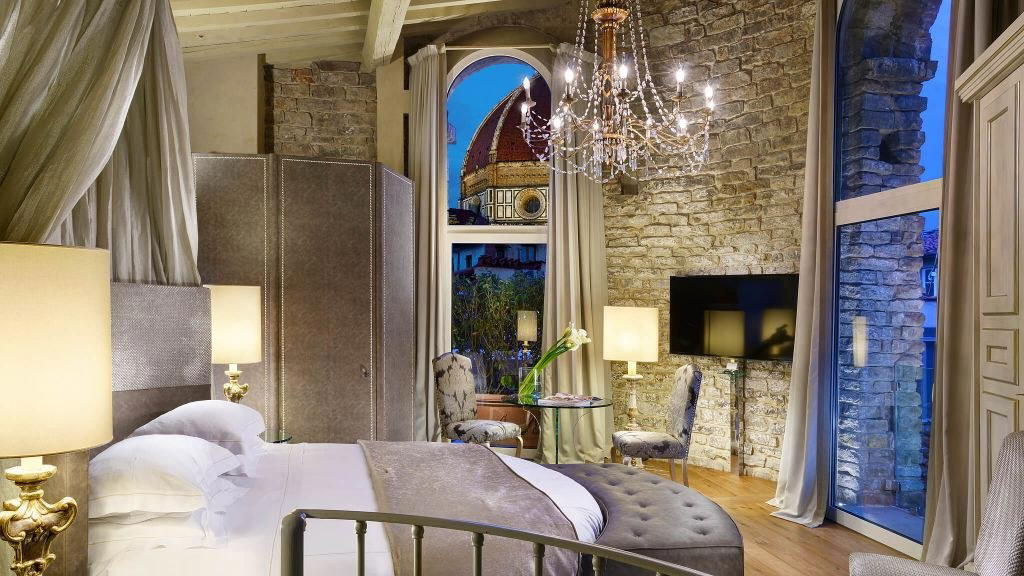
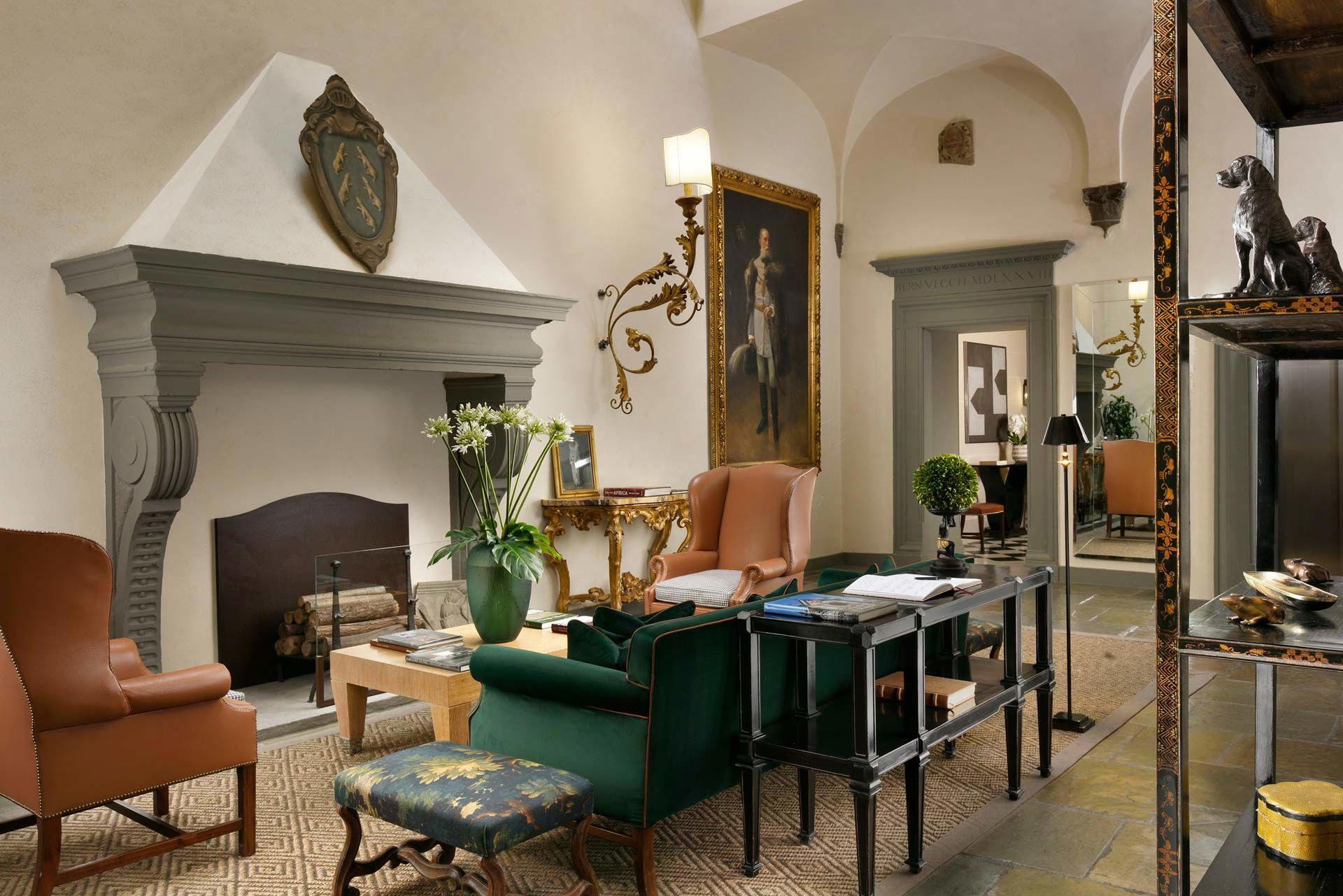
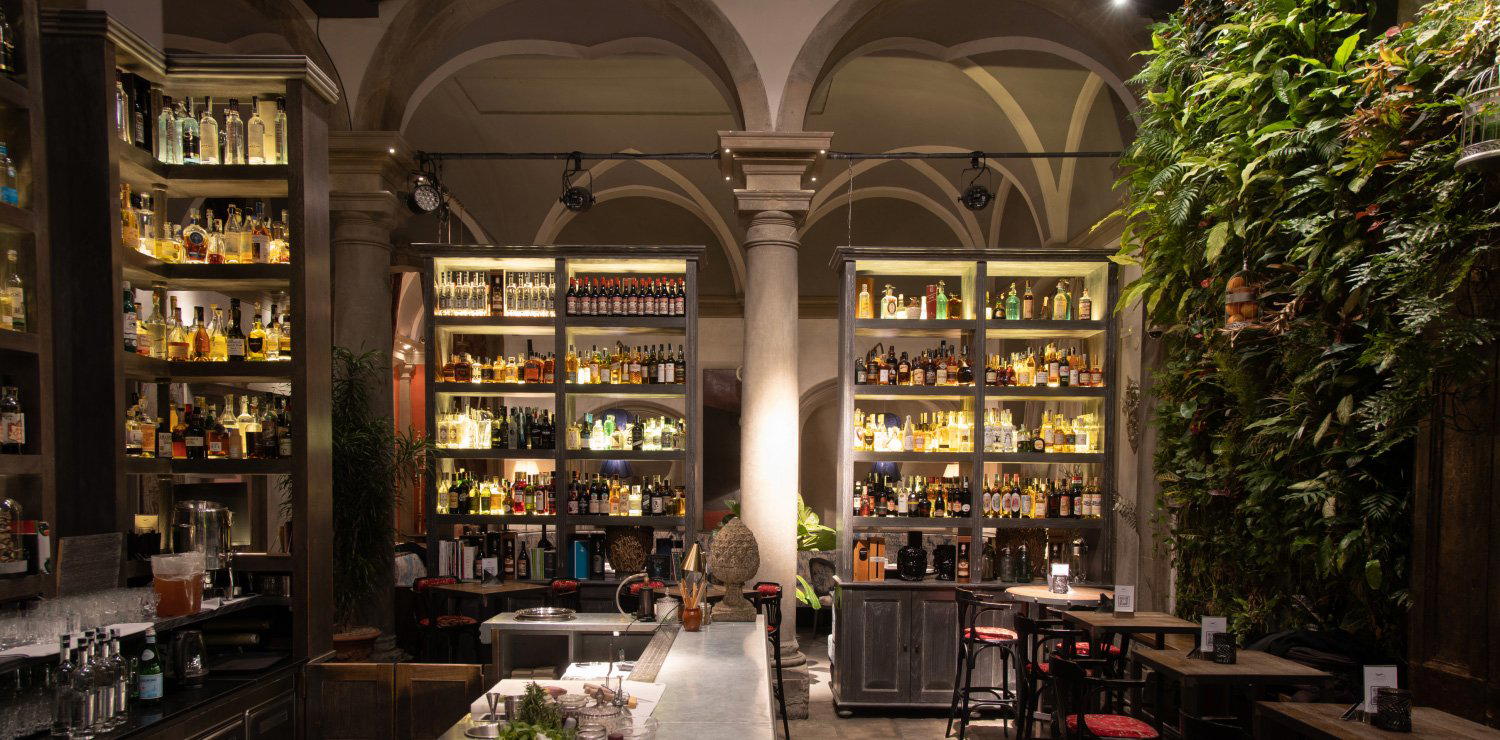
Cozy and elegant with warm, low-key atmosphere praised for its refined yet welcoming Tuscan charm.