


Michelin Bib Gourmand · Star Wine List
Our verdict
Few Tuscan trattorias balance serious wine programming with Bib Gourmand-level cooking the way Da Burde does.

Pearl is the En Primeur Club membership app — saves, bookings, and concierge access live there. Same editors, same standards.
- Address
- Via Pistoiese, 154, 50145 Firenze FI, Italy
- Phone
- +39 055 317206
- Hours
- Mon–Thu 9 AM–5 PMFri 9 AM–5 PM, 7–11 PMSat 9 AM–5 PMSun Closed
- Website
- landing.vinodaburde.eu
- Directions
- Get directions
- Booking
- Book on the venue's website
The menu
What to order
- Bistecca alla Fiorentina
- Ribollita
- Pasta e Fagioli
- Cacciucco
- Acquacotta alla Maremmana
This is a part of Florence that the city's more decorated restaurants — places like Cibrèo or the Michelin-starred contemporary kitchens clustered around the centre, do not occupy.
The Cellar as Competitive Differentiator
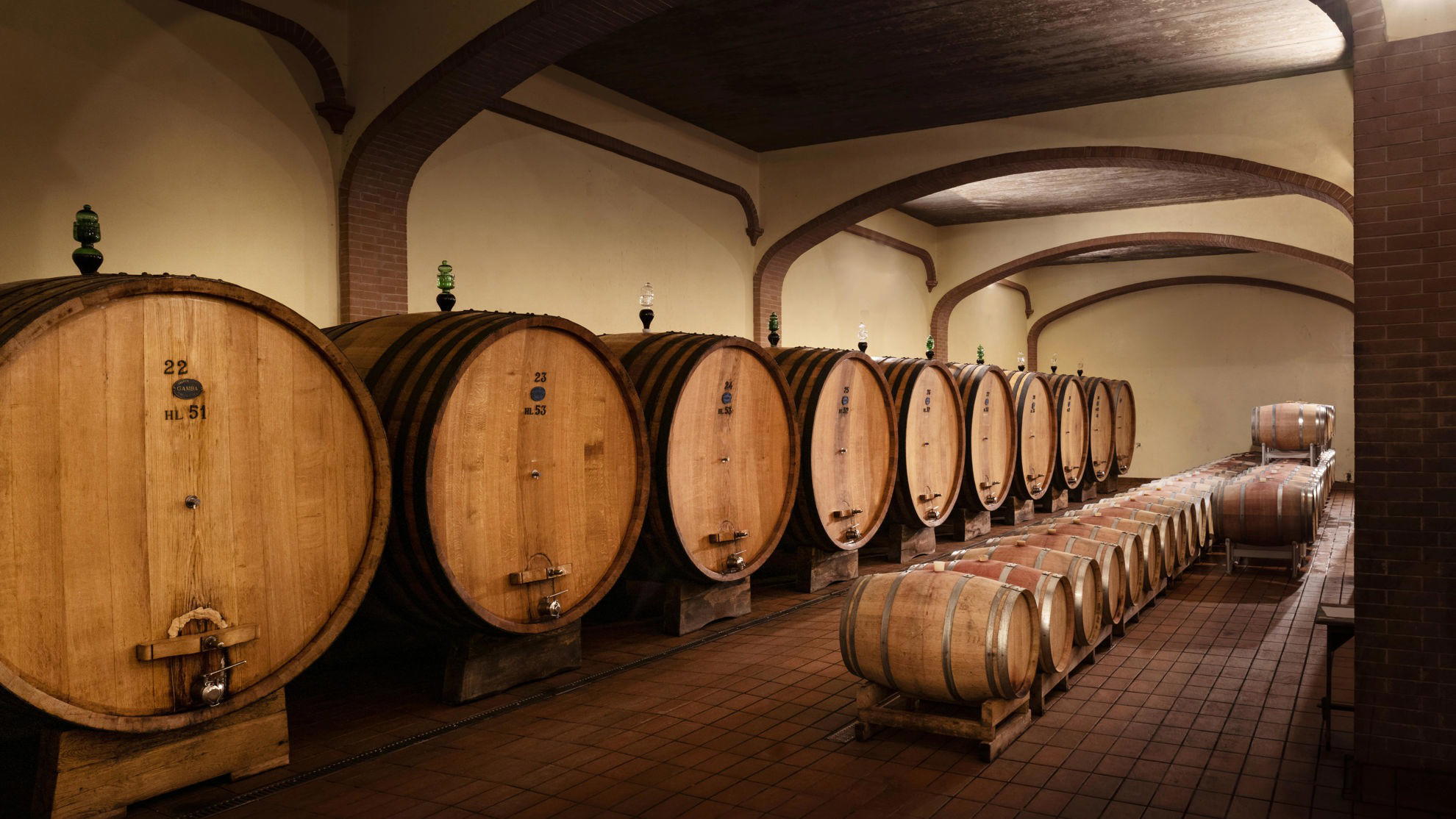
In the trattoria tier, wine lists are often an afterthought, a short regional selection priced for volume. Da Burde's approach diverges from that pattern. The wine programme is overseen by Andrea, a sommelier whose engagement with the cellar extends beyond service: he organises themed wine-tasting evenings, which is an unusual format for a neighbourhood trattoria and signals a programme built with genuine curatorial intent rather than convenience.
Tuscany as a wine region offers significant range for a list like this to work with. The combination of a grocer's background, which typically implies direct producer relationships and an interest in provenance, with a dedicated sommelier creates a structural advantage over trattorias that buy from wholesale distributors without editorial judgment.
For the category of restaurant this is, single-price-bracket (€), trattoria format, Bib Gourmand positioning, the wine investment is notable. The comparable tier in cities like Florence tends to offer solid house pours and a brief wine list. A sommelier who programmes evening events around specific themes is drawing from a cellar with enough breadth and structure to make those events coherent. That is a different operation from a neighbourhood canteen with a wine fridge.
Diners exploring the wine dimension of Tuscany more broadly might also consider the regional producers listed in our full Florence wineries guide, which maps the output of the surrounding countryside that feeds lists like Da Burde's.
The Kitchen: Anchored in Tradition
The cooking at Da Burde sits within the Tuscan trattoria canon without apparent concession to modernist technique or tourist-facing simplification. The Fiorentina steak, bistecca alla fiorentina, cut from Chianina or similar Tuscan cattle, grilled over direct flame, served on the bone at a weight that makes it a shared exercise as much as an individual plate, is the centrepiece. This is a dish that rewards kitchens committed to sourcing and fire management rather than elaboration; the preparation is structurally simple, which means there is nowhere to hide if the meat or the grill work falls short. The Michelin Bib Gourmand, awarded two consecutive years, indicates the kitchen is not hiding anything.
Classic soups and handmade pastas round out the menu in the manner that has characterised Florentine trattoria cooking for generations: ribollita-style bean soups, pappardelle with strong meat ragù, the kind of pasta work that requires consistent daily production rather than occasional effort. Under chef Paolo Gori, the kitchen holds to these references without apparent drift toward the contemporary Italian idiom being explored at places like Cucina or the more neighbourhood-grounded Osteria delle Tre Panche.
This positioning within the city's dining spectrum matters. Florence's Michelin-starred tier, Enoteca Pinchiorri at three stars, Santa Elisabetta and Borgo San Jacopo each with a star, plus Gucci Osteria and Il Palagio in the contemporary bracket, occupies a completely different price and format category. Da Burde is not competing in that space. Comparable serious trattorias serving the Tuscan tradition can be found at Trattoria 13 Gobbi and the farm-rooted Podere 39, though Da Burde's wine dimension gives it a distinct character within that group.
Readers interested in how the broader Italian fine dining tradition maps against this regional grounding can trace the contrast through properties like Osteria Francescana in Modena, Le Calandre in Rubano, or Piazza Duomo in Alba. Tuscany's own refined register is represented regionally by Caino in Montemerano and L'Asinello in Castelnuovo Berardenga. For the northern Italian tier, Atelier Moessmer Norbert Niederkofler in Brunico, Enrico Bartolini in Milan, and Dal Pescatore in Runate define a different axis of Italian culinary ambition. Da Burde is not trying to compete with any of them, which is part of what makes its consistent recognition meaningful. Given a regular clientele and a format that fills quickly, booking in advance is the standard practice here; this is not a room with walk-in capacity on its better days. The price point (€) places it among the most accessible serious dining options in the city. Those building a wider Florence picture can consult our full Florence restaurants guide, plus resources for hotels, bars, and experiences across the city.
Frequently asked questions
What should I budget for a meal at Da Burde?
Pricing at Da Burde is listed as €.
Compact Comparison
A quick peer reference to anchor this venue in its category.
| Venue | Cuisine | Price | Awards | Notes |
|---|---|---|---|---|
| Da BurdeThis venue — the venue you are viewing | Traditional Tuscan Trattoria | $30–50 | Michelin Bib Gourmand · Star Wine List | Not listed |
| Enoteca Pinchiorri | Contemporary Italian Fine Dining | $200–300 | 3 Michelin Stars · World's 50 Best #32 | Italian - French, Italian Contemporary |
| Santa Elisabetta | Modern Italian Fine Dining with Seafood Focus | $200–300 | 2 Michelin Stars · La Liste Top Restaurants | Italian, Creative |
| Borgo San Jacopo | Michelin-starred Modern Tuscan & Italian Fine Dining | $150–200 | 1 Michelin Star · Falstaff Restaurant - 94 Falstaff Points | Italian, Modern Cuisine |
| Gucci Osteria da Massimo Bottura | Contemporary Italian with Japanese and Mexican Influences | $200–300 | 1 Michelin Star · Wine Spectator Best of Award of Excellence | Modern Italian, Italian Contemporary |
| Il Palagio | Modern Tuscan Fine Dining | $100–150 | 1 Michelin Star · Star Wine List | Italian Contemporary |
Recognition history
Dated appearances from independent guides and award organizations, with the underlying list record or original source where available.
Michelin Bib Gourmand
Michelin
Star Wine List
Star Wine List
Opinionated About Dining Casual in Europe Recommended
Opinionated About Dining
Full recognition history (6 entries)
Michelin Bib Gourmand
Michelin
Opinionated About Dining Casual in Europe Ranked #700
Opinionated About Dining
Michelin Bib Gourmand
Michelin
Continue exploring
More in Florence
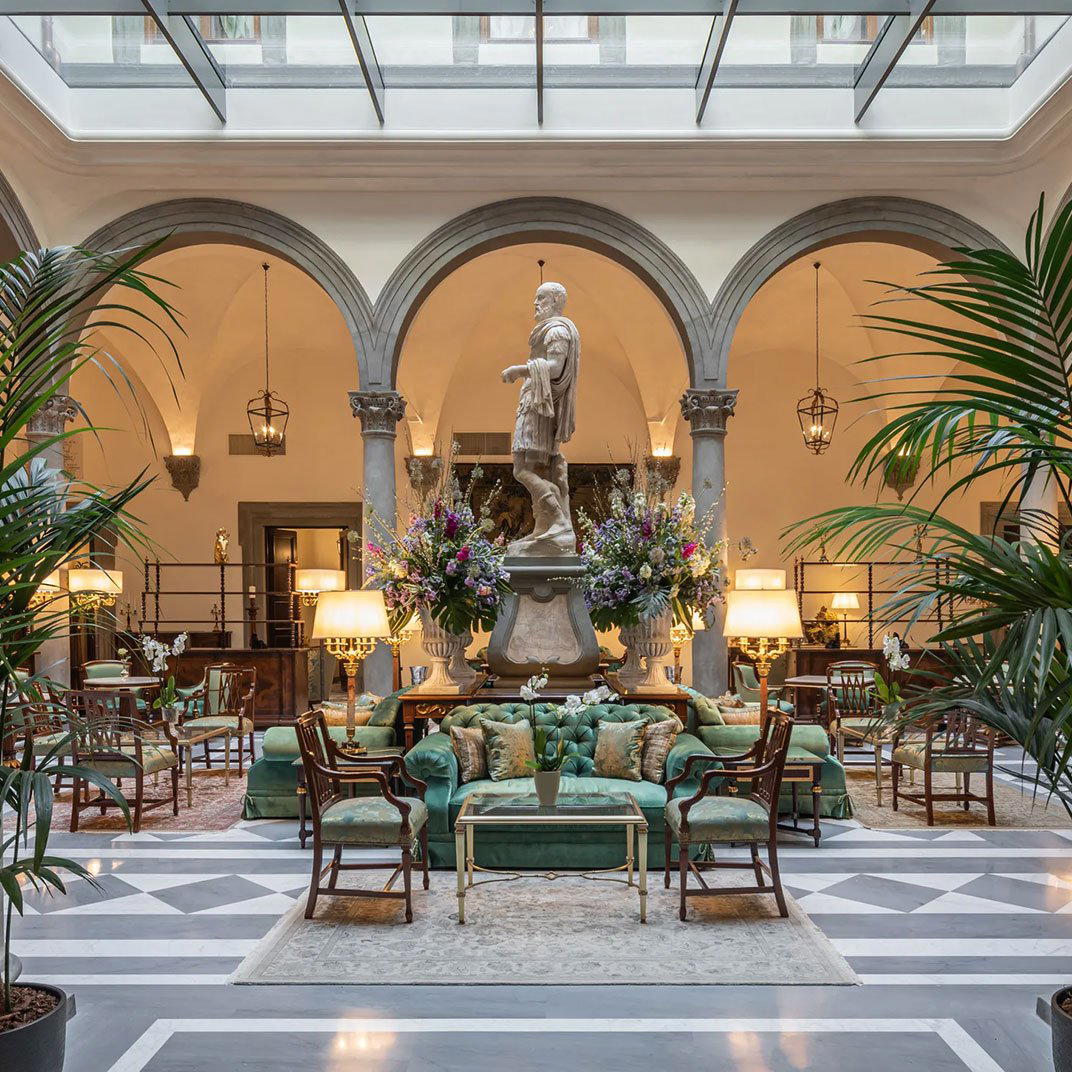
Restaurants in Florence
Browse all →
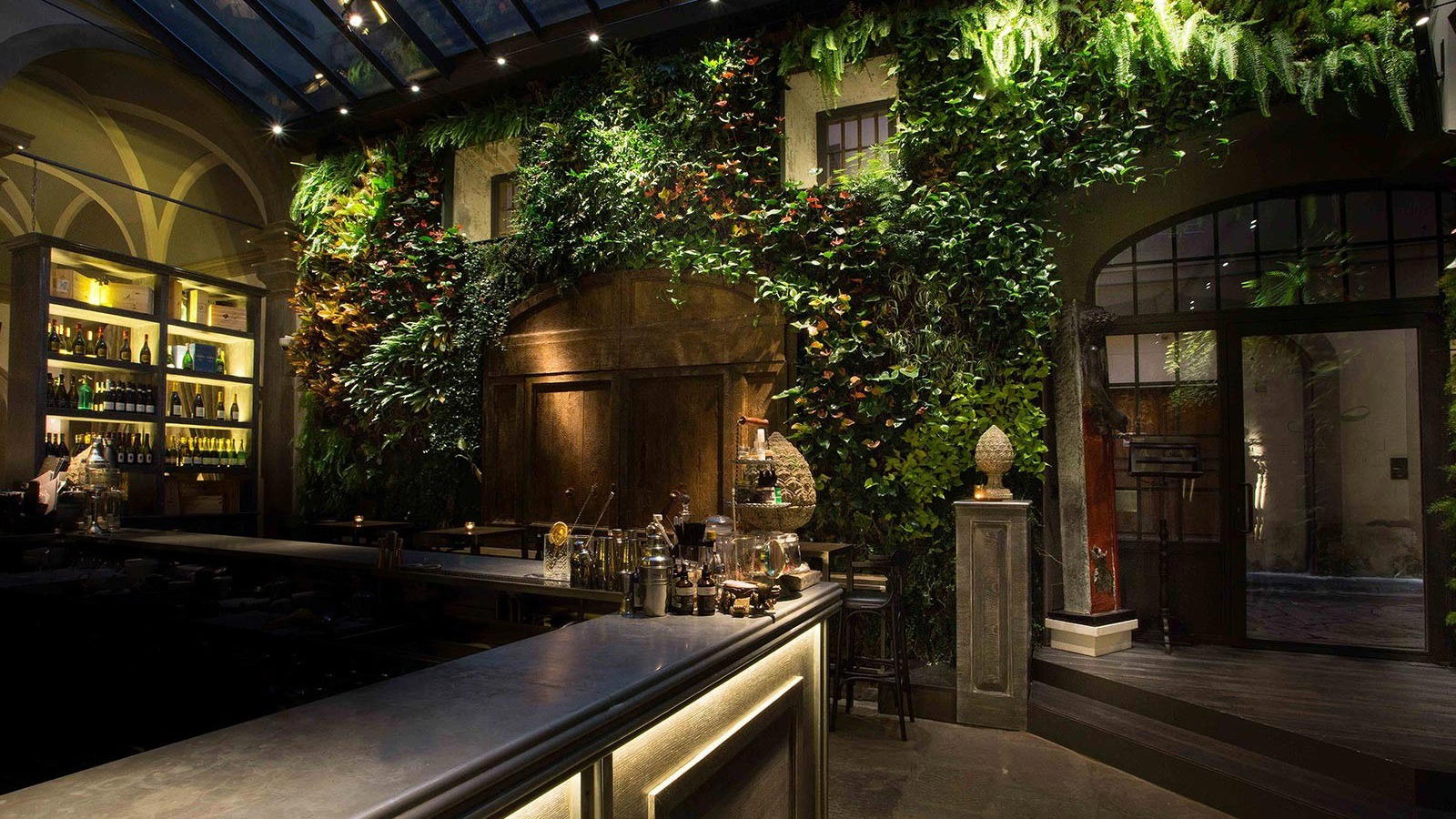
Bars in Florence
Browse all →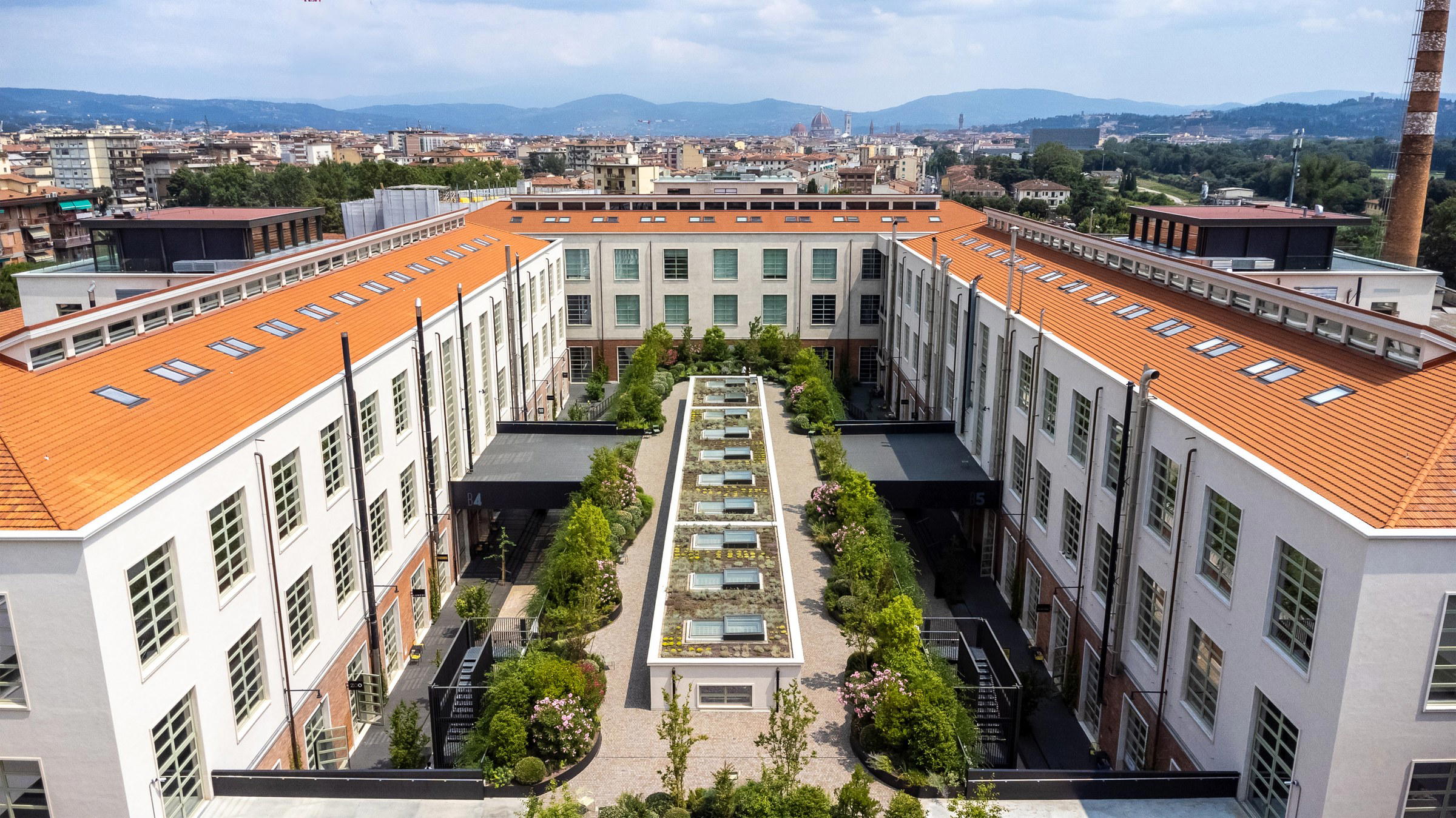
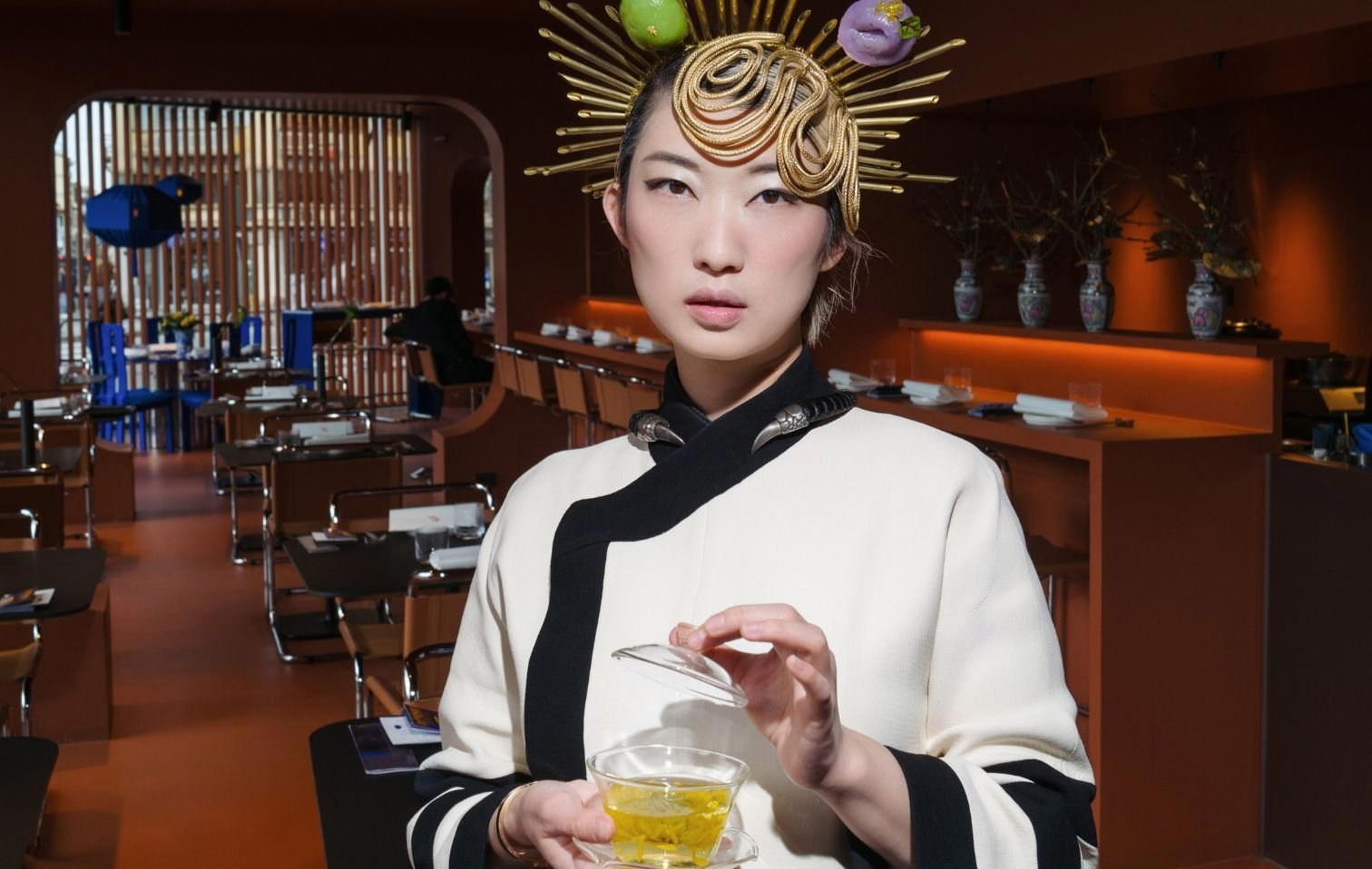
Hotels in Florence
Browse all →
Details
- Classic
- Rustic
- Cozy
- Well Known
- Group Dining
- Family
- Casual Hangout
- Special Occasion
- Historic Building
- Standalone
- Sommelier Led
- Local Sourcing
- A La Carte
- Family Style
- Wine
- Gluten Free Options
Current opening hours
- Monday
- 9 AM–5 PM
- Tuesday
- 9 AM–5 PM
- Wednesday
- 9 AM–5 PM
- Thursday
- 9 AM–5 PM
- Friday
- 9 AM–5 PM, 7–11 PM
- Saturday
- 9 AM–5 PM
- Sunday
- Closed
Hours can change for holidays and private events. Last verified .
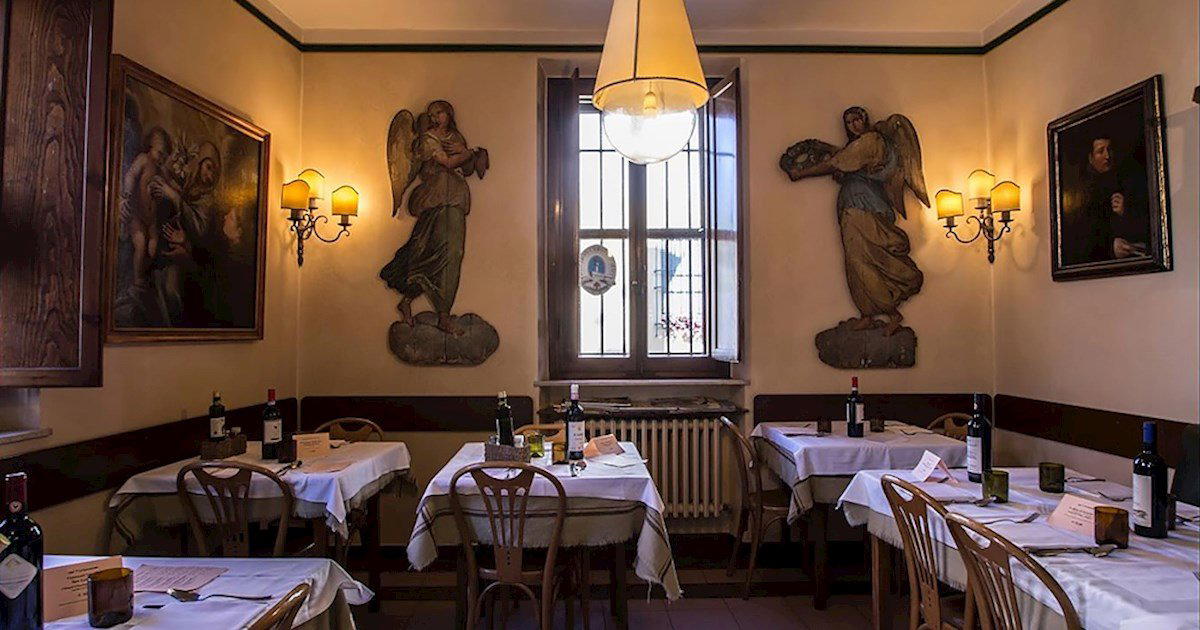
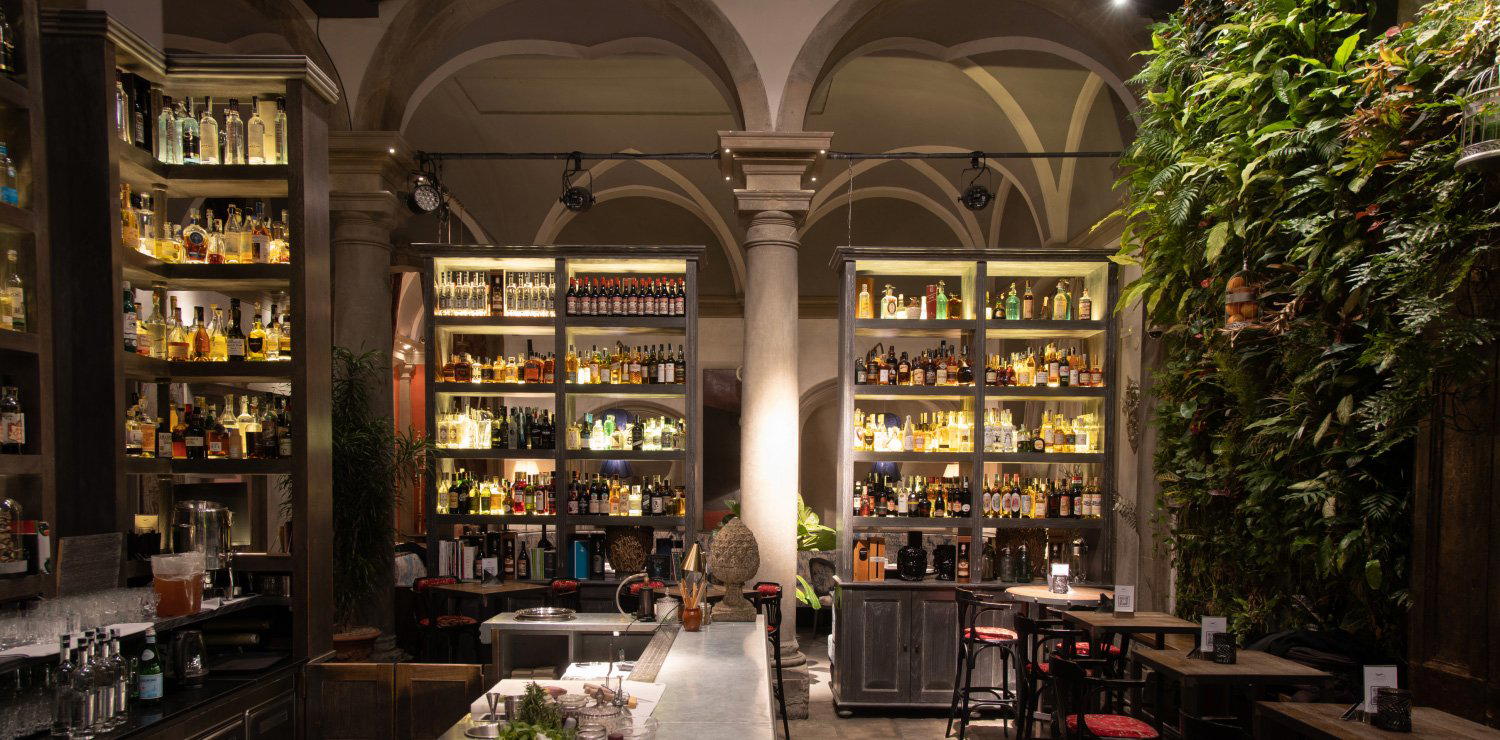
Homey yet elegant environment with a timeless, unchanged character that evokes classic Florentine tradition; intimate and warm despite its location on a main road away from the historic center.