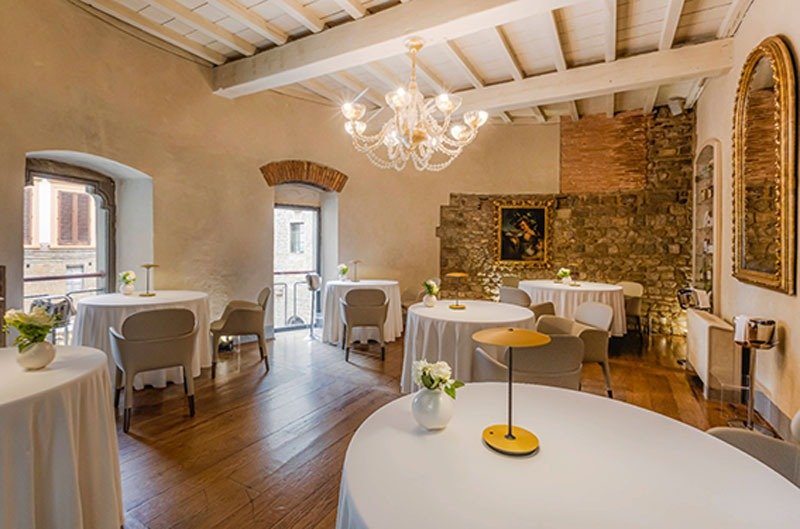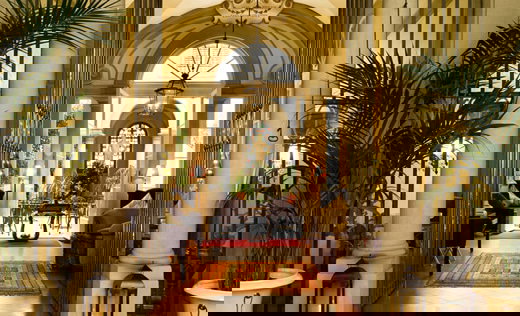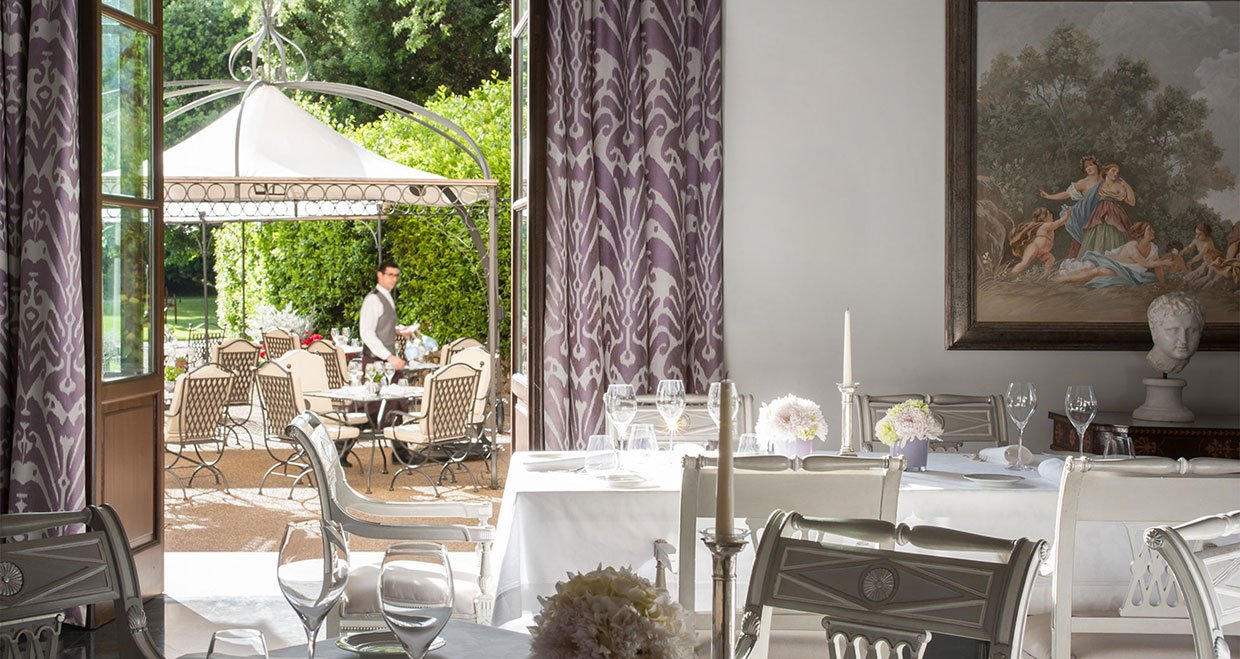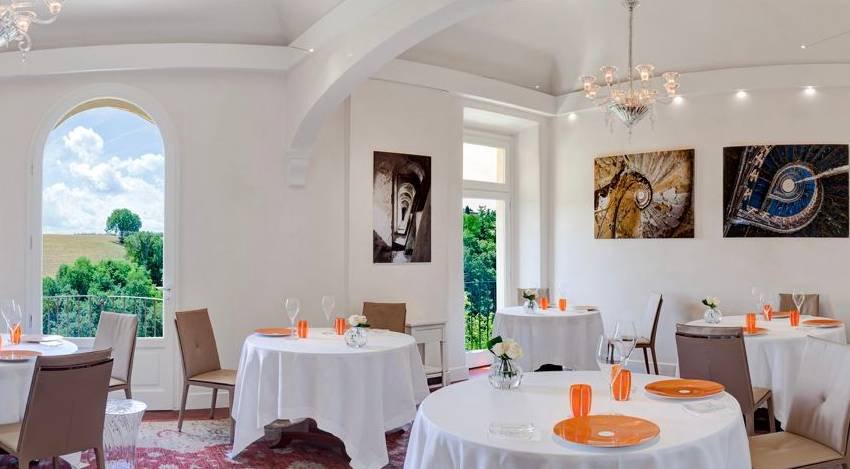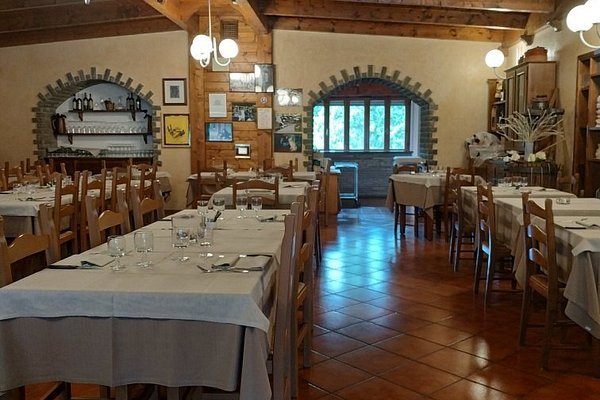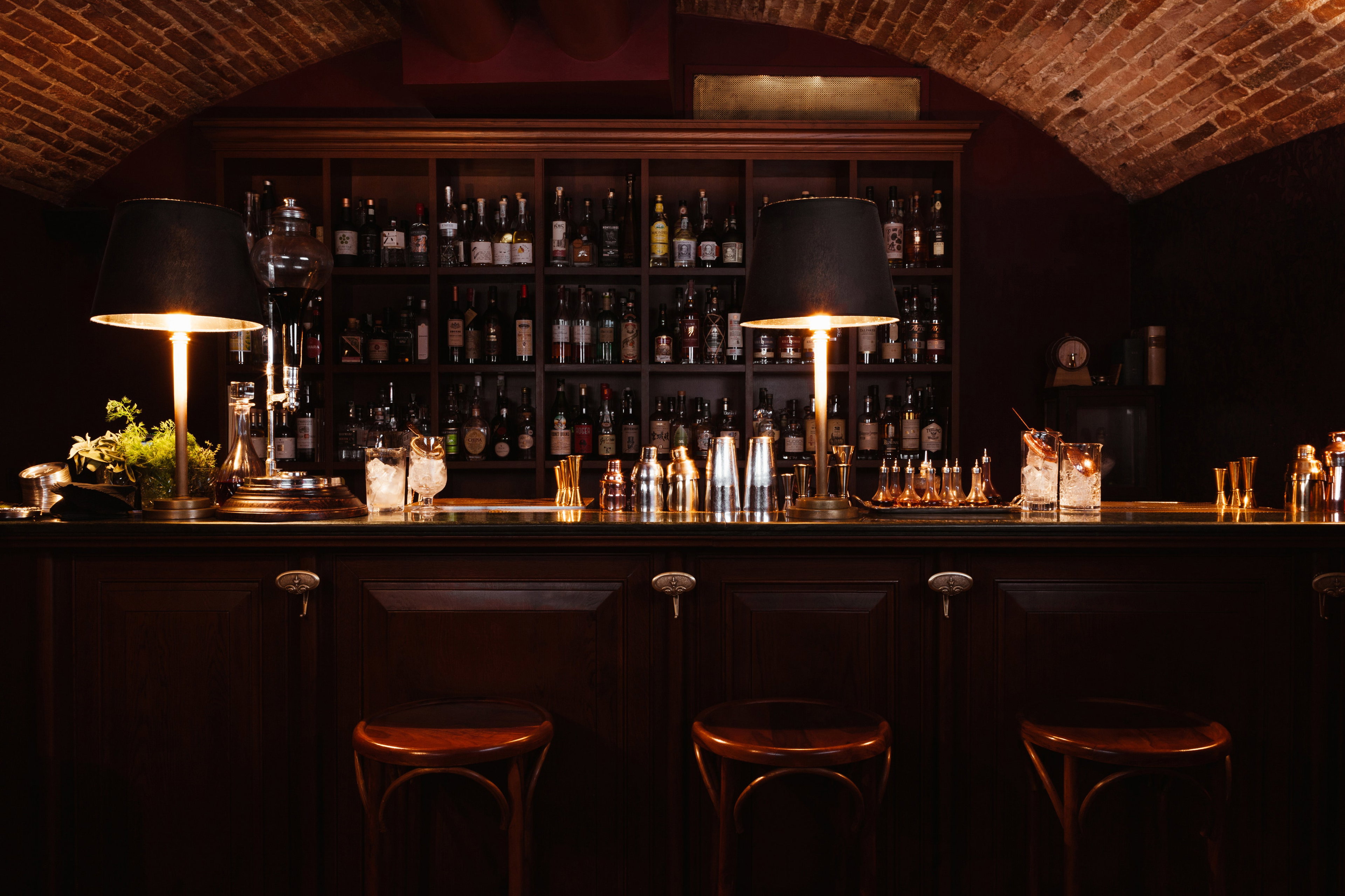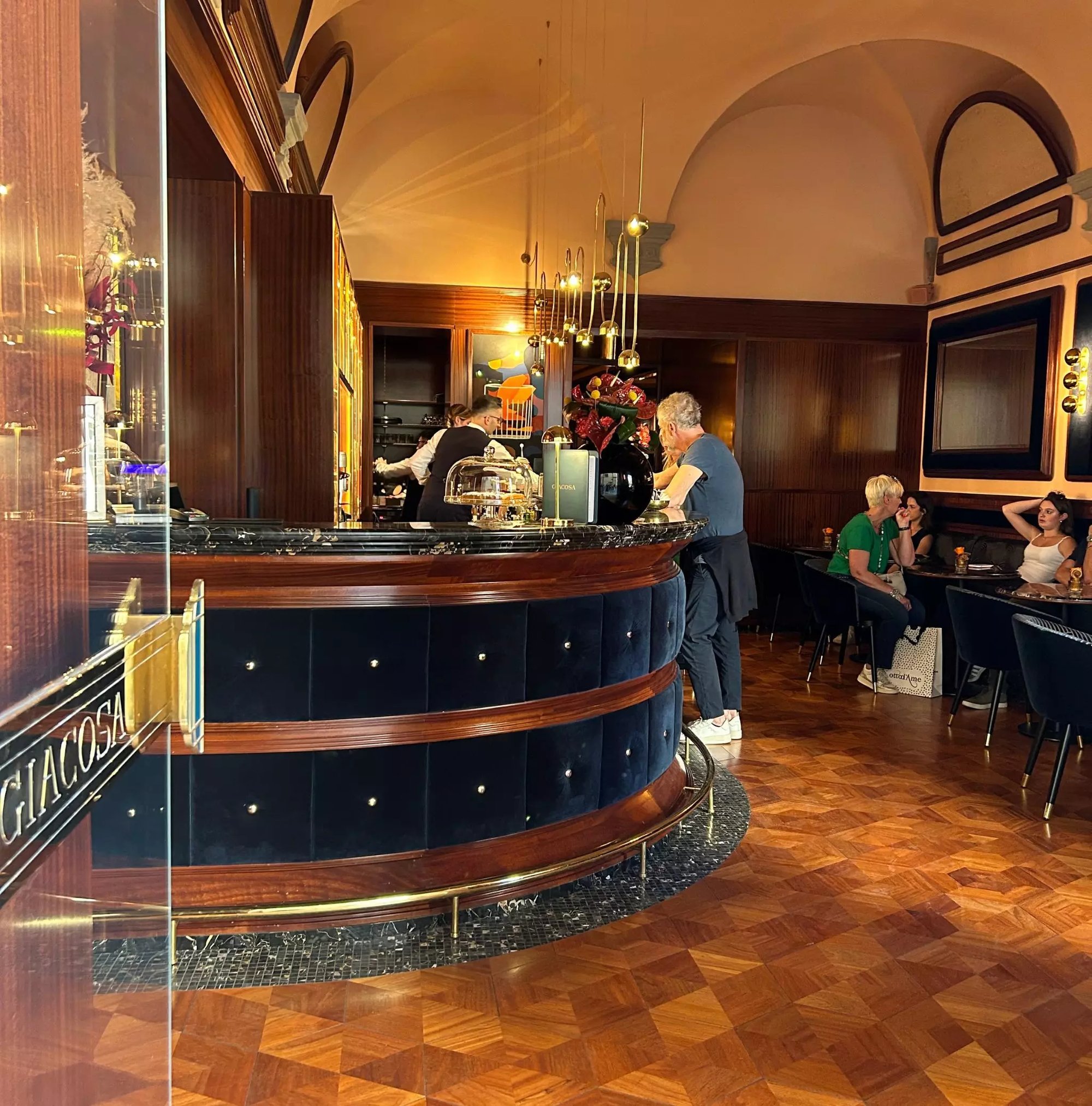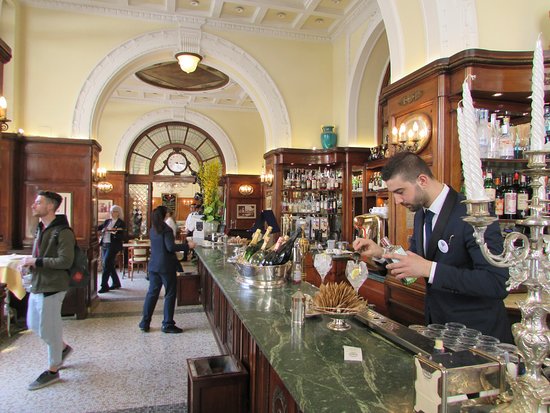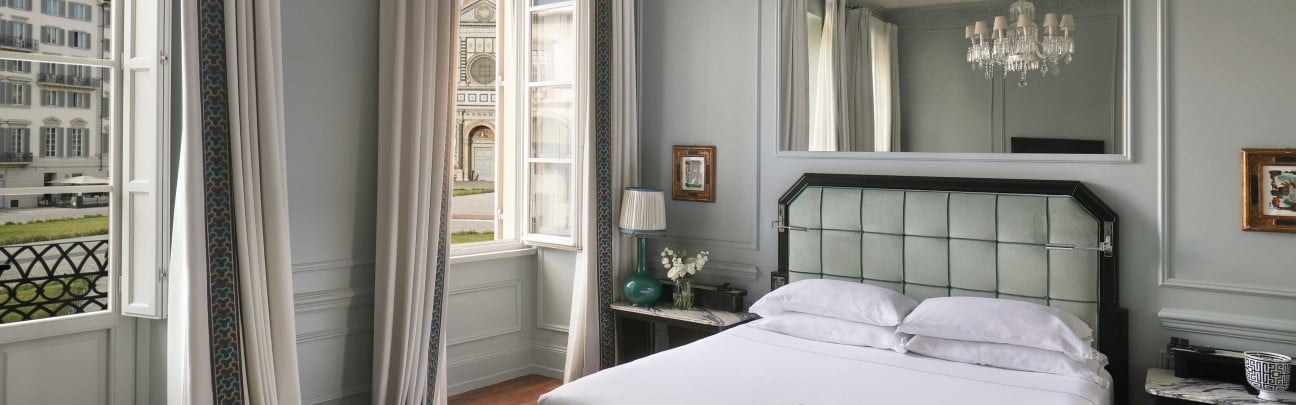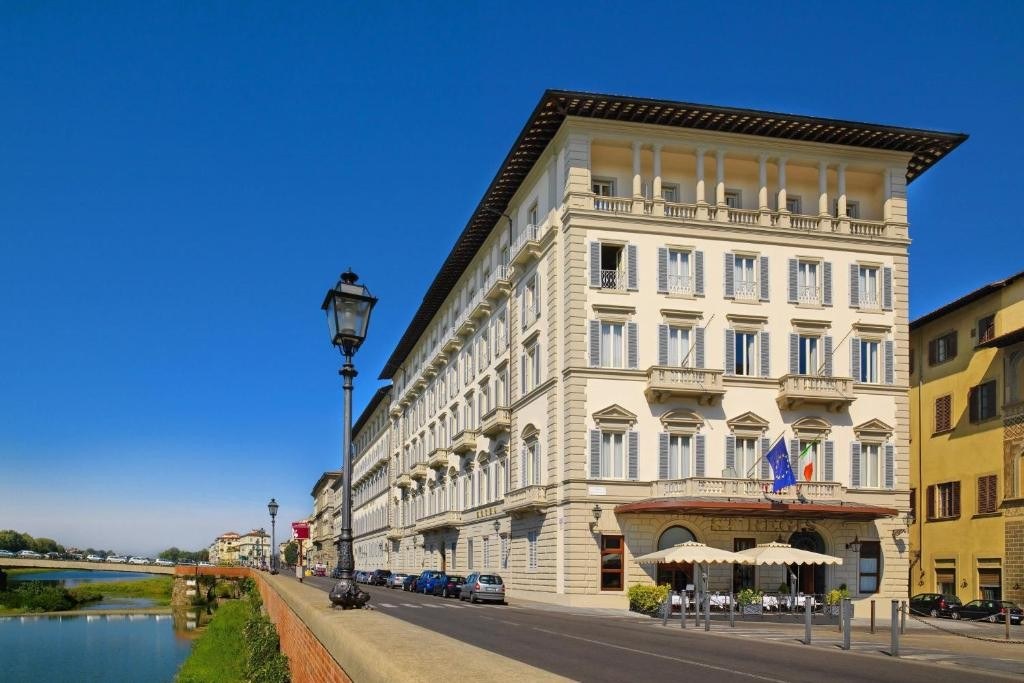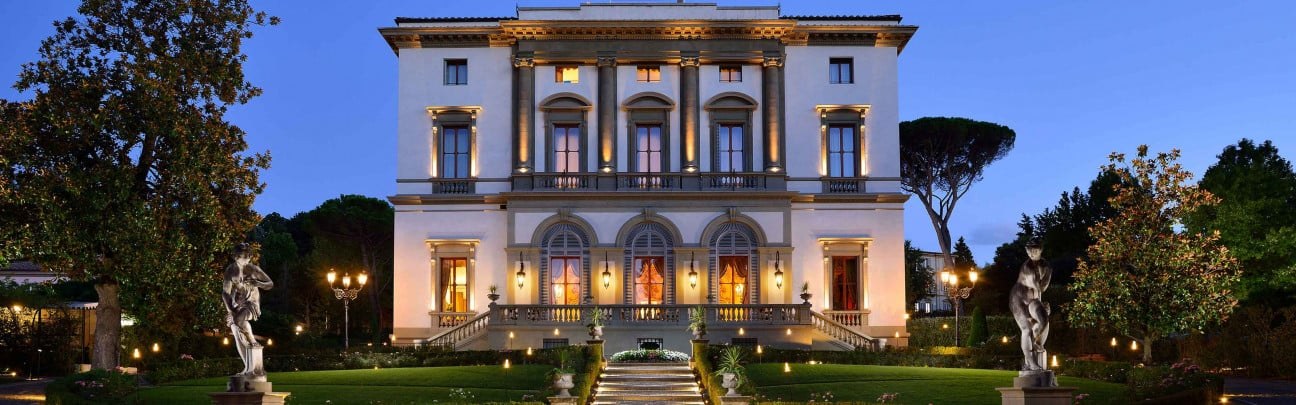

A Michelin-starred dining room set within Hotel Lungarno, Borgo San Jacopo operates at the serious end of Florence's fine-dining tier, ranked #336 among Europe's classical restaurants by Opinionated About Dining in 2025. Chef Claudio Mengoni's menu moves between two tasting formats and an à la carte, with creative meat and fish dishes that carry selective Tuscan inflection — served across a room with two coveted balcony tables overlooking the Arno.
 Discover on Pearl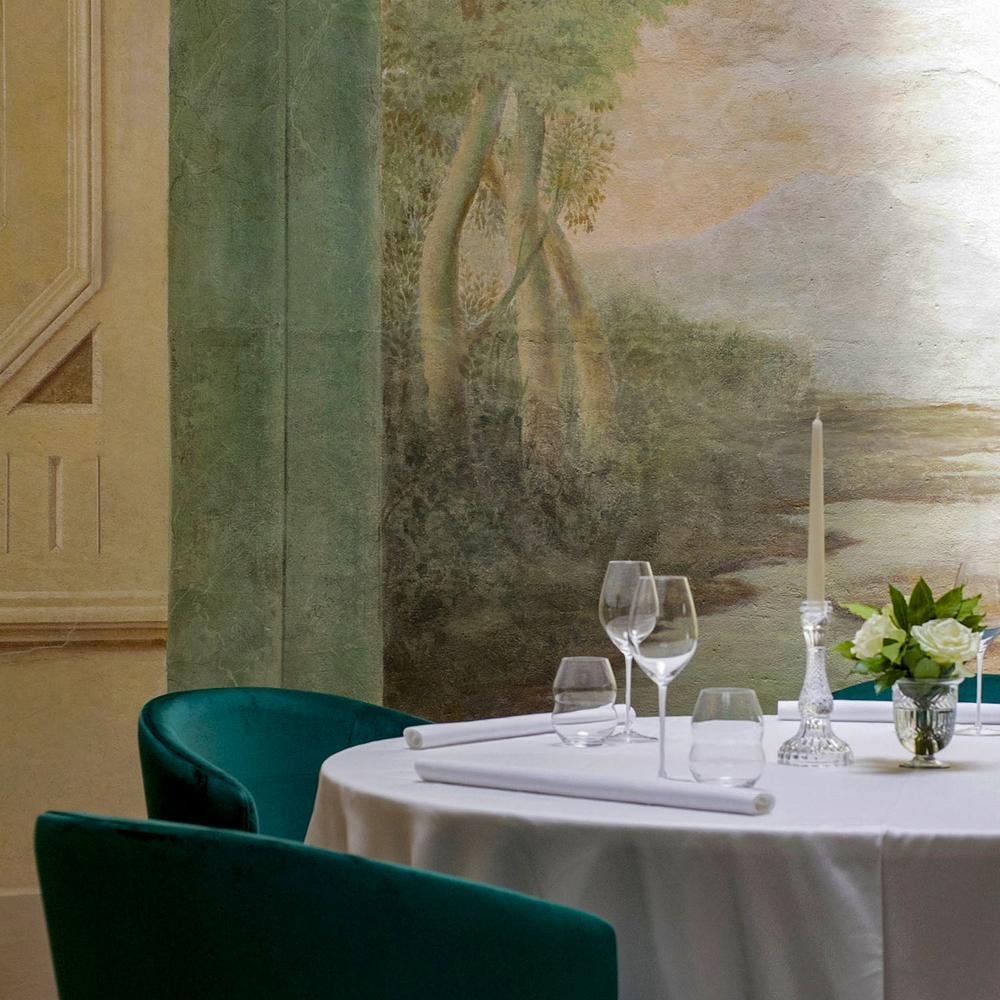
Dinner on the South Bank of the Arno
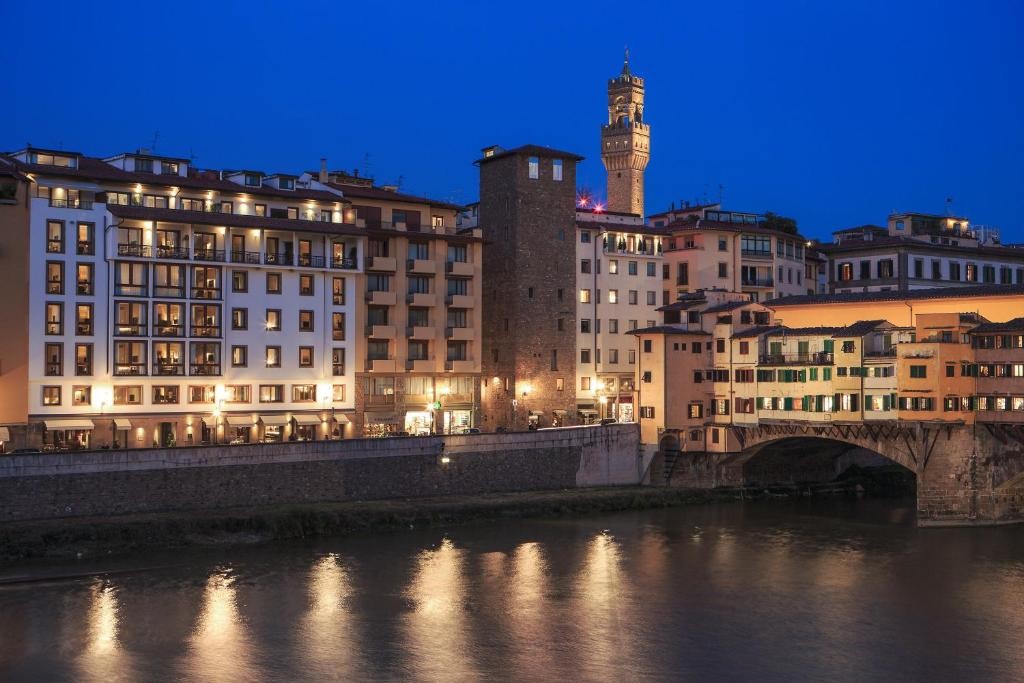
Cross the Ponte Vecchio heading south and the city changes register. The Oltrarno — Florence's left bank — has always operated at a slight remove from the museum-circuit pressure of the centro storico, and the stretch of Borgo San Jacopo that runs parallel to the river carries that quality through to its architecture: medieval tower houses, narrow pavements, and the Arno visible between buildings. The restaurant that shares the street's name sits within Hotel Lungarno at number 62r, and its position here is not incidental to what it does at the table. The physical setting is part of the editorial proposition.
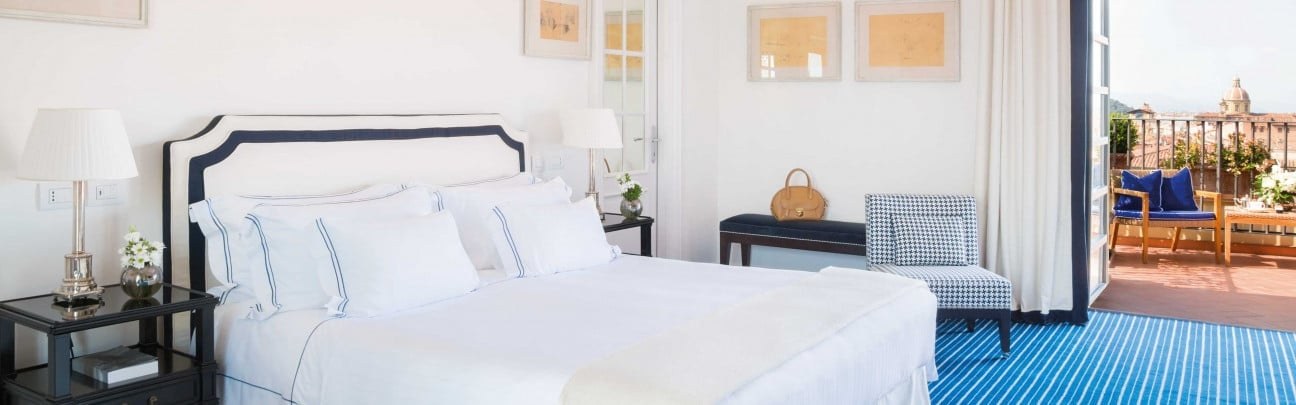
Two tables on the balcony overhang the river directly, with a sightline that takes in the Ponte Vecchio from the south. Demand for those seats is predictable, and booking lead times reflect it. The restaurant opens Wednesday through Sunday from 7 PM, closing Monday and Tuesday , a schedule typical of hotel dining rooms operating at this tier, where kitchen intensity and front-of-house staffing favour a shorter, more controlled service week.
Where Borgo San Jacopo Sits in Florence's Fine-Dining Tier
Florence's Michelin-starred restaurants now occupy a more differentiated field than a decade ago. At the leading sits Enoteca Pinchiorri, the city's three-star institution, which anchors one end of the spectrum with a wine cellar of roughly 150,000 bottles and a decades-long reputation as one of Italy's most complete dining experiences. Below it, Santa Elisabetta holds two stars in the Torre della Pagliazza, while Borgo San Jacopo, Gucci Osteria da Massimo Bottura, and Il Palagio each hold one star , a cluster of hotel-based and concept-driven rooms that compete on distinctly different terms.
What separates Borgo San Jacopo within that one-star group is its OAD positioning. Ranked #249 in Opinionated About Dining's Classical Europe list in 2024 and rising to a point of presence at #336 in 2025 (a shift that reflects competitive field expansion more than any demotion), the restaurant is the kind of room that serious European dining travellers track. OAD rankings are driven by experienced diner surveys rather than inspector visits, which means they capture repeat-visitor opinion and dining-circuit credibility in a way that complements Michelin data. Atto di Vito Mollica, also in Florence, operates in an adjacent tier but with a different culinary emphasis , making Borgo San Jacopo the cleaner reference point for guests whose priorities align with classical European technique and Tuscan-inflected modern Italian cooking.
The Menu Architecture and What It Signals
Chef Claudio Mengoni structures the offer across two tasting menus and an à la carte. This three-format approach is a considered choice at this level: the tasting menus allow the kitchen to run a focused, sequenced argument for the cuisine, while the à la carte preserves access for guests who prefer to build their own progression , or who are dining with someone whose appetite or time doesn't align with a full tasting sequence.
The dishes span meat and fish with creative development and selective Tuscan reference points. That phrase , selective Tuscan influence , matters in context. Florence's dining scene carries a constant tension between the pull of regional identity (bistecca, ribollita, pappardelle with wild boar) and the ambitions of a kitchen working at starred level, where repetition of the canonical is not the point. Borgo San Jacopo threads that tension by treating Tuscany as an accent rather than a constraint. Regional ingredients and flavour logic appear within a contemporary Italian framework rather than dominating it , a positioning shared by other high-performing Italian rooms such as Piazza Duomo in Alba (which uses Piedmontese product with similar editorial discipline) and, at greater distance, Osteria Francescana in Modena, where regional identity is interrogated rather than simply celebrated.
Italian Wine and the Table: The Sommelier's Role Here
Italy's wine geography and its cuisine are so structurally intertwined that the sommelier's role at a room like this extends well beyond list management. Tuscany alone produces a wine range that can carry a multi-course menu from aperitivo to digestivo without redundancy: the high-acid, food-integrating quality of Sangiovese-based reds , Chianti Classico, Morellino, Brunello di Montalcino , runs through the meat dishes with an ease that Bordeaux-style internationalism rarely matches at this price point. Vermentino and Vernaccia di San Gimignano hold the early courses; the vertical Tuscan offer handles the middle and end.
But a room competing at OAD and Michelin level cannot limit its wine programme to regional advocacy. The serious wine diner in this tier expects a list that travels: Barolo and Barbaresco from Piedmont, Super Tuscans that step outside DOC logic, older vintages with cellaring credibility, and a white wine selection that goes beyond the predictable. The comparison point here is sharp , Enoteca Pinchiorri's list is so comprehensive it functions as a separate attraction, and any room in Florence carrying starred ambitions works in that shadow. What distinguished rooms at the one-star level do is build a list with clear editorial point of view, rather than attempting to out-volume an impossible reference. Italy's diversity , from Alto Adige's Germanic-inflected whites to the volcanic minerality of Sicilian reds , gives a skilled sommelier at Borgo San Jacopo real range to work with across Mengoni's fish and meat progressions.
This architecture of pairing , where the sommelier acts as co-author of the meal rather than a wine dispenser , is increasingly the standard at European starred rooms operating below the three-star tier. Dal Pescatore in Runate has long demonstrated that a family-operated room outside a major city can build a wine programme that deepens the food argument rather than merely accompanying it. Le Calandre in Rubano and Enrico Bartolini in Milan approach the same standard from different regional and stylistic positions. The expectation for guests arriving at Borgo San Jacopo is that wine service will be integrated and considered, not incidental.
Beyond Italy's borders, the modern Italian approach to food-wine coherence has influenced rooms across the Alpine corridor. Arté al Lago in Lugano draws on northern Italian wine logic in a Swiss context, while Atelier Moessmer Norbert Niederkofler in Brunico has made Alpine product sovereignty , including wine , a defining programme statement. Closer to home, La Terrazza in Rome occupies a similar hotel-dining position on the Italian fine-dining spectrum, making it a natural comparison for travellers constructing a wider Italian itinerary.
Planning Your Visit
The restaurant sits at Borgo San Jacopo 62r in the Oltrarno, within Hotel Lungarno. Service runs Wednesday through Sunday, dinner only, from 7 PM to 10 PM. The price point sits at the top tier for Florence (€€€€), consistent with the Michelin-starred hotel dining rooms in the city. The two balcony tables carry obvious demand and require advance planning; reservations for those specific seats should be made well ahead, particularly for Friday and Saturday evenings. Google review data from 299 responses places the aggregate score at 4.6 out of 5, a level of consistency that holds across the full volume of reviews rather than a thinner, more volatile sample.
For guests building a Florence stay around serious dining, the EP Club guides to Florence restaurants, Florence hotels, Florence bars, Florence wineries, and Florence experiences map the broader field across categories.
Compact Comparison
A fast peer set for context, pulled from similar venues in our database.
| Venue | Notes | Price |
|---|---|---|
| Borgo San Jacopo | This venue | €€€€ |
| Enoteca Pinchiorri | Italian - French, Italian Contemporary, €€€€ | €€€€ |
| Santa Elisabetta | Italian, Creative, €€€€ | €€€€ |
| Gucci Osteria da Massimo Bottura | Modern Italian, Italian Contemporary, €€€€ | €€€€ |
| Il Palagio | Italian Contemporary, €€€€ | €€€€ |
| Cibrèo Trattoria | Tuscan Trattoria, €€ | €€ |
Continue exploring