Ciblèo occupies a quiet address on Via Andrea del Verrocchio in Florence's Santa Croce quarter, positioning itself within the city's serious but understated dining tier. The kitchen works within Tuscan culinary tradition while the room's restrained character keeps focus on what arrives at the table. For visitors piecing together Florence's fine-dining map, it merits attention alongside the neighbourhood's broader offer.
Pearl is the En Primeur Club membership app — saves, bookings, and concierge access live there. Same editors, same standards.
- Address
- Via Andrea del Verrocchio, 2r, 50122 Firenze FI, Italy
- Phone
- +39552341100
- Website
- cibreo.com
- Directions
- Get directions
 Saves & bookings on Pearl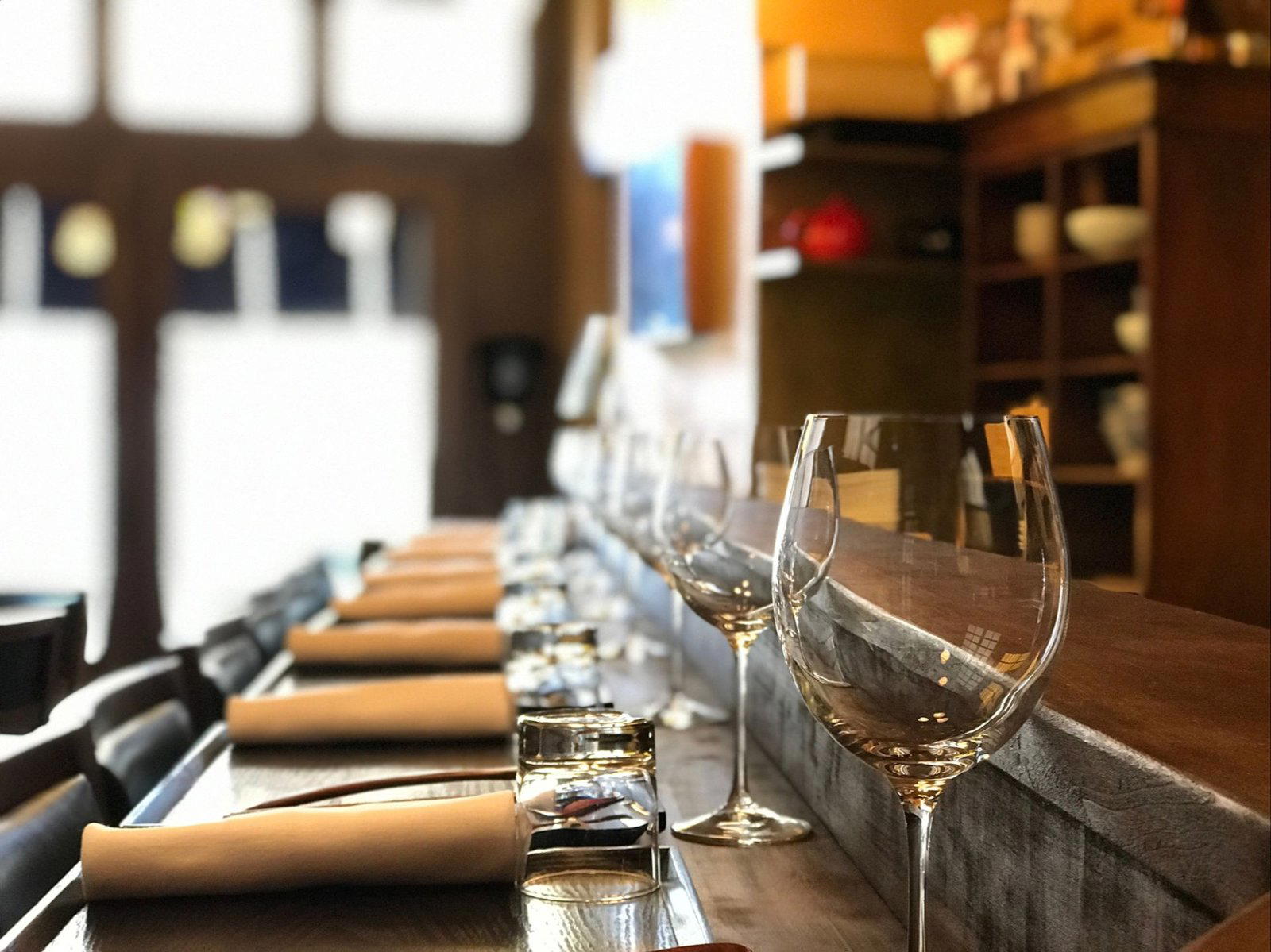
A Quiet Street, A Serious Room
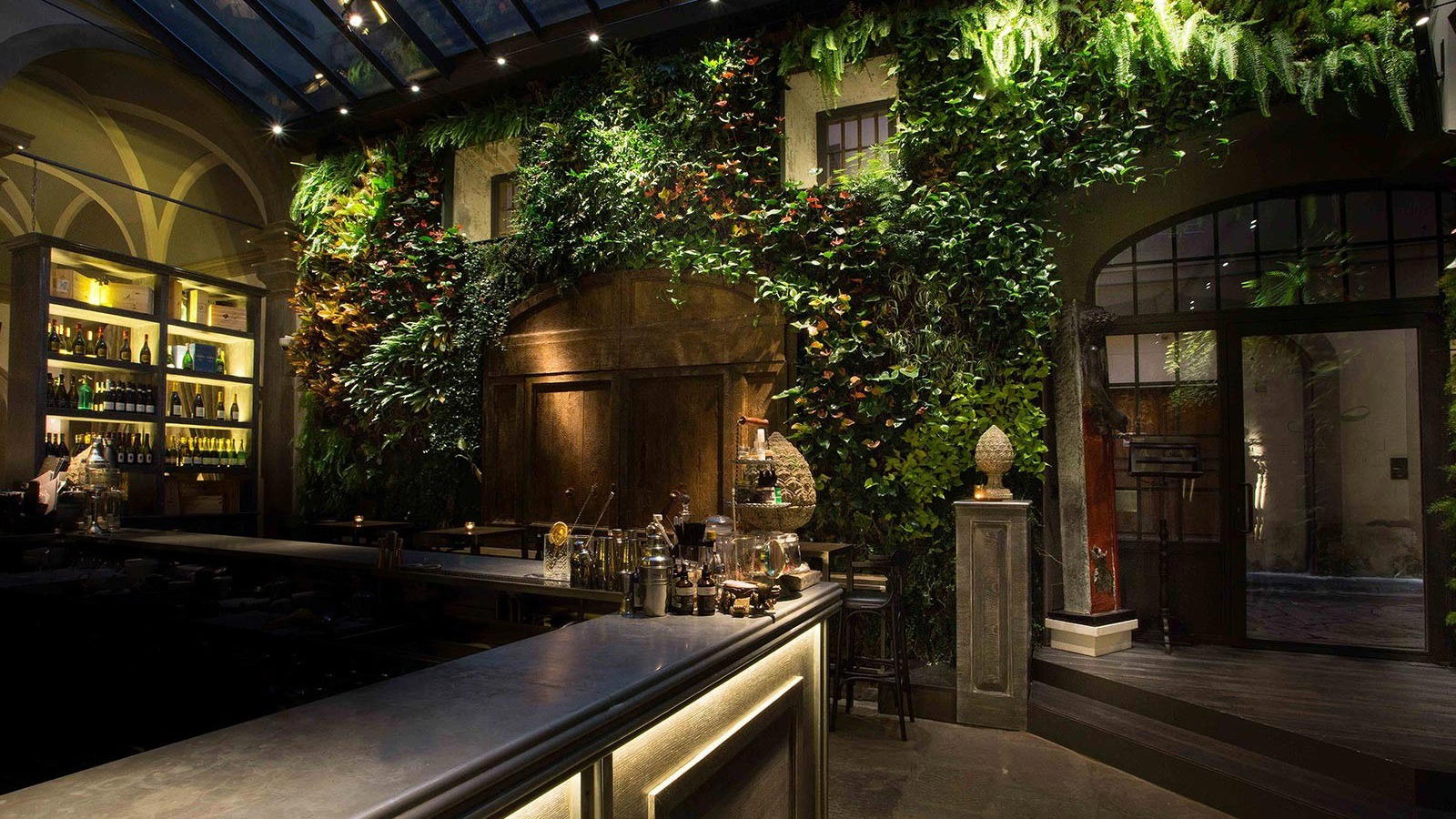
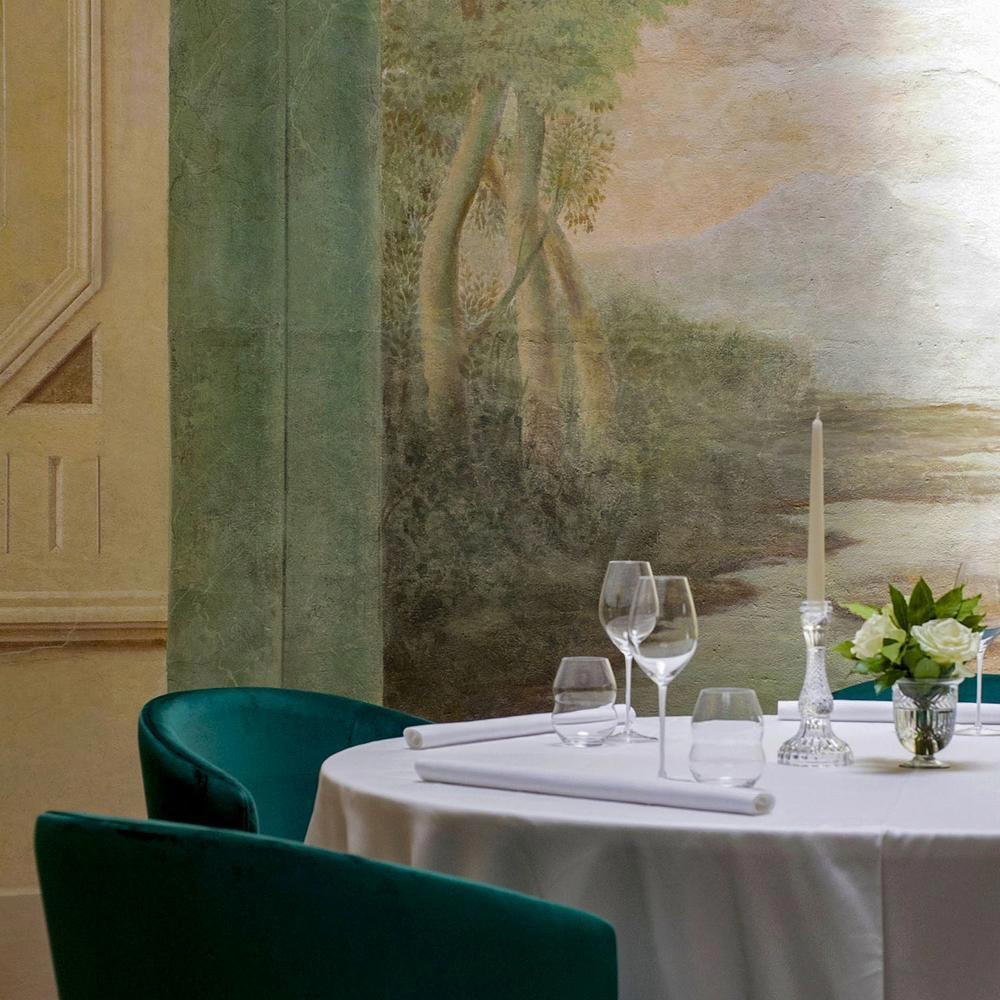
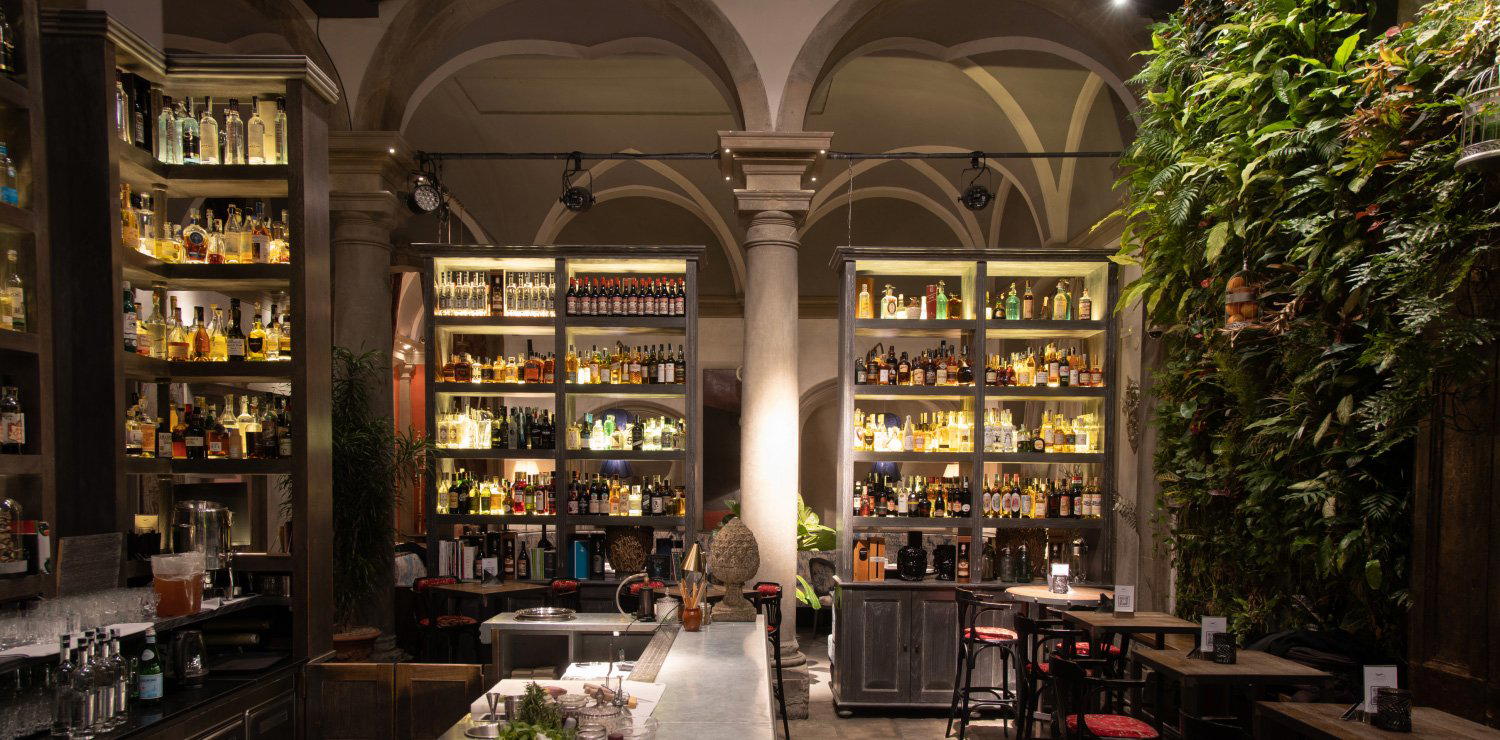
Via Andrea del Verrocchio runs through the Santa Croce quarter at a register that most tourists miss entirely. The street lacks the foot traffic of the Piazza della Repubblica corridor and the brand-name density of Via de' Tornabuoni, which means the dining along it operates for an audience that has already decided where it wants to eat before leaving the hotel. That self-selecting dynamic shapes the room at Ciblèo: arrivals tend to know what they are there for, and the atmosphere reflects it. The space reads as composed rather than performative, the kind of Florentine dining environment where the conversation at the next table stays low and the service moves without theatrical flourish.
Florence's fine-dining scene has consolidated around a recognisable upper tier in recent years. At one end sit the grand-institution addresses: Enoteca Pinchiorri, with its three Michelin stars and one of Italy's most documented cellars, and Santa Elisabetta, operating from inside a medieval tower with creative tasting menus at the €€€€ price point. At a slightly different register sit addresses like Atto di Vito Mollica and Borgo San Jacopo, both leaning on hotel settings and modern Italian frameworks. Ciblèo positions itself within this broader competitive field but through a lower-profile approach: no grand palazzo address, no attached luxury property, no internationally recognisable name anchoring the front-of-house story.
The Wine Question in Florence
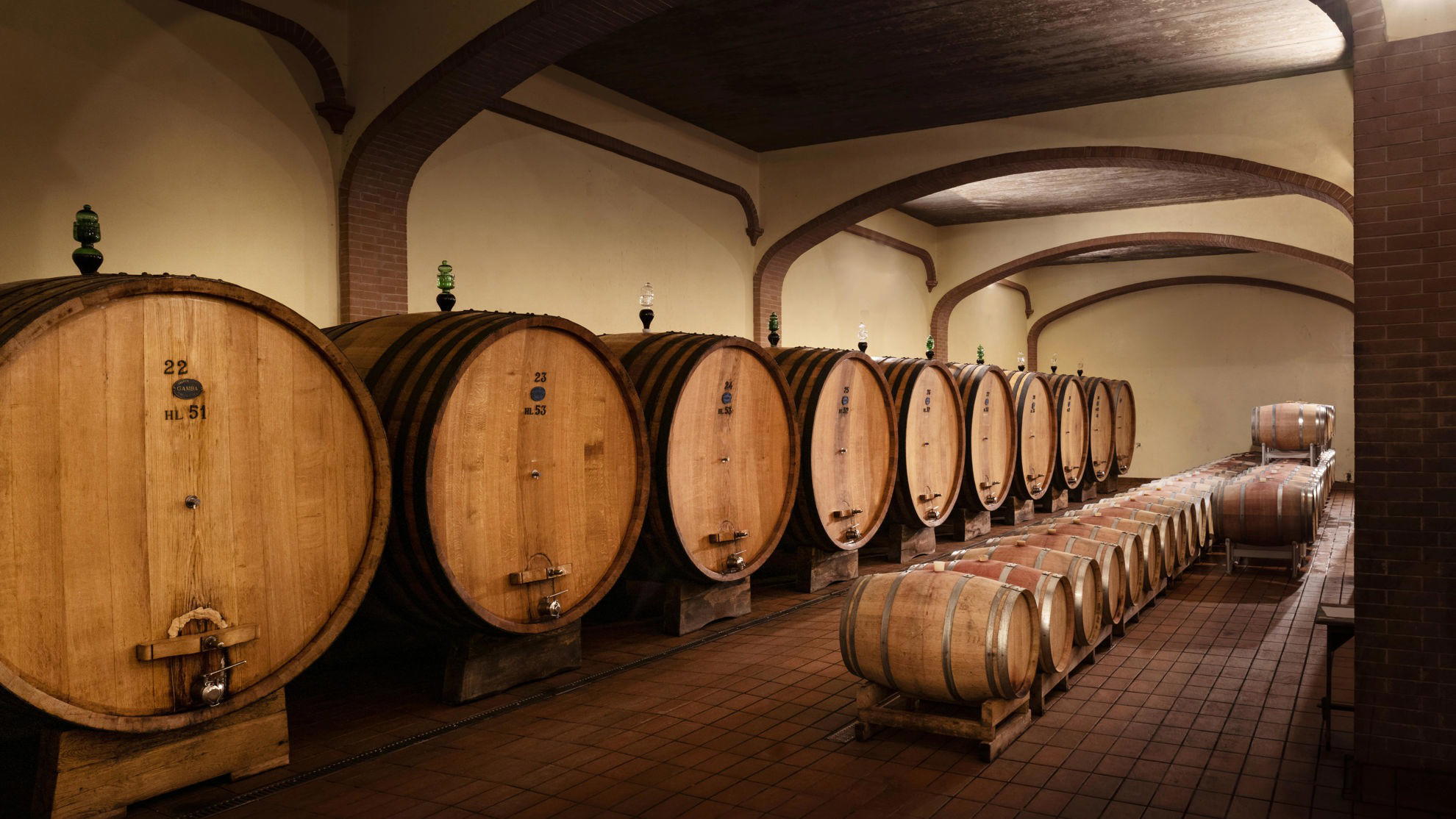
Any serious discussion of dining in Tuscany eventually centres on the cellar. The region produces some of Italy's most age-worthy reds — Brunello di Montalcino, Chianti Classico Riserva, the so-called Super Tuscans from the coastal Maremma — and the leading Florentine dining rooms treat the wine list as a parallel argument to the kitchen, not an afterthought. The challenge for mid-tier and independent addresses is competing on cellar depth with institutions like Enoteca Pinchiorri, whose wine archive runs to tens of thousands of bottles and spans multiple decades of Sassicaia and Ornellaia. That kind of depth is not a realistic reference point for most restaurants; it is, rather, a ceiling that defines the category.
What matters more at addresses of Ciblèo's scale is curation coherence: whether the list builds a clear argument about regional identity, whether the by-the-glass offer reflects genuine selection rather than default commercial pours, and whether the team can move a guest through the list with authority. Tuscany's output gives any serious sommelier programme strong material to work with. The region's range from the savagery of a young Morellino di Scansano to the architecture of a mature Tignanello covers enough stylistic ground to anchor almost any menu direction without reaching beyond regional borders.
For guests arriving from other Italian fine-dining contexts, from Piazza Duomo in Alba with its Barolo-anchored lists, or from Uliassi in Senigallia where the Adriatic coast shapes both plate and glass, the Florentine table represents a distinct wine identity. Sangiovese in its multiple expressions dominates, and the strongest programmes treat the grape's variability across altitude, soil, and producer scale as a narrative tool rather than a category checkbox.
Placing Ciblèo in the Florentine Dining Frame
Florence attracts enough sophisticated restaurant traffic that the second and third tiers of the dining market are occupied by genuinely capable kitchens. The city's tourism volume means that weaker addresses survive on footfall alone, but the Santa Croce quarter, where Ciblèo operates, has historically attracted a more purposeful dining audience. The neighbourhood's concentration of ateliers, design studios, and the proximity to the Biblioteca Nazionale produces a slightly different ambient profile than the Oltrarno or Duomo zones.
Within the broader Italian fine-dining conversation, Florence's independent addresses operate in the shadow of a national scene that has become extraordinarily competitive. Osteria Francescana in Modena redefined what Italian contemporary cooking could mean at the highest level. Le Calandre in Rubano, Reale in Castel di Sangro, and Enrico Bartolini in Milan occupy a tier where technique and concept receive as much critical scrutiny as ingredient sourcing. Florentine kitchens operating outside the Michelin-starred bracket position themselves differently: the argument tends to be about craft and tradition rather than conceptual ambition, and the wine programme often carries more of the restaurant's identity than the menu alone.
That dynamic applies across formats. The same structural tension between tradition-led and concept-led programming appears in Gucci Osteria da Massimo Bottura, which imports a Modena-trained conceptual frame into a Florentine heritage setting, creating a deliberate collision. Ciblèo operates without that kind of imported framework, which means it is read primarily through local references.
Planning a Visit
Ciblèo sits at Via Andrea del Verrocchio, 2r, in the 50122 postcode, placing it within comfortable walking distance of the Santa Croce basilica and the Arno's north bank. For guests sequencing a multi-stop Italian itinerary, combining a night in Florence with visits to addresses like Dal Pescatore in Runate or Quattro Passi in Marina del Cantone, Florence functions well as a three-night anchor. The city's seasonal calendar matters for planning: summer brings extended tourist pressure and heat that changes how the city eats, while the autumn harvest period, roughly October through November, aligns with Tuscany's wine release cycle and produces the strongest conditions for cellar-focused dining. Spring, specifically April and May before the main tourist wave, offers a comparable window.
Because no live booking or contact data is currently confirmed for Ciblèo through EP Club's records, one reliable route is to contact the restaurant directly through current online search before visiting Florence. For the broader picture of where Ciblèo fits within the city's dining options, our full Florence restaurants guide maps the competitive set across price tiers and cuisine styles. Visitors cross-referencing international benchmarks might also find value in reviewing how Casa Perbellini 12 Apostoli in Verona and Atelier Moessmer Norbert Niederkofler in Brunico approach tradition-rooted Italian cooking at the leading level, which provides a useful calibration point for assessing any regional Italian address.
How Ciblèo Florence: Dinner Hours & Planning Notes compares with similar nearby venues.
| Venue | Cuisine | Price |
|---|---|---|
| Cibrèo Trattoria | Tuscan Trattoria | €€ |
| Cibrèo | Tuscan | €€€ |
| Nugolo | Contemporary | €€ |
Continue exploring
More in Florence
Restaurants in Florence
Browse all →
Bars in Florence
Browse all →
Hotels in Florence
Browse all →
At a Glance
- Intimate
- Cozy
- Elegant
- Date Night
- Special Occasion
- Open Kitchen
- Extensive Wine List
Current opening hours
- Monday
- Closed
- Tuesday
- 7–11 PM
- Wednesday
- 7–11 PM
- Thursday
- 7–11 PM
- Friday
- 7–11 PM
- Saturday
- 7–11 PM
- Sunday
- Closed
Hours can change for holidays and private events. Last verified .
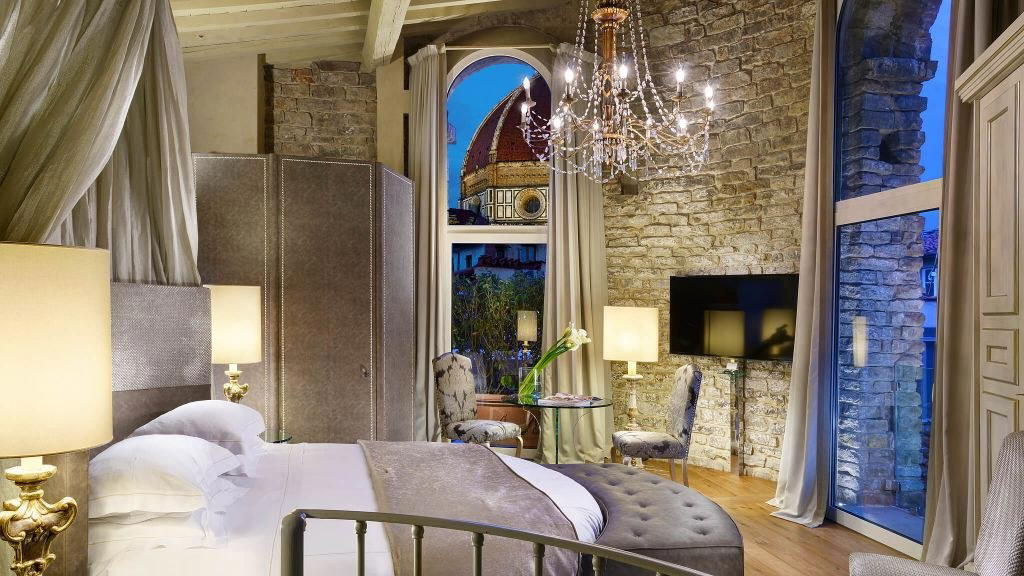
Intimate and cozy atmosphere blending eastern and western elements with a welcoming, refined feel.