
Akira Back brings Japanese-Korean fusion into Florence, a city where dining habits are still shaped by trattorie, markets, and Tuscan seasonality. The interest here is the contrast: kaiseki’s discipline of sequence and restraint meeting a city better known for bistecca, ribollita, and wine-led meals.
Pearl is the En Primeur Club membership app — saves, bookings, and concierge access live there. Same editors, same standards.
- Address
- Piazza dell'Unità Italiana 3, Florence, Tuscany, 50123, ITA
- Phone
- +39 055 994 6661
- Website
- akirabackflorence.com
- Directions
- Get directions
 Saves & bookings on Pearl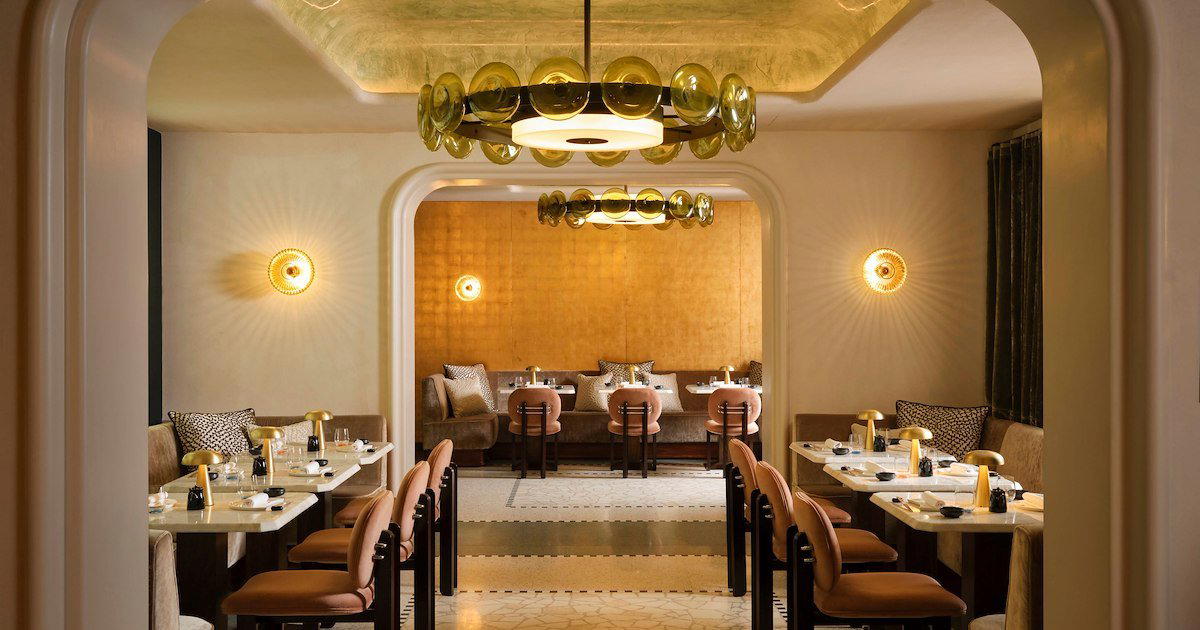
Florence teaches diners to read a room before reading a menu. Stone, linen, glassware, the rhythm of service, the spacing between courses: these cues matter in a city where meals are often built around regional memory rather than novelty. Akira Back enters that setting from a different grammar. Japanese-Korean fusion places precision, temperature, and sequence at the centre of the meal, while Florence usually rewards appetite, seasonality, and the directness of Tuscan cooking.
That contrast is the point. A Japanese-influenced meal in Florence cannot rely on the same cultural shorthand it would have in Tokyo, Seoul, or Los Angeles. It has to make sense beside a dining culture shaped by market vegetables, grilled meats, unsauced confidence, and wine lists with a strong local spine. For travellers mapping the city’s range, it belongs in the part of the conversation that sits beyond trattoria tradition, alongside the broader choices collected in Our full Florence restaurants guide.
Japanese-Korean fusion read through a Florentine lens
Kaiseki is often misunderstood outside Japan as a luxury tasting-menu template. Its real force is structure: season, progression, proportion, and restraint. Even when a restaurant is not serving formal kaiseki, that philosophy can shape how a menu is read. Courses should not feel like isolated statements. They should move in a controlled arc, with contrast doing as much work as richness.
Japanese-Korean fusion adds another layer. Japanese cooking tends to prize clean edges, calibrated seasoning, and quiet transitions; Korean cooking brings fermentation, heat, smoke, and deeper savoury pressure. In Florence, where the local palate already understands intensity through pecorino, cured meats, beans, olive oil, and grilled beef, the Korean side of the equation can feel more legible than expected. The Japanese side asks for a slower kind of attention.
This is also why the category matters more than any single dish description. Florence has plenty of meals built around regional continuity, from lampredotto counters such as 'l Trippaio di San Frediano to vegetarian-leaning rooms such as 5ecinque. Akira Back sits outside that Tuscan lane. It is useful for diners who want the city’s dining map to include a more international, technique-led register rather than another variation on the regional canon.
The meal works when sequence matters more than spectacle
The strongest way to approach this kind of restaurant is to think in progression rather than abundance. Japanese aesthetics reward negative space: a pause between textures, a clean finish before the next course, a sense that seasoning has been measured rather than amplified. Korean influence changes the temperature of that restraint, introducing sharper, more assertive flavours without turning the meal into a parade of intensity.
Florence provides a useful counterweight. The city’s traditional restaurants often make their argument through ingredients and familiarity: bread, oil, beans, meat, wine, and the confidence of repetition. A fusion restaurant has to earn attention differently. It needs coherence. If the meal leans too hard into theatre, it loses the quiet logic that Japanese dining depends on; if it softens the Korean side too much, it becomes polite rather than interesting.
For that reason, Akira Back is better understood as part of Florence’s international dining layer than as a replacement for the city’s vernacular meals. Travellers building a varied itinerary might pair this register with Mediterranean rooms such as Alassio (Mediterranean) or Alassio Restaurant (Mediterranean), then keep a separate day for open-air dining through Al Fresco Dining. The point is not to rank these meals against one another, but to understand how Florence now holds regional, Mediterranean, and pan-Asian formats at once.
How to place it in a Florence itinerary
The restaurant makes sense when the itinerary already includes Tuscan tradition and needs contrast. Florence rewards repetition, but only up to a point: after several meals built around pasta, grilled meats, and Sangiovese, a Japanese-Korean table changes the pace. It also suits travellers who read menus through technique and sequencing rather than portion size alone.
The smarter plan is to treat it as an evening meal rather than a quick cultural checkbox. The format benefits from time, and the cuisine rewards diners who are comfortable with a less rustic register. Families should judge fit by the children’s tolerance for composed, flavour-forward cooking rather than by the city alone. Florence is family-friendly in a broad travel sense, but not every dining room in the city is designed around young diners.
For a wider Florence plan, the restaurant belongs beside the city’s other editorial rails: Our full Florence hotels guide, Our full Florence bars guide, Our full Florence wineries guide, and Our full Florence experiences guide. Travellers extending the trip through Italy can also track how regional identity shifts at 'E Curti Ristorante Tipico di Angela Ceriello & Co SAS in Sant Anastasia, ‘O Fiore Mio in Faenza, ‘O Scugnizzo in Arezzo, [àbitat] in San Fermo della Battaglia, [bu:r] in Milan, and /gu.stà.re/ oltrecucina in Rome. For a broader Japanese reference point beyond Italy, Jōdo Saké Bar in Los Angeles and Onigiri Time in Pasadena show how Japanese formats change when placed in another city’s dining culture.
In Context
Comparable venues nearby, for context on price, style, and recognition.
| Venue | Cuisine | Price | Notes |
|---|---|---|---|
| Akira BackThis venue — the venue you are viewing | Not listed | $$$$ | Not listed |
| Golden View Firenze | San Niccolo, Tuscan Seafood Osteria | $$$$ | Not listed |
| La Ménagère | Not listed | $$$ | Santo Spirito, Modern Tuscan Mediterranean |
| SE·STO on Arno - reopened as COSIMO Rooftop Restaurant & Bar | Not listed | $$$$ | San Frediano, Modern Tuscan with Contemporary Mediterranean Influences |
| Cantinetta Antinori | Not listed | $$$ | Santo Spirito, Traditional Tuscan Trattoria |
| Chic Nonna di Vito Mollica | San Niccolo, Modern Italian Fine Dining | $$$$ | Not listed |
Recognition history
Dated appearances from independent guides and award organizations, with the underlying list record or original source where available.
Michelin Plate
Michelin · 2026 Michelin Plate
Continue exploring
More in Florence
Restaurants in Florence
Browse all →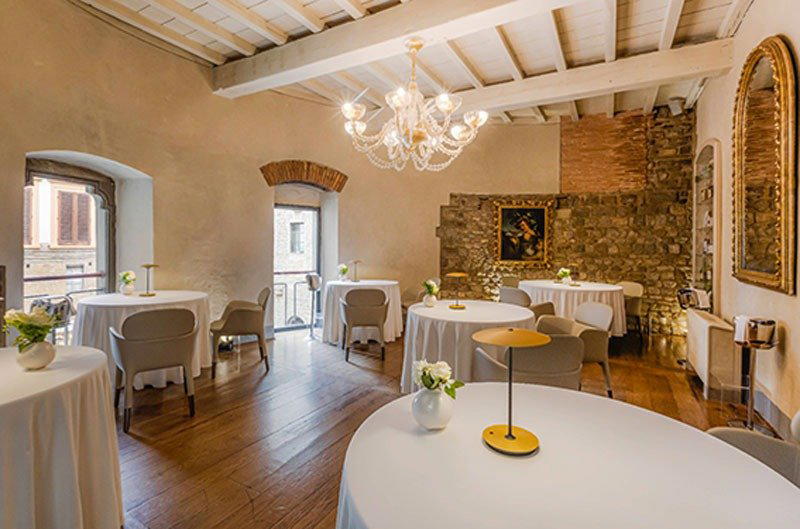
Bars in Florence
Browse all →
Hotels in Florence
Browse all →
At a Glance
- Modern
- Elegant
- Trendy
- Sophisticated
- Energetic
- Date Night
- Business Dinner
- Group Dining
- Celebration
- Special Occasion
- Late Night
- Design Destination
- Hotel Restaurant
- Craft Cocktails
- Extensive Wine List
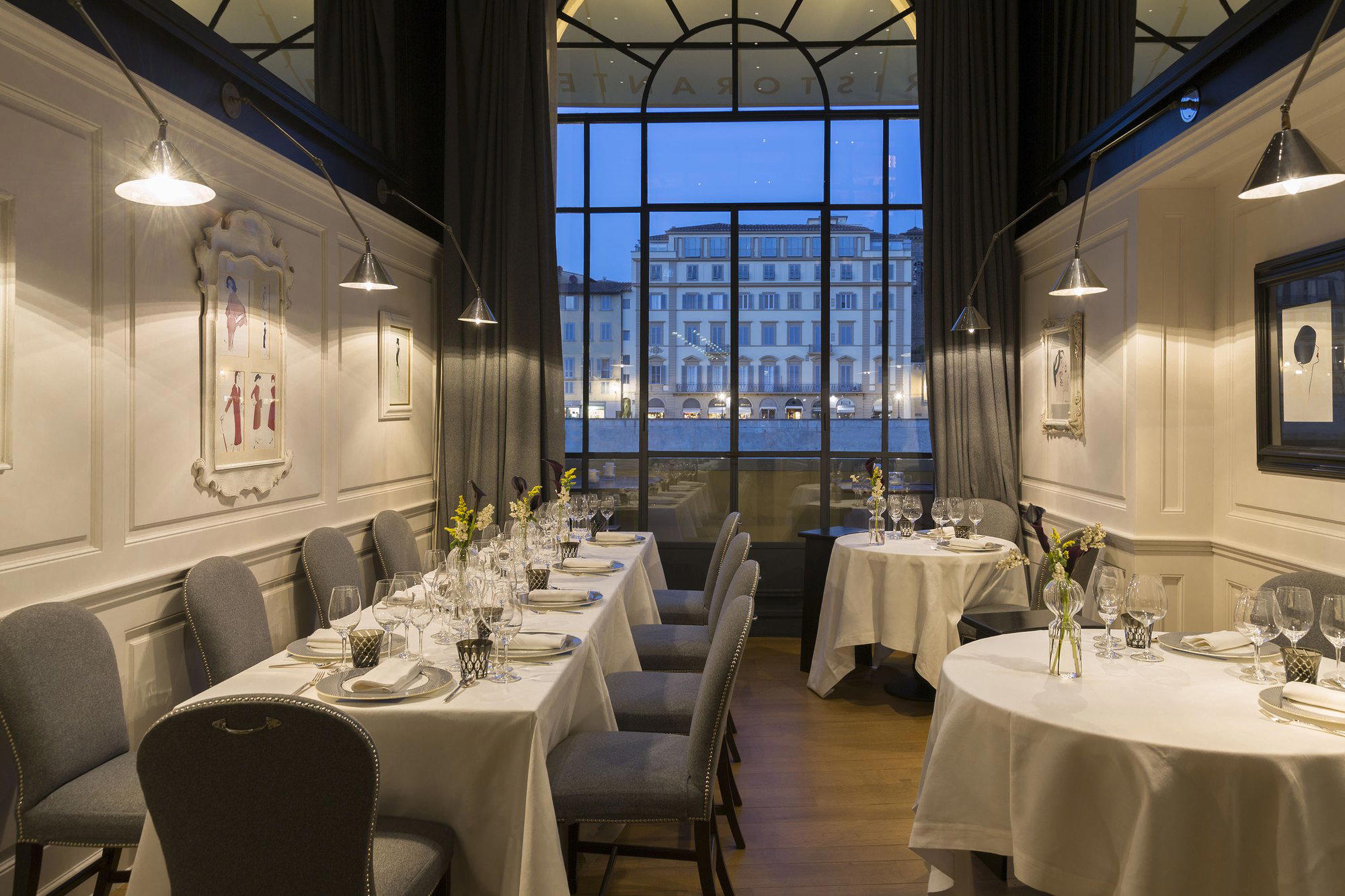
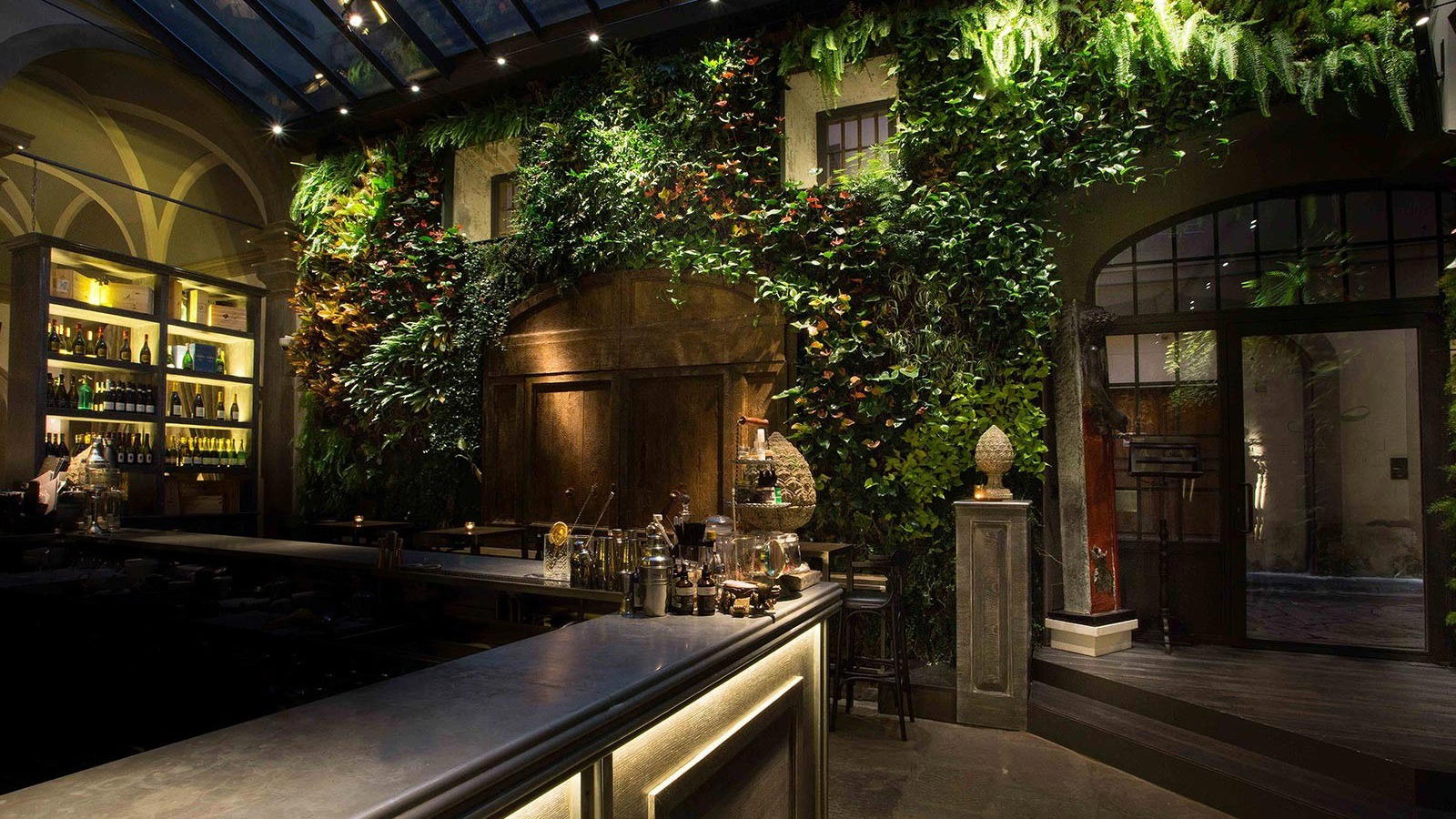
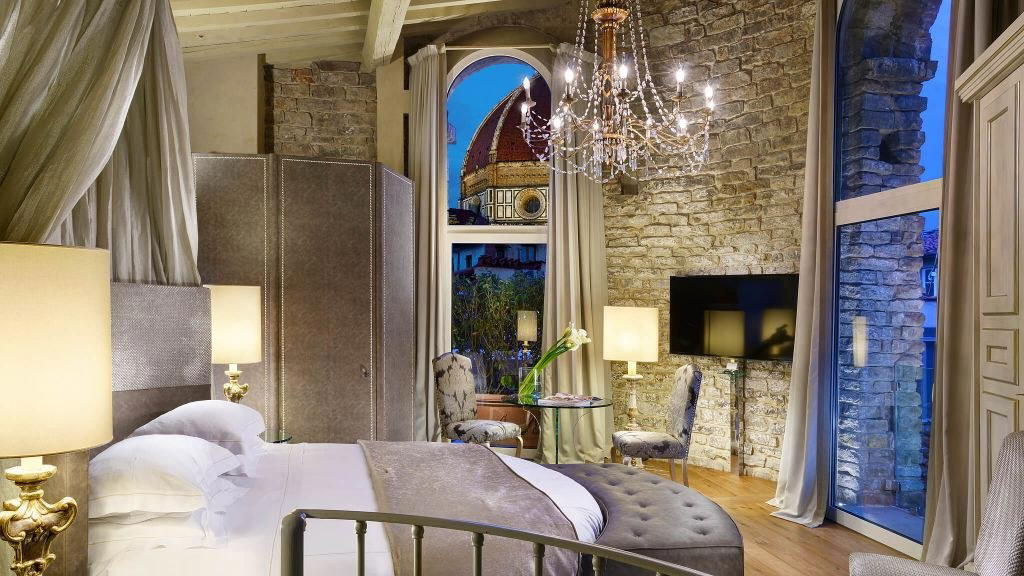
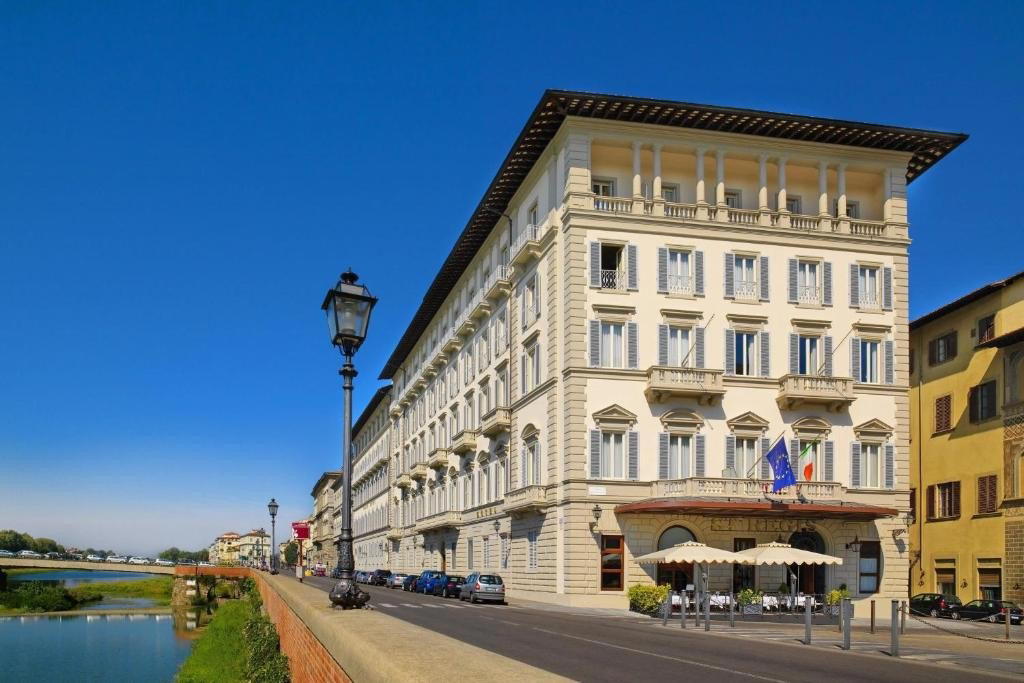
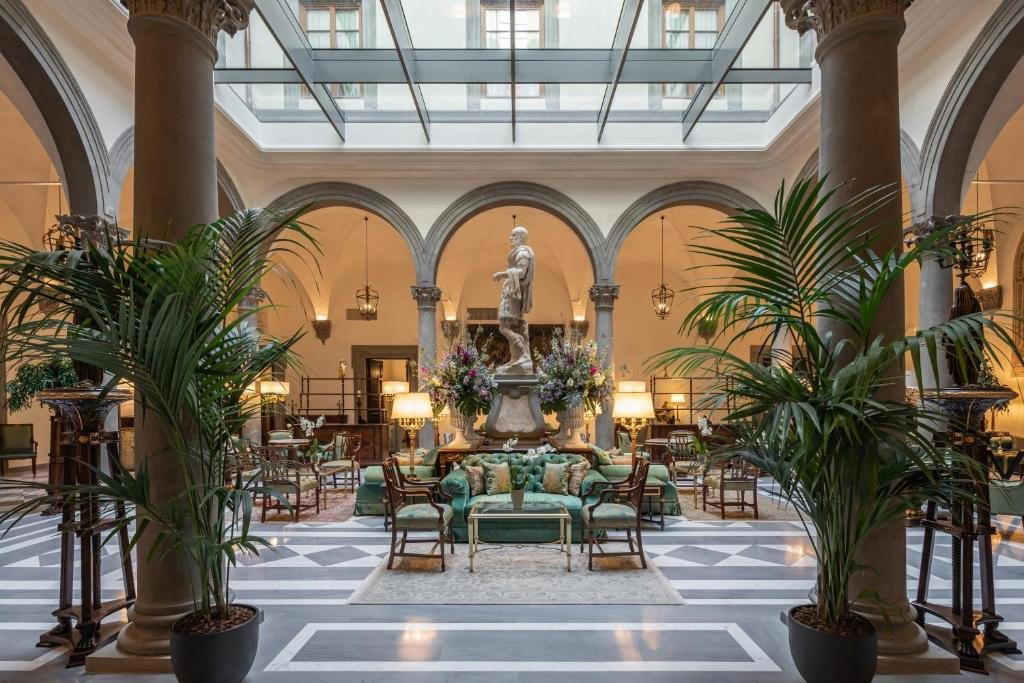
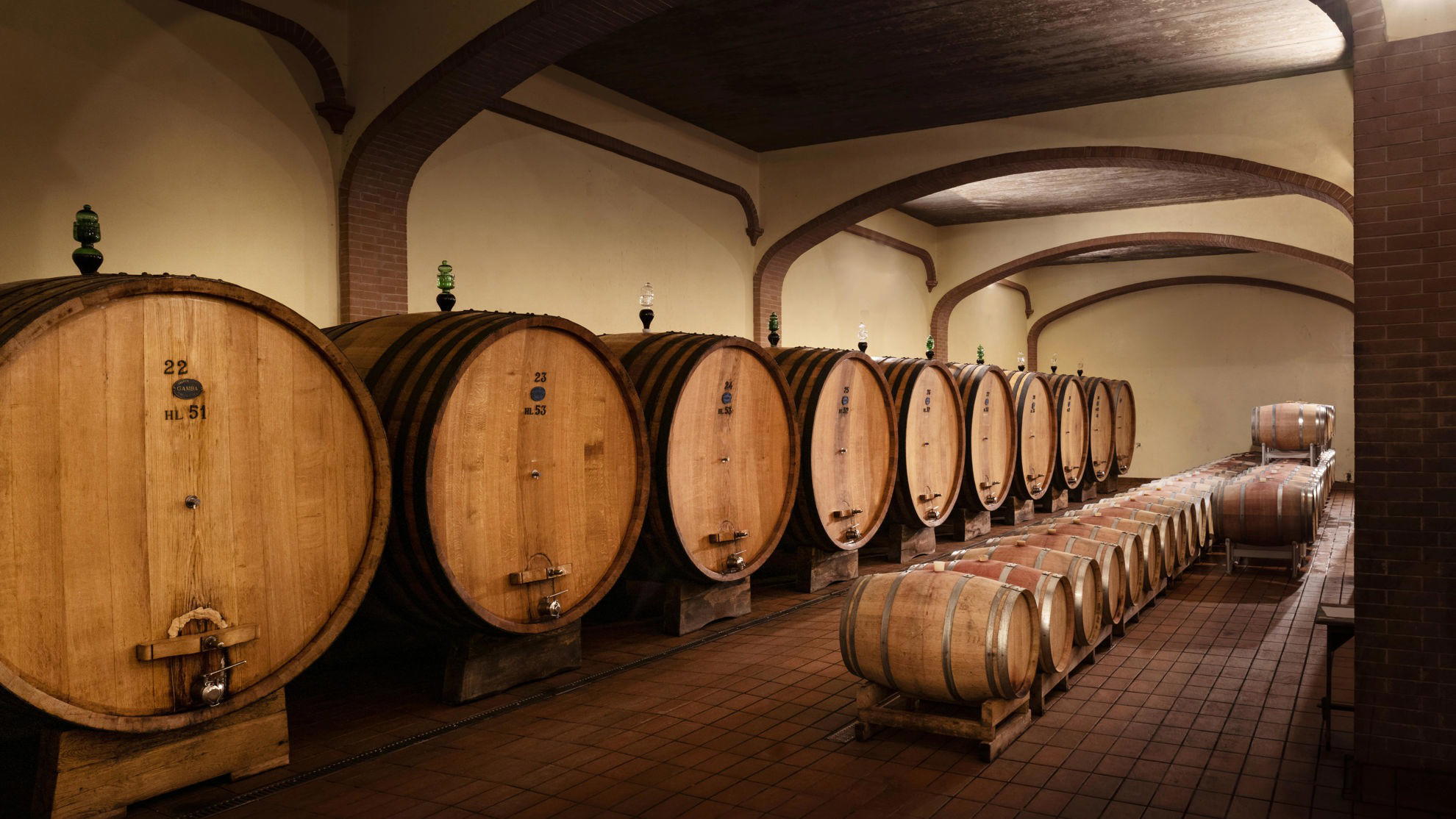
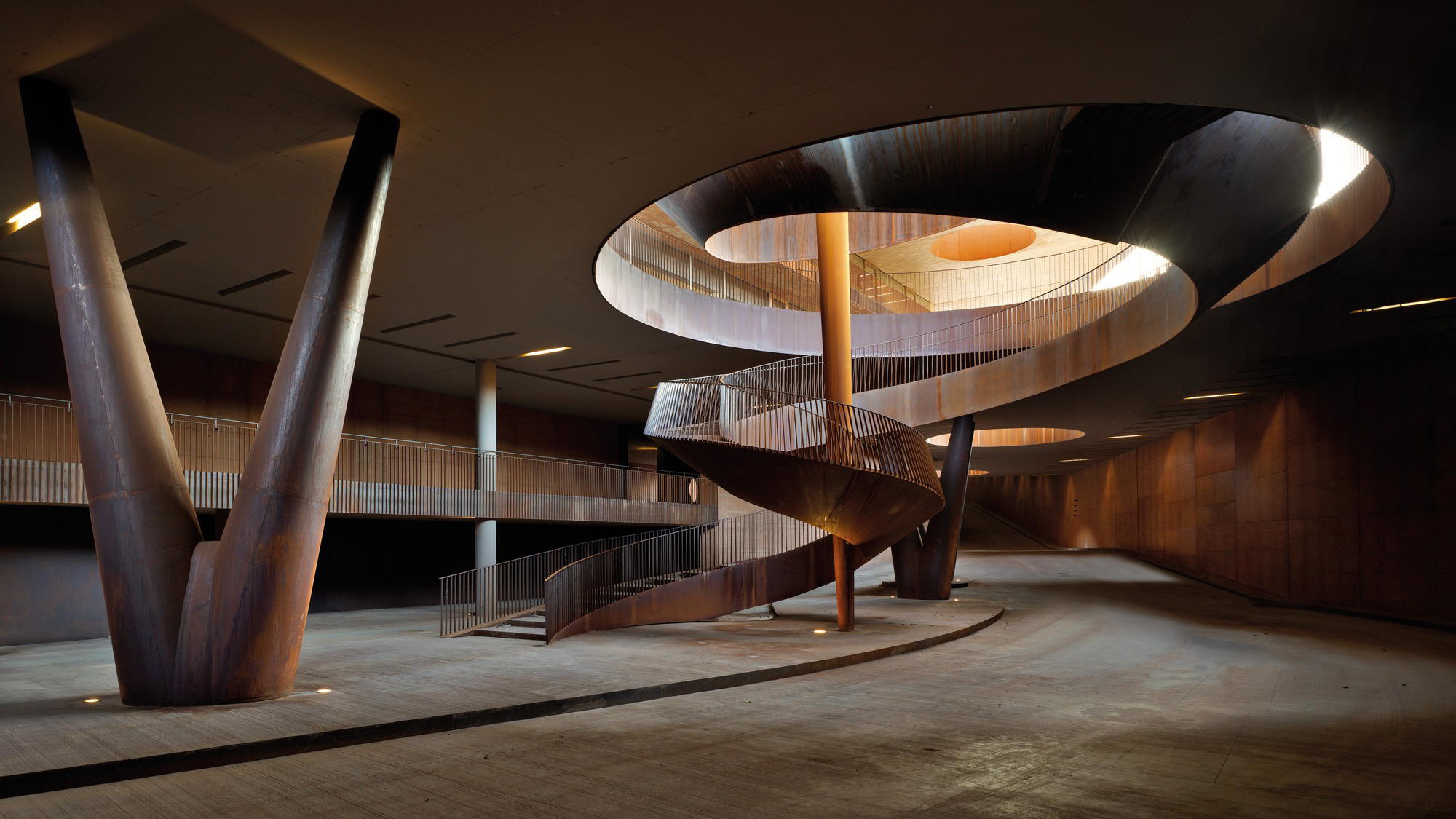
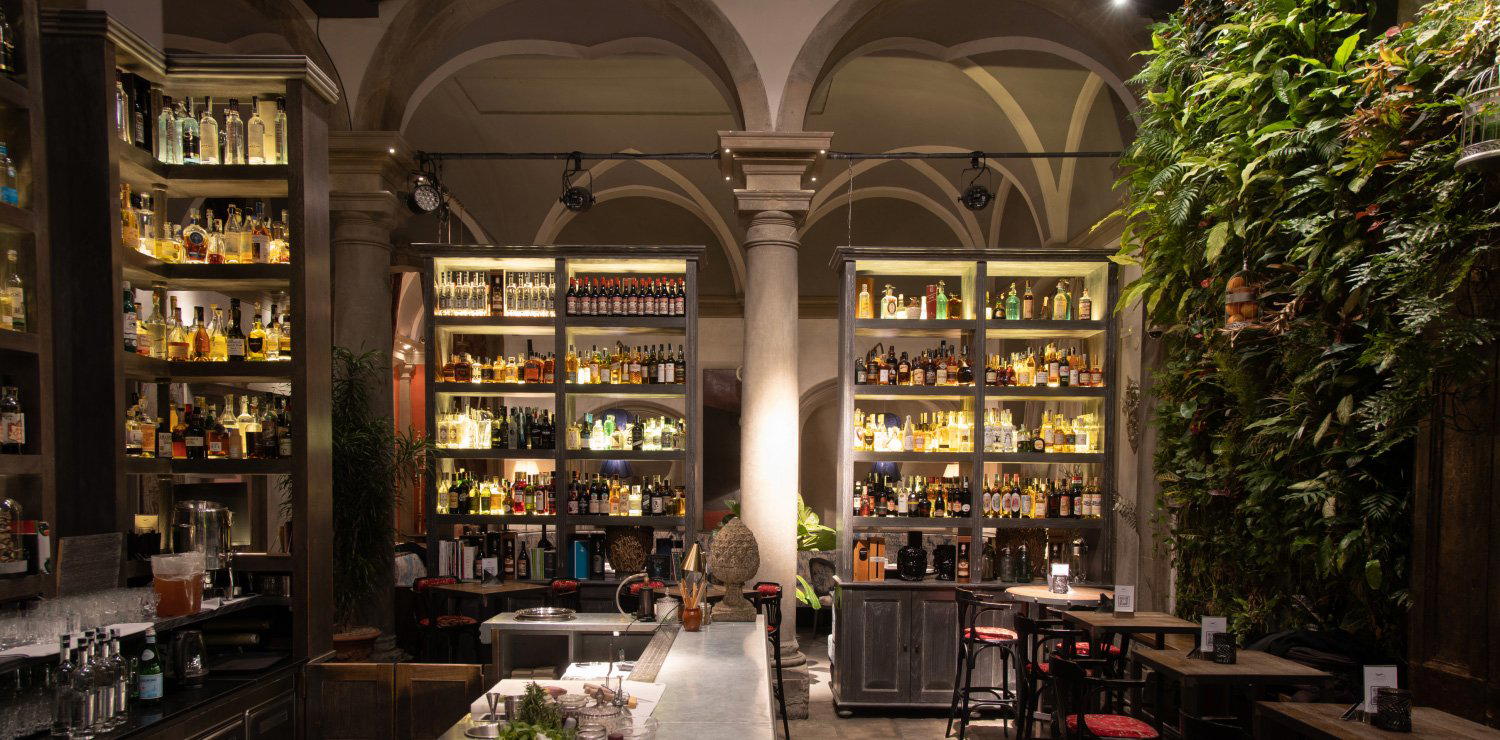
Contemporary and design-driven with dim, atmospheric lighting, a stylish hotel-restaurant setting, and an energetic yet refined atmosphere suited to evenings out and special occasions.