Caffè dell'Oro occupies a position on the Lungarno degli Acciaiuoli that places it within Florence's most competitive stretch of riverside dining. The address alone sets expectations: a frontage on the Arno, steps from the Ponte Vecchio, in a city where the gap between tourist convenience and genuine culinary ambition is rarely wider. What the room delivers beyond the view is what warrants attention.
Pearl is the En Primeur Club membership app — saves, bookings, and concierge access live there. Same editors, same standards.
- Address
- Lungarno degli Acciaiuoli, 4, 50123 Firenze FI, Italy
- Phone
- +39 055 396 8912
- Website
- lungarnocollection.com
- Directions
- Get directions
 Saves & bookings on Pearl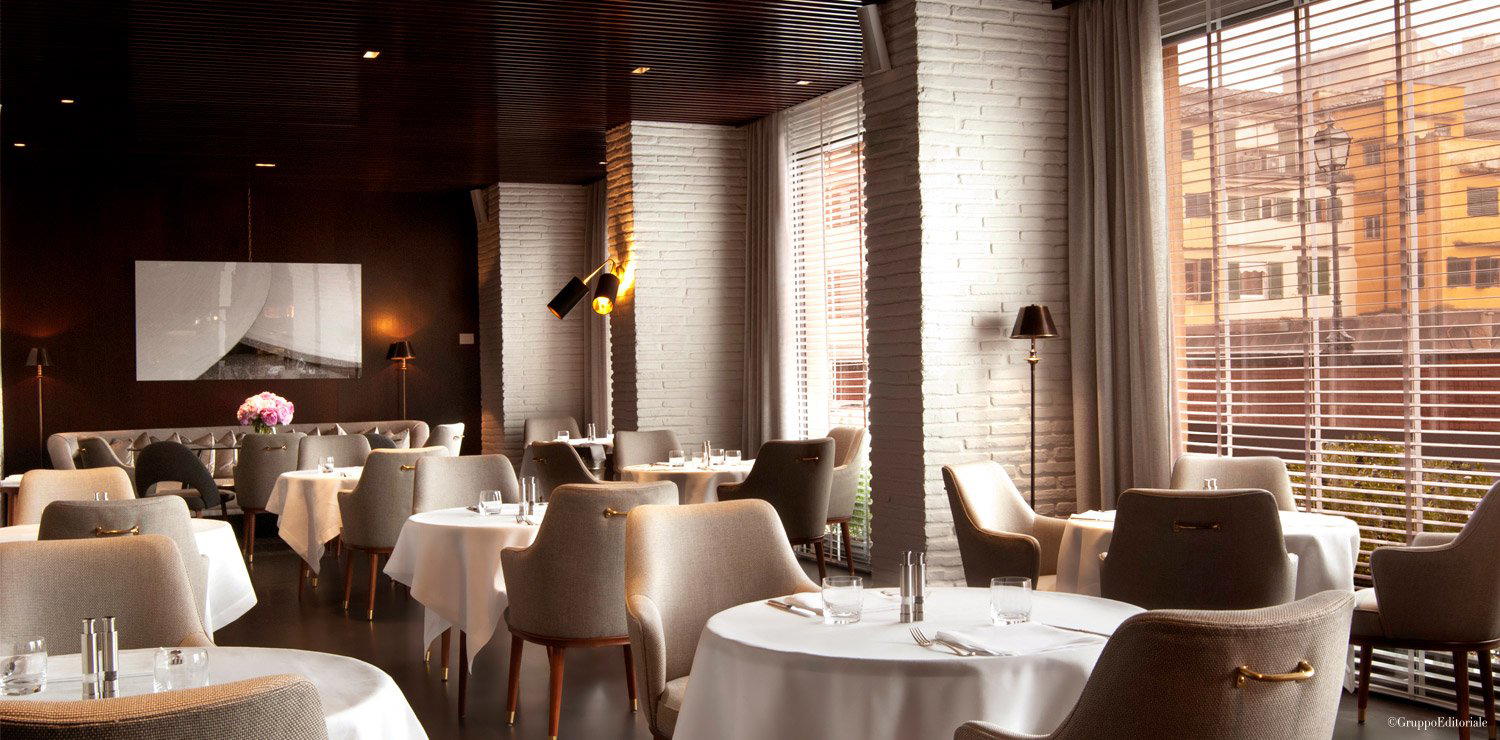
Where the Arno Sets the Terms
Riverside dining in Florence operates under a particular pressure. The Lungarno addresses attract foot traffic, tourist spend, and hotel overflow in roughly equal measure, which means the properties that hold them face a harder editorial question than most: does the room justify the postcode, or does the postcode do all the work? Caffè dell'Oro is a restaurant in Florence, Italy, at Lungarno degli Acciaiuoli 4. Caffè dell'Oro, at Lungarno degli Acciaiuoli 4, sits inside that tension. The Ponte Vecchio is close enough that its stone arch frames the view from certain angles, and the Arno light in the late afternoon does what it always does on this stretch, it turns the water into hammered copper and makes even an ordinary aperitivo feel considered. That physical environment is not incidental context. It is the opening argument the room makes before a single plate arrives.
Florence's premium dining tier has grown more differentiated over the past decade. On one side, there are the institutional heavy-hitters: Enoteca Pinchiorri, with its three Michelin stars and one of Italy's most cited wine cellars, and Santa Elisabetta, which operates from inside the Torre della Castagna with a two-star kitchen anchored to creative Italian form. On the other, a cohort of hotel-adjacent addresses where the dining room competes not just on food but on the full sensory package of a destination meal. Borgo San Jacopo on the opposite bank and Atto di Vito Mollica inside Palazzo Portinari Salviati each represent that second model. Caffè dell'Oro competes in the same register: a room where geography, design, and kitchen output are all expected to carry equal weight.
The Collaboration That Runs a Room Like This
In the kind of address that restaurant occupies, the chemistry between kitchen, floor, and wine service tends to matter more than any single element in isolation. This is not a counter-seat tasting format where the chef's voice dominates from a few feet away, nor an informal trattoria where the ritual is stripped back to basics. It is a full-service room on a prestige riverside site, which means the handoffs between departments are visible in ways they are not elsewhere. A sommelier who reads the table poorly undermines a strong kitchen pass. A floor team that over-explains creates friction where confidence should be. The calibration between those three forces, chef, floor, wine, defines whether a room at this level feels earned or merely expensive.
That dynamic is particularly acute in Florence, a city where wine service carries outsized cultural weight. Tuscany's hierarchy of producers, from the Sangiovese-dominant Super Tuscans of Bolgheri to the Brunello estates of Montalcino, gives a knowledgeable sommelier substantial material to work with across price points. At a Lungarno address, the expectation is that the wine list reflects that regional depth without collapsing into a tourist-friendly shortlist of familiar labels. The same holds across Italy's broader fine dining circuit: at Uliassi in Senigallia or Piazza Duomo in Alba, the sommelier's role in building a meal's arc is treated as seriously as the kitchen's contribution. Rooms that get this right rarely feel like the wine was an afterthought.
Placing Caffè dell'Oro in the Florence Conversation
The Florentine dining conversation now extends well beyond the historic centre's stone palaces. Gucci Osteria da Massimo Bottura brought a different kind of visibility to the city when it opened on Piazza della Signoria, a restaurant where fashion-house backing and a globally recognised culinary name created a comparable set that crosses national borders rather than just local ones. That model, in which a dining address is as much a cultural signal as a meal, has recalibrated what visitors expect from Florence's upper tier. An address on the Lungarno now carries that same cross-referential weight: the room is being evaluated against international standards as much as local ones.
Across Italy, the restaurants that hold sustained attention at the premium level tend to be those where the team dynamic produces a consistency that outlasts any individual dish or seasonal menu shift. Osteria Francescana in Modena is one cited example of this at the three-star level, but the principle applies down the tier structure. At Le Calandre in Rubano, Reale in Castel di Sangro, and Dal Pescatore in Runate, the reputation of each room rests on a version of the same foundation: a kitchen and front-of-house that have developed a shared language over time. The restaurant's Lungarno position gives it the kind of visibility that demands that same coherence.
Further afield, the model holds at the international level too. Le Bernardin in New York City has maintained its position for decades partly because the relationship between kitchen precision and floor execution has been treated as a single, indivisible system rather than two separate departments. Lazy Bear in San Francisco takes a structurally different approach, collapsing the distance between kitchen and guest entirely, but the underlying logic is the same: the team dynamic is the product. At a river-view address in Florence, where the setting already carries so much of the room's identity, the kitchen and floor have to work harder to assert that the meal itself is the reason to return, not merely the view.
Planning a Visit
Budget and Context
Comparable venues nearby, for context on price, style, and recognition.
| Venue | Cuisine | Price | Notes |
|---|---|---|---|
| Caffè dell'OroThis venue — the venue you are viewing | Santo Spirito, Modern Tuscan Bistro | $$$ | Not listed |
| Buca dell'Orafo | Not listed | $$$ | Santo Spirito, Traditional Tuscan Trattoria |
| Osteria Belle Donne | Not listed | $$$ | Santo Spirito, Traditional Tuscan Osteria |
| Pizzeria o'Vesuvio | San Niccolo, Neapolitan Pizza | $$ | Not listed |
| La Ménagère | Not listed | $$$ | Santo Spirito, Modern Tuscan Mediterranean |
| Ristorante Il Guscio | San Frediano, Authentic Tuscan Trattoria | $$$ | Not listed |
Continue exploring
More in Florence
Restaurants in Florence
Browse all →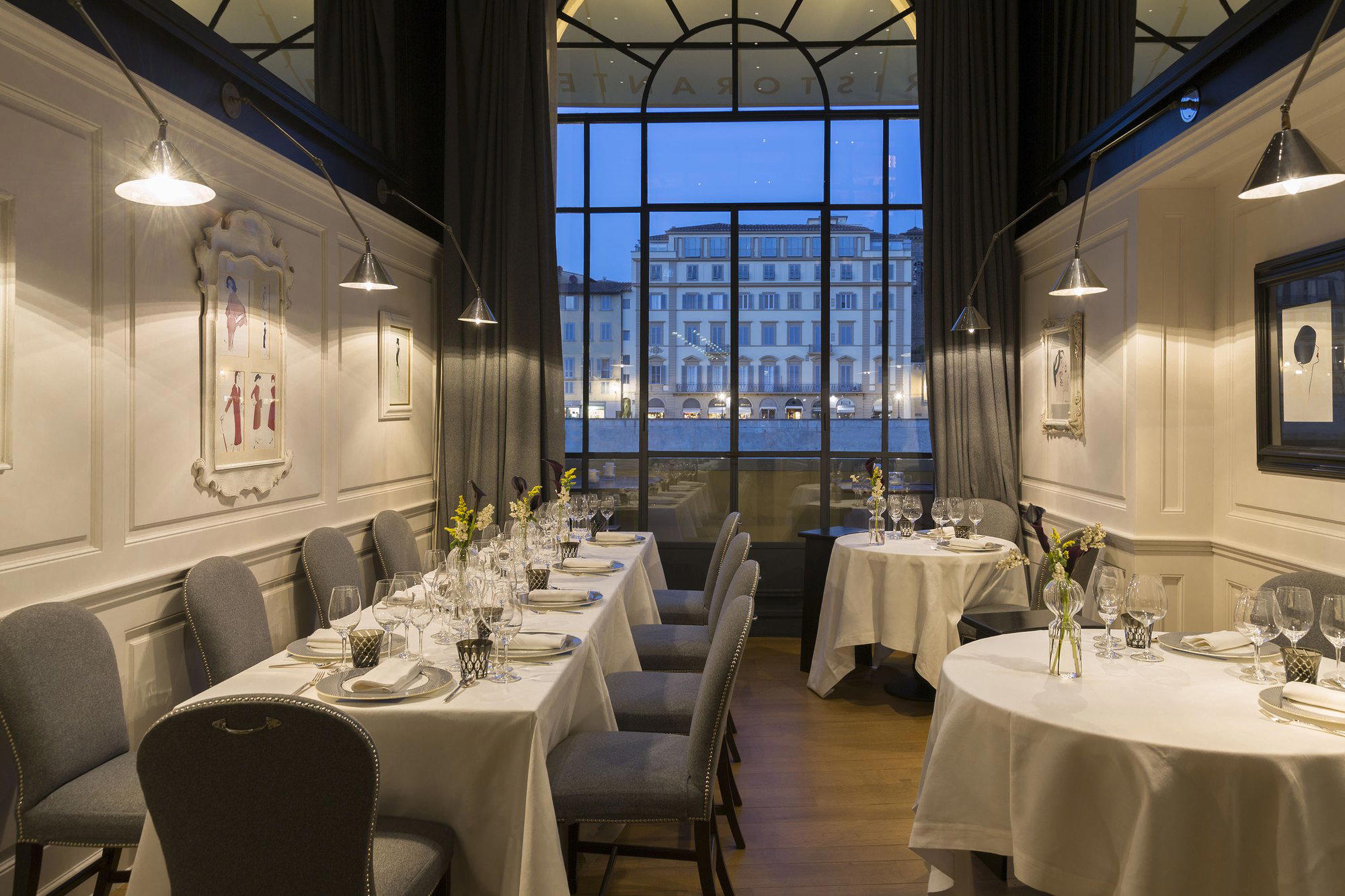
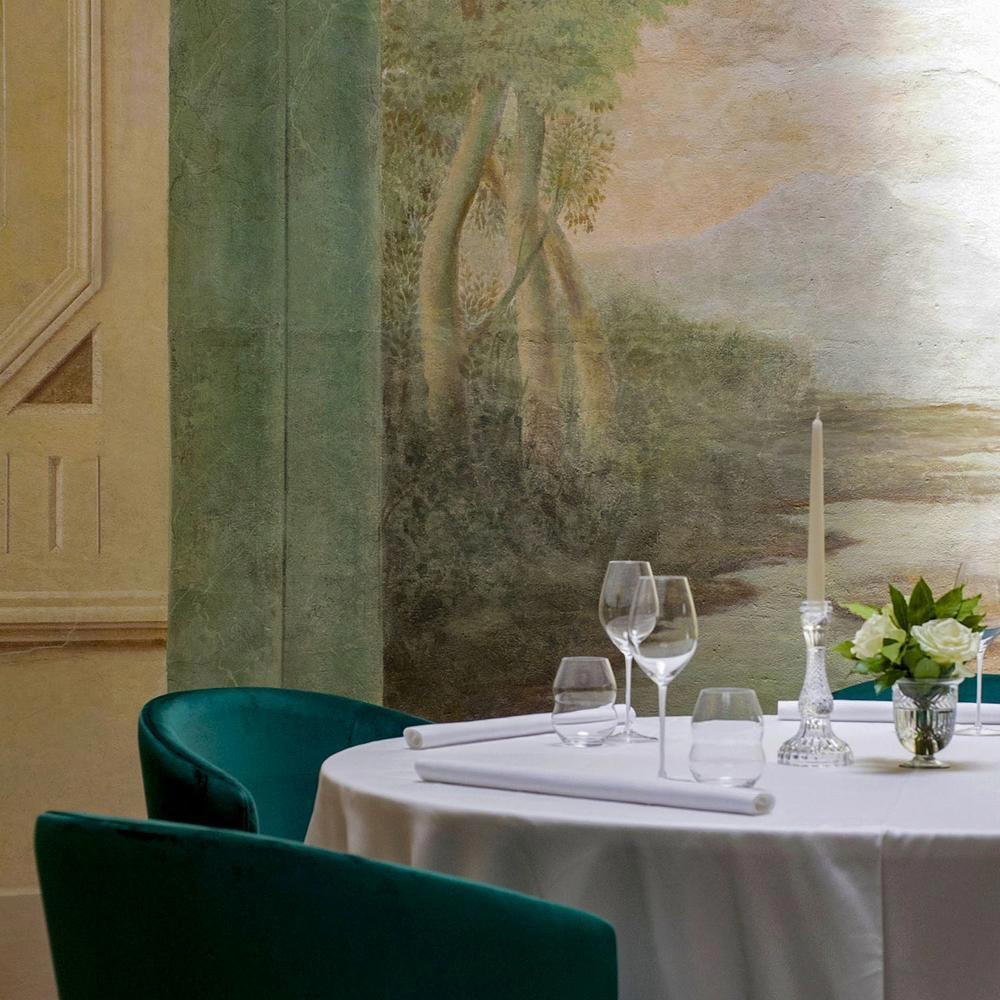
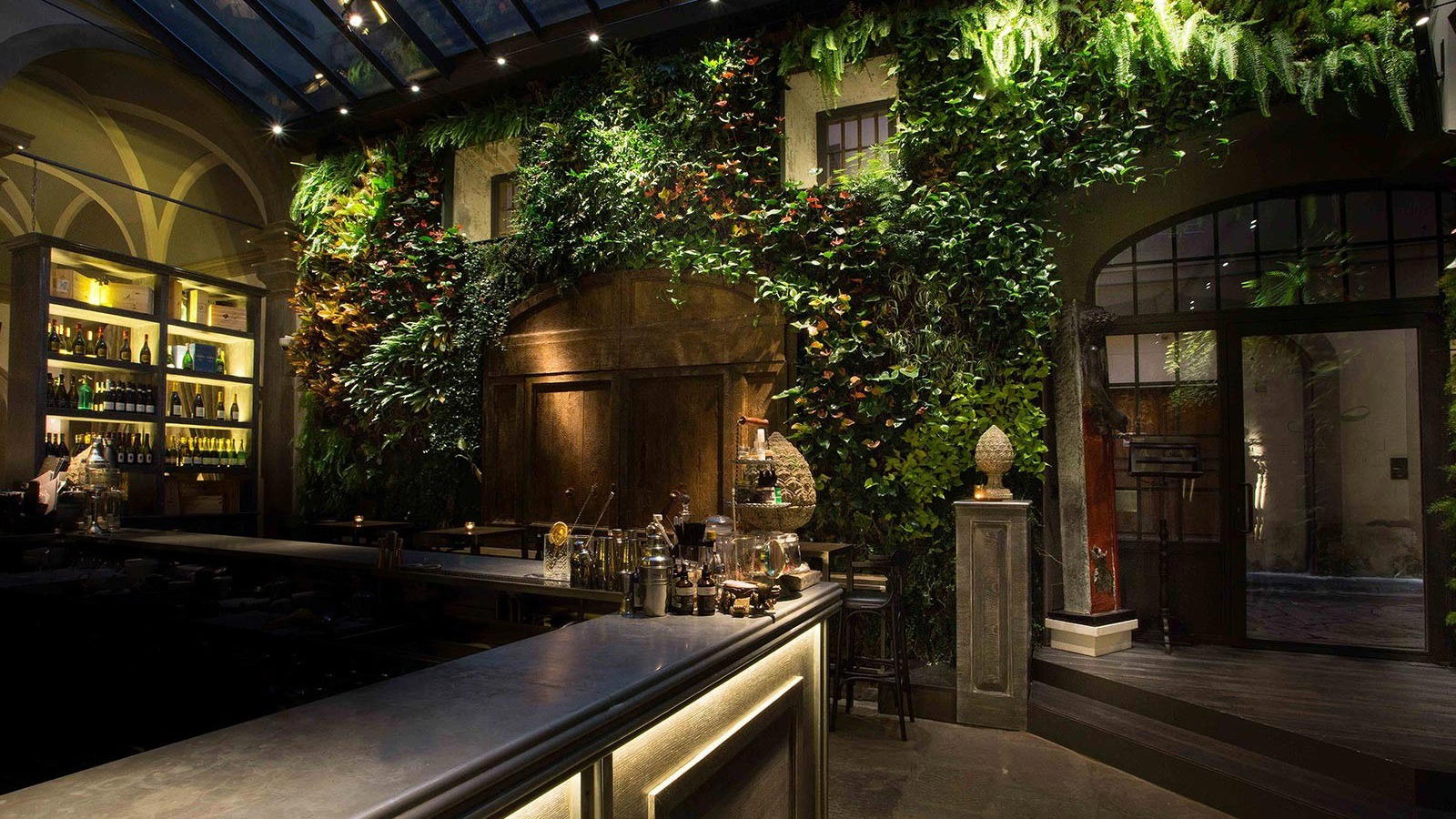
Bars in Florence
Browse all →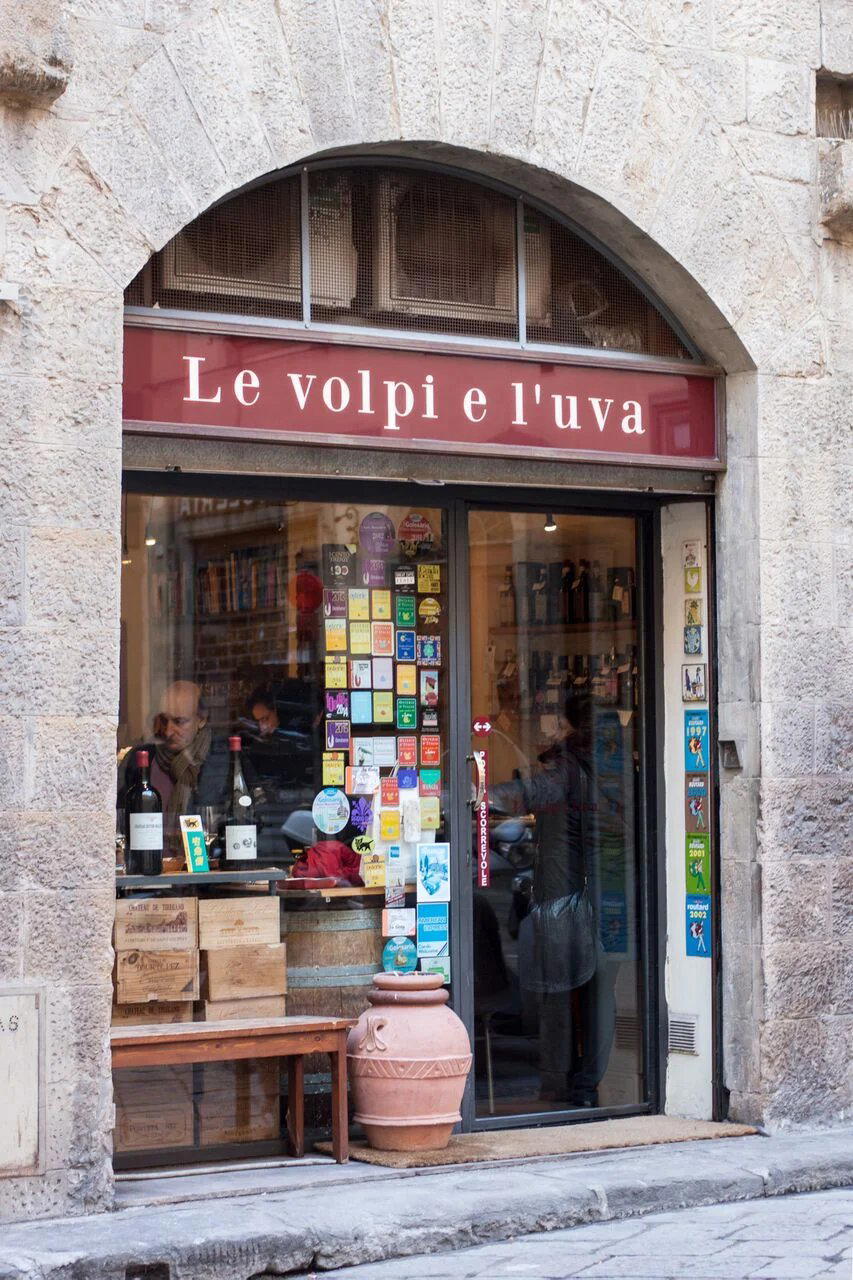
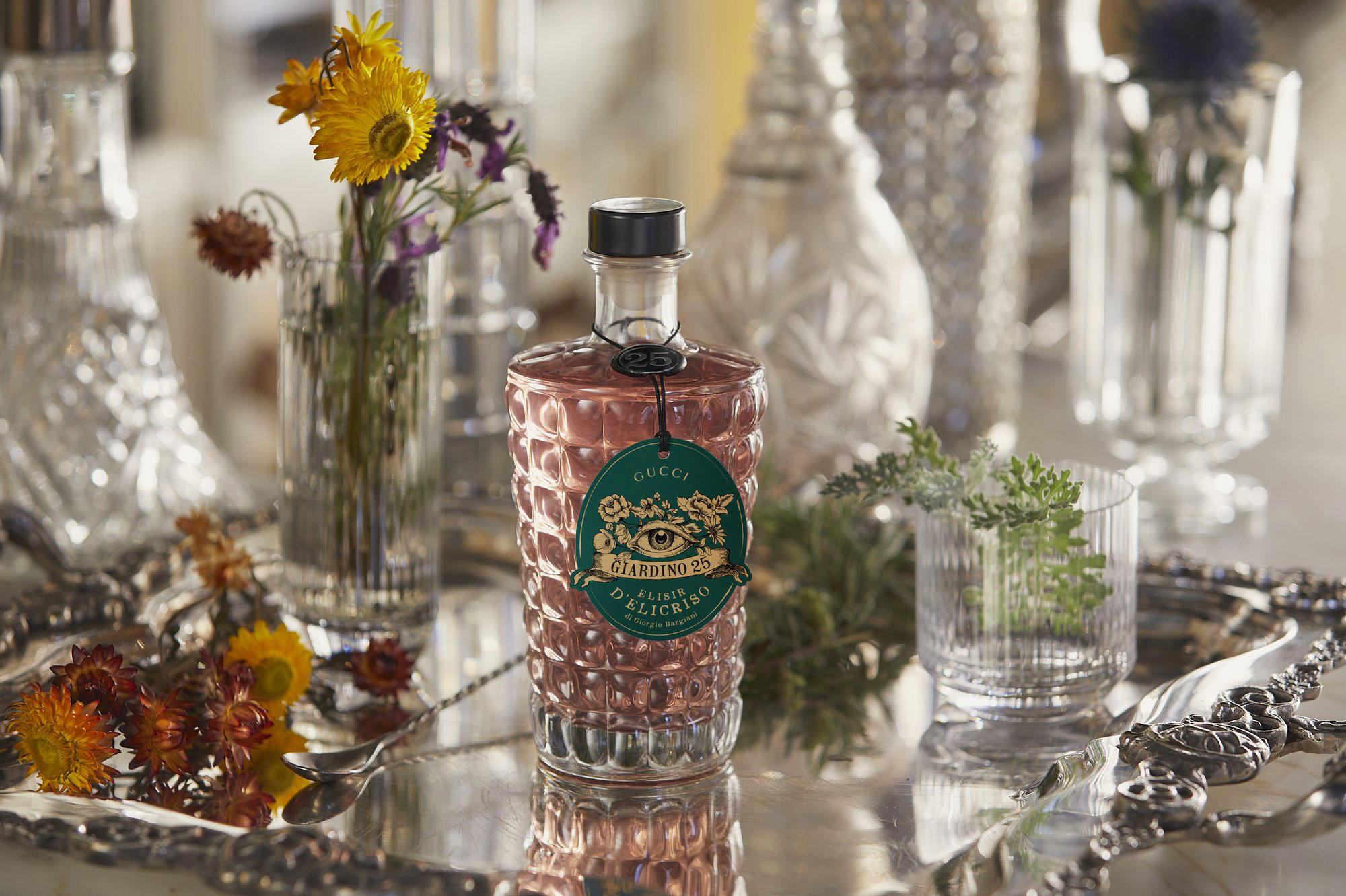
Hotels in Florence
Browse all →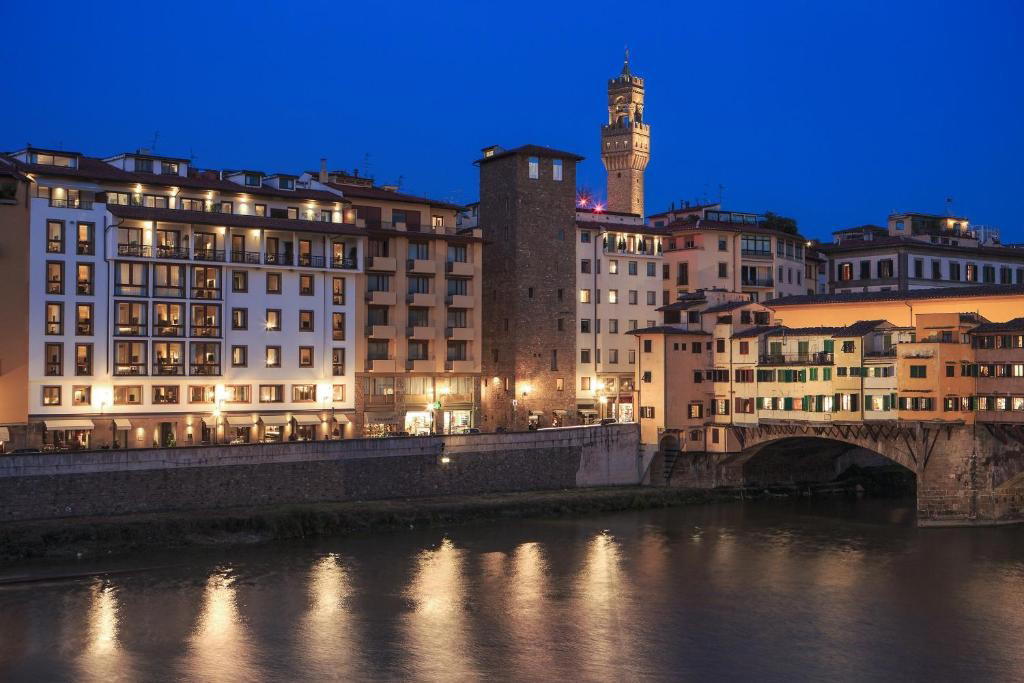
At a Glance
- Elegant
- Classic
- Cozy
- Sophisticated
- Date Night
- Brunch
- Casual Hangout
- Historic Building
- Terrace
- Craft Cocktails
- Extensive Wine List
- Farm To Table
- Local Sourcing
- Street Scene
Current opening hours
- Monday
- 7 AM–12 AM
- Tuesday
- 7 AM–12 AM
- Wednesday
- 7 AM–12 AM
- Thursday
- 7 AM–12 AM
- Friday
- 7 AM–12 AM
- Saturday
- 7 AM–12 AM
- Sunday
- 7 AM–12 AM
Hours can change for holidays and private events. Last verified .
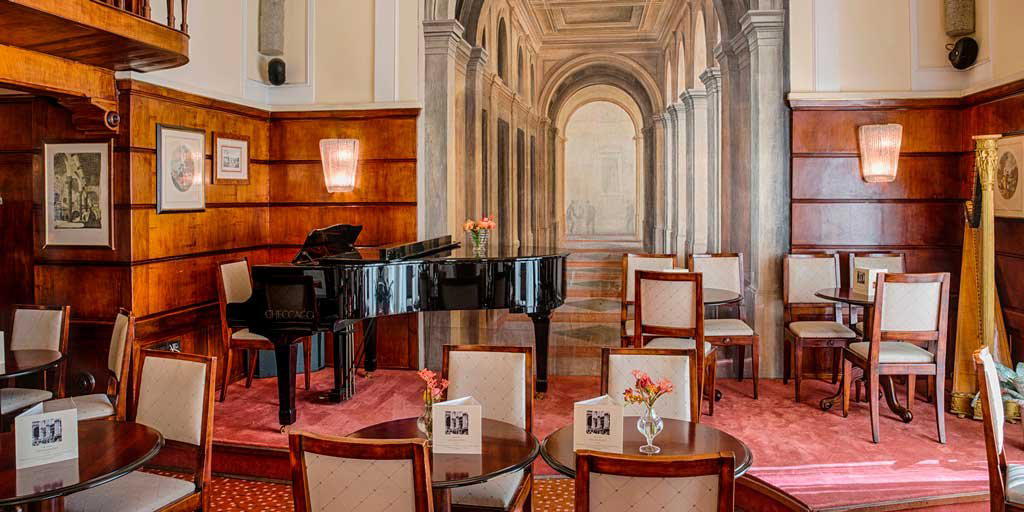
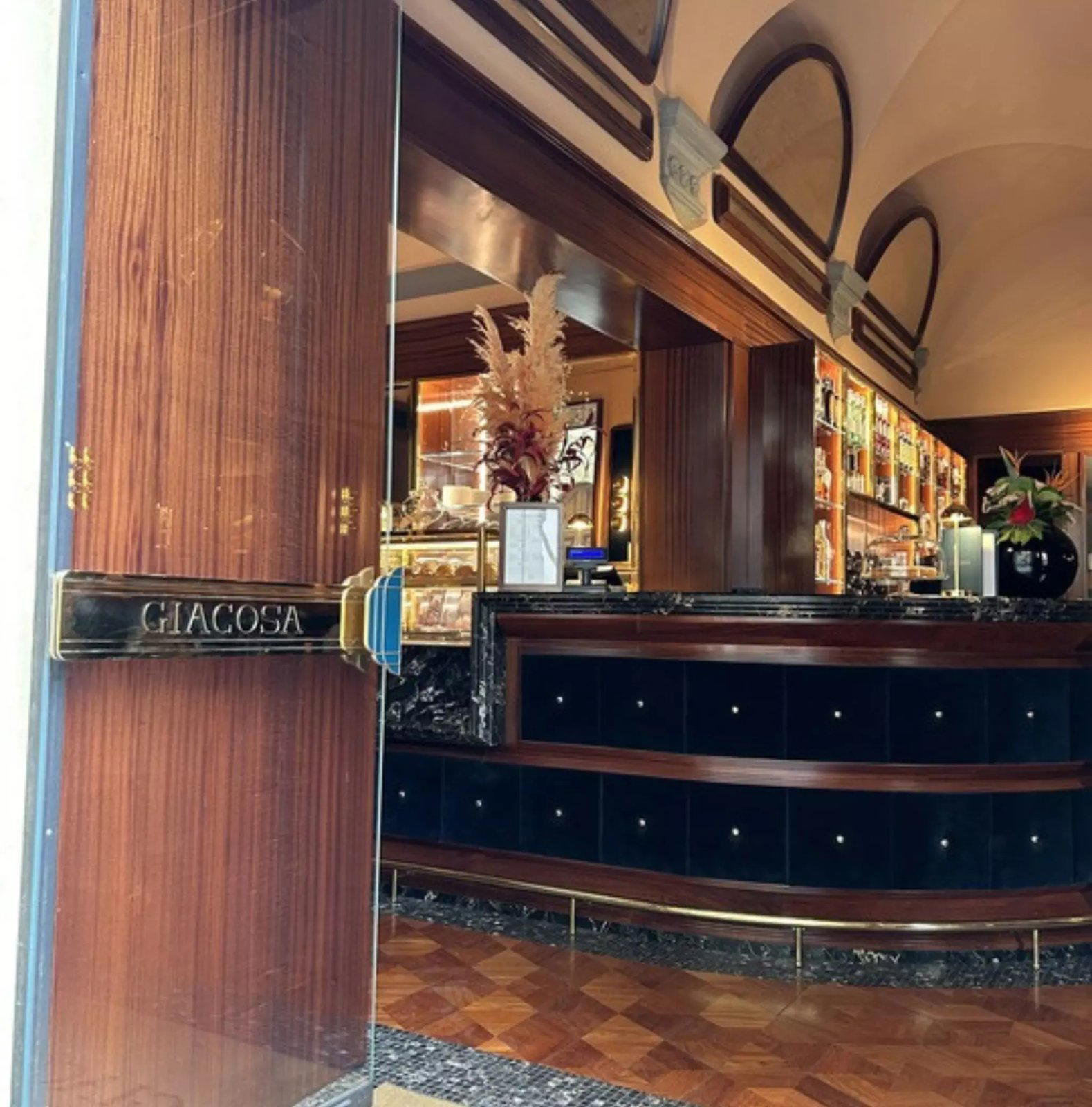
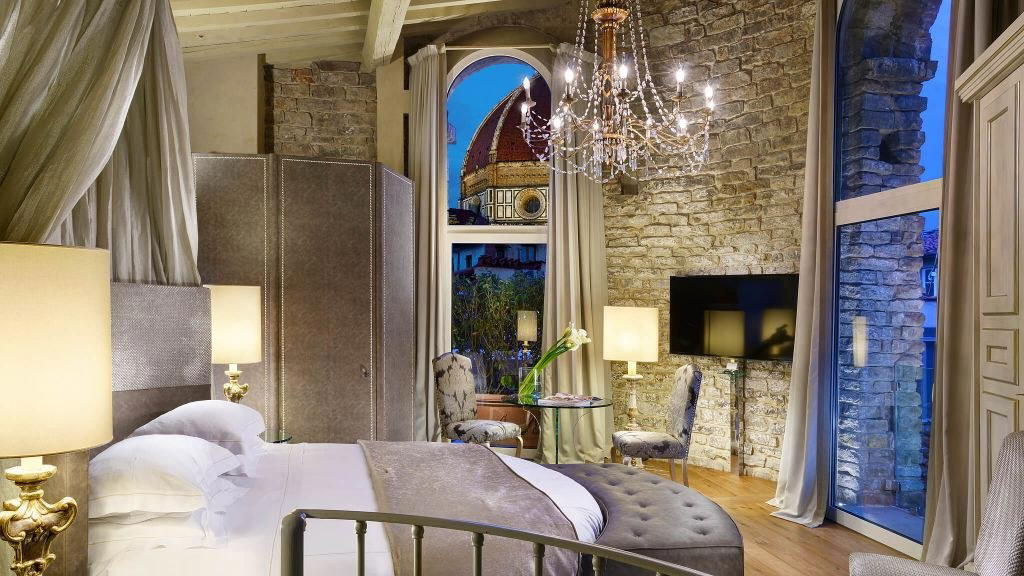
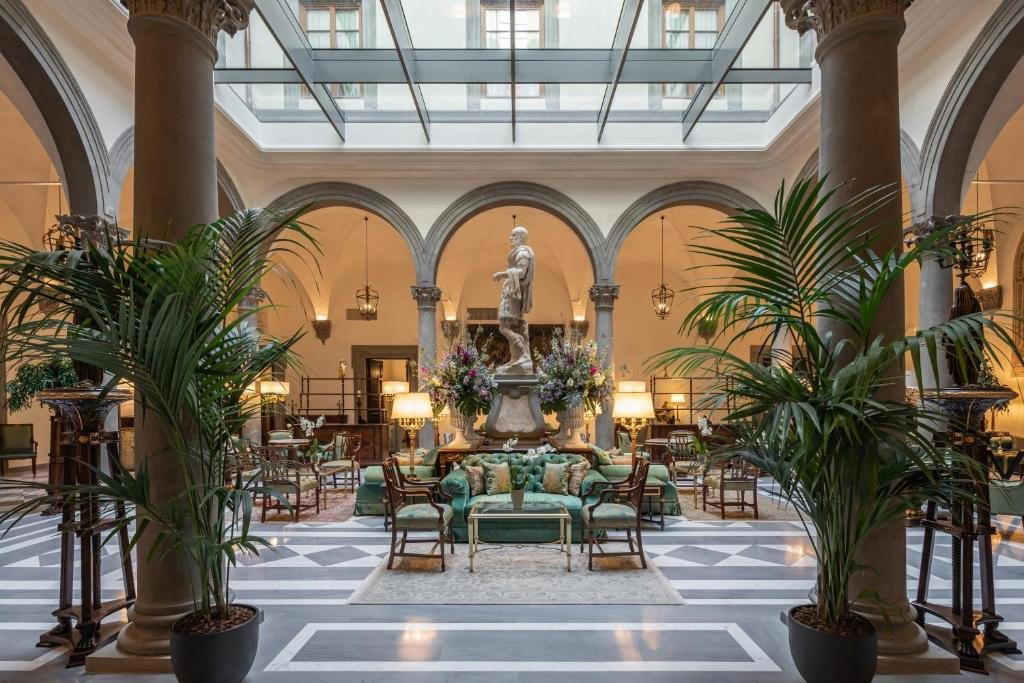
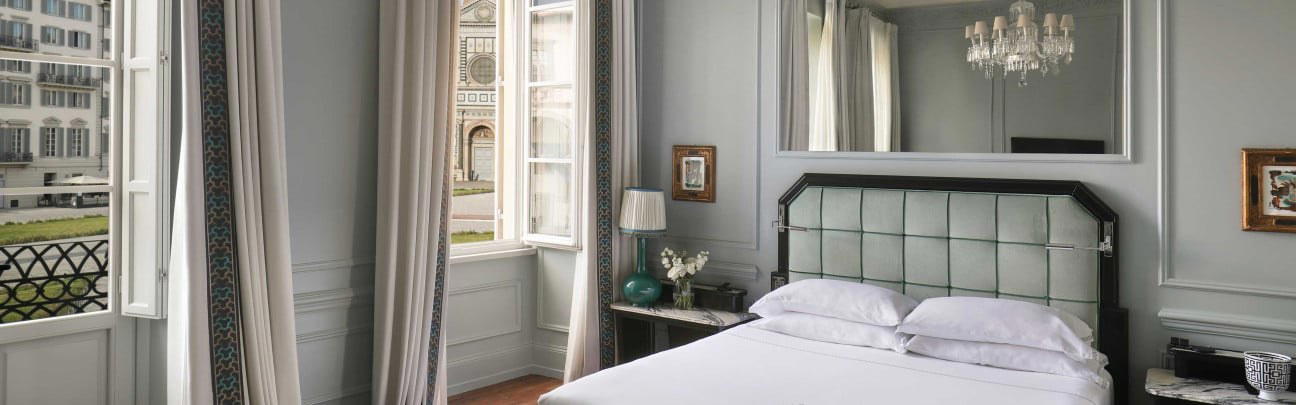
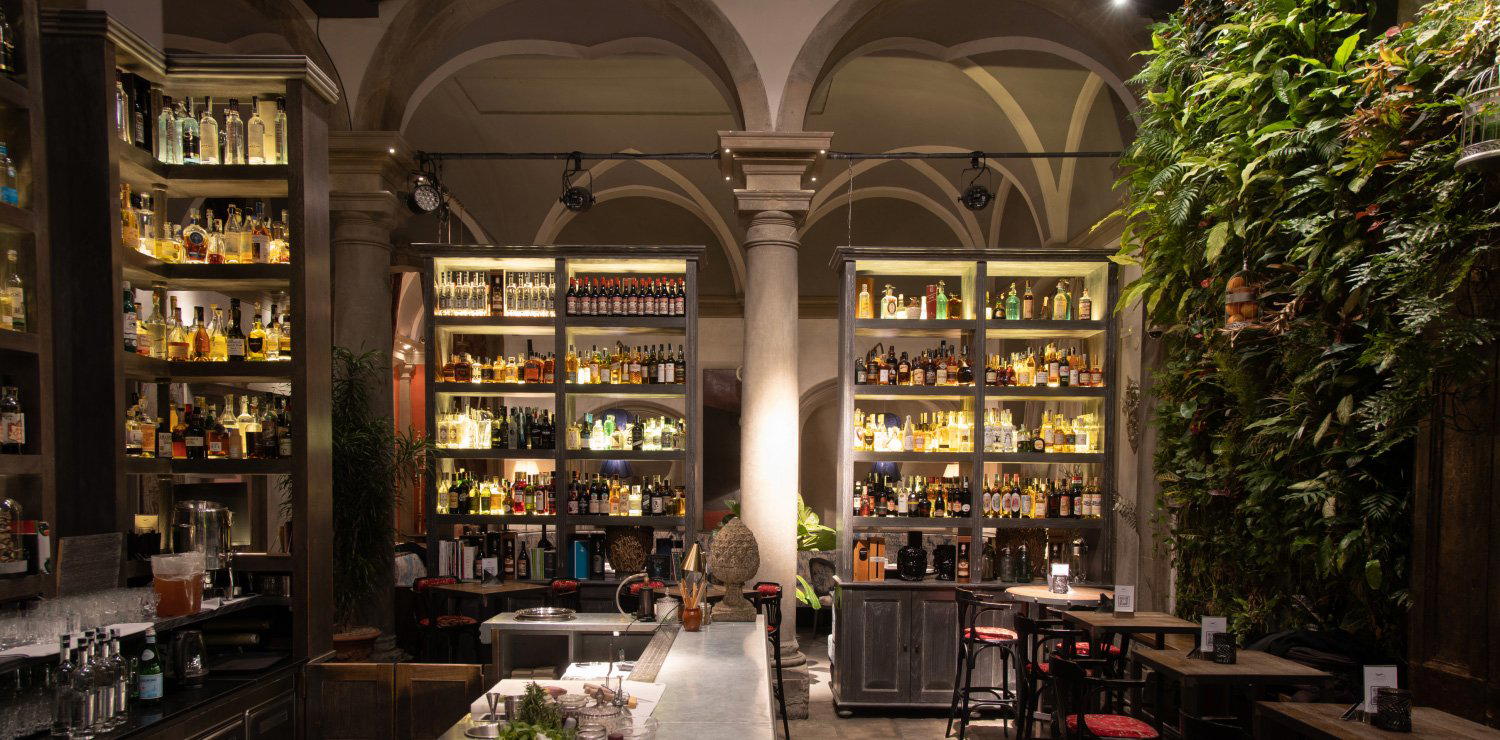
Warm, inviting salon-like atmosphere with elegant 1950s decor, natural light from the Arno, and a chic, relaxed vibe.