Chutoro sits in Barajas, Madrid's airport-adjacent district, placing it in an interesting position relative to the city's dense concentration of creative fine dining. The name references the prized medium-fatty tuna cut central to Japanese omakase tradition, signalling a kitchen with one eye on the precision-led techniques that have reshaped Spanish restaurant culture over the past decade. Booking and format details are best confirmed directly with the venue.
Pearl is the En Primeur Club membership app — saves, bookings, and concierge access live there. Same editors, same standards.
- Address
- Av. General, 47, Barajas, 28042 Madrid, Spain
- Phone
- +34722204442
- Website
- chutoromadrid.com
- Directions
- Get directions
 Saves & bookings on Pearl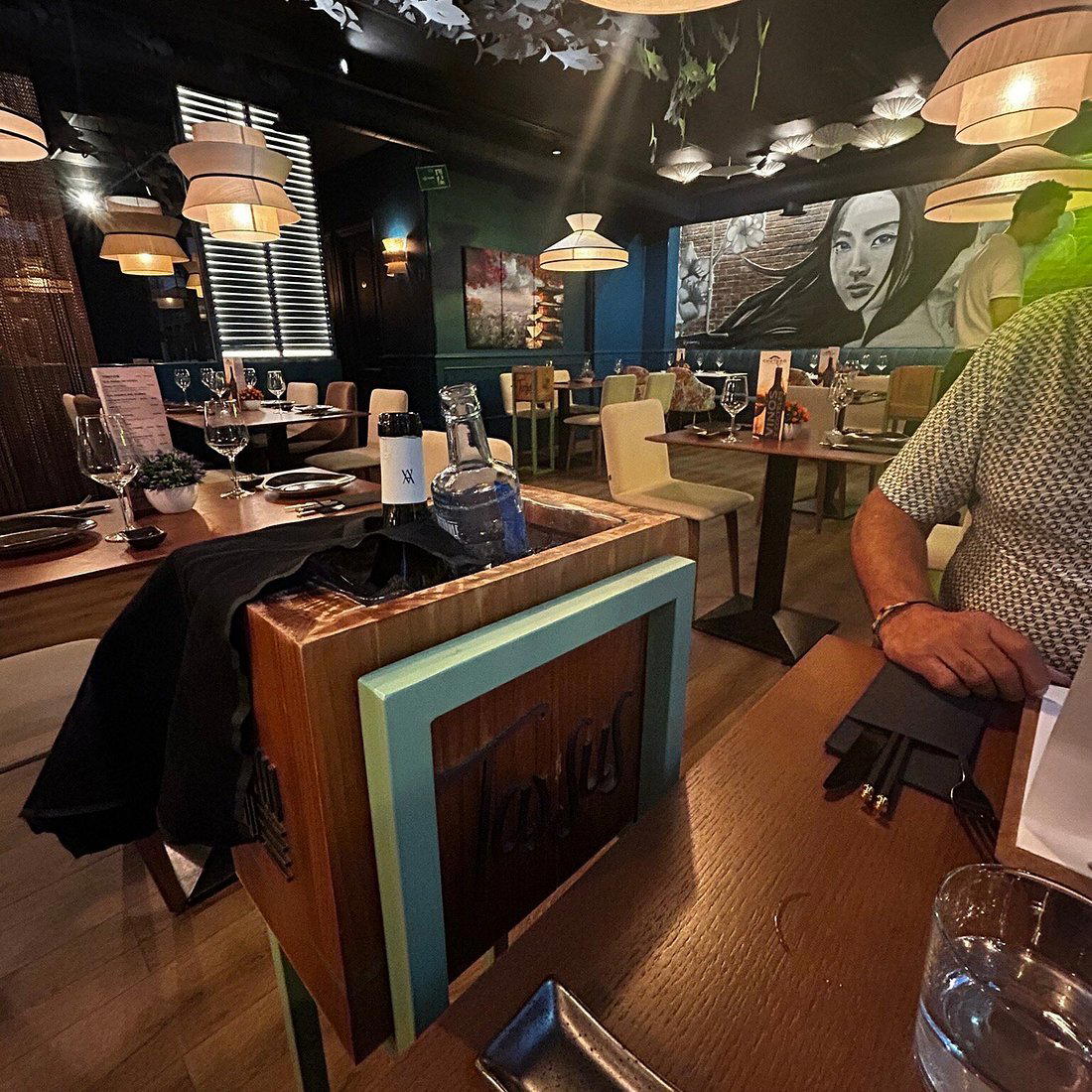
Barajas and the Edge of Madrid's Dining Map
Madrid's serious restaurant culture is heavily concentrated inside the M-30 ring road, where addresses in Salamanca, Chamberí, and the city centre cluster around the highest-profile reservations. Barajas operates on a different logic. The district is defined less by gastronomy than by transit, and that geography shapes what dining there means: venues in this zone tend to serve a mixed audience of travellers, local professionals, and residents who value proximity over prestige-address optics. Chutoro, at Av. General 47, sits within that context, which is neither a drawback nor a selling point in isolation — it is simply the frame through which the experience should be read.
For comparison, Madrid's flagships at the top of the creative spectrum — DiverXO, Coque, Deessa, and DSTAgE, are all positioned inside or close to the city's prestige dining corridor. A venue operating in Barajas is not competing for the same diner on the same night; it is serving a different need, which can work strongly in its favour if the kitchen is serious.
What the Name Signals About the Kitchen
Chutoro is a specific Japanese term: the medium-fatty portion of bluefin tuna belly, sitting between the leaner akami and the richest otoro. It is a word that serious sushi professionals use with precision, and naming a Madrid restaurant after it is a deliberate signal. Spanish cuisine has absorbed Japanese technique at multiple price points over the past fifteen years, from the avant-garde laboratories of Paco Roncero to the precision-led approach of Mugaritz in Errenteria, and the naming convention here places this kitchen within that broader cross-cultural conversation rather than in the tradition of the Spanish taberna or asador.
Across Spain, the restaurants that have attracted the most international attention in recent years tend to share a willingness to treat product with the same reverence Japanese chefs apply to a single slice of tuna. Aponiente in El Puerto de Santa María does this with marine ingredients; El Celler de Can Roca in Girona does it through emotional memory and technique; Ricard Camarena in València through restraint and local produce. A name like Chutoro gestures toward that product-first sensibility, though the kitchen's actual execution should be weighed against what you find on the night rather than what a name implies.
The Lunch vs. Dinner Divide in This Part of Madrid
In most of Madrid's established dining neighbourhoods, the lunch-dinner split is culturally baked in. The midday service carries the serious local trade, long set menus at accessible prices, wine poured freely, no sense of hurry before 4pm. Evening service shifts the demographic toward visitors, special occasions, and the later-arriving crowd who treat dinner as a social event rather than a meal. Both rhythms are genuine, but they reward different approaches and different budgets.
In Barajas, this divide is sharpened by the airport adjacency. Lunch here is more likely to draw local professionals and district residents who want something capable without theatre. Dinner may skew toward travellers with early departures or layovers, people catching a meal before a flight, or regulars from the surrounding residential zones. Neither profile is less interesting than the other, but they produce different atmospheres and often different pacing. A kitchen that handles both services well is doing something genuinely difficult: maintaining quality and consistency across two very different rooms, in energy if not in layout.
The broader pattern across Spanish cities is that the highest-value dining tends to happen at lunch, where tasting menus and set-menu formats offer the full kitchen output at a lower price point than the à la carte or dinner-only equivalent. At Azurmendi in Larrabetzu and Martin Berasategui in Lasarte-Oria, for instance, the lunch format has historically represented the most accessible entry point to multi-starred cooking. Whether Chutoro applies this logic is something to verify at the time of booking, but any kitchen with serious intent in this part of the city would be well-advised to make lunch its strongest offer.
Madrid in the Wider Spanish Restaurant Context
Spain's restaurant scene is unusually decentralised for a country of its size. The Basque Country, Catalonia, Valencia, and Extremadura each have flagships that would anchor any European city's dining identity. Arzak in San Sebastián, Cocina Hermanos Torres in Barcelona, Quique Dacosta in Dénia, and Atrio in Cáceres each operate within a regional tradition as much as a national one. Madrid's identity within that picture is as a city of enormous appetite and range, from old-school tabernas to the most technically ambitious cooking in the country. Our full Madrid restaurants guide covers that breadth in detail.
Internationally, the precision-fish approach that Chutoro's name references has been refined at counters in Tokyo and New York for decades. Restaurants like Le Bernardin in New York City have spent forty years demonstrating how seriously seafood and fish can be treated within a Western fine-dining format. The conversation between Japanese product reverence and European cooking traditions is one that Madrid has been engaged in seriously since the early 2000s, and a restaurant choosing this name is positioning itself, consciously or not, within that lineage.
Planning Your Visit
The address is Av. General 47, Barajas, 28042 Madrid. Contact details and current service format should be verified directly before visiting.
| Venue | Location | Price Tier | Format Signal |
|---|---|---|---|
| Chutoro | Barajas, Madrid | Not confirmed | Precision fish focus, verify directly |
| DiverXO | Madrid centre | €€€€ | Multi-course tasting, advance booking required |
| Coque | Madrid | €€€€ | Creative Spanish, extended tasting format |
| Deessa | Madrid | €€€€ | Modern Spanish, hotel dining |
| Lazy Bear | San Francisco | Premium | Communal tasting, ticketed entry |
Continue exploring
More in Madrid
Restaurants in Madrid
Browse all →
Bars in Madrid
Browse all →
Hotels in Madrid
Browse all →



At a Glance
- Modern
- Date Night
- Casual Hangout
Current opening hours
- Monday
- 1–5 PM, 7–11:30 PM
- Tuesday
- 1–5 PM, 7–11:30 PM
- Wednesday
- 1–5 PM, 7–11:30 PM
- Thursday
- 1–5 PM, 7–11:30 PM
- Friday
- 1–5 PM, 7–11:30 PM
- Saturday
- 1–5 PM, 7–11:30 PM
- Sunday
- 1–5 PM, 7–11:30 PM
Hours can change for holidays and private events. Last verified .
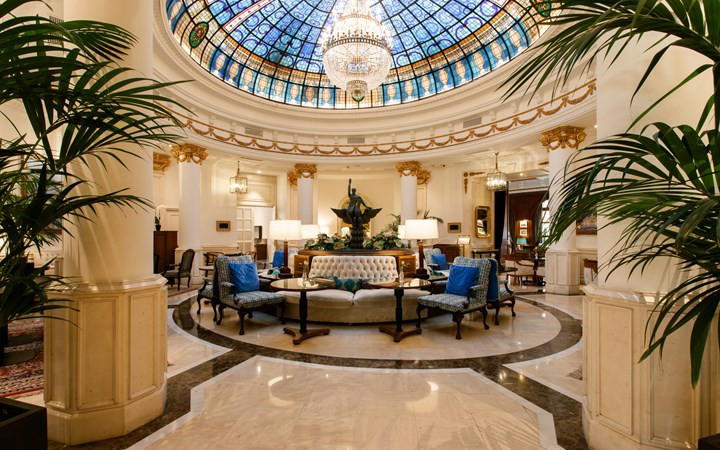
Lovely ambiance with beautiful interior and close service as per guest reviews.
Know Before You Go
- Getting there
- Av. General, 47, Barajas, 28042 Madrid, Spain