Katupiri sits in Madrid's San Blas-Canillejas district, operating at a remove from the capital's concentrated fine-dining corridor. The address alone signals a venue that draws on local loyalty rather than tourist geography. For those tracing Madrid's broader dining map beyond the centre, it represents a distinct point on the city's neighbourhood-level restaurant circuit.
Pearl is the En Primeur Club membership app — saves, bookings, and concierge access live there. Same editors, same standards.
- Address
- Tr.ª de López de Aranda, local 14, San Blas-Canillejas, 28027 Madrid, Spain
- Phone
- +34910744519
- Website
- pizzeriakatupiri.es
- Directions
- Get directions
 Saves & bookings on Pearl
San Blas-Canillejas and the Geography of Madrid Dining
Madrid's restaurant conversation tends to collapse around a handful of central postcodes: Salamanca, Chueca, the axis running through Chamberí. The city's peripheral districts rarely appear in the same sentence as its Michelin-decorated addresses, yet they carry a different kind of authority, one built on repeat custom, neighbourhood trust, and a dining room that doesn't need a tourist economy to stay full. Katupiri, addressed at Tr.ª de López de Aranda, local 14 in San Blas-Canillejas, operates in that register. The district sits east of the M-30 ring, a working residential zone far from the pressure of the city's creative fine-dining cluster. Getting there requires intent, which is precisely the condition that tends to produce dining rooms with a regular local following.
That geographic remove matters more than it might appear. Madrid's premium tier, represented by addresses like DiverXO, Coque, Deessa, and DSTAgE, operates in a different commercial logic than a neighbourhood restaurant in San Blas. The former competes for international recognition and the attention of travelling critics; the latter competes for the loyalty of a residential catchment that returns weekly. Both are legitimate, but only one of them feels the pressure to perform for an audience it may never see again.
A Neighbourhood Room on Its Own Terms
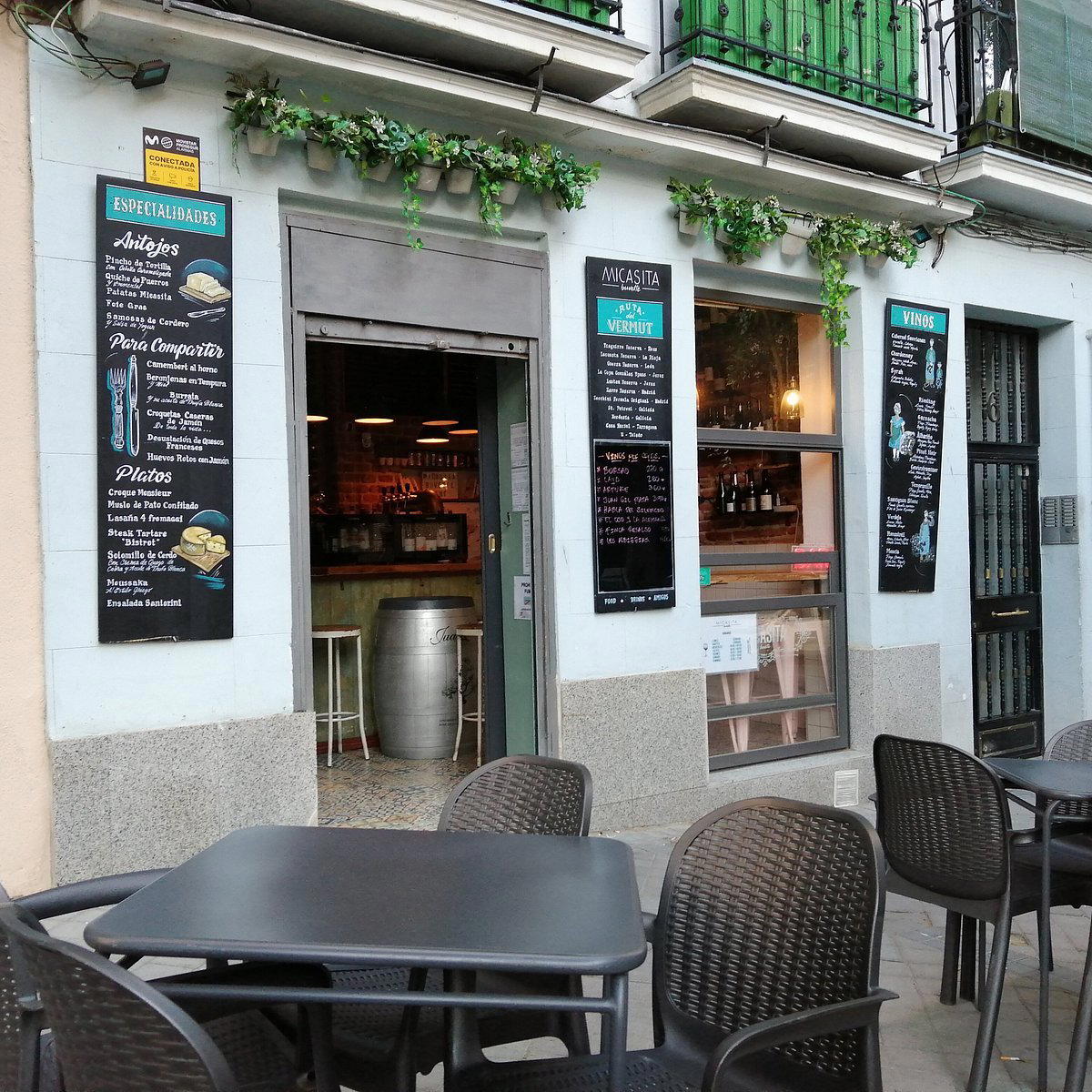
The physical approach to Katupiri sets expectations accurately. San Blas-Canillejas is a residential district built around apartment blocks, local commerce, and the kind of streetscape that doesn't photograph well for social media but functions well for daily life. A restaurant sited here is not making a design statement about its surroundings; it's embedding itself in them. That's a deliberate choice, and it shapes the atmosphere inside as much as any interior design decision.
Spain's neighbourhood dining tradition is one of the more underappreciated structures in European restaurant culture. The neighbourhood restaurant, the local, the bar de barrio with a full dining room behind it, the family-run comedor that feeds the same faces three times a week, operates as a connective tissue between Spanish social life and Spanish cooking. It's a format that has survived economic cycles, the rise of delivery platforms, and the concentration of media attention on a small number of high-profile addresses. In Madrid, this tier of restaurant represents the majority of actual eating, even if it represents a small fraction of editorial coverage. Katupiri's position in San Blas places it firmly within that tradition.
Reading the Wine Programme in Context
The question of cellar depth can be approached through the lens of category and context. Spanish neighbourhood restaurants occupy a wide spectrum when it comes to wine: at one end, a functional house-pour operation with a short list of Riojas and Ruedas; at the other, a room run by someone with genuine cellar knowledge who uses the neighbourhood format as cover for serious curation.
The Spanish wine map has expanded considerably over the past two decades. Regions that were afterthoughts in the 1990s, Bierzo, Ribeira Sacra, the Canary Islands, Manchuela, now produce wines with credible critical followings. A neighbourhood restaurant in Madrid with the right instincts can assemble a list that outperforms its postcode by a significant margin, sourcing from small producers who don't appear on the lists of the capital's higher-profile rooms. Whether Katupiri operates in that vein is something the room itself reveals. What the address and format suggest is that the wine offer, whatever its depth, is likely priced for the regulars rather than for the occasion diner, which, from a value standpoint, is often the better side of the equation.
Spain's upper-tier wine programme rooms, Atrio in Cáceres, with among the more documented cellars in the country, or El Celler de Can Roca in Girona, set a benchmark that few neighbourhood rooms approach in volume or prestige. But prestige and utility are different metrics. A well-chosen, fairly priced regional list in a San Blas dining room answers a different question than a cellar of 40,000 bottles in a Catalan gastronomic institution. Both have their logic.
Placing Katupiri Within Madrid's Wider Restaurant Map
Madrid's restaurant scene in 2024 operates on several tiers simultaneously. At the apex, three-Michelin-star operations like DiverXO and technically ambitious rooms like Paco Roncero pursue international positioning. One tier below, creative Spanish rooms such as DSTAgE and Deessa operate with Michelin recognition and a clientele that includes both locals and visitors. Further down the coverage hierarchy, neighbourhood restaurants in outer districts serve a function the starred rooms cannot: daily, affordable, trusted eating for the people who actually live in Madrid.
Spain's broader culinary map extends well beyond the capital. Arzak in San Sebastián, Mugaritz in Errenteria, Azurmendi in Larrabetzu, Martín Berasategui, Quique Dacosta in Dénia, Aponiente in El Puerto de Santa María, Cocina Hermanos Torres in Barcelona, and Ricard Camarena in València represent the country's fine-dining geography at its widest reach. Internationally, rooms like Le Bernardin in New York and Atomix in New York set the standard against which serious tasting-menu rooms are measured. Katupiri operates in a different register entirely, not competing for that recognition, but serving a purpose those rooms cannot.
Planning a Visit
Katupiri is located at Tr.ª de López de Aranda, local 14, in the San Blas-Canillejas district of eastern Madrid, postcode 28027. The area is accessible by metro on Line 5 (Canillejas station), which makes the journey from central Madrid direct without requiring a taxi. Booking is recommended, and the price per person is about $20. Arriving early in a service window is the practical approach for anyone making a specific journey from the city centre.
Awards and Standing
Comparable venues nearby, for context on price, style, and recognition.
| Venue | Cuisine | Price | Notes |
|---|---|---|---|
| KatupiriThis venue — the venue you are viewing | Brazilian Pizzeria | $$ | Not listed |
| Pagus Madrid | Calabrian Italian Pasta & Grill | $$ | Lista |
| Taberna Zalamero | Traditional Spanish Tapas with Modern Twists | $$ | Ibiza |
| LUPO | Authentic Italian Pizzeria | $$ | Corralejos |
| Los Aguachiles Jorge Juan | Northern Mexican Seafood | $$ | Recoletos |
| Roost Chicken Plenilunio | Fried Chicken & Burgers | $$ | Rejas |


At a Glance
- Cozy
- Family
- Casual Hangout
Current opening hours
- Monday
- 7–11:30 PM
- Tuesday
- Closed
- Wednesday
- 12–4 PM, 7–11:30 PM
- Thursday
- 12–4 PM, 7–11:30 PM
- Friday
- 12–4 PM, 7 PM–12 AM
- Saturday
- 12–4 PM, 7 PM–12 AM
- Sunday
- 12–4 PM, 7–11 PM
Hours can change for holidays and private events. Last verified .
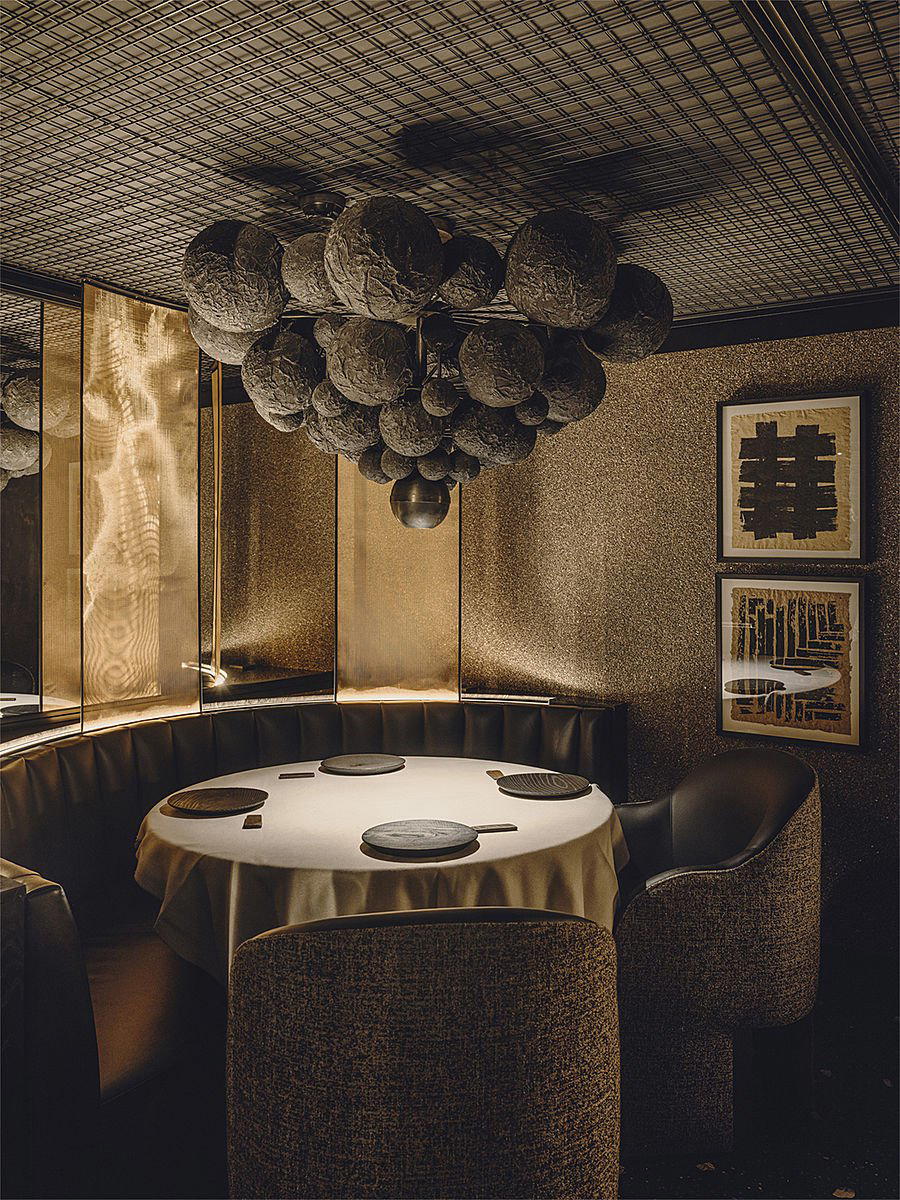
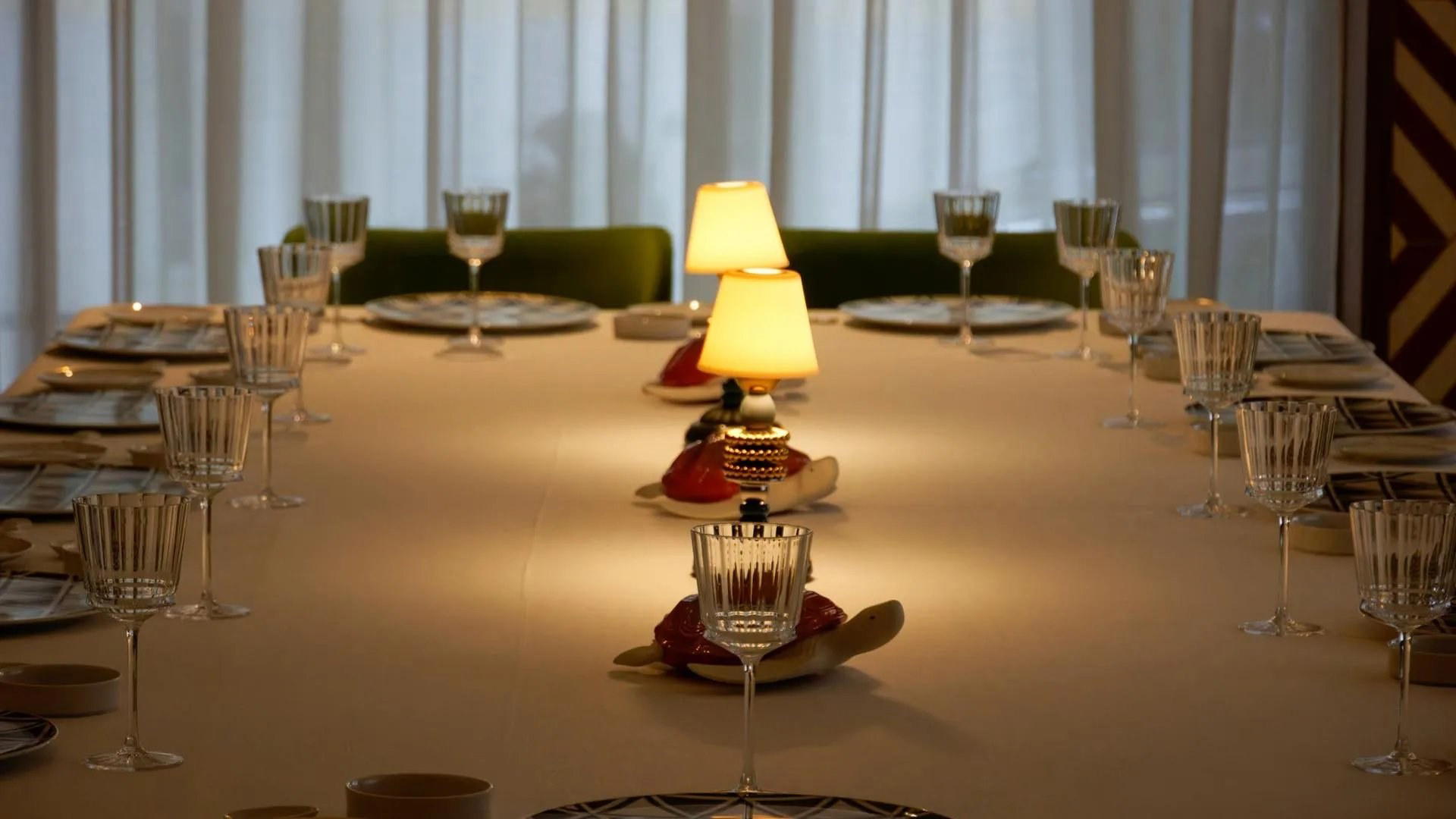
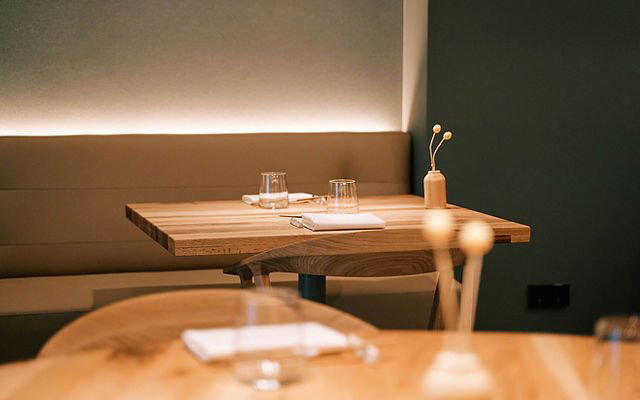
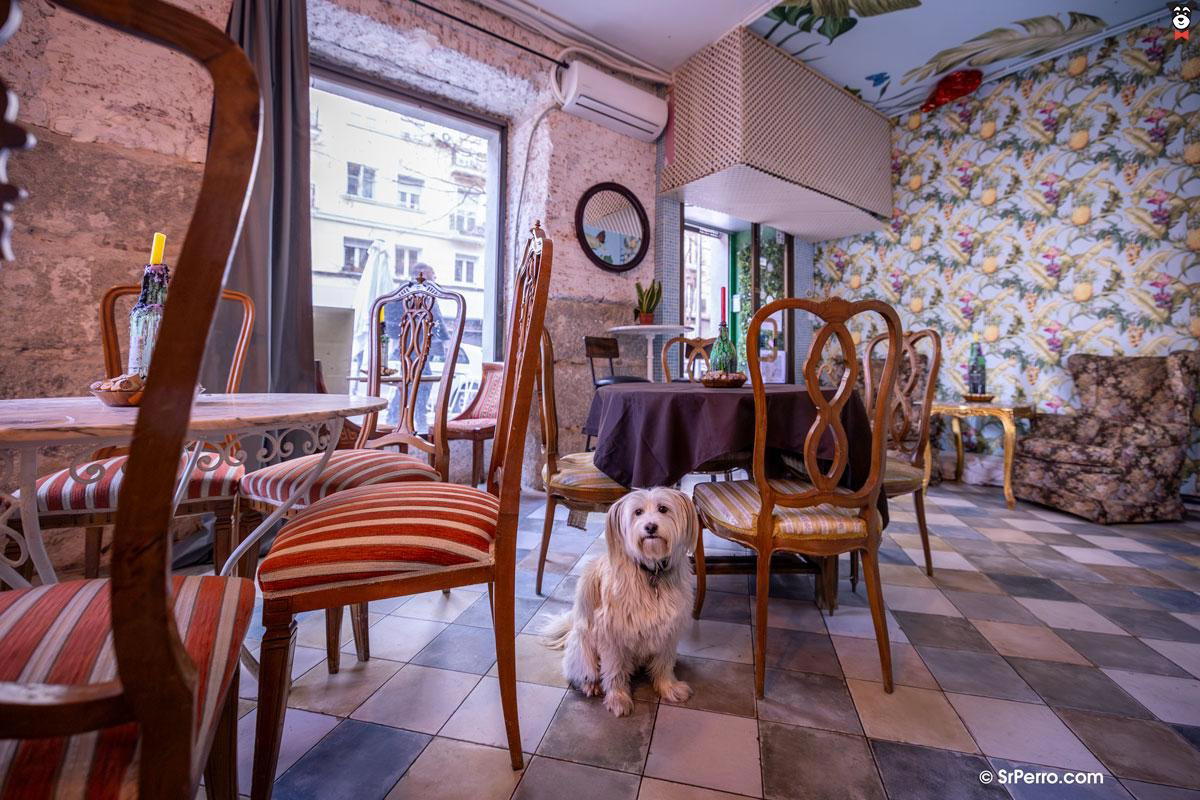
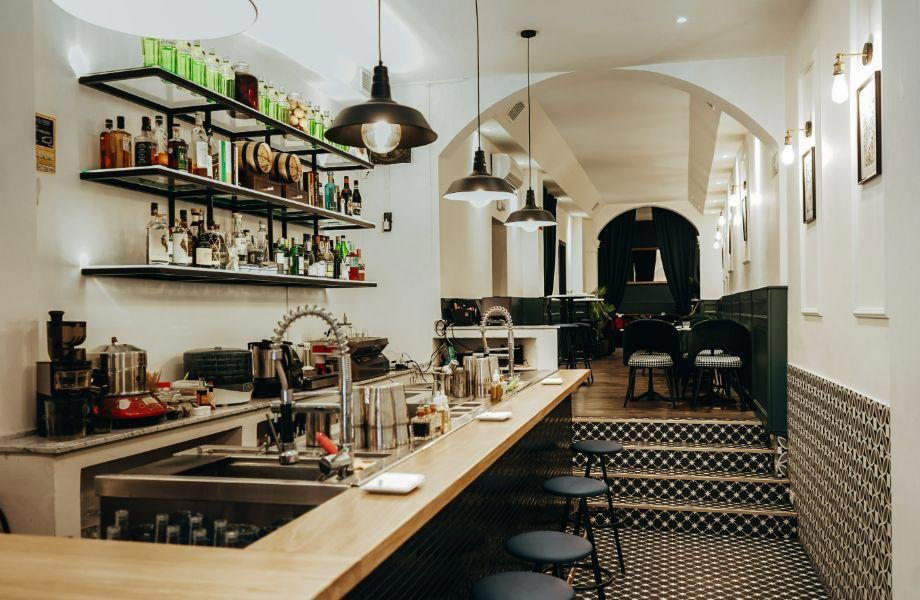
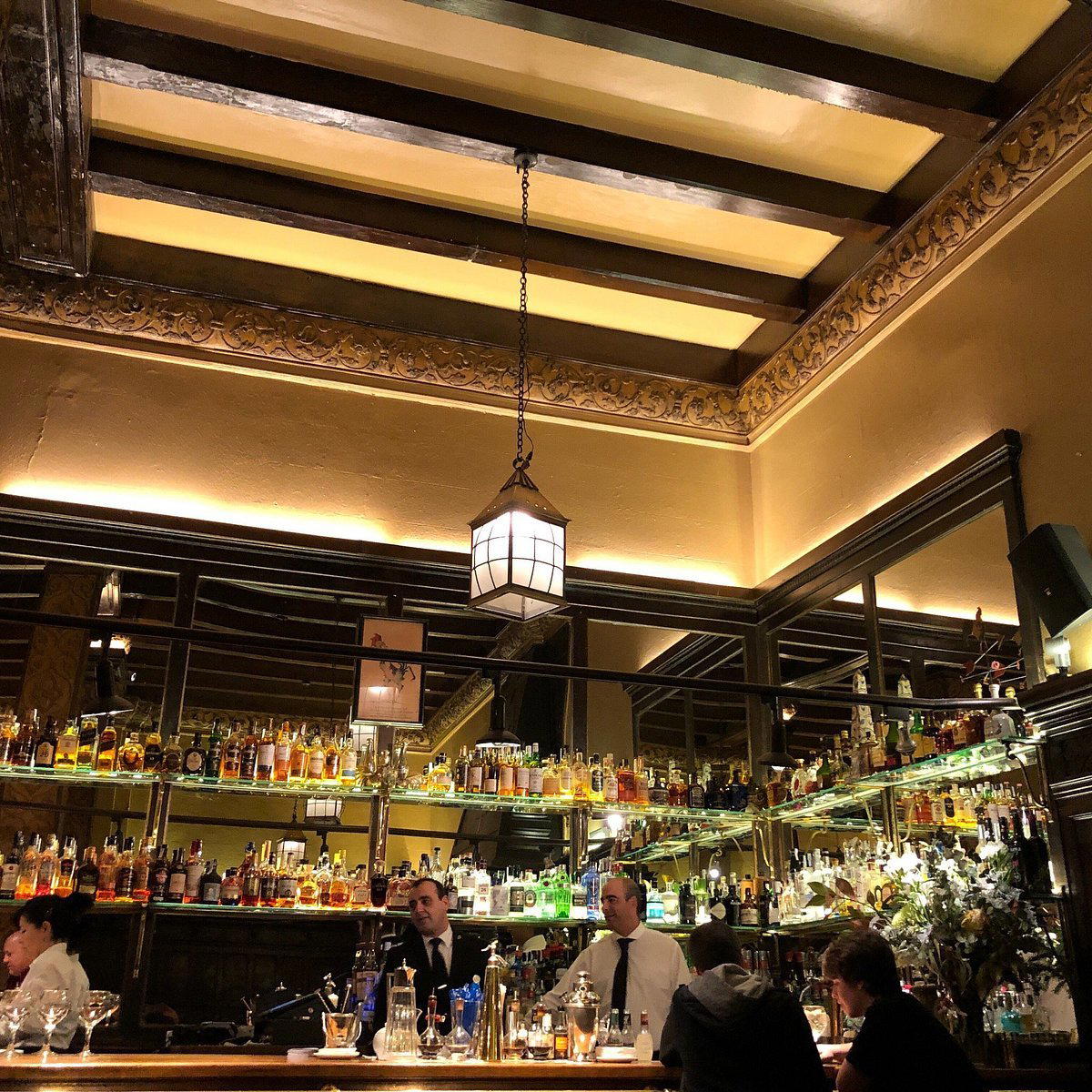
A cozy and welcoming atmosphere with pleasant lighting suitable for families