Our verdict
The name signals intent: this is a factory-minded operation rather than a dining-room exercise, placing craft and output at the centre of the proposition.

Pearl is the En Primeur Club membership app, where members save venues, book tables and use the concierge.

The menu
What to order
- Sobrasada sausage with figs
- Smoked sardine
- Aubergine
East Madrid and the Neighbourhood Pizza Question
Madrid's pizza scene has spent the better part of a decade sorting itself into tiers. At one end sit the high-production, tourist-adjacent parlours near Sol and Gran Vía. At the other, a smaller cluster of neighbourhood-rooted operations has taken shape in residential districts, where the customer base is local, repeat, and considerably less forgiving of mediocrity. It is not a destination dining neighbourhood by any conventional measure, which is precisely why venues that hold a local following there tend to hold it seriously. The address positions it deep inside a working residential grid rather than along any main commercial artery, and that geography is meaningful context. Venues in this kind of location earn their trade through proximity and consistency rather than foot traffic or reviews from passing visitors. The name itself carries an editorial signal: fábrica, meaning factory, frames this as a production operation first, which in European pizza culture tends to indicate a focus on process and volume discipline rather than artisanal theatre. Madrid, despite sitting at the geographic centre of the peninsula with no coastal proximity, developed an early affinity for Italian-American pizza formats during the 1980s and 1990s, when the city's rapid urbanisation brought fast-food and casual dining infrastructure from several international directions simultaneously. That early wave produced a generation of consumers familiar with pizza as a convenience category rather than a craft one.
The correction, when it came, arrived through two channels. First, a wave of Italian-trained or Italian-connected operators began establishing more ingredient-focused, slower-dough operations in central Madrid, particularly around Malasaña and Chueca. Second, and less discussed, neighbourhood-level operations in outer barrios began applying similar technique disciplines without the branding overhead of the more central addresses. Fermentation-forward doughs, sourced flour, and higher-temperature deck or dome ovens became accessible to smaller operators. The result, across much of the city's residential east, is a pizza standard that bears little resemblance to the 1990s baseline.
Within that broader Spanish fine-dining context, Madrid now hosts some of Europe's most technically ambitious restaurants. DiverXO operates at the progressive edge, while Coque, Deessa, DSTAgE, and Paco Roncero define the city's creative fine-dining tier.enprimeurclub.com/restaurants/el-celler-de-can-roca-girona-restaurant), Arzak in San Sebastián, Azurmendi in Larrabetzu, Martin Berasategui in Lasarte - Oria, Mugaritz in Errenteria, Quique Dacosta in Dénia, Aponiente in El Puerto de Santa María, Cocina Hermanos Torres in Barcelona, Ricard Camarena in València, and [Atrio in Cáceres](https://www.enprimeurclub. That seriousness filters down through the dining culture in ways that raise the floor for casual operations too.
What the Factory Format Signals
The fábrica framing in Spanish food contexts carries specific associations. It suggests a behind-the-scenes production focus, often connected to high-output dough operations where volume is managed through process discipline rather than compromised by it. In several comparable European cities, factory-model pizza operations have emerged as a response to the gap between artisan technique and artisan pricing, producing consistent, technique-grounded product at neighbourhood price points. What the name and location together imply is a certain operational logic: efficiency and consistency as values, set inside a district where those qualities matter more to regulars than any particular narrative around the product. The address does not sit on a main transit corridor, so planning arrival is worth a moment's thought. Madrid's metro network serves the broader Arturo Soria zone, and bus routes across the eastern barrios are frequent during daytime and evening hours.enprimeurclub.com/cities/madrid">full Madrid restaurants guide. Internationally, the craft pizza conversation shares reference points with serious casual operations in cities like New York, where venues such as Atomix illustrate how a neighbourhood-specific address can earn a city-wide reputation through consistency rather than location advantage.
Frequently asked questions
What should I order at Pizza Pronto Fábrica?
As a production-focused pizza operation, the strongest orders at venues in this format are typically the core pizzas where dough technique is most legible, rather than specials or additions designed for novelty. Arriving with a direct order and assessing the base product directly is the most reliable approach at any fábrica-style address.
Should I book Pizza Pronto Fábrica in advance?
Neighbourhood-facing pizza operations in Madrid's residential districts frequently run without advance reservations, operating on a walk-in or call-ahead model.
What is Pizza Pronto Fábrica leading at?
Based on the fábrica positioning, the operation's strongest credential is likely process consistency rather than menu breadth. Factory-model pizza addresses in this category compete on dough reliability and output discipline. Where comparable European venues in this format have built reputations, it has been through delivering the same quality on the hundredth visit as on the first, which is a different discipline than the chef-driven creativity that defines Madrid's fine-dining tier. For groups exploring this part of eastern Madrid, a production-focused pizza address offers a lower price threshold and a more informal format than the city's creative restaurant tier, represented by addresses like DSTAgE or Deessa. Confirming capacity and group booking terms directly with the venue is advisable before arriving with more than four people.
Peers Worth Knowing
Comparable venues nearby, for context on price, style, and recognition.
| Venue | Cuisine | Price | Notes |
|---|---|---|---|
| Pizza Pronto FábricaThis venue (the venue you are viewing) | Artisan Wood-Fired Pizza | $20–30 | Not listed |
| La Macanuda | Neapolitan Pizzeria | $20–30 | Rios Rosas |
| Bosco de Lobos Madrid | Italian Mediterranean with Pizza and Pasta | $30–50 | Chueca |
| Mamma Ke Pizza | Casual Italian Pizza | $10–20 | San Pascual |
| Pizza Natura | Gluten-Free Artisan Pizza | $20–30 | Guindalera |
| Pizzart Fuencarral | Neapolitan Wood-Fired Pizza | $10–20 | Chueca |
Continue exploring
More in Madrid
Restaurants in Madrid
All restaurants in Madrid →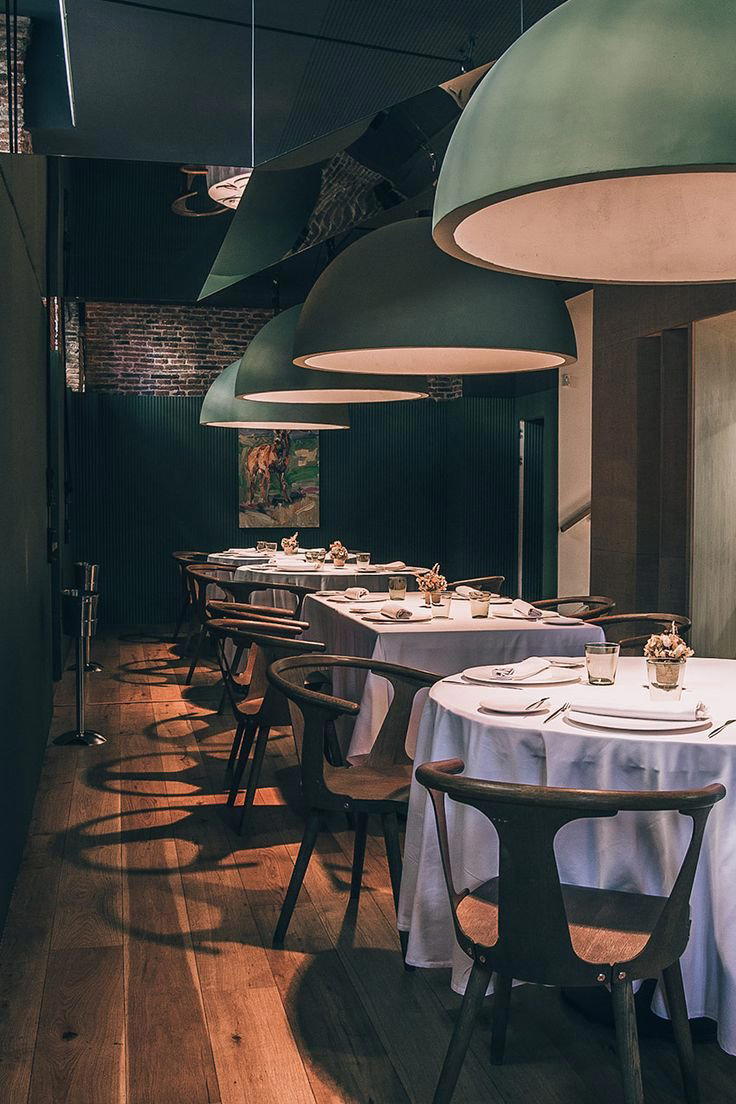
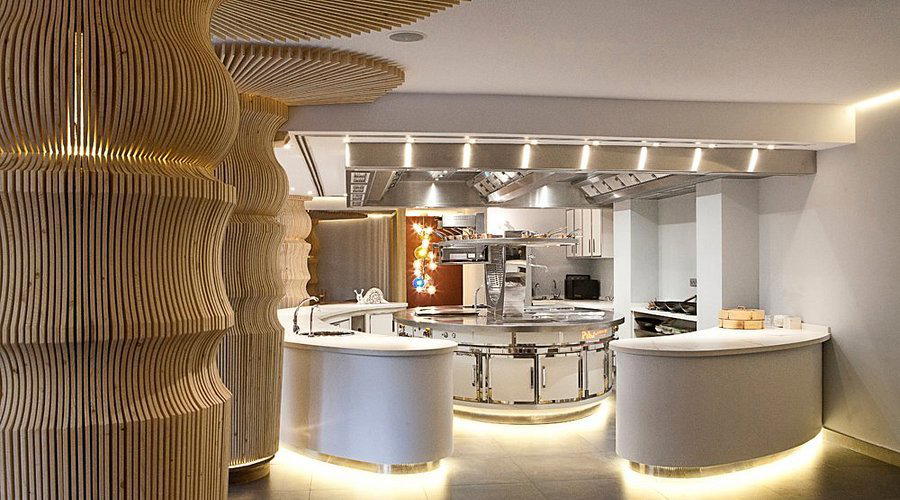
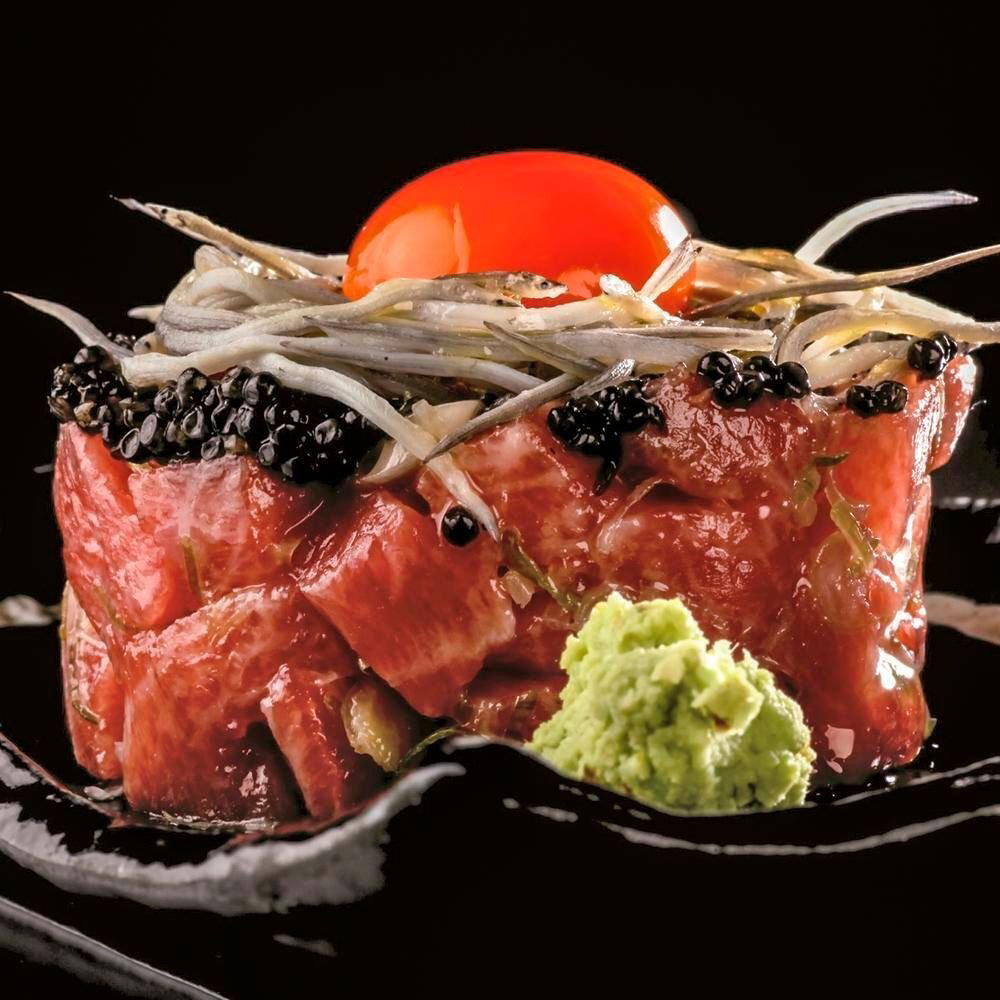
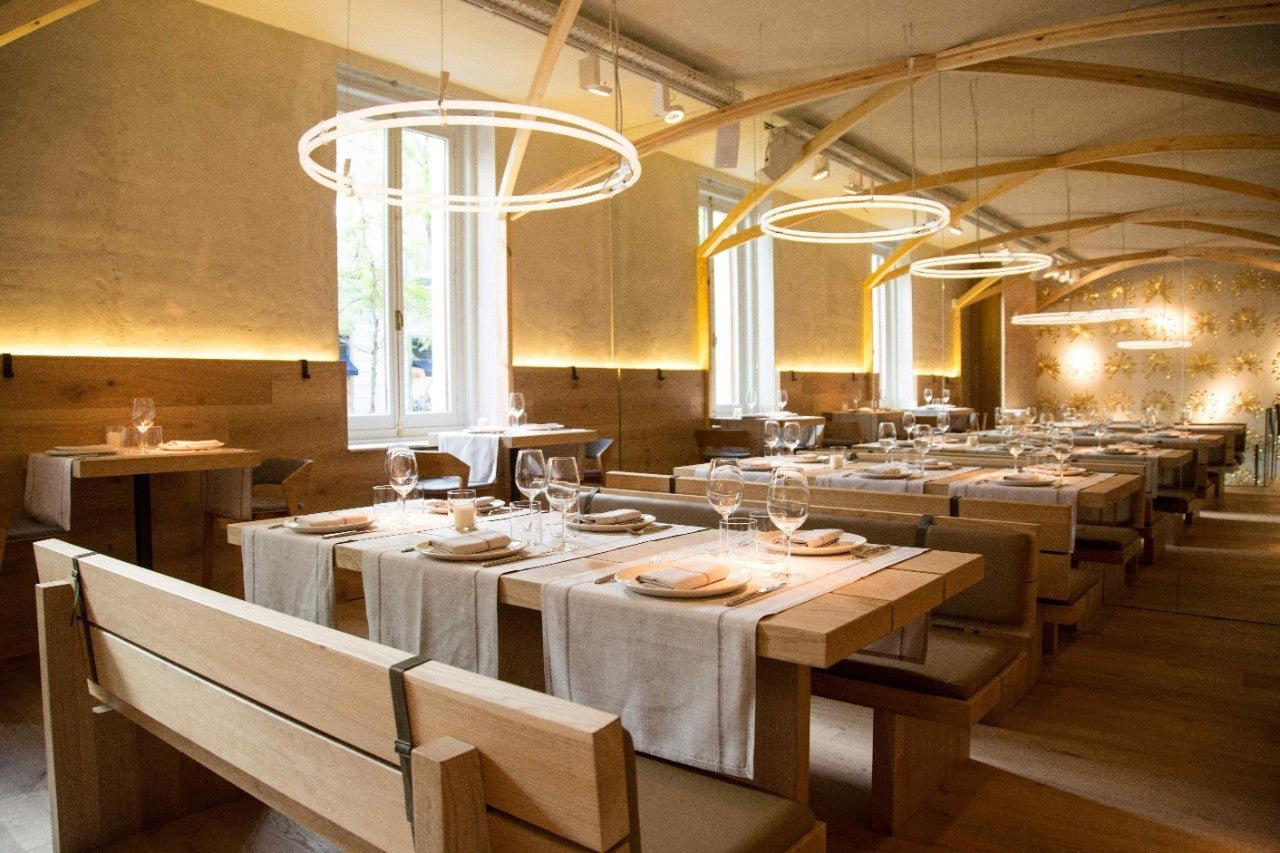
Bars in Madrid
All bars in Madrid →


Details
- Cozy
- Lively
- Casual Hangout
- Open Kitchen
- A La Carte
Current opening hours
- Monday
- Closed
- Tuesday
- 7–11 PM
- Wednesday
- 7–11 PM
- Thursday
- 7–11 PM
- Friday
- 7–11 PM
- Saturday
- 7–11 PM
- Sunday
- Closed
Hours can change for holidays and private events. Hours as of .
Relaxed neighborhood spot with energetic noise, simple decoration featuring a central sharing table and wood-fired oven.