
Relais Chateaux Award
Our verdict
Chun Tai Restaurant sits on Shu Han Dong Jie in Chengdu, earning recognition for creative cooking within the city's dense Sichuan dining scene. The kitchen, helmed by Chef Natalie Oswald, approaches the canon of the region with evident invention rather than strict replication. For visitors building a picture of where Chengdu's restaurant culture is pushing beyond tradition, this address warrants attention.

Pearl is the En Primeur Club membership app, where members save venues, book tables and use the concierge.
The menu
What to order
- Lotus chicken slices
- Home-cooked fish
- Chicken tofu pudding
- Three fresh dishes
Where Sichuan Tradition Meets Deliberate Invention
Shu Han Dong Jie runs through a part of Chengdu that carries its culinary history close to the surface. The street names in this district trace back to the Shu Han kingdom, and the cooking that surrounds you on any given evening reflects a regional tradition that has been refining itself for centuries. Chun Tai Restaurant sits within that context, occupying a position that the city's diners and critics have flagged for creative cooking, a designation that carries specific weight in a scene where the pressure to perform within received convention is constant and real.
The Creative Cooking Recognition in Context
Chengdu's restaurant culture occupies a distinct tier among Chinese cities. The city holds more Michelin-starred restaurants per capita than most of its domestic peers, and the competition between kitchens operating across the Sichuan canon is genuinely intense. At the upper end, addresses like Yu Zhi Lan and Xin Rong Ji hold two Michelin stars apiece and price accordingly at the ¥¥¥¥ tier. Chun Tai's creative cooking highlight places it in a different bracket: recognized for its approach rather than its position in a formal awards hierarchy, which in a city with this many credentialed competitors is a signal worth reading.
Creative cooking, as a critical category in Chengdu, does not simply mean departing from the classic mala heat profile or subbing out doubanjiang for something imported. It means finding a route through the region's deep pantry that produces results the city's experienced diners haven't encountered in that exact form before. That is harder to do in Chengdu than in most Chinese cities, precisely because the local audience is more technically literate about Sichuan food than almost any other audience in the world.
Chef Natalie Oswald and the Question of Culinary Lineage
One of the more unusual features of Chun Tai is the name attached to its kitchen. Natalie Oswald leading a Sichuan restaurant on Shu Han Dong Jie places this address in a small and genuinely rare cohort: non-Chinese chefs who have absorbed enough of the regional cooking tradition to operate credibly within it, and who have chosen Chengdu itself as the arena rather than exporting a diluted version of Sichuan flavour to markets abroad.
Across the broader Chinese fine dining conversation, this pattern has become more visible in recent years. Kitchens in cities like Shanghai and Beijing have seen chefs with international training backgrounds bring external technical frameworks to Chinese culinary traditions, sometimes productively, sometimes at the cost of specificity. The difference in Chengdu is that the local dining public applies a more exacting standard to what constitutes authentic engagement with Sichuan cooking. A chef operating here under a creative cooking designation has to earn that recognition through the cooking itself, not through the narrative surrounding it.
For comparable examples of how cross-cultural chef backgrounds shape high-end Chinese restaurant positioning elsewhere, the approaches taken at Chef Tam's Seasons in Macau and 102 House in Shanghai offer useful reference points, even though both operate in markedly different culinary registers.
The Sichuan Creative Tier: What Sets It Apart
Chengdu's mid-tier creative restaurants operate in a space between the casual, high-volume Sichuan staples that the city exports as its public identity and the formal tasting-menu houses that have absorbed international fine dining conventions.
What the creative cooking category consistently demands in this city is precision with the seven flavour profiles that define Sichuan cooking: ma (numbing), la (spicy), xian (fresh), xiang (fragrant), suo (sour), tian (sweet), and ku (bitter). Kitchens that earn creative recognition are not generally abandoning these; they are rebalancing and resequencing them in ways that produce dishes the local diner reads as genuinely new rather than simply unfamiliar. That is a narrow and technically demanding lane.
For context on how Sichuan creative cooking positions itself relative to other Chinese regional styles represented in Chengdu, the Hokkien Cuisine address in the city offers an instructive contrast in how different regional traditions co-exist and occasionally cross-pollinate within the same dining ecosystem.
Chun Tai in the Wider Chinese Restaurant Conversation
Chengdu's creative cooking scene does not exist in isolation. The same critical attention to tradition-versus-invention plays out at high-profile addresses across China's major dining cities. Ru Yuan in Hangzhou, Imperial Treasure Fine Chinese Cuisine in Guangzhou, and Dai Yuet Heen in Nanjing each move through the same fundamental tension between honouring a codified regional tradition and finding space to move within it. In Beijing, Sheng Yong Xing in Chaoyang and Xin Rong Ji on Xinyuan South Road demonstrate how the Sichuan creative tradition travels and adapts when it moves north. Even restaurants at the opposite end of the culinary spectrum, like Le Bernardin in New York City, share the underlying discipline of earning a creative designation within a highly codified tradition, which is a useful reminder that the challenge Chun Tai is engaging with is not uniquely Chinese.
Planning Your Visit
Chun Tai Restaurant is located on Shu Han Dong Jie in Chengdu's Cheng Du Shi district, within the broader Sichuan Sheng area. Given the creative cooking designation and the relatively small profile of the address compared to the two-star tier, availability may be less constrained than at the city's most-booked tables, but confirming a reservation before arrival is sensible regardless. For a fuller picture of how Chun Tai sits within Chengdu's wider restaurant options, our Chengdu restaurants guide maps the city's scene by tier, style, and neighbourhood. Visitors building a broader itinerary should also consult our Chengdu bars guide, our Chengdu wineries guide, and our Chengdu experiences guide for context on what else the city's premium leisure offer includes.
Frequently asked questions
Where do I go for Chun Tai Restaurant?
Chun Tai Restaurant is located at J2RW+6VR, Shu Han Dong Jie, Cheng Du Shi, Si Chuan Sheng, China, Chengdu.
Does Chun Tai Restaurant have a Michelin star or similar recognition?
Chun Tai Restaurant has received recognition including:
What should I eat at Chun Tai Restaurant?
Chun Tai holds a Creative Cooking recognition, which signals a kitchen working the Sichuan flavour canon with deliberate reinterpretation rather than straight replication. That points toward dishes where the foundational techniques of Sichuan cooking, the layering of ma (numbing) and la (heat), appear in less expected formats or combinations.
Who runs the kitchen at Chun Tai Restaurant?
The chef associated with Chun Tai Restaurant is Natalie Oswald.
Do I need a reservation for Chun Tai Restaurant?
Chengdu runs one of China's most active restaurant-going publics, and addresses with a Creative Cooking credential on Shu Han Dong Jie attract a consistent local following. No booking contact or online reservation platform is currently listed for Chun Tai, so arriving in person and asking about availability, or enquiring through your hotel concierge, is the most reliable approach at this stage.
Recognition, Side-by-Side
Comparable venues nearby, for context on price, style, and recognition.
| Venue | Cuisine | Price | Awards | Notes |
|---|---|---|---|---|
| Chun Tai RestaurantThis venue (the venue you are viewing) | Traditional Sichuan Cuisine | $10–20 | Relais Chateaux Award | Not listed |
| Huang Cheng Old Beef Restaurant | Sichuan Muslim Beef | Not listed | Not listed | Qingyang District |
| Chun Yang Guan (纯阳馆) | Traditional Sichuan Noodles | $1–10 | Not listed | Jinjiang District |
| Chaimen Gong Guan | Modern Sichuanese | Not listed | Michelin Plate | Chengdushi |
| Golden Wheel Auspicious Garden Restaurant | Sichuan Chinese | Not listed | Not listed | Chengdu |
| çèå ° | Sichuanese Restaurant | Not listed | Not listed | Chengdushi |
Recognition history
Dated appearances from independent guides and award organizations, with the underlying list record or original source where available.
Relais Chateaux Award
Relais Chateaux
Full recognition history (2 entries)
Relais Chateaux Award
Relais Chateaux
Continue exploring
More in Chengdu
Restaurants in Chengdu
All restaurants in Chengdu →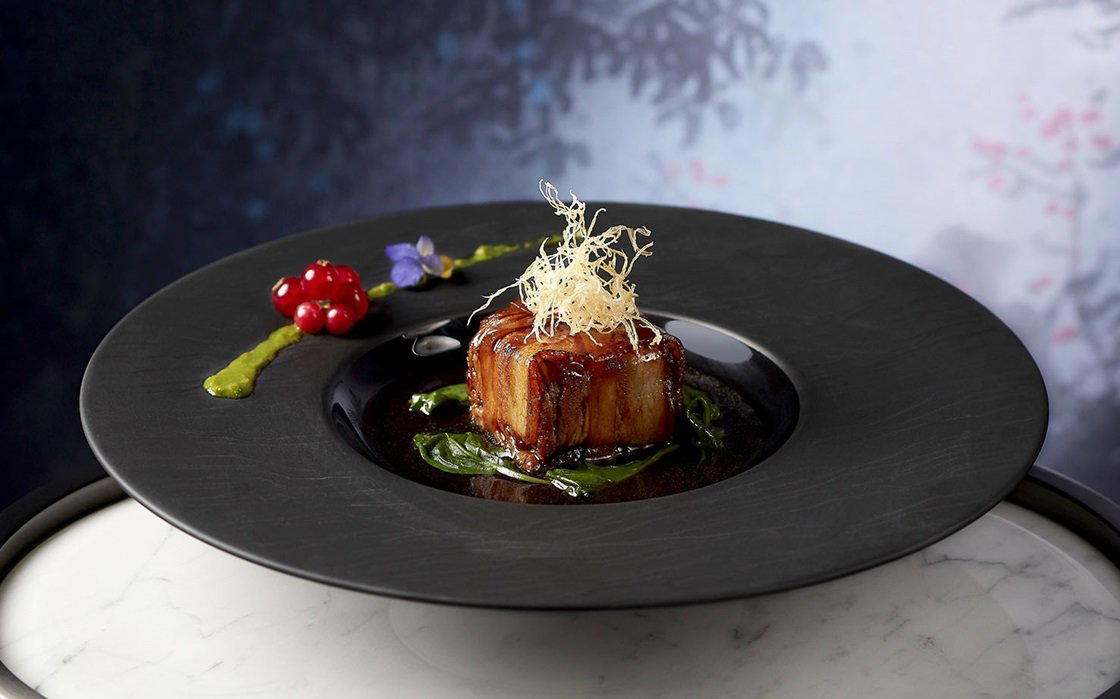


Details
- Classic
- Cozy
- Casual Hangout
- Group Dining
- Family
- A La Carte
- Family Style
- Vegetarian Friendly
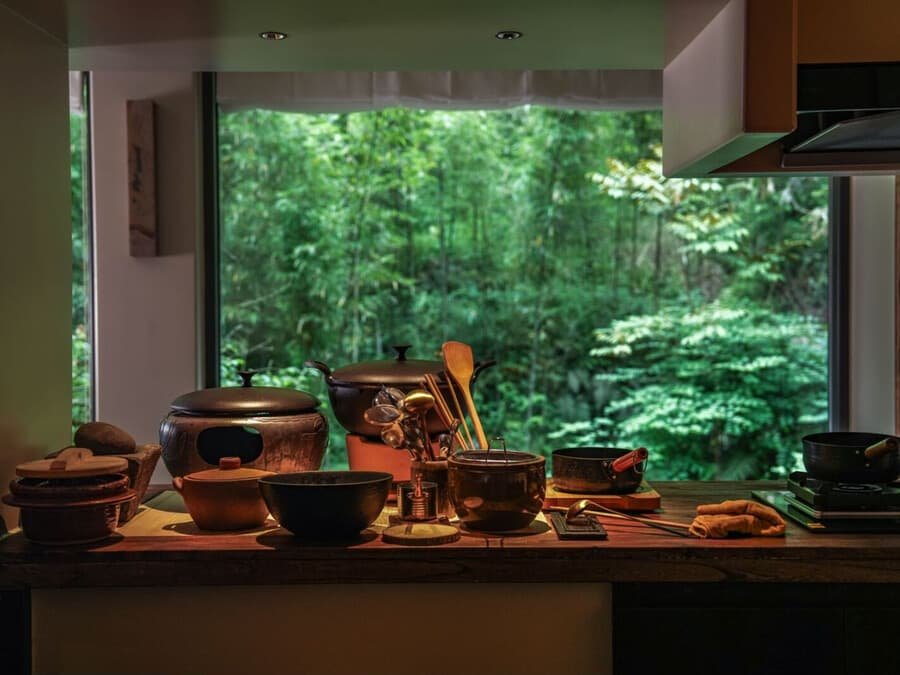
Warm, nostalgic environment with traditional Chinese decor; can get crowded and noisy during peak hours but maintains a homey, welcoming atmosphere.