
Chinese Hanten Mita ten sits in Tokyo’s serious Chinese dining tier: a 140-seat, private-room capable restaurant in Shiba with Tabelog Chinese TOKYO 100 selections in 2023, 2024, and 2026. The appeal is not tiny-counter scarcity, but polished banquet-house structure, wine-friendly Chinese cooking, and a price gap that makes lunch and dinner feel like different propositions.
Pearl is the En Primeur Club membership app — saves, bookings, and concierge access live there. Same editors, same standards.
- Address
- Japan, 〒108-0014 Tokyo, Minato City, Shiba, 5 Chome−13−18 Ichigo Mita Bldg., 1階
- Phone
- +81 3-3798-1381
- Website
- chuugokuhanten.com
 Saves & bookings on Pearl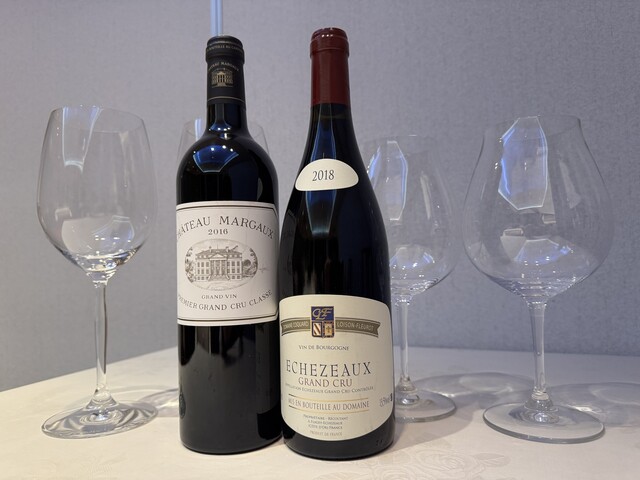
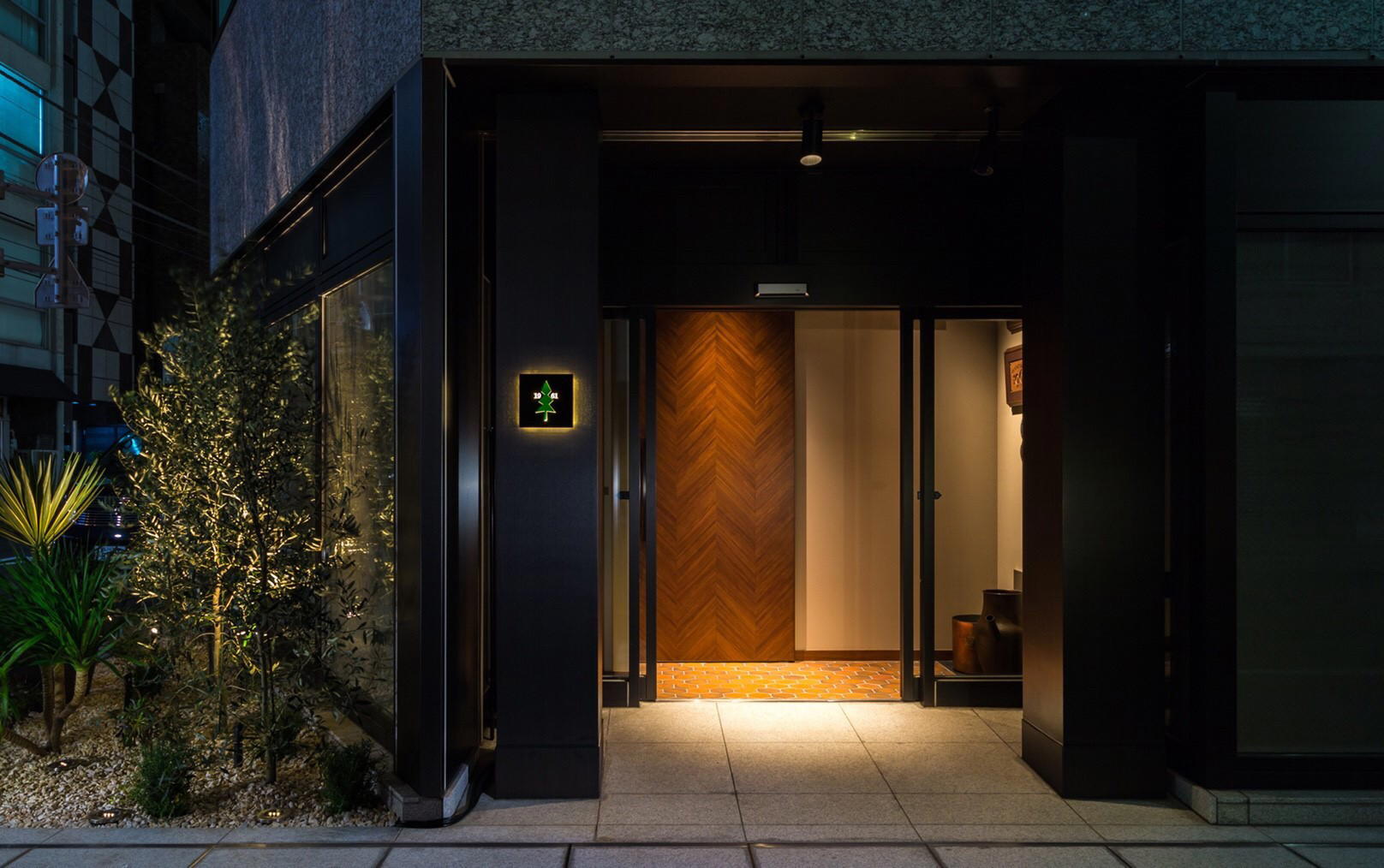
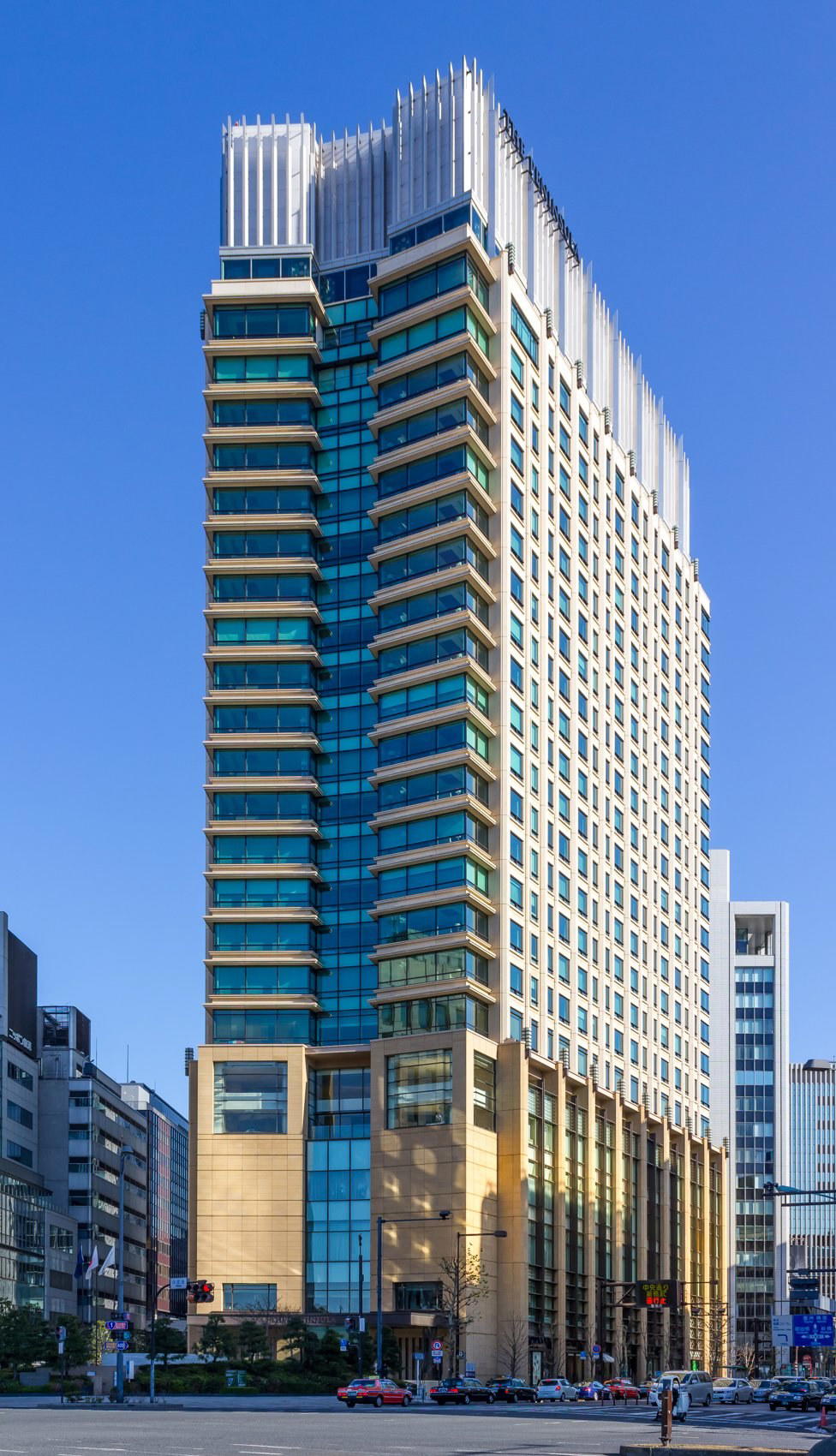
Approaching the Ichigo Mita Building in Shiba, the mood is businesslike rather than theatrical: office blocks, station traffic, and the quiet commercial rhythm between Mita and Tamachi. That setting matters. Tokyo Chinese dining has long split between neighborhood noodle counters, hotel dining rooms, and banquet-ready restaurants built for tables that talk, pour, and share. Chinese Hanten Mita ten belongs to the last category, where the room is part of the argument.
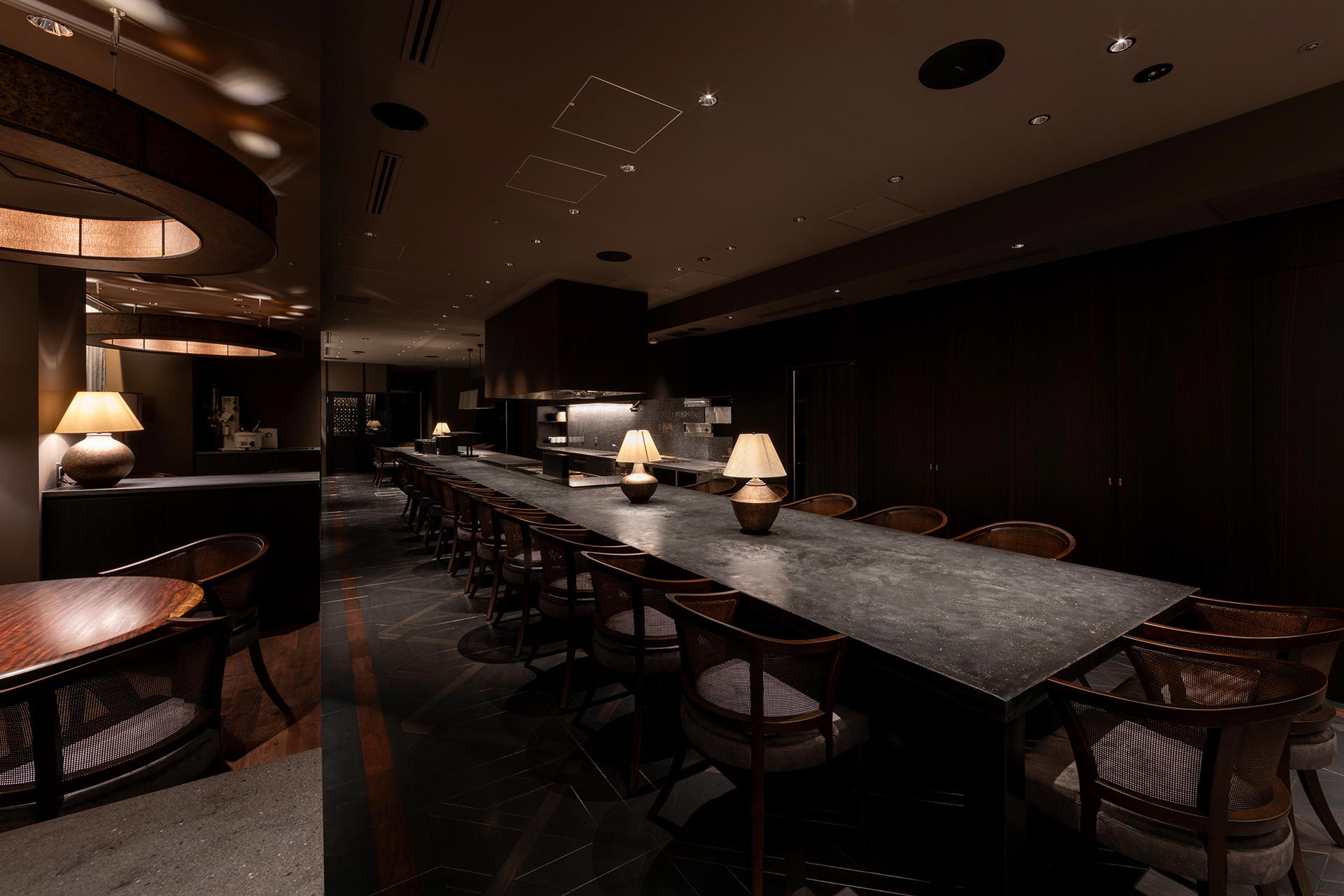
The format corrects Tokyo’s fixation on tiny counters. A 140-seat Chinese restaurant with private rooms changes a meal’s tempo: dishes can be ordered for the table, wine has space to work, and the cooking is judged less by single-bite drama than by range, timing, and hospitality at scale. Where high-end dining often means surrendering to a chef-led sequence, this Chinese table keeps agency with guests.
Tokyo Chinese dining beyond the counter culture
Tokyo’s Chinese restaurants are not one category. Cantonese-style banquet rooms, Sichuan specialists, ramen-adjacent everyday shops, and hybrid Japanese-Chinese dining share the same broad label. Mita adds another layer: close enough to corporate Minato for business meals, but less conspicuous than Ginza or Roppongi. The neighborhood is practical, serving office lunches, private dinners, and after-work groups in the same week.
Chinese Hanten Mita ten’s Tabelog Chinese TOKYO 100 selections in 2023, 2024, and 2026 place it in a narrower field than ordinary Minato Chinese restaurants. Tabelog’s 3.72 score matters less than repeated inclusion in a cuisine-specific Tokyo list. For travelers, that helps: Chinese dining in Japan can be hard to read from outside. A hotel restaurant may be polished but generic; a small specialist may reward local knowledge but challenge groups. This address sits between them: recognized, structured, and built for varied occasions.
The Mita comparison is instructive. Mita Basara Honten occupies a comparable dinner band but reads as a different Japanese dining decision; Mon-Rico sits lower in the evening range; Daphne is more everyday; Chuogo Hanten Mita signals ramen rather than banquet-house Chinese. The choice here is not simply “Chinese food in Mita,” but table-service Chinese cooking, private-room flexibility, and wine compatibility over speed or counter intimacy.
Imported technique, Japanese dining habits
The editorial interest is Chinese restaurant technique meeting Tokyo expectations for precision, booking discipline, and season-aware eating. The restaurant lists Chinese as its category, notes a health and wellness menu, and focuses drinks on wine. That combination says contemporary Chinese dining in Tokyo is not only feast format or late-night comfort; it can be lighter ordering, private-room meetings, and wine-led pacing.
Peking duck appears in the restaurant’s own highlights, pointing to a broader tradition rather than one trophy dish. In Tokyo, duck service marks formal Chinese dining because it requires advance kitchen planning, table coordination, and a room suited to a shared centerpiece. Diners should understand the meal’s structure rather than chase a named “signature.” Chinese banquet ordering rewards balance: one central dish, a vegetable or lighter preparation, a seafood or meat course if table size justifies it, and enough rice or noodles to anchor the end.
The wine program matters. Chinese food and wine pairings in Tokyo have moved beyond beer or Shaoxing wine. A red-and-white oriented list, especially in a business and group room, shows international drinking habits absorbed into Japanese Chinese restaurants. Spicy, roasted, fried, steamed, and sauce-driven dishes do not want the same bottle, so value lies in breadth rather than ceremony. A larger room can outperform an intimate specialist here because it has infrastructure for different tables and drinking priorities at once.
There is also a local-ingredient subtext, even when the reference points are Chinese. Tokyo restaurants work through Japanese supply chains, service expectations, and portion logic. The result is less a whole regional Chinese transplant than technique translated into Japanese dining grammar: careful pacing, cleaner sequencing, accessible lunch, and dinner carrying the formal weight.
Who should choose this room
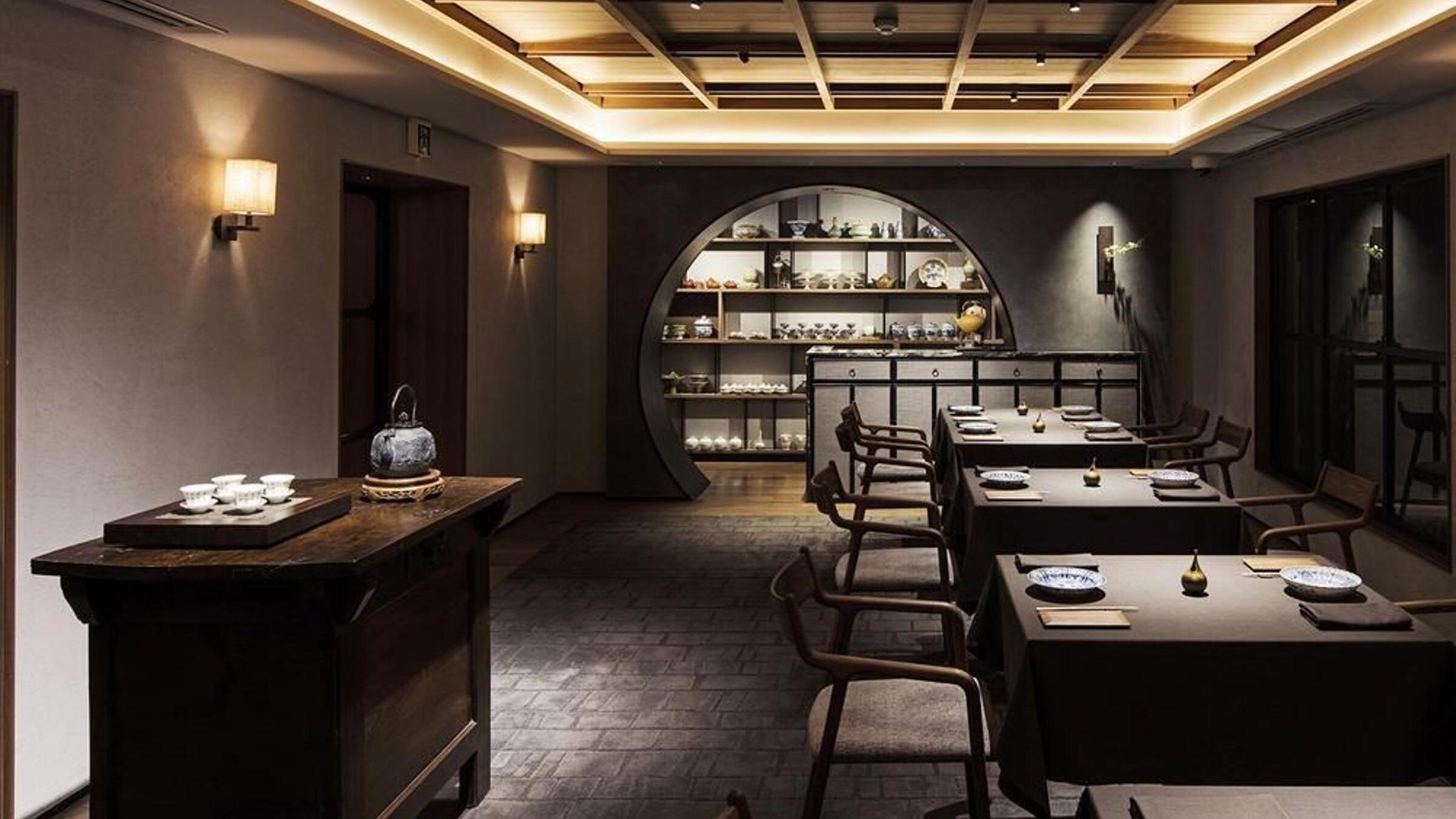
This suits travelers wanting a structured Tokyo Chinese meal more than counter-seat intimacy. Scale is a feature for groups, colleagues, families, and anyone valuing private rooms. Movable walls are listed for small parties through large gatherings, unusual among award-listed Tokyo dining rooms, where recognition and capacity do not always coexist.
The price spread sharpens the decision. Lunch is JPY 1,000 to JPY 1,999; dinner is JPY 15,000 to JPY 19,999, plus a 10 percent service charge. That gap changes the use case. Lunch is a low-risk way to read the kitchen; dinner belongs to planned meals, especially with private-room dining, wine, and shared courses.
Logistics are unusually friendly for central Tokyo. The restaurant is near Mita Station, with Tamachi walkable, and operates daily from late morning through evening service. Reservations are available, with two-hour seating generally noted; larger parties are advised to phone. In a city where serious rooms often restrict party size or use fixed menus, this is a practical advantage.
For wider Tokyo planning, place this meal beside other category decisions rather than treating it as a standalone trophy. A charcoal-forward seafood choice such as . 鮪と炭火焼き うお炭 秋葉原店, a Shinjuku entry like 12/10 Shinjuku ten, or a skewers-focused address such as 124. KAGURAZAKA (Yakitori) answers different Tokyo appetites. Lighter stops such as 2D Cafe and 3 Chome no Curry Ya San fit days when a formal dinner is planned.
For broader city research, use Our full Tokyo restaurants guide alongside Our full Tokyo hotels guide, Our full Tokyo bars guide, Our full Tokyo wineries guide, and Our full Tokyo experiences guide. Travelers extending the trip can compare the dining grammar with -Grilled beef Sukiyaki- KAMAKURA TANUKIAN 鎌倉 たぬき庵 in Kamakura,.cafe in Osaka,.know in Kumamoto, (Shoku) Vietnam in Kawasaki, [Curry Senmon Ten] Maruyama Kyoju. in Sapporo, [ki:] in Kyoto, Jōdo Saké Bar in Los Angeles, and Onigiri Time in Pasadena.
Similar Picks
Comparable venues at the same tier.
| Venue | Cuisine | Price | Notes |
|---|---|---|---|
| Chinese Hanten Mita tenThis venue — the venue you are viewing | Classic Chinese restaurant known for Peking duck | $$$ | |
| Chinese Sai Lao Shisen Pyaoshan Ginza mitsukoshi ten | Traditional Sichuan by Piao Xiang in Ginza Mitsukoshi | $$$ | Chūō |
| Chinese Sai Kan | Modern Neo Street Chinese | $$$ | Chūō |
| Kanda Yunrin | Seasonal Chinese (Shanghai/Sichuan influence) Fine Dining | $$$ | Chiyoda |
| Chinese Bed | Modern Chinese | $$$ | Shibuya |
| Chugoku Ikkyosai Bai En | Authentic Chinese course restaurant | $$$ | Taitō |






At a Glance
- Elegant
- Classic
- Sophisticated
- Lively
- Business Dinner
- Group Dining
- Family
- Celebration
- Special Occasion
- After Work
- Private Dining
- Standalone
- Wine Cellar
- Extensive Wine List
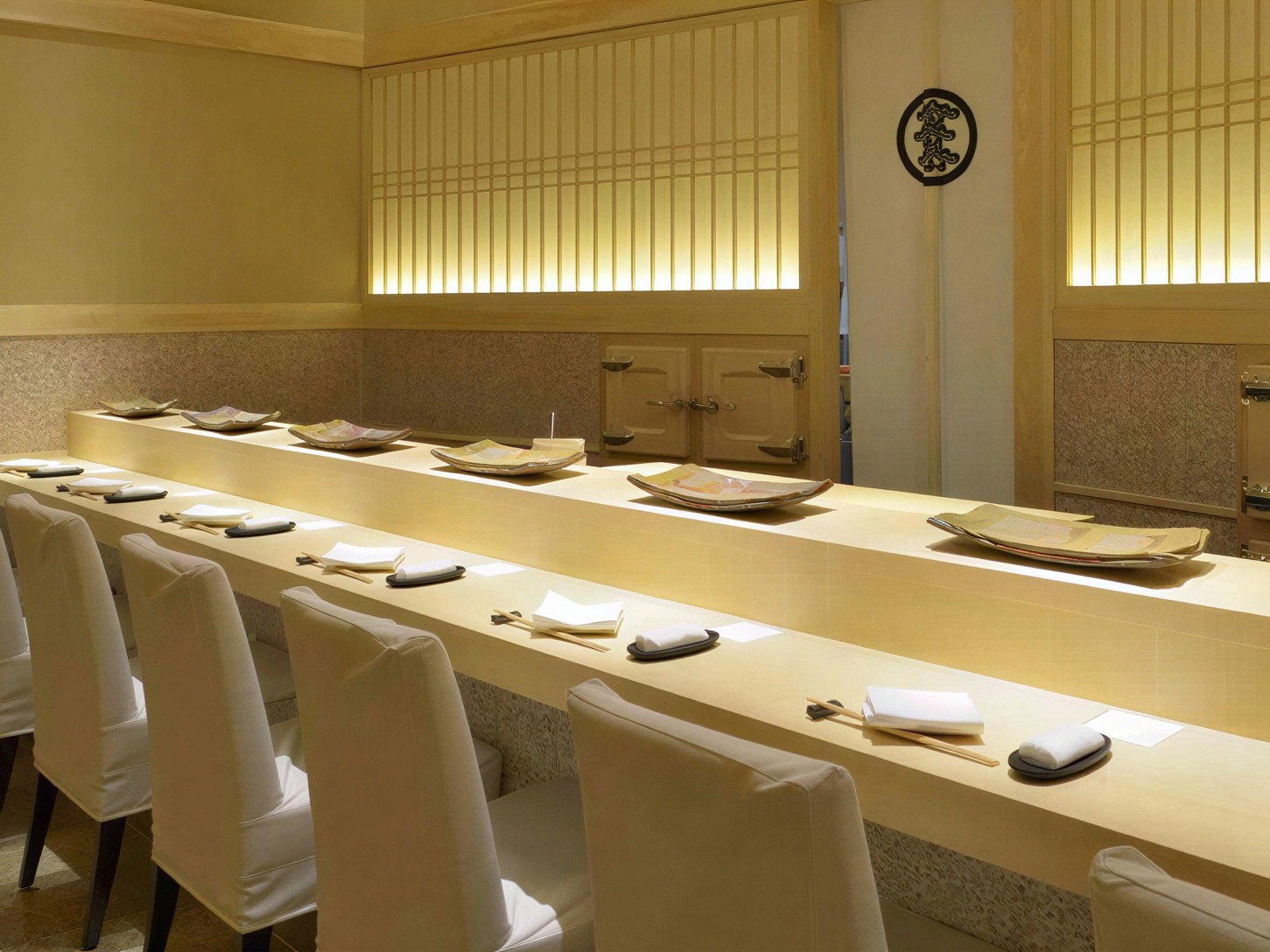
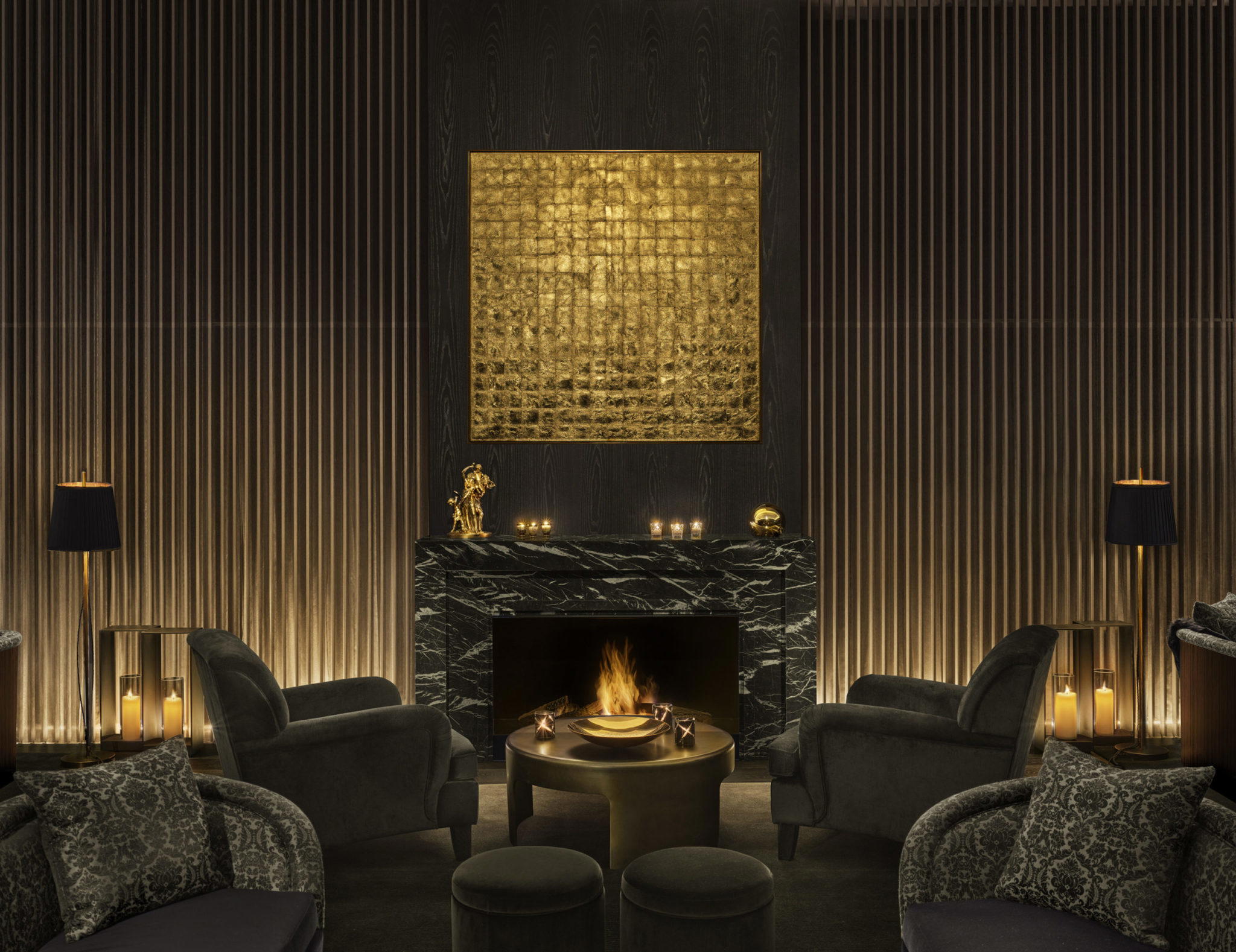
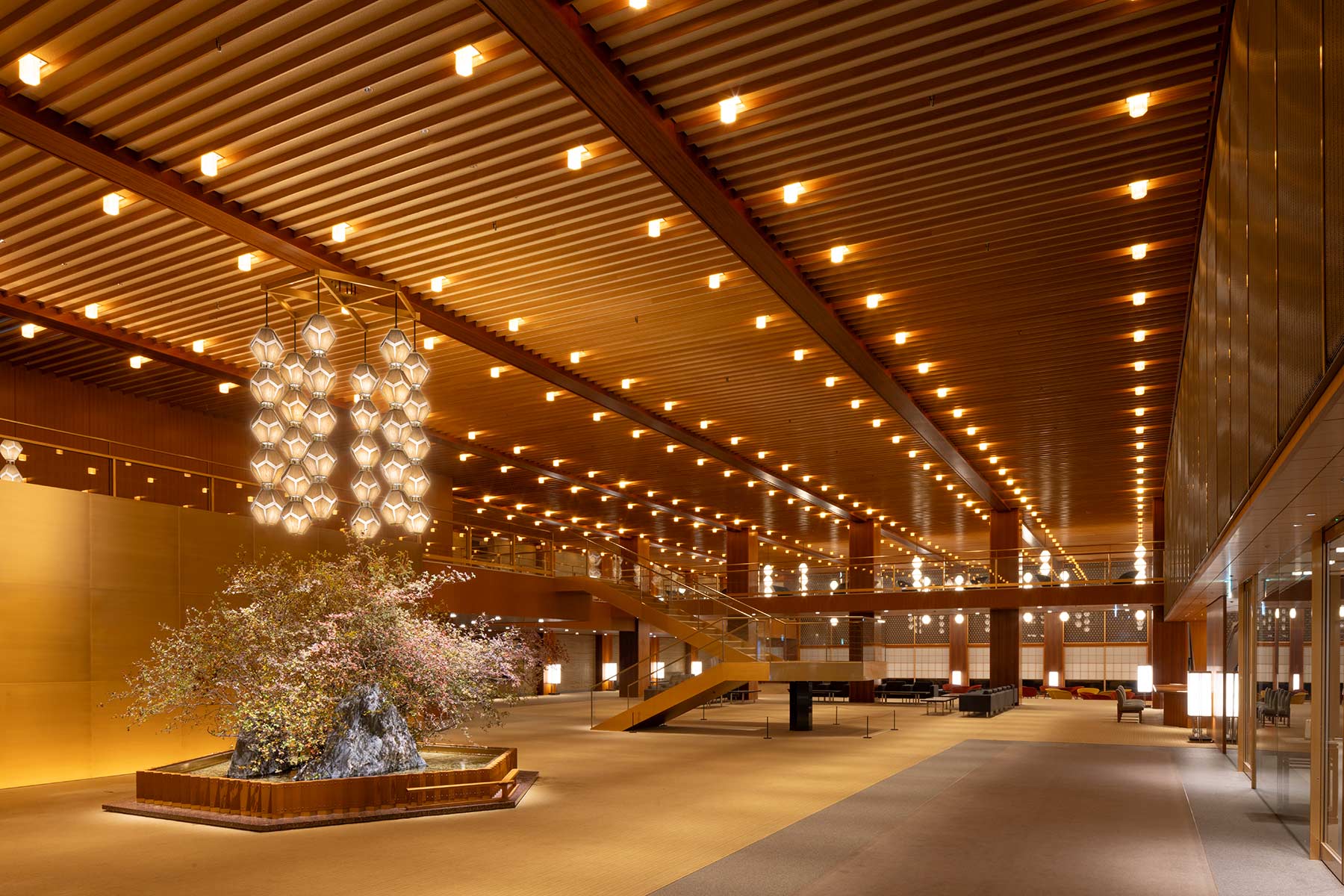
Large, classic Chinese dining room in an office‑district building with private rooms, white-tablecloth formality, and an atmosphere suited to business meals, banquets, and family gatherings rather than a buzzy nightlife scene.[1][4][7]