
A 23-seat Chinese and ramen address in Motoasakusa, selected for Tabelog Chinese TOKYO “Tabelog 100” in 2024 and 2026, Chugoku Ikkyosai Bai En sits in Tokyo’s quieter east-side dining circuit rather than the Ginza-Roppongi trophy corridor. The useful split is lunch versus dinner: daytime reads as a lower-commitment way into the kitchen’s idiom, while evening places it in a more deliberate Chinese dining bracket.
Pearl is the En Primeur Club membership app — saves, bookings, and concierge access live there. Same editors, same standards.
- Address
- Japan, 〒111-0041 Tokyo, Taito City, Motoasakusa, 2 Chome−7−10 オルタンシア4 2F
- Phone
- +81 3-6284-4588
- Website
- ggms500.gorp.jp
 Saves & bookings on Pearl
The approach to Motoasakusa changes the mood before the meal. This is east Tokyo, not the polished hotel-and-department-store axis: narrower streets, local stations, small buildings with serious kitchens upstairs, and a dining rhythm shaped by neighbourhood regulars as much as list-chasing visitors. Chugoku Ikkyosai Bai En fits the Tokyo category where the room is compact, the address specific, and the award signal matters because the exterior does not announce ambition.
Tokyo’s Chinese dining scene has long been broader than luxury-hotel Cantonese rooms and late-night gyoza counters. The sharper recent story is the middle and upper-middle tier: smaller restaurants using regional Chinese technique, Japanese sourcing habits, and less theatrical service. Bai En’s Tabelog Chinese TOKYO “Tabelog 100” selections in 2024 and 2026 place it in that conversation: not a grand dining room, but a focused city restaurant consistent enough to register beyond its neighbourhood.
Lunch is the value lens; dinner is the fuller read
The lunch-versus-dinner divide is central. Daytime Chinese dining in Tokyo often works as a diagnostic: rice, noodles, set-format portions, and sharper pacing show whether a kitchen can deliver clarity without ceremony. Dinner has more room to stretch, with drinks, longer pacing, private-room use, and diners ready to let the meal become the evening rather than a pause.
That split matters because the listed categories are Chinese and ramen, a pairing Tokyo understands. Ramen descends from chuka soba and remains a way Chinese technique has been absorbed, localized, and argued over in Japan. A Chinese award-list restaurant that also carries a ramen category works in that seam: not fusion as branding, but the long exchange between Chinese cooking and Japanese appetite.
At lunch, the appeal is precision and accessibility rather than occasion. With 23 seats, including counter seating, sofa seating, and private-room capacity, the room has none of a large dining hall’s anonymity. Daytime service at this scale exposes kitchen discipline because there is less cover from wine, pacing, and social ceremony. For travellers building a food itinerary, lunch is the cleaner test of whether this side of Tokyo’s Chinese scene belongs in the plan.
Dinner asks a different question. Wine and cocktails, plus BYO among the services, point to an evening format for longer tables as well as smaller groups. Private rooms for small parties move it away from the ramen-counter stereotype and toward the compact Chinese restaurants Tokyo diners use for family meals, celebrations, and business-adjacent dinners. Here Bai En becomes less a quick category label than a polished, neighbourhood-scale middle ground for Chinese dining in Tokyo.
Why Motoasakusa changes the expectation
Motoasakusa and nearby Inaricho sit between Ueno’s transport gravity and Asakusa’s visitor traffic, but the dining mood differs from both. The area rewards targeted meals. It is convenient to central Tokyo yet outside the premium-rent corridors where restaurants often perform luxury before the food makes its case. That context makes a Tabelog 100 Chinese selection here read differently from one in a high-gloss commercial district.
The east-side setting suits the category. Tokyo has many small serious restaurants thriving outside obvious dining zones because local regularity supports them before international attention arrives. Compared with Halima kebab biryani, in a far more casual price and format lane in Tokyo, or Yashima, where the spend level sits below this dinner bracket, Bai En is for diners wanting Chinese cooking with more structure. Against Makino, a tempura reference point rather than a Chinese one, the comparison shows how Tokyo’s specialist restaurants build trust through narrow focus and tight format rather than scale.
The Tabelog score of 3.76 needs local literacy. In Tokyo, where high user scores are hard to accumulate and category lists are competitive, that range plus repeat Tabelog 100 recognition carries more weight than it might on a looser platform. It is not a substitute for taste, but credibly signals that the restaurant has moved beyond neighbourhood convenience into citywide relevance among Chinese restaurants.
The right way to plan it into a Tokyo food day
Practical decision is not simply whether to go, but when it fits. Lunch works when the day is built around Ueno, Asakusa, Kappabashi, or the older east-side grid, and the goal is a serious Chinese meal without turning the whole schedule around it. Dinner suits groups wanting a longer table, drinks, and privacy options harder to find at Tokyo’s counter-driven restaurants.
For a broader Tokyo itinerary, treat Bai En as part of the city’s non-sushi, non-kaiseki depth. Tokyo restaurant culture is often flattened into omakase counters and tasting menus, but Chinese dining is one of the better measures of how the city eats when it is not performing for visitors. Pair it with other specialist addresses rather than another formal dinner: seafood and charcoal at . 鮪と炭火焼き うお炭 秋葉原店, a Shinjuku meal at 12/10 Shinjuku ten, or yakitori at 124. KAGURAZAKA (Yakitori). For lighter contrast, 2D Cafe and 3 Chome no Curry Ya San show the breadth of the city’s casual side.
Readers mapping a full trip should use Our full Tokyo restaurants guide alongside Our full Tokyo hotels guide, Our full Tokyo bars guide, Our full Tokyo wineries guide, and Our full Tokyo experiences guide. For a wider Japan-and-beyond frame, compare the specialist logic with -Grilled beef Sukiyaki- KAMAKURA TANUKIAN 鎌倉 たぬき庵 in Kamakura,.cafe in Osaka,.know in Kumamoto, (Shoku) Vietnam in Kawasaki, [Curry Senmon Ten] Maruyama Kyoju. in Sapporo, [ki:] in Kyoto, Jōdo Saké Bar in Los Angeles, and Onigiri Time in Pasadena.
The editorial read is clear: Chugoku Ikkyosai Bai En is strongest for diners who know Tokyo has serious Chinese cooking beyond hotel dining rooms, and for those wanting an east-side meal with award validation but no grand-room script. Lunch gives the sharper value read; dinner gives the fuller social version. Either way, the point is not novelty. It is Tokyo’s quiet confidence with Chinese technique, at a scale where every seat has to earn its place.
Recognition, Side-by-Side
Comparable venues by price and recognition.
| Venue | Cuisine | Price | Awards | Notes |
|---|---|---|---|---|
| Chugoku Ikkyosai Bai EnThis venue — the venue you are viewing | Authentic Chinese course restaurant | $$$ | , | |
| Chinese Raika Shikunshiso | Seasonal Nouvelle Chinese with Shanghai crab and shark fin specialties | $$$ | , | Chiyoda |
| CHEF'S | Traditional Shanghai Chinese with a “subtractive” philosophy | $$$ | , | Shinjuku |
| Kanda Yunrin | Seasonal Chinese (Shanghai/Sichuan influence) Fine Dining | $$$ | , | Chiyoda |
| 和田倉 | Chinese | $$ | , | Chiyoda |
| Tsukushi Rou Ginza ten | Luxury Chinese shark fin specialist | $$$$ | , | Chūō |








At a Glance
- Cozy
- Intimate
- Hidden Gem
- Elegant
- Business Dinner
- Group Dining
- Date Night
- Special Occasion
- Private Event
- Private Dining
- Standalone
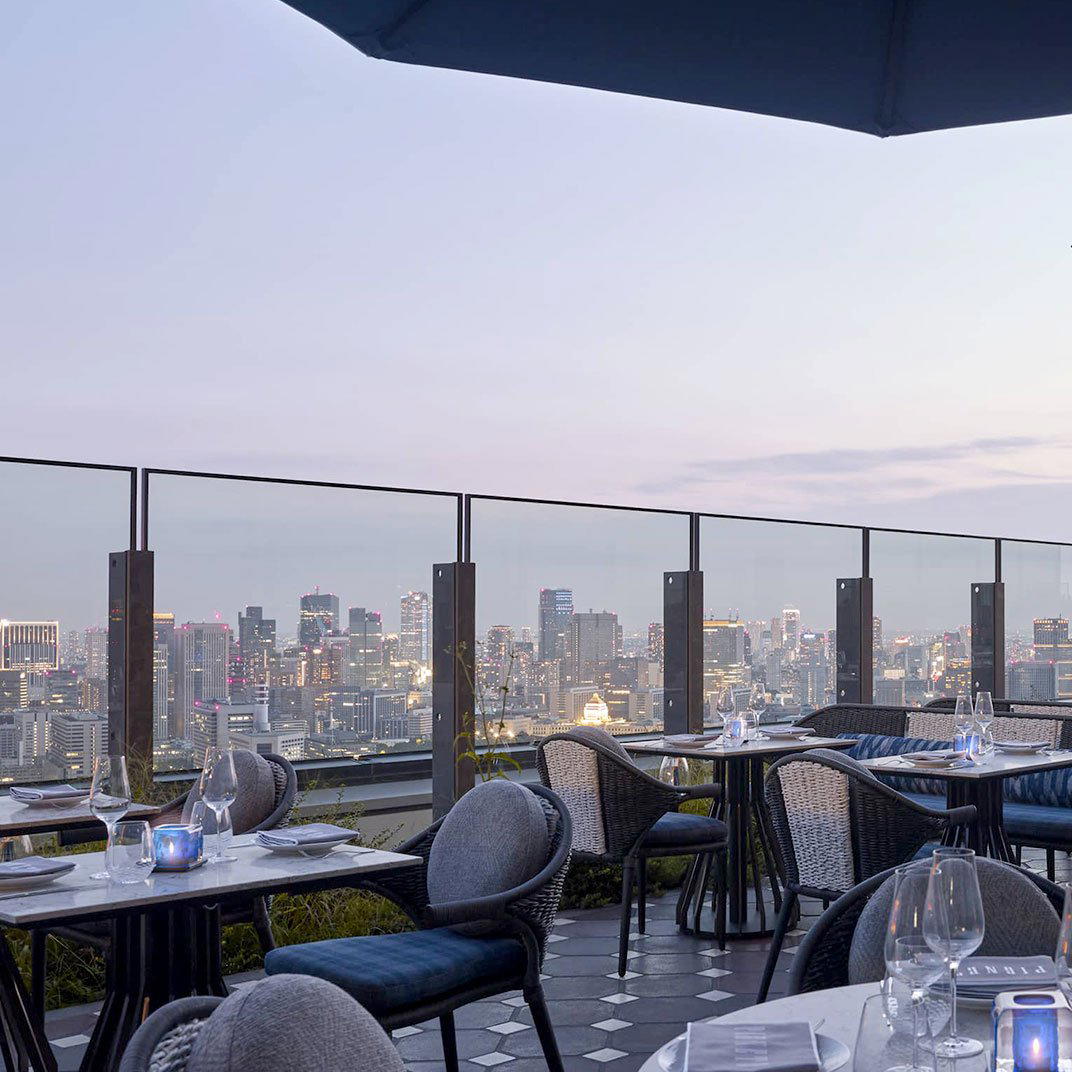
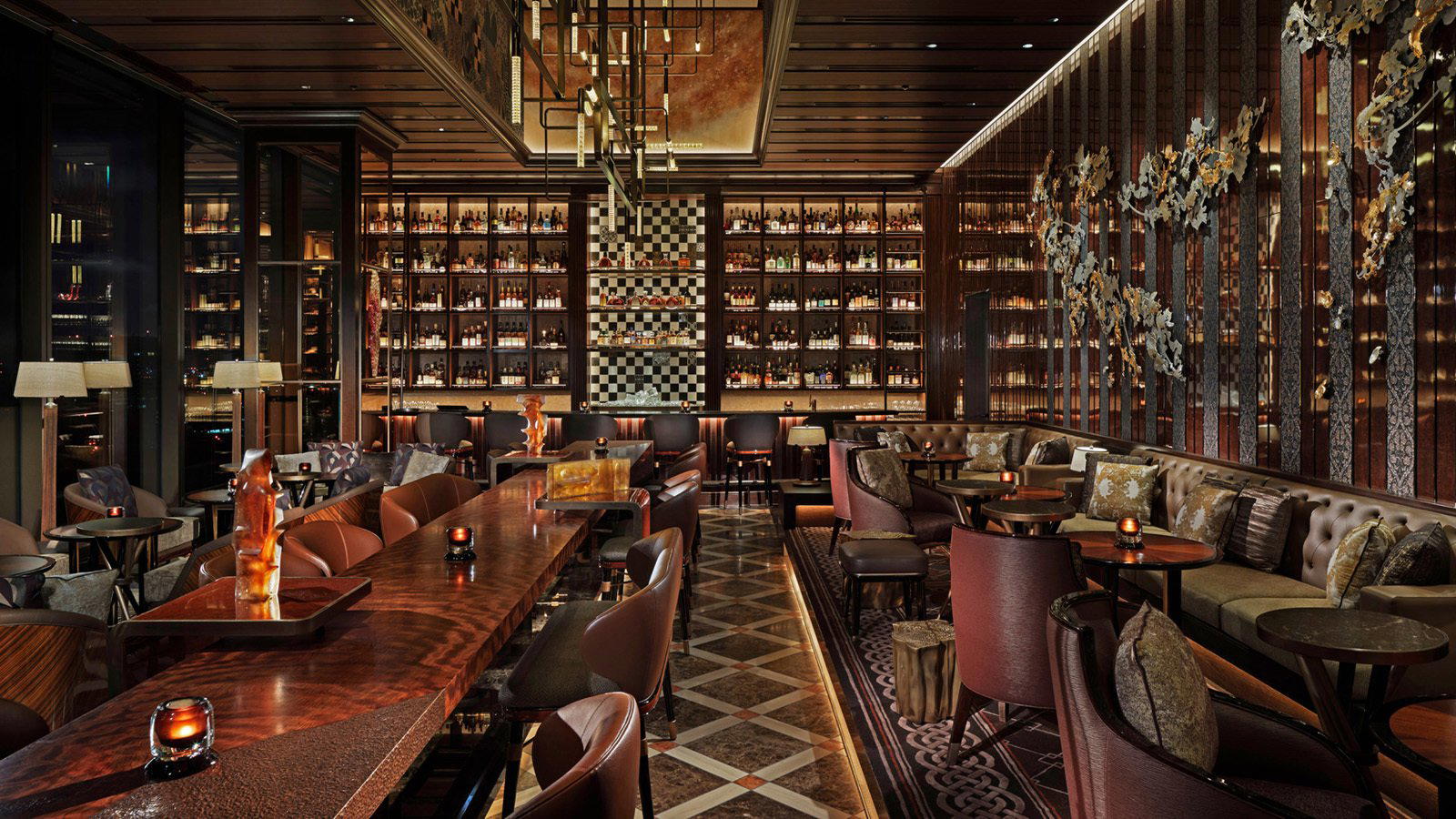
Small, softly lit dining room with a calm, refined atmosphere suited to business dinners and small gatherings rather than a bustling neighborhood canteen.