
A 12th-floor Ginza Mitsukoshi Sichuan address with Tabelog 100 Chinese cuisine recognition for Tokyo in 2026, this is department-store dining at a serious level rather than a convenience stop between shops. The appeal is value by Ginza standards: structured Chinese cooking, a view-oriented room, lunch-to-dinner flexibility, and enough polish for families, friends, or a low-friction business meal.
Pearl is the En Primeur Club membership app — saves, bookings, and concierge access live there. Same editors, same standards.
- Address
- Japan, 〒104-0061 Tokyo, Chuo City, Ginza, 4 Chome−6−16 銀座三越 12F
- Phone
- +81 3-3561-7024
- Website
- piao-xiang.com
 Saves & bookings on Pearl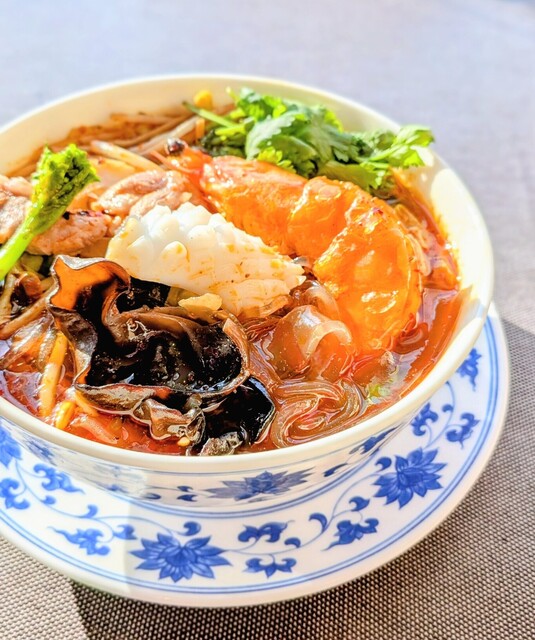
The first impression is vertical Ginza: polished department-store lifts, restaurant-floor quiet, and the city released below from the 12th floor. Tokyo has long treated department stores as dining infrastructure, not just retail, and the upper floors of Ginza Mitsukoshi show why. Here, Chinese Sai Lao Shisen Pyaoshan Ginza mitsukoshi ten occupies a category foreign visitors often underestimate: serious cooking in a format built for access, daylight, families, and post-shopping dinners rather than hushed destination ritual.
That distinction matters in Tokyo, where Chinese dining splits into lanes: formal banquet rooms and tasting-menu counters; ramen-adjacent Sichuan spots built around speed and heat; and, in Ginza, polished Chinese restaurants that can handle a planned meal without demanding a long evening. This address belongs in the third lane, with Sichuan and Chinese categories, Tabelog 100 Chinese cuisine selection for Tokyo in 2026, and prior selections in 2024 and 2021. The recognition places it among the city’s more closely watched Chinese kitchens, while the setting keeps it approachable.
Sichuan cooking with Ginza department-store discipline
Sichuan in Tokyo is often misread as a chilli-tolerance test. The stronger version is layering: fermented depth, clean aromatics, numbing spice, sweetness, vinegar, and oil working in sequence rather than volume. The Ginza Mitsukoshi branch brings that vocabulary into a room designed for mixed parties. A table can lean into spice, order broadly across Chinese classics, or use the course format when the occasion needs structure. That flexibility is central: the meal does not force every diner into one performance.
The wider Pyaoshan group adds context. Its Hiroo main branch has Michelin one-star recognition in 2024 and 2025; that does not transfer as an award to this branch, but it signals the culinary orbit around the Ginza operation. For readers comparing central Tokyo Chinese options, the distinction is important: this is not a star-chasing counter, nor positioned like Ginza’s higher-ceremony rooms. It is a Sichuan-focused Chinese restaurant inside a luxury department store, with enough recognition to stand apart from the anonymous restaurant-floor pack.
Nearby Ginza Mitsukoshi choices sharpen the positioning. Bon Bonheur, Frederic Cassel Ginza mitsukoshi ten, and Laduree Salon de the Ginza mitsukoshi ten serve lighter café and pâtisserie functions; Mikawaya sits in a higher spend bracket; Ginza Furuta belongs to another Chinese fine-dining conversation. This restaurant occupies the useful middle: more substantial than sweets and tea, less ceremonious than a high-ticket room, and well suited to groups wanting Chinese cooking without making dinner the evening’s only event.
What the room solves for travellers in Ginza
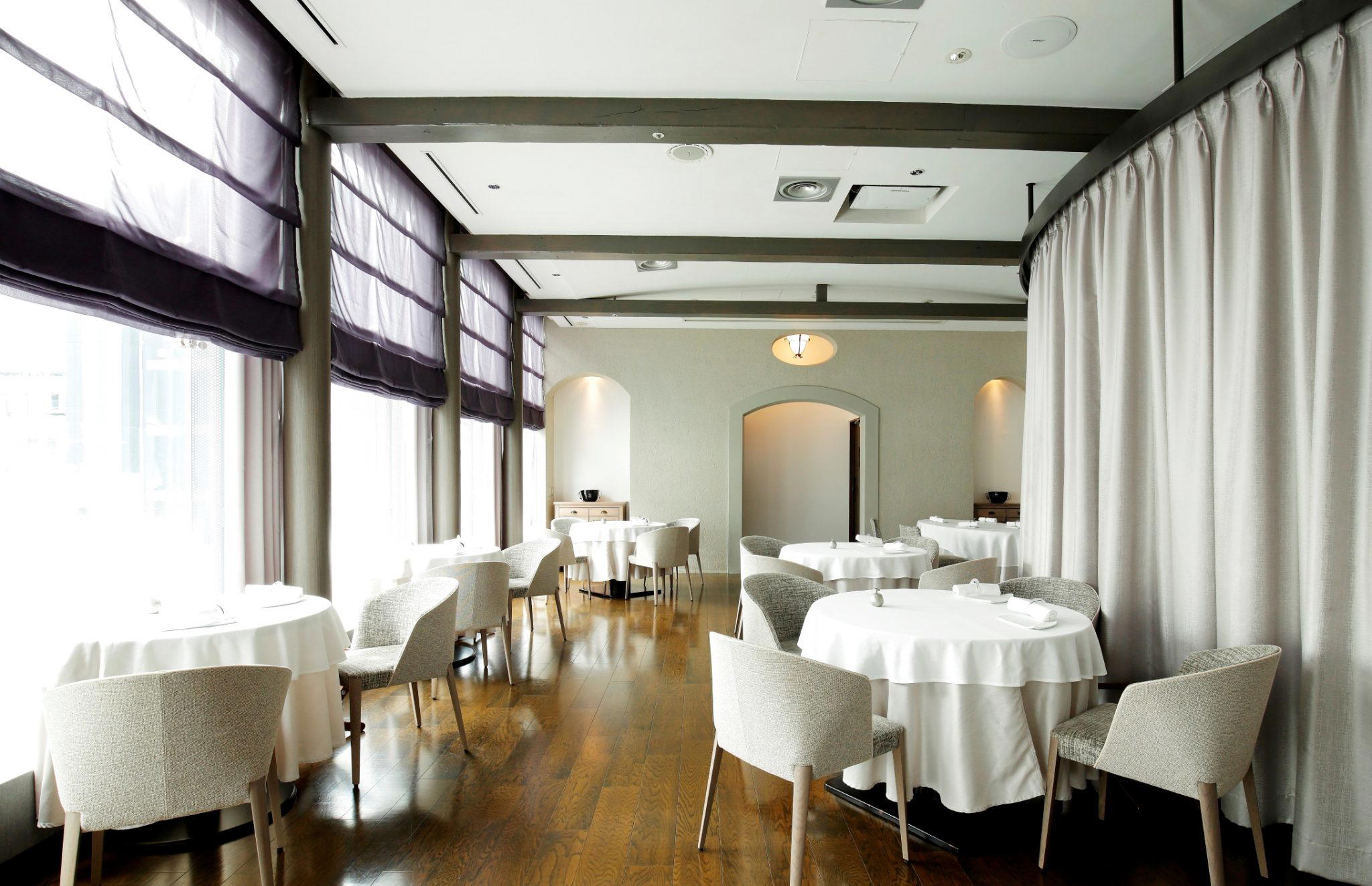
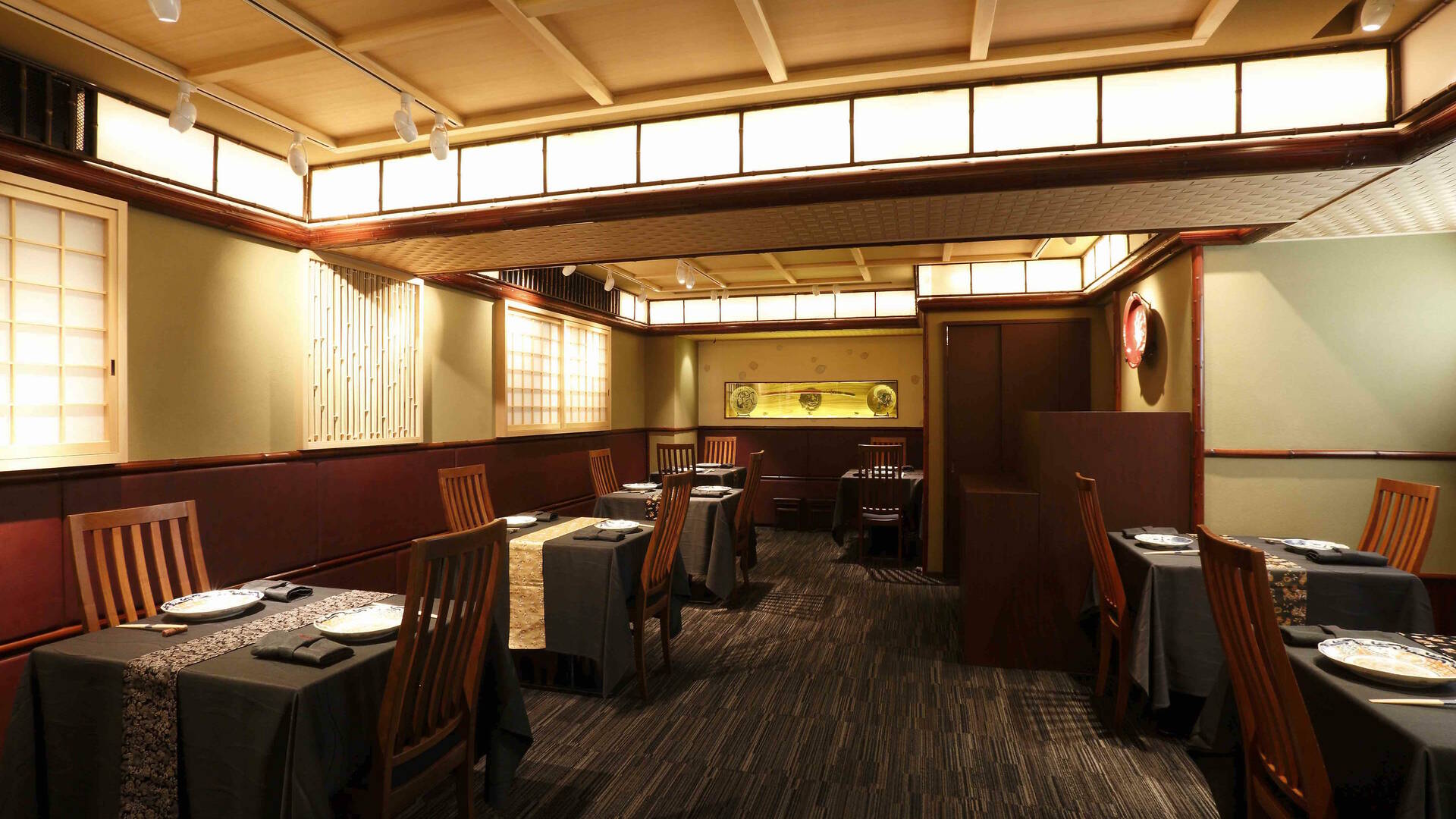
Ginza can punish indecision. Street-level dining often means queues, reservation friction, or menus assuming fluent local knowledge. Department-store dining helps by concentrating credible restaurants in an easy-to-find, easy-to-use building. Here, the practical advantages matter: 44 seats, no private rooms, private use listed for groups of 20 to 50 people, non-smoking dining with smoking on the same floor, wheelchair access, free Wi-Fi, take-out, allergy information, and children welcome with a kids menu. Those details change who the meal works for.
For families, it removes the anxiety of compact Tokyo counters. For business travellers, it offers a controlled Ginza setting without private-club stiffness. For visitors staying elsewhere, the Ginza Station connection to the department store keeps logistics clean, especially in poor weather. The restaurant’s direct relationship with Mitsukoshi also lets the meal fold into shopping, galleries, or hotel check-in rather than become a separate cross-town mission.
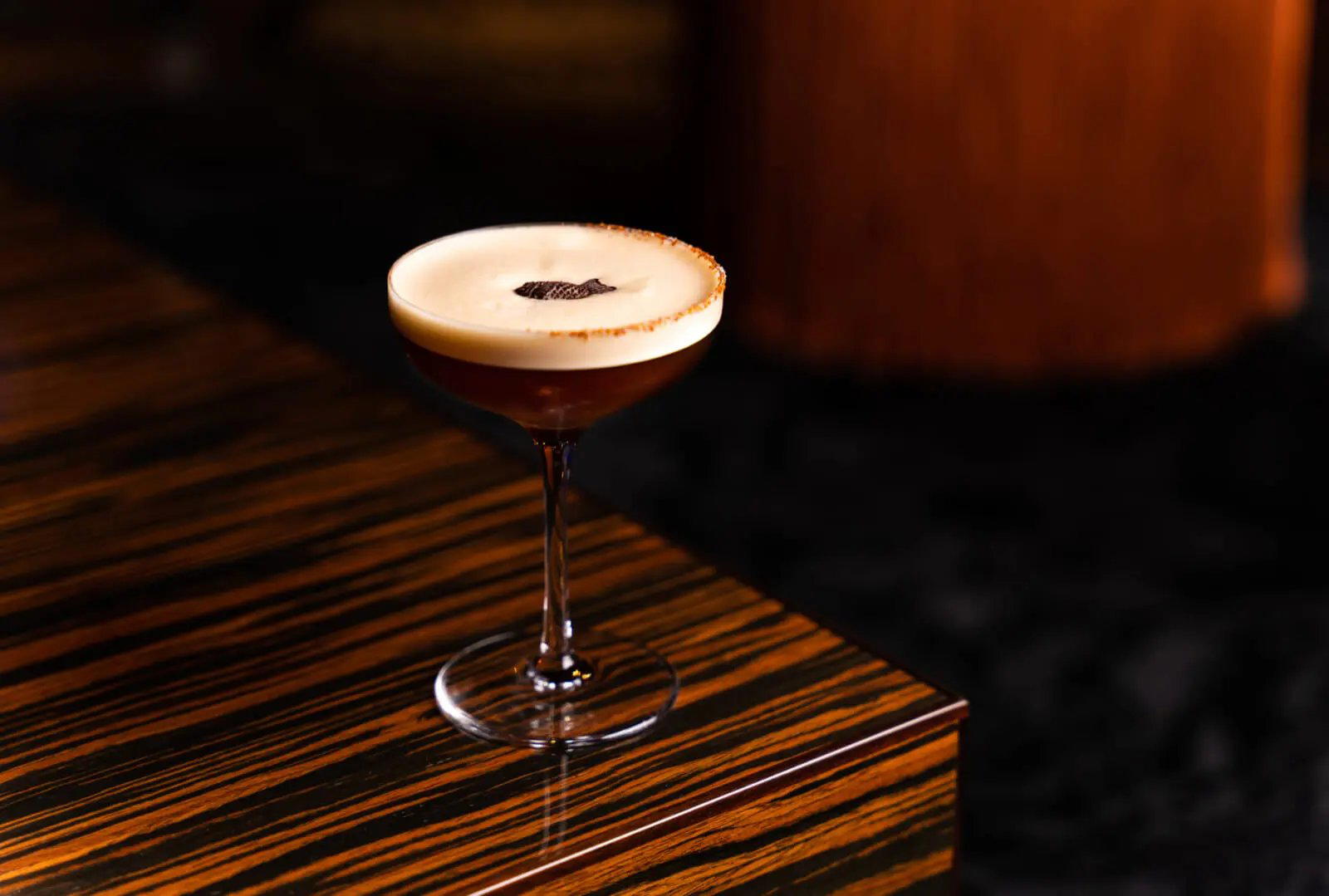
The drinks program is broader than expected for a department-store Chinese restaurant, with sake, shochu, and wine listed, including attention to wine. That matters because Sichuan cooking can be awkward with default pairings: beer handles heat, but wine and sake can make the meal feel less functional and more composed. Multiple drink categories let the table adjust without requiring a specialist sommelier narrative.
Where it fits in a Tokyo dining itinerary
The sharpest use case is not the traveller chasing maximal scarcity. Tokyo has enough counters, lottery-like reservations, and rooms where a misplaced minute feels expensive. This is better read as a high-utility Ginza meal with credible Sichuan grounding and a price-to-comfort ratio suited to lunch, early dinner, or a group meal before the evening turns elsewhere. It is especially relevant when the party includes different appetites, children, or guests wanting Chinese food in a composed rather than hectic setting.
Within an EP Club itinerary, it pairs with a broader Tokyo plan rather than demanding the centre slot. Readers building a restaurant map can cross-check it against Our full Tokyo restaurants guide, then branch by mood: grilled seafood at . 鮪と炭火焼き うお炭 秋葉原店, Shinjuku dining at 12/10 Shinjuku ten, yakitori at 124. KAGURAZAKA (Yakitori), visual café culture at 2D Cafe, or another comfort meal at 3 Chome no Curry Ya San. For the rest of the trip, the city lens extends through Our full Tokyo hotels guide, Our full Tokyo bars guide, Our full Tokyo wineries guide, and Our full Tokyo experiences guide.
Broader Japan and overseas references help calibrate expectations. -Grilled beef Sukiyaki- KAMAKURA TANUKIAN 鎌倉 たぬき庵 in Kamakura,.cafe in Osaka,.know in Kumamoto, (Shoku) Vietnam in Kawasaki, [Curry Senmon Ten] Maruyama Kyoju. in Sapporo, and [ki:] in Kyoto sit in different local categories, while Jōdo Saké Bar in Los Angeles and Onigiri Time in Pasadena show how Japanese dining formats travel abroad. Against that field, the Ginza Mitsukoshi Sichuan option is valuable because it is specific to Tokyo’s department-store dining culture: convenient, recognized, and more serious than its retail setting suggests.
Reputation First
Comparable venues side-by-side for orientation.
| Venue | Cuisine | Price | Awards | Notes |
|---|---|---|---|---|
| Chinese Sai Lao Shisen Pyaoshan Ginza mitsukoshi tenThis venue — the venue you are viewing | Traditional Sichuan by Piao Xiang in Ginza Mitsukoshi | $$$ | , | |
| CHEF'S | Traditional Shanghai Chinese with a “subtractive” philosophy | $$$ | , | Shinjuku |
| 桃仙閣 東京 | Traditional Japanese-Style Chinese | $$$ | , | Roppongi |
| 虎ノ門PAIRON | Taiwanese Gyoza Izakaya | $$ | , | Toranomon |
| Akasaka Sichuan Restaurant | Authentic Sichuan Chinese | $$$ | Chiyoda | |
| Fureika (中国飯店 富麗華) | Traditional Shanghai & Cantonese Chinese | $$$$ | , | Higashiazabu |


At a Glance
- Modern
- Classic
- Elegant
- Sophisticated
- Business Dinner
- Group Dining
- Date Night
- Special Occasion
- After Work
- Design Destination
- Standalone
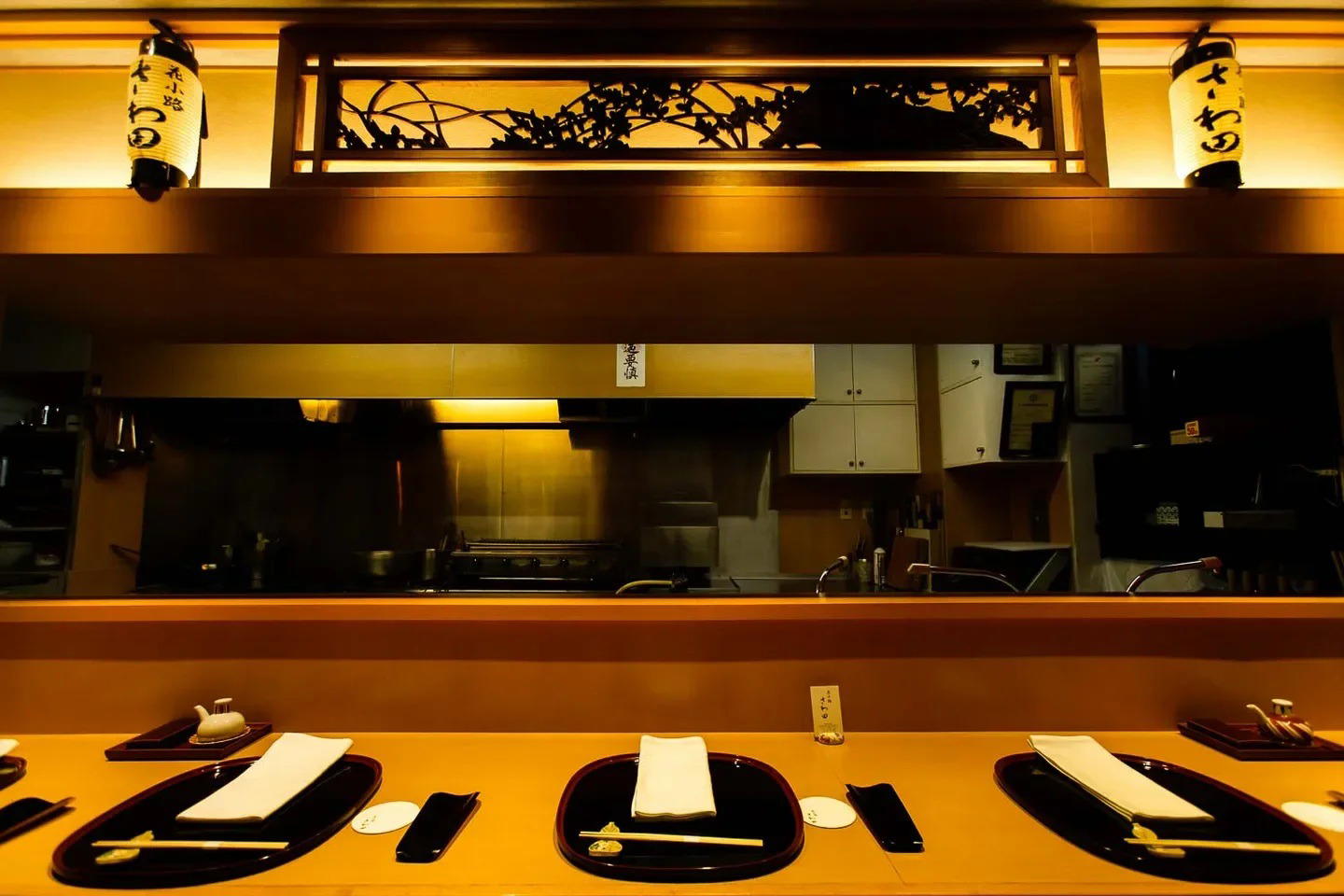
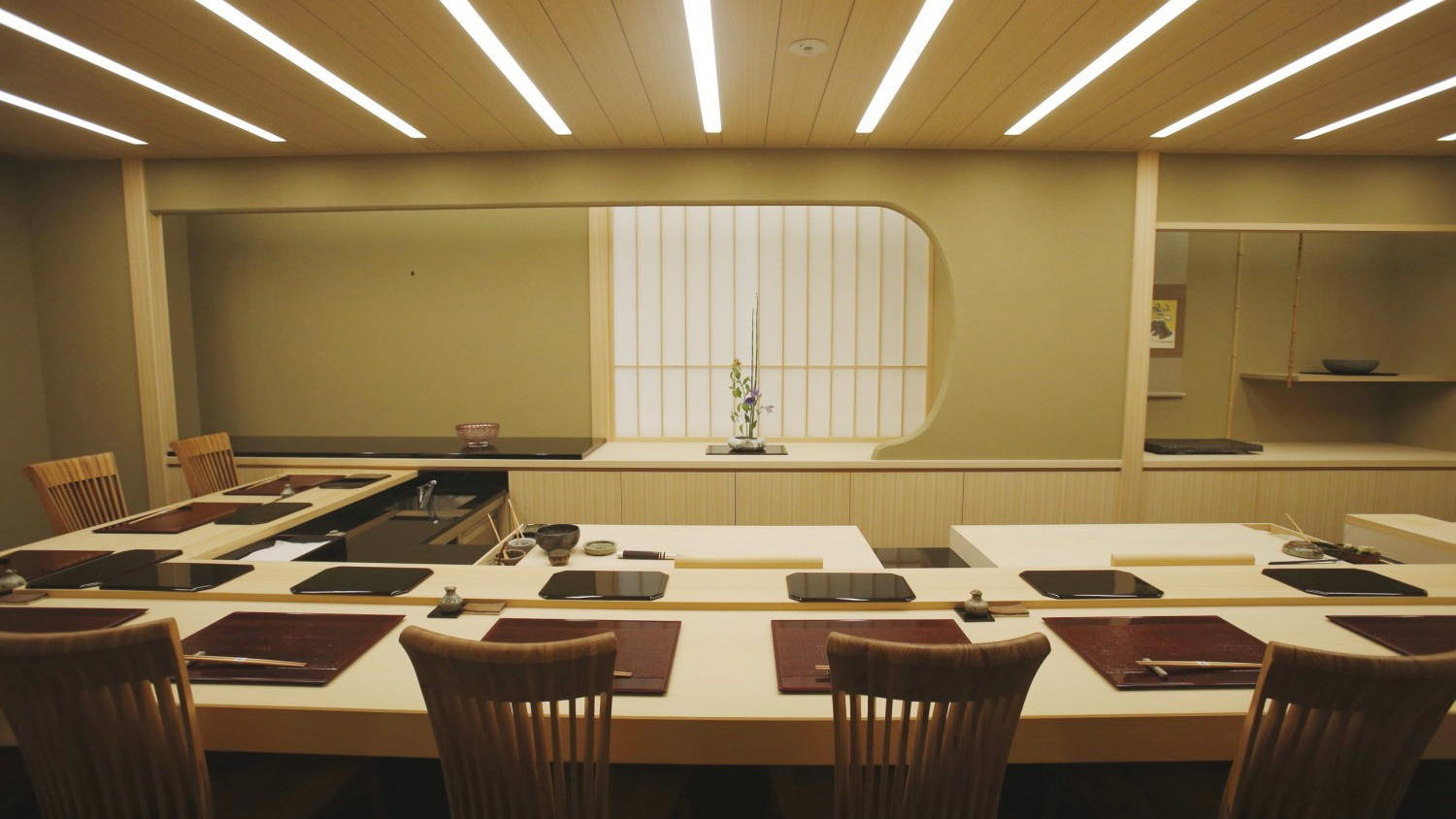
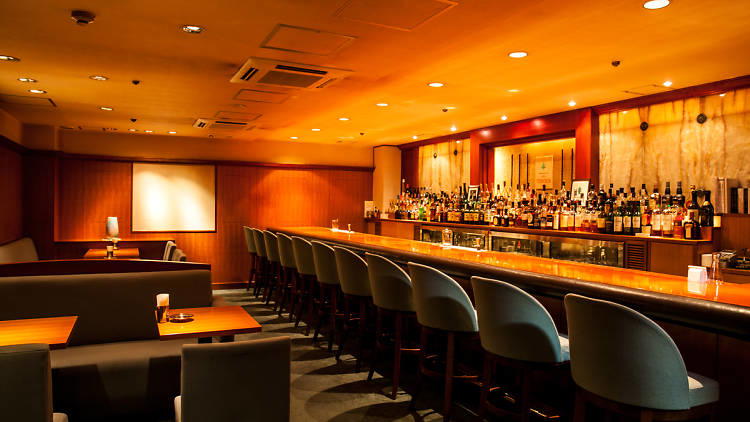
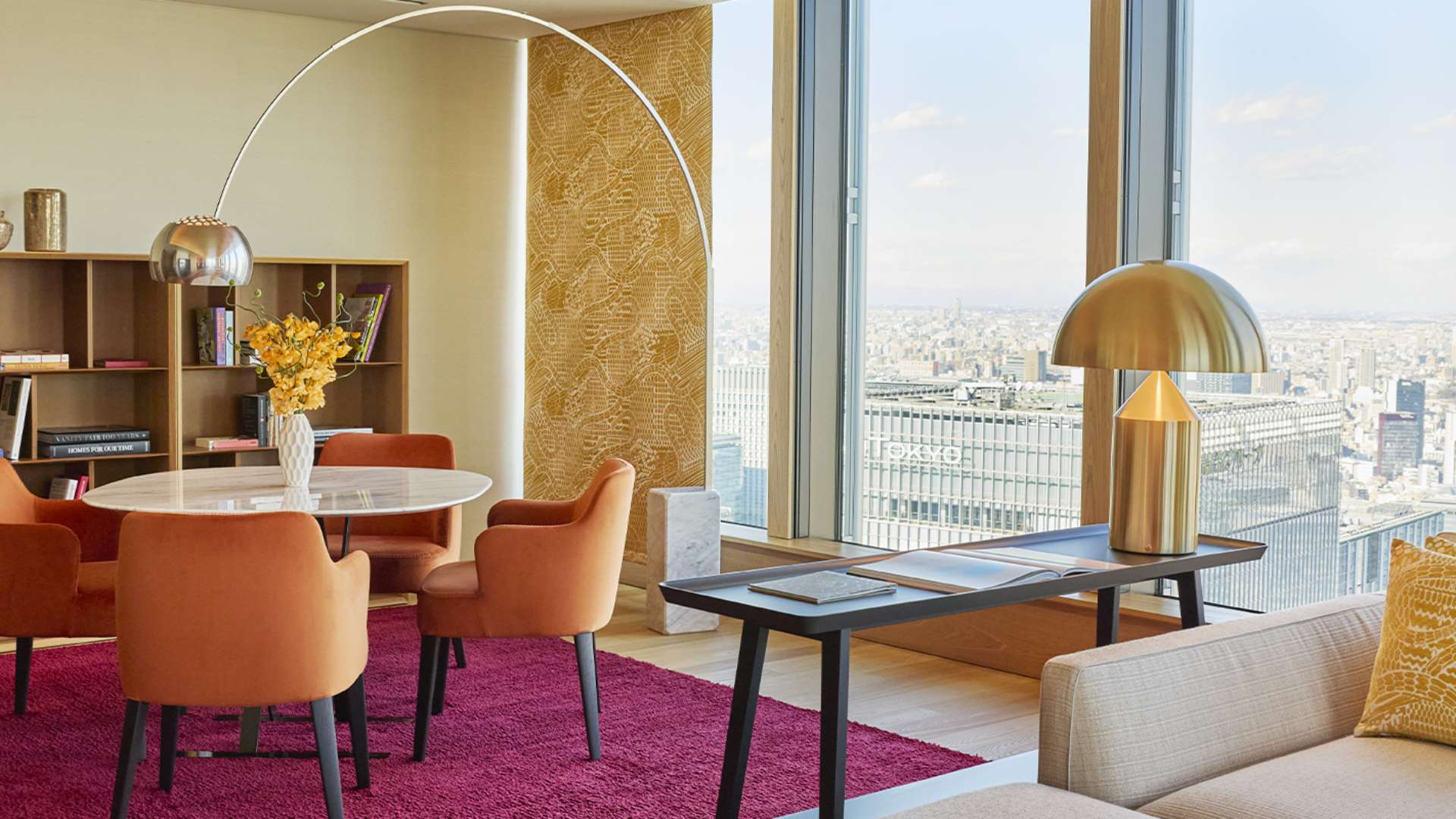
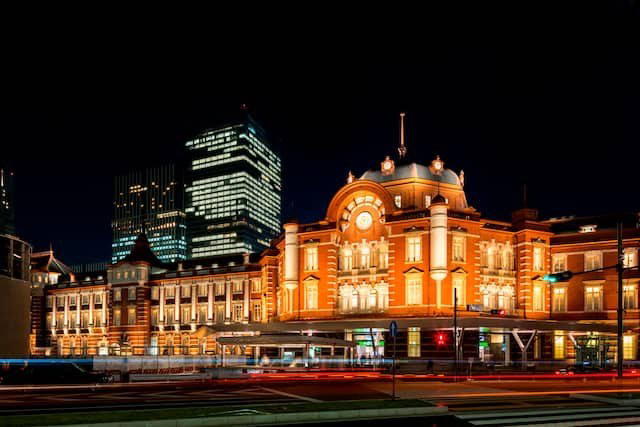
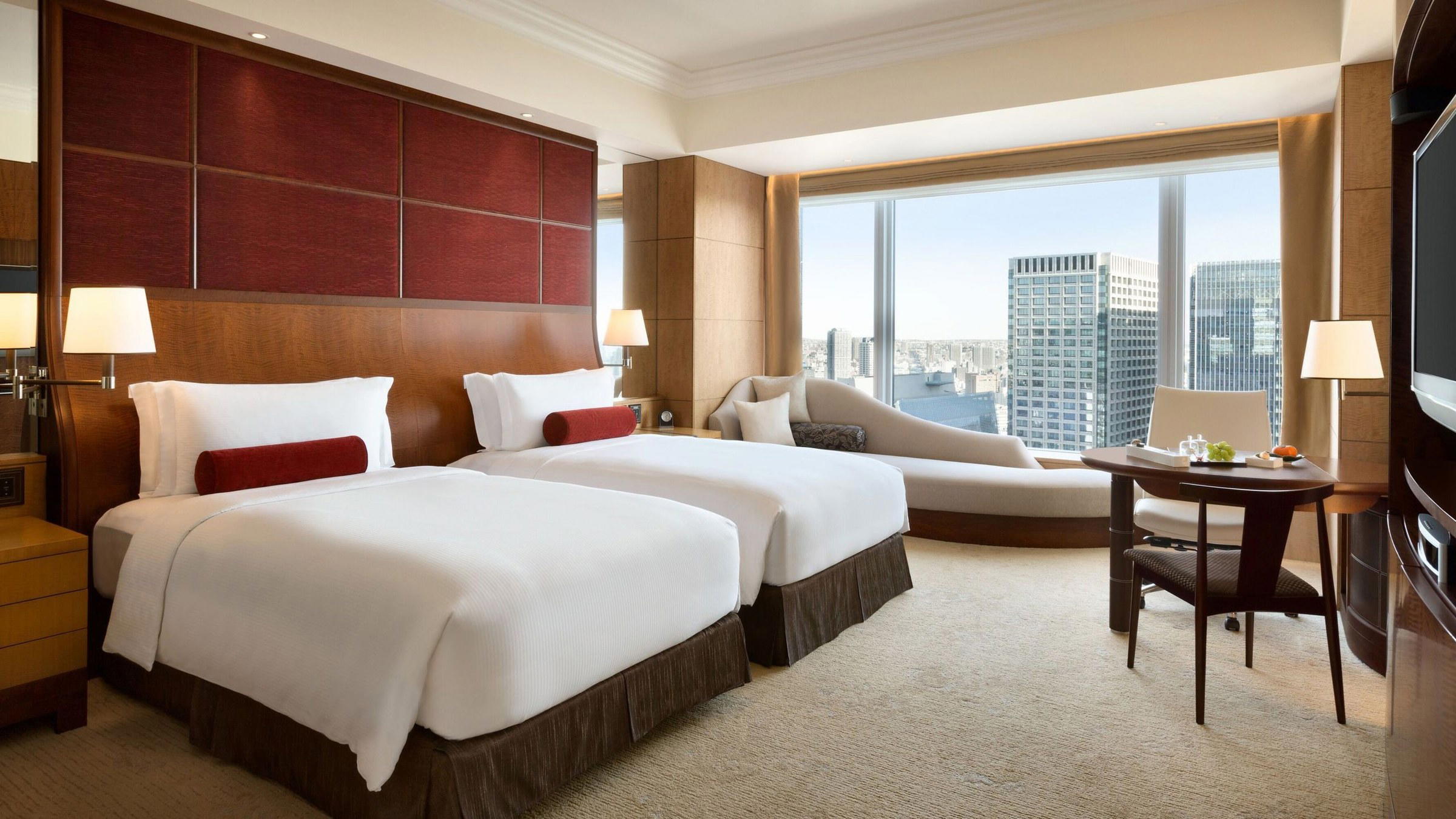
Refined department-store restaurant setting in central Ginza, combining traditional Sichuan motifs with modern, polished interiors to match the area’s sophisticated, urban atmosphere; service emphasizes warm hospitality and a complete, satisfying dining experience.