Tabelog 100 #11
Our verdict
Kyoto’s French dining scene is not only a hotel-restaurant story; its smaller rooms carry much of the city’s precision and ceremony. Chez Moi belongs to that intimate side of the category, recognised in Tabelog’s French WEST “Tabelog 100” 2025 selection and shaped around a compact, wine-conscious meal rather than grand-room theatre.

Pearl is the En Primeur Club membership app, where members save venues, book tables and use the concierge.
The menu
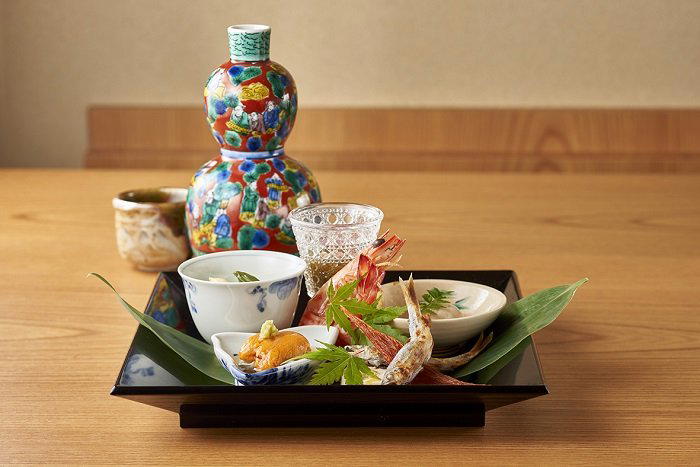
What to order
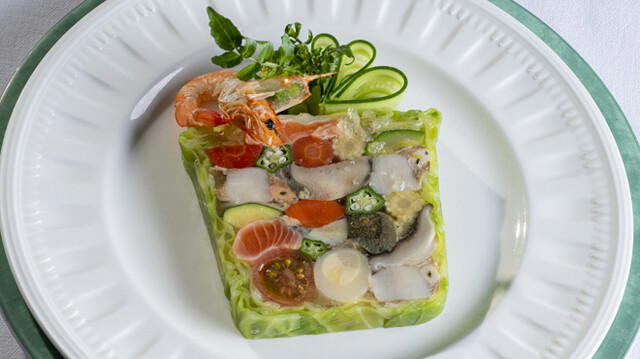
- Seafood terrine jelly appetizer
- Matsutake en croûte soup
- Bouillabaisse
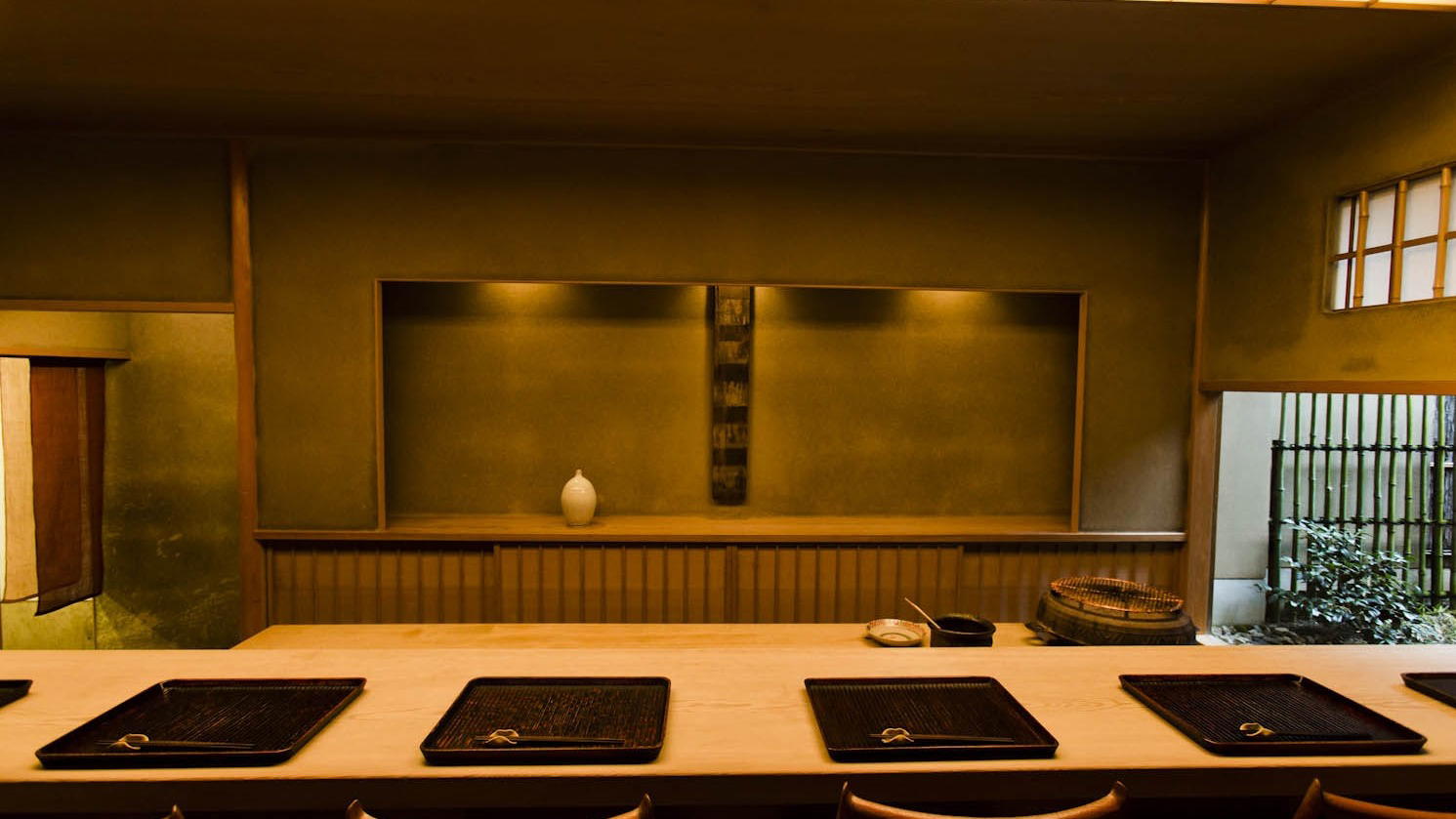
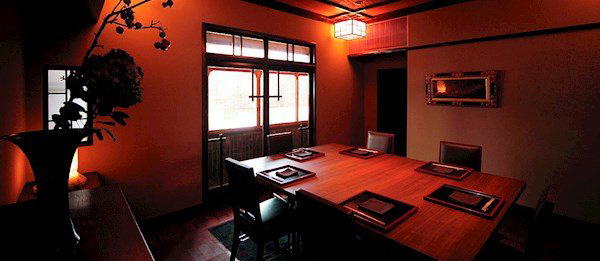
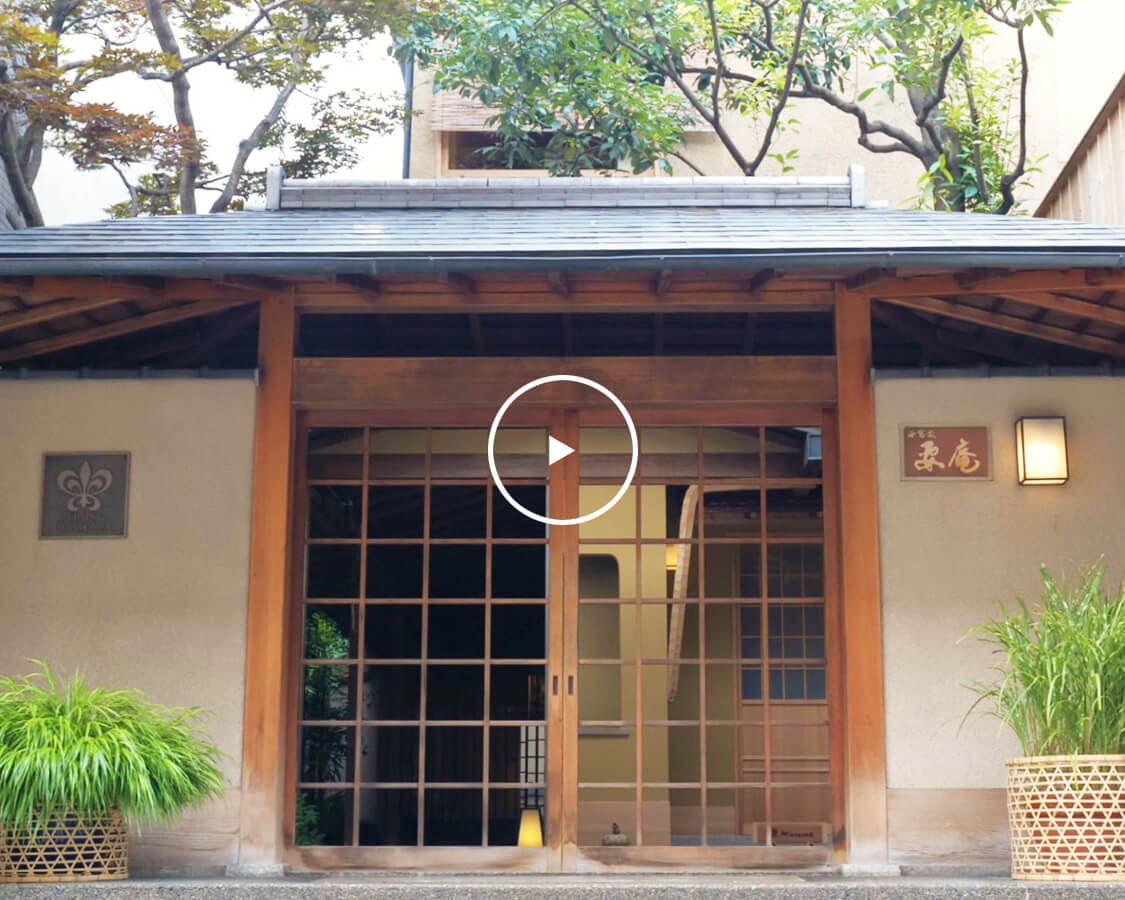
Approach in Nakagyo and Kyoto’s dining grammar shifts fast: arterial shopping streets yield to narrow blocks where restaurants signal restraint, not spectacle. That scale matters for French cooking here. The meal is not built around a lobby entrance, panorama, or hotel brigade, but closer to a private-room ritual: few seats, fixed pacing, and a table culture that expects guests to meet the restaurant’s tempo.
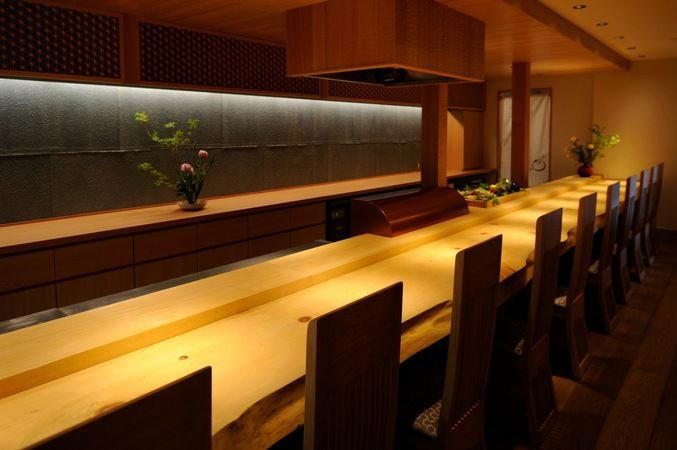
Chez Moi sits in that quieter register. Its recognition in Tabelog’s French WEST “Tabelog 100” 2025 selection places it among western Japan’s closely watched French addresses, but the format matters more. Kyoto has long adapted imported cuisines to local expectations of seasonality, order, and restraint. French dining here often reads less as luxury display than controlled sequence: wine, plate, pause, conversation, repeat. A 12-seat French restaurant with sommelier service therefore belongs to a narrower competitive band than larger international rooms.
A small-room French ritual in a city trained by counter dining
Kyoto diners understand concentration. Kaiseki, sushi counters, kappo rooms, tea practice, and old confectionery houses train attention toward sequence and comportment. French restaurants need not imitate those traditions to be shaped by them. In smaller rooms, the custom of the meal becomes part of the value: punctual arrival, limited distraction, and trust that the kitchen controls the arc.
That is where Chez Moi reads most clearly. The public category is French, the wine program is explicit, and limited capacity pressures the evening to feel measured rather than casual. This is not French cooking as a generic Western option between sightseeing stops. It belongs to a slower Kyoto dinner pattern, closer to restaurants where the reservation itself implies cooperation with the house.
Kyoto offers many ways to eat well without that ritual. A diner might choose 3TOKU6MI Shijo karasuma ten for a different casual rhythm, 551蓬莱 for direct Kansai comfort food, or Aburi Mochi Honke Nemoto Kazariya for an older Kyoto sweet tradition. Those choices frame the point: Chez Moi is not competing with every meal in the city, but for the evening when a diner wants French structure filtered through Kyoto’s preference for small scale and composure.
French cooking in Kyoto rewards restraint over spectacle
The useful comparison is not only with French peers. Kyoto dining culture often judges discipline: pacing, clarity of room expectations, and how little excess is needed. In that sense, Chez Moi’s Tabelog 100 selection in 2025 and prior selection in 2023 signal continuity in a category where consistency is harder than novelty.
Kyoto’s French field is broader than many visitors assume. Some rooms pull toward Parisian bistro codes; others lean into tasting-menu formality; others work as neighbourhood houses with serious cellars. Among city comparisons, DODICI occupies an Italian lane rather than French, Yakitori Kyoto Tachibana belongs to the focused skewer tradition, and Tokumaru sits in a Japanese category at a lighter price tier. The decision is clear: this is a French evening for diners who want wine service and composed pacing, not a broad survey of Kyoto dining.
That distinction shapes itinerary fit. A day of temples, shopping streets, and hotel-lounge intervals can make a formal dinner feel like another appointment. Better is a day with space around it, when dinner is central, not an afterthought. For planning, Our full Kyoto restaurants guide maps this meal against sushi, kappo, ramen, wagashi, and contemporary casual rooms; Our full Kyoto hotels guide helps position the overnight base around that slower evening.
Kyoto also rewards category-hopping over several days. A serious French dinner lands better when balanced with sake bars, tea-led experiences, and regional day trips. Use Our full Kyoto bars guide, Our full Kyoto wineries guide, and Our full Kyoto experiences guide to avoid turning the city into heavy dinners. The stronger itinerary alternates intensity: one formal room, one casual local meal, one bar, one cultural appointment.
Who should choose this kind of Kyoto dinner
Chez Moi fits diners who value the social contract of a small restaurant. The compact room, reservation-only format, dress expectations, and stated inability to accommodate allergies or dislikes all point to set-menu logic rather than individual adjustment. That is not a flaw; it is the operating condition of many small serious restaurants in Japan. Guests who prefer improvisation, large groups, or broad dietary flexibility should look elsewhere.
The wine element is another reason to read the meal as ritual. In Kyoto, where sake and tea often dominate visitor imagination, a French room with sommelier service occupies a specific lane. The appeal is not simply pairing alcohol with food, but the slower cadence wine imposes on the table. For couples or close friends, that cadence can focus the evening. For a family meal, especially with children or varied preferences, the same structure may feel restrictive.
Visitors building a wider Japan itinerary should resist flattening every city into the same restaurant checklist. Kyoto’s French scene differs from Tokyo’s dense counter culture, Osaka’s casual appetite, and the regional specificity of smaller cities. The contrast is clear beside out-of-city options such as -Grilled beef Sukiyaki- KAMAKURA TANUKIAN 鎌倉 たぬき庵 in Kamakura, 鮪と炭火焼き うお炭 秋葉原店 in Tokyo.cafe in Osaka.know in Kumamoto, (Shoku) Vietnam in Kawasaki, [Curry Senmon Ten] Maruyama Kyoju. in Sapporo, Jōdo Saké Bar in Los Angeles, and Onigiri Time in Pasadena. Those links are not substitutes; they show how sharply format defines expectation.
Within Kyoto, diners seeking a more contemporary or alternative local register can compare the mood with [ki:] or Abbesses. Choose by rhythm, not cuisine label alone. Chez Moi makes sense when the evening calls for a contained French meal, wine service, and the quiet discipline of a small Kyoto room.
Frequently asked questions
What days is Chez Moi closed?
Hours at Chez Moi: Mon: 6–10 PM; Tue: 6–10 PM; Wed: 6–10 PM; Thu: 6–10 PM; Fri: 6–10 PM; Sat: 6–10 PM; Sun: 6–10 PM.
What does dinner at Chez Moi typically cost?
Pricing at Chez Moi is listed as JPY 10,000 - JPY 14,999 JPY 6,000 - JPY 7,999.
Where is Chez Moi in Kyoto?
Chez Moi is located in Kyoto.
What's the defining dish or idea at Chez Moi?
The defining idea is the format: a 12-seat French house restaurant in Kyoto with a wine focus and sommelier service. Its Tabelog 100 French WEST 2025 selection signals a room built around precision rather than a long list of showy signatures.
Can Chez Moi handle vegetarian requests?
No, not in the usual sense. Its menu sits in the JPY 10,000–JPY 14,999 dinner range.
Does Chez Moi work for a family meal?
It can work for an adult family dinner, but the room is compact, with 12 seats and reservation-only service. The dress code and dinner-only hours from 6:00 PM to 10:00 PM make it a more formal choice than a casual family table.
Compact Comparison
Nearby venues at a similar price tier for orientation.
| Venue | Cuisine | Price | Awards | Notes |
|---|---|---|---|---|
| Chez MoiThis venue (the venue you are viewing) | French Fine Dining | $50–100 | Tabelog 100 #11 | Not listed |
| DODICI | Modern Italian with Kyoto Influences | $200–300 | 1 Michelin Star · Tabelog 100 #73 | Italian |
| Yakitori Kyoto Tachibana | Yakitori Omakase | $100–150 | Michelin Plate · Tabelog 100 #21 | Yakitori |
| Fuyacho Kuraku | Traditional Japanese Izakaya | $30–50 | Michelin Plate | Not listed |
| Tokumaru | Seasonal À La Carte Japanese | $100–150 | Michelin Plate | Japanese |
| Kameya Yoshinaga | Traditional Kyoto Wagashi (Japanese Sweets) | $10–20 | Tabelog 100 #15 | JPY 1,000 - JPY 1,999 View spending breakdown |
Recognition history
Dated appearances from independent guides and award organizations, with the underlying list record or original source where available.
Tabelog 100 #11 · No. 11
Tabelog · Tabelog 100 - French - WEST - 2025