

A Michelin Plate-recognised yakitori counter in Nakagyo Ward, Yakitori Kyoto Tachibana applies a kaiseki-informed sensibility to grilled chicken, sourcing Kyotamba birds and serving many skewers wrapped in skin to concentrate the fat's flavour. Signature techniques include kombu-brined chicken and meatballs mixed with takikomi-gohan, while vegetables placed beneath skewers absorb drippings before being grilled last. Rated 4.6 on Google from 76 reviews, it occupies a compelling mid-tier position in Kyoto's yakitori scene.
Pearl is the En Primeur Club membership app — saves, bookings, and concierge access live there. Same editors, same standards.
- Address
- Japan, 〒604-0944 Kyoto, Nakagyo Ward, Tachibanacho, 612番地 バインオークAiina 地下一階北側
- Phone
- +81 75-741-6666
- Directions
- Get directions
 Saves & bookings on Pearl
Smoke, Sequence, and Kyotamba Chicken: Yakitori Read Through a Kaiseki Lens
Descend to the basement level of Bain Oak Aiina in Nakagyo Ward and you arrive at a counter where the logic of yakitori has been rethought through the grammar of Kyoto's own culinary tradition. The approach here is not decorative: it reflects a genuine structural argument about what grilled chicken can be when the discipline of multi-course seasonal cooking, precision of sourcing, economy of technique, attention to sequence, is applied to a format that elsewhere rarely asks those questions.
Kyoto's dining culture has always maintained a sharp distinction between restaurants that perform its classical idiom and those that extend it into adjacent formats. The kaiseki houses that define the city's upper tier, Gion Sasaki at ¥¥¥¥ being one prominent point of reference, operate within a codified seasonal framework that governs sourcing, plating, and pacing. What Yakitori Kyoto Tachibana does at the ¥¥¥ tier is carry some of that structural seriousness into a more direct, fire-driven register.
The Kyotamba Argument
Ingredient provenance is where the kaiseki parallel becomes most legible. Kyotamba chicken, raised in the mountainous Tanba region northwest of the city, is a heritage breed with a distinct fat profile and firmer texture than the commodity poultry that fills most yakitori menus. The decision to centre the entire counter around this bird is a sourcing commitment of the kind more commonly associated with kaiseki kitchens than with grill formats. In that sense, Tachibana belongs to a broader pattern visible across serious Japanese restaurants: the idea that the ingredient's origin is itself a culinary statement, not a marketing footnote.
Many skewers are served wrapped in skin. This is not a presentational choice; it is thermal and flavour engineering. The skin acts as a casing that retains the fat's moisture through the grill's heat, directing it inward rather than letting it fall away. The result is a more concentrated expression of the bird's own flavour, which is exactly the kind of produce-first reasoning that defines kaiseki's relationship to its raw materials.
Technique as Argument
Two preparations in particular signal the depth of cross-format thinking here. Chicken meat marinated in kombu broth borrows directly from Japanese cuisine's dashi tradition, where kombu's glutamates amplify umami without masking the ingredient beneath. Applied to yakitori, it introduces a layer of marine depth that reads as unexpected until you recognise it as the same logic that runs through a kaiseki soup course. The second preparation, chicken meatballs mixed with takikomi-gohan, the seasoned rice dish cooked with vegetables and dashi, brings a composed, grain-based structure into the skewer format. Both moves suggest a kitchen that is reading across Japanese culinary forms rather than staying within yakitori's conventional vocabulary.
The sequencing of the meal adds a further dimension. Vegetables are placed beneath skewers as they grill, absorbing the rendered fat and flavour from the chicken above. Once the skewers are served, those same vegetables are grilled last, now carrying a secondary layer of flavour built through proximity rather than direct seasoning. It is a method that values nothing wasted and everything used purposefully, which is, again, a principle that kaiseki formalised centuries before yakitori adopted it here.
Where Tachibana Sits in Kyoto's Yakitori Scene
Kyoto's yakitori offer spans a wide range of formats and price points. At the ¥¥¥ tier, Tachibana sits alongside other considered counters in the city; Torisaki, Hiiragitei, Sumiyakisosaitoriya Hitomi, and Torisho Sai each represent distinct approaches to grilled chicken in this city. What differentiates Tachibana within that peer group is the explicit integration of kaiseki-derived technique, not as aesthetic styling, but as structural method. The Michelin Plate recognition in both 2024 and 2025 confirms that the guide's inspectors have registered the counter as meriting attention, placing it in a category of restaurants worth tracking even without a star designation.5 across 96 reviews suggests consistent execution at the counter level.
For comparison with the yakitori format across the Kansai region more broadly, Ichimatsu and Torisho Ishii in Osaka represent the format's southern counterpart, typically with a more pub-forward atmosphere and less emphasis on technique-first sequencing. Tachibana's basement Kyoto setting and ingredient provenance story place it on a different axis entirely.
Those travelling across Japan's culinary cities will find useful reference points in Harutaka in Tokyo, HAJIME in Osaka, akordu in Nara, Goh in Fukuoka, 1000 in Yokohama, and 6 in Okinawa, each of which represents a distinct regional interpretation of serious Japanese cooking.
Planning Your Visit
Yakitori Kyoto Tachibana is located in the basement of Bain Oak Aiina in the Tachibanacho area of Nakagyo Ward, central Kyoto, a neighbourhood well within reach of the city's main transit corridors. The ¥¥¥ price positioning places it meaningfully above casual yakitori but below the ¥¥¥¥ kaiseki tier represented by venues like Gion Sasaki or Ifuki. Booking in advance is advisable given the counter format and the specificity of the kitchen's sourcing programme.
Quick reference: Yakitori Kyoto Tachibana, Tachibanacho 612, Bain Oak Aiina B1F, Nakagyo Ward, Kyoto. Price range: ¥¥¥. Michelin Plate 2024 and 2025. Google: 4.6 (76 reviews).
Comparison Snapshot
Comparable venues nearby, for context on price, style, and recognition.
| Venue | Cuisine | Price | Awards | Notes |
|---|---|---|---|---|
| Yakitori Kyoto TachibanaThis venue — the venue you are viewing | Yakitori | $$$ | Michelin Plate | Not listed |
| Yamaji Yosuke | Kappo | $$$ | Michelin Plate | Higashiyama |
| Hachiraku | Kyoto-style Chinese | $$$ | Michelin Plate | Higashiyama |
| Pontocho Masuda | Kyoto-style Obanzai | $$$ | Michelin Plate | Nakagyō |
| Hanhan | Modern Japanese Omakase (Half Meat, Half Vegetables) | $$$ | Michelin Plate | Shimogyō |
| Okuniya Mambei | Traditional Kyoto Unagi Kabayaki | $$$ | Michelin Plate | Nakagyō |
Recognition history
Dated appearances from independent guides and award organizations, with the underlying list record or original source where available.
Michelin Plate
Michelin
Michelin Plate
Michelin
Tabelog 100 #21 · No. 21
Tabelog · Tabelog 100 - Yakitori - WEST - 2025
Michelin Plate
Michelin
Continue exploring
More in Kyoto
Restaurants in Kyoto
Browse all →
Bars in Kyoto
Browse all →
Hotels in Kyoto
Browse all →


Wineries in Kyoto
Browse all →
At a Glance
- Intimate
- Quiet
- Cozy
- Sophisticated
- Date Night
- Special Occasion
- Business Dinner
- Solo
- Standalone
- Chefs Counter
- Byob
- Local Sourcing
Current opening hours
- Monday
- Closed
- Tuesday
- 6:30–9 PM
- Wednesday
- 6:30–9 PM
- Thursday
- 4–6 PM, 6:30–9 PM
- Friday
- 4–6 PM, 6:30–9 PM
- Saturday
- 5–7:30 PM, 8–10:30 PM
- Sunday
- 5–7:30 PM, 8–10:30 PM
Hours can change for holidays and private events. Last verified .
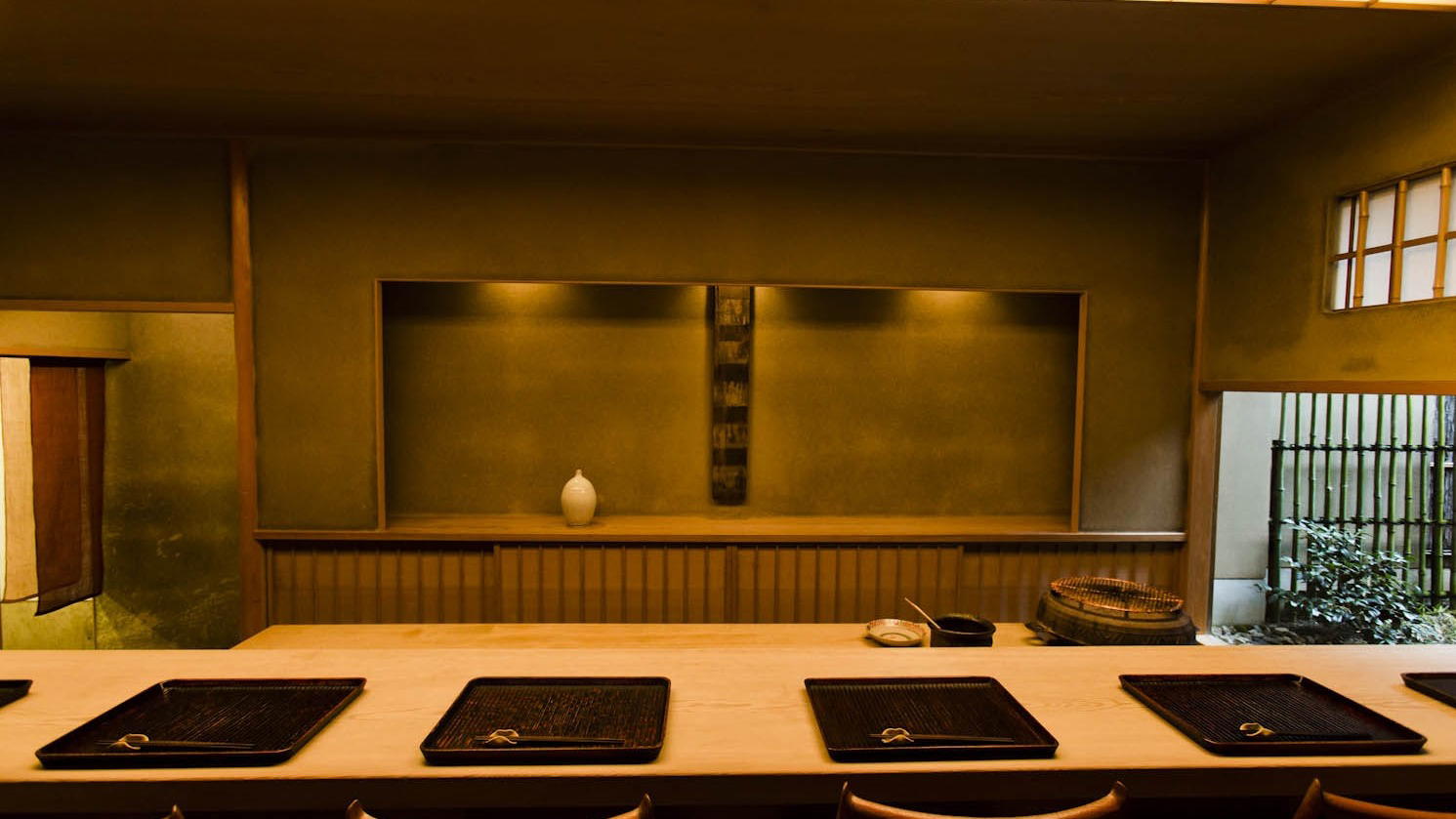
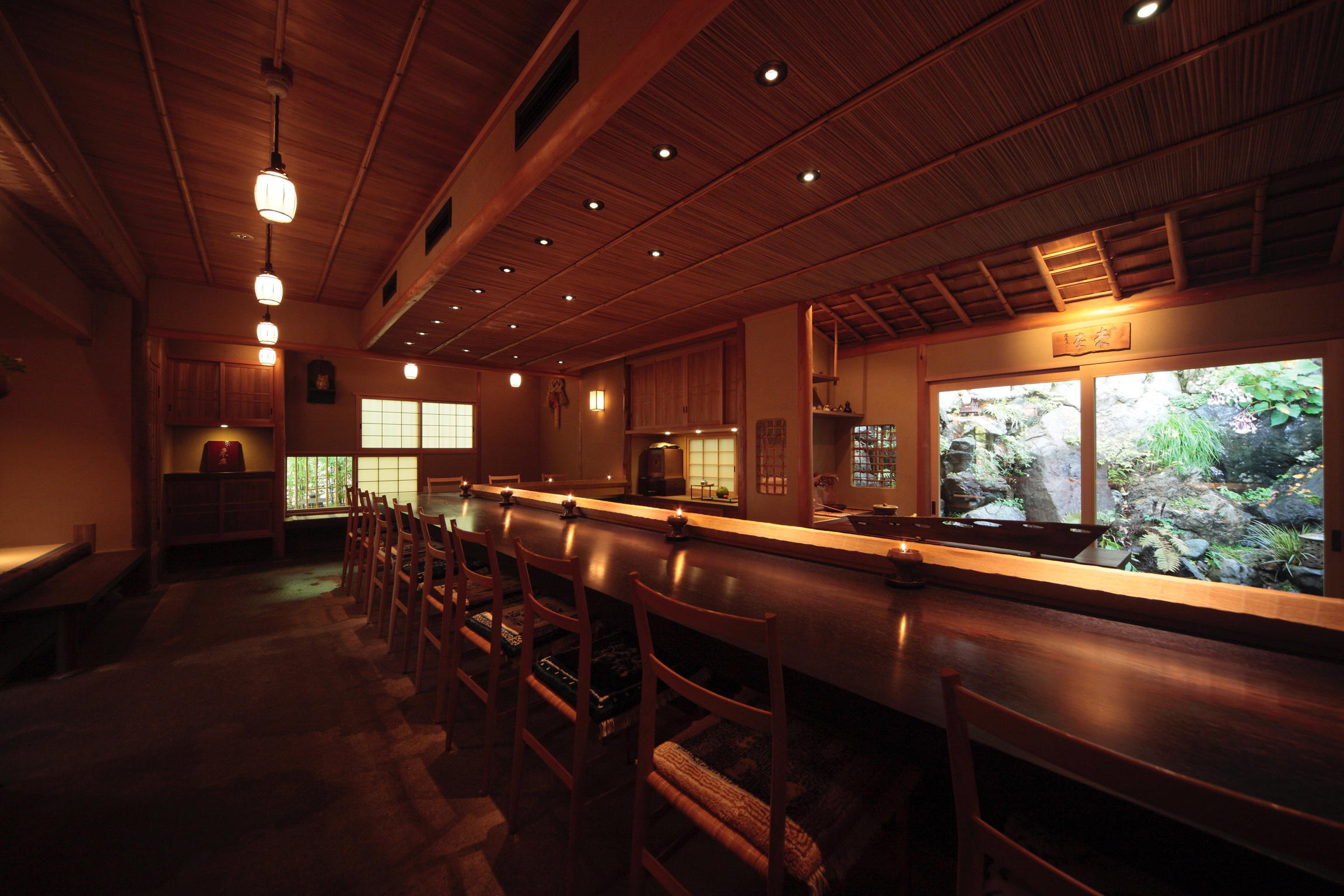
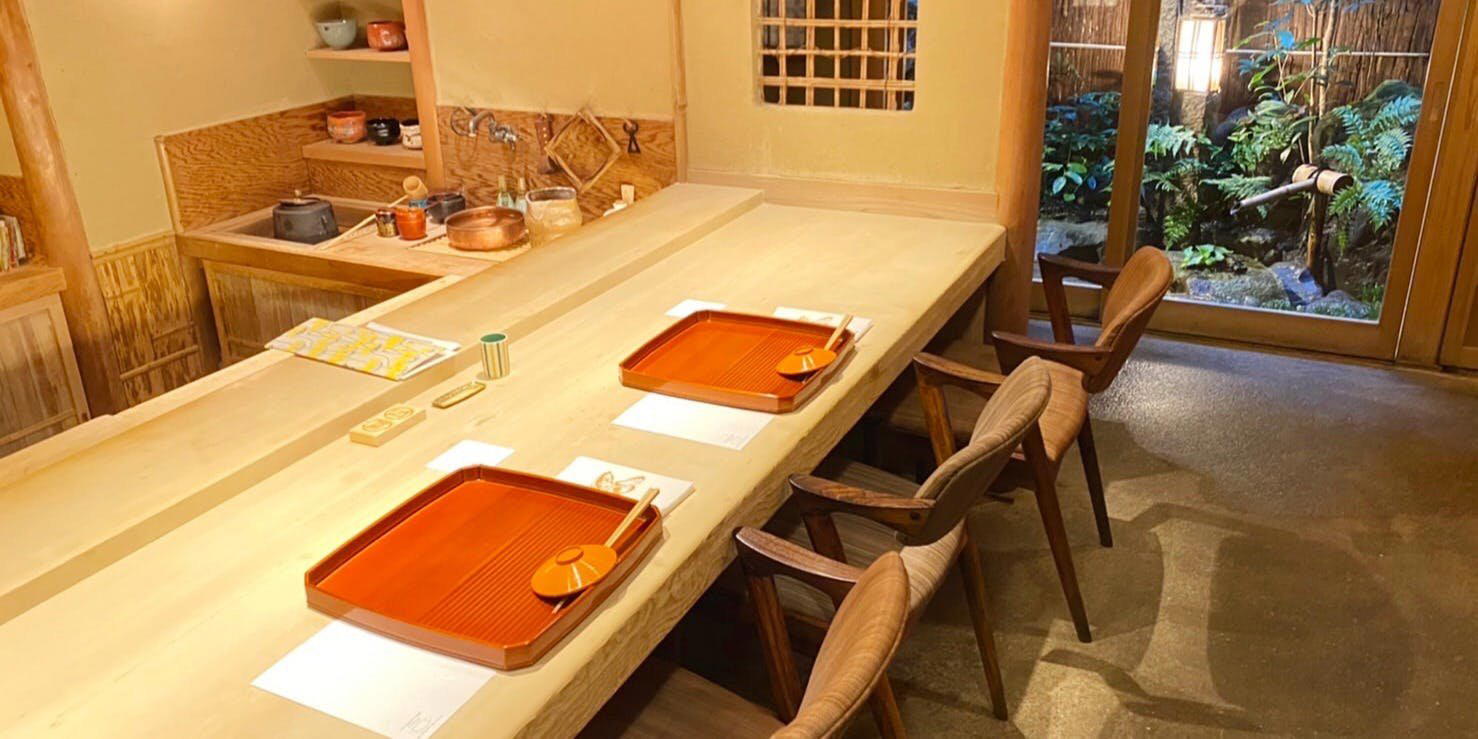
Tranquil and intimate, with a tucked-away basement setting that feels removed from the bustle of the city.