On Choriner Strasse in Prenzlauer Berg, Cheers Kiez Pizza occupies a slice of Berlin's neighbourhood dining culture where the ritual matters as much as the product. The address sits in one of the city's most densely residential quarters, where pizza has become the format of choice for unhurried evenings among locals rather than a quick transaction.
 Discover on Pearl
Pearl is the En Primeur Club membership app — saves, bookings, and concierge access live there. Same editors, same standards.
- Address
- Choriner Str. 37, 10435 Berlin, Germany
- Phone
- +4915224757694
- Website
- cheerskiezpizza.com
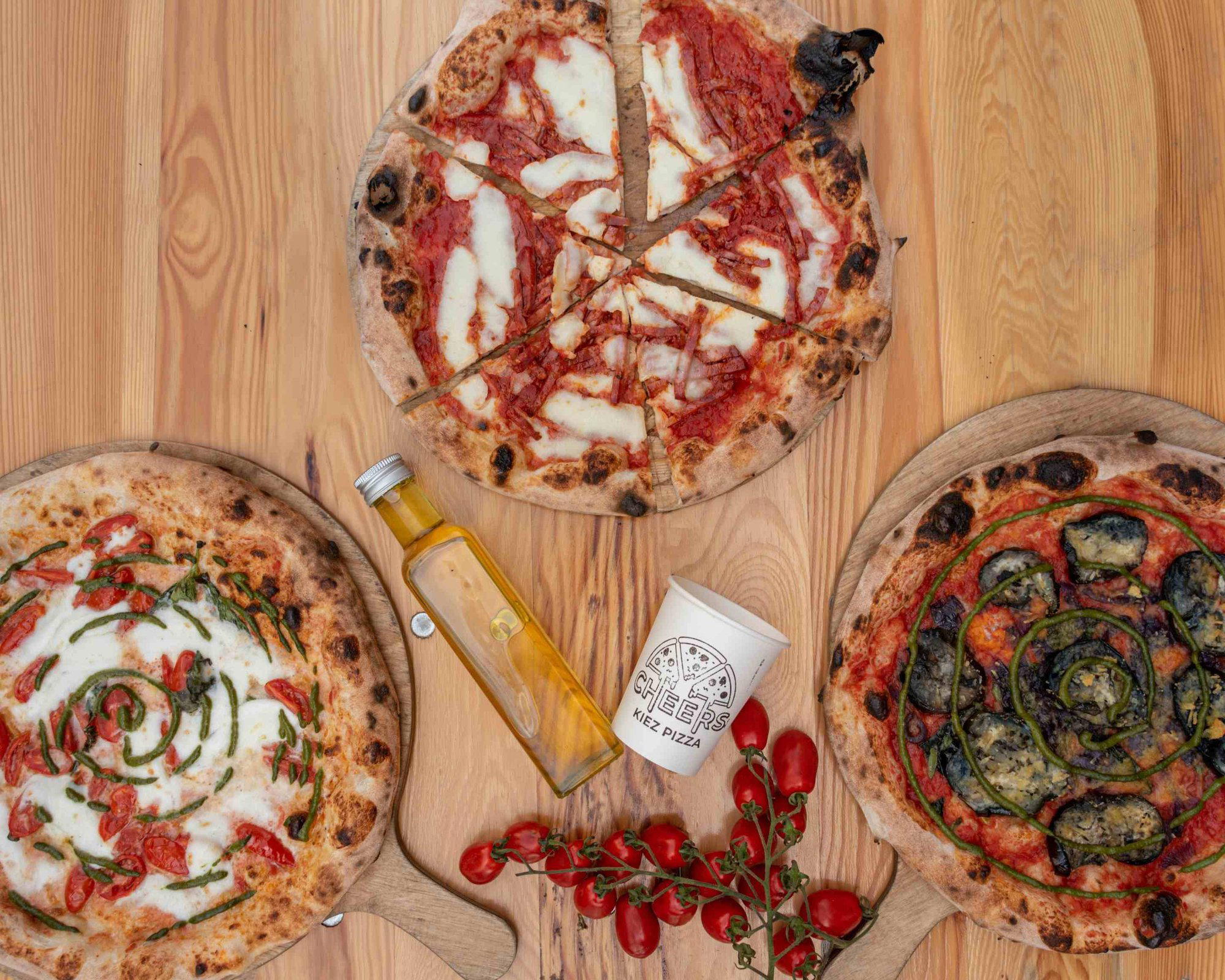
Prenzlauer Berg and the Neighbourhood Pizza Ritual
Cheers Kiez Pizza is a Neapolitan Pizza restaurant in Berlin at Choriner Str. 37, 10435 Berlin, Germany, with a Google rating of 4.7 from 606 reviews and an average spend of about $15 per person. Berlin's relationship with pizza has never been direct. The city spent years importing Italian-American conventions without much interrogation, then overcorrected into Neapolitan purism during the 2010s, and has more recently settled into something harder to categorise: a neighbourhood-first approach where the dining ritual around the pizza matters as much as the dough itself. Choriner Strasse, the tree-lined street in Prenzlauer Berg where Cheers Kiez Pizza is addressed, sits in precisely that third phase. The area is residential in character, with a density of young families and long-term residents who treat their immediate block as an extension of their living room. Restaurants here survive not on tourism or hype cycles but on repeat custom from people who live within walking distance.
That context shapes what a visit to Cheers Kiez Pizza looks and feels like. Prenzlauer Berg's dining culture favours the unhurried over the efficient, the familiar over the theatrical. You arrive, you settle in, you order without being rushed through courses. It is a format that mirrors how pizza dining works in its strongest local incarnations across Europe: not a destination meal built around a tasting menu or a reservation secured three months in advance, but a rhythm of eating that belongs to a neighbourhood rather than a food media cycle.
The Address in Context
Choriner Strasse 37 places the venue in the northern stretch of Prenzlauer Berg, close to the Zionskirchplatz area and within easy reach of the Mitte border. For Berlin, that positioning matters. The street sits outside the denser commercial corridors of Kastanienallee and Kollwitzplatz, which means the audience skews local rather than mixed tourist-and-local. Venues at this address compete primarily on neighbourhood loyalty rather than guidebook placement.
That competitive dynamic is distinct from the one operating a few kilometres south, where Berlin's Michelin-recognised restaurants, including Rutz, Nobelhart & Schmutzig, and FACIL, operate in an entirely different register of formality, price, and expectation. CODA Dessert Dining, which holds two Michelin stars for its creative dessert-led tasting format, and Restaurant Tim Raue, with its two-star China-influenced menu, both represent what the city's fine dining tier looks like. Cheers Kiez Pizza operates in a completely separate tier: no tasting menus, no awards infrastructure, no multi-course pacing. Berlin's food culture is broad enough to hold both registers simultaneously, and the neighbourhood pizza format serves a function that Michelin-starred dining structurally cannot.
How the Meal Tends to Work Here
Pizza dining in Berlin's residential neighbourhoods follows a specific social grammar. Tables are typically shared with whoever you came with rather than arranged for theatrical service sequences. Orders arrive when they are ready rather than choreographed to a timeline. The meal is conversational rather than experiential in the curated sense. This is the dining ritual that Prenzlauer Berg venues in the Kiez category support, and it is one that sits closer to the Roman trattoria model than to the Neapolitan pizzeria performance that became fashionable in German cities after San Marzano tomatoes and double-zero flour became the dominant talking points in food media.
For context on what Germany's most formally ambitious dining looks like elsewhere in the country, Schwarzwaldstube in Baiersbronn and Aqua in Wolfsburg anchor the country's three-star tier. JAN in Munich, Vendôme in Bergisch Gladbach, and Victor's Fine Dining by Christian Bau in Perl represent another stratum of serious German fine dining. The neighbourhood pizza format is the structural opposite of all of that: low ceremony, low price, high frequency of visit. In cities where that format is executed well, it becomes the backbone of how residents actually eat across the week, with the fine dining tier reserved for occasion meals. ES:SENZ in Grassau, Schanz in Piesport, Waldhotel Sonnora in Dreis, and Restaurant Haerlin in Hamburg all illustrate how deep Germany's commitment to formal dining runs outside Berlin. Cheers Kiez Pizza is not in conversation with any of those addresses. Its comparable set is the block itself.
Internationally, the neighbourhood pizza dining ritual has been codified most clearly in places like Le Bernardin in New York City or Lazy Bear in San Francisco occupy the opposite pole of that spectrum, where the meal is the event, the pacing is controlled, and arrival times are enforced. Berlin's Kiez pizza format refuses all of those conditions by design. Bagatelle in Trier similarly operates in a different register. The contrast is useful: knowing where Cheers Kiez Pizza does not sit tells you exactly what kind of evening it offers.
Neighbourhood Fit and When to Visit
Prenzlauer Berg dining is most alive on weekday evenings, when the residential population moves through local restaurants without the weekend tourist overlap that affects areas closer to Mitte or Kreuzberg. For a neighbourhood pizza venue on Choriner Strasse, that weekday rhythm tends to produce the most representative experience: regulars, unhurried service, and the specific low-key social energy that makes this part of Berlin function as well as it does as a place to actually live rather than visit briefly.
The broader Berlin restaurant scene spans price tiers, neighbourhoods, and cuisine categories. For an evening that sits at the opposite end of the formality scale from Nobelhart or FACIL, the Choriner Strasse address offers what Prenzlauer Berg does consistently well: a meal that belongs to the neighbourhood rather than to a dining trend.
Know Before You Go
- Address: Choriner Str. 37, 10435 Berlin, Germany
- Neighbourhood: Prenzlauer Berg, northern stretch near Zionskirchplatz
- Phone: Not listed
- Website: Not listed
- Booking: Walk-in friendly
- Price range: About $15 per person
- Hours: Mon to Sun, 5 to 10 PM
- Dress code: Casual
A Minimal comparable set
Comparable venues nearby, for context on price, style, and recognition.
| Venue | Cuisine | Price | Notes |
|---|---|---|---|
| Cheers Kiez PizzaThis venue — the venue you are viewing | Prenzlauer Berg, Neapolitan Pizza | $$ | |
| Mamida | Prenzlauer Berg, Modern Sourdough Pizza | $$ | |
| Vaporetto | Mitte, Italian Pizza and Pasta | $$ | |
| Bäckspace Pizza | Weissensee, Sourdough Pizza | $$ | |
| Trattoria a muntagnola | $$ | Schoneberg, Authentic Southern Italian Basilicata Trattoria | |
| Osteria Culaccino | Charlottenburg, Italian Fine Dining | $$$ |
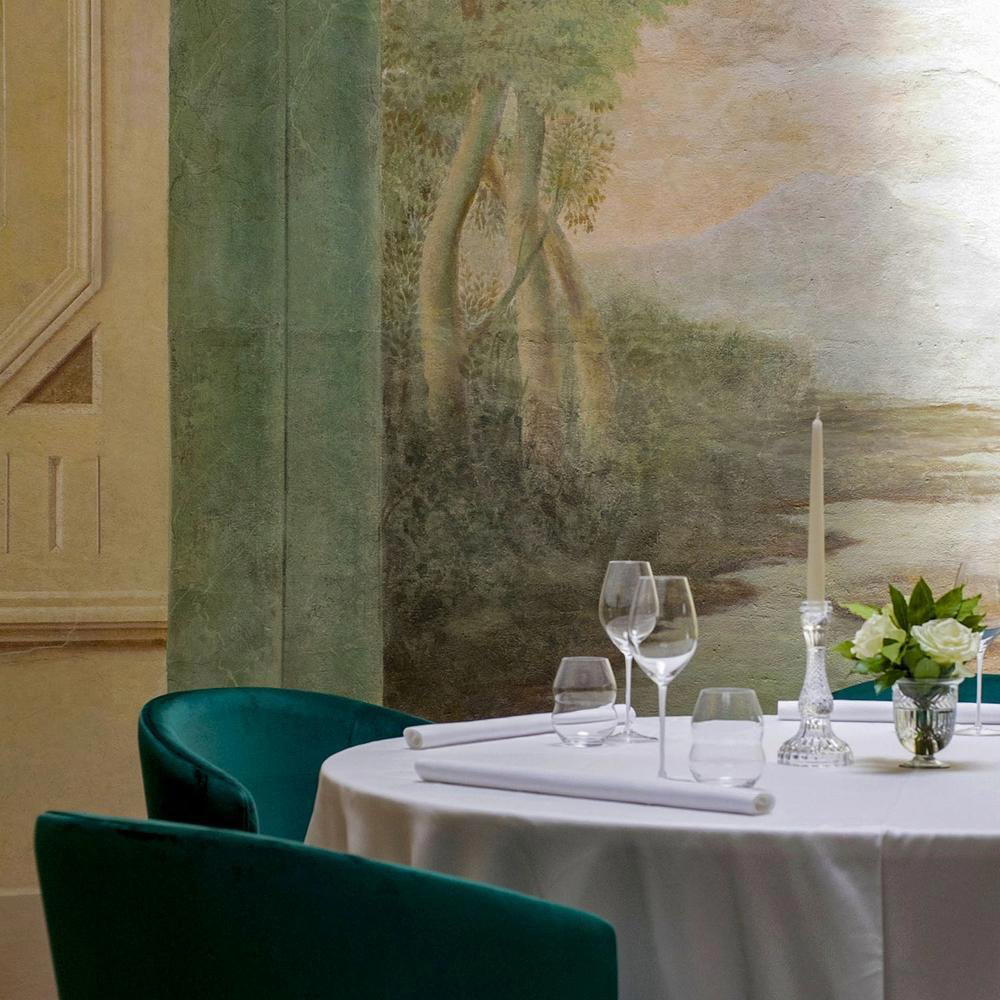
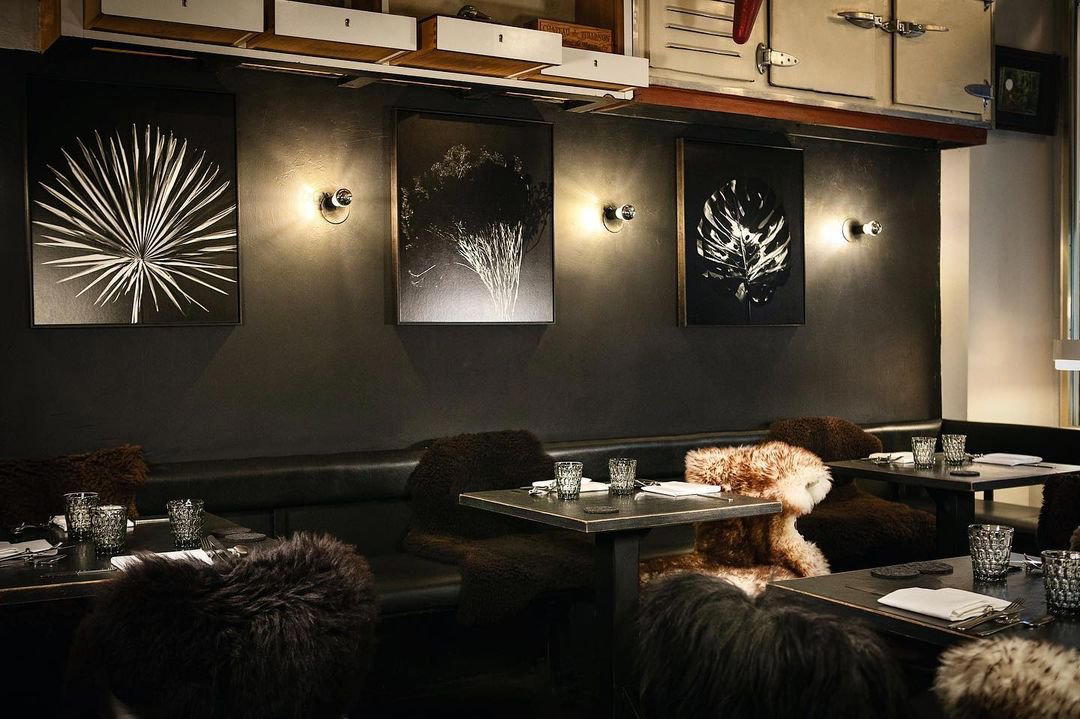
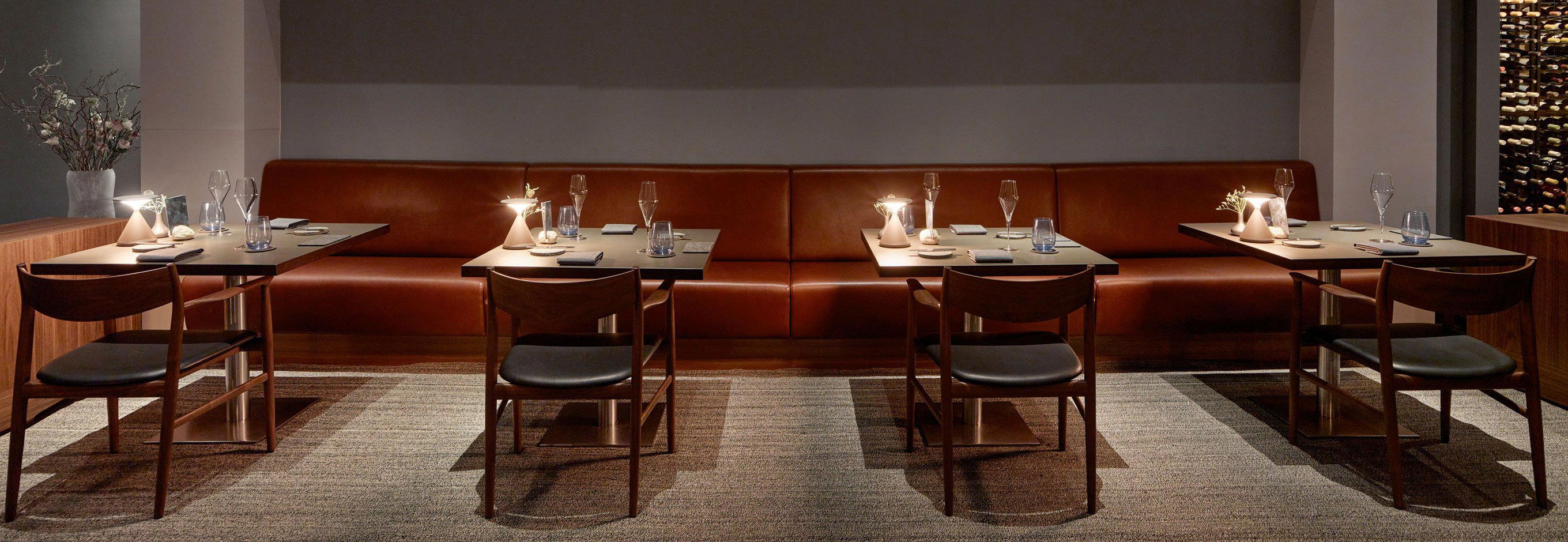

At a Glance
- Cozy
- Trendy
- Casual Hangout
- Open Kitchen
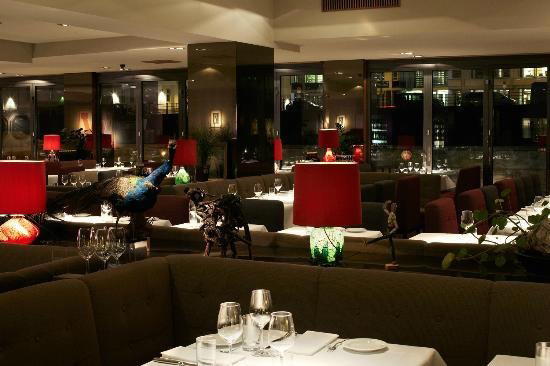
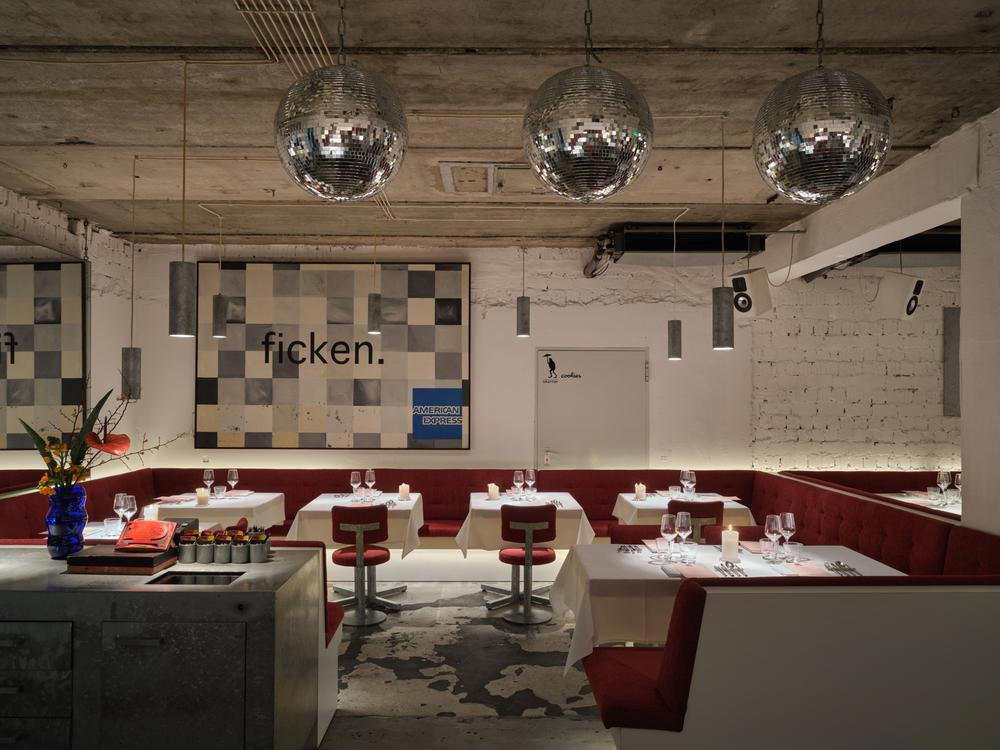
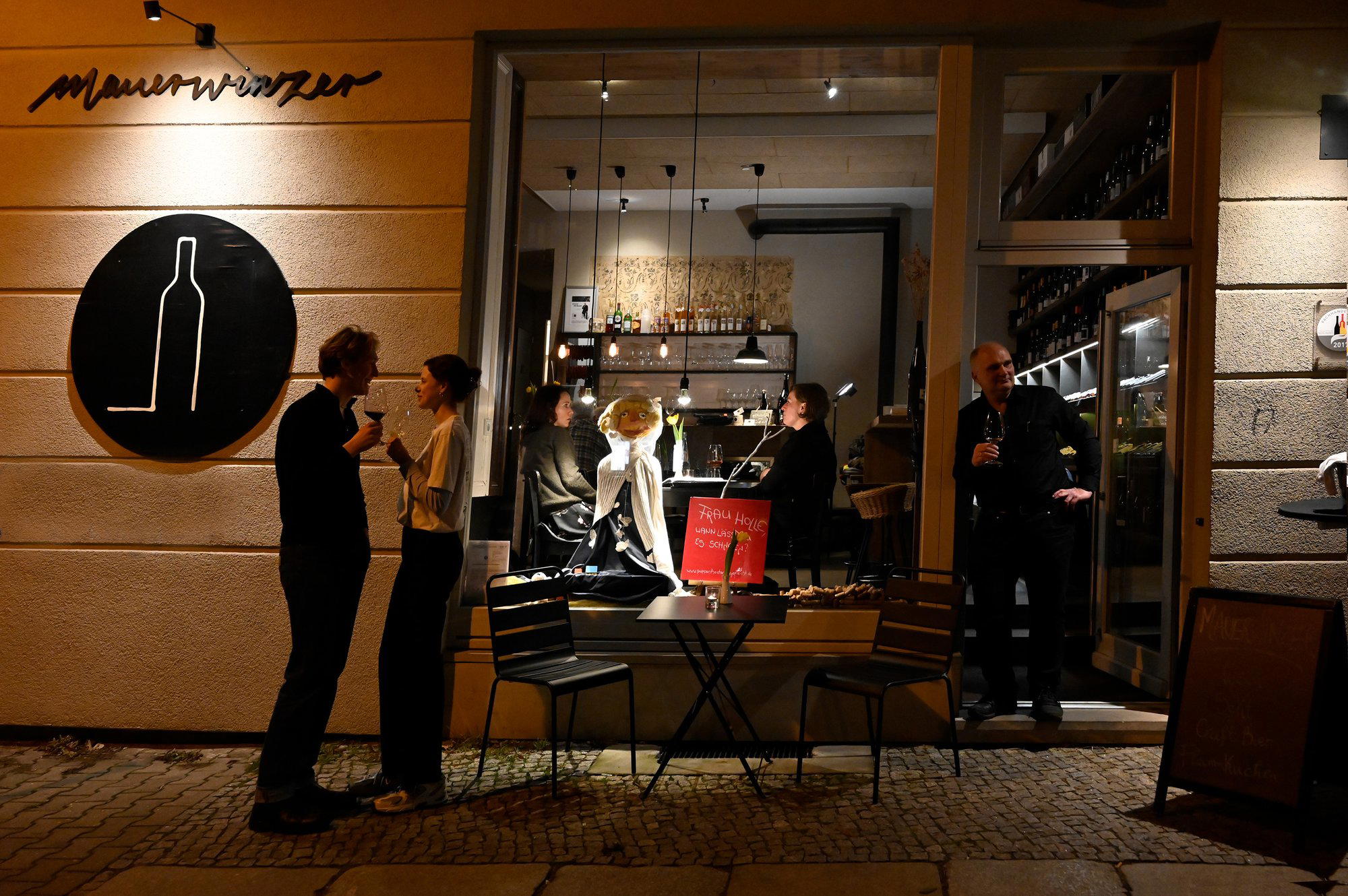
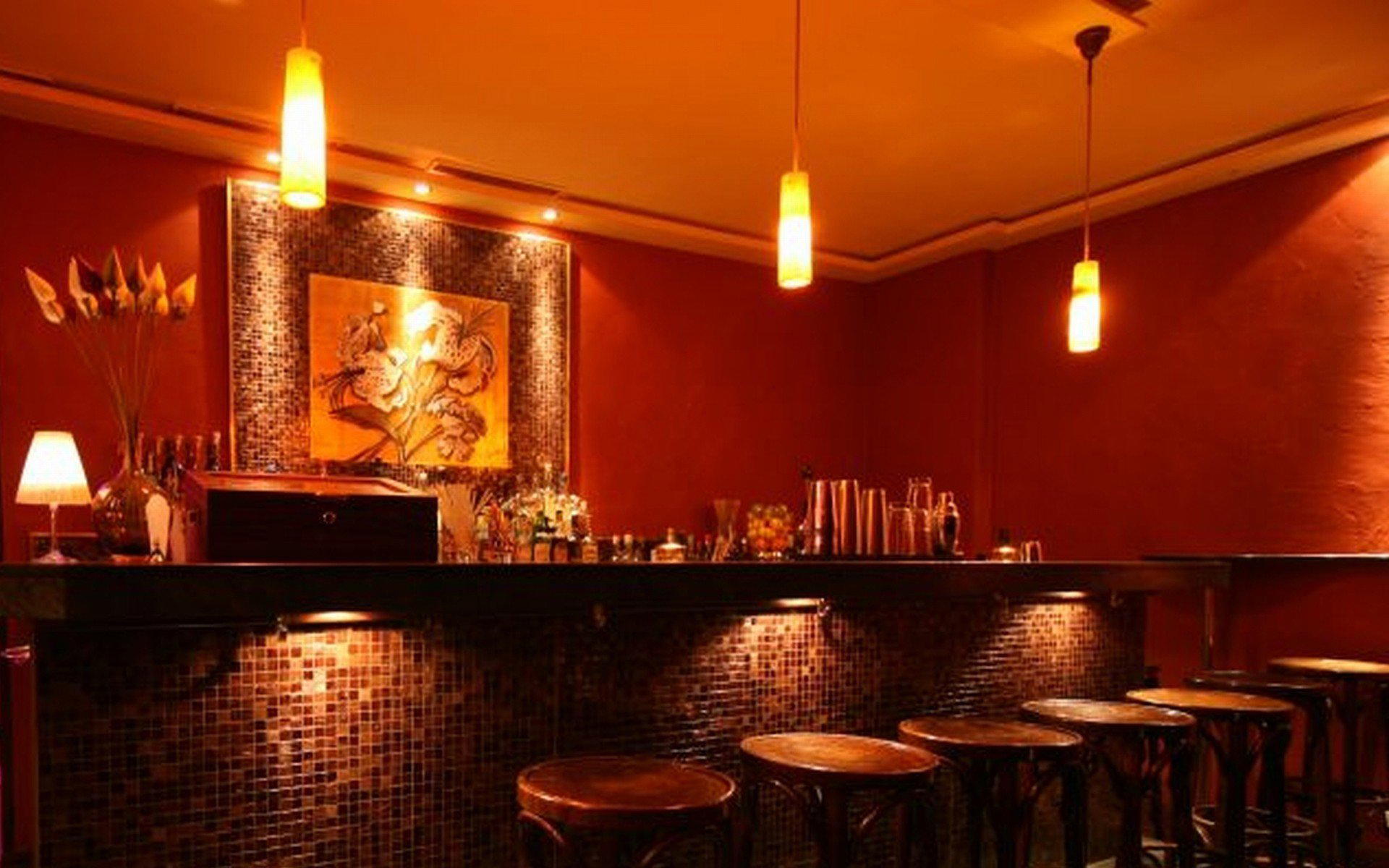
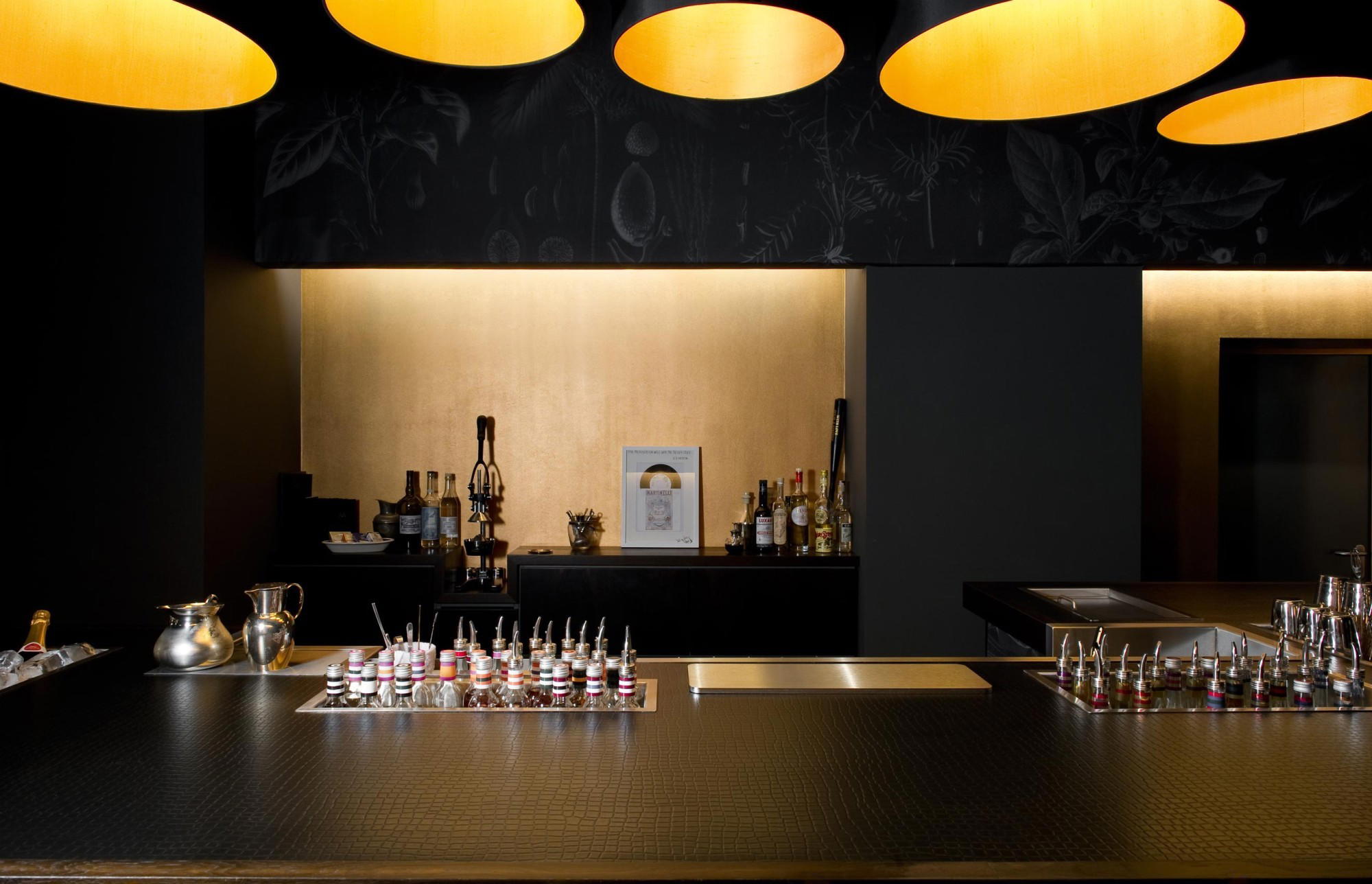
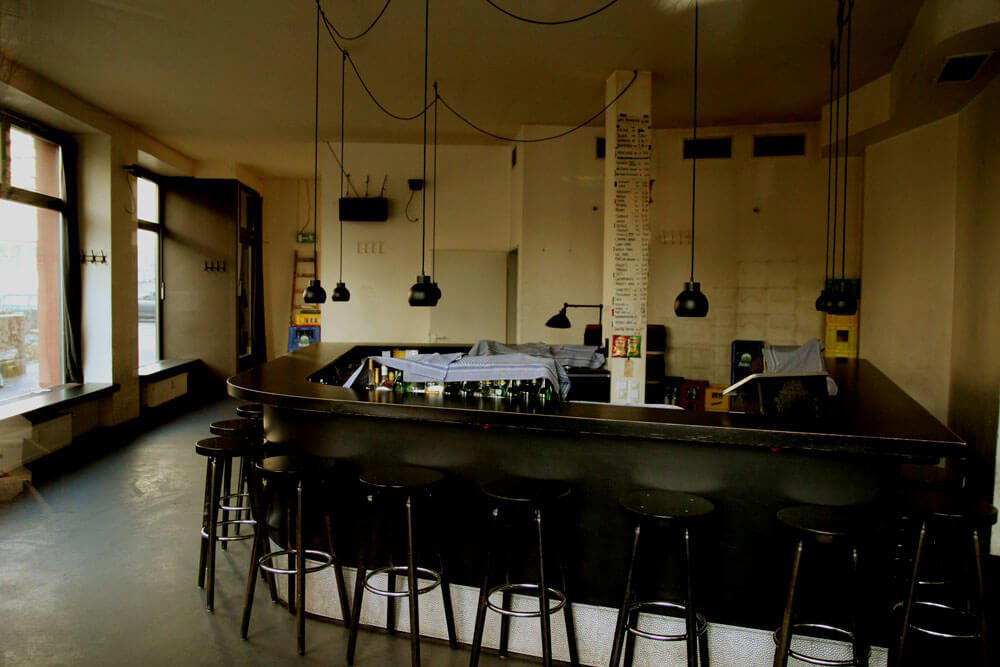
Welcoming casual atmosphere in a small neighborhood spot.