Our verdict
With sparse public data and a deliberately low profile, it sits closer to the discovery tier than the award-circuit mainstream, making it a venue worth approaching with curiosity rather than expectation.

Pearl is the En Primeur Club membership app, where members save venues, book tables and use the concierge.

Prenzlauer Berg and the Grammar of a Menu
Berlin's restaurant culture has never resolved neatly into a single identity. The city operates in parallel registers: the Michelin-tracked tier of Rutz, Nobelhart & Schmutzig, and FACIL on one side, and a looser, neighbourhood-embedded dining scene on the other, where the absence of a press kit is sometimes the point. The address places it in one of Berlin's more residential, low-decibel pockets: a tree-lined street in a district that spent the 1990s as a creative frontier and has since settled into a quieter domesticity, with wine bars and independent kitchens as its primary cultural infrastructure.
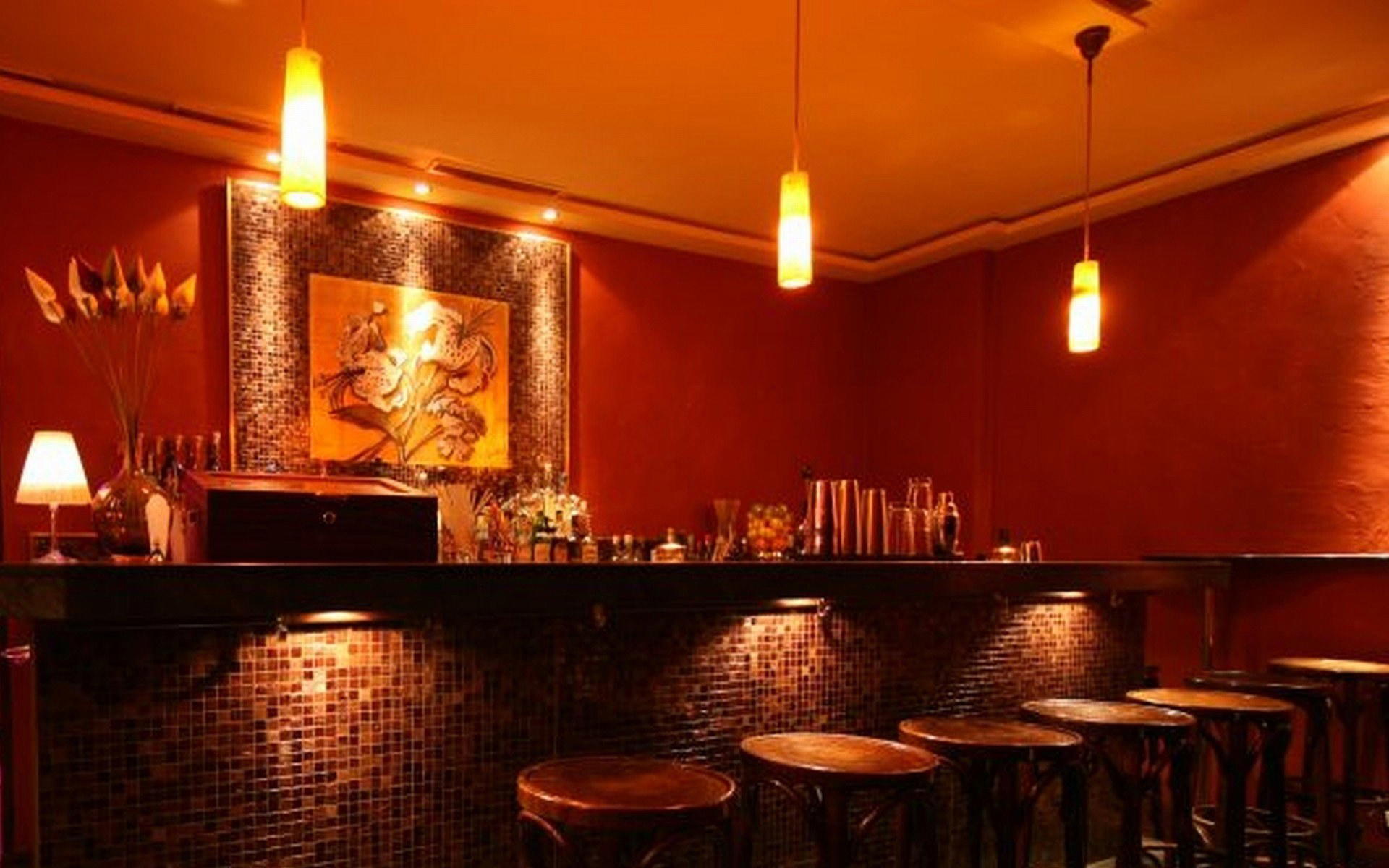
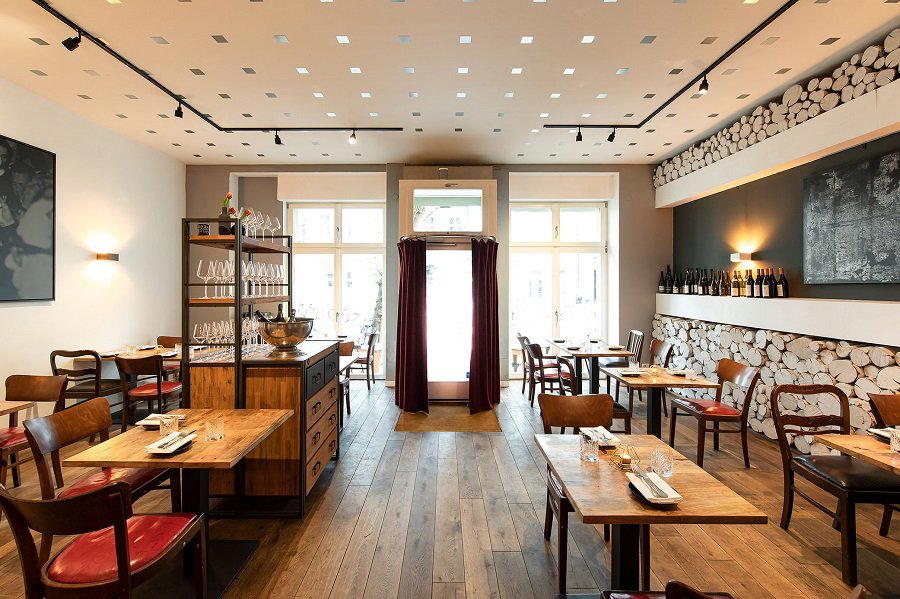
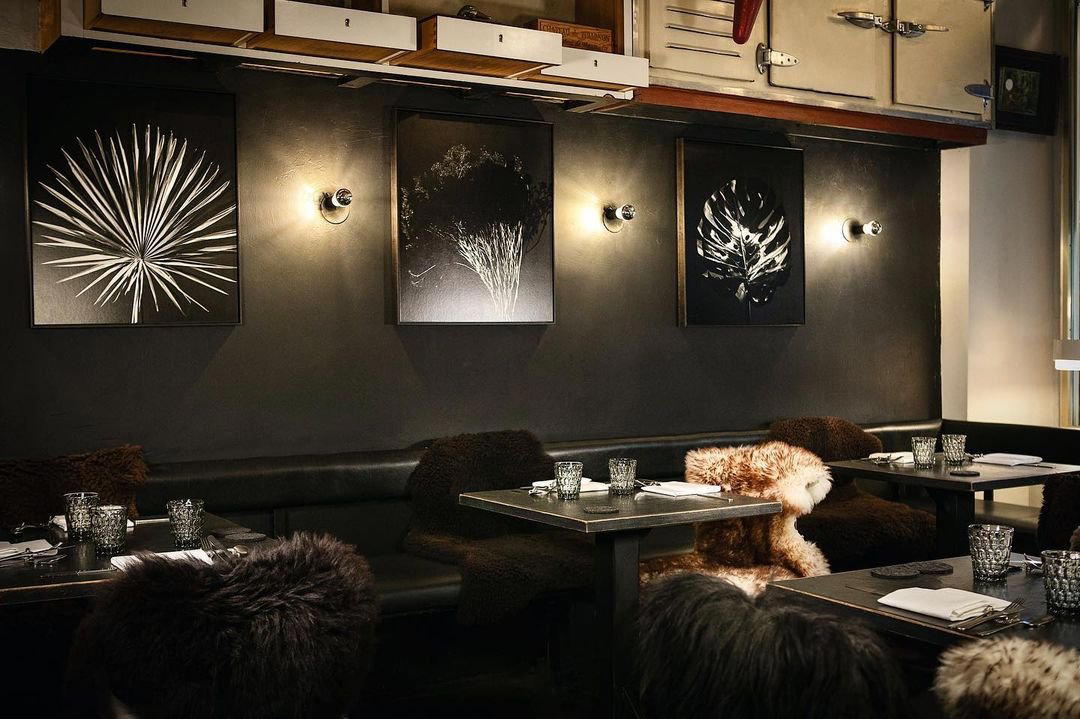
Approaching the venue, the absence of marquee branding is consistent with a broader Prenzlauer Berg tendency to let the room do the talking. In a neighbourhood where the dining culture rewards curiosity over legibility, a restaurant that withholds its credentials from the pavement outside is making a deliberate statement about who it expects to walk through the door.
What the Menu Structure Tells You
In serious contemporary kitchens, the architecture of the menu is rarely accidental. How a restaurant organises its offerings, whether by ingredient, by cooking method, by cultural lineage, or by a progression from raw to cooked to sweet, encodes its intellectual position as directly as any written manifesto. At the premium end of Berlin's dining circuit, this kind of structural intentionality is increasingly the norm: CODA Dessert Dining builds its entire format around inverting the conventional menu sequence, making dessert logic the governing grammar from the first course. Restaurant Tim Raue organises around a distinct pan-Asian framework that sits entirely outside the European fine-dining template.
Restaurants in the discovery tier often resist publishing full menus in advance, preferring the in-room reveal as a curatorial device. This approach is more common in tasting-format kitchens and in venues where the offering changes frequently enough that a static online menu would misrepresent the experience. Whether Mamida operates on that logic or simply maintains a low digital footprint is a distinction that matters when planning a visit: the practical implication is the same, but the culinary ambition behind it differs considerably. The neighbourhood dining economy of Prenzlauer Berg tends toward accessible price points and a more conversational relationship between kitchen and guest, which positions a restaurant here differently from, say, the formal progressions on offer at FACIL or the hyper-local sourcing discipline of Nobelhart & Schmutzig.enprimeurclub.com/restaurants/aqua-wolfsburg-restaurant">Aqua in Wolfsburg, Victor's Fine Dining by Christian Bau in Perl, Waldhotel Sonnora in Dreis, tend to sit outside major city centres, in destinations that require deliberate travel. Berlin's own Michelin presence, while real, is concentrated in a relatively small number of addresses. The city's more expansive dining culture operates in the space below that tier: a range of independent restaurants in Mitte, Kreuzberg, Neukölln, and Prenzlauer Berg that draw a local and international crowd without formal award recognition.
Within this mid-tier, the most interesting venues are often those that have developed a specific identity around a cuisine tradition, a sourcing ethic, or a format discipline that gives repeat visitors a reason to return beyond novelty. The lack of publicly available data on cuisine type, awards, or chef credentials means it cannot yet be compared directly to documented peers, but the address alone signals a particular kind of ambition: the ambition to be found rather than announced.
For context on what the broader German fine-dining circuit looks like outside Berlin, the range extends from JAN in Munich and Schwarzwaldstube in Baiersbronn to Vendôme in Bergisch Gladbach and ES:SENZ in Grassau, a circuit where tasting menus, deep wine programs, and formal service norms predominate. Mamida's neighbourhood context suggests a different register entirely. And internationally, the contrast with tightly structured tasting formats like Atomix in New York City or the classical precision of Le Bernardin underlines how deliberately the neighbourhood-tier restaurant in a European capital can depart from the global fine-dining template.
Know Before You Go
Frequently asked questions
What part of town is Mamida in?
Mamida is located at Dunckerstraße 80A, 10437 Berlin, Germany, Berlin.
How does Mamida fit into the broader Prenzlauer Berg dining scene?
Prenzlauer Berg has built a restaurant culture that runs parallel to Berlin's formal fine-dining circuit, with Mamida on Dunckerstraße 80A sitting within a neighbourhood known for independent, operator-led venues rather than group-backed concepts. Berlin's most decorated kitchens, Rutz, Nobelhart & Schmutzig, operate in different districts and at different price registers, which gives Prenzlauer Berg restaurants like Mamida room to develop their own culinary grammar without competing directly on those terms.
What should I eat at Mamida?
The venue data does not specify individual dishes, and the menu changes with the kitchen's direction. The body content signals that Mamida's menu architecture is deliberately structured, so arriving with flexibility rather than fixed expectations works in your favour. Ask the floor staff what is driving the current menu when you arrive at Dunckerstraße 80A.
Do I need a reservation for Mamida?
Prenzlauer Berg restaurants at this level of local reputation tend to fill mid-week tables quickly, particularly Thursday through Saturday.
What makes Mamida worth seeking out?
Mamida sits in Prenzlauer Berg, a neighbourhood that has developed a coherent dining identity distinct from Berlin's Michelin-tracked centre. Restaurants operating at this tier often carry more culinary specificity than their lack of formal awards suggests. The address on Dunckerstraße places it within walking distance of a cluster of serious independent operators, which is itself a form of peer-set credibility.
Can Mamida adjust for dietary needs?
The standard practice in Berlin's neighbourhood restaurant tier is to flag requirements at the time of booking or at least on arrival, giving the kitchen time to work around constraints rather than improvise at the table.
Is Mamida worth it?
Without a confirmed price point in EP Club's database, a direct cost-versus-value calculation is not possible here. What the body content makes clear is that Mamida operates in Berlin's neighbourhood tier rather than the Michelin-tracked circuit, which typically means lower price ceilings and a more personal dining register. For Prenzlauer Berg specifically, that positioning is a feature, not a compromise.
Quick Comparison
Comparable venues nearby, for context on price, style, and recognition.
| Venue | Cuisine | Price | Notes |
|---|---|---|---|
| MamidaThis venue (the venue you are viewing) | Modern Sourdough Pizza | $20–30 | Not listed |
| Zia Maria | Roman-Style Pizza al Taglio | $10–20 | Prenzlauer Berg |
| Locanda 12 Apostoli | Modern Italian with Mediterranean Influences | $20–30 | Grunewald |
| Parma di Vinibenedetti | Organic Neapolitan Pizza | $20–30 | Kreuzberg |
| Caravaggi Bistro | Contemporary Italian Bistro with Natural Wines | $30–50 | Prenzlauer Berg |
| Cheers Kiez Pizza | Neapolitan Pizza | $10–20 | Prenzlauer Berg |