Our verdict
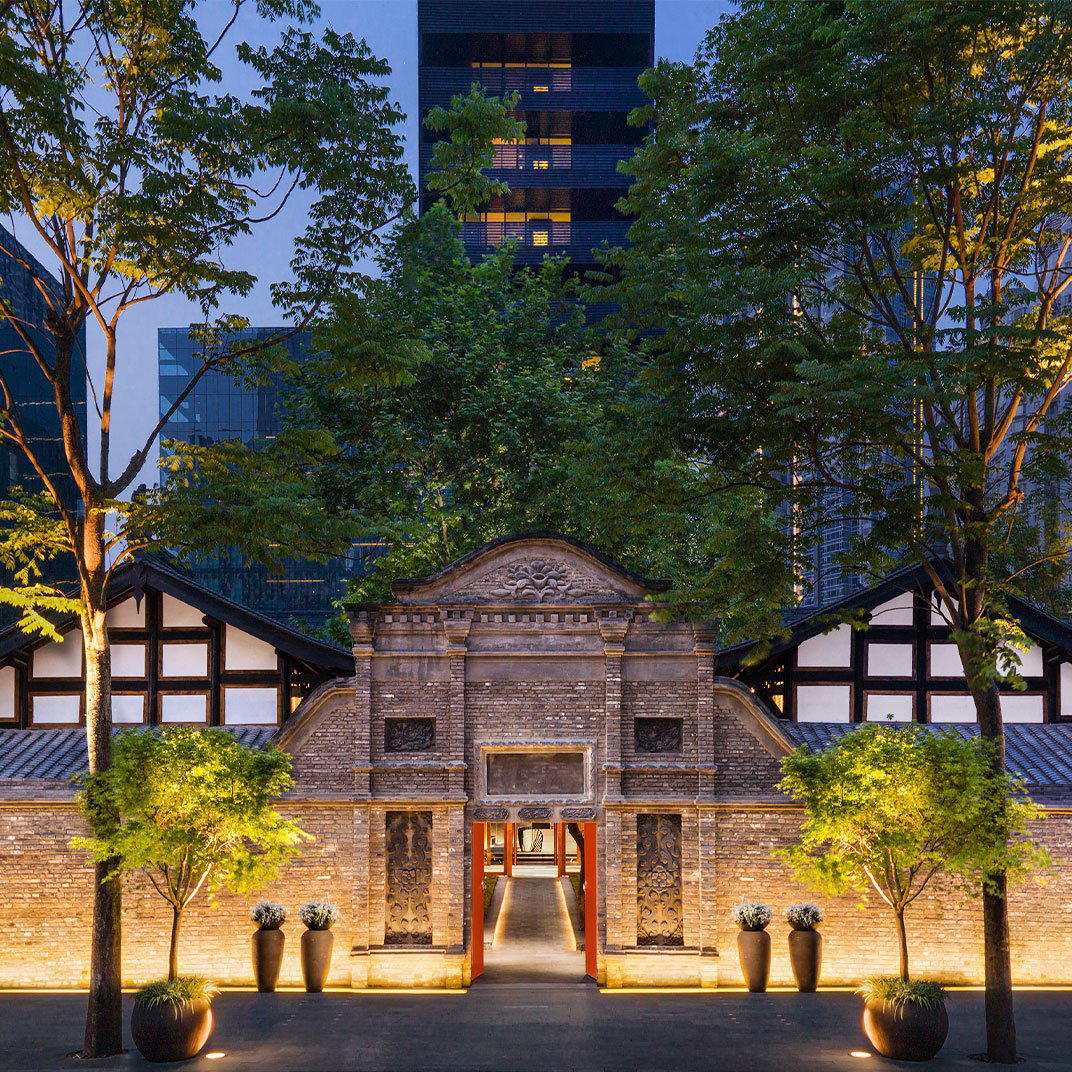
Chaimen Residence sits in Chengdu's Tongzilin district, a residential pocket in Wuhou that has quietly accumulated some of the city's most considered dining addresses. The name translates loosely to 'door of residence,' signalling an approach rooted in private-house intimacy rather than restaurant spectacle — a format that has gained traction across China's premium dining tier as alternatives to banquet-hall formality.

Pearl is the En Primeur Club membership app — saves, bookings, and concierge access live there. Same editors, same standards.
- Address
- China, Sichuan, Chengdu, Wuhou District, Tongzilin E Rd, 10å·é2å· é®æ¿ç¼ç
- Phone
- +862885159911
- Website
- chaimencanyin.com
- Directions
- Get directions
The menu
What to order
- Mapo tofu with diced Angus beef
- Kung pao short ribs
- Minced chicken silken tofu (ji dou hua)
Tongzilin and the Architecture of Intimate Dining in Chengdu
Chengdu's dining scene divides along a fault line that most visitors never quite locate: on one side, the rowdy, fluorescent-lit mala hotpot halls and street-level Sichuan canteens that define the city's global reputation; on the other, a quieter tier of residence-format restaurants operating in converted homes and low-key compounds across Wuhou and Jinjiang districts. Chaimen Residence belongs to the second category. It is located on Tongzilin East Road in Wuhou, a tree-lined corridor that has attracted private dining rooms and chef-led projects precisely because it sits apart from the high-traffic commercial strips where theatrical presentation tends to dominate over culinary intent.
The 'chaimen' framing — the closed gate, the bounded courtyard, the idea of dining as entry into a private household — is not incidental. It positions the restaurant within a Chinese hospitality tradition that treats meal structure as a form of host-guest ritual, where the sequence of dishes carries social meaning beyond flavour alone. That tradition is more legible in cities like Hangzhou (see Ru Yuan in Hangzhou) and Suzhou (see Pingjiangsong in Suzhou), where private-dining culture has deep historical roots, but it is increasingly present in Chengdu as the city's upper dining tier matures.
Menu Architecture: How the Structure Signals Intent
In Chengdu's premium tier, the most revealing thing about a restaurant is not any single dish but how its menu is sequenced. The city's dominant culinary vocabulary, numbing heat, fermented black beans, doubanjiang, chilli-braised proteins, lends itself to escalation: flavours that build rather than resolve. Residence-format restaurants like Chaimen work against that logic, or at minimum reframe it. The closed-gate setting implies a curated arc, a host's decisions shaping the meal from arrival to close rather than a printed card that lets guests assemble their own experience.
This structural restraint places Chaimen in a distinct position relative to Chengdu's better-documented premium addresses. Yu Zhi Lan, one of the city's highest-profile tasting-format Sichuan restaurants, operates at ¥¥¥¥ and builds its reputation on a rigorous set menu that reinterprets classical Sichuan techniques with precision. Fang Xiang Jing takes a comparably structured approach within the Sichuan tradition. Chaimen's residential address and name suggest a slightly different register: less the tasting-counter formality of a chef-led progression, more the considered hospitality of a private host who has made decisions on your behalf before you arrived.
Across China's premium private-dining formats, that host-mediated structure tends to produce menus that read as a series of considered judgements rather than a showcase. The difference is subtle but meaningful: a showcase menu proves technique; a host menu demonstrates taste. The distinction maps onto how Fu He Hui in Shanghai operates within its vegetarian framework, or how Chef Tam's Seasons in Macau balances Cantonese precision with editorial restraint. In each case, the format implies that someone upstream has already done the work of curation.
Wuhou Context: A District That Rewards Slower Attention
Wuhou District is not Chengdu's most-visited dining corridor, that distinction belongs to the Kuanzhai Alley zone and the Chunxi Road commercial belt further north. But Wuhou, and Tongzilin specifically, has accumulated a density of considered, lower-profile addresses that reward visitors willing to move beyond the obvious itinerary. The residential character of Tongzilin East Road means that restaurants here operate without the foot-traffic buffer that sustains noisier commercial venues; they tend to build clientele through word-of-mouth and repeat visits, which selects for a specific kind of operator.
That neighbourhood logic is visible across Chengdu's premium tier. Xin Rong Ji, the Taizhou-cuisine specialist, operates at ¥¥¥¥ and has built a following among diners who treat ingredient sourcing as a primary criterion. Fu Rong Huang and Hokkien Cuisine represent the city's appetite for regional Chinese traditions outside the Sichuan mainstream. Chaimen's positioning in Wuhou places it among addresses where the dining experience is shaped more by considered intent than by scale or spectacle. For a fuller orientation across Chengdu's dining registers, our full Chengdu restaurants guide maps the city's key corridors and price tiers.
The Broader Pattern: Private Dining Formats Across Chinese Cities
The residence-format restaurant has become one of the more consequential structural innovations in Chinese premium dining over the past decade. Where earlier luxury dining defaulted to the large round-table banquet room, the newer private-dining model fragments that experience into smaller, more controlled settings: six to twelve guests, a fixed or semi-fixed menu, a setting that reads as domestic rather than institutional. The format has been adopted differently depending on city character. In Beijing, addresses like Xin Rong Ji on Xinyuan South Road combine ingredient-focused menus with formal service. In Nanjing, Dai Yuet Heen operates within a hotel context but with a similarly controlled, curated approach. In Fuzhou, Wenru No.9 signals regional culinary identity through architectural and menu restraint.
Chengdu's version of this format is shaped by the city's culinary dominance: any restaurant operating in a private-house register here must either engage with Sichuan tradition directly or consciously position itself against it. Chaimen's name and address suggest the former, an embrace of local intimacy rather than a departure from it. That is a narrower and arguably more honest position than the hybrid formats that attempt to split the difference between Sichuan intensity and fine-dining neutrality.
For comparison outside China, the structural logic of host-mediated menus in intimate settings appears in formats as different as Lazy Bear in San Francisco, which operates as a dinner-party format with a fixed communal progression, and the controlled tasting structures at Le Bernardin in New York City, where the menu sequence is designed to guide rather than offer. The common thread is editorial intent: someone has decided the order of things, and the diner's role is to follow rather than assemble. In Chengdu's context, that represents a meaningful departure from the city's prevailing choose-your-own hotpot culture, and a deliberate one.
Planning a Visit
Chaimen Residence is located at 10 Tongzilin East Road in Wuhou District. The address sits in a residential stretch that is easier to reach by taxi or ride-hailing app than on foot from the nearest metro stop; Chengdu's Gaoxin zone and Tongzilin interchange are the closest transit reference points. For current opening hours, pricing, and reservation availability, direct contact with the venue is necessary, phone and online booking details are not centrally listed, which is consistent with the private-dining format's preference for direct, relationship-mediated access. Visitors planning around Chengdu's broader premium dining circuit should note that this tier of address tends to require advance booking, particularly on weekends, and that the Wuhou cluster rewards a half-day approach combining lunch or dinner with exploration of the surrounding residential streets. Also worth noting: Fleurs Et Festin in Xiamen and Imperial Treasure Fine Chinese Cuisine in Guangzhou offer useful reference points for how the private-dining and premium Chinese formats operate in other southern cities, should you be building a broader China itinerary around this tier of experience.
Frequently asked questions
Where exactly is Chaimen Residence?
Chaimen Residence is located at China, Sichuan, Chengdu, Wuhou District, Tongzilin E Rd, 10å·é2å· é®æ¿ç¼ç , Chengdu.
How does the residence-format dining model at Chaimen Residence differ from a conventional Chengdu restaurant?
Chaimen Residence operates from a residential address on Tongzilin East Road in Wuhou District rather than a commercial dining strip, which signals a deliberate departure from Chengdu's high-volume restaurant culture. Where most Chengdu dining rooms are designed for rapid turnover and walk-in traffic, the residence model typically serves a fixed number of guests per sitting with a predetermined menu structure. This format, increasingly adopted across Beijing, Shanghai, and Chengdu over the past decade, trades visibility for control — over pacing, ingredient sourcing, and the overall arc of the meal.
What's the best thing to order at Chaimen Residence?
In a residence-format venue like Chaimen Residence on Tongzilin East Road, the menu sequence is typically curated by the house rather than assembled à la carte by the guest. The coherent approach is to follow the set progression rather than requesting individual dishes, as the structure itself communicates the kitchen's intent. Wuhou District's premium dining culture leans toward Sichuan tradition interpreted through restraint, so expect the sequencing to reflect that context.
What's the best way to book Chaimen Residence?
Chaimen Residence does not appear on major international reservation platforms, and no public phone or website is listed — a pattern common to private-dining formats in Chengdu that operate through direct or referral-based contact. The most reliable route is to ask a Chengdu-based hotel concierge with local restaurant connections, or to approach through a Chinese social platform such as WeChat or Xiaohongshu, where many residence-format venues in the city maintain a quiet presence. Arriving at 10 Tongzilin East Road without a prior arrangement is unlikely to secure a seat.
Accolades, Compared
| Venue | Cuisine | Price | Awards | Notes |
|---|---|---|---|---|
| Chaimen ResidenceThis venue — the venue you are viewing | Modern Sichuan Fine Dining | $100–150 | Not listed | Not listed |
| Xin Rong Ji | Chinese | Not listed | 2 Michelin Stars · World's 50 Best #56 | Taizhou |
| Yu Zhi Lan | Modern Sichuan Fine Dining | $200–300 | 2 Michelin Stars · La Liste Top Restaurants | Sichuan |
| Mi Xun Teahouse | Modern Vegetarian Sichuan Chinese | $30–50 | 1 Michelin Star | Vegetarian |
| Chen Mapo Tofu (Qinghua Road) | Authentic Sichuan Mapo Tofu | $10–20 | Michelin Bib Gourmand | Not listed |
| Co- | Modern French Tasting Menu | $150–200 | 1 Michelin Star · World's 50 Best #69 | Not listed |
Details
- Elegant
- Sophisticated
- Modern
- Minimalist
- Intimate
- Special Occasion
- Date Night
- Business Dinner
- Private Dining
- Farm To Table
- Local Sourcing
- A La Carte
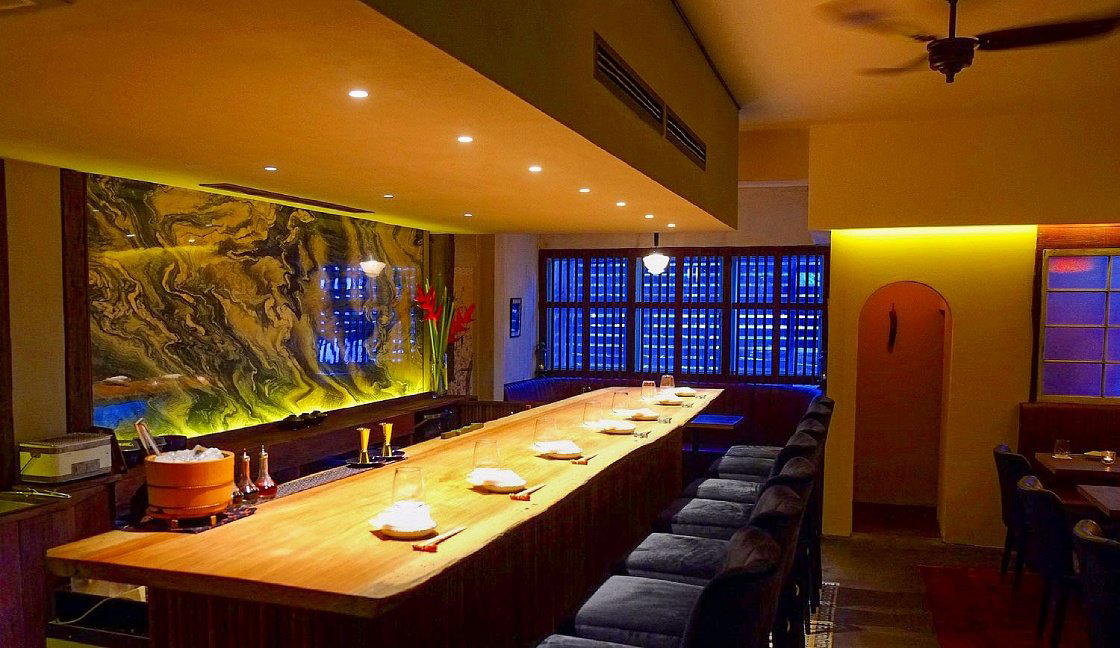
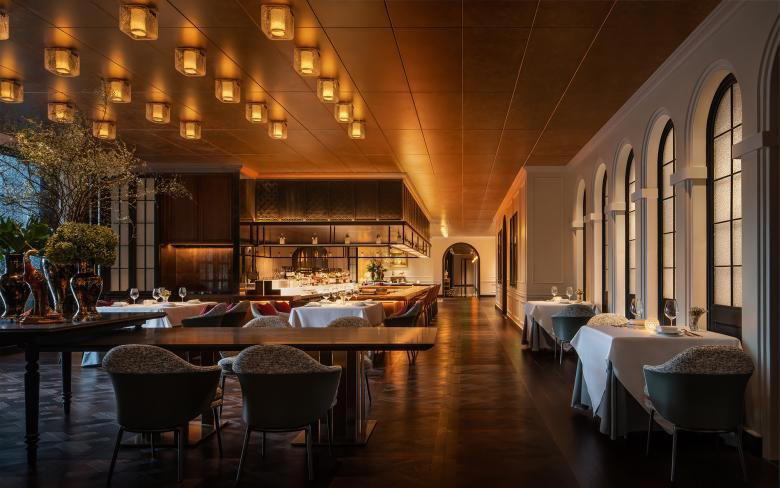
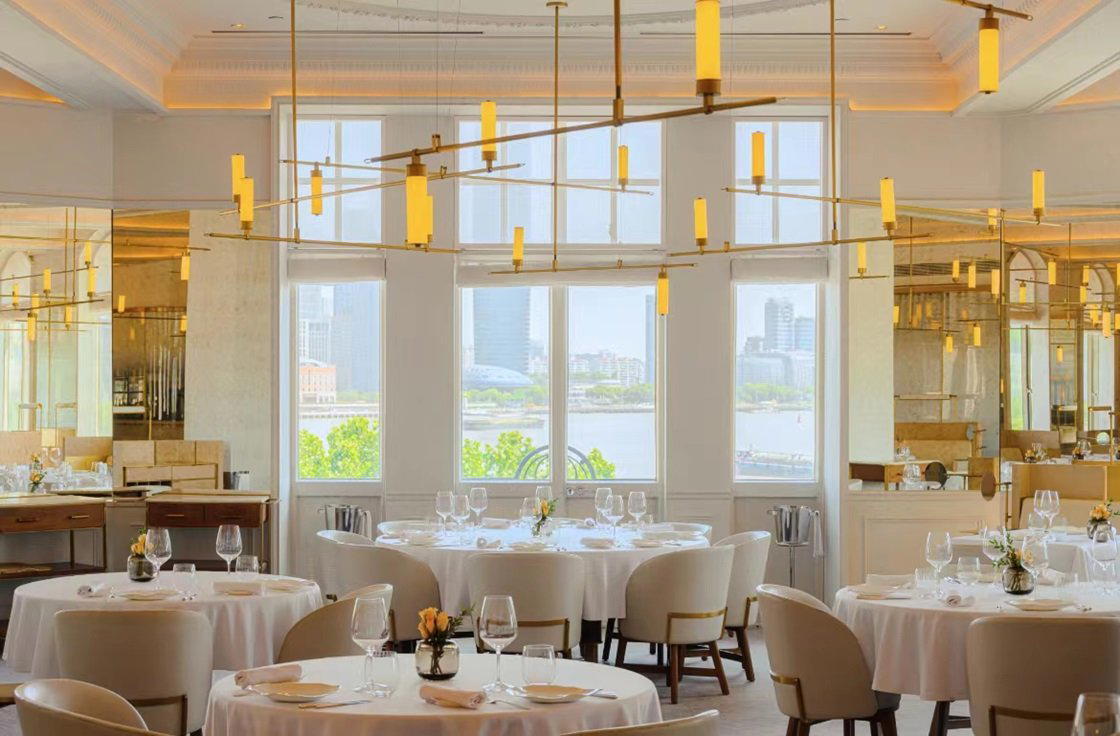
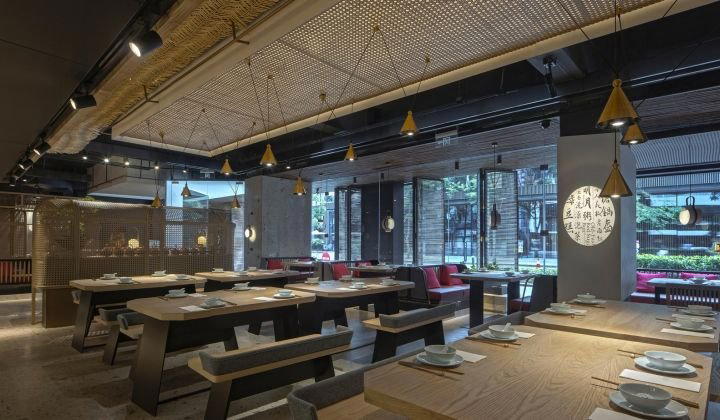
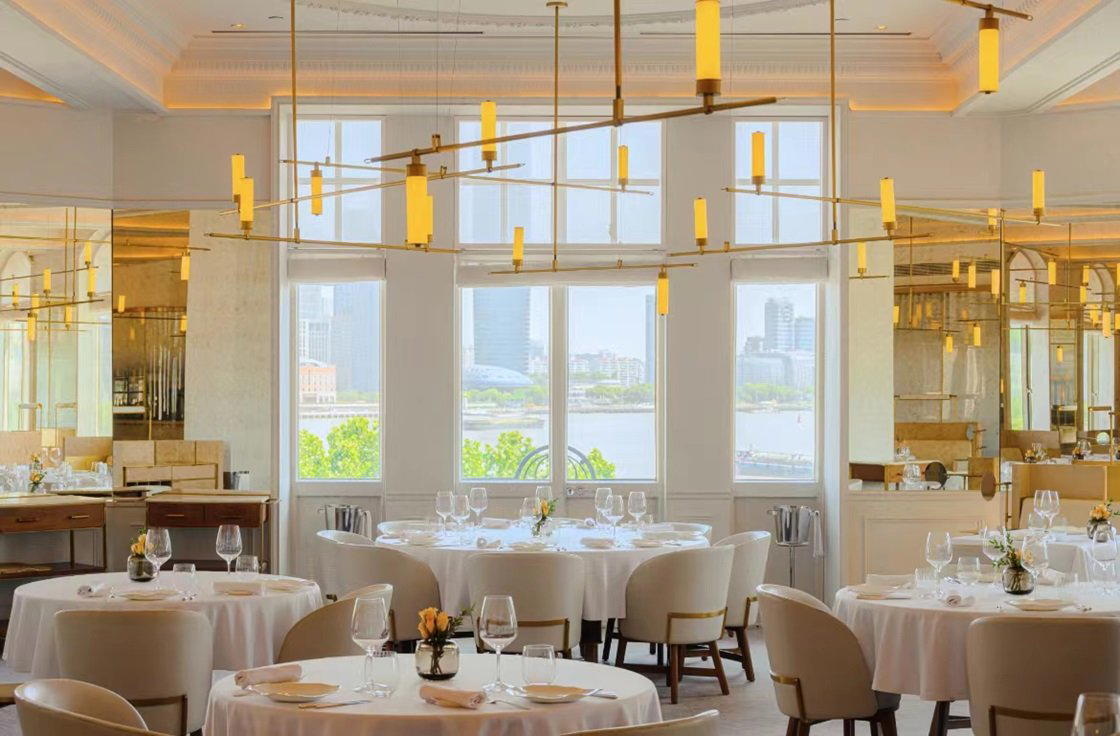
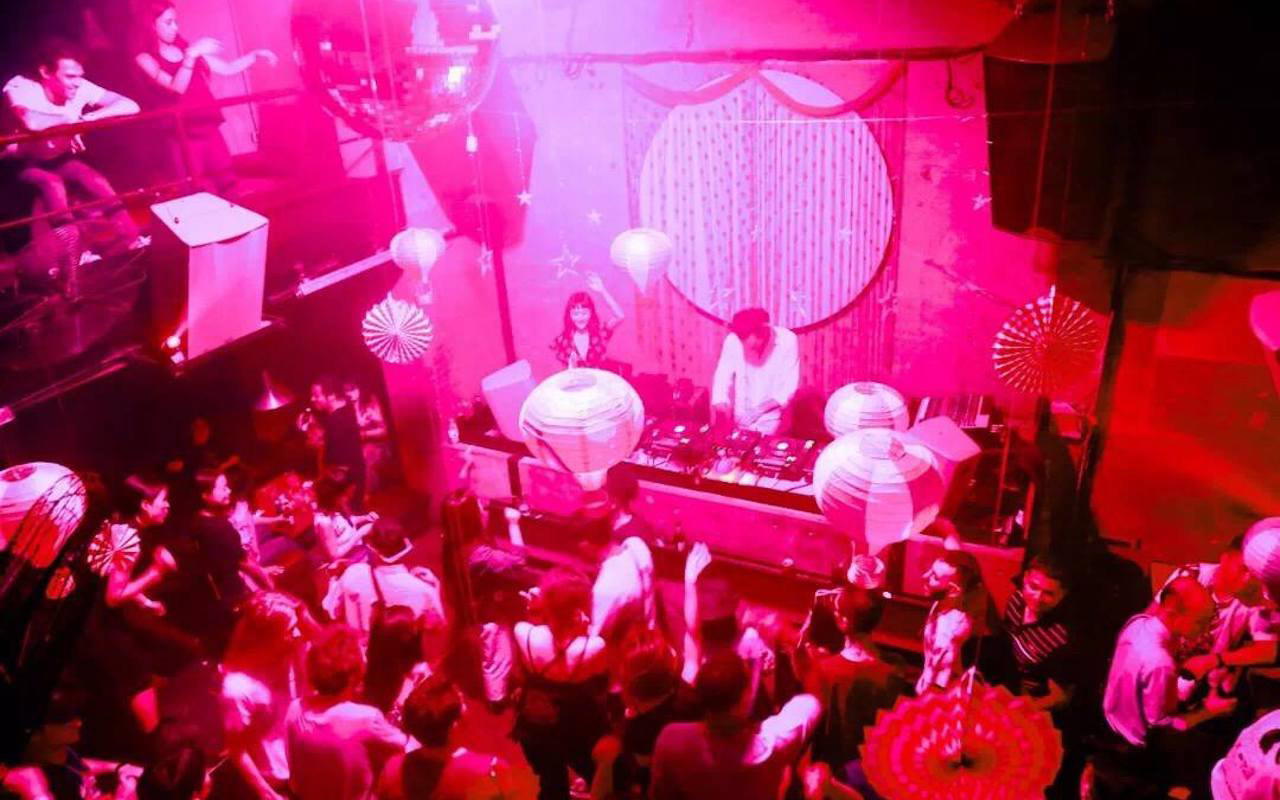
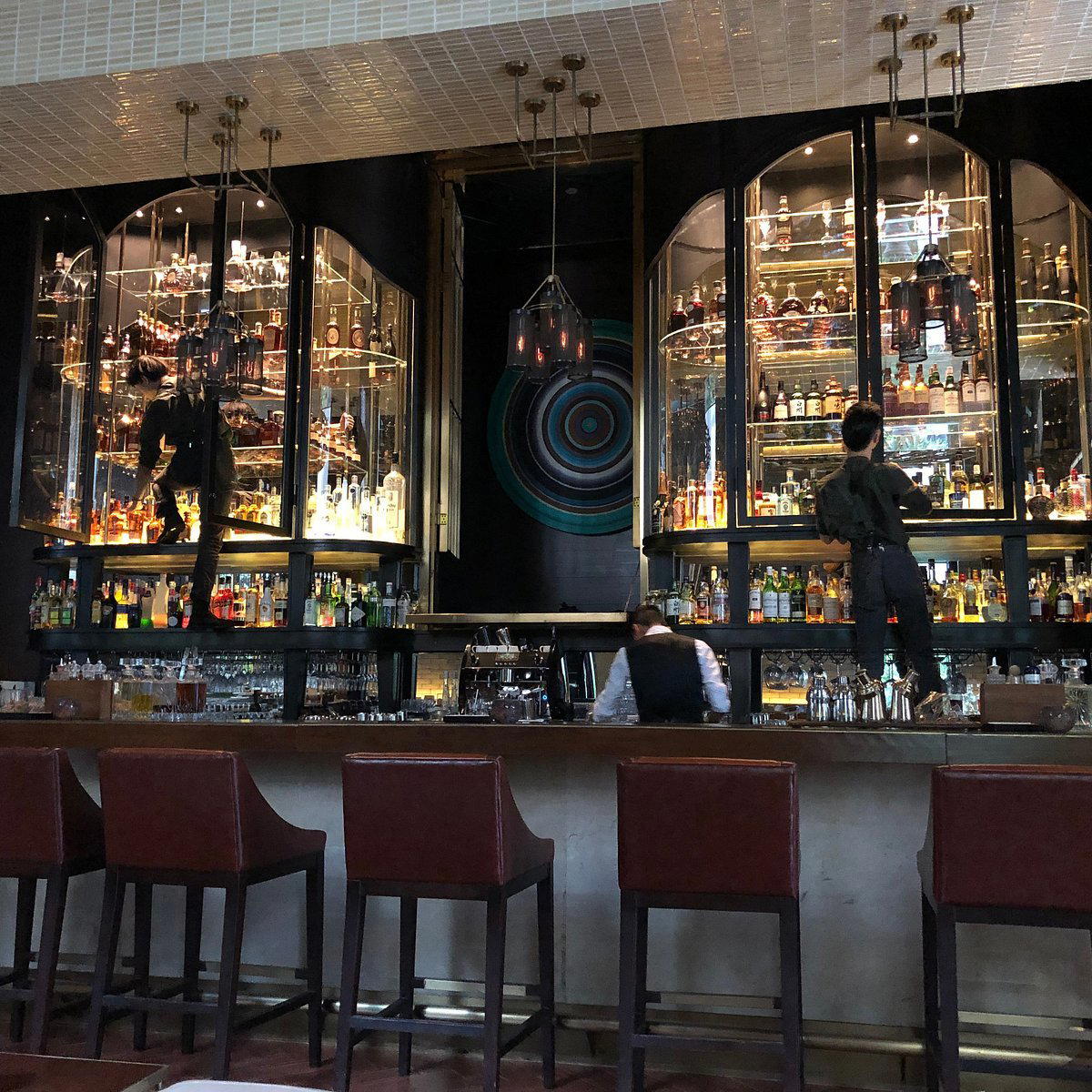
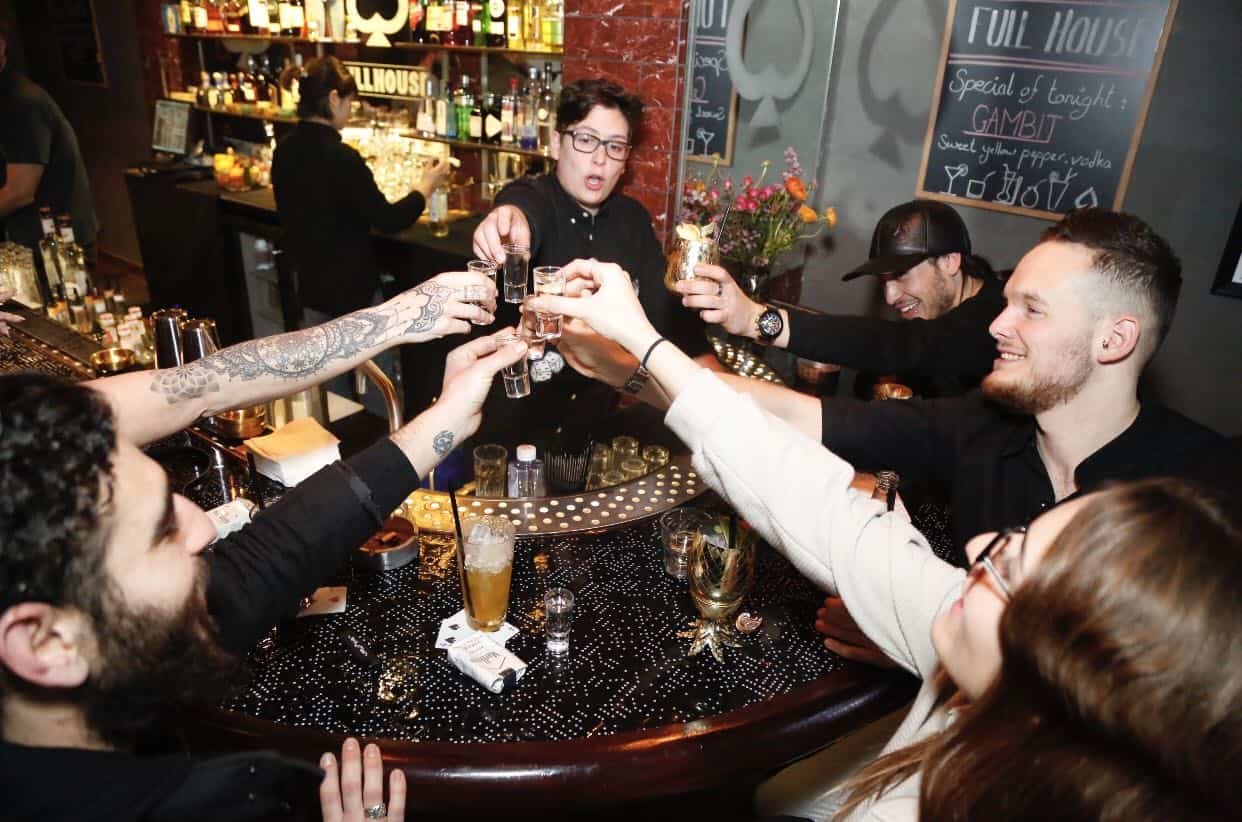
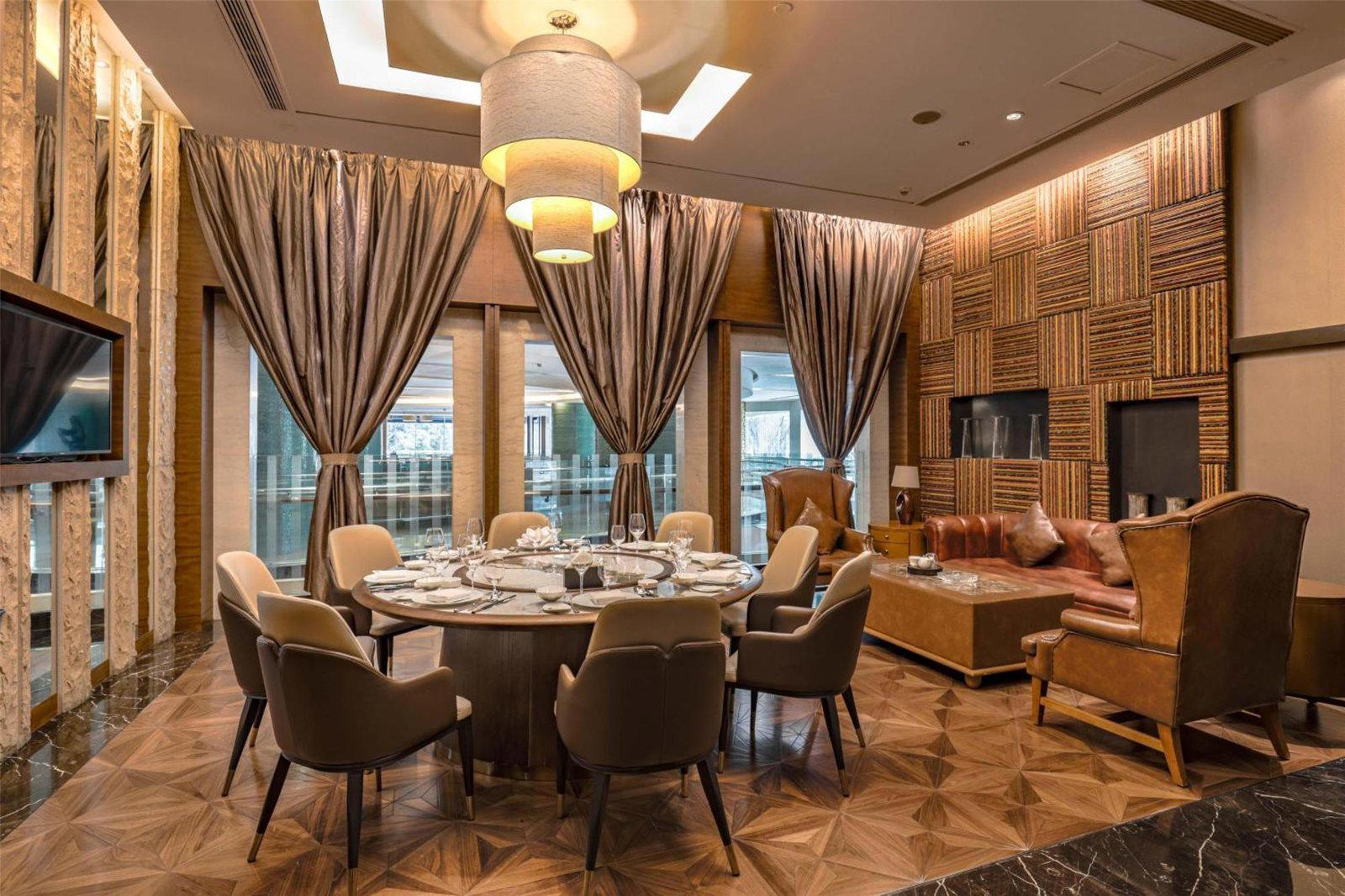
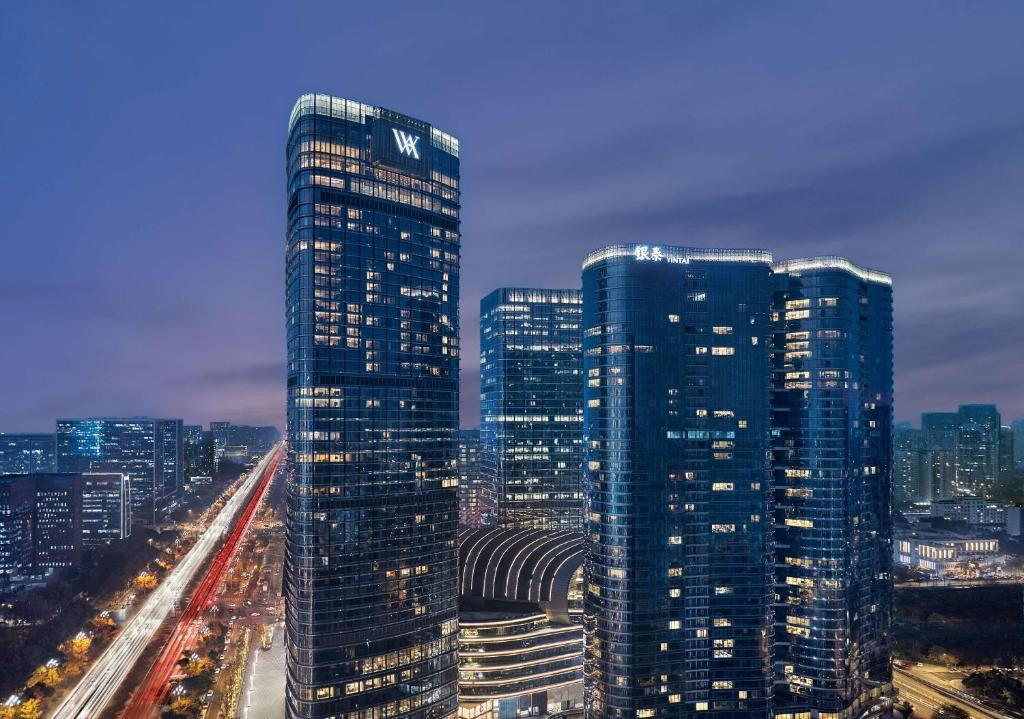
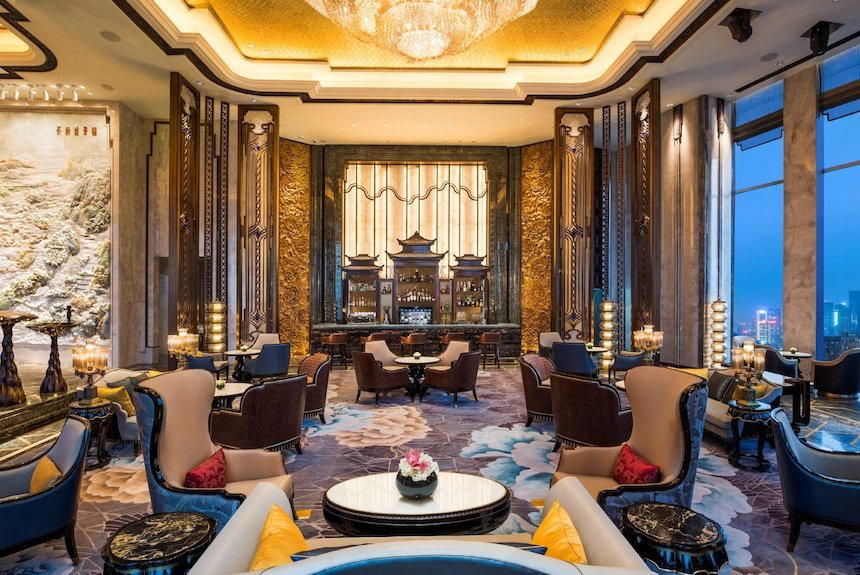
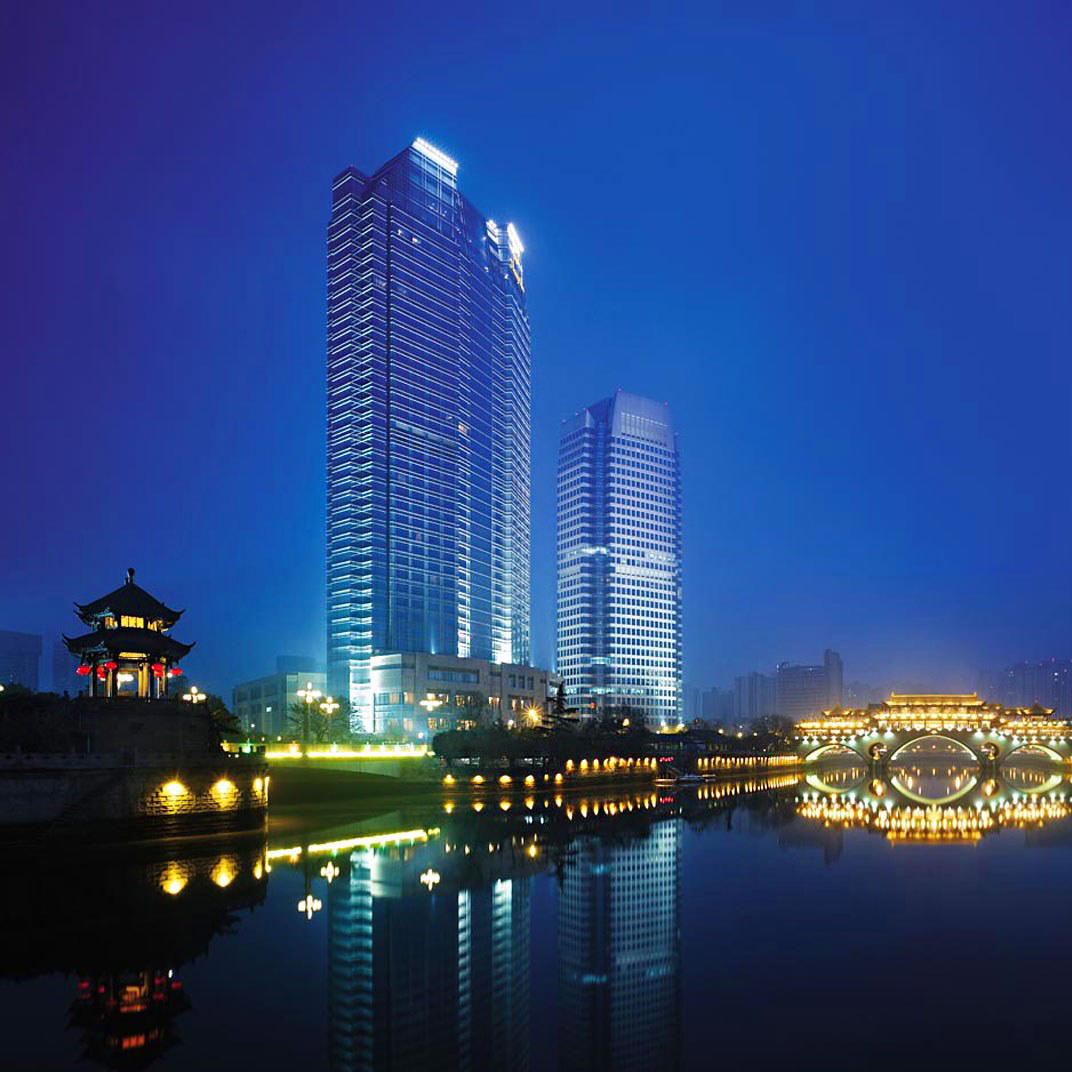
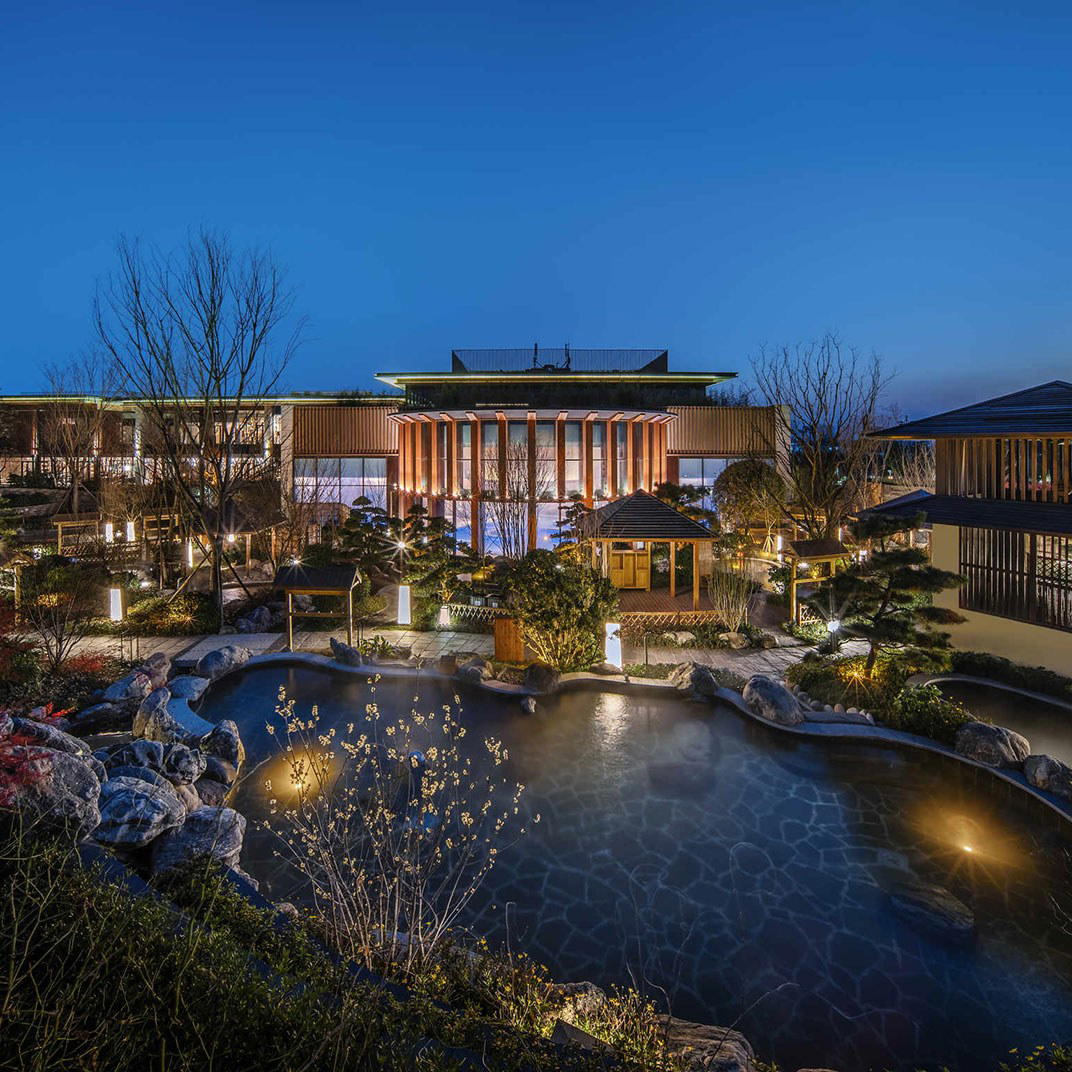
Understated luxurious vibe with hushed tones, tactile textures, and elegant restraint in a modern minimalist dining room.