Celeiro
On Rua Dias Ferreira, Leblon's most debated dining strip, Celeiro has built a reputation on the kind of ingredient-first cooking that the neighbourhood's more formal competitors rarely attempt. The format is deliberately casual, the sourcing is not. For visitors tracking Rio's shift toward produce-led, market-driven dining, it sits at an instructive point in that conversation.
Pearl is the En Primeur Club membership app — saves, bookings, and concierge access live there. Same editors, same standards.
- Address
- Rua Dias Ferreira, 199 - Leblon, Rio de Janeiro - RJ, 22431-050, Brazil
- Phone
- +55 21 2274 7843
- Website
- celeiroculinaria.com.br
- Directions
- Get directions
 Saves & bookings on Pearl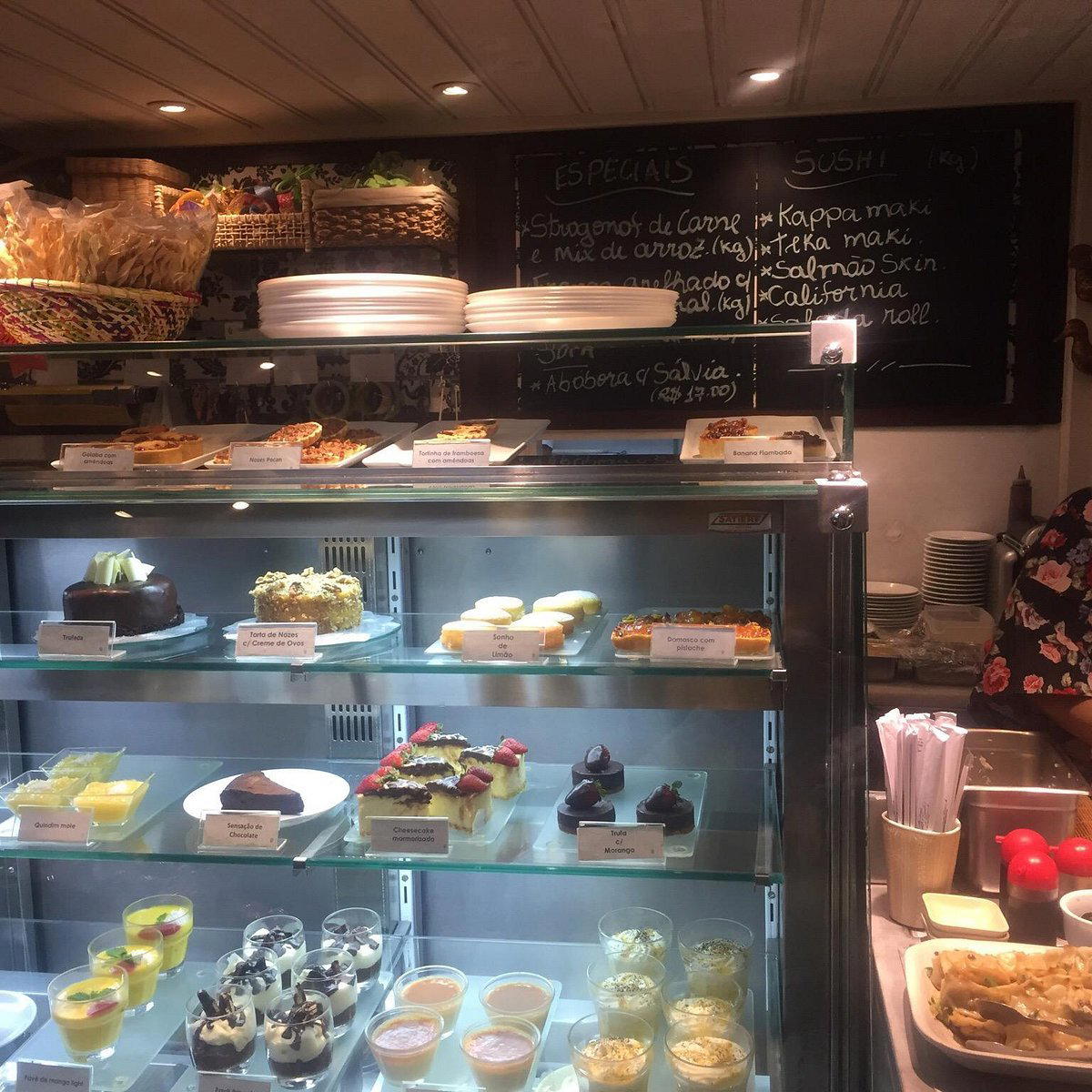
Where Leblon's Market Logic Meets the Plate
Rua Dias Ferreira is Rio de Janeiro's most concentrated stretch of serious eating, a single block in Leblon where restaurants compete at close quarters and the clientele notices quickly when something slips. The street draws the kind of diner who reads menus carefully, and the places that last here tend to earn that attention through consistency rather than spectacle. Celeiro, at number 199, focuses on sourcing before cooking begins.
Brazilian produce-led dining has gathered real momentum over the past decade, influenced in part by the wider conversation happening at restaurants like Lasai and Oteque, both of which have brought ingredient provenance into the foreground of their tasting menus. Celeiro operates at a different register, less formal and more accessible, but the underlying argument is the same: the quality of what you eat is determined before a pan is lit.
The Sourcing Argument, Made Edible
Brazil's agricultural range is broad and varied. The country produces ingredients that rarely surface in its own fine dining rooms. Rio has seen a stronger focus on traceable produce in recent years. Celeiro fits that market-and-supplier logic in Rio's Zona Sul.
The format at Celeiro skews toward lighter preparations, with vegetables, grains, and salads carrying weight that heavier meat-centred plates typically monopolise in Brazilian restaurant culture. This reflects a sourcing philosophy in which the integrity of the ingredient determines the menu. It reflects a sourcing philosophy in which the integrity of the ingredient determines the menu, rather than the menu determining what gets ordered from a supplier. In practical terms, it means the kitchen has less to hide behind, and the produce has to perform.
For context on how this sits within Rio's wider scene, the fine-dining end of the market, represented by places like Oro and the Italian-accented Cipriani, makes different sourcing claims and operates at a higher price point with a more formal service register. Casa 201 brings a French sensibility to a similar Leblon audience. Celeiro occupies a position between those formal rooms and the neighbourhood's more casual lunch trade, with ambitions that align it closer to the former even if the atmosphere reads closer to the latter.
The Room and the Rhythm
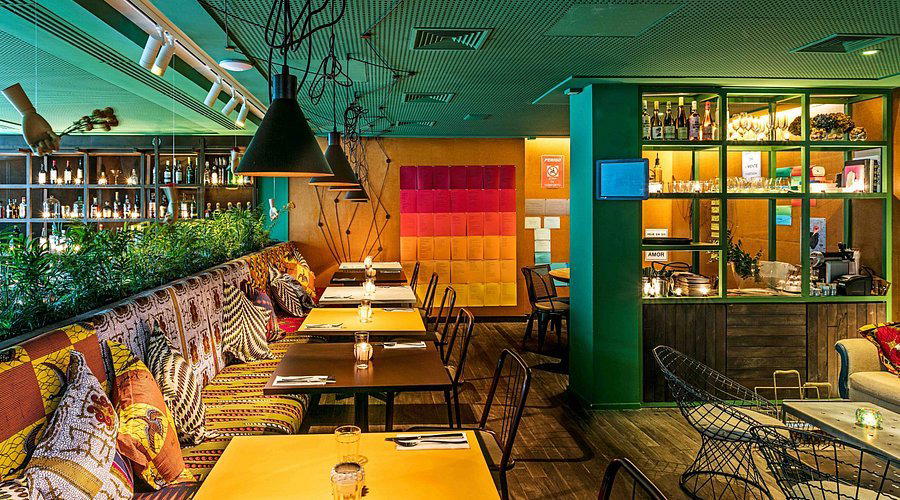
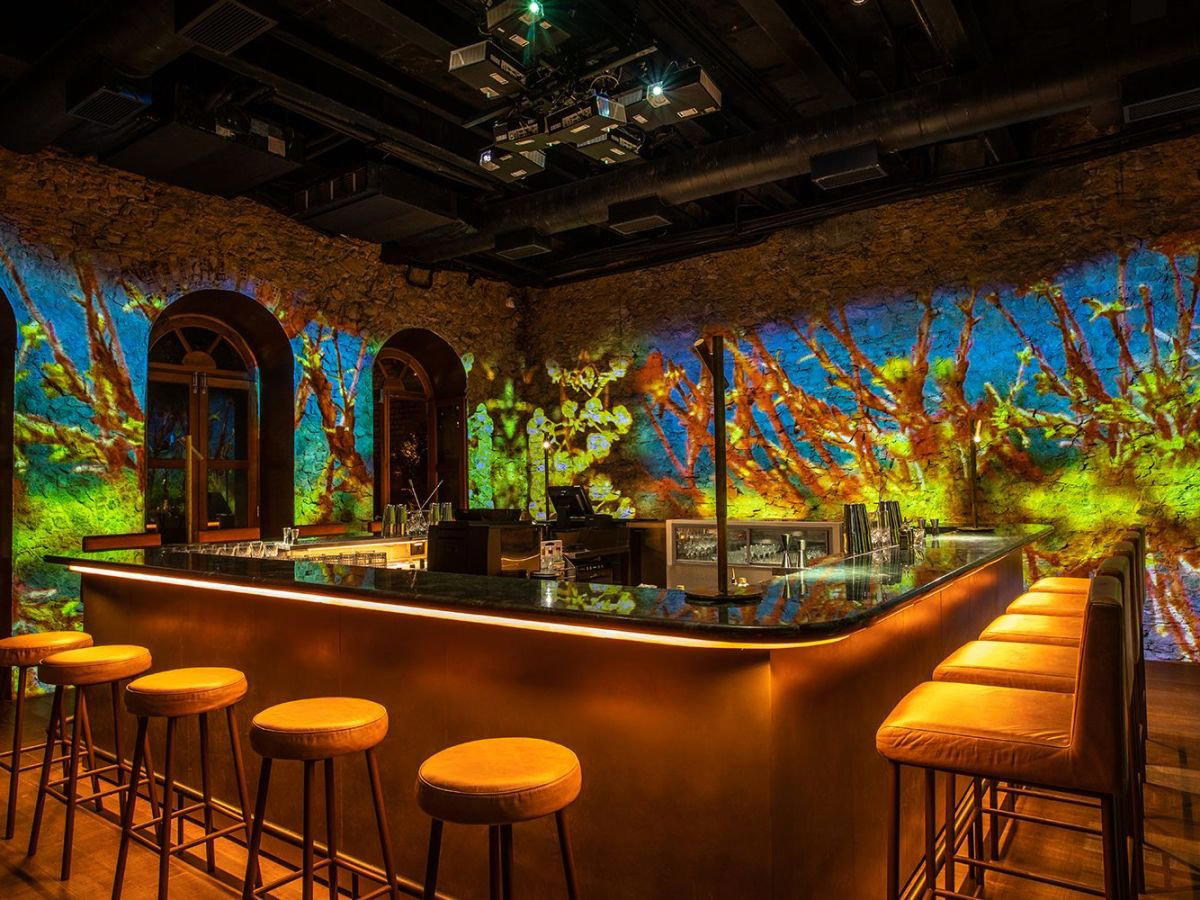
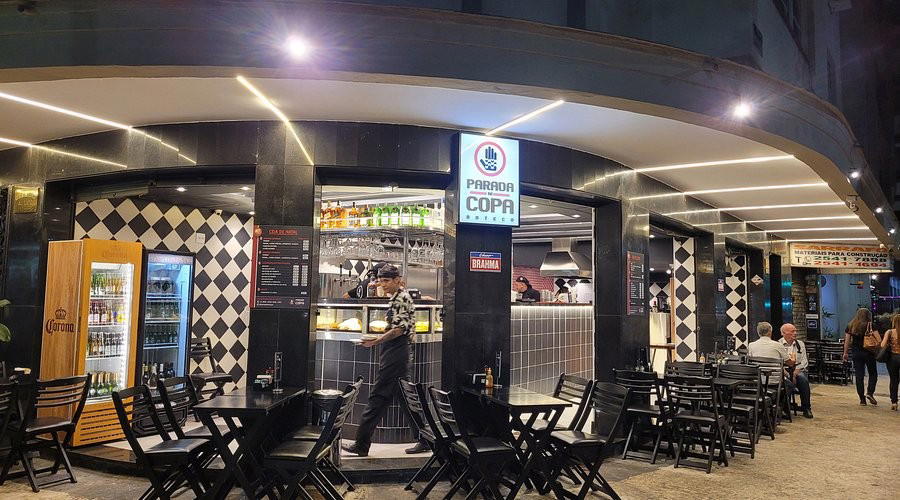
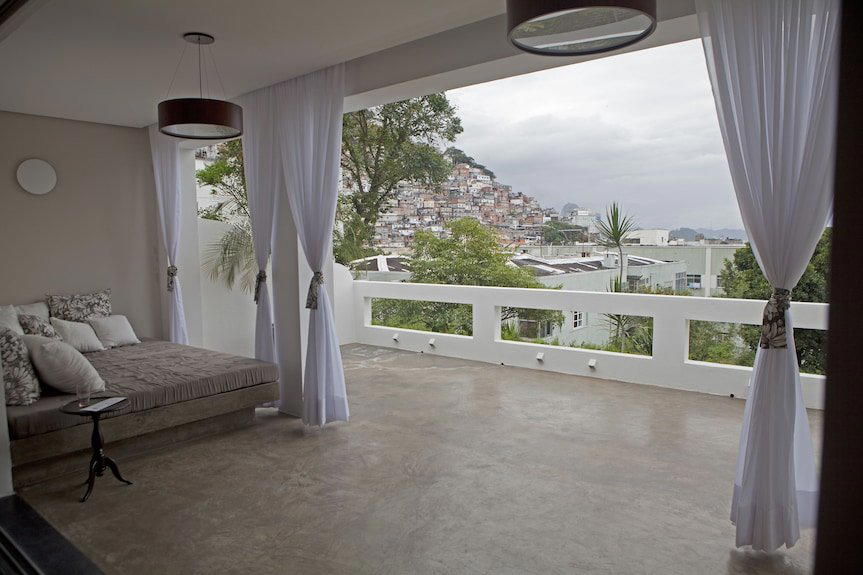
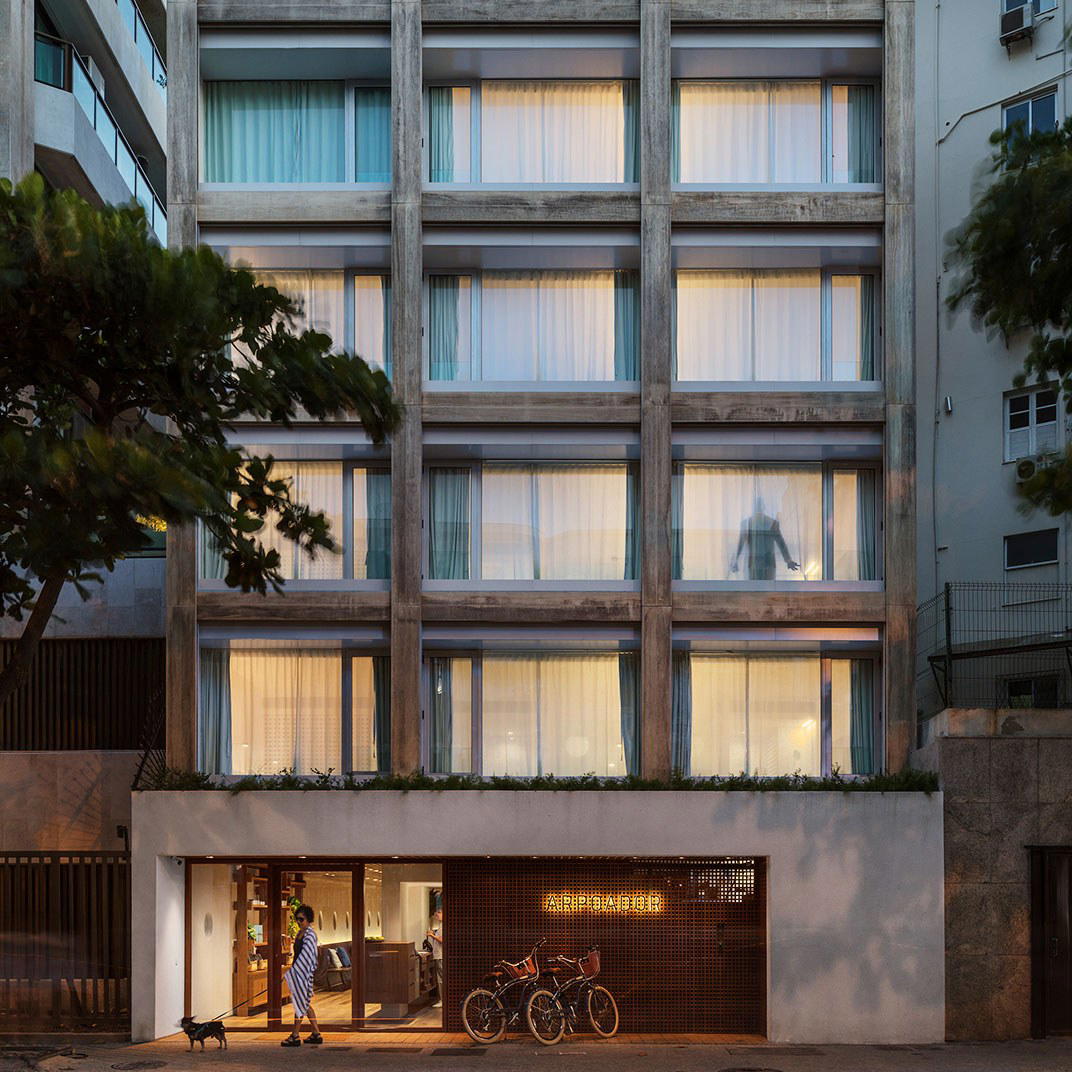
The physical experience of Celeiro fits the character of Leblon itself: comfortable without being showy, and busy at lunch. The neighbourhood runs on a daytime rhythm, and Celeiro draws that crowd, particularly at lunch when the sourcing-forward menu aligns with how the area eats when it is not performing for a special occasion. The space reads as a deliberate counter to the white-tablecloth register that still dominates Rio's most expensive dining rooms, without tipping into the self-conscious casualness that some produce-led restaurants use as aesthetic branding.
The same ingredient-first thinking driving Rio's better kitchens is visible across Brazil's more serious regional scenes. D.O.M. in São Paulo made the sourcing of Amazonian and native Brazilian ingredients a central part of its identity long before it became a broader trend. Manu in Curitiba and Manga in Salvador each operate with a similar producer-first logic in different regional registers. Orixás in Itacaré and Birosca S2 in Belo Horizonte extend that conversation into smaller markets. Celeiro's contribution is to make that argument in one of Rio's highest-profile neighbourhoods, at a price point that brings it within reach of a wider audience than the tasting-menu rooms can claim.
Celeiro sits on Rua Dias Ferreira, 199, in Leblon, one of Rio's most walkable upscale neighbourhoods and direct to reach from Ipanema or by taxi from the broader Zona Sul. The format suits lunch particularly well, when the produce-driven menu aligns with the neighbourhood's natural pace. For visitors building a broader Rio itinerary, the street is easy to explore on foot.
Side-by-Side Snapshot
Comparable venues nearby, for context on price, style, and recognition.
| Venue | Cuisine | Price | Notes |
|---|---|---|---|
| CeleiroThis venue — the venue you are viewing | Organic Brazilian Buffet | $$$ | Not listed |
| Puro | Contemporary Brazilian | $$$ | Jardim Botânico |
| Zazá Bistrô Tropical | Tropical Brazilian Fusion Bistro | $$$ | Ipanema |
| . Org Bistrô | Modern Organic Vegetarian Bistro | $$$ | Itanhangá |
| COLTIVI ☕️Café & 🍕Pizzaria | Italian Pizza Café | $$$ | Humaitá |
| Casa Que Doce | Brazilian Bakery & Cafe | $$ | Urca |
Continue exploring
More in Rio de Janeiro
Restaurants in Rio de Janeiro
Browse all →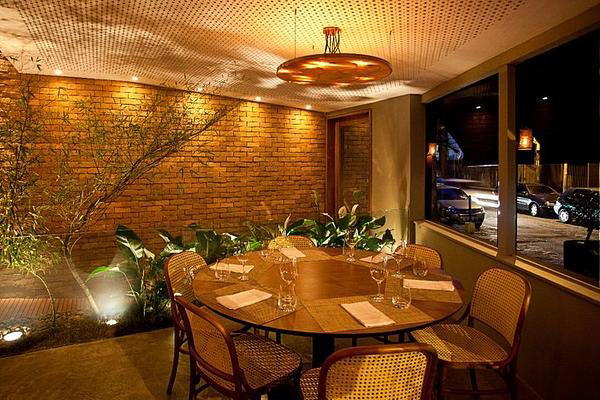
Bars in Rio de Janeiro
Browse all →



At a Glance
- Cozy
- Modern
- Casual Hangout
- Organic
- Local Sourcing
Current opening hours
- Monday
- 9 AM–4 PM
- Tuesday
- 9 AM–4 PM
- Wednesday
- 9 AM–4 PM
- Thursday
- 9 AM–4 PM
- Friday
- 9 AM–4:30 PM
- Saturday
- 9 AM–4:30 PM
- Sunday
- Closed
Hours can change for holidays and private events. Last verified .
Casual but smart atmosphere with indoor and outdoor seating, appealing to health-conscious diners.