COLTIVI ☕️Café & 🍕Pizzaria

A café and pizzeria on Rua Conde de Irajá in Botafogo, COLTIVI occupies a neighbourhood that has repositioned itself over the past decade from residential backstreet to one of Rio's more considered dining corridors. The dual format, coffee bar and pizza, reflects a wider pattern in the city's casual dining scene where single-concept venues are giving way to hybrid operations that anchor a local block across different hours.
Pearl is the En Primeur Club membership app — saves, bookings, and concierge access live there. Same editors, same standards.
- Address
- Rua Conde de Irajá, 53 - Botafogo, Rio de Janeiro - RJ, 22271-020, Brazil
- Phone
- +5521965325353
- Directions
- Get directions
 Saves & bookings on Pearl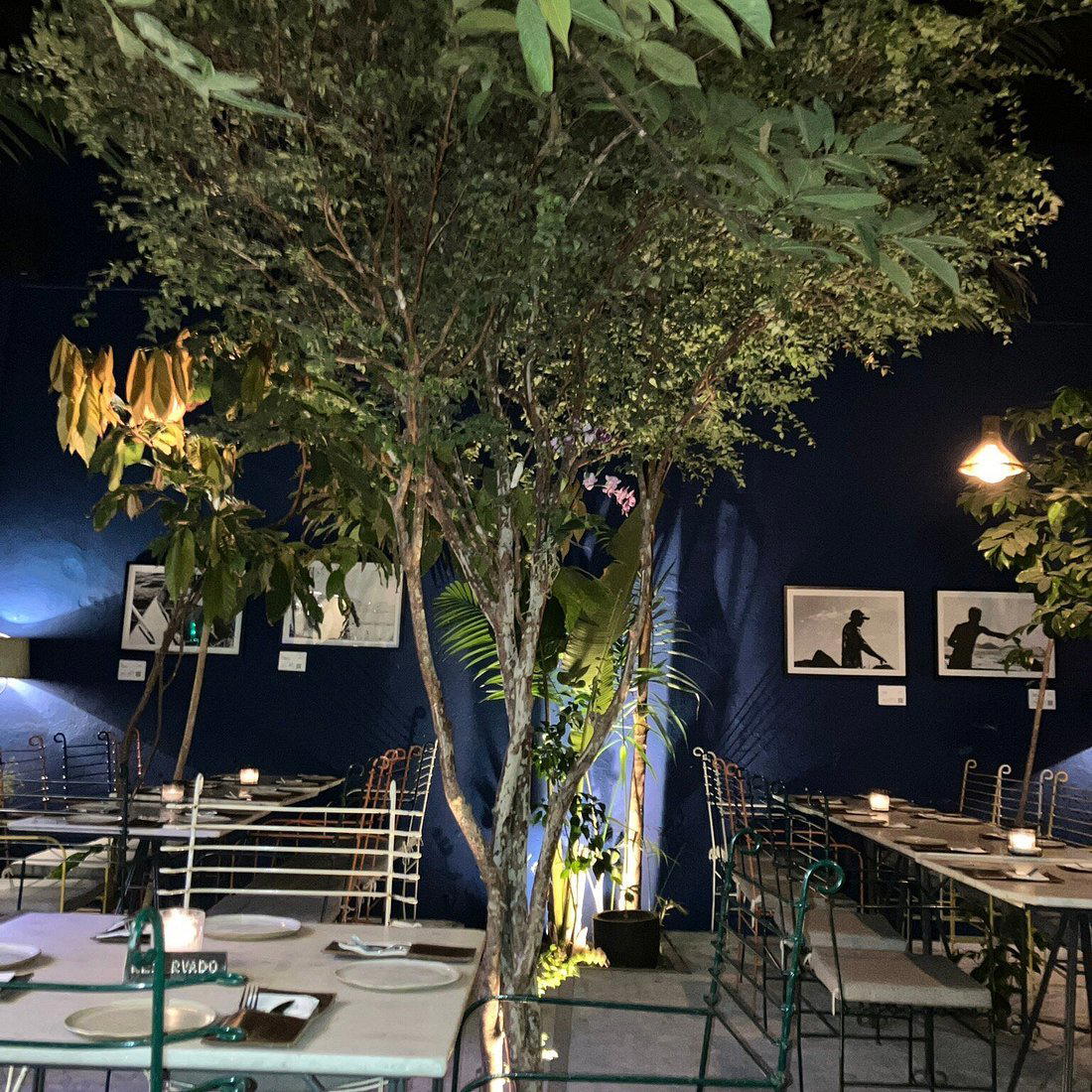
Botafogo's Shifting Casual Register
That geography has been redrawn. Rua Conde de Irajá and the streets running off it now carry a different weight: independent cafés with considered coffee programs, pizza operations that move well past the thin-crust tourist formula, and hybrid venues that function as both morning anchor and evening destination. COLTIVI, at number 53 on that street, sits squarely inside this repositioning.
The dual-format model, café and pizzaria under one address, is less a novelty in Rio now than it was five years ago. Morning coffee traffic and an evening pizza counter share infrastructure, split the rent burden, and, when executed with consistency, build the kind of neighbourhood loyalty that a single-daypart operation finds harder to sustain. It is the same logic driving hybrid formats across Latin American cities, from São Paulo's Vila Madalena corridor to the bakery-bar combinations appearing in Buenos Aires' Palermo Soho.
The Café-to-Pizzeria Arc in Rio's Casual Scene
Rio's café culture spent a long period in a holding pattern. Espresso was serviceable but rarely the point, and the city's real coffee geography lived in the padaria tradition, the neighbourhood bakery with a standing counter and a queue that moved fast. The shift toward specialty coffee, slower extraction methods, and café spaces designed for longer stays came later to Rio than to São Paulo.
Pizza in Rio has its own arc. The city's pizza tradition was never as codified as São Paulo's, where Neapolitan influence and Italian immigration created a distinct and fiercely debated local style. Rio's pizza scene was historically more permissive and less serious, which left more room for operators willing to move in a different direction. The current generation of Rio pizzerias ranges from wood-fired Neapolitan interpretations to Roman-style al taglio operations, with the better addresses drawing on training, sourcing discipline, and fermentation attention that would have been unusual in the city's casual segment even eight years ago.
COLTIVI's positioning within this arc matters. A café-pizzeria on a Botafogo side street in the mid-2010s would have been a different proposition from what it represents now, when the neighbourhood's dining credibility is established and the customer base expects more from both the coffee and the dough. The evolution of the surrounding area has effectively raised the baseline expectation against which any venue on that block is measured.
Where COLTIVI Sits in the Botafogo Tier
Botafogo now runs a spectrum from neighbourhood casual to serious dining. At the formal end, Rio's highest-profile kitchens, including Lasai and Oteque, operate at price points and reservation pressures that place them in a different category entirely. Oro, Casa 201, and Cipriani represent the city's Italian-influenced mid-to-upper register. COLTIVI operates below all of that, in the daily-use tier where the competitive set is not the tasting menu counter but the growing number of independent cafés and pizza addresses that have opened across the zona sul in the past five years.
In that daily-use tier, the questions that matter are consistency, sourcing, and whether the space rewards return visits. A hybrid café-pizzeria that holds a regular lunch and dinner crowd on a residential street in Botafogo is doing something that the more celebrated addresses in Rio's dining scene are not attempting. The competitive pressure is horizontal rather than vertical: the comparison is the café two blocks over, not the Michelin-starred kitchen across the city.
Across Brazil more broadly, the casual-end evolution follows recognisable patterns. In São Paulo, D.O.M. sits at the formal apex while the city's neighbourhoods have developed an entire ecosystem of serious casual addresses around it. In Belo Horizonte, Birosca S2 occupies a similar neighbourhood anchor role. The café-pizzeria hybrid that works well in its local context, without pretension and with genuine daily utility, is a harder thing to sustain than a single high-concept format with a reservation list.
Planning a Visit
COLTIVI is on Rua Conde de Irajá, 53 in Botafogo. The address sits in a walkable stretch that rewards arriving with time to spare: the surrounding blocks have enough independent food and drink options to make the area worth exploring at either end of a visit.
Brazil's wider casual dining geography is worth tracking for context: Manga in Salvador, Manu in Curitiba, and Orixás in Itacaré each represent different regional expressions of the same shift toward more considered casual formats that has been reshaping Brazilian dining across the past decade. Further afield, Mina in Campos do Jordão, Primrose in Gramado, and Castelo Saint Andrews in Vale do Bosque show how the pattern extends into the country's southern and highland regions. For international comparison on what a serious casual format looks like at its technical ceiling, Le Bernardin in New York and Lazy Bear in San Francisco represent the formal end of the spectrum that casual-format operators are consciously not competing with. Completing the Brazilian picture: Olivetto in Campinas and State of Espírito Santo in Rio Bananal round out the regional casual register worth knowing.
Reputation First
Comparable venues nearby, for context on price, style, and recognition.
| Venue | Cuisine | Price | Notes |
|---|---|---|---|
| COLTIVI ☕️Café & 🍕PizzariaThis venue — the venue you are viewing | Italian Pizza Café | $$$ | Not listed |
| Grado | Italian Handmade Pasta | $$$ | Jardim Botânico |
| Bráz | Pizza Paulistana | $$$ | Jardim Botânico |
| Alloro | Refined Regional Italian | $$$ | Copacabana |
| Espaço Tano | Contemporary Brazilian Breakfast Buffet | $$$ | Barra da Tijuca |
| Ferro e Farinha | Modern Neapolitan Pizza | $$$ | Ipanema |
Recognition history
Dated appearances from independent guides and award organizations, with the underlying list record or original source where available.
50 Top Pizza Latin America #23
50 Top Pizza
Continue exploring
More in Rio de Janeiro
Restaurants in Rio de Janeiro
Browse all →
Bars in Rio de Janeiro
Browse all →

At a Glance
- Cozy
- Romantic
- Intimate
- Date Night
- Casual Hangout
- Open Kitchen
- Craft Cocktails
Current opening hours
- Monday
- Closed
- Tuesday
- Closed
- Wednesday
- 9 AM–5 PM, 6–11 PM
- Thursday
- 9 AM–5 PM, 6–11 PM
- Friday
- 9 AM–5 PM, 6 PM–12:30 AM
- Saturday
- 9 AM–5 PM, 6 PM–12:30 AM
- Sunday
- 9 AM–3 PM, 6–11 PM
Hours can change for holidays and private events. Last verified .
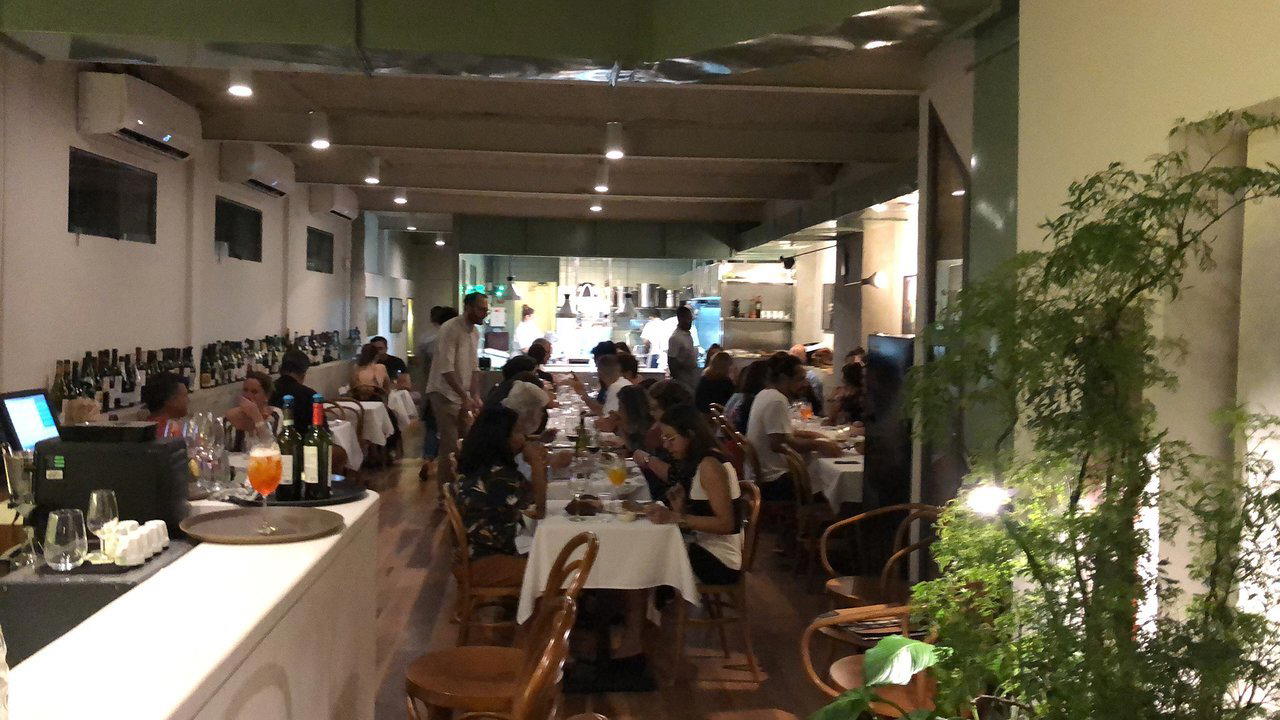
Cozy atmosphere with tree-lined inner veranda and warm lighting.