Zazá Bistrô Tropical
Zazá Bistrô Tropical occupies a converted Ipanema townhouse where the interior reads like a cabinet of curiosities, layered textiles, mismatched furniture, and antique objects sharing space with tropical plants. Against Rio's increasingly austere fine-dining scene, it operates in a different register: warmer, more eclectic, and rooted in pan-tropical flavour logic rather than tasting-menu formalism.
Pearl is the En Primeur Club membership app — saves, bookings, and concierge access live there. Same editors, same standards.
- Address
- R. Joana Angélica, 40 - Ipanema, Rio de Janeiro - RJ, 22420-030, Brazil
- Phone
- +55 21 99530 7173
- Website
- instagram.com
- Directions
- Get directions
 Saves & bookings on Pearl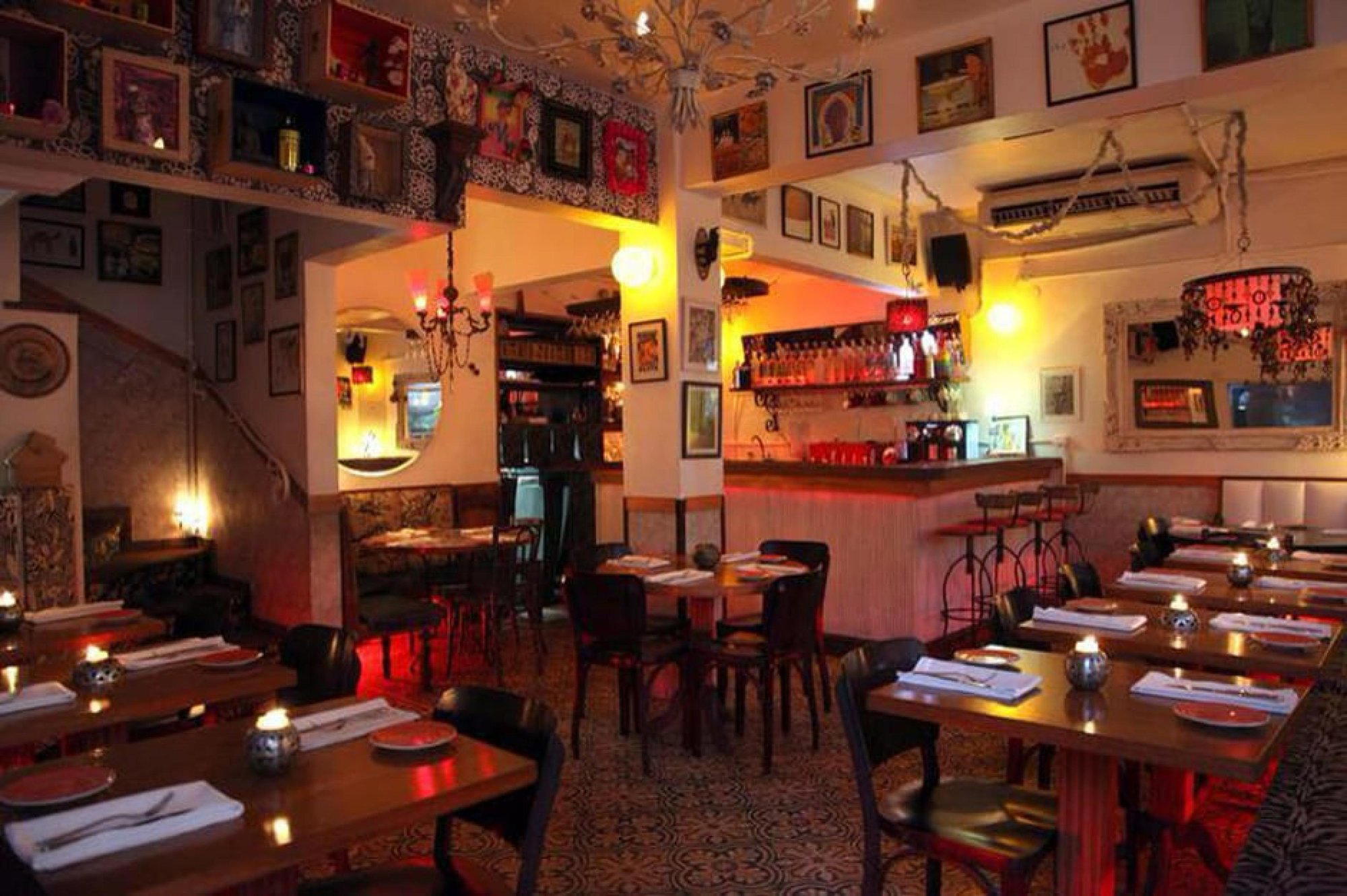
An Interior That Sets the Agenda
Ipanema's dining scene has long been pulled in two directions: the white-tablecloth formalism that runs through addresses like Cipriani and the neighbourhood casual that dominates most side streets. Zazá Bistrô Tropical sits in neither camp. The R. Joana Angélica address, a short walk from the beach grid, announces itself through a façade that gives little away, but the interior is the point. Inside, the space accumulates objects the way a well-travelled collector might: antique mirrors, embroidered cushions, draped fabrics, potted palms, and mismatched chairs that look sourced from different decades and different continents. The effect is less designed chaos and more deliberate layering, the kind of environment that takes time to read.
In a city where the dominant luxury aesthetic has trended toward minimalism, the spare lines at Oteque or the considered restraint of Lasai, Zazá's maximalism registers as a genuine position rather than indecision. The room functions as a proposition about what a meal in Rio can feel like: loose, warm, and unapologetically plural.
The Logic of Pan-Tropical Cooking
Brazil's most formally recognised restaurants have largely consolidated around a specific idiom: native Amazonian ingredients, tasting-menu structure, and a commitment to regionalism that positions the country's biodiversity as the central subject. That approach has earned international attention, with Rio addresses like Oteque and Lasai occupying the upper end of that spectrum, alongside São Paulo institutions such as D.O.M.
Zazá operates from a different premise. The kitchen draws on flavour traditions from across the tropical belt, African, Southeast Asian, Middle Eastern, and South American references folded into dishes that don't announce their lineage so much as embody it. This is not fusion in the deprecated sense; it is a recognition that port cities and trading cultures have always cooked promiscuously. Rio, with its own layered Afro-Brazilian, Portuguese, and Japanese-descended communities, provides a plausible argument for this approach. The restaurant's food is grounded in that specific history rather than airlifted from somewhere else.
For those mapping Rio's culinary breadth, this positions Zazá in a cohort distinct from the modernist-regional tier. It is closer in spirit to somewhere like Manga in Salvador or Orixás in Itacaré, restaurants that draw on Afro-Brazilian and pan-tropical food traditions without requiring tasting-menu formalism as the delivery mechanism.
Seating, Scale, and the Room's Personality
The physical container at Zazá does specific work. Unlike Rio's most formal dining rooms, where seating arrangements enforce a certain pace and noise threshold, Zazá's interior encourages a looser rhythm. The mix of banquettes, freestanding chairs, and floor cushions across different zones means the same space can host a leisurely two-hour dinner and a more animated, group-oriented evening simultaneously. The textures absorb sound in ways that bare concrete or marble floors do not, making conversation possible at a range of volumes.
This is a different design philosophy from the purpose-built precision of a counter restaurant or a tasting-menu room engineered for silence and focus. The closest analogy in the broader Brazilian context might be the bohemian neighbourhood restaurants that shaped Lapa and Santa Teresa's dining identity over the past two decades, spaces where the room's character actively participates in the meal rather than receding behind it. For international visitors comparing notes, the format has some kinship with the convivial communal energy at Lazy Bear in San Francisco, though the aesthetic language is entirely its own.
Ipanema's Mid-Register and Where Zazá Sits
Ipanema's restaurant offer spans a wide price range. At the upper end, Oro and Casa 201 represent the neighbourhood's more formal proposition. Zazá occupies the mid-register: more considered than a casual beach-side canteen, less structured than a tasting-menu destination. That positioning carries advantages. The room is accessible without advance ritual, the format rewards group dining, and the evening can be shaped by the diner rather than by a predetermined sequence.
For visitors building a multi-night Rio itinerary, the practical implication is that Zazá functions well as an anchor for evenings where the objective is atmosphere and flavour range rather than a focused single-kitchen statement. It sits alongside the neighbourhood's bars and beach culture rather than asking to be separated from it. This is the kind of restaurant that fits between a late afternoon at the beach and a longer night in Ipanema, a connector rather than a destination that demands its own evening.
Across Brazil more broadly, restaurants working in eclectic or pan-tropical registers have found receptive audiences in cities with diverse culinary heritage. Birosca S2 in Belo Horizonte, Manu in Curitiba, and Mina in Campos do Jordão each occupy a similar position in their respective cities: restaurants where the room and the food work together to produce something that feels locally rooted without being parochial. Zazá's Ipanema address earns it a place in that broader conversation.
For visitors exploring Brazil's wider dining culture beyond Rio, Olivetto in Campinas, Primrose in Gramado, and Castelo Saint Andrews in Gramado offer different regional registers worth considering. State of Espírito Santo in Rio Bananal extends the map further into Brazil's less-documented regional cooking. Our full Rio de Janeiro restaurants guide maps the city's dining tiers in more detail.
Planning Your Visit
Zazá Bistrô Tropical is located at R. Joana Angélica, 40, in Ipanema, a walkable distance from the neighbourhood's main beach access points and the Ipanema–General Osório Metro station. The restaurant draws a mixed crowd of residents and international visitors, and the evening atmosphere shifts noticeably later in the week and on weekends when Ipanema's social tempo picks up. For those also considering higher-formality Rio dining, the tasting-menu tier represented by Lasai or the modernist precision of Oteque, Zazá works well as a complement rather than a substitute: a different kind of evening that serves a different purpose in a multi-night Rio programme.
The Essentials
Comparable venues nearby, for context on price, style, and recognition.
| Venue | Cuisine | Price | Notes |
|---|---|---|---|
| Zazá Bistrô TropicalThis venue — the venue you are viewing | Not listed | $$$ | Not listed |
| Espaço Tano | Not listed | $$$ | Barra da Tijuca, Contemporary Brazilian Breakfast Buffet |
| Café do Alto | Lapa, Northeastern Brazilian | $$ | Not listed |
| Fogo de Chão | Botafogo, Brazilian Churrasco Steakhouse | $$$$ | Not listed |
| . Org Bistrô | Not listed | $$$ | Itanhangá, Modern Organic Vegetarian Bistro |
| Rudä | Ipanema, Modern Brazilian Bistro | $$$ | Not listed |
Continue exploring
More in Rio de Janeiro
Restaurants in Rio de Janeiro
Browse all →
Bars in Rio de Janeiro
Browse all →
At a Glance
- Romantic
- Trendy
- Cozy
- Date Night
- Special Occasion
- Terrace
- Craft Cocktails
- Organic
- Street Scene
Current opening hours
- Monday
- 12 PM–12:30 AM
- Tuesday
- 12 PM–12:30 AM
- Wednesday
- 12 PM–12:30 AM
- Thursday
- 12 PM–12:30 AM
- Friday
- 12 PM–12:30 AM
- Saturday
- 12 PM–12:30 AM
- Sunday
- 12–11:30 PM
Hours can change for holidays and private events. Last verified .
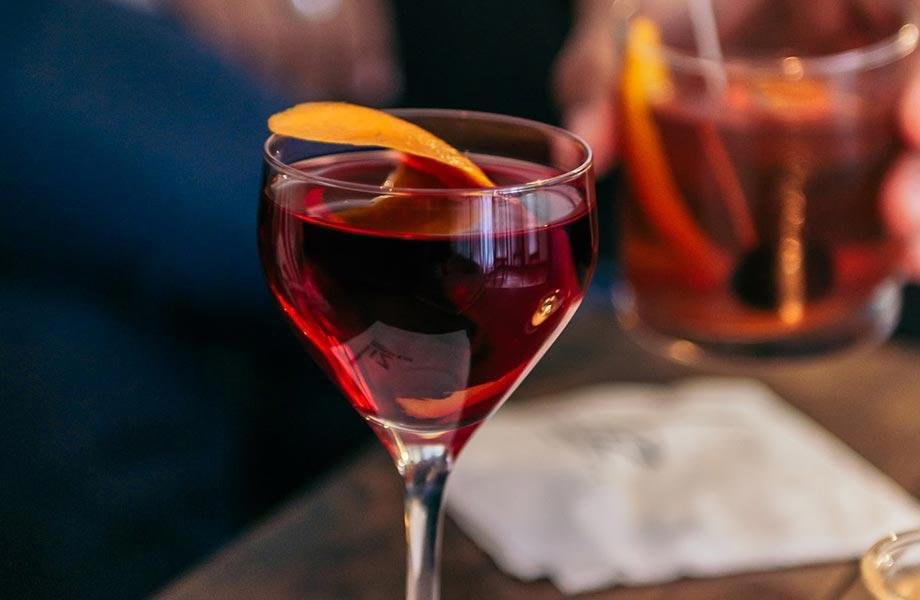
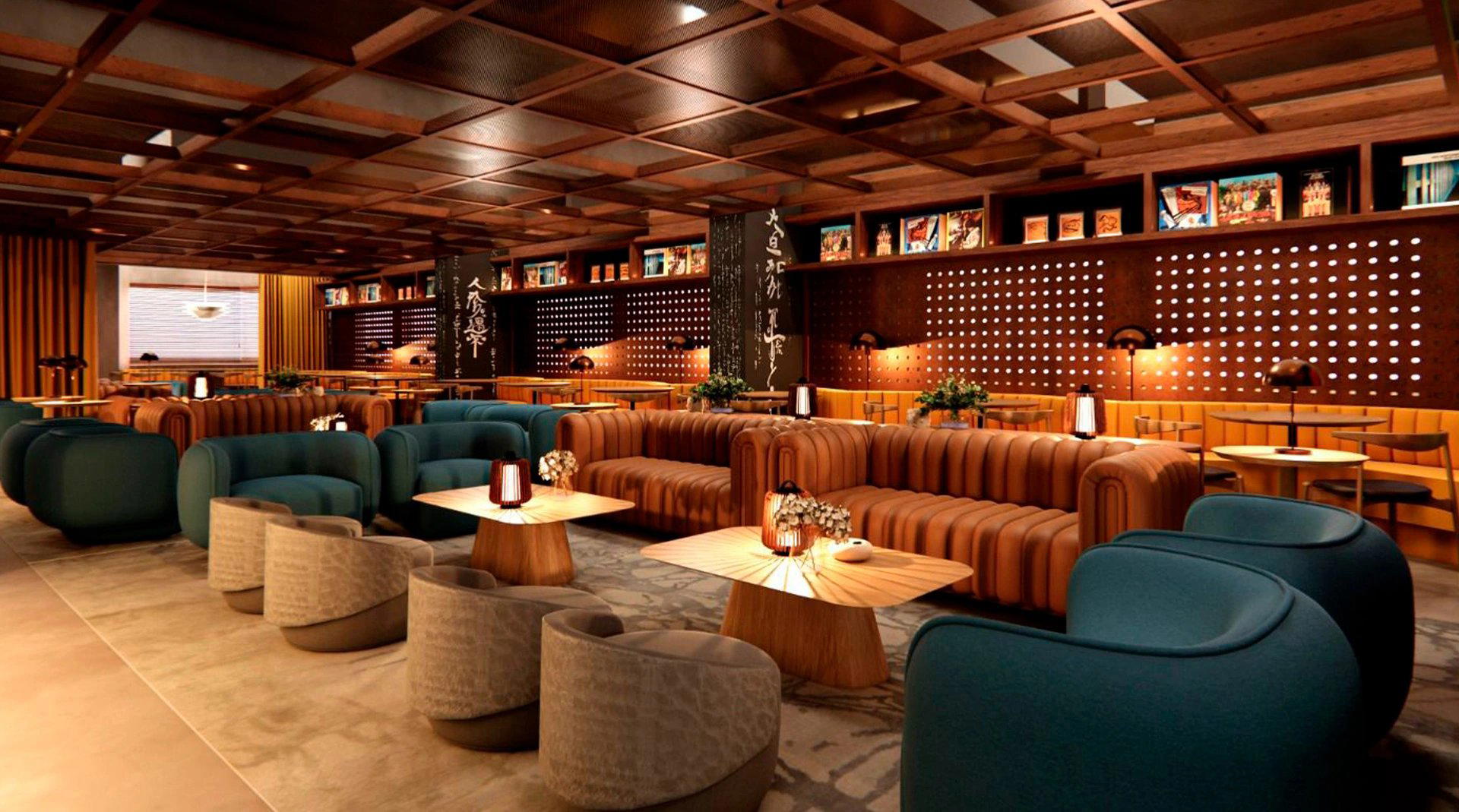
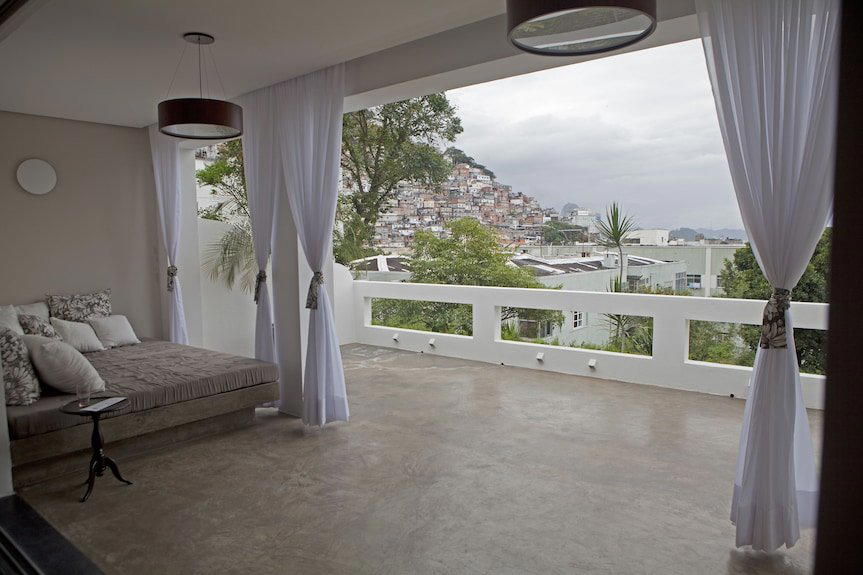
Candlelit romantic vibes on the second floor with eclectic tropical decor, lush greenery, and distinct atmospheres across outdoor veranda, indoor room, and plush upstairs lounge.