Casa Que Doce
Casa Que Doce sits in Urca, one of Rio de Janeiro's most quietly residential neighbourhoods, at an address that draws locals rather than tourist circuits. Where Rio's high-end restaurant scene clusters around Ipanema and Leblon, this address represents a different register, closer to everyday Brazilian café and confeitaria culture than the city's modernist tasting-menu tier.
Pearl is the En Primeur Club membership app — saves, bookings, and concierge access live there. Same editors, same standards.
- Address
- R. Odílio Bacelar, 30 - Urca, Rio de Janeiro - RJ, 22290-280, Brazil
- Phone
- +5521987544648
- Website
- quedoce.com
- Directions
- Get directions
 Saves & bookings on Pearl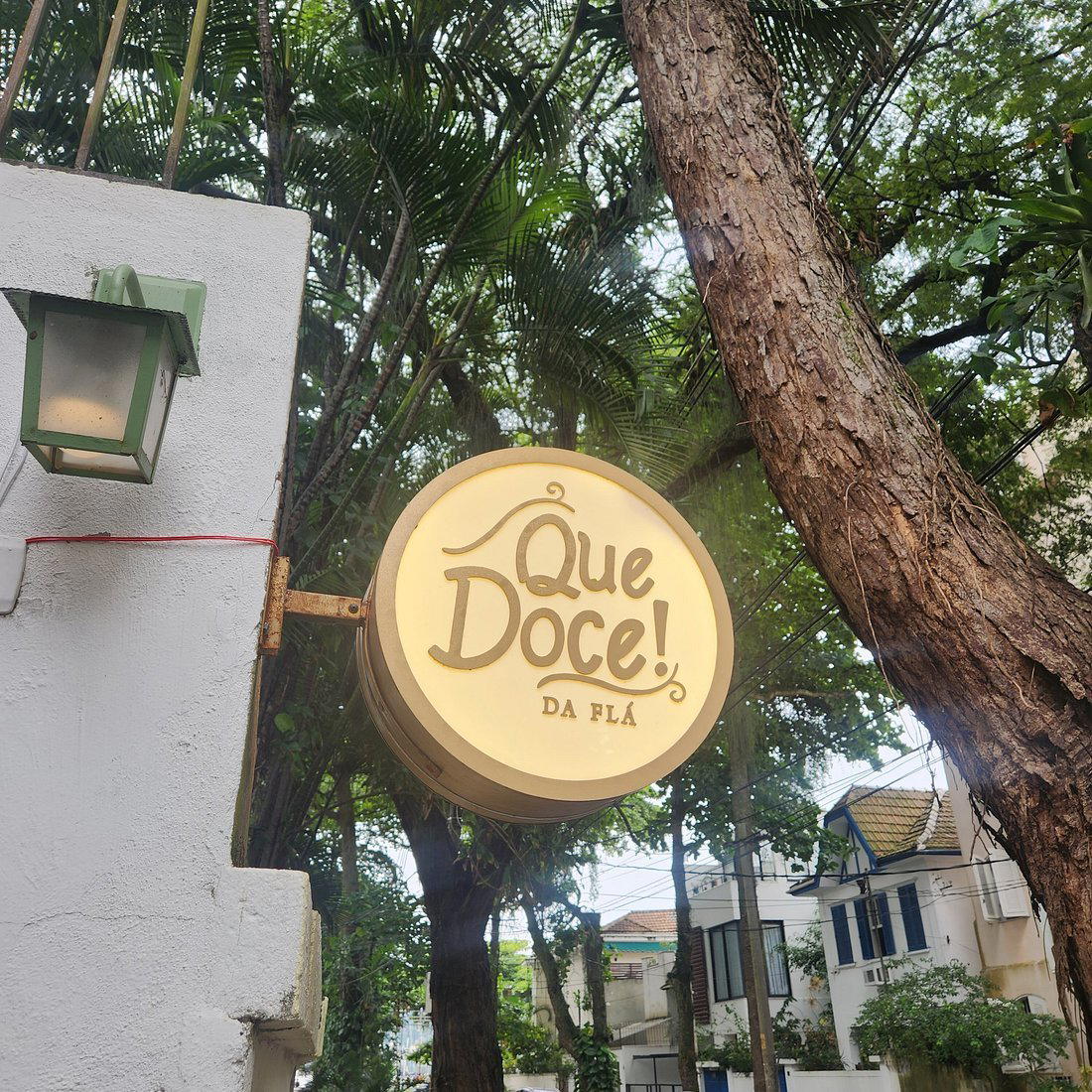
Urca's Confeitaria Tradition and Where Casa Que Doce Fits
Urca is the kind of Rio neighbourhood that resists easy categorisation. Flanked by Guanabara Bay on one side and the granite mass of Pão de Açúcar on the other, it functions as a residential enclave that the city's dining circuits mostly pass over in favour of Ipanema, Leblon, or the Jardim Botânico strip. That geographic and social remove is not a disadvantage, it shapes the character of the places that open here. A café or sweet shop in Urca is not competing for the same customer as Oteque or Lasai. It is serving a neighbourhood, and that distinction matters when you read the address on Rua Odílio Bacelar.
Brazil's confeitaria culture has deep roots in Portuguese colonial influence, filtered through generations of local adaptation. The corner sweet shop, the neighbourhood padaria, the café where a croissant sits next to a pão de queijo, these are not peripheral to Brazilian food culture but central to it. In cities like Rio, they tend to operate in the background of a food media conversation dominated by tasting menus and awarded chefs. That gap between everyday culinary significance and editorial attention is precisely where Casa Que Doce fits. For a broader map of how Rio's dining scene distributes itself across neighbourhoods and price points, see the EP Club Rio de Janeiro restaurant guide.
The Ethics of Everyday Ingredients
The sustainability conversation in Brazilian fine dining has been dominated by chefs at the level of D.O.M. in São Paulo, whose sourcing from the Amazon basin transformed how international audiences think about Brazilian ingredients. But the ethics of sourcing in everyday food operations, the local confeitaria, the neighbourhood café, rarely receive the same scrutiny or recognition, despite the fact that these venues collectively move far more produce than any tasting-menu counter.
In Rio's smaller neighbourhood operations, supply chain choices tend to reflect proximity rather than doctrine. A place in Urca is geographically close to the small-scale producers of the Baixada Fluminense and Região Serrana, where vegetables, dairy, and sugarcane derivatives travel shorter distances to reach the city than goods sourced from industrial suppliers in the interior. Whether that proximity translates into a formal sourcing policy or simply reflects practical economics, the effect on ingredient freshness is similar. Across Brazil, venues that have made this a deliberate editorial point, including Manga in Salvador and Manu in Curitiba, have drawn attention to how regional ingredient identity and environmental accountability can coexist at different price points and operational scales.
Situating the Address
Rua Odílio Bacelar is a residential street in the interior of Urca, away from the waterfront Avenida Portugal that most visitors associate with the neighbourhood's café scene. That positioning signals a local address rather than a tourist-adjacent one, the kind of place a Urca resident builds into a weekly routine rather than one that appears on the itinerary of someone staying in Copacabana for four nights. This distinction is not incidental. Venues that depend on neighbourhood repeat business develop a different relationship with consistency, price sensitivity, and community accountability than those whose customer base rotates with hotel occupancy.
Urca itself is a short distance from Botafogo, which has become one of Rio's more actively evolving food neighbourhoods over the past decade, with Oro and others anchoring a more ambitious dining tier a few minutes away. The two neighbourhoods share proximity but not character. Urca remains slower, quieter, and more insulated from the pressures of food-scene trend cycles, which gives its small operators a degree of stability that Botafogo venues, subject to higher rents and faster audience turnover, do not always enjoy.
Brazil's Sweet Geography
The doce tradition in Brazil covers enormous ground, from the Minas Gerais goiabada-com-queijo pairing to Bahia's dendê-and-coconut confections and the French-inflected pâtisserie that arrived with European immigration in the south. Rio sits at a confluence of these traditions: its confeitaria culture draws from Portuguese influence (quindim, beijinho, pastel de nata derivatives), from Afro-Brazilian ingredients (coconut, sweet potato, tamarind), and from the everyday industrialisation of the mid-twentieth century that gave the city its own simplified sweet vernacular.
Understanding where a specific address sits within that geographic and cultural range matters more than any individual item on a counter. Venues in Rio's southern zone tend to serve a more formally trained and internationally aware clientele than those in the northern or western zones, and their menus often reflect that in sourcing complexity and presentation register. A name like Casa Que Doce, translatable as the House of Sweet, signals an intention to sit within this broader tradition without immediately indicating which register or which regional lineage it draws from most heavily. Comparable questions of regional identity and ingredient lineage run through operations like Orixás North in Itacaré and Birosca S2 in Belo Horizonte, both of which have built recognisable identities around specific regional ingredient commitments.
The Broader Context for Sweet-Led Venues in Rio
Internationally, the conversation around sustainability in food has increasingly focused on dessert and pastry programmes, where sugar sourcing, dairy provenance, and cocoa supply chains carry significant environmental weight. Brazil's position as both a major sugar producer and a country whose cocoa renaissance, centred in Bahia, has reshaped fine chocolate internationally, means that sweet-led venues here carry a different kind of sourcing responsibility than their counterparts in Europe or North America. A Brazilian confeitaria that sources local cacao from producers in the Ilhéus or Itacaré regions, for example, participates directly in a supply chain that has environmental and social dimensions that imported Belgian couverture does not.
This is the context in which a Urca address focused on sweets should be understood, not as a peripheral category but as an operation embedded in ingredient networks that matter at a national scale. For reference points on how other Brazilian venues handle the relationship between local ingredients and international technique, Casa 201 and Cipriani in Rio offer contrasting models, one domestically focused, the other European in orientation. For venues elsewhere in Brazil that have made ingredient provenance central to their identity, Mina in Campos do Jordão, Primrose in Gramado, and Olivetto in Campinas each demonstrate how a commitment to regional sourcing can function across different formats and price tiers. For an international comparison of how restraint and sourcing ethics translate into high-reputation venues, Le Bernardin in New York City and Lazy Bear in San Francisco show how ingredient accountability can anchor a venue's identity at the highest recognition tier. At Castelo Saint Andrews in Gramado, a similar question of regional identity and locally-grounded hospitality plays out in a southern Brazilian context. And for a state-level lens on how ingredient geography shapes culinary identity, the State of Espírito Santo in Rio Bananal is a useful reference point.
Planning a Visit
Casa Que Doce is at Rua Odílio Bacelar, 30, in Urca, a neighbourhood most easily reached from Botafogo by taxi or rideshare, as Urca has no metro station of its own. The address is residential and quiet, well suited to a visit that builds in time to walk along the waterfront afterwards. The restaurant keeps regular hours and is walk-in friendly, with a casual dress code and a price tier around US$15 per person. For context on how Urca fits within Rio's broader dining geography, the EP Club Rio de Janeiro guide maps the city's neighbourhoods and venues by character and price tier.
A Tight Comparison
Comparable venues nearby, for context on price, style, and recognition.
| Venue | Cuisine | Price | Notes |
|---|---|---|---|
| Casa Que DoceThis venue — the venue you are viewing | Urca, Brazilian Bakery & Cafe | $$ | Not listed |
| Café do Alto | Lapa, Northeastern Brazilian | $$ | Not listed |
| Zazá Bistrô Tropical | Not listed | $$$ | Ipanema, Tropical Brazilian Fusion Bistro |
| Puro | Jardim Botânico, Contemporary Brazilian | $$$ | Not listed |
| Bento Pizzeria | Tijuca, Neapolitan Pizza | $$ | Not listed |
| Espaço Tano | Not listed | $$$ | Barra da Tijuca, Contemporary Brazilian Breakfast Buffet |
Continue exploring
More in Rio de Janeiro
Restaurants in Rio de Janeiro
Browse all →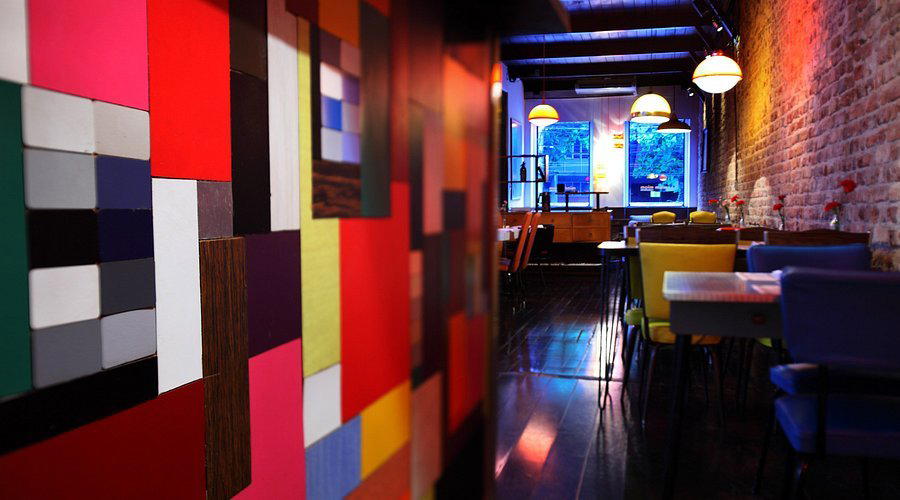
Bars in Rio de Janeiro
Browse all →

At a Glance
- Cozy
- Charming
- Brunch
- Family
- Casual Hangout
- Standalone
Current opening hours
- Monday
- 9:30 AM–7 PM
- Tuesday
- 9:30 AM–7 PM
- Wednesday
- 9:30 AM–7 PM
- Thursday
- 9:30 AM–7 PM
- Friday
- 9:30 AM–7 PM
- Saturday
- 9 AM–6:30 PM
- Sunday
- 9 AM–6:30 PM
Hours can change for holidays and private events. Last verified .
Beautiful interior with a lively and welcoming atmosphere well-suited for relaxing.