Tempura Motoyoshi occupies a third-floor address in Ebisu-nishi, Shibuya, a neighbourhood where precision-focused counter restaurants have quietly established a serious dining tier. The restaurant operates in the refined tradition of Tokyo tempura, where technique, oil temperature, and batter restraint define a chef's standing. For travellers building a serious Tokyo itinerary, Ebisu situates Motoyoshi at a remove from the tourist circuits of Ginza and Shinjuku.
 Discover on Pearl
Pearl is the En Primeur Club membership app — saves, bookings, and concierge access live there. Same editors, same standards.
- Address
- Japan, 〒150-0021 Tokyo, Shibuya, Ebisunishi, 2 Chome−8−11 Granbell Ebisu IV, 3階
- Phone
- +81364550200
- Website
- motoyoshi-1120.com
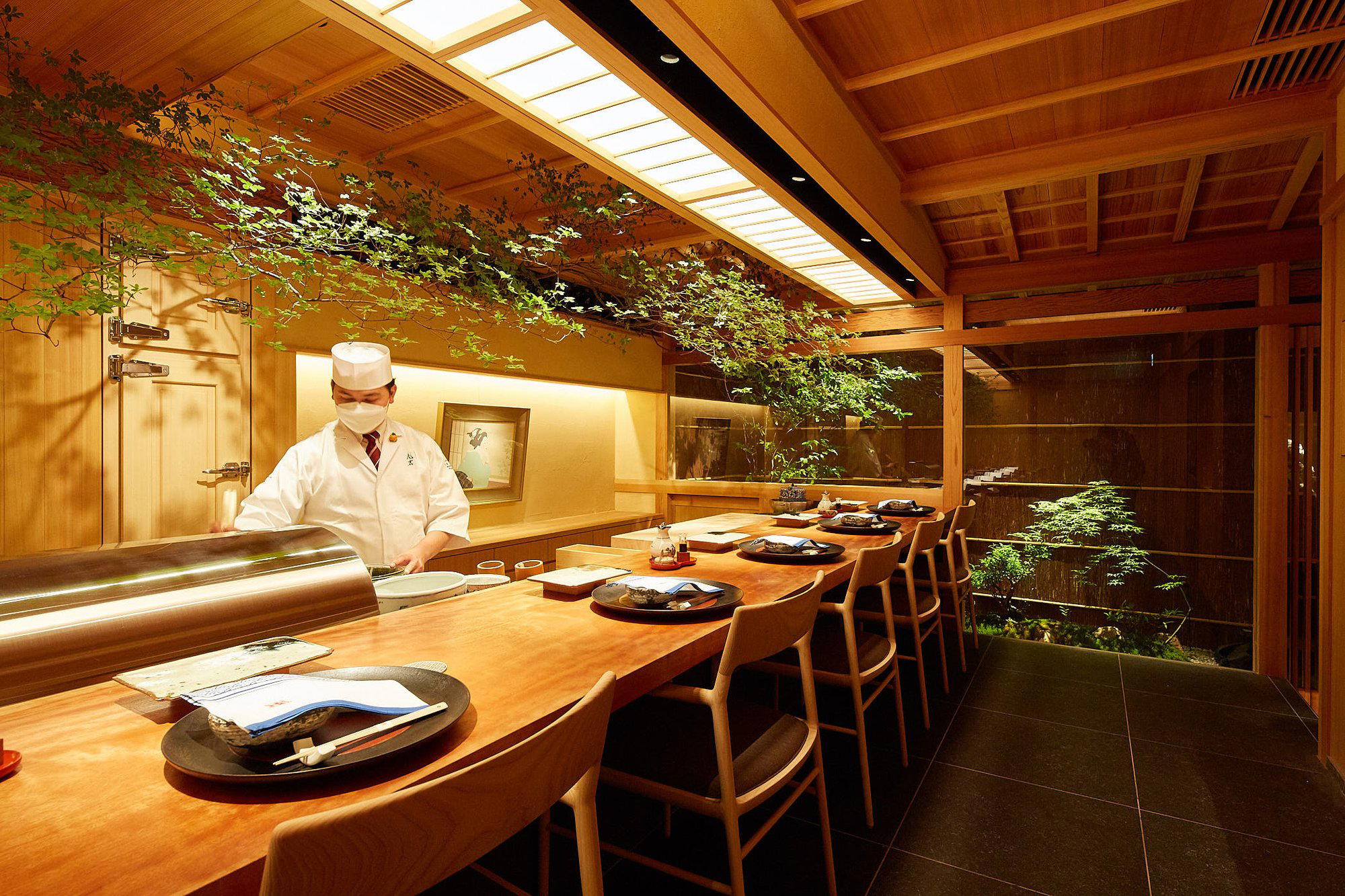
Ebisu-nishi and the Counter Dining Tradition It Has Built
West Ebisu sits at an interesting remove from Tokyo's most-discussed dining districts. Ginza concentrates the city's highest-profile tempura and sushi counters; Roppongi and Minami-Aoyama attract the kaiseki crowd. Ebisu-nishi has developed differently, a neighbourhood of low-key third- and fourth-floor restaurant rooms, where the absence of street-level visibility is effectively a credential. Tenants here are not competing for foot traffic. They are competing for the specific diner who already knows to look.
This is the geography that frames 天ぷら 元吉 (Tempura Motoyoshi), a Traditional Tempura Omakase restaurant in Tokyo's Shibuya ward. The address, third floor of Granbell Ebisu IV on Ebisunishi 2-chome, is characteristic of the neighbourhood's pattern: a restaurant that expects its guests to have done their research before arriving. That dynamic is common across Tokyo's specialist counter tier, from the sushi rooms of Ginza (see Harutaka, which operates on similar principles of advance commitment and counter intimacy) to the kaiseki formats of Akasaka. What Ebisu-nishi offers is a slightly quieter version of that world, fewer tourists, more regulars, and a local clientele that has settled into reliable weekly patterns.
Tempura as a Discipline, Not a Category
Tokyo tempura at the serious counter level is a narrower discipline than outsiders often assume. The variables are few: batter consistency, oil type and temperature, the precise sequence from lighter to more strong ingredients, and the moment of service relative to the fry. These constraints make the format demanding, there is little to hide behind, and the gap between a competent execution and a considered one is immediately legible to an experienced diner.
At the premium end of Tokyo's tempura scene, the format almost always converges on the counter omakase structure: the chef works in front of a small number of guests, and each piece is served individually at the moment it leaves the oil. This is structurally different from the set-course tempura served at mid-tier restaurants, where batches arrive plated. The counter format demands a different quality of attention from both chef and guest, and it tends to attract a clientele who understand the terms.
This tradition places Tempura Motoyoshi in a specific competitive set, not the broad mid-market tempura category, but the small-room specialist tier that positions itself alongside the kind of precision-forward counters you find at the upper end of Tokyo's dining spectrum. For comparison, restaurants like RyuGin in Roppongi or L'Effervescence in Minami-Aoyama occupy analogous positions in their respective formats, small rooms, practiced technique, and a booking culture that assumes commitment.
The Ebisu-nishi Setting: What the Location Signals
The address in Ebisunishi 2-chome places Tempura Motoyoshi within a short walk of the broader Ebisu and Daikanyama cluster, an area that has over the past decade developed one of Tokyo's more coherent mid-to-high-end dining ecosystems. The neighbourhood is residential enough to feel grounded, but the density of considered restaurant projects in the area is significant. This is not the concentrated luxury of Ginza's main strip or the scene-driven energy of Nakameguro; Ebisu-nishi operates at a quieter register.
For visiting diners, the location has practical implications. Ebisu Station (JR Yamanote Line, Tokyo Metro Hibiya Line) sits within walking distance, making the restaurant accessible from both the central Tokyo hotel belt and from the design-conscious accommodation options clustered around Daikanyama and Nakameguro. The third-floor positioning adds a degree of separation from the street, the kind of threshold that, in Tokyo's restaurant culture, functions as a mild signal that the experience ahead operates on its own terms.
Travellers building a multi-city Japan itinerary might note that the Ebisu-nishi model of the quiet specialist counter has parallels in other cities: Gion Sasaki in Kyoto operates on similar principles of neighbourhood positioning and counter discipline, as does HAJIME in Osaka in its own format. The pattern of serious Japanese dining rooms choosing quiet residential-adjacent addresses over high-visibility locations is consistent enough to read as deliberate across the country.
Where Tempura Motoyoshi Sits in Tokyo's Specialist Counter Tier
Tokyo's fine dining market has become increasingly stratified in the post-pandemic period. The upper tier operates with booking windows that routinely extend several months ahead. A second, closely watched tier of counters has developed around restaurants without international award recognition but with strong domestic reputations and similarly selective booking cultures.
Tempura Motoyoshi's positioning in this broader picture is worth understanding before booking. It sits within Ebisu-nishi's established dining culture rather than a more high-profile award circuit. The restaurant's format, small-room tempura counter in a neighbourhood with a track record of serious food projects, is consistent with the profile of a venue that serves an informed local clientele first and visiting diners who have done their research second. This is the same dynamic that defines counters like Crony in Minami-Aoyama or the more translation-dependent rooms covered in our full Tokyo restaurants guide.
For context on how Tokyo's specialist dining sits within Japan's broader scene, the regional parallels are worth noting. akordu in Nara and Goh in Fukuoka demonstrate how the counter-specialist model extends well beyond Tokyo, with each city developing its own version of the format tied to local ingredients and traditions.
Planning Your Visit
The practical realities of visiting a counter restaurant of this type in Tokyo are reasonably consistent across the category. Booking should be treated as the first step, Tokyo's serious tempura counters at this tier do not generally accommodate walk-ins, and the smaller the room, the further ahead reservations tend to be required. For international visitors, booking through a hotel concierge or a dedicated reservation service is often the most reliable route, particularly where the restaurant's primary communication is in Japanese.
The Ebisu-nishi address is accessible from central Tokyo in under twenty minutes by train. Ebisu Station is the practical arrival point. The third-floor location means there is no visible signage from street level; confirming the building address before arrival is advisable. Visits to this part of Shibuya can be combined with the broader Ebisu and Daikanyama dining and retail circuits, which offer a range of complementary options across lunch and the pre-dinner period.
For travellers comparing specialist Japanese dining experiences across formats, the Sézanne experience in Tokyo offers a useful reference point for what precision counter dining looks like in the French format, while venues like Le Bernardin in New York City and Atomix in New York City illustrate how the counter-specialist model translates across culinary traditions globally.
Quick reference: 天ぷら 元吉 (Tempura Motoyoshi), 3F, Granbell Ebisu IV, 2-8-11 Ebisunishi, Shibuya, Tokyo. Nearest station: Ebisu (JR Yamanote / Tokyo Metro Hibiya Line). Reservations recommended well in advance; concierge assistance advised for non-Japanese speakers.
Comparable Spots
Comparable venues nearby, for context on price, style, and recognition.
| Venue | Cuisine | Price |
|---|---|---|
| 天ぷら 元吉This venue — the venue you are viewing | ||
| Harutaka | Sushi | ¥¥¥¥ |
| L'Effervescence | French | ¥¥¥¥ |
| RyuGin | Kaiseki, Japanese | ¥¥¥¥ |
| Crony | Innovative, French | ¥¥¥¥ |
| Florilège | French | ¥¥¥ |








At a Glance
- Elegant
- Intimate
- Sophisticated
- Special Occasion
- Date Night
- Chefs Counter
- Sake Program
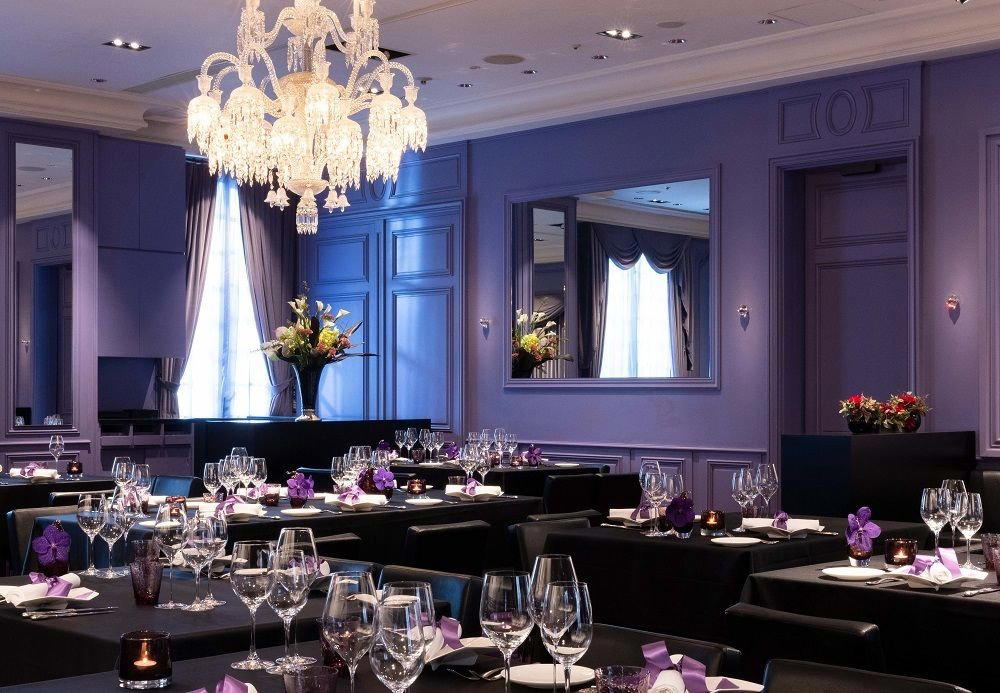
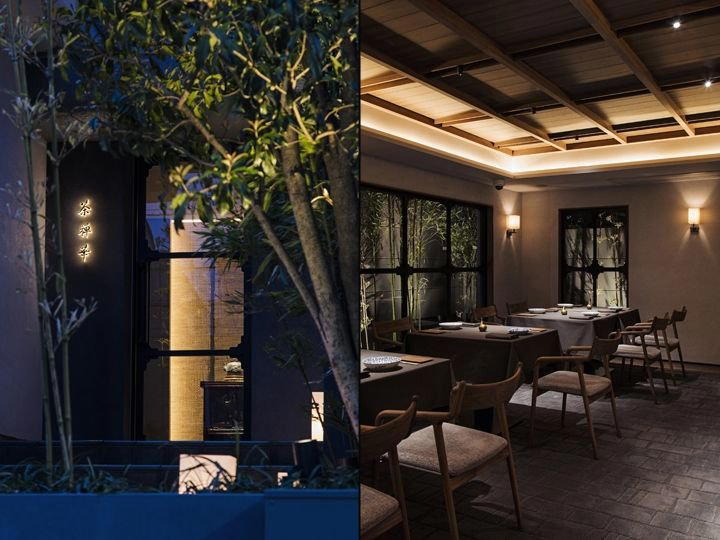
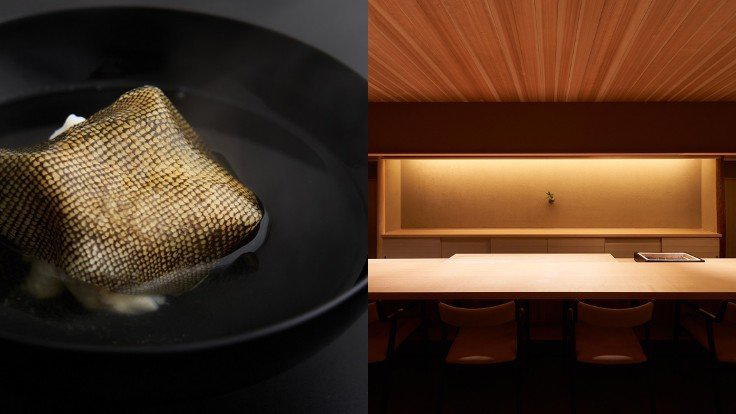
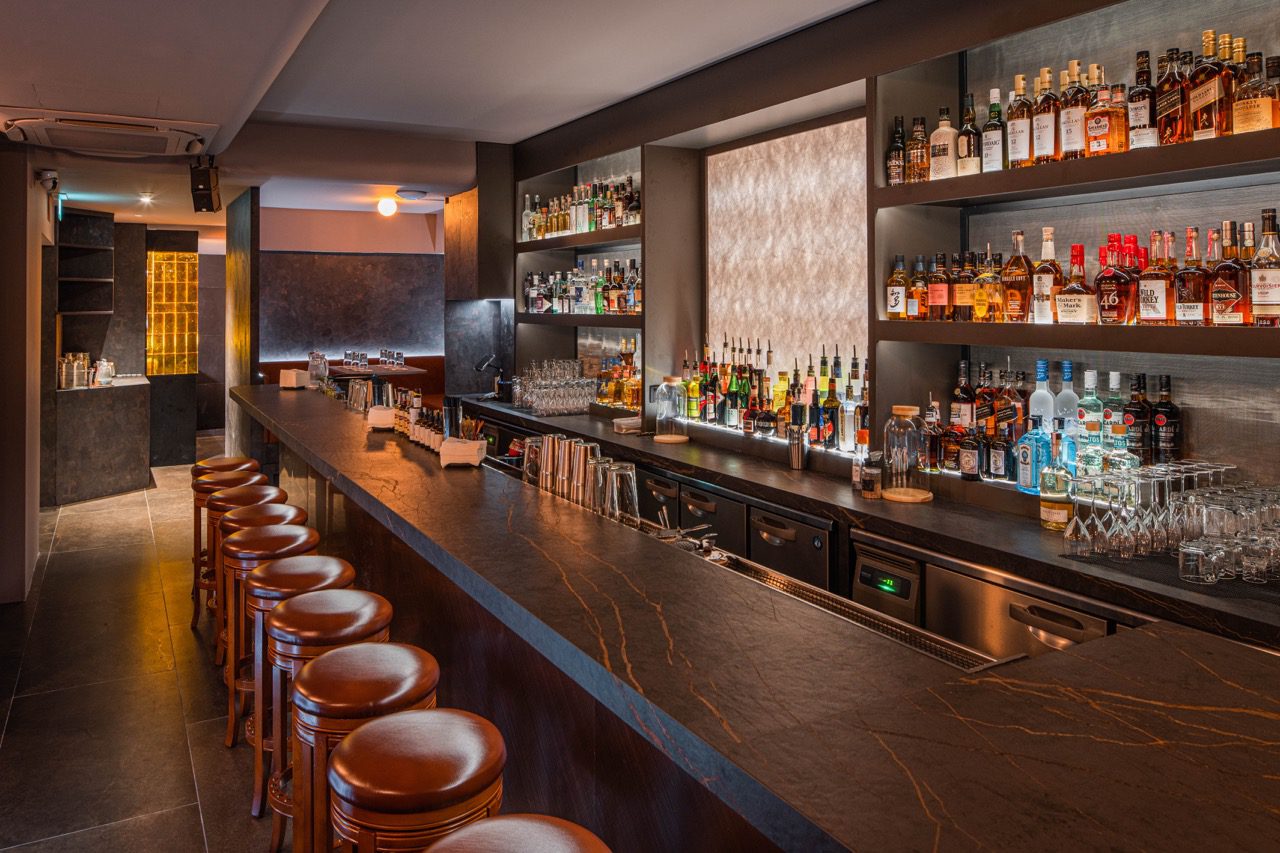
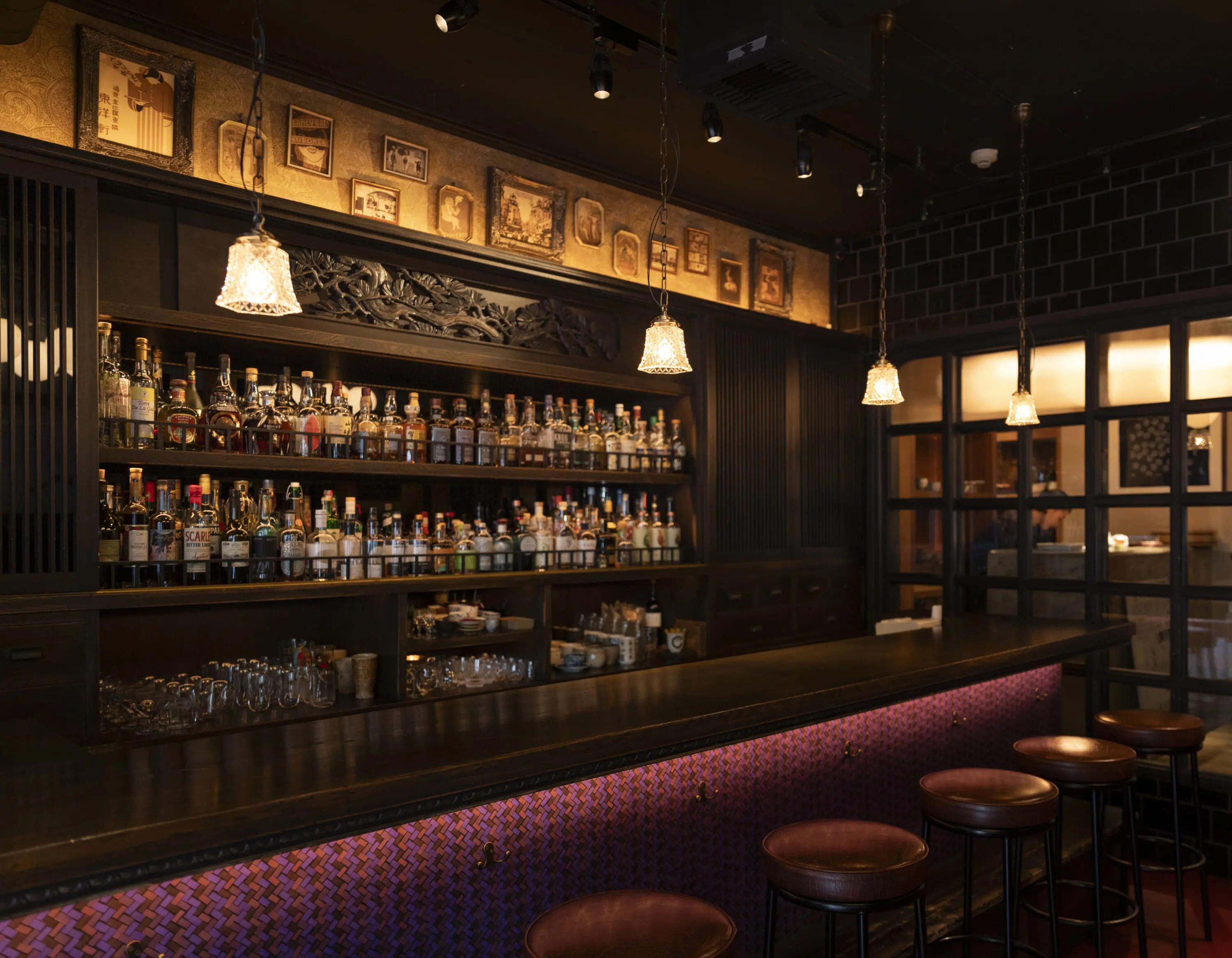
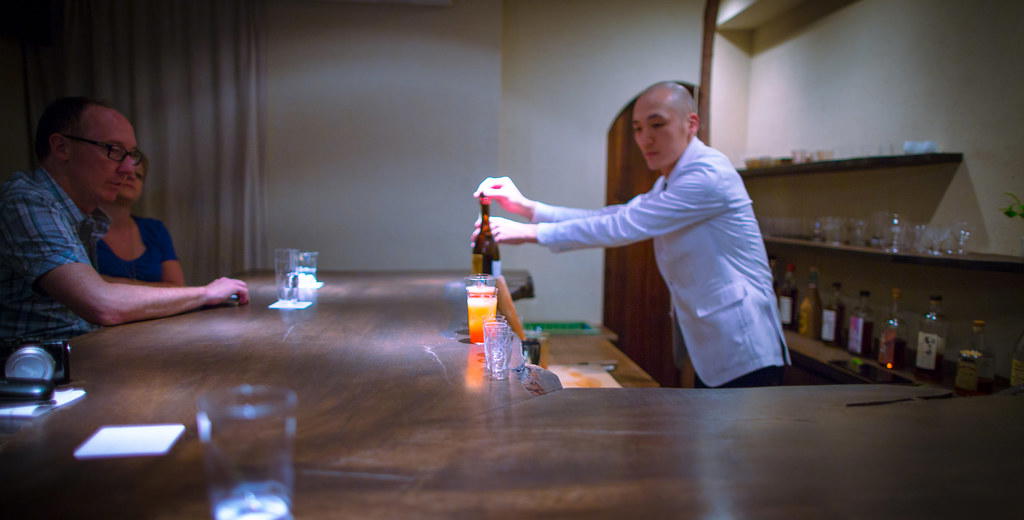
Serene and intimate counter seating for 8-9 guests, focused on the chef's precise craftsmanship in a refined setting.