Where the Biobío Region Eats Close to the Ground The road out toward Cato from central Chillán drops the density of the city quickly. By the time you reach the kilometre mark on Camino a Cato, the urban rhythm has given way to the slower...
Pearl is the En Primeur Club membership app — saves, bookings, and concierge access live there. Same editors, same standards.
- Address
- camino a cato 2450, Km 1, 3780000 Chillán, Biobío, Chile
- Phone
- +56933755272
- Website
- casadelbarrio.cl
- Directions
- Get directions
 Saves & bookings on Pearl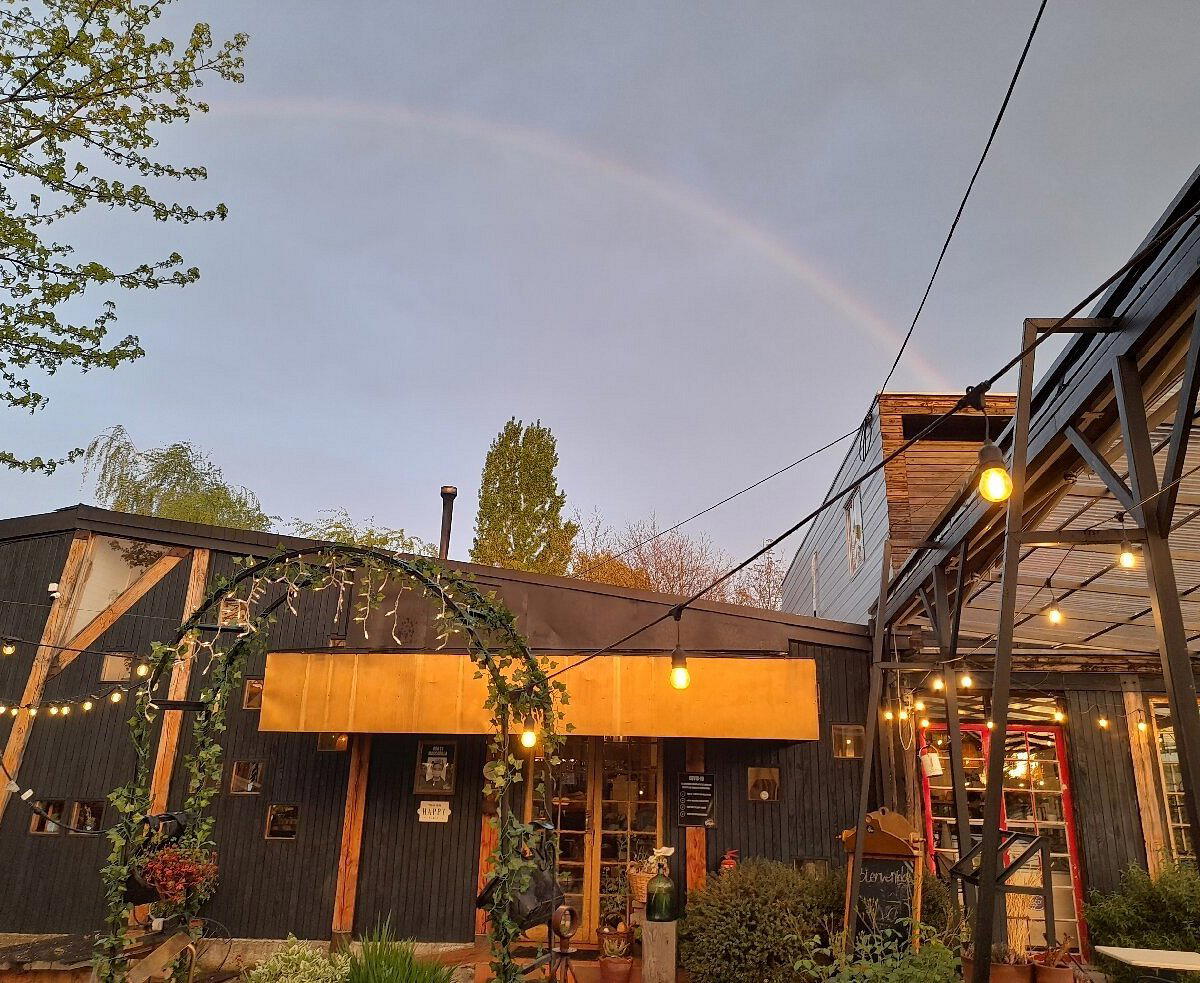
Where the Biobío Region Eats Close to the Ground
The road out toward Cato from central Chillán drops the density of the city quickly. By the time you reach the kilometre mark on Camino a Cato, the urban rhythm has given way to the slower register of Chile's Biobío region: farmland, open sky, and the particular agricultural seriousness of a zone that has fed the country's centre-south for centuries. This is the physical context in which Casa del Barrio operates, and it shapes the experience before you've stepped through the door. Casa del Barrio is a casual restaurant in Chillán serving Modern Fusion with Author Pizzas, with walk-in-friendly service and an average price of about US$10 per person.
Chillán sits in a part of Chile where the relationship between kitchen and countryside has never been abstract. The Biobío and Ñuble regions together form one of the country's most productive agricultural corridors, generating wheat, stone fruit, legumes, and livestock that supply both local tables and export markets. For restaurants that choose to work within that system rather than import around it, the sourcing argument is built into geography. The further south you move from Santiago, the shorter the supply chains tend to become, and the more a dish on the table reflects a specific patch of land rather than a consolidated distribution network.
That localism is the defining tension in Chilean regional dining right now. Santiago's most ambitious kitchens, including Boragó in Santiago and Peumayen in Providencia, have built internationally recognised programs around indigenous and native Chilean ingredients, but they operate in a capital with importing infrastructure and high-spending clientele. Regional venues in cities like Chillán work with the same raw material advantage but without the same platform.
The Sourcing Logic of the Biobío Table
Chillán's food culture is anchored in a mercado that remains one of the more serious in provincial Chile. The Mercado Central de Chillán has long been a reference point for regional produce: longaniza from the town of Chillán Viejo, smoked meats, seasonal vegetables from the valley floor, and the kind of informal culinary knowledge that doesn't make it into restaurant press releases. Any kitchen drawing from that market or from the farms surrounding it has access to ingredients that would command premium positioning in Santiago.
The distinction matters when considering what a place positioned on the agricultural fringe of a mid-size Chilean city can offer compared to the coastal seafood focus of venues like Aquí Jaime in Concon or the estate-driven dining at Lapostolle Residence in Santa Cruz. Each of those venues anchors its identity in a specific sourcing story: ocean, vineyard, or valley farm. The Biobío interior version of that story is terrestrial and seasonal, shaped by harvests rather than tides or vintages.
Chile's wine country dining circuit, which runs through estates like Viña Concha y Toro in Pirque and Clos Apalta Residence in Valle de Apalta, is a different model entirely: food in service of a wine experience, within a tourism infrastructure that supports international visitors. A neighbourhood-facing restaurant in Chillán operates outside that circuit, which means the sourcing has to speak for itself without the backdrop of a cellar or tasting room.
The Room and the Register
The address on Camino a Cato places Casa del Barrio at the edge of the urban boundary, close enough to Chillán to draw regular clientele but with the spatial character of something more rural. In Chilean dining culture, this fringe positioning often corresponds to a specific format: larger tables, family-scale portions, cooking that prioritises generosity over precision. The regional Chilean tradition runs counter to the minimalist plating that defines tasting-menu formats further south, at venues like andBeyond Vira Vira in Araucanía or the desert-context cooking at Awasi Atacama in San Pedro de Atacama.
That contrast is worth holding onto. Chile's premium dining geography has two distinct registers: the lodge and estate model, where the dining experience is embedded in a wider hospitality offering, and the standalone restaurant, which has to justify the visit on food alone. Chillán supports the latter category with a local clientele that has its own set of expectations, shaped by the region's food traditions rather than imported tasting-menu conventions.
For Chilean regional dining in the same general corridor, the comparison set spans venues from Rosario in Rengo to Fuente Toscana in Ovalle, each working within local sourcing traditions without the estate infrastructure of wine-country dining. The D.O. Restoran in Lo Barnechea and Pasta e Vino Ristorante in Valparaiso represent the coastal and metropolitan ends of that spectrum. CasaMolle in El Molle offers the northern Chile version of locally rooted cooking, while the lodge-format hospitality at Awasi Patagonia in Torres del Paine and VIK in Santiago represents a different economic and experiential model altogether.
Planning a Visit
Chillán is approximately 400 kilometres south of Santiago, accessible by bus on the Turbus or Pullman Bus networks (journey time around four to five hours) or by car on Ruta 5 Sur. The Camino a Cato address sits just beyond the city's eastern perimeter, which means arriving by car is one practical option for most visitors. The restaurant is walk-in friendly, so advance booking is not usually necessary. Chillán sees higher visitor volume during the ski season at Las Termas de Chillán resort (roughly June to September), when demand across local restaurants increases noticeably.
Fast Comparison
Comparable venues nearby, for context on price, style, and recognition.
| Venue | Cuisine | Price | Notes |
|---|---|---|---|
| Casa del BarrioThis venue — the venue you are viewing | Modern Fusion with Author Pizzas | $$ | Not listed |
| Restaurant Comida China | Chinese | $$ | Centro |
| Restaurant Dona Inés | Barbecue Specialties | $$ | Centro |
| Demo Magnolia | Modern Chilean Fine Dining | $$$$ | Bellas Artes |
| Veguria | Vegetarian Chilean | $$ | Providencia |
| Shi-Nuá | Peruvian-Chinese Fusion | $$$$ | Vitacura |
At a Glance
- Cozy
- Lively
- Family
- Group Dining
- Casual Hangout
- Date Night
- Terrace
- Craft Cocktails
Current opening hours
- Monday
- Closed
- Tuesday
- 11 AM–11 PM
- Wednesday
- 11 AM–11 PM
- Thursday
- 11 AM–11 PM
- Friday
- 11 AM–12:30 AM
- Saturday
- 11 AM–12:30 AM
- Sunday
- 12–5 PM
Hours can change for holidays and private events. Last verified .
Cozy and welcoming atmosphere with original decoration, ideal for families, couples, or friends.