Our verdict
On the Portal Belen arcade of Cuzco's Plaza de Armas, Casa Cusqueña occupies one of the city's most historically charged dining positions. The address alone situates it inside the ceremonial heart of what was once the Inca capital, where colonial-era stonework frames the square that Andean civilizations built long before Spanish architects arrived. For visitors working through Cuzco's restaurant scene, it sits among a cluster of plaza-facing options with deep ties to the city's culinary identity.

Pearl is the En Primeur Club membership app, where members save venues, book tables and use the concierge.
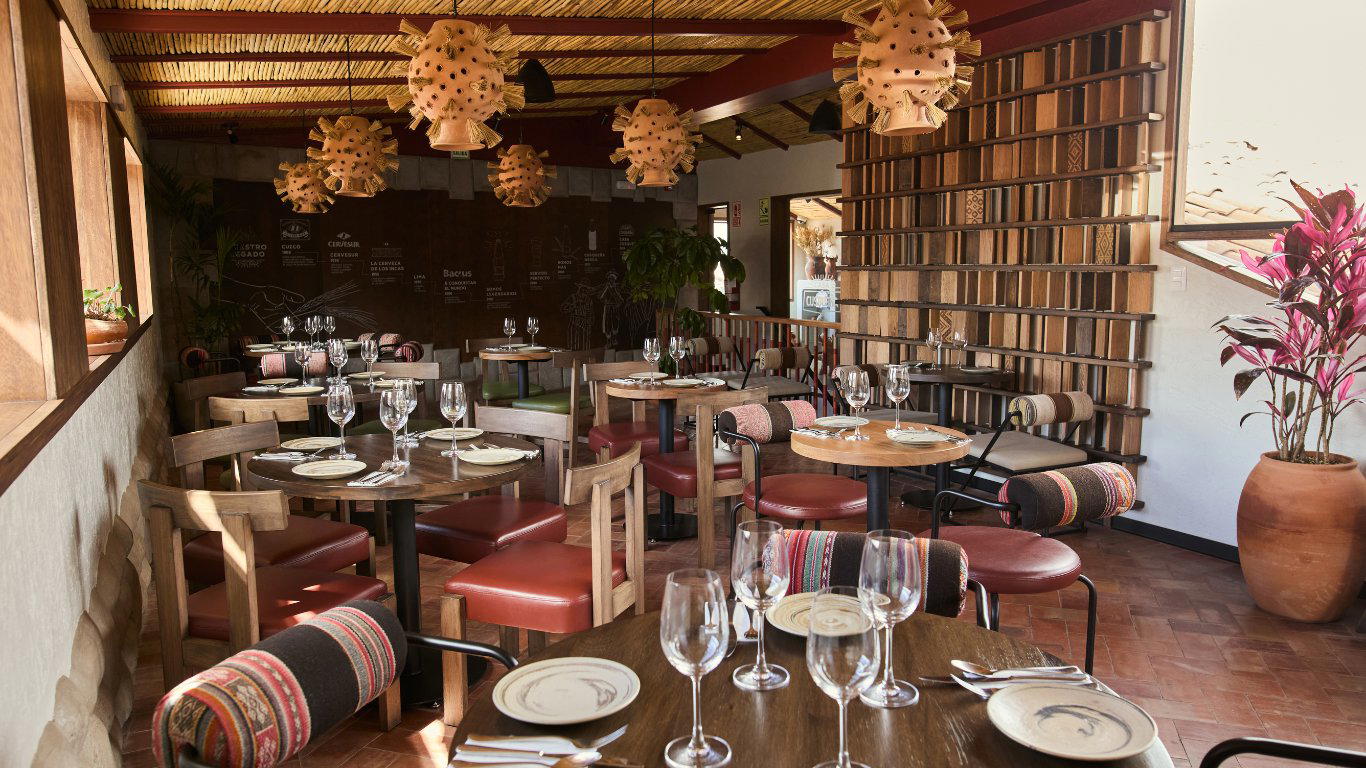
Eating at the Edge of the Plaza: What the Address Tells You
Portal Belen 115 is not a neutral address. The Portal Belen arcade runs along the northwest face of Cuzco's Plaza de Armas, the same colonial square that was built over Huacaypata, the great open ceremonial space of Tawantinsuyu, the Inca empire. Every table with a plaza view here sits inside a geography that carries several centuries of contested meaning, Spanish baroque stonework grafted onto Inca foundations, with the cathedral's twin towers rising across the square and the Andes visible beyond on clear days. Casa Cusqueña shares this physical setting with other arcade restaurants, which means its dining position is a category in itself: the historic-plaza seat that travelers have sought in Cuzco for decades.
That context shapes how you read the experience. In cities where a landmark address becomes a shortcut for quality, the actual food can drift toward the performative. Cuzco has its share of that, particularly along the portal arcades where tourist traffic is highest. The question worth asking of any plaza-facing restaurant in this city is whether the kitchen is engaged with what Andean cuisine actually is, or whether it is selling a simplified version of it to visitors who will not return.
The Cultural Weight of Andean Cuisine in Its Home City
Cuzco occupies a specific and complicated position in conversations about Peruvian food. Lima drives the international narrative, Astrid & Gastón in Lima and the broader Miraflores dining circuit, including Costanera 700 in Miraflores and Osaka Nikkei in San Isidro, define how Peruvian cooking is discussed in international press and on global lists. But Cuzco is where the agricultural foundation of that cuisine originates: thousands of potato varieties cultivated at altitude, native corn strains that bear no resemblance to lowland hybrids, quinoa and kiwicha grown in the Sacred Valley's microclimates, and preparation traditions that predate the Columbian exchange entirely.
The result is a culinary tradition with enormous depth that does not always survive its commercial translation. Chicha de jora, the fermented corn drink that carries ritual significance across Andean culture, appears on tourist menus as a curiosity. Cuy, guinea pig slow-cooked over clay, becomes a novelty photograph. The challenge for Cuzco restaurants operating near the Plaza de Armas is whether they present Andean ingredients and preparations on their own terms or reduce them to spectacle. Several kitchens in the city engage seriously with this: Campo Cocina Andina and Chicha Cusco are among the addresses that have built reputations around Andean sourcing with evident culinary intent. Further out, Mil Centro in Moray operates at the research end of the spectrum, working directly with Quechua communities on ingredient recovery.
How Casa Cusqueña Sits in the Local Scene
Among Cuzco's mid-tier to accessible dining options, Casa Cusqueña's address on Portal Belen places it in a competitive set that includes the city's highest-footfall restaurant zone. The plaza arcade category tends to sort by what draws the diner in: the view, the proximity to major sites, the familiarity of the menu, or the quality of what arrives at the table. Travelers who have moved through the city's full dining range often start at plaza-level restaurants and then migrate toward less central addresses as they extend their stay. Hanz Gastronomique, KUSHKA Restaurant, and Intillay Peruvian Fusion Food represent the direction the Cuzco scene moves when it steps away from the plaza's tourist gravity.
For a full read of where Cuzco's restaurant options sit relative to each other, the EP Club Cuzco restaurants guide maps the city's dining across price tiers, neighborhoods, and culinary orientation. The range extends well beyond the city itself: Mapacho Craft Beer Restaurant in Urubamba brings the Sacred Valley into the conversation, while Cirqa in Arequipa shows how a different highland city has developed its own distinct food identity.
The Context for Plaza-Area Dining in Cuzco
Altitude is the first practical variable that shapes how visitors eat in Cuzco. At 3,400 meters, the body processes alcohol differently and digestion slows. Local guidance consistently points toward lighter eating in the first 24 to 48 hours after arrival, soups, smaller plates, coca leaf tea, before moving into heavier preparations. Plaza-area restaurants, by nature of their clientele, tend to see more first-night diners than any other category in the city, which means the lightest possible approach to Andean ingredients is often the sensible choice early in a visit.
The seasonal calendar also matters. The dry season, running roughly from May through October, concentrates the highest tourist volumes around Cuzco, with Inti Raymi in June drawing visitors specifically for Andean ceremonial culture. Restaurants along Portal Belen see their heaviest throughput in these months. The wet season from November through April brings fewer visitors but also access to seasonal produce, certain highland crops appear on menus only during the rains. For dining with the most agricultural specificity, the wet season has arguments in its favor despite the weather.
Internationally, the gap between what Cuzco's culinary tradition offers and how it is recognized globally remains significant. The kind of sustained critical attention that Le Bernardin in New York City or Lazy Bear in San Francisco receive from international food media has not translated consistently to highland Peru's kitchen culture, even as Lima's chefs have built substantial global profiles. That gap is partly a function of altitude and access, partly of the slower pace at which Andean food traditions have been codified in the culinary press. It also means that travelers who engage seriously with what Cuzco's food represents are doing so largely on their own terms, without the guideposts that exist for more internationally documented dining destinations.
Beyond Peru, the contrast extends across the continent: El Rey in Oxapampa and Marañón Province in Maranon represent different corners of Peru's extraordinary geographic and culinary range, while Delfin Amazon Cruises in Iquitos and Cantina Vino Italiano in Cusco point to how varied the options become once you move beyond the highland-cuisine frame entirely.
Planning a Visit
Casa Cusqueña is located at Portal Belen 115, on the Plaza de Armas arcade in Cuzco's historic center, walkable from the main square and within easy reach of the major heritage sites. Visitors arriving from lower altitudes should account for acclimatization time before committing to a full evening meal; the first two days at Cuzco's elevation are better spent eating lightly regardless of where you sit down.
Frequently asked questions
Can I bring kids to Casa Cusqueña?
Casa Cusqueña's position on the Portal Belen arcade at Plaza de Armas puts it in a well-trafficked, accessible part of Cuzco's historic center, which generally suits family visits. The arcade setting is open and easy to move through. That said, altitude at 3,400 meters is a practical consideration for younger children, who may need acclimatization time before any meal in the city.
What's the vibe at Casa Cusqueña?
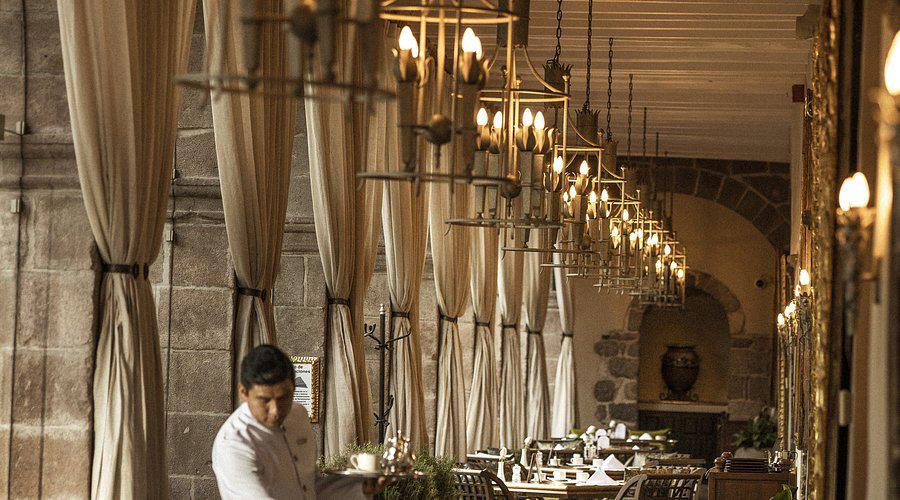
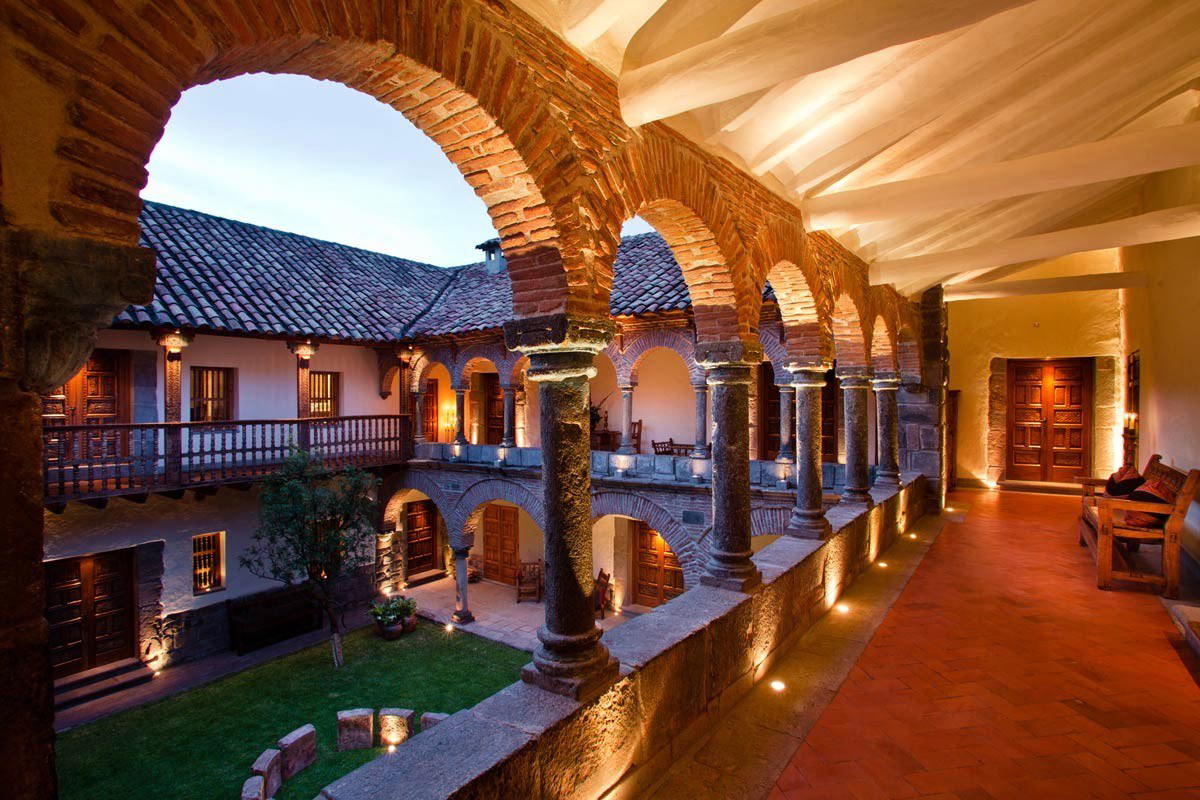
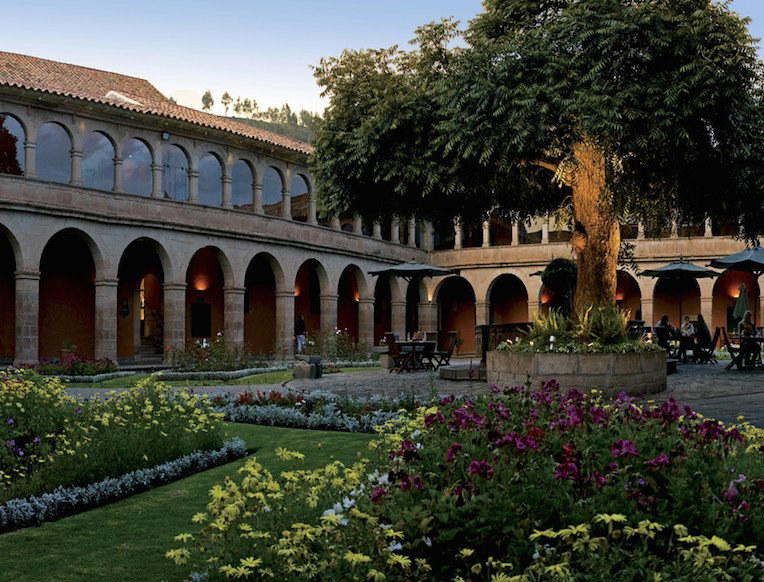
Portal Belen 115 sits inside the colonial arcade facing Cuzco's Plaza de Armas, so the setting carries the weight of that address: stone archways, plaza foot traffic, and a view of one of South America's most intact Spanish colonial squares. Expect a mid-tier dining atmosphere shaped more by location than by formal pretension.
How does dining at Casa Cusqueña compare to eating in Lima versus Cuzco?
Lima drives Peru's international culinary profile, with restaurants like Astrid & Gastón and Central shaping global perception of Peruvian food. Cuzco operates in a different register: the city is the source of many Andean ingredients and techniques that Lima kitchens reference, but local venues like Casa Cusqueña at Portal Belen 115 serve that tradition on home ground rather than as a reinterpretation. For travelers moving between the two cities, the contrast is instructive rather than hierarchical.
What's the signature dish at Casa Cusqueña?
Given its location in Cuzco, the broader context of Andean dining in the city means dishes like cuy, lomo saltado, or chupe de camarones typically anchor menus at this tier of the local scene, though you should verify the current offering directly with the venue.
What's the address for Casa Cusqueña?
Casa Cusqueña is located at Portal Belen 115, Cusco 08002, Peru, Cuzco.
Is Casa Cusqueña reservation-only?
No booking policy is documented for Casa Cusqueña. Restaurants on the Portal Belen arcade in Cuzco generally absorb walk-in traffic from the Plaza de Armas, particularly during peak visitor periods between June and August. Calling ahead or visiting the address at Portal Belen 115 remains the most reliable way to confirm table availability.
What's the standout thing about Casa Cusqueña?
The address is the clearest differentiator: Portal Belen 115 runs along the northwest face of Cuzco's Plaza de Armas, a colonial square that has functioned as the city's civic center since Inca rule. Few dining addresses in Peru carry that kind of historical density. The question for any visitor is whether the food matches the location's context within Andean culinary tradition.
A Pricing-First Comparison
| Venue | Cuisine | Price |
|---|---|---|
| Casa CusqueñaThis venue (the venue you are viewing) | Modern Peruvian | $20–30 |
| Campo Cocina Andina | Modern Andean Peruvian | $20–30 |
| Chicha Cusco | Modern Peruvian | $20–30 |
| Hanz Gastronomique | Peruvian-Andean-Japanese Fusion | $30–50 |
| Intillay Peruvian Fusion Food | Peruvian Fusion | $20–30 |
| KUSHKA Restaurant | Modern Peruvian | $10–20 |
Continue exploring
More in Cusco
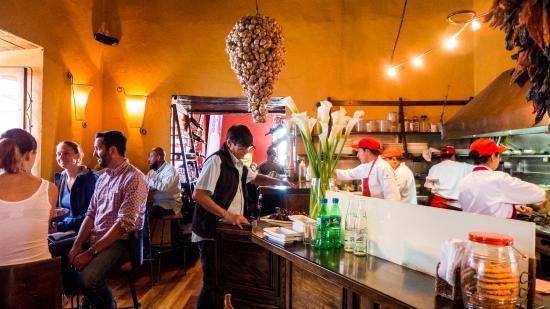
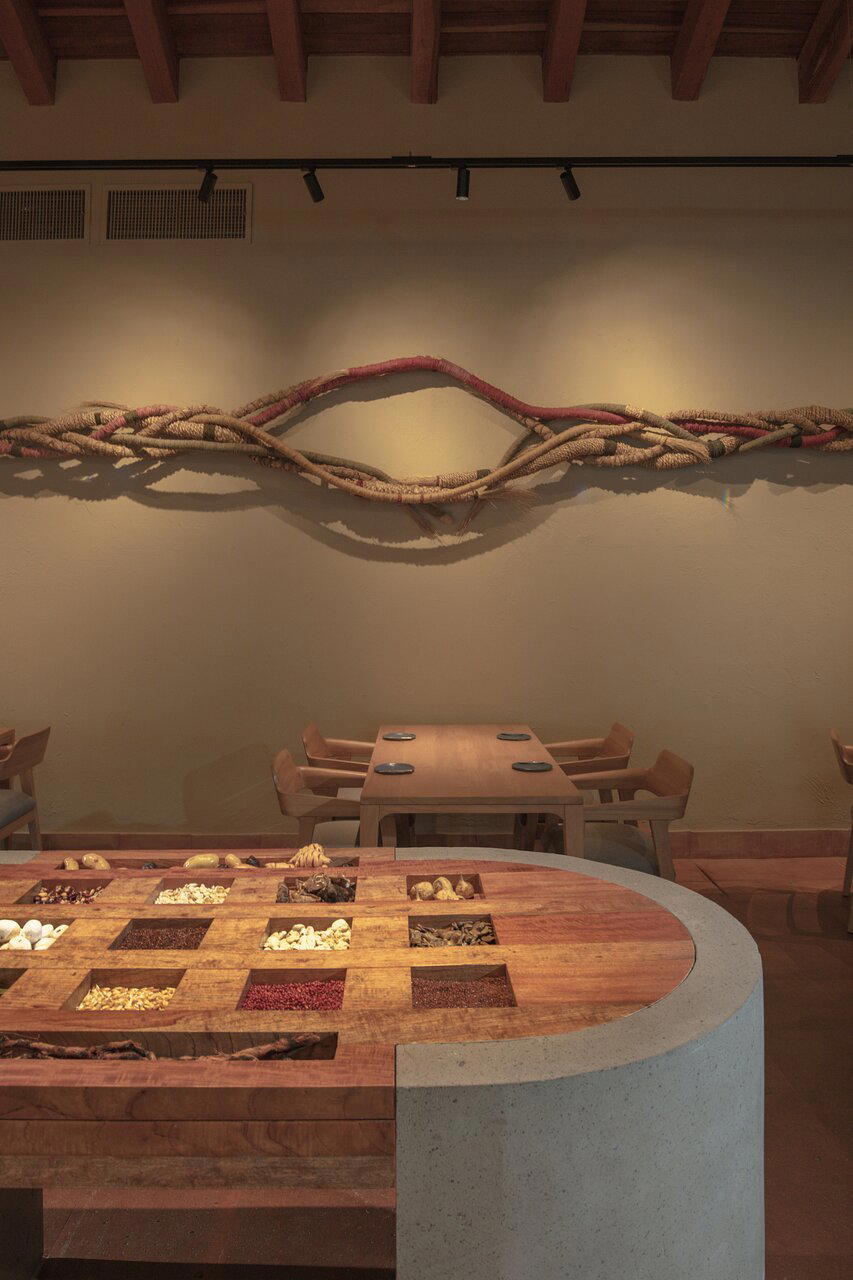
Restaurants in Cusco
All restaurants in Cusco →
Bars in Cusco
Browse all →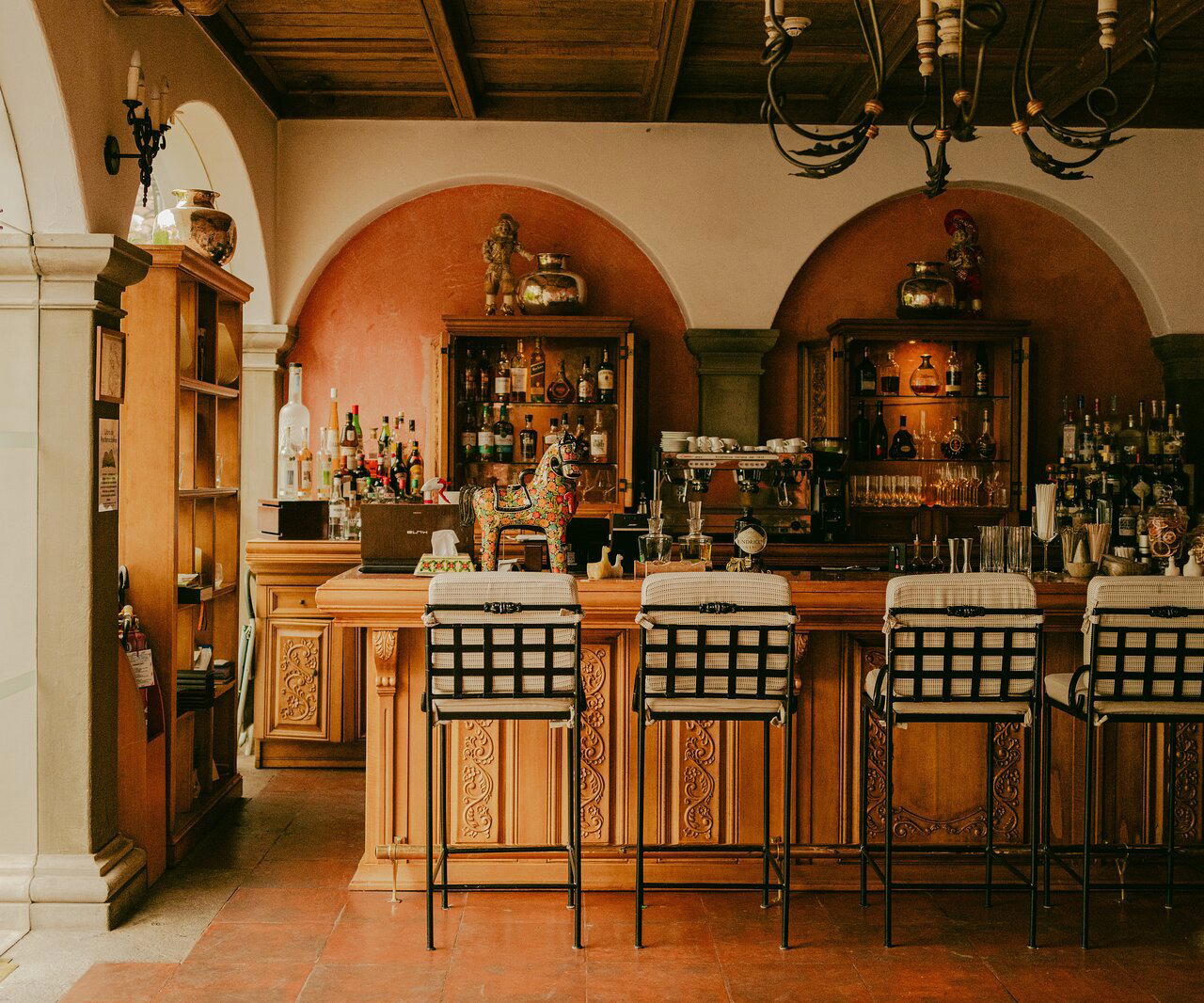
Details
- Lively
- Modern
- Scenic
- Date Night
- Group Dining
- Casual Hangout
- Live Music
- Terrace
- Historic Building
- Craft Cocktails
- Beer Program
- Street Scene
- Mountain
- A La Carte
- Craft Cocktails
- Beer Program
- Gluten Free Options
Current opening hours
- Monday
- 12–11 PM
- Tuesday
- 12–11 PM
- Wednesday
- 12–11 PM
- Thursday
- 12–11 PM
- Friday
- 12–11 PM
- Saturday
- 12–11 PM
- Sunday
- 12–10 PM
Hours can change for holidays and private events. Hours as of .
Warm and pleasant atmosphere with modern decoration inspired by Peruvian roots, multiple levels offering dramatic views of the square and mountains, and a lively vibe enhanced by live bands.