Our verdict
The setting places it in a narrow category of museum restaurants that earn visits independent of the collection. For Cusco, that combination of colonial architecture, contemporary format, and proximity to the Plaza de Armas makes it a reference point in the city's mid-to-upper dining tier.

Pearl is the En Primeur Club membership app, where members save venues, book tables and use the concierge.
The menu
What to order
- Amazon pirarucu
- Mushroom soup
- Quinoa canelones
- Lucuma kisses
A Courtyard That Earns Its Own Reservation
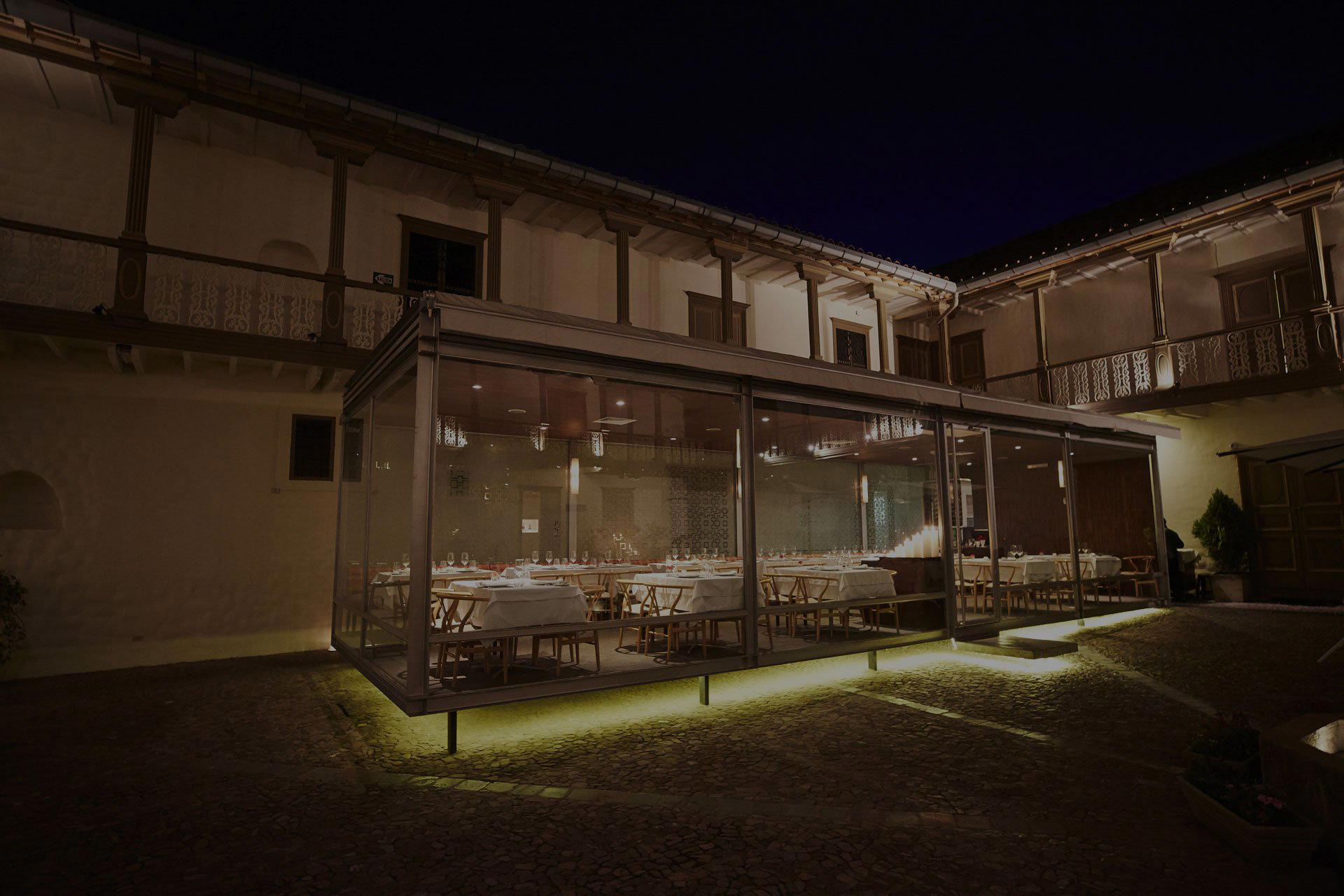
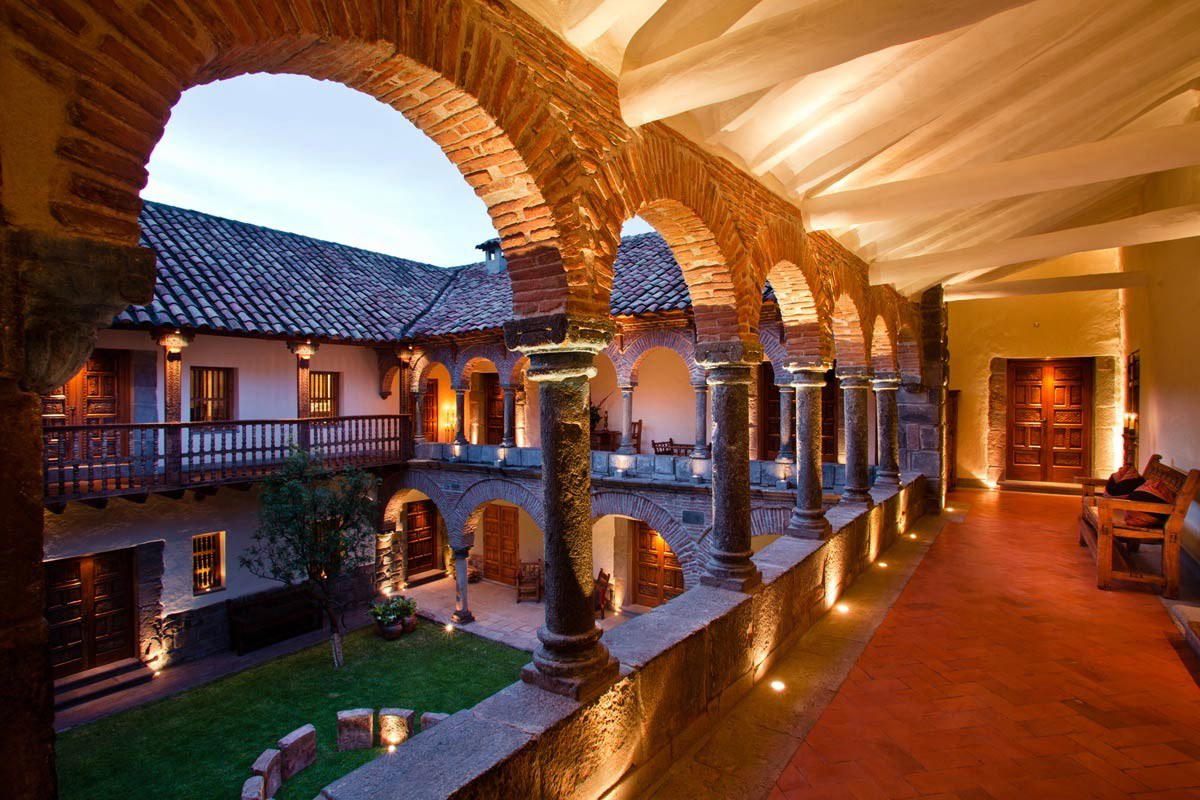
Cusco's restaurant scene has split along a familiar axis: colonial-setting venues that trade on atmosphere, and technically driven kitchens that compete on plate. The more interesting addresses manage both, and they tend to occupy the city's older buildings for structural reasons that go beyond aesthetics. You are eating inside a museum, surrounded by artefacts, under a roof that keeps the Andean night out while preserving sightlines to stone walls that predate the Spanish arrival by centuries.
That physical context is not incidental to the reservation. In a city where Fallen Angel - "The" Restaurant uses theatrical interior design as its primary proposition and Cicciolina (Peruvian) works a warm, ingredient-led room, MAP Café operates on a different register: the space is institutional in the leading sense, and the dining format has to meet that seriousness.
Planning the Visit: What the Booking Reality Looks Like
Cusco's altitude sits at roughly 3,400 metres, and most travel itineraries to the city are built around Machu Picchu logistics, which compresses discretionary dining time into one or two evenings. That structural pressure means the better-regarded rooms fill earlier than their equivalents in Lima or Arequipa, and MAP Café's position inside a ticketed museum building adds a layer of planning that casual walk-in visits may not accommodate. The advice that circulates among repeat visitors to Cusco is to treat MAP Café as a dinner anchor rather than a lunch option, and to confirm arrangements before arriving in the city rather than on arrival.
By comparison, the broader Peru dining circuit involves venues with very different lead times. Mil Centro in Moray, Virgilio Martínez's Sacred Valley project, books weeks to months ahead and operates a fixed format. Astrid & Gastón in Lima requires advance planning for its tasting menu seats. MAP Café does not operate at that reservation pressure, but its museum context means the practical question of access, specifically whether the museum entrance is required and what evening hours apply, is worth confirming directly before building an itinerary around it.
For travellers combining Cusco with the Sacred Valley, the dining geography matters. Mapacho Craft Beer Restaurant in Urubamba handles the valley side, while Cusco's upper tier handles city evenings. MAP Café fits the latter slot: a sit-down dinner in a city-centre setting, positioned near the San Blas neighbourhood that also houses Green Point and within walking distance of most central accommodation.
Where MAP Café Sits in the Cusco Dining Order
Cusco's restaurant scene at the upper end is smaller than its tourism volume suggests. The city draws significant visitor numbers through the year, with a pronounced high season running from May through October when dry-season conditions make the Inca Trail and surrounding sites most accessible. That seasonal concentration means demand spikes for a limited number of well-regarded rooms, and MAP Café operates within that constrained supply.
MAP Café's museum setting gives it a positioning that none of those venues directly replicate: the space is the credential, and the question for the visitor is whether the kitchen matches it.
Peru's wider dining reputation is carried primarily by Lima, where addresses like Osaka Nikkei in San Isidro and Costanera 700 in Miraflores operate in an internationally recognised fine dining ecosystem. Cusco functions as a regional node in that circuit, and MAP Café holds a position inside it that its address alone justifies investigating.
The Format Question: Formal or Casual, and Why the Answer Matters in Cusco
At altitude, after a day of site visits, most travellers are not looking for a structured, multi-hour tasting format of the kind that defines Lazy Bear in San Francisco or Le Bernardin in New York City. MAP Café's museum context suggests a degree of formality that its actual service register may not replicate. The courtyard setting, glass-enclosed and curated, reads as smart-casual rather than black-tie, which places it in the tier of Cusco venues where effort in dress reads as respect for the space without requiring it.
That distinction matters for trip planning. Cusco is a city where travellers arrive from multi-day treks or bus journeys from the Sacred Valley, and the capacity to dress appropriately depends on luggage choices made days earlier. MAP Café's positioning on this axis makes it a more accessible evening option than a harder-format venue would be, while still operating above the casual street-food tier that the San Blas neighbourhood also offers in quantity.
Broader Context: Cusco in the Peru Circuit
Peru's regional dining geography is more distributed than its international reputation implies. The Amazon basin has its own dining narrative, represented at the niche end by Delfin Amazon Cruises in Iquitos and Delfin I dining room in Nauta. The central highlands have El Rey in Oxapampa. Arequipa holds Cirqa in Arequipa as its most discussed contemporary address. And further afield, Marañón Province in Maranon represents the cacao-producing north that has become a reference point for Peruvian chocolate sourcing.
Cusco occupies a specific slot in that geography: it is the historical and archaeological anchor of southern highland Peru, and its dining scene reflects the tension between serving a high-volume tourist population and maintaining quality that would justify visits in their own right. MAP Café is one of the addresses that sits closer to the latter pole, in part because its museum context limits the volume of covers it can absorb.
For a full picture of what Cusco's dining scene currently offers across categories and price points, the EP Club Cusco restaurants guide maps the city's options against neighbourhood, format, and cuisine type. The museum building it occupies is the Museo de Arte Precolombino, one of the city's principal pre-Columbian collections. Given the venue's museum context and the compressed dining windows that most Cusco itineraries produce, establishing contact and confirming access terms before arrival is a more reliable approach than assuming walk-in availability.
Frequently asked questions
Is MAP Café okay with children?
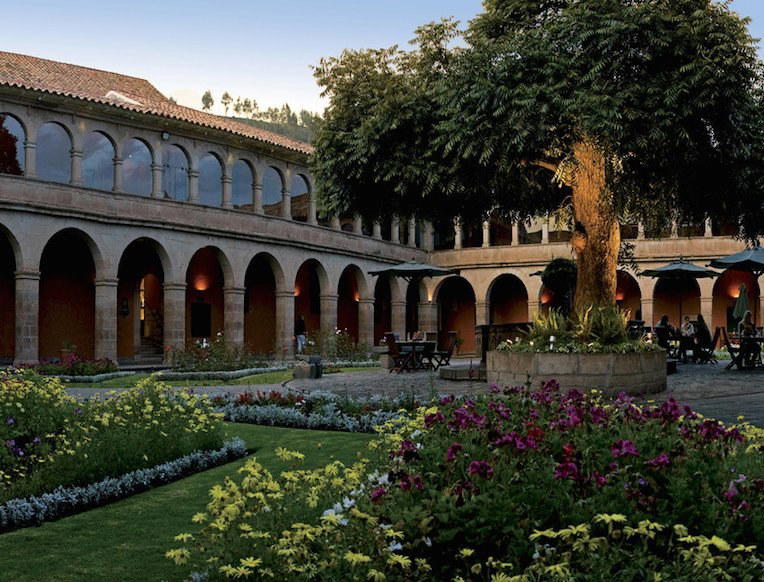
The glass-enclosed courtyard inside the Museo de Arte Precolombino at Nazarenas 231 runs quieter than most of Cusco's casual restaurant options, which suits families with older children who can manage a composed setting. Younger children are not excluded, but the museum context and atmosphere lean toward a slower, seated pace rather than an informal meal. Families visiting Cusco with mixed-age groups should factor in altitude fatigue, which can affect children's tolerance for longer dining formats.
Is MAP Café formal or casual?
Cusco does not operate on a formal dress-code culture, and MAP Café sits in smart-casual territory despite its address inside a museum building. The courtyard setting at Nazarenas 231 draws a mix of travellers and local diners, and the prevailing standard is neat, comfortable clothing rather than business or evening dress. Altitude conditions at 3,400 metres also mean most visitors prioritise layering over formality.
Is MAP Café inside the Museo de Arte Precolombino, and do you need a museum ticket to eat there?
MAP Café is located within the Museo de Arte Precolombino building at Nazarenas 231 in central Cusco, which is the origin of the café's name. Contacting the venue directly before your visit is advisable, particularly during peak Cusco travel periods when both the museum and restaurant see higher demand.
What do people recommend at MAP Café?
What the venue's position within Cusco's upper dining tier suggests is a focus on Andean ingredients and Peruvian technique, which is the dominant framework at this level of the city's restaurant scene.
Quick Comparison
Comparable venues nearby, for context on price, style, and recognition.
| Venue | Cuisine | Price | Awards | Notes |
|---|---|---|---|---|
| MAP CaféThis venue (the venue you are viewing) | Modern Peruvian Fusion | $50–100 | Not listed | Not listed |
| Inkaterra La Casona | Traditional Peruvian Fine Dining | Not listed | Relais Chateaux Award | Plaza de las Nazarenas |
| Mauka | Modern Peruvian Fine Dining | $50–100 | Not listed | San Blas |
| Pacha Mamma | Authentic Andean Peruvian | Not listed | Not listed | San Blas |
| Chicha por Gaston Acurio | Modern Peruvian | $20–30 | Not listed | Centro Histórico |
| LIMO Cocina Peruana & Pisco Bar | Peruvian Nikkei Fusion | $30–50 | Not listed | Plaza de Armas |
Continue exploring
More in Cusco
Restaurants in Cusco
All restaurants in Cusco →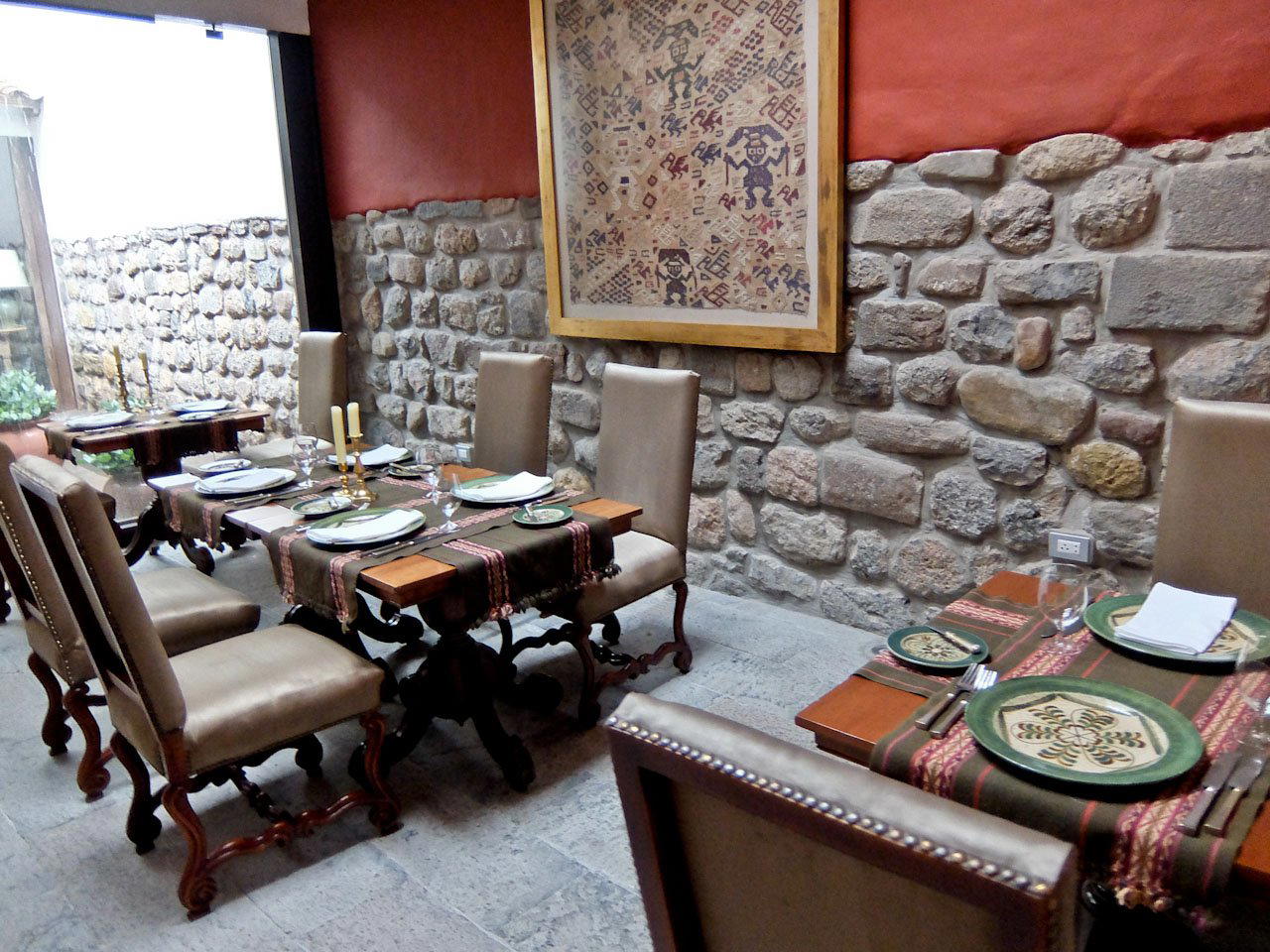
Bars in Cusco
Browse all →
Details
- Elegant
- Scenic
- Sophisticated
- Modern
- Date Night
- Special Occasion
- Courtyard
- Historic Building
- Local Sourcing
- Farm To Table
- Garden
- A La Carte
- Vegetarian Friendly
- Vegan Options
- Gluten Free Options
Current opening hours
- Monday
- 12–3 PM, 6–10 PM
- Tuesday
- 12–3 PM, 6–10 PM
- Wednesday
- 12–3 PM, 6–10 PM
- Thursday
- 12–3 PM, 6–10 PM
- Friday
- 12–3 PM, 6–10 PM
- Saturday
- 12–3 PM, 6–10 PM
- Sunday
- 12–3 PM, 6–10 PM
Hours can change for holidays and private events. Hours as of .
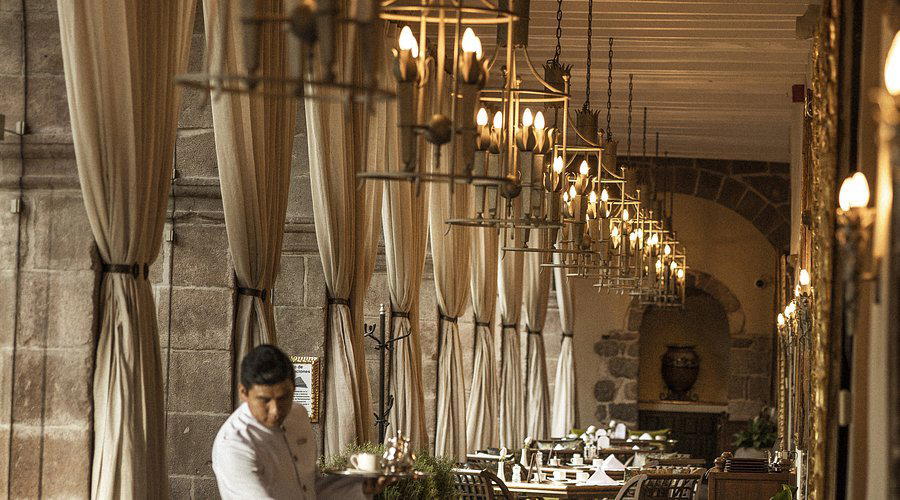
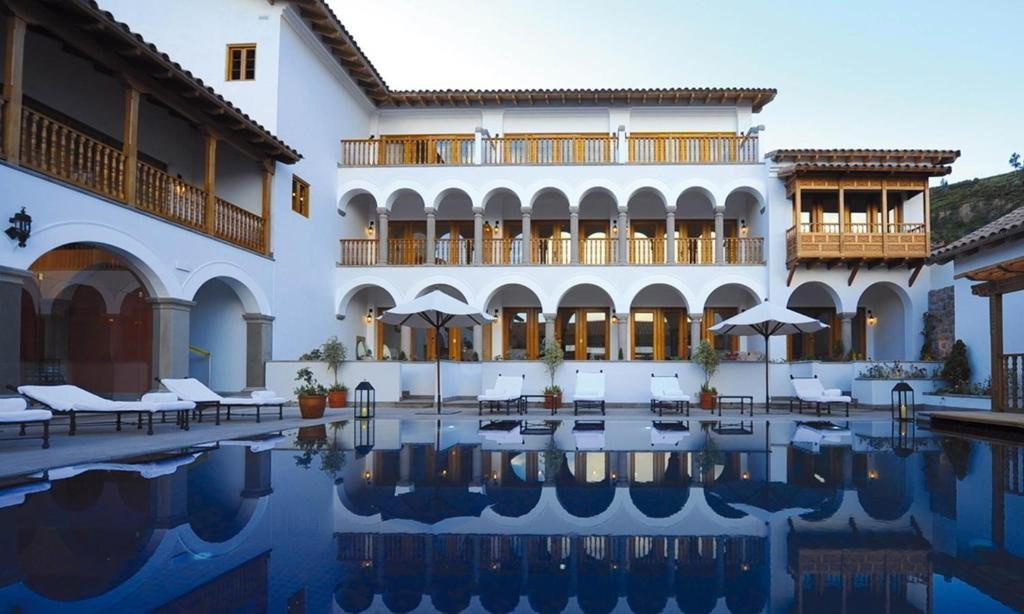
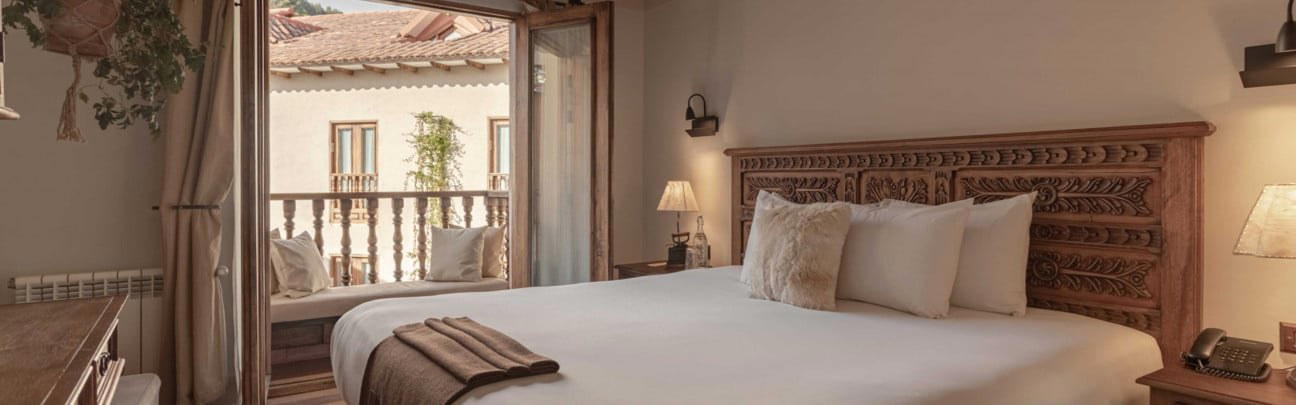
Elegant conservatory atmosphere with all-glass walls overlooking a historic colonial courtyard, praised for its dramatic setting and refined lighting.