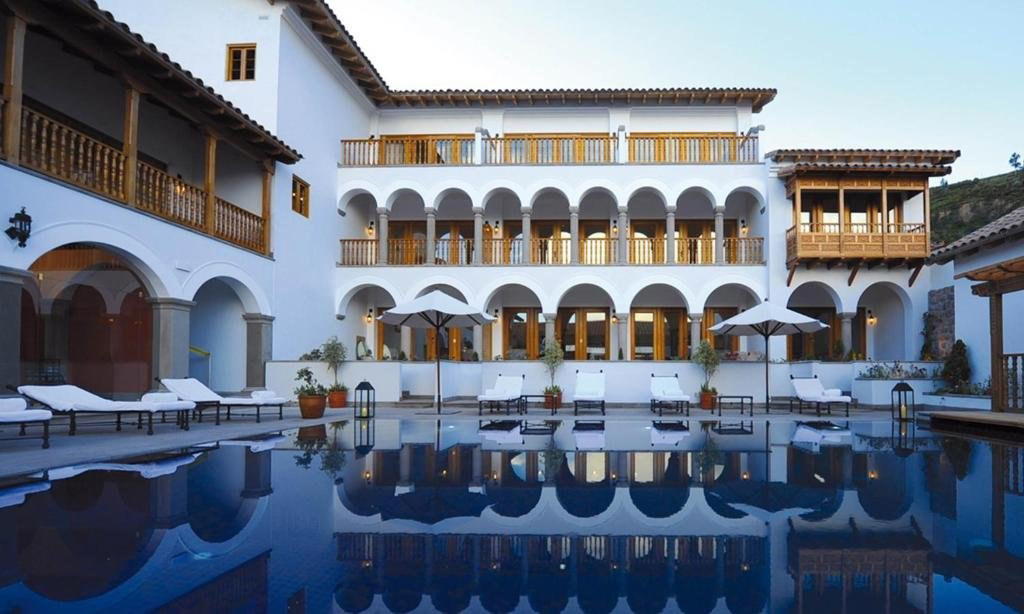
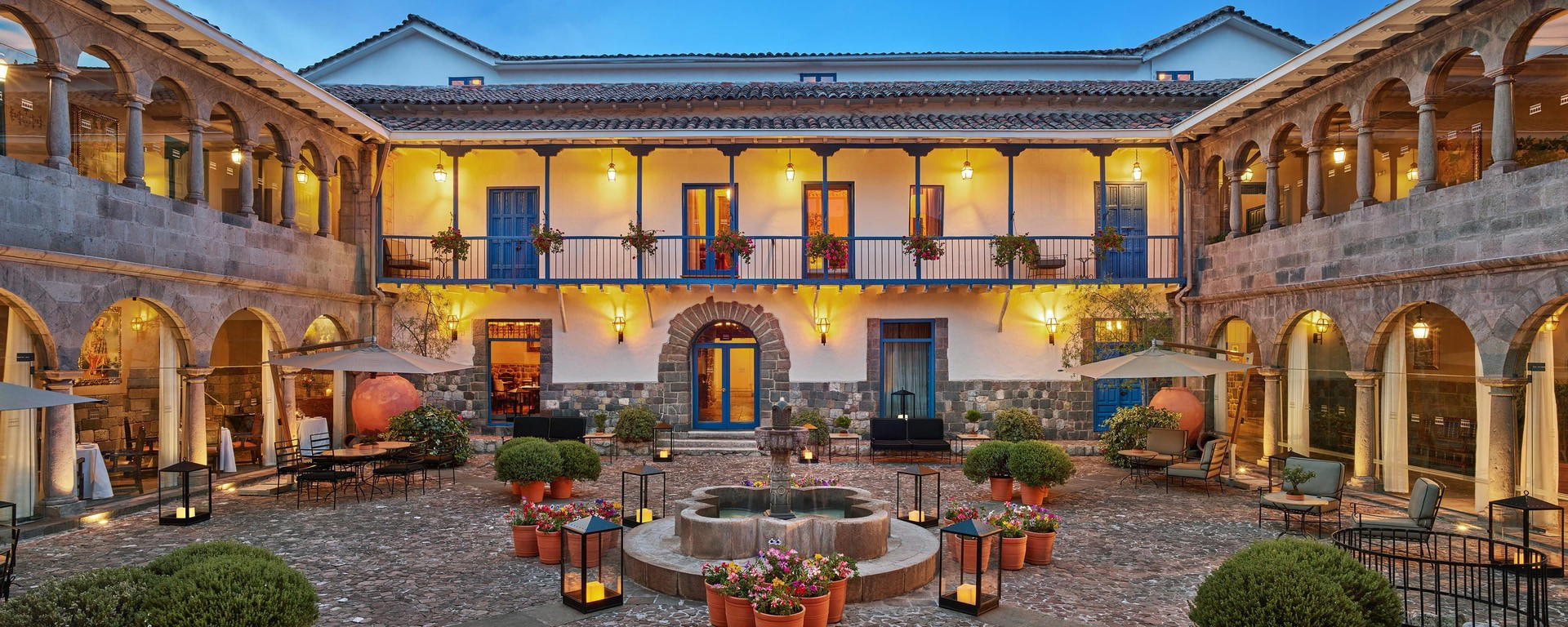
Casa Andina Standard Cusco Catedral occupies a colonial building on Santa Catalina Angosta, steps from Cusco's Plaza de Armas, placing guests inside among the more architecturally dense neighbourhoods in South America. The property sits in the mid-range tier of Cusco's accommodation market, suited to travellers who want a central base without the ceremony of the city's converted-convent luxury hotels. Proximity to the cathedral and Santo Domingo church makes it a practical choice for those prioritising location over amenity depth.
Pearl is the En Primeur Club membership app — saves, bookings, and concierge access live there. Same editors, same standards.
- Address
- Sta. Catalina Angosta 149, Cusco 08002, Peru
- Phone
- +51 84 233661
- Website
- casa-andina.com
- Directions
- Get directions
 Saves & bookings on Pearl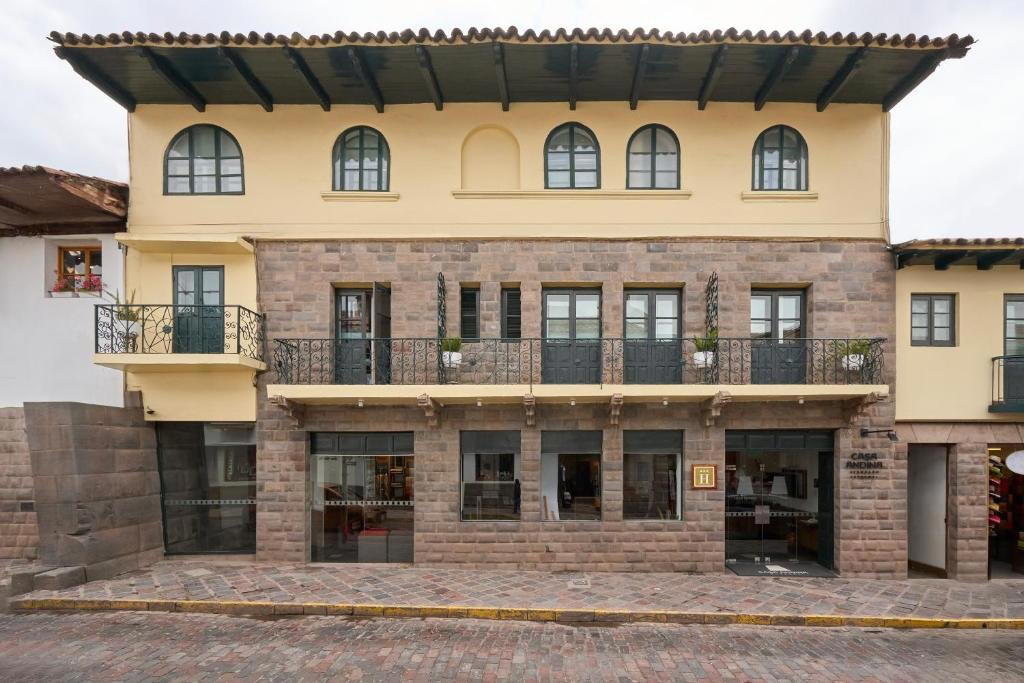
Colonial Stone, Mid-Market Positioning: Where Casa Andina Standard Cusco Catedral Fits
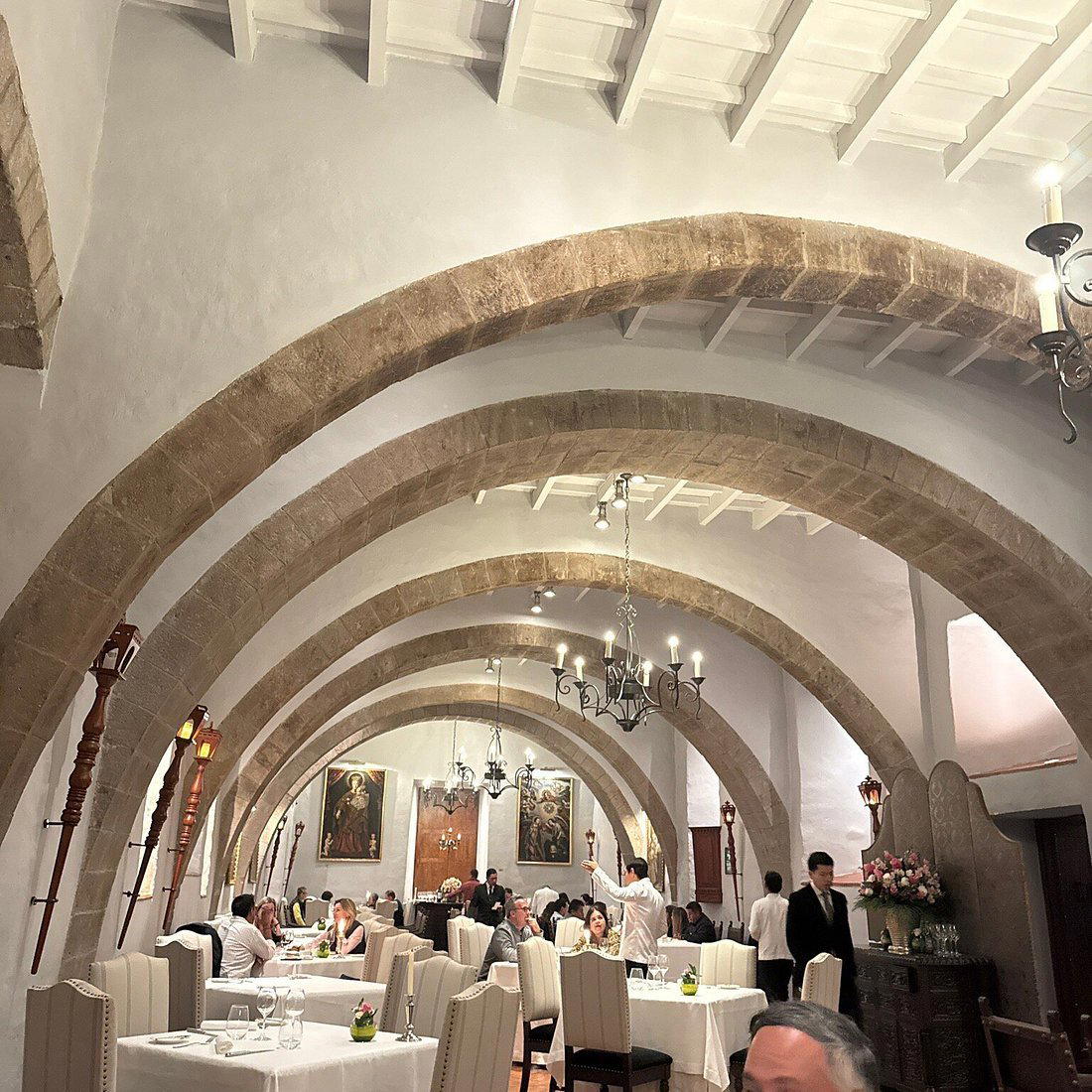
Walking Santa Catalina Angosta toward the Plaza de Armas, the street narrows to the width of a colonial alley, flanked by pale ochre walls and carved stone lintels that date to the Spanish rebuilding of Cusco's Inca foundations in the sixteenth and seventeenth centuries. The address 149 on that street belongs to Casa Andina Standard Cusco Catedral, a mid-range property from Peru's largest domestically owned hotel group. The building's location places it within a few minutes' walk of the cathedral, the Qorikancha temple complex, and the main square, a concentration of colonial and pre-Columbian architecture that few cities in the Americas can match at such density.
Cusco's accommodation spectrum has spread considerably over the past two decades. At the upper end sit the city's converted religious buildings: Belmond Hotel Monasterio, housed in a former seminary from 1595, and Inkaterra La Casona, a sixteenth-century mansion on the Plaza de las Nazarenas. Palacio Nazarenas, JW Marriott El Convento Cusco, and Palacio del Inka, a Luxury Collection Hotel occupy similar heritage shells with corresponding rate structures. Aranwa Cusco Boutique Hotel and Tambo del Inka, a Luxury Collection Resort & Spa round out the premium tier. Casa Andina Standard Cusco Catedral operates in a different bracket entirely, designed for travellers whose calculation prioritises location and reliability over restored frescoes and butler service.
The Architecture of the Street
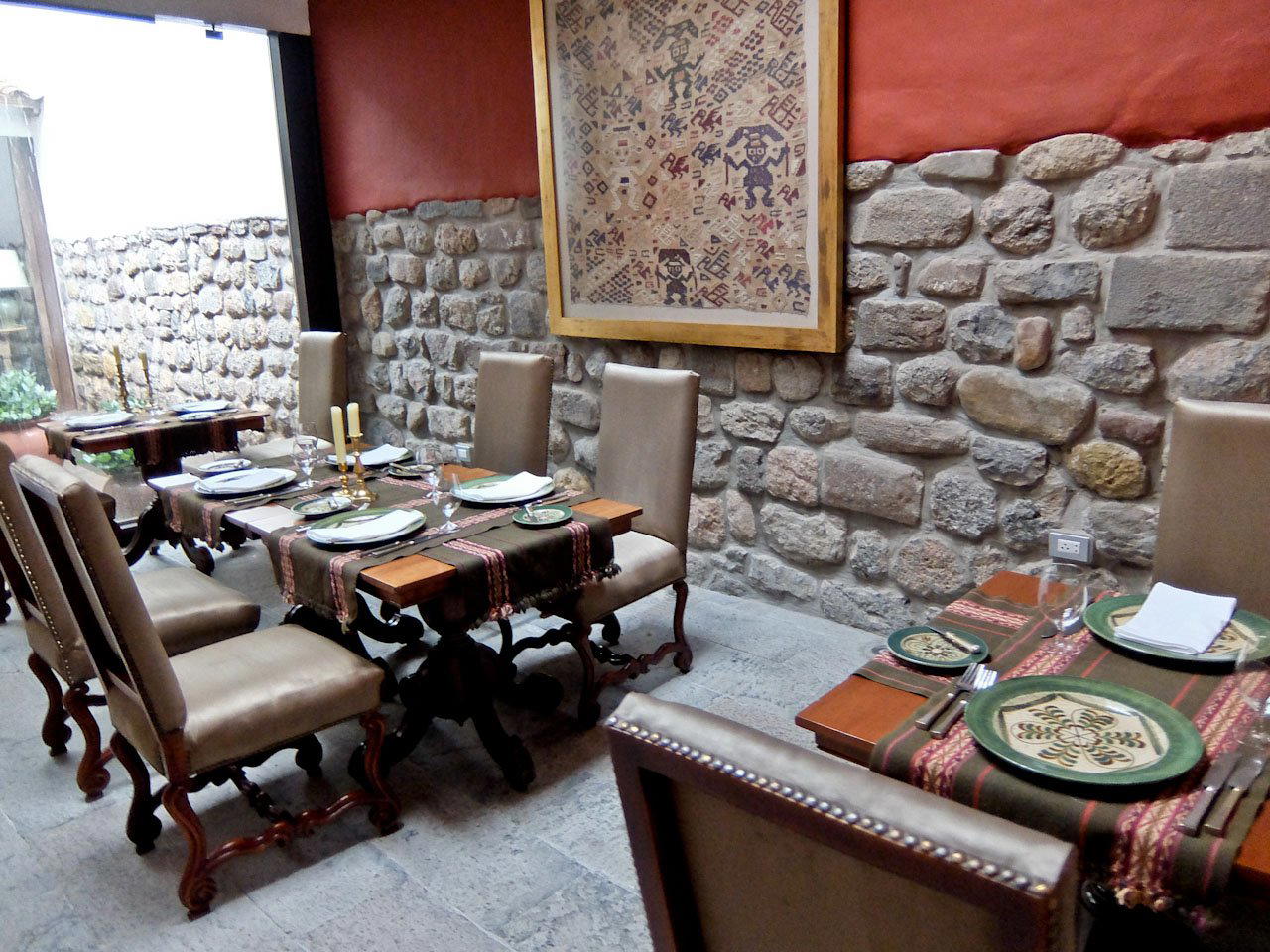
The neighbourhood itself does the heavy lifting that other city centres leave to their hotels. Santa Catalina Angosta runs parallel to the cathedral's southern flank, meaning the stone mass of one of Peru's most significant colonial-era buildings dominates the immediate sightline. Cusco's colonial architecture was constructed on Inca foundations, and in places the lower courses of walls are visibly Inca stonework, the enormous precisely fitted blocks contrasting with the rougher Spanish masonry above. This layering of civilisations is not incidental background: it is the defining physical character of the historic centre, a UNESCO World Heritage Site since 1983.
For a property in the Standard tier of the Casa Andina group, the significance of the address outweighs the amenity stack. The group operates across Peru in three tiers, Standard, Select, and Premium, with Casa Andina Premium Arequipa representing the upper end of that domestic ladder. The Standard category is designed for functional comfort and consistent service rather than architectural spectacle, which makes the Catedral property something of an anomaly: a Standard-tier offering on a street that the Premium-tier hotels would envy for proximity.
What the Location Means in Practice
Cusco sits at 3,400 metres above sea level, which means the practical calculation for first-time visitors, and many returning ones, involves managing altitude acclimatisation above all else. A central address like Santa Catalina Angosta 149 reduces the amount of walking required on arrival days, when most travellers prefer to stay close to their base. The Plaza de Armas, with its restaurants, pharmacies, and money exchange offices, is within a few minutes on foot. The San Pedro market, a more local alternative to the tourist-facing stalls near the square, is roughly fifteen minutes south on foot.
Travellers who book Sumaq Machu Picchu Hotel or Inkaterra Machu Picchu Pueblo Hotel in Aguas Calientes typically use Cusco as a staging city, making the ease of central access a meaningful variable. For those extending into Peru's wider circuit, the country offers a range of accommodation contexts: Titilaka in Puno for Lake Titicaca immersion, Willka T'ika Essential Wellness in Urubamba in the Sacred Valley, Refugio Amazonas Lodge in Puerto Maldonado for jungle access, and Delfin Amazon Cruises in Iquitos for river travel. Crowne Plaza Lima by IHG and Hotel Paracas, a Luxury Collection Resort, Paracas serve travellers anchoring in the capital or the coast. For northern Peru, Hotel Kuelap in Utcubamba provides a base for the Kuelap fortress circuit.
Who This Property Is For
The competitive conversation for the hotel is not with the converted monasteries at the summit of the market. It is with the cluster of three- and four-star properties in Cusco's historic centre that serve independent travellers, small group tours, and itinerary-focused visitors who treat their Cusco accommodation as a functional base rather than a destination in itself. Within that frame, the address on Santa Catalina Angosta represents a meaningful advantage: few properties in the Standard tier sit as close to the cathedral and the main square.
The Casa Andina group's domestic scale across Peru, with properties from Arequipa to Puno and beyond, gives the brand a consistency signal that independent mid-range hotels cannot always match. Travellers moving across Peru on multi-stop itineraries often find the group's standardised booking and check-in systems useful, even if the physical properties vary considerably in character.
maps the city's hotels across price tiers and neighbourhood contexts. Aman Venice or Castello di Reschio in Lisciano Niccone for how European properties handle historic fabric at higher price points, while Amangiri in Canyon Point, Bvlgari Hotel Tokyo, Badrutt's Palace Hotel in St. Moritz, Aman New York, and The Fifth Avenue Hotel in New York City
At-a-Glance Comparison
Comparable venues nearby, for context on price, style, and recognition.
| Venue | Cuisine | Price | Awards | Notes |
|---|---|---|---|---|
| Casa Andina Standard Cusco CatedralThis venue — the venue you are viewing | Traditional 3-star hotel in central Cusco with contemporary Peruvian design. | $$ | 3-Star | Not listed |
| Antigua Casona San Blas | Colonial heritage boutique hotel with contemporary restoration, blending 18th-century architecture with modern luxury amenities. | $$$ | 4-Star | San Blas |
| JW Marriott El Convento Cusco | Restored 16th-century convent blending historic architecture with contemporary luxury | $$$$ | 5-Star | Cusco Historic Center |
| Belmond Hotel Monasterio | Converted 16th-century monastery blending colonial grandeur with modern luxury | $$$$ | 5-Star | Cusco Historic Center |
| Aranwa Cusco Boutique Hotel | Colonial mansion boutique hotel-museum with Inca heritage fusion | $$$$ | 5-Star | Cusco Historic Center |
| Palacio del Inka, a Luxury Collection Hotel | Restored 16th-century palace with ancient Andean-inspired decor and ornate modern amenities. | $$$$ | 5-Star | Cusco Historic Center |
Continue exploring
More in Cusco
Hotels in Cusco
Browse all →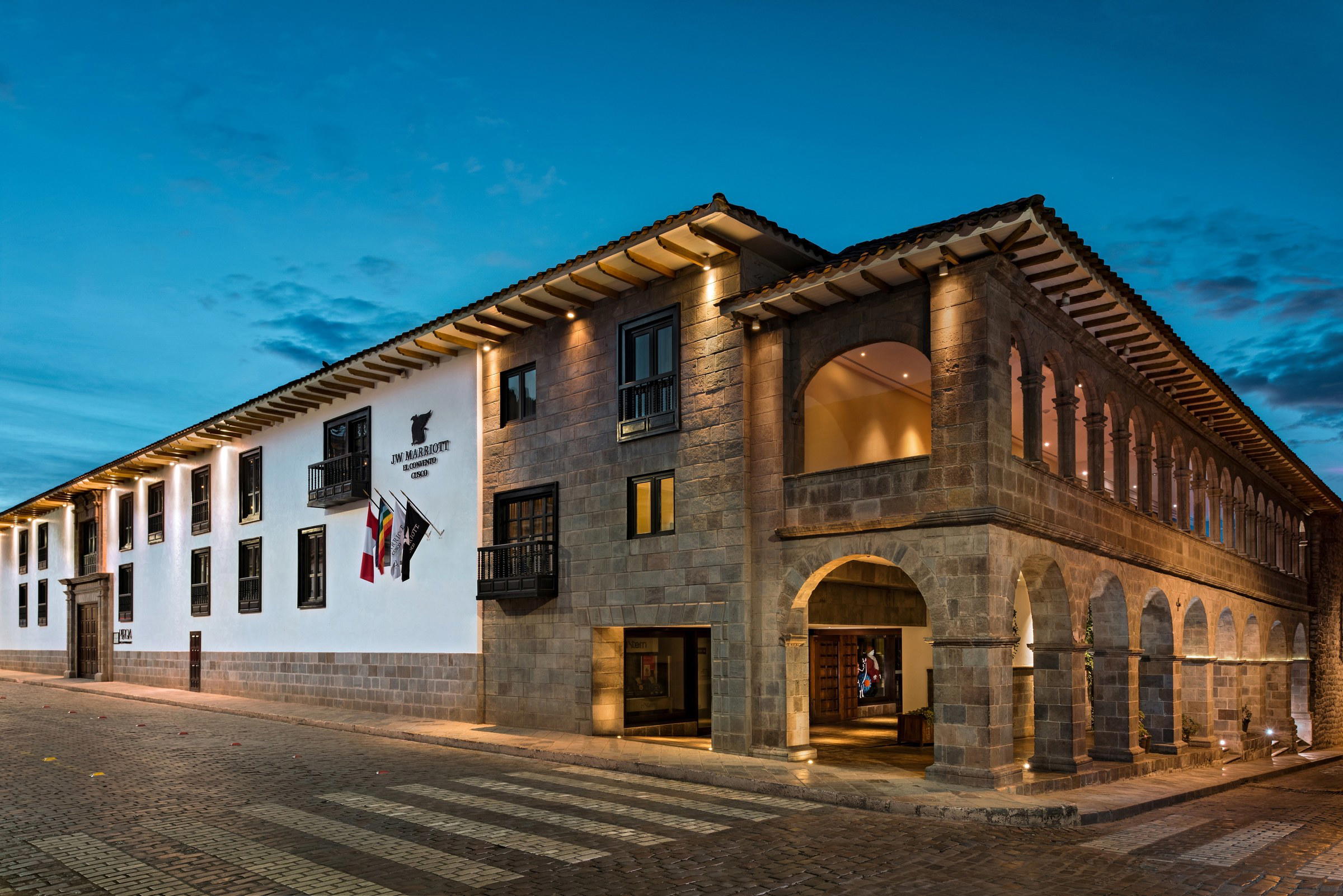
At a Glance
- Classic
- Cozy
- Elegant
- Romantic Getaway
- Family Vacation
- Business Trip
- Weekend Escape
- Historic Building
- Terrace
- Wi Fi
- Room Service
- Concierge
- Business Center
- Street Scene
- Wi Fi
- Room Service
- Concierge
- Business Center
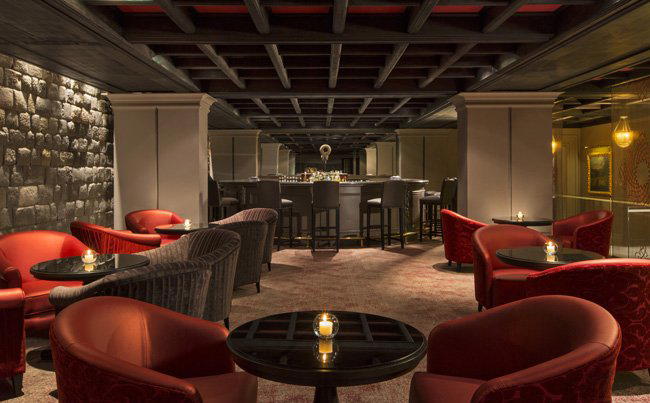
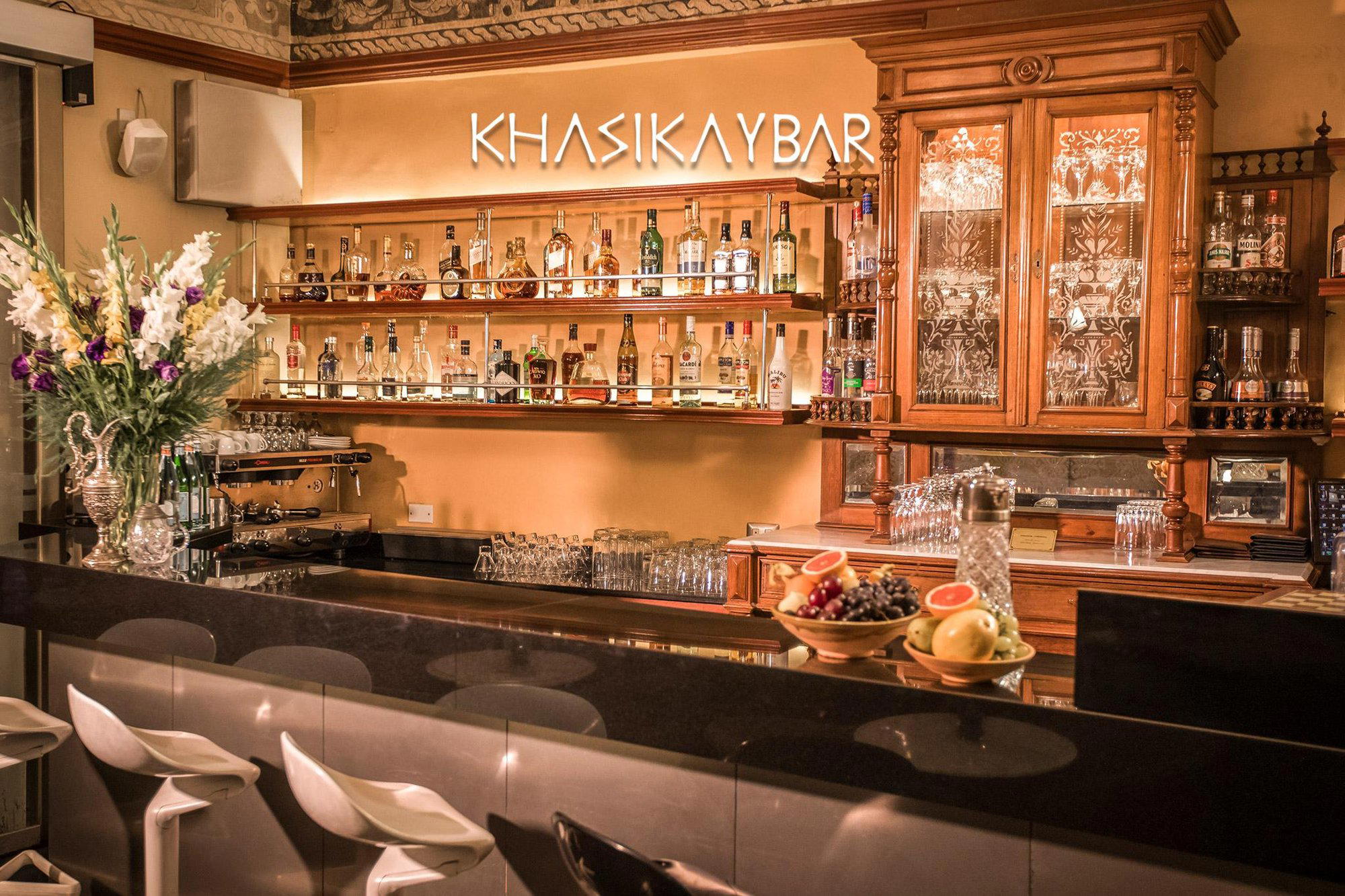
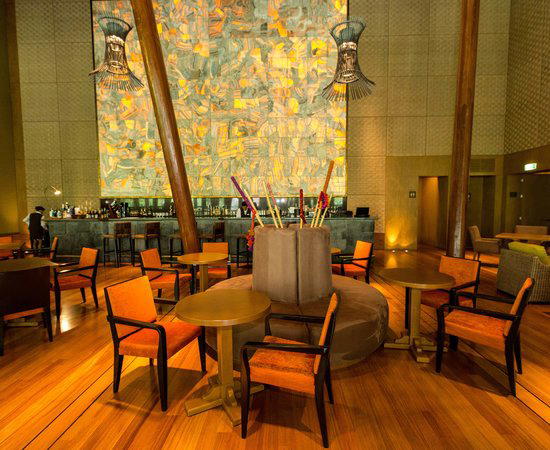
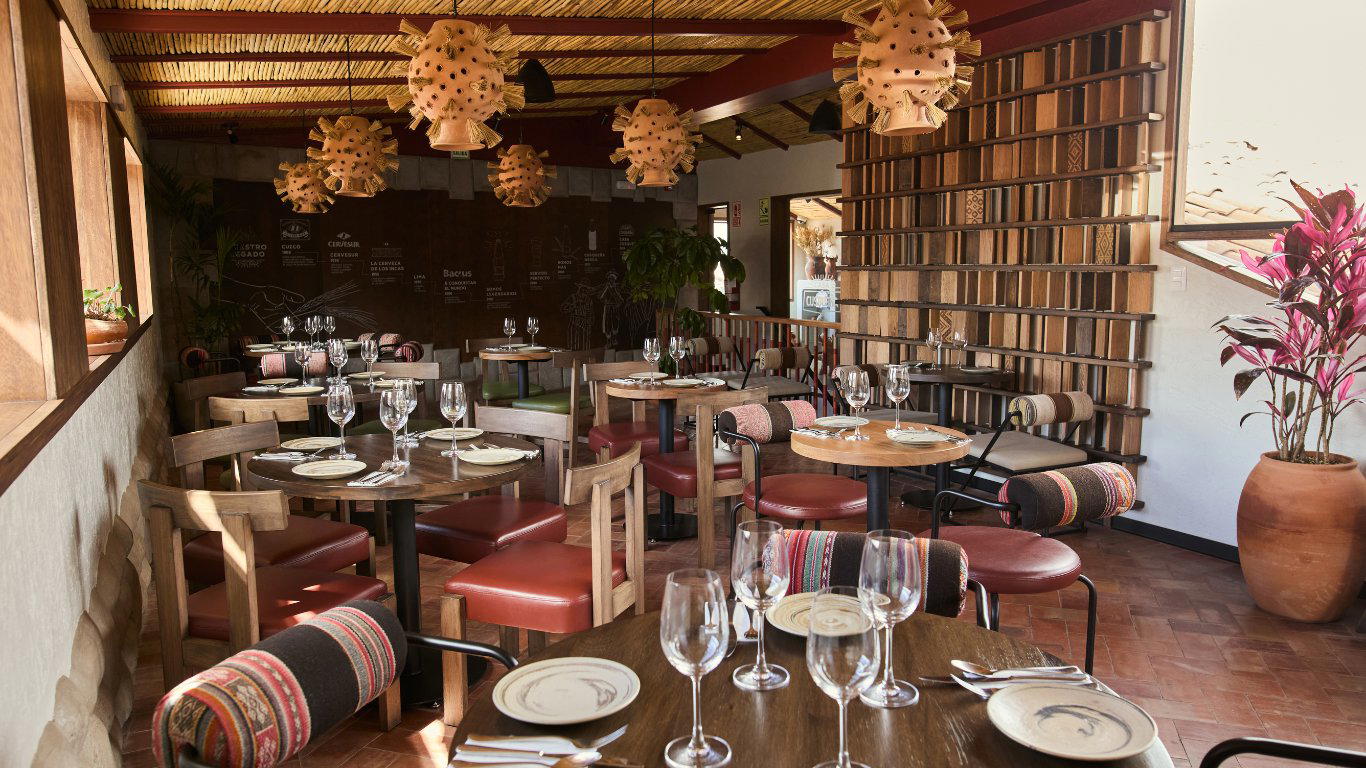
Cozy and modern atmosphere with comfortable rooms, some offering cathedral views, in a central historic setting.